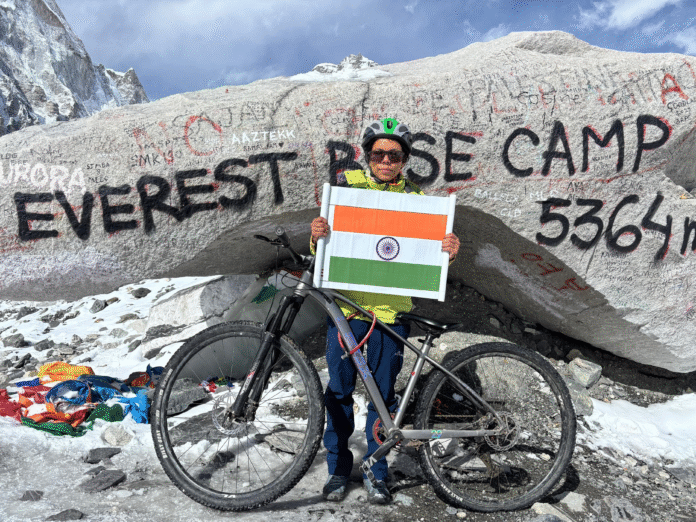
Divya Singh is a young Indian adventure cyclist from Uttar Pradesh who has recently gained national attention for completing a remarkable cycling expedition to Everest Base Camp (EBC).
What made her famous?
She cycled from Kathmandu (Nepal) to Everest Base Camp (5,364 meters) in just 14 days, a journey known for its extreme difficulty due to steep Himalayan terrain, freezing temperatures, low oxygen levels (high-altitude hypoxia) and unpredictable weather.
This is not a standard cycling route, in several stretches, she reportedly had to carry her bicycle on her shoulders, highlighting the toughness of the expedition.
Why her achievement stands out
Rode 10–12 hours daily across rugged mountain trails
Overcame altitude sickness risks and fatigue
Completed a feat rare even among experienced cyclists
Earned recognition as an emerging face of women in adventure sports in India
Why she’s trending
Her journey went viral on social media, with photos and videos capturing:
Harsh Himalayan conditions
Her determination and endurance
The emotional final stretch to Everest Base Camp
Bigger impact
Divya Singh’s achievement is being seen as:
A milestone for women in endurance sports
A boost to adventure tourism awareness
Inspiration for young Indians to pursue non-traditional, high-risk challenges
The global fitness and wellness industry in 2026 is undergoing a significant shift—from aesthetics and quick results to longevity, personalization, and holistic well-being. Across the world, people are no longer just chasing fitness goals; they are seeking sustainable health, better quality of life, and mental resilience. Here are the key trends shaping this transformation.
1. Longevity and Preventive Health Take Centre Stage
One of the biggest global trends is the focus on living longer and healthier. Wellness is now centred on improving “healthspan”—not just lifespan. People are investing in metabolic health, early diagnostics, and lifestyle changes that reduce long-term disease risk.
2. Rise of AI and Personalised Fitness
Fitness is becoming smarter and more personalised through data and technology. AI-driven platforms now create customised workout plans, nutrition advice, and recovery strategies based on individual biomarkers and habits. This shift marks the move away from one-size-fits-all fitness to tailored wellness journeys. 3. Wearables and Data-Driven Health
Wearable devices and health-tracking apps continue to dominate global fitness trends. From tracking heart rate and sleep to monitoring stress and recovery, individuals are increasingly relying on real-time data to optimise their health and performance.
4. Sleep and Recovery as Core Fitness Pillars
Sleep is no longer an afterthought—it is central to fitness. Advanced sleep tracking, circadian rhythm optimisation, and recovery-focused routines are gaining popularity as people recognise their impact on metabolism, mental health, and performance.
5. Mental Health and “Neurowellness”
A major shift in 2026 is the integration of mental health into fitness. Practices like meditation, breathwork, and nervous system regulation—often called “neurowellness”—are becoming mainstream. Fitness is now as much about reducing stress as it is about building strength.
6. Community-Based Fitness and Social Wellness
Globally, there is a move away from isolated workouts toward community-driven fitness. Run clubs, group classes, and wellness communities are growing rapidly, offering not just physical benefits but also social connection and motivation.
7. Functional and Sustainable Fitness
Instead of extreme workouts, people are choosing functional, sustainable routines like walking, strength training, and mobility exercises. The focus is on consistency, injury prevention, and long-term fitness rather than quick transformations.
8. Balance Between High-Tech and Human Wellness
Interestingly, while technology is booming, there is also a counter-trend—people are seeking simpler, more human experiences. Wellness retreats, outdoor activities, and low-tech mindfulness practices are gaining popularity as a balance to digital overload.
The Big Shift: From Fitness to Holistic Wellness
The defining trend of 2026 is clear—fitness is no longer just about physical appearance. It is about integrating body, mind, and lifestyle into a sustainable system of health. As technology advances and awareness grows, the future of wellness lies in balance: between data and intuition, performance and recovery, and individuality and community. In this evolving landscape, the goal is not just to be fit—but to be truly well.
The Arctic fox is one of the most resilient animals on Earth, perfectly adapted to life in the extreme conditions of the Arctic. Found across the tundra regions of North America, Europe, and Asia, this small mammal thrives in an environment where temperatures can drop below –50°C and food is often scarce.
One of the Arctic fox’s most remarkable features is its ability to withstand intense cold. Its compact body, short ears, and thick fur minimise heat loss, while even the soles of its feet are covered in fur for insulation. The fox’s bushy tail serves as a blanket, wrapping around its body during freezing winds. Another fascinating adaptation is its seasonal coat change—white in winter for camouflage in snow, and brown or grey in summer to blend with the tundra landscape.
Despite harsh conditions, the Arctic fox is an opportunistic omnivore. Its diet mainly consists of small mammals such as lemmings, along with birds, eggs, fish, and carrion. During winter, it often follows larger predators like the polar bear, feeding on leftover scraps. Its keen hearing allows it to detect prey beneath thick snow, after which it pounces with precision.
Arctic foxes remain active throughout the year and do not hibernate. They live in complex burrow systems that provide shelter from the cold and predators, some of which are used for generations. These dens become especially important during the breeding season.
Reproduction takes place once a year, typically in spring. After a gestation period of about 50–52 days, the female gives birth to a large litter—sometimes up to 20 pups, one of the largest among mammals. The young grow quickly and are usually independent by autumn.
Currently, the Arctic fox is classified as a species of “Least Concern” globally. However, it faces growing challenges from climate change, which alters its habitat and allows competitors like the red fox to expand northward.
The Arctic fox stands as a powerful example of adaptation and endurance. In one of the planet’s most unforgiving environments, it not only survives but thrives—reminding us of nature’s extraordinary resilience.
India’s healthcare system is undergoing a profound transformation, driven by rapid technological advancement, policy support, and a growing digital ecosystem. In a country long challenged by gaps in accessibility and infrastructure, technology is emerging as a powerful equaliser—bringing quality healthcare closer to millions. While this shift mirrors global trends, India’s scale, diversity, and innovation make its journey uniquely significant.
Building a Digital Health Ecosystem
A cornerstone of this transformation is the Ayushman Bharat Digital Mission (ABDM), launched to create an integrated digital health infrastructure. At its core is the ABHA (Ayushman Bharat Health Account) number, a unique digital identity that allows individuals to store and access their medical records securely across hospitals and platforms.
By reducing fragmentation in health data, ABDM aims to improve continuity of care, minimise duplication of tests, and make healthcare delivery more efficient and patient-centric.
Telemedicine: Expanding Access Across India
Telemedicine has revolutionised healthcare access, particularly in rural and underserved areas. Its adoption surged during the COVID 19 Pandemic and has since become a vital part of the healthcare system.
Government-backed platforms like eSanjeevani , along with private services such as Practo and Apollo 24/7, enable patients to consult doctors, access prescriptions, and seek follow-up care without the need for travel. This is particularly impactful in regions where specialist care is limited.
Artificial Intelligence: Enhancing Diagnosis and Efficiency
The integration of Artificial Intelligence(AI) is gradually reshaping diagnostics and clinical decision-making in India. AI tools are being used to assist in detecting diseases such as Tuberculosis, cancer, and diabetic eye conditions through analysis of medical images and data.
While adoption is still concentrated in urban hospitals, research institutions, and startups, AI holds significant promise in addressing the shortage of skilled medical professionals and improving diagnostic accuracy at scale.
Preventive Healthcare and Wearables
The growing use of wearable devices like Apple Watch and Fitbit reflects a shift toward preventive healthcare. These devices track vital parameters such as heart rate, sleep patterns, and physical activity, encouraging individuals to take a proactive approach to their health.
Although adoption is currently higher in urban and higher-income groups, such technologies are gradually shaping awareness around lifestyle-related diseases like diabetes and hypertension.
Digitisation of Hospitals and Health Records
Hospitals across India are increasingly adopting Electronic Health Records (EHRs), digital prescriptions, and integrated management systems. This digitisation improves efficiency, reduces medical errors, and enables better coordination among healthcare providers.
Access to real-time patient data allows for more informed decision-making, ultimately improving the quality and continuity of care.
Emerging Frontier: Precision Medicine
Advances in Geonomics are paving the way for personalised or precision medicine—where treatments are tailored to an individual’s genetic profile, lifestyle, and environment. In India, this approach is still at a developing stage and largely limited to specialised hospitals, particularly in oncology, but it represents a promising future direction.
India in the Global Context
Globally, healthcare systems are increasingly embracing digital tools, AI, and data-driven care. India stands out due to its strong IT capabilities, cost-effective innovation, and ability to implement solutions at scale. As digital infrastructure expands, the country is well-positioned to become a leader in affordable and scalable healthcare technology.
Challenges and the Way Forward
Despite significant progress, several challenges remain: ●Ensuring data privacy and cybersecurity ●Bridging the digital divide between urban and rural populations ●Improving digital literacy among patients and healthcare providers ●Strengthening regulatory frameworks for emerging technologies
Addressing these issues will be crucial to ensure equitable and safe adoption of digital healthcare solutions.
Toward a Healthier, Connected India
Technology is not replacing the human touch in medicine—it is enhancing it. In India, where disparities in healthcare access have long existed, digital innovation offers a pathway to more inclusive, efficient, and patient-centric care.
As technology continues to evolve, the convergence of healthcare and digital tools promises not only better treatment outcomes but also a future where quality healthcare is accessible to every citizen—regardless of geography.
Rooted in India’s rich knowledge traditions, Ayurveda is a holistic system of health that focuses on prevention, balance, and harmony between the body, mind, and environment. Developed over millennia, with foundations in classical texts such as the Charaka Samhita and Sushrut Samhita , Ayurveda remains deeply relevant in today’s fast-paced world.
At its core lies the concept of three governing energies or doshas— Vata (movement), Pitta (metabolism), and Kapha (structure). Health, according to Ayurveda, is achieved when these doshas are in balance and digestion, sleep, and mental well-being are stable.
Here are 12 timeless Ayurvedic health principles, refined for modern lifestyles and aligned with contemporary understanding:
1. Align Your Day with Natural Rhythms Waking up early—ideally around Brahma Muhurta (about 90 minutes before sunrise)—is believed to enhance mental clarity and energy. Modern research on circadian rhythms also highlights the benefits of syncing daily routines with natural light cycles.
2. Begin the Day with Warm Water Drinking warm water in the morning supports hydration and may aid digestion and bowel regularity. In Ayurveda, it is also believed to help clear ama (a traditional concept referring to metabolic waste).
3. Follow a Consistent Daily Routine (Dinacharya) A structured routine that includes oral hygiene, tongue cleaning, light exercise, and mindfulness practices helps regulate metabolism and maintain overall balance.
4. Eat According to Your Body Constitution Ayurveda recommends tailoring diet and lifestyle based on your dominant dosha. While this system is traditional and not scientifically standardized, it aligns with the growing emphasis on personalized nutrition.
5. Choose Fresh, Seasonal, and Local Foods Freshly prepared, seasonal foods are easier to digest and often more nutrient-rich. This principle is strongly supported by modern nutritional science.
6. Support Your Digestive Health (Agni) A strong digestive system is central to well-being. Eating at regular times, avoiding overeating, and including digestive spices like ginger or cumin can support gut health.
7. Practice Mindful Eating Eating without distractions, chewing food thoroughly, and being aware of hunger cues improves digestion and prevents overeating—an approach widely supported today.
8. Use Herbs with Awareness Ayurveda incorporates herbs such as Tulsi, Ashwagandha , and turmeric. Many of these have been studied for benefits like stress support and anti-inflammatory properties, though they should be used thoughtfully and, when needed, under guidance.
9. Prioritise Quality Sleep (Nidra) Sleep is considered one of the three pillars of health in Ayurveda. Adequate, regular sleep is essential for immunity, mental clarity, and metabolic balance.
10. Practice Self-Massage (Abhyanga) Daily oil massage is believed to improve circulation, nourish the skin, and calm the nervous system. Modern studies on massage therapy also suggest benefits for stress reduction and relaxation.
11. Approach Detox Mindfully Ayurveda recommends cleansing therapies like to restore balance. However, such treatments should only be undertaken under trained supervision, as scientific evidence remains limited and evolving.
12. Integrate Yoga and Meditation Yoga, breathing exercises (pranayama), and meditation form an integral part of Ayurvedic living. These practices are widely supported by research for reducing stress, improving focus, and enhancing overall well-being. A Holistic Path Forward
The enduring strength of Ayurveda lies in its preventive approach—encouraging a lifestyle that maintains health rather than merely treating disease. While not all its concepts are scientifically standardized, many of its core principles—such as routine, balanced diet, good sleep, and stress management—are increasingly validated by modern research.
By thoughtfully blending this ancient wisdom with contemporary knowledge, Ayurveda offers a practical and sustainable path to healthier, more mindful living in today’s world.
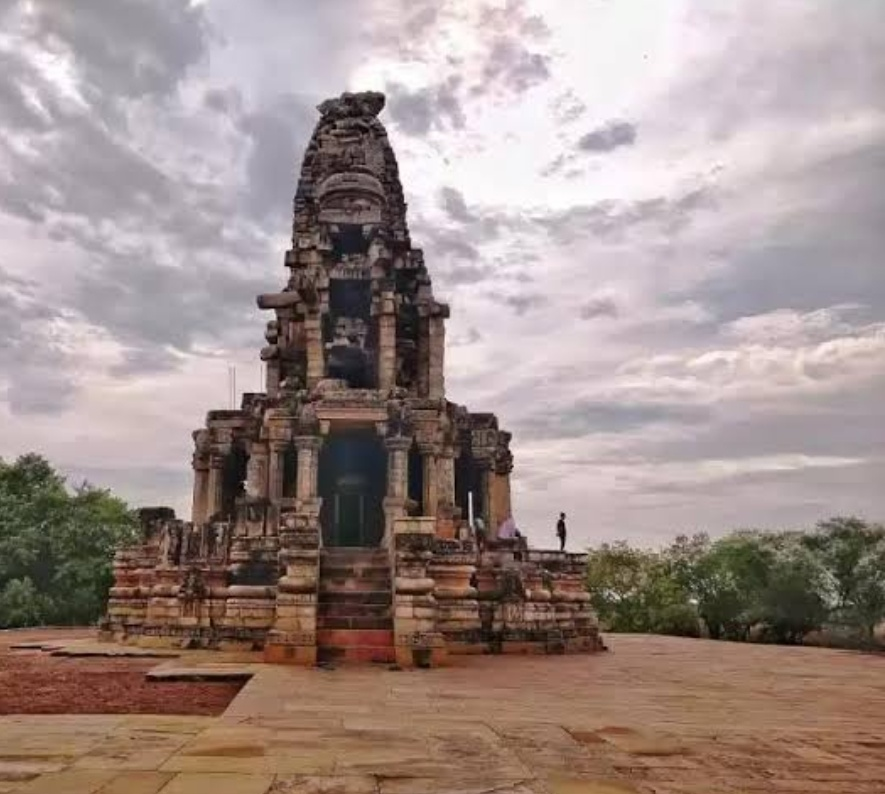
In the quiet village of Sihoniya in Morena district, Madhya Pradesh, stands an architectural wonder that has puzzled historians and sparked supernatural legends for nearly a thousand years the Kakanmath Temple. Built in the 11th century, this towering Shiva temple rises nearly 115 feet (about 30 meters) into the sky. What makes it truly extraordinary is not just its height or beauty, but the enduring local folklore that claims it was constructed overnight by ghosts and spirits, only to be left unfinished at sunrise.
The Legendary Tale of Supernatural Builders. According to popular folklore, Lord Shiva appeared in the dream of King Kirtiraja of the Kachchhapaghata dynasty and promised that his ganas (spirits) would build a magnificent temple in a single night – on one strict condition: no human should witness the construction. The king ordered all villagers to stay indoors after dark. However, curiosity got the better of a young boy (or in some versions, a woman who started grinding grain early). The moment the builders realized they had been seen, the spirits vanished with the first rays of the sun, leaving the grand temple incomplete.
This legend beautifully explains the temple’s seemingly precarious look – massive stones stacked without any cement, lime, or mortar, appearing almost haphazardly placed, yet standing firm against earthquakes, storms, and the passage of nearly 1,000 years. The Real History Behind the Mystery Historians offer a more grounded explanation. The Kakanmath Temple was commissioned by King Kirtiraja (reigned 1015-1035 CE) of the Kachchhapaghata dynasty in honor of his queen, Kakanwati, a devout worshipper of Lord Shiva. The name “Kakanmath” is believed to be derived from the queen’s name.
The temple represents the Kachchhapaghata style of architecture, which later influenced the famous Chandela style seen in the Khajuraho temples. It was originally part of a larger Panchayatana complex (a group of five temples), but over time, the surrounding structures were destroyed by earthquakes and invasions, leaving the main shrine standing alone in its dramatic “skeletal” form.
An Engineering Marvel Without Mortar one of the most fascinating aspects of Kakanmath is its dry masonry construction. The huge sandstone blocks are interlocked with such precision that no binding material was needed. This gravity-defying technique has allowed the temple to survive seismic activity that has toppled many other structures.
At first glance, the exposed inner core gives the impression that the temple could collapse at any moment. Yet it has endured for centuries, adding fuel to the supernatural stories. Locals even believe that trying to move or lift any of the stones outside the temple causes the entire structure to shake, as if protected by an unseen force.
Despite its ruined appearance today, Kakanmath was once a richly decorated masterpiece of North Indian Nagara architecture. The walls and pillars feature intricate carvings of. Vedic deities including Shiva, Parvati, Ganesha, Kartikeya, Vishnu, and Brahma celestial apsaras (heavenly dancers) and mythical vyalas (leogryphs)
Amorous mithuna couples, reminiscent of Scenes from Hindu epics and everyday life. The towering shikhara (spire), ornate seven-jambed doorway, and pillared halls (gudha-mandapa and mukha-mandapa) showcase the skill of ancient artisans. The Seven Deaf Grooms Prophecy locals say the temple will collapse the day a marriage procession of seven deaf grooms passes by simultaneously. Floating Stones some stories claim the massive stones flew through the air to reach the site.
Queen’s Devotion the temple was built so. Queen Kakanwati could easily perform her daily Shiva prayers without delay. Whether you believe the ghost stories or the historical accounts, the Kakanmath Temple remains one of Madhya Pradesh’s most intriguing and visually Whether you believe the ghost stories or the historical accounts, the Kakanmath Temple remains one of Madhya Pradesh’s most intriguing and visually striking monuments. Its blend of architectural brilliance, enduring mystery, and timeless legends makes it a must-visit for anyone exploring the “Heart of India.”
Romania is set to stake its claim in Europe’s theme park scene with Dracula Land, a massive €1 billion ($1.1 billion) mega-resort and theme park planned near Bucharest. Unveiled in December 2025 by Romanian entrepreneur Dragoş Dobrescu, the ambitious project aims to open around 2027 and rival giants like Disneyland Paris and Europa-Park. Spanning 160 hectares and located just 15 minutes from Henri Coandă International Airport, Dracula Land promises to transform the iconic Dracula legend into a world-class destination blending Romanian folklore, immersive storytelling, cutting-edge technology, and global Gothic vibes.
The heart of the complex is a sprawling theme park covering over 780,000 m², divided into six immersive zones with more than 40 major attractions, including high-speed roller coasters and interactive dark rides. Moonlit District the grand entrance boulevard, inspired by historic Bucharest architecture, setting a dramatic Gothic tone from the moment visitors arrive. Family Kingdom: A whimsical zone featuring supernatural creatures from global folklore, designed especially for younger guests. Transylvania an atmospheric area showcasing traditional Romanian villages and breathtaking Carpathian landscapes. Dracula’s Castle: The park’s iconic centerpiece, home to the thrilling Flight of the Bat wing coaster.
Port of New Orleans: A Gothic Mardi Gras-themed land with a dueling werewolf roller coaster, carnival games, bayou scenery, and theatrical performances. London Town: A Victorian-era zone where guests step into the role of vampire hunters amid gas lamps, cobblestone streets, and period detailing. Confirmed highlights include the high-speed Flight of the Bat wing coaster and the racing Dueling Werewolf Roller Coaster, along with dark rides, shows, and interactive experiences that expand beyond classic Transylvanian vampire lore to embrace worldwide Gothic mythology.
Beyond the Rides: A Full Entertainment Resort. Dracula Land is designed as a multi-day destination with far more than just thrill rides. Three Themed Hotels (totaling 1,200 rooms) the luxury Dracula Grand Hotel, family-oriented Dracula Family Hotel, and more affordable Dracula Inn. Expect Gothic-inspired design,
modern amenities, and possible perks like early park access. Aqua Park & Spa: A 50,000 m² water park featuring over 30 attractions and one of Europe’s largest wave pools, plus thermal spa facilities drawing on Romania’s natural hot springs for year-round wellness appeal. Multifunctional Arena: A 22,500-seat venue ready to host international concerts, festivals, esports events, theatrical productions, and corporate gatherings.
Retail & Leisure: A 9,000 m² luxury fashion outlet and a 4.5 km professional racing circuit for amateur experiences, driving schools, and motorsport events. Technology Hub: A 15,000 m² space with over 1,000 workstations focused on Al, gaming, and digital startups – creating synergies with the park’s tech innovations. Digital Metaverse: A “digital twin” of the park built in Unreal Engine 5. complete with a native cryptocurrency for virtual and physical experiences.
Timeline, Impact, and Ambition Groundbreaking is scheduled for September 2026 (following zoning approvals), with a target opening in 2027. The fully privately funded project expects to create over 5,000 direct and indirect jobs and attract around 3 million visitors annually.
Dragoş Dobrescu, with support from an international team (including former Europa-Park creative director Chris Lange, architects from Piuarch Milano, and consultants from Deloitte), describes it as “more than a theme park a national symbol” showcasing Romania’s potential for world-class landmarks. While the vision is undeniably bold and exciting for fantasy travelers and vampire tourism fans, some industry observers have expressed skepticism. Much of the striking concept art appears to be Al-generated, raising questions about the realism of the ambitious 2027 timeline and final execution quality.
Nestled within the rugged folds of the Aravalli hills, Udaipur’s famed lakes are far more than scenic marvels—they are the result of a visionary and highly sophisticated water management system developed over centuries. Built by the rulers of Mewar to combat the challenges of an arid landscape, this interconnected network of lakes continues to sustain the city while defining its identity as the “City of Lakes.”
A Masterfully Connected Lake System Udaipur’s lake system is a cascading network of artificial and natural water bodies, designed to collect, store, and distribute rainwater efficiently. Upper catchment lakes like Badi and Madar feed into the city’s central lakes—Pichola, Fateh Sagar, Swaroop Sagar, and Rang Sagar—which are further connected to downstream reservoirs like Udai Sagar through channels and the Ahar River basin. This intelligent design ensured flood control, groundwater recharge, and year-round water availability, showcasing remarkable ecological foresight.
The Historic Lakes and Their Legacy
Lake Pichola (14th century)
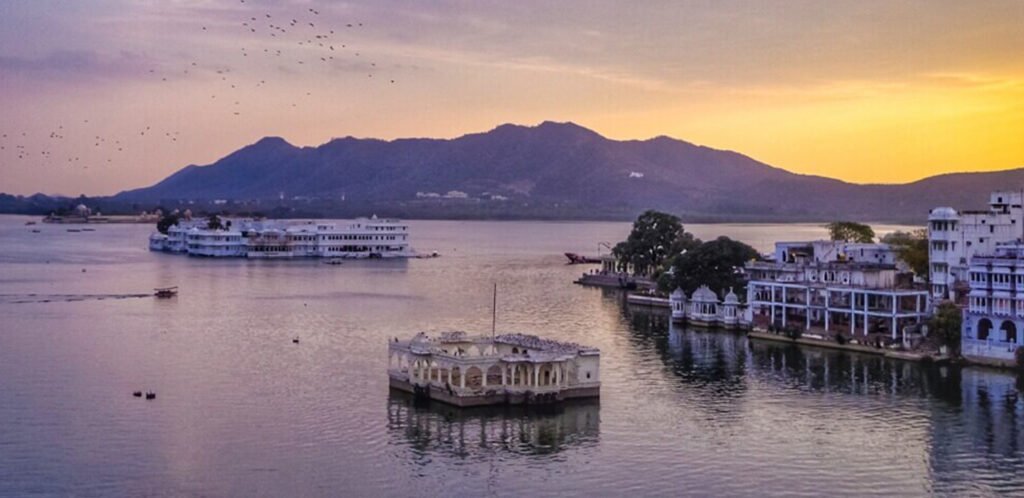
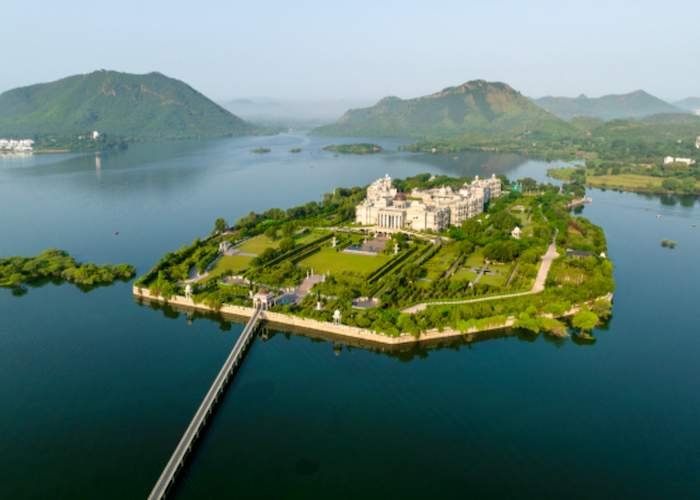
One of Udaipur’s oldest and most iconic lakes, Pichola was built in 1362 by a local banjara, Pichhu, during the reign of Maharana Lakha. It was later expanded by Maharana Udai Singh II, who established the city of Udaipur in 1559 along its banks. Adorned with islands like Jag Mandir and the Lake Palace, Pichola remains a symbol of royal elegance.
Fateh Sagar Lake (1678; rebuilt 1889)
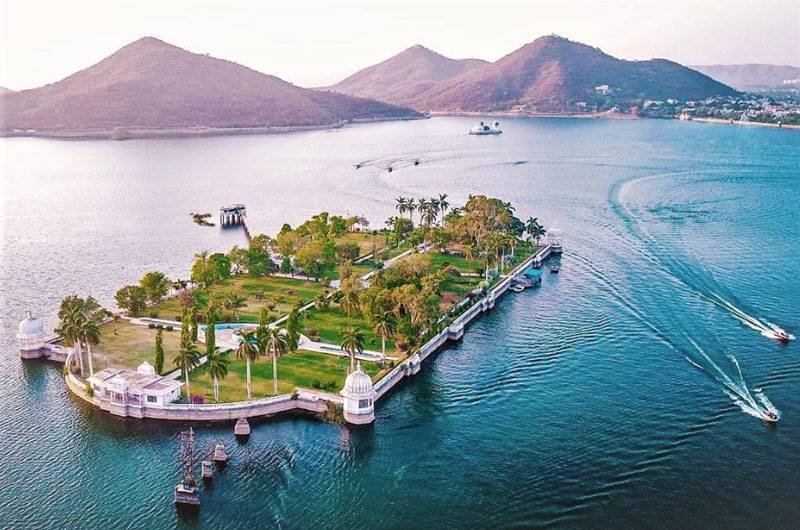
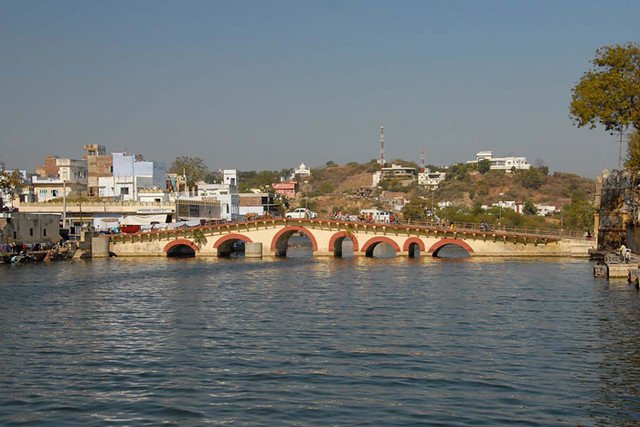
Constructed by Maharana Jai Singh in 1678, this lake was later reconstructed by Maharana Fateh Singh after severe flood damage in 1889. Surrounded by hills, Fateh Sagar today serves as both a vital water source and a popular recreational spot.
Jaisamand Lake (1685)
Jaisamand Wildlife Sanctuary
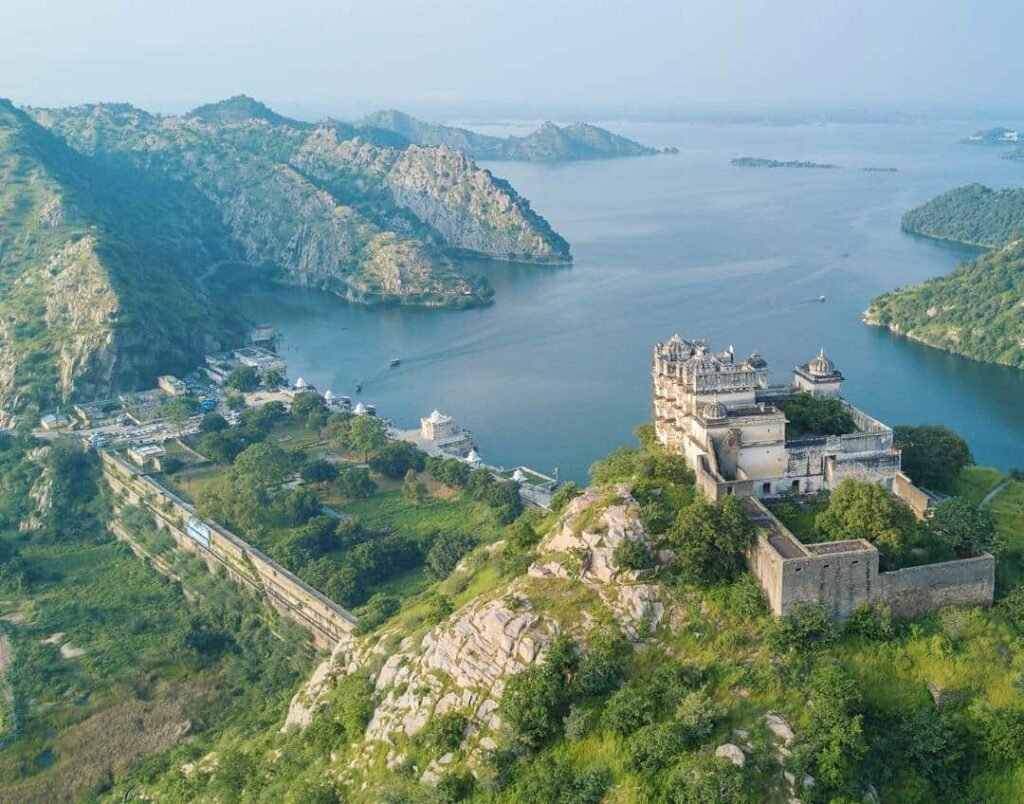
Built by Maharana Jai Singh by damming the Gomti River, Jaisamand—also known as Dhebar Lake—is one of the largest artificial freshwater lakes in India. It stands as a testament to the scale and ambition of Mewar’s hydraulic engineering.
Udai Sagar (16th century)
Constructed by Maharana Udai Singh II, this lake strengthened the city’s water supply and supported agriculture, further integrating the region’s water network.
Swaroop Sagar & Rang Sagar (19th century)
These smaller yet crucial lakes function as regulatory links within the system. They help channel and control water flow between Pichola and Fateh Sagar, maintaining balance during periods of excess rainfall.
Badi Lake (Jiyan Sagar)
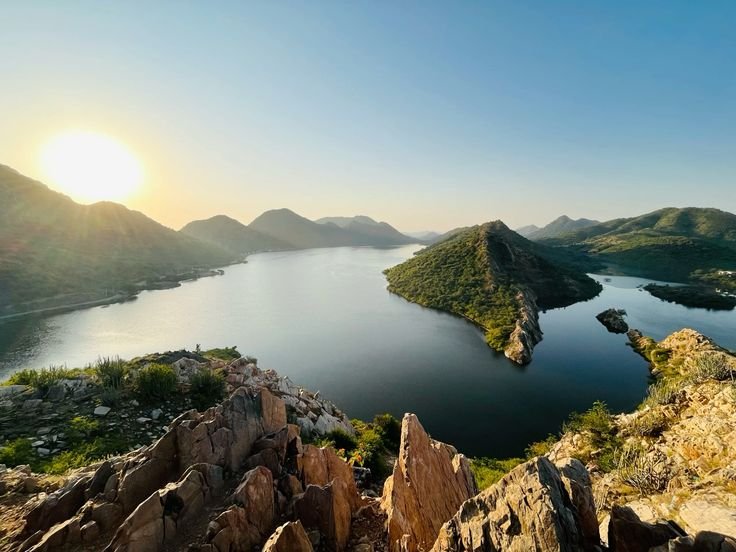
Built by Maharana Raj Singh I to counter famine, Badi Lake forms part of the upper catchment system, reflecting the rulers’ responsiveness to environmental challenges.
Purpose and Vision
The lakes were primarily built to tackle water scarcity in a semi-arid region with unpredictable rainfall. By harvesting monsoon waters and storing them across interconnected reservoirs, the rulers ensured drinking water, irrigation, and urban sustainability. This system stands today as an early model of climate-responsive planning.
Environmental and Cultural Significance
Udaipur’s lakes continue to recharge groundwater, support aquatic ecosystems, and regulate the city’s microclimate. They also serve as habitats for birds and wildlife, contributing to the region’s biodiversity.
At the same time, these lakes form the cultural and visual soul of Udaipur. The reflection of palaces, ghats, and temples on their shimmering waters creates an enchanting landscape that draws visitors from around the world. Boat rides on Lake Pichola, serene evenings at Fateh Sagar, and the tranquil charm of Badi Lake make them central to Udaipur’s tourism and local life.
In essence, Udaipur’s lakes are not merely water bodies but a living legacy of ingenuity, resilience, and harmony with nature. Centuries after their creation, they continue to sustain the city—quietly narrating a story of vision that turned scarcity into enduring abundance.
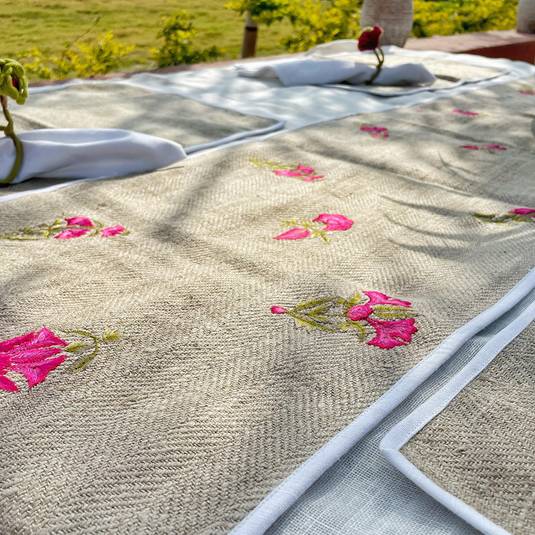
As the Indian summer sets in with its intense heat and humidity, creating a comfortable indoor environment becomes essential. While cooling appliances offer temporary relief, the role of fabrics in shaping how a space feels is often underestimated. From breathable bedding to light-filtering curtains, the right textile choices can significantly impact comfort and livability.
In this insightful conversation, Vaishali Singhal, Founder and Creative Head of Saamro, speaks with Kanan Rathore about the science, aesthetics, and practicality of choosing the right fabrics for summer—offering a nuanced perspective that blends design sensibility with everyday functionality.
Q1. When we say a fabric is “summer-friendly,” what does that actually mean from a designer’s perspective? Vaishali Singhal: A truly summer-friendly fabric is never defined by just one factor—it’s always a combination. Breathability allows air to circulate, moisture absorption helps handle sweat and humidity, and the openness of the weave determines how much heat is released. Fibre type also plays a crucial role, with natural fibres generally performing better. For me, a fabric is summer-friendly when it releases heat instead of trapping it and doesn’t hold onto moisture.
Q2. Cotton is often seen as the default summer fabric—what nuances within cotton actually matter? Vaishali Singhal: We often assume cotton automatically means comfort, but the weave matters more than the label itself. In fact, a poorly constructed cotton can feel hotter than a well-made linen. Lighter weaves like voile or muslin are far more breathable, and an ideal thread count usually falls between 200–400. Pre-washed cotton is another detail people overlook—it tends to be softer and more breathable, making a noticeable difference in summer.
Q3. Linen is gaining popularity—what makes it ideal for hot climates, and are there drawbacks? Vaishali Singhal: Linen works beautifully in hot climates because it offers maximum airflow and releases moisture very quickly, which naturally creates a cooling effect. However, it does come with its trade-offs—it wrinkles easily, can feel slightly rough to some, and is often more expensive. But if comfort is your priority over perfection, linen almost always wins.
Q4. How do weave and fabric construction impact heat retention or airflow? Vaishali Singhal: The weave plays a direct role in how cool a fabric feels. A loose weave allows better airflow, which helps in cooling, while tighter weaves tend to trap heat. Fabrics like voile, linen, and lightweight percale are excellent for extreme heat because they have more openness in their structure—essentially, more gaps mean more cooling.
Q5. Do lighter colours really help in keeping spaces cooler? Vaishali Singhal: Yes, they do make a real difference. Light colours reflect heat, while darker shades tend to absorb it. So beyond just aesthetics, colour choice can actually influence how warm or cool a space feels.
Q6. How do fabrics behave in humid conditions, especially in India? Vaishali Singhal: Humidity changes everything. Cotton absorbs moisture well but can start to feel heavy if it doesn’t dry quickly. Linen, on the other hand, not only absorbs moisture but also dries faster, making it more comfortable. Polyester is the least suitable in such conditions because it traps sweat. In humid climates, drying speed becomes even more important than breathability.
Q7. What fabric elements should people switch first when summer arrives? Vaishali Singhal: If you’re looking for maximum impact, start with bedding—it directly affects your comfort. Curtains come next, followed by cushions and throws. Upholstery can be adapted if needed, but even smaller changes can make a noticeable difference.
Q8. What should one look for in summer curtains? Vaishali Singhal: It’s not just about choosing light colours. The fabric should ideally be cotton voile or linen, and the weight should be light. Layering also helps—a combination of sheer curtains with blackout layers works well. Sheer curtains, in particular, are great because they reduce heat while still allowing natural light to filter through.
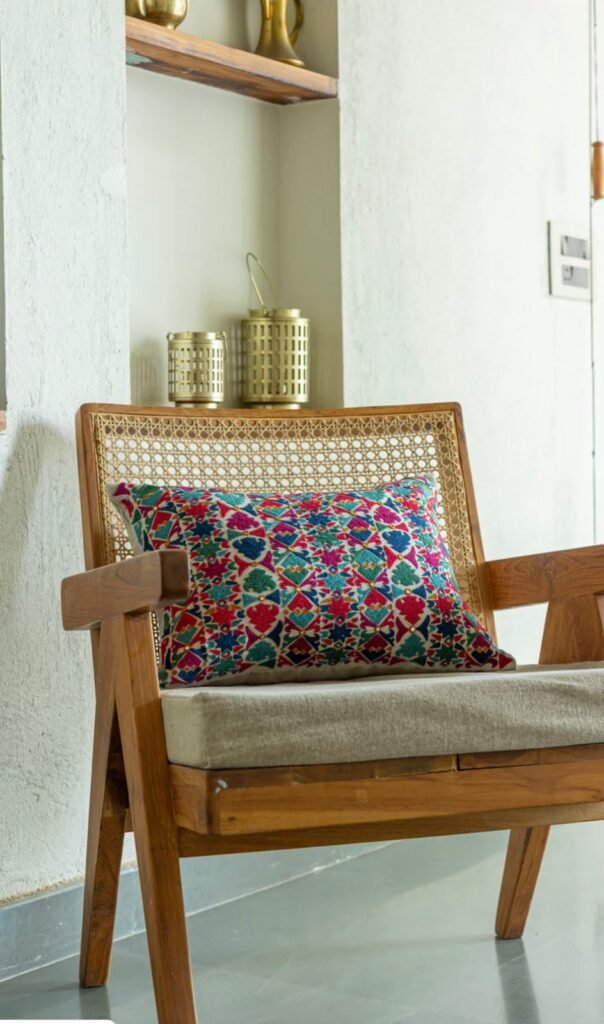
Q9. Are there better upholstery choices for summer? Vaishali Singhal: Absolutely. It’s best to avoid heavy fabrics like velvet or leather during summer. Instead, opt for cotton slipcovers, linen blends, or even light canvas. Something as simple as switching cushion covers to natural fabrics can significantly improve comfort.
Q10. Can textures influence how cool a fabric feels? Vaishali Singhal: Very much so. Smooth and lighter textures tend to feel cooler, while heavy or plush textures feel warmer. It’s both a physical and visual experience—what you see and what you touch together shape your perception of comfort.
Q11. What colours and patterns work best for summer interiors? Vaishali Singhal: Lighter palettes like whites, pastels, and soft earthy tones work best. When it comes to patterns, minimal, small-scale, and nature-inspired designs feel more suitable. Dense, heavy prints tend to feel visually warm and can even create a sense of heaviness in the space.
Q12. Is there a shift towards lighter, minimal fabrics in summer? Vaishali Singhal: Yes, there’s definitely a growing inclination towards natural, airy fabrics. People are becoming more aware of how materials affect comfort, and the trend is clearly moving towards lighter, more breathable bases.
Q13. Are cotton and linen automatically sustainable choices? Vaishali Singhal: Not necessarily. Cotton, while comfortable, comes with challenges like high water consumption, heavy pesticide use, and chemical-intensive processing. It becomes a better choice when you opt for organic cotton, BCI-certified cotton, or low-impact dyes. Linen, however, stands out because it requires less water, uses minimal pesticides, and is almost entirely waste-free. It’s one of those rare fabrics where sustainability and performance naturally align.
Q14. Are there any emerging eco-friendly fabrics for hot climates? Vaishali Singhal: Yes, fabrics like hemp, Tencel, and bamboo blends are becoming increasingly relevant. They are breathable, moisture-wicking, and often perform even better than cotton in humid conditions.
Q15. What are some common mistakes people make while choosing summer fabrics? Vaishali Singhal: One of the biggest mistakes is choosing fabrics based only on colour. People also tend to use thick cotton, keep heavy curtains year-round, and ignore upholstery altogether. But the biggest oversight is not adapting fabrics seasonally
Q16. What are some simple, budget-friendly changes people can make? Vaishali Singhal: You don’t need a complete overhaul. Switching to percale bedsheets, adding sheer curtains, changing cushion covers, and removing heavy rugs or throws can instantly make a space feel lighter. Even reducing visual clutter through patterns can have a cooling effect.
Q17. How should one care for summer fabrics? Vaishali Singhal: Keep it simple—wash in cold water, avoid heavy fabric softeners, and air dry whenever possible. Overdrying can damage the fabric. And with linen, it’s best to embrace the wrinkles—they’re part of its charm.
Q18. If you had to recommend just three essential changes to summer-proof a home? Vaishali Singhal: I would say breathable bedding—like percale or linen—is the first step. Then switch to sheer or lightweight curtains, and finally opt for lighter cushion and upholstery fabrics. These three changes alone can make your home feel noticeably cooler without requiring major effort.
Conclusion What emerges from this conversation is a simple yet powerful idea—comfort in summer is as much about thoughtful fabric choices as it is about cooling systems. By understanding how materials behave in heat and humidity, and by making small, intentional changes, one can transform living spaces into breathable, calming environments.
As Vaishali Singhal highlights, summer living is not about drastic changes but about mindful adaptations. And sometimes, the softest fabrics can make the strongest difference.
April 6 marks the foundation day of the Bharatiya Janata Party (BJP), one of India’s most influential political parties. In 2026, the party celebrates its 46th Foundation Day, reflecting on a journey that spans over four decades of political evolution, grassroots expansion, and national prominence.
The BJP was established on April 6, 1980, following a split in the Janata Party, largely due to ideological differences and the “dual membership” issue linked to the Rashtriya Swayamsevak Sangh (RSS). However, its ideological and organizational roots go back to the Bhartiya Jana Sangh , founded in 1951 by Shyama Prasad Mukherjee. The party’s philosophy is deeply influenced by the concept of Integral Humanism articulated by Deendayal Upadhyaya , emphasizing cultural nationalism, social harmony, and self-reliant development.
Among its founding leaders, Atal Bihari Vajpayee and Lal Krishna Advani played pivotal roles in shaping the BJP’s identity and expanding its national footprint. Over the years, the party has produced several influential leaders, most notably Narendra Modi, under whose leadership the BJP secured historic mandates in 2014 and 2019, significantly reshaping India’s political landscape.
As of 2026, the party is led by Prime Minister Narendra Modi, with Nitin Nabin serving as the national president. The BJP today positions itself around governance driven by development, welfare initiatives, national security, and a strong global outlook, aligned with its vision of building a “New India.”
Foundation Day celebrations are held across the country with enthusiasm. Party workers organize flag hoisting ceremonies, outreach programs, and social service initiatives. Senior leaders address party cadres, reflecting on the BJP’s journey and outlining future goals. Messages and greetings on the occasion come from party leaders, supporters, and citizens who associate with its vision and work.
From its origins in post-independence ideological movements to becoming one of the world’s largest political parties by membership, the BJP’s journey is a significant chapter in India’s democratic narrative—marked by organizational strength, ideological clarity, and sustained electoral success.