Home Blog Page 483

Olympic Mascots Through the Years: Symbols of Culture and Identity

0

Apart from being an arena to showcase, the Olympic Games entail much more than merely an exercise in brute force and splendid athleticism of strength. From the 1960s, the mascots seemed to bear the burden of presenting the spirit of the Games. Such images are poignant and act as connectors that overlay culture, identity, and the virtues each host city wants to promote.

The Beginning of Olympic Mascots

Traditionally, having a mascot for the Olympic Games began in the 1968 Winter Olympics Games held in Grenoble, France. Known as Schuss, this figure of a skiing cartoon made people realize that future mascots would be symbols and have some positive associations with exercise and stamina. Thus, mascots became cultural symbols or emblems, giving each host nation something tangible that would remain even after the games.

While in the past, they were almost more abstract forms of people and animals, today, they are references to traditions and origins of the host country’s dreams. They carry out the principles of the Olympic movement, the themes selected by the host city, and how they want to be seen by the international community. Just like the evolving symbolism of the Olympics, Melbet continues to evolve, offering its users a dynamic and engaging platform. They were transformed into symbolic linkages of the Games with the people, often invoking the spirit of joy and enthusiasm among the spectators and actors.

Cultural Reflection on Mascots

Mascots have always been more than lovable characters – they are the host nations’ spirit, culture, and history. They embody low culture, so they can be used as a point of contact for foreign audiences to understand some cultural practices. For example, through events like the Olympics, platforms like Melbet offer a way for audiences worldwide to engage with and explore these unique cultural symbols, gaining a more profound understanding of traditions they may not have encountered. Some notable cultural mascots include:

Olympic Mascots Through the Years: Symbols of Culture and Identity
  • Fuwa (Beijing, 2008): Five characters written in the traditional Chinese style represent the peace and harmony of the two countries and five ethnic features of Chinese characters.
  • Vinicius (Rio de Janeiro, 2016): Some animals are derived from the Brazilian fauna, since this country has a diverse fauna.

Therefore, these mascots are more than entertaining; they portray the features of the host country and are cultural icons of pride and oneness.

Modern Mascots and Their Evolution

Over the decades, Olympic mascots have transformed from mere symbols to complete representations of modern values. These characters can be perceived as reflecting the host country’s agenda related to business, technology, environmental friendliness, or interconnectedness rather than beauty.

Technological Integration

This paper will also discuss how Olympic mascots have evolved due to this change in technology as it becomes more technological. While previously, it was only possible to have toys and keychains with anime characters, a game character, or an Internet celebrity in the 2000s, it is possible with the help of augmented reality, virtual avatars, and social networks. This is the case of a youth cultural center in Tokyo called Marietta, which operates only through performance, mainly in the form of apps and other interactions during 2020. Therefore, this evolution shows how the Olympics use it to ensure that fans worldwide are included while running and enjoying this event physically.

Olympic Mascots Through the Years: Symbols of Culture and Identity

Environmental Awareness

The last element we can distinguish and which appears much more in today’s Olympic mascots is the side of the environment. The modern trend in choosing the imagery of recent years’ mascots is protecting the environment: People worldwide are already endangered by urgent ecological crises. The Wedlock and Mandeville of London 2012 were created with this concept to reflect the Games’ environmental responsibility, as the mascots are made of recycled materials. In 2022, Beijing’s “Bing Owen,” a panda in an icy shell, promotes winter sports while hinting at climate change. These mascots are, in a way, symbolic of the Olympics – not only a sport but also the future of the planet.

Mascots as Marketing Icons

Olympic mascots are not simply cultural icons, but marketing machines driving billions of dollars of merchandise and branding. Over time, mascots have metamorphosed into actual embodiments of pure business fortune. Key moments in their marketing history include:

  • Sam the Eagle (Los Angeles, 1984): This, in turn, led to the circulation of sales of soft toys, souvenirs, apparel, and other products worldwide.
  • Izzy (Atlanta, 1996): The first fully computer-animated mascot, and it was featured extensively in digital and television advertisements.
  • Vinicius (Rio 2016): This became a global process, including video games, applications, and social media contact.

These mascots were designed for fans and just for the people, thus ensuring long-term income for the Olympic Games.

Final Thoughts

This means that, at a deep level, it would be possible to argue that Olympic mascots are not logos but narrators who are permanently narrating culture and the globe. Symbolizing the dynamic nature of the Games, they exist in the forms of plush toys and digital avatars and are unforgettable ambassadors of every Olympiad.
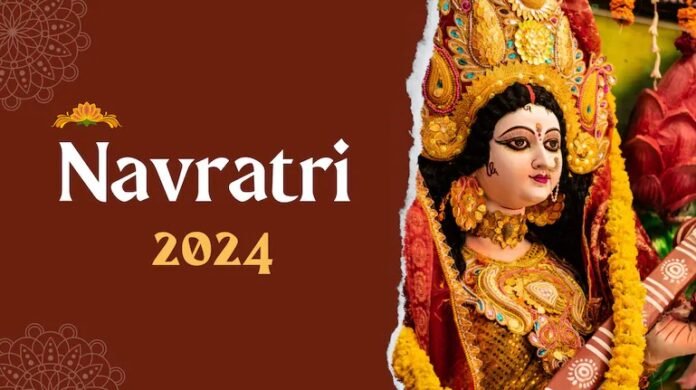
Navratri 2024: Full 9-Day Schedule and Durga Puja Details

0

The vibrant festival of Navratri 2024 is just around the corner, promising nine days of spiritual reflection, devotion, and cultural festivities dedicated to Goddess Durga. Beginning on Thursday, October 3, and concluding on Saturday, October 12, Navratri is a time when communities across India come together to honor the different forms of Shakti. The festival is not only about rituals but also celebrates the victory of good over evil, uniting people in joy and devotion.

Significance of Navratri

Shardiya Navratri, the most prominent of the four Navratris, falls during the lunar month of Ashwin, aligning with the autumn season (Sharad Ritu). This auspicious time is dedicated to worshipping the nine forms of Goddess Durga, each representing different virtues and strengths. The festival also holds immense cultural significance, particularly in states like Gujarat and Maharashtra, where vibrant garba and dandiya dances fill the air with excitement. Women adorn themselves in traditional attire, following the custom of wearing different colors each day, symbolizing the essence of the goddess being worshipped.

As we prepare for this joyous occasion, here’s a detailed guide to the 9-day Navratri schedule for 2024, complete with the rituals and corresponding colors to follow.

Navratri 2024: Durga Puja Schedule and Rituals

Day 1: Thursday, October 3, 2024

  • Tithi: Pratipada
  • Puja: Ghatasthapana, Shailputri Puja
  • Navratri Colour: Yellow
  • Rituals: The festival begins with the Ghatasthapana ritual, symbolizing the invocation of the goddess’s presence. Devotees worship Goddess Shailputri, seeking strength and wisdom for the days ahead.

Day 2: Friday, October 4, 2024

  • Tithi: Dwitiya
  • Puja: Chandra Darshana, Brahmacharini Puja
  • Navratri Colour: Green
  • Rituals: On this day, Goddess Brahmacharini, known for her representation of love and devotion, is worshipped. Devotees also observe Chandra Darshana, seeking blessings from the moon.

Day 3: Saturday, October 5, 2024

  • Tithi: Tritiya
  • Puja: Sindoor Tritiya, Chandraghanta Puja
  • Navratri Colour: Grey
  • Rituals: This day celebrates the worship of Goddess Chandraghanta, a fierce embodiment of bravery. Sindoor Tritiya is also observed, marking the goddess’s grace in combat and protection.

Day 4: Sunday, October 6, 2024

  • Tithi: Chaturthi
  • Puja: Vinayaka Chaturthi
  • Navratri Colour: Orange
  • Rituals: The fourth day coincides with Vinayaka Chaturthi, where prayers are offered to Lord Ganesha for success and the removal of obstacles. Devotees also continue their devotion to Goddess Durga.

Day 5: Monday, October 7, 2024

  • Tithi: Panchami
  • Puja: Kushmanda Puja, Upang Lalita Vrat
  • Navratri Colour: White
  • Rituals: Devotees worship Goddess Kushmanda, who represents happiness and positivity. Observing the Upang Lalita Vrat further strengthens their commitment to the divine.

Day 6: Tuesday, October 8, 2024

  • Tithi: Shashthi
  • Puja: Skandamata Puja
  • Navratri Colour: Red
  • Rituals: On this day, the focus is on Goddess Skandamata, the motherly figure symbolizing peace and tranquillity. Many devotees seek her blessings for harmony in their families.

Day 7: Wednesday, October 9, 2024

  • Tithi: Saptami
  • Puja: Saraswati Avahan, Katyayani Puja
  • Navratri Colour: Royal Blue
  • Rituals: This day is dedicated to Goddess Katyayani, a powerful and fierce form of Durga. The Saraswati Avahan marks the invocation of Goddess Saraswati, symbolizing the pursuit of knowledge and wisdom.

Day 8: Thursday, October 10, 2024

  • Tithi: Ashtami
  • Puja: Saraswati Puja, Kalaratri Puja
  • Navratri Colour: Pink
  • Rituals: The eighth day is marked by the worship of Goddess Kalaratri, who represents the destruction of darkness and evil. Saraswati Puja is also performed, with devotees seeking the goddess’s grace for intellectual and artistic pursuits.

Day 9: Friday, October 11, 2024

  • Tithi: Navami
  • Puja: Durga Ashtami, Mahagauri Puja, Sandhi Puja
  • Navratri Colour: Purple
  • Rituals: The final day of Navratri is celebrated with great enthusiasm, including Durga Ashtami and Mahagauri Puja. Sandhi Puja is a significant ritual performed at the precise moment when Ashtami ends and Navami begins, symbolizing the transition from darkness to light.

Day 10: Saturday, October 12, 2024

  • Event: Ayudha Puja, Navami Homa, Navratri Parana, Durga Visarjan
  • Rituals: The festival culminates with Vijaya Dashami, celebrating the triumph of good over evil. Ayudha Puja is performed, where tools and instruments are worshipped as a sign of respect for their role in our daily lives. The day ends with Durga Visarjan, marking the immersion of Durga idols, as communities bid farewell to the goddess.

Embracing the Spirit of Navratri 2024

Navratri is more than just a religious festival; it is a cultural celebration that unites people across the country in faith, joy, and devotion. The observance of specific colors, corresponding to each day of the festival, adds a unique charm to the celebrations, making this period truly special.

As we prepare for Navratri 2024, let us embrace the spirit of unity, faith, and devotion that the festival brings. Through prayers, rituals, and celebrations, this nine-day journey offers an opportunity for personal reflection and communal joy.

May this Navratri bring blessings of peace, prosperity, and the triumph of good over evil.

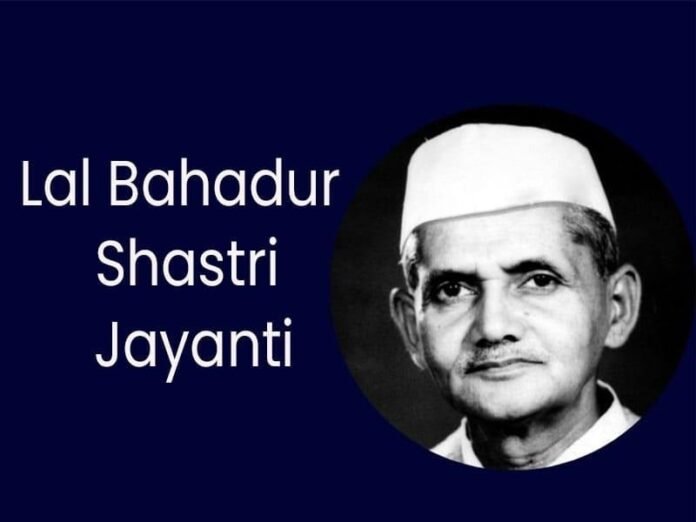
Lal Bahadur Shastri Jayanti 2024: Honoring India’s Third Prime Minister

0

On October 2, India celebrates Lal Bahadur Shastri Jayanti, commemorating the birth anniversary of the nation’s third Prime Minister. This significant day coincides with Gandhi Jayanti, as it honors the contributions of two towering figures in India’s history. Shastri, known for his slogan “Jai Jawan, Jai Kisan” (Hail the Soldier, Hail the Farmer), is revered for his leadership during challenging times, especially during the 1965 Indo-Pak War.

A Legacy of Simplicity and Integrity

Lal Bahadur Shastri, born on October 2, 1904, in Mughalsarai, Uttar Pradesh, is remembered as an outstanding statesman characterized by his modesty, integrity, and dedication to the nation. His leadership continues to inspire millions, reflecting his commitment to the welfare of the common people. In 2024, India marks his 120th birth anniversary, reflecting on his enduring impact on the country.

Shastri’s contributions to India’s independence movement were pivotal, as he succeeded Jawaharlal Nehru as Prime Minister. His leadership during the 1965 Indo-Pak War showcased his ability to unite the nation under duress, while his famous slogan emphasized the crucial roles of both farmers and soldiers in nation-building.

The Significance of Lal Bahadur Shastri Jayanti

The celebration of Shastri Jayanti serves as a reminder of his principles of integrity, simplicity, and patriotism. Shastri was known for his incorruptible and humble leadership style, making him a beloved figure in Indian history. His resolve during the war exemplified his dedication to India’s security and sovereignty, and his commitment to the welfare of all citizens remains relevant today.

Inspirational Quotes by Lal Bahadur Shastri

Shastri’s words continue to resonate with those seeking guidance in governance and social harmony. Here are some notable quotes that capture his philosophy:

  • “We would consider it our moral duty to lend all support to the ending of colonialism and imperialism so that people everywhere are free to mould their destinies.”
  • “We believe in peace and peaceful development, not only for ourselves but for people all over the world.”
  • “Discipline and united action are the real source of strength for the nation.”
  • “We must fight for peace bravely as we fought in war.”
  • “The unique thing about our country is that we have Hindus, Muslims, Christians, Sikhs, Parsis, and people of all other religions. We have temples and mosques, gurdwaras and churches. But we do not bring all this into politics… This is the difference between India and Pakistan.”
  • “Our way is straight and clear – the building up of a socialist democracy at home, with freedom and prosperity for all, and the maintenance of world peace and friendship with all nations abroad.”
  • “We believe in the dignity of man as an individual, whatever his race, colour or creed, and his right to a better, fuller, and richer life.”
  • “India will have to hang her head in shame if even one person is left who is said in any way to be untouchable.”
  • “Non-alignment will continue to be the fundamental basis of our approach to world problems and our relations with other countries.”
  • “No doubt we have to have bigger projects, bigger industries, basic industries, but it is a matter of the highest importance that we look to the common man, the weakest element in the society.”

Summing Up

As we celebrate Lal Bahadur Shastri Jayanti 2024, it is an opportunity to honor his legacy and reflect on the values he embodied. His dedication to the nation, commitment to integrity, and emphasis on the importance of unity and peace continue to inspire future generations. Let us strive to uphold his ideals in our lives and work towards a more harmonious and prosperous society for all.

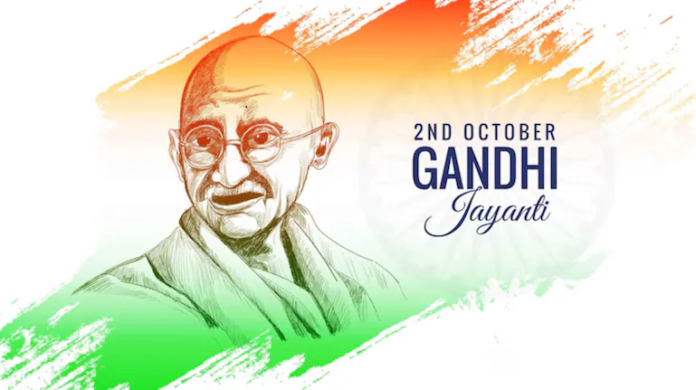
Gandhi Jayanti 2024: Honoring the Legacy of Bapu

0

Gandhi Jayanti, celebrated every year on October 2, marks the birth anniversary of Mahatma Gandhi, the father of the nation and a global symbol of peace and non-violence. In 2024, India commemorates Gandhi’s 155th birth anniversary, a poignant reminder of his enduring legacy and message of truth and non-violence. This day is not only observed as a national holiday in India but also recognized worldwide as the International Day of Non-Violence.

History and Significance

Mahatma Gandhi was born on October 2, 1869, in Porbandar, Gujarat. He played a pivotal role in India’s struggle for independence from British rule, advocating for non-violent protests and civil disobedience. His philosophy, known as Satyagraha, emphasized the power of peaceful resistance and standing up for justice without resorting to violence. Gandhi’s tireless efforts and those of countless freedom fighters culminated in India’s independence in 1947.

In the aftermath of his assassination in 1948, Gandhi Jayanti was declared a national holiday to honor his contributions and teachings. The day serves as a reminder of Gandhi’s ideals of peace, harmony, and social justice, encouraging individuals to reflect on their roles in upholding these values in contemporary society.

Observing Gandhi Jayanti

Gandhi Jayanti is celebrated with various cultural programs and remembrance ceremonies across the country. On this day, dignitaries, including the Prime Minister and President, visit Raj Ghat in New Delhi to pay their respects at Gandhi’s memorial. Schools and educational institutions organize activities such as singing Gandhi’s favorite bhajan, “Raghupati Raghav Raja Ram,” as well as debates, film screenings, and fancy dress competitions themed around his life and teachings.

The Power of Gandhi’s Teachings

The significance of Gandhi Jayanti extends beyond mere commemoration; it serves as an opportunity for individuals to internalize and apply Gandhi’s teachings in their lives. His principles remind us of the enduring power of peaceful protest and the importance of advocating for justice in a world often fraught with conflict and division.

Fascinating Facts About Mahatma Gandhi

  • Non-Violence Beyond Actions: Gandhi’s principle of non-violence extended beyond physical acts; it encompassed thoughts and words, advocating for a holistic approach to peace.
  • Simplicity: Gandhi led a simple life, often spinning his own clothes and promoting cleanliness and self-sufficiency among his followers.
  • Nobel Peace Prize Nominee: Gandhi was nominated for the Nobel Peace Prize five times but never received the award, highlighting the paradox of his recognition.
  • International Day of Non-Violence: In 2007, the United Nations officially declared October 2 as the International Day of Non-Violence, reinforcing Gandhi’s global legacy.
  • Person of the Year: Time Magazine named Gandhi its Person of the Year in 1930, acknowledging his impact on global movements for peace and justice.

Summing Up

As we celebrate Gandhi Jayanti 2024, it is essential to honor Bapu’s legacy by reflecting on his teachings and applying them to our daily lives. In a world that often grapples with conflict, Gandhi’s message of non-violence and truth is more relevant than ever. Let us strive to embody his principles, fostering a culture of peace and harmony in our communities and beyond.

Do you know about this Chandanki village in Gujarat where residents don’t cook at home..

0
xr:d:DAFhZPTzS04:5843,j:5116512243296391042,t:24032806

In the picturesque Chandanki village of Gujarat, a unique tradition is redefining the way residents approach daily meals, fostering community bonds and supporting the elderly. In a world where fast-paced metropolitan lifestyles dominate, leading many to opt for nuclear families and independent living, Chandanki stands out as a shining example of communal living.

A Shift in Tradition

As urbanization continues to draw younger generations away from rural areas, Chandanki has experienced a demographic shift. The village’s population has dwindled from 1,100 to just 500, with many young people leaving for cities in search of better healthcare and improved living conditions. This exodus has left behind a significant elderly population struggling with daily tasks.

Recognizing this challenge, Poonambhai Patel, the village sarpanch, returned to Chandanki after spending 20 years in New York. Moved by the difficulties faced by the elderly residents, Patel pioneered an innovative solution: the establishment of a communal dining system.

The Community Dining Initiative

Under this initiative, residents no longer cook meals at home. Instead, each villager contributes ₹2,000 per month, which funds two nutritious meals a day prepared by professional cooks. These meals are served in the village’s community hall, transforming the space into a hub for social interaction and celebration.

The head cook, earning ₹11,000 a month, crafts traditional Gujarati dishes, ensuring that the meals are not only wholesome but also steeped in the region’s rich culinary heritage. With solar-powered air conditioning, the community hall provides a comfortable setting for meals and various village events, encouraging residents to gather and connect.

Building Community and Support

The communal dining initiative goes beyond mere meal-sharing; it has become a catalyst for strengthening communal ties. The hall serves as a venue for festivals, social gatherings, and support during times of need. Villagers come together to celebrate milestones, share stories, and reinforce their bonds, showcasing the enduring power of community.

Do you know about this Chandanki village in Gujarat where residents don't cook at home..

An Inspiration for Other Villages

Chandanki’s approach has inspired other villages across India, where residents continue to live in their ancestral homes and actively participate in community life. The village demonstrates that even amidst changing demographics and the challenges of urban migration, the essence of community can thrive through collective efforts and shared experiences.

Summing Up

The communal dining tradition in Chandanki village exemplifies how a community can adapt to changing times while preserving its cultural roots. By prioritizing togetherness and support for the elderly, the villagers have created a nurturing environment that honors their heritage and reinforces social bonds. As other villages look to Chandanki as a model, this initiative serves as a powerful reminder of the strength found in unity and communal living, even in the face of modern challenges.

India Climbs to 39th in Global Innovation Index 2024

0

India has made remarkable strides in innovation, jumping to 39th place out of 133 countries in the Global Innovation Index (GII) 2024. This notable improvement reflects the country’s commitment to fostering an environment conducive to innovation. Union Commerce and Industry Minister Piyush Goyal announced this achievement, emphasizing India’s position as a leader in innovation within Central and Southern Asia.

Key Rankings and Achievements

  • Global Position: 39th out of 133 countries
  • Regional Leadership: 1st in Central and Southern Asia
  • Economic Category: 1st among lower-middle-income countries
  • WIPO S&T Cluster Ranking: 4th place

Additionally, four Indian cities—Mumbai, Delhi, Bengaluru, and Chennai—have been recognized among the World’s Top 100 Science & Technology clusters, showcasing their status as vibrant hubs of innovation and technological advancement.

India’s ascent in the GII is particularly impressive, considering it ranked 81st just nine years ago in 2015. This significant progress underscores India’s dedication to enhancing its innovation landscape, fostering creativity, and driving economic growth.

What is the Global Innovation Index?

The Global Innovation Index (GII) is an annual ranking that assesses countries based on their capacity for innovation. Initiated in 2007 by the World Intellectual Property Organization (WIPO), INSEAD, and Cornell University, the index evaluates 81 different factors spanning various dimensions of innovation. Switzerland has consistently topped the list, primarily due to its substantial investments in research and development (R&D).

The GII not only provides insights into the innovation capabilities of different economies but also highlights key areas for improvement, such as education, skills development, and infrastructure. By focusing on these crucial aspects, the GII offers a framework for countries to refine their innovation strategies and policies.

Global Leaders in Innovation

The GII 2024 ranks the top five most innovative countries as Switzerland, Sweden, the United States, Singapore, and the United Kingdom. Notably, India, along with China, Turkey, Vietnam, and the Philippines, has been identified as one of the fastest-growing nations in terms of innovation over the past decade.

Summing Up

India’s rise to the 39th position in the Global Innovation Index 2024 is a testament to its ongoing efforts to create a robust innovation ecosystem. As the country continues to invest in technology, education, and infrastructure, it is poised to further enhance its standing as a global leader in innovation, driving sustainable economic growth and development. This progress not only benefits India but also contributes to global innovation strategies, fostering international collaboration and knowledge sharing in the pursuit of advancement and prosperity.

Scientists Uncover New Mechanism for Protein Regulation in Cells

0

A groundbreaking discovery by scientists at the Biotechnology & Innovation Council – Centre for DNA Fingerprinting and Diagnostics (BRIC-CDFD) in Hyderabad has shed light on a novel mechanism of protein regulation within cells. This finding, centered around the Wntless (WLS) protein, offers fresh insights into how essential proteins move inside cells, playing a critical role in the development of organs in vertebrates—organisms with backbones.

The Role of Wntless (WLS)

Wntless (WLS) is a protein embedded in the membranes of cells and is vital for the release of another protein called Wnt3a, which is key to early developmental signaling. Wnt3a’s signaling ensures that the formation of crucial organs such as the intestines, lungs, inner ear, and eyes proceeds correctly. WLS acts as a transporter, ensuring that Wnt3a and other proteins reach their designated locations in the cell, guiding the proper development of these organs.

Protein Recycling and Breakdown

The study revealed that cells maintain proper levels of WLS by either recycling it or breaking it down, based on cellular needs. This balance between recycling and degradation is crucial for ensuring the right concentration of WLS for proper function. The researchers uncovered that EYA proteins, previously known for their involvement in eye and kidney development, play a critical role in this balance. Without EYA proteins, WLS is degraded rather than recycled, leading to an imbalance that can affect cell function and ultimately disrupt organ development.

Testing the Findings

The scientists tested the impact of EYA proteins across various organisms, including fruit flies, worms, and zebrafish. While fruit flies and worms continued to develop normally even without EYA proteins, the absence of these proteins in zebrafish led to severe developmental abnormalities, particularly in the head and jaw regions. These deformities highlight the importance of EYA proteins in maintaining the balance of WLS and ensuring that developmental signals are accurately transmitted.

Impact of Missing EYA Proteins

The research demonstrates that the absence of EYA proteins can result in serious developmental disorders, particularly in vertebrates like zebrafish. These defects arise from disruptions in critical signaling pathways that depend on the proper recycling and regulation of WLS. As a result, EYA proteins have been identified as essential for normal growth and development, especially in more complex organisms.

Future Research and Implications

This discovery opens up exciting avenues for further research. The team suggests that exploring chemicals capable of either stabilizing or disrupting EYA proteins could provide valuable insights into treating developmental disorders in vertebrates. By better understanding how to regulate these proteins, scientists may develop therapies to address conditions caused by protein imbalances during the development process.

The study’s findings were published in the journal Development Cell, marking an important step in advancing our understanding of cellular mechanisms and their implications for human health. This research could pave the way for novel treatments targeting developmental disorders and enhance our understanding of protein regulation at a molecular level.

The ‘Most Dangerous Bird in the World’ Faces Extinction Threat

0

The cassowary, often dubbed the “most dangerous bird in the world,” is facing an increasing risk of extinction due to the combined effects of hunting and habitat loss. With fewer than 5,000 cassowaries remaining in the wild in Australia, conservation efforts have become more urgent to protect this vital species.

What is a Cassowary?

The cassowary is a large, flightless bird native to the rainforests of New Guinea and northern Australia. Known for its striking appearance, it has bright blue skin on its neck, black feathers, red wattles, and a distinct helmet-like structure called a casque on its head. Despite its striking beauty, the cassowary has gained its fierce reputation due to its strong legs and sharp claws, which can deliver powerful kicks when threatened.

Ecological Importance

Cassowaries play a critical role in their environment as seed dispersers. By eating fruits and excreting the seeds, they help to maintain the biodiversity of the rainforests they inhabit. Their ability to adapt their diet also allows them to survive even in fragmented habitats, highlighting their resilience. However, if the cassowary population continues to decline, it could have serious consequences for the health and regeneration of rainforests in Australia and New Guinea.

Types of Cassowaries

There are three species of cassowaries, each adapted to different regions:

  • Southern Cassowary (Casuarius casuarius): The largest and most well-known species, found primarily in lowland rainforests and eucalyptus forests.
  • Northern Cassowary (Casuarius unappendiculatus): Found in coastal swamps and lowland rainforests of New Guinea.
  • Dwarf Cassowary (Casuarius bennetti): The smallest of the species, inhabiting high-altitude mountainous regions.

Threats to the Cassowary

Cassowaries are facing several critical threats:

  • Habitat Loss: Widespread deforestation and land development have destroyed much of their natural habitat. As rainforests are cleared for agriculture and urbanization, cassowaries lose both their homes and food sources.
  • Hunting: Illegal hunting, combined with competition from invasive species, has further reduced their numbers. In some areas, hunting cassowaries has been a traditional practice, which, when unchecked, accelerates their decline.

Behavior and Myths

Cassowaries are often feared for their ability to defend themselves with powerful kicks, which can be dangerous due to their sharp claws. While these birds are capable of inflicting harm, experts note that cassowary attacks on humans are rare and often exaggerated. In fact, ostriches and emus are considered more dangerous in terms of aggression. The bigger threat lies not in the bird’s behavior, but rather in human activities such as hunting and habitat destruction.

Conservation Efforts

Conservationists have made strides in raising awareness of the cassowary’s plight. Every year, World Cassowary Day is celebrated on September 26, promoting the need to protect this remarkable bird. Efforts are largely focused on habitat preservation, ensuring the survival of rainforests where cassowaries play a crucial ecological role. Protecting cassowaries is not only important for their species but also for the long-term health of the ecosystems they help sustain.

More About the Cassowary

Standing up to 6 feet tall and weighing as much as 130 pounds, cassowaries are among the largest birds in the world. Despite their size, they are incredibly fast, capable of running at speeds of 30 miles per hour and jumping up to 5 feet high. These birds are solitary by nature and prefer to live in dense rainforests, where their diet consists primarily of fruits. Their powerful legs are not only used for defense but also help them move swiftly through thick undergrowth.

The name of their genus, Casuarius, translates to “horned head,” a reference to the casque on their heads. This casque is not just for show; scientists believe it may help cassowaries push through dense foliage, communicate, or even serve as protection during fights with other birds.

The Path Forward

As cassowaries face increasing pressure from human activities, it is more important than ever to take action to protect them. Efforts to reduce habitat destruction, curb hunting, and improve our understanding of these unique birds will be essential for ensuring their survival. The extinction of cassowaries would not only be a loss of a unique and iconic species but also a blow to the delicate balance of the ecosystems they support.

New Invasive Flatworm Species Discovered in Southeastern USA: Amaga pseudobama

0

A newly identified species of flatworm, Amaga pseudobama, has been discovered in the southeastern United States, specifically in North Carolina, Florida, and Georgia. This discovery adds to the growing list of invasive flatworm species that are impacting the region’s ecosystems.

Discovery and Identification

Although first observed in 2020, scientists initially mistook Amaga pseudobama for Obama nungara, a flatworm species native to South America. However, after closer examination, researchers recognized that Amaga pseudobama was, in fact, a new species. This highlights the importance of correct species identification in ecological studies, as misidentification could lead to misunderstandings about how invasive species interact with their environments.

Interestingly, this species was found in earlier samples dating back to 2015, taken from North Carolina, Florida, and Georgia, suggesting that it may have already been spreading for nearly a decade. The flatworm, small and brown, typically measures just a few centimeters long, and its slimy body helps it glide easily through its surroundings.

Impact on Local Ecosystems

Amaga pseudobama is a predatory species that primarily feeds on small invertebrates such as worms, snails, and slugs. This predation poses a threat to local ecosystems by disrupting the natural food chain and potentially harming native species populations. Invasive flatworms like this one can significantly alter the balance of biodiversity in the regions they invade, leading to long-term ecological consequences.

Research Challenges

Despite its discovery, scientists still know relatively little about how Amaga pseudobama interacts with its new environment. According to experts like Matt Bertone from North Carolina State University, further research is required to understand its behavior, reproductive patterns, and the potential impact it may have on local wildlife. This includes studies on how fast the species spreads and how it affects other organisms in its ecosystem.

In recent years, citizen scientists and local residents have played a key role in tracking the spread of Amaga pseudobama. By reporting sightings of this flatworm, ordinary people contribute to the early detection of invasive species and help researchers monitor their movement across different states. These observations are critical for managing the spread of new species.

Why Studying Invasive Species Matters

Studying invasive species like Amaga pseudobama is essential for understanding the potential threats they pose to native wildlife and ecosystems. With the flatworm’s spread across southern states, ongoing research will provide crucial insights into how these species adapt to new environments and what can be done to manage their populations.

Efforts to identify, study, and control invasive species are vital to protect the health of local ecosystems. As scientists continue to monitor Amaga pseudobama, they hope to develop strategies to limit its spread and minimize its impact on biodiversity in the southeastern U.S.

Kerala Tops Urban Governance Index in India

0

Kerala has secured the top position in the Urban Governance Index (UGI) by Praja Foundation, thanks to its exemplary management of finances and local-level planning. While the state excels in several aspects of governance, the report highlights areas for improvement, particularly in city administration.

What is the Urban Governance Index (UGI)?

The Urban Governance Index (UGI) is a comprehensive study evaluating the effectiveness of city governance across India. Spanning two years, the research assesses various governance parameters. Kerala scored 59.31 out of 100, edging out Odisha, which secured 55.10. This ranking is more than just a recognition; it signals Kerala’s potential to attract investments and enhance urban sustainability by maintaining efficient and modern governance systems.

Kerala’s Financial Strength

Kerala stands out in fiscal empowerment, achieving 23.22 out of 30 in this category, surpassing Maharashtra, which scored 21.15. This performance underscores Kerala’s solid financial management at the local level, making it a role model for other states in India. Despite this, Kerala ranks 20th in terms of city administration empowerment, suggesting that there is significant room for improvement in how cities are governed.

A noteworthy feature of Kerala’s governance system is the empowerment of mayors, who are permitted to submit an annual performance report on city commissioners, showcasing transparency and accountability in governance.

Local Governance Practices

Kerala sets an example in local governance by requiring every city councillor to participate in at least one deliberative committee. This practice ensures that local government officials are actively engaged in the decision-making process, promoting participatory governance. Kerala’s efforts to integrate new technologies into local administration have made public services more efficient and streamlined.

Challenges Kerala Faces

Despite its success, Kerala faces some challenges that could hinder its urban governance. One major issue is the large number of vacant positions in local government, which could impact the effective management of cities. Additionally, certain functions in city administration are handled by multiple agencies, diluting the power and authority of local governments.

Another concern is the weak mayoral system seen in many Indian states, including Kerala. Mayors in these regions often lack the necessary authority to make crucial decisions, which can affect the overall quality of governance.

Moreover, delays in holding municipal elections in some cities across India have led to the absence of elected local governments. Kerala, however, stands as a positive example, consistently holding these elections on time and ensuring democratic participation in city administration.

Summing Up

Kerala’s top ranking in the Urban Governance Index is a reflection of its strengths in financial management and progressive governance practices. However, addressing challenges such as city administration, mayoral empowerment, and filling vacant positions will be crucial for the state to maintain its leadership in urban governance and to further improve the efficiency of its cities. By continuing to adopt new technologies and holding timely municipal elections, Kerala can remain a model for other states in India to emulate.