Home Blog Page 484

Rajasthan: This 0ld Big Banyan Tree and the Sacred Lakshman Kund Make Badi Sadri an Interesting Place to Explore…

0

Anjali Prajapat

Nestled in the Pratapgarh district of Rajasthan, the Sita Mata Wildlife Sanctuary is renowned for its unique and mysterious natural beauty. One of the most fascinating features of this sanctuary is a big banyan tree that sprawls across approximately twelve bighas (a vast area of land). What makes this tree extraordinary is that no one has been able to determine its exact beginning or end. Its massive canopy spreads like a natural umbrella, leaving scientists and visitors equally awestruck by its size and expansion.

Another remarkable site within the sanctuary is the Lakshman Kund. Legend has it that this sacred pond was formed when Lord Lakshman, brother of Lord Rama, knelt on the ground. The water of this kund is considered holy and is often referred to as “nectar-like.” Despite being used by thousands of devotees over the years, the water in the kund never depletes. This unending supply of water has intrigued both devotees and researchers, adding to the mystery surrounding this ancient place.

The combination of the sacred banyan tree and the perpetual water of the Lakshman Kund has elevated Sita Mata Sanctuary into a revered spiritual site as well as a significant environmental treasure. Every year, thousands of pilgrims and tourists are drawn to the sanctuary, eager to experience its mystical atmosphere and stunning natural landscape.

Visitors who journey to Sita Mata Wildlife Sanctuary attempt to unravel the mysteries of this ancient banyan tree and Lakshman Kund, both of which contribute to the deep cultural and religious heritage of Rajasthan. The sanctuary is a testament to the state’s rich traditions, blending natural wonders with spiritual significance.

Empowering Indian Diaspora Through Sports

0

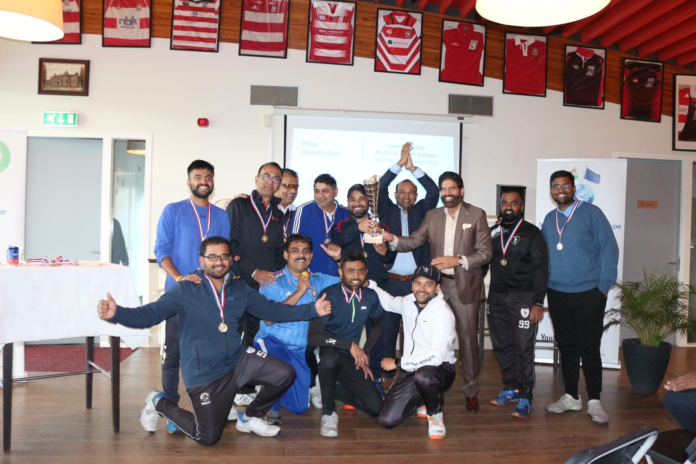
On Saturday, September 28, 2024, the Indian Diaspora Council (IDC/FIDE) and the Foundation for Critical Choices for India (FCCI), in partnership with Sparta Cricket Club, successfully organized the event “Empowering Indian Diaspora Through Sports.” Held at the Sparta Sports Cricket Club in Capelle aan den Ijssel, Netherlands, the event brought together leaders from both the Indian diaspora and the Dutch community to promote the importance of sports in fostering social integration and personal development.

The event underscored the role of sports in building community spirit, bridging cultures, and inspiring collaboration. It also focused on how sports can contribute to both personal and professional growth. The day featured insightful panel discussions and a cricket match, which reinforced the central theme of unity and development through sports.

Inaugural Session: Celebrating the Role of Sports in Community Building

The event opened with a warm welcome from Mr. Leo de Jong, President of Sparta Cricket Club, who emphasized the critical role sports play in uniting communities and fostering a sense of belonging.

Jasbir Singh, President of FCCI & FIDE, delivered the keynote address, sharing the mission of both organizations and stressing the importance of empowering the Indian diaspora through various initiatives. He highlighted how sports can serve as a powerful tool for unification.

Suman Korenhof-Taneja, Director of Public Relations at FCCI, introduced the event’s theme, Empowering Indian Diaspora Through Sports Initiatives. She emphasized how sports can aid professional and personal development while fostering cultural exchange and integration.

An important moment came when Rabin Baldewsingh, National Coordinator against Discrimination and Racism in the Netherlands, addressed the critical issue of racism in sports. He spoke about the significance of combating discrimination and how inclusive sports activities can help integrate diverse communities into Dutch society.

Natasha Mohamed-Hoesein, Deputy Mayor of Rotterdam, also delivered a compelling speech on the Full Participation of the Indian Diaspora in Dutch Society. She addressed the challenges faced by immigrant communities and highlighted the potential of sports to create a more inclusive environment.

Panel Discussion: Insights on Sports, Racism, and Community Building

One of the highlights of the event was an engaging panel discussion moderated by Mr. Bikram Lalbahdoersingh, Treasurer of IDC/FIDE. The discussion featured insights from experts on the role of sports in breaking down barriers and fostering community ties.

The distinguished panelists included:

  • Mr. Rajiv Mehra, Vice-President of NICCT, on the significance of India-Netherlands partnerships.
  • Ambassador Eric Niehe, former Dutch Ambassador and Olympian, on sports’ global impact.
  • Dr. Vijay Gangadin, APNA Chairman, on leadership and personal growth through sports.
  • Ms. Denise van Deventer, former Dutch Women’s Cricket captain, on gender representation in sports.

The discussion concluded with a lively Q&A session, allowing participants to share their thoughts and questions on the topics discussed.

Sports as a Unifying Force

The cricket match that followed the panel discussions brought participants and spectators together, providing a live demonstration of sports’ ability to promote unity and integration. Coordinated by Mr. Akbal Mohamed from FCCI/FIDE, the match reinforced the themes of collaboration and social cohesion that had been discussed throughout the day.

Closing Ceremony and Prize Distribution

The event concluded with a closing ceremony and prize distribution, led by Mr. Jasbir Singh, President of FCCI, and Dr. Pramod Agrawal, Vice President (Programs) at FCCI. Trophies and medals were awarded to the winners, celebrating their contributions to the event.

Dr. Pramod Agrawal delivered the vote of thanks, expressing deep appreciation to Mr. Hemant Mishra, Secretary General of IDC/FIDE, and Mr. Dave Gurnani, Vice President of Finance at FCCI, along with the participants, organizers, speakers, panelists, and volunteers. The ceremony was skillfully hosted by Ms. Pranita Deshpande, Director of International Affairs at FCCI, who served as the event’s Master of Ceremony.

The event concluded with a networking session, where participants exchanged ideas and explored ways to further empower the Indian diaspora through sports and other initiatives.

For more information about upcoming activities, please visit the websites of FCCI and IDC/FIDE:

‘Do Patti’: Kajol and Kriti Sanon’s Thriller Sets to Stream on Netflix

0

The much-anticipated thriller-drama Do Patti, starring Kajol and Kriti Sanon, is all set to premiere on Netflix on October 25. Produced by Kanika Dhillon’s Kathha Pictures and Kriti Sanon’s Blue Butterfly Films, the film promises to deliver an intense, edge-of-the-seat experience with a gripping storyline and stellar performances.

A Thriller Set in the Hills of Uttarakhand

Do Patti unfolds in the fictional hill town of Devipur in Uttarakhand, where twin sisters, portrayed by Kajol and Kriti Sanon, are entangled in a web of dark secrets. The plot revolves around their enigmatic lives, with a relentless police inspector, played by Kajol, on a mission to uncover the truth behind an attempted murder. As the story unravels, hidden motives and suppressed truths come to light, making it a tense narrative of suspense and drama.

The film is directed by debutant Shashanka Chaturvedi and written by Kanika Dhillon, known for her ability to craft strong, layered characters and gripping plots. Dhillon, who has made a name for herself with films like Haseen Dillruba and Manmarziyaan, continues to explore complex human emotions and relationships in Do Patti.

Star-Studded Cast

Adding to the excitement, the film marks the Bollywood debut of popular Indian TV star Shaheer Sheikh, known for his roles in various successful television shows. His big-screen entry is highly anticipated by his loyal fanbase. Additionally, veteran actors Tanvi Azmi and Brijendra Kala bring their expertise to the cast, further elevating the ensemble’s talent.

A Collaboration of Two Powerhouses

Produced by Kanika Dhillon and Kriti Sanon, Do Patti is a collaboration between two powerhouse production houses—Kathha Pictures and Blue Butterfly Films. This partnership brings together Dhillon’s knack for intense storytelling and Sanon’s burgeoning role as a producer, adding another feather to her cap alongside her acting career.

Streaming Soon

With its chilling narrative, exceptional cast, and breathtaking backdrop, Do Patti is shaping up to be one of the most anticipated releases of the year. The film, which will be available for streaming on Netflix starting October 25, is expected to captivate audiences with its thrilling plot and performances that promise to keep viewers on the edge of their seats.

As the release date nears, excitement builds for this riveting mystery, which promises to be a perfect blend of suspense, drama, and intense emotions.

The Eastern Rajasthan Canal Project (ERCP): A Key Step Toward Water Security and Agricultural Growth

0

The Eastern Rajasthan Canal Project (ERCP) is a significant collaborative initiative between Rajasthan and Madhya Pradesh, aimed at enhancing water management for drinking and agricultural purposes. Recently, high-level discussions led by Rajasthan Chief Minister Bhajan Lal Sharma and Union Water Power Minister CR Paatil have signaled positive progress, with critical issues being addressed and a formal agreement expected soon.

Project Overview

First announced by the Bharatiya Janata Party (BJP) in 2017-18, the ERCP was conceived to provide a sustainable solution to the water needs of 13 districts in eastern Rajasthan and the Malwa and Chambal regions in Madhya Pradesh. By focusing on improving drinking water supply and irrigation infrastructure, the project aims to uplift local communities and boost agricultural productivity, transforming the region’s water-deficient landscape.

Goals and Scope

The ERCP is ambitious in its scale, with the following key objectives:

  • Drinking and Industrial Water Supply: The project will cater to 13 districts in Rajasthan and adjoining regions of Madhya Pradesh, supplying water for both drinking and industrial use.
  • Agricultural Irrigation: It is projected to irrigate approximately 5.6 lakh hectares of land, supporting the agricultural economy and ensuring water availability even during dry periods.
  • Water Storage: The project plans to replenish nearby tanks and reservoirs along the route, improving the overall water storage capacity of the region.

Project Components

A critical component of the ERCP is the Modified Parbati-Kalisindh-Chambal (PKC) ERCP Link, which forms part of the Indian government’s larger national river-linking initiative. The river-linking strategy is designed to address regional water imbalances by transferring surplus water to water-scarce areas.

Key elements of the project include:

  • Detailed Project Report (DPR): The ongoing development of the DPR will define the project’s objectives, requirements, and technical plans.
  • State Coordination: Effective collaboration between Rajasthan and Madhya Pradesh is essential for negotiating agreements on water sharing, financial responsibility, and project execution.

Future Developments

Once the DPR is finalized, it will serve as the foundation for an agreement between the two states and the Union Government. This agreement will clarify:

  • Scope of Work: Defining the specific tasks and responsibilities required for project completion.
  • Water Sharing Framework: Outlining how water resources will be allocated between Rajasthan and Madhya Pradesh.
  • Financial Responsibilities: Establishing the cost-sharing model and expected economic benefits for each state.
  • Project Management: Detailing plans for the implementation, operation, and maintenance of the ERCP, with a particular focus on the Chambal region.

Summing Up

The ERCP represents a crucial step toward ensuring water security and promoting sustainable development in both Rajasthan and Madhya Pradesh. By addressing the dual challenges of water scarcity and agricultural stagnation, the project holds the potential to transform the region’s future, offering improved water access for both domestic and industrial needs while fostering economic growth through enhanced irrigation systems.

As the states and the central government move closer to formalizing the agreement, the ERCP stands as a symbol of inter-state cooperation and a major stride toward regional development in water management.

India Emerges as the World’s Third-Largest Ethanol Producer and Consumer

0

In a significant achievement for its energy sector, India has become the third-largest producer and consumer of ethanol globally, marking a milestone in the country’s pursuit of sustainable energy solutions. This development is a direct result of progressive policies enacted by the Indian government to promote biofuels and reduce the nation’s reliance on fossil fuels.

Government Initiatives Driving Growth

A key driver of India’s ethanol boom has been a series of government initiatives designed to boost production and consumption. These policies include financial incentives for sugarcane farmers and ethanol manufacturers, aimed at increasing ethanol availability for fuel blending. The government’s focus on biofuels is not only enhancing energy security but also providing a much-needed economic boost to rural areas, particularly for sugarcane farmers.

By blending ethanol with gasoline, India is taking bold steps to lower its dependence on imported crude oil, reduce greenhouse gas emissions, and support agricultural communities across the country. This strategy aligns with India’s broader commitment to renewable energy and sustainable development.

India Sugar & Bio-Energy Conference 2024

In September 2024, the India Sugar & Bio-Energy Conference was held in New Delhi, bringing together policymakers, industry leaders, and key stakeholders in the bio-energy sector. Organized by the Indian Sugar & Bio-Energy Manufacturers Association (ISMA), the event provided a platform to discuss the future of the sugar and bio-energy industries, with a particular focus on ethanol.

Conference Theme: Sweet Sustainability

The theme of this year’s conference, “Harmonising Sweet Sustainability: Navigating India’s Path to a Green Economy,” emphasized the need for innovation and collaboration to foster eco-friendly practices in both the sugar and bio-energy sectors. Discussions revolved around how to further enhance ethanol production, improve supply chains, and promote sustainable agricultural practices.

The conference highlighted that the growth of the ethanol industry is not only an environmental imperative but also a major opportunity for economic expansion. Participants explored ways to integrate sustainable farming techniques with biofuel production to support India’s green economy goals.

Growth Opportunities and Future Outlook

The discussions at the conference outlined promising growth opportunities for India’s ethanol industry. Stakeholders noted that increased production would improve supply chains, encourage innovation in sustainable farming, and ultimately benefit both the agricultural and energy sectors. With the Indian government committed to increasing ethanol blending percentages, the industry is poised for robust expansion in the coming years.

This ethanol-driven growth supports multiple objectives, including enhanced energy security, reduced carbon emissions, and the strengthening of rural economies. By focusing on biofuels, India is positioning itself as a global leader in the renewable energy space, a move that is essential for long-term environmental sustainability.

What is Ethanol?

Ethanol, also known as ethyl alcohol, is a renewable biofuel derived from plants such as sugarcane and corn. It is commonly used as a solvent, in beverages, and increasingly, as a fuel. Ethanol contains less energy than gasoline, providing about 67% of the energy per liter when burned. However, its renewable nature and the ability to produce it from waste materials, like agricultural byproducts and organic waste, make it a key player in the quest for sustainable energy sources.

A Path to a Greener Future

India’s rise as the third-largest ethanol producer and consumer underscores its commitment to a greener, more sustainable future. The continued collaboration between the government, industry leaders, and the agricultural sector is crucial for realizing the full potential of ethanol as a clean and renewable energy source. By embracing biofuels, India is not only contributing to the global fight against climate change but also ensuring a secure, energy-efficient future for its people.

New Zealand Scientists Discover Rare Ghost Shark Species

0

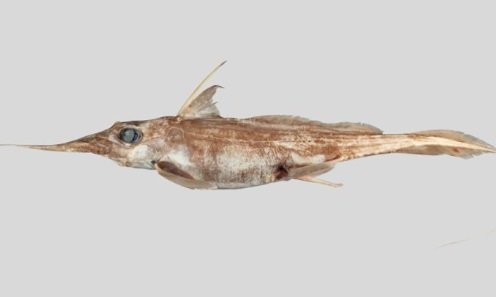
In a remarkable scientific breakthrough, researchers in New Zealand have discovered a new species of ghost shark, an elusive deep-sea fish that inhabits the depths of the Pacific Ocean. This discovery not only expands our understanding of marine biodiversity but also sheds light on a species that has remained largely unknown due to its remote habitat.

What Are Ghost Sharks?

Ghost sharks, also known as spookfish or chimeras, are unique creatures related to sharks and rays. Unlike typical fish, they possess skeletons made of cartilage instead of bone and are devoid of scales. These ancient fish are fascinating due to their evolutionary lineage, dating back nearly 400 million years, making them distant relatives of modern sharks and rays.

Where Was the New Species Found?

The newly identified species, named Harriota avia or the Australasian Narrow-nosed Spookfish, was discovered at Chatham Rise, a deep-sea region east of New Zealand. Ghost sharks are known to reside in extreme depths, sometimes as deep as 2,600 meters (1.6 miles), which makes them incredibly difficult to study. The vast and inhospitable environments they inhabit have kept much of their biology a mystery until now.

Significance of the Discovery

Dr. Brit Finucci, one of the lead researchers on the project, emphasized the importance of this discovery. “Ghost sharks are incredibly rare and hard to find, and we know so little about them,” she explained. “Every discovery like this brings us one step closer to understanding these deep-sea creatures and their role in the ecosystem.” Given the fragile nature of marine biodiversity, understanding more about such species is essential for their conservation and protection.

Naming the New Species

The name Harriota avia holds a special significance. It was chosen in honor of Dr. Finucci’s grandmother and also serves as a nod to the ancient history of chimeras, which have roamed the oceans for hundreds of millions of years. The ghost shark’s name not only reflects its personal connection but also highlights its evolutionary heritage.

What Makes This Species Unique?

Initially, scientists believed this new ghost shark was part of a widely distributed species. However, genetic testing revealed that Harriota avia is genetically distinct, specific to the waters around Australia and New Zealand. This discovery underscores the importance of studying the genetic makeup of marine species, as it helps distinguish unique populations and informs conservation strategies.

Importance of Conservation

Studying ghost sharks is critical for conservation efforts, particularly because they inhabit such deep and isolated parts of the ocean. With their populations still largely unquantified, it is difficult to assess the risks they face. By learning more about their biology and genetic diversity, scientists can develop strategies to protect these ancient creatures from threats like deep-sea fishing and habitat disruption.

The discovery of Harriota avia marks a significant milestone in deep-sea research, offering new insights into a world that remains largely unexplored. As scientists continue to study these rare and enigmatic species, their findings will play a crucial role in ensuring the protection of these deep-sea dwellers and the ecosystems they inhabit.

Tribal Students Lead the Way in Storytelling Innovation with Saksham Sanchar Foundation

0

Did you know that the Sita Mata Wildlife Sanctuary, located near Badi Sadri, is home to the rare flying squirrel? Or that there’s an ancient banyan tree that spreads across 12 bighas of land, believed to have stood since the time of Lava and Kusha? This sanctuary is not only a natural treasure but also a place steeped in mythological history. It’s said that Sita Mata herself was absorbed into the earth here, and the Ramayana was penned at the Valmiki Ashram situated in the sanctuary. Lava and Kusha are believed to have played under this very banyan tree, and the famous Ashwamedha horse battle took place here.

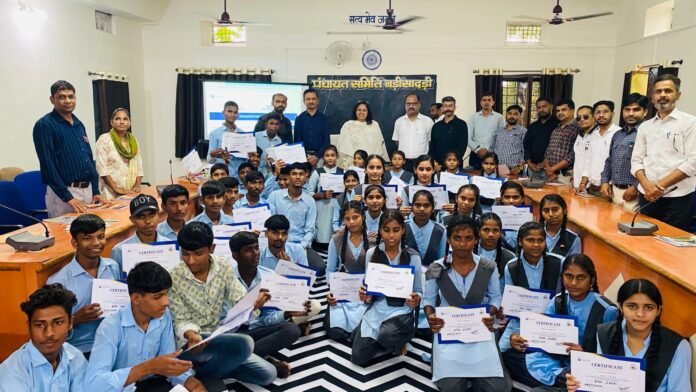
These intriguing facts were shared by tribal students from Badi Sadri, Chittorgarh, during a media workshop organized on Saturday by the Chittorgarh District Administration and Saksham Sanchar Foundation. The workshop aimed to ignite innovation in storytelling and skill development among tribal students, focusing on empowering them to narrate stories related to their art, culture, history, and local heritage.

The initiative was part of a larger effort to help these students share their stories with global audiences, thereby bringing ‘best traditional knowledge’ to new heights. The idea was to enable students to preserve and promote their unique cultural narratives through digital platforms.

In line with this goal, Saksham Sanchar Foundation organized the workshop, titled “Digital Media: Knowledge Awareness and Its Use,” at the Panchayat Samiti Bhawan in Badi Sadri. Held from 11 a.m. to 3 p.m., the workshop saw the participation of 50 students from local schools and communities. Senior journalist Manish Sharma introduced the students to modern techniques of journalism, while another senior journalist, Archana Sharma, taught the nuances of content writing.

Speaking about the significance of this innovation, Chittorgarh District Collector Shri Alok Ranjan highlighted the transformative power of digital media. “Digital media holds the potential to change lives, and I encourage every student here to make the most of the opportunities it offers,” he said.

The workshop’s primary goal was to equip the students with the necessary digital tools and knowledge, enabling them to use digital platforms for personal and community development. The students enthusiastically participated in interactive sessions, focusing on the right use of digital media and its potential in creating opportunities in education, employment, and self-expression.

The hands-on learning experience allowed the students to explore various digital tools and platforms, fostering a practical understanding of digital media. This initiative by Saksham Sanchar Foundation is part of its broader mission to bridge the digital divide and promote social empowerment through digital education in rural and underprivileged communities across India.

With such initiatives, tribal students are not only discovering their rich heritage but are also taking steps toward sharing it with the world, ensuring that their traditional knowledge reaches new platforms and audiences.

India to Host the World Telecommunication Standardization Assembly (WTSA) 2024

0

India is set to host the prestigious World Telecommunication Standardization Assembly (WTSA) from October 14th to 24th, 2024, marking a significant milestone as the event will be held in Asia for the first time. The assembly, organized by the International Telecommunication Union (ITU), is a crucial global conference that brings together representatives from over 190 countries to set international standards in telecommunications. India’s hosting of WTSA 2024 underscores the nation’s growing influence and leadership in the telecom sector.

What is WTSA 2024?

Held every four years, WTSA plays a pivotal role in shaping the rules for telecommunication standards, which are essential for current technologies such as 5G and the upcoming 6G networks. These standards ensure that telecom systems worldwide can work harmoniously and promote innovation in communication technologies. By hosting WTSA 2024, India demonstrates its commitment to contributing to the future of global telecommunications and fostering advancements that will have a lasting impact on industries worldwide.

Outreach Sessions to Foster Telecom Education

In the lead-up to WTSA 2024, India’s Department of Telecommunications (DoT) has organized a series of Outreach Sessions in major cities like Delhi, Hyderabad, and Bengaluru. These sessions aim to bridge the gap between students and telecom industry experts, offering a platform for students to engage with leading professionals and learn more about telecom standards and innovations. Over 500 students have already participated in these sessions, gaining insights from experts from the ITU, academia, and the telecom industry.

The Outreach Sessions emphasize the importance of telecom standards in ensuring the smooth operation of global networks and fostering technological innovations. By providing students with a deeper understanding of these standards, the sessions aim to inspire future leaders in the telecom industry and empower them to contribute to the ongoing development of 5G and 6G technologies.

Why the Outreach Sessions Matter for Students

These sessions offer students a unique opportunity to connect theory with real-world applications. With India poised to play a major role in shaping the future of telecommunications, the sessions allow students to explore how they can actively contribute to technological advancements. Students gain a first-hand look at how innovations in 5G and 6G will impact industries ranging from healthcare and agriculture to manufacturing and education, and how their skills and ideas can drive progress in these fields.

5G-6G Hackathon 2024: Encouraging Innovation

To further promote innovation, the DoT has also launched the 5G-6G Hackathon 2024 following the Outreach Sessions. This nationwide competition invites participants from diverse sectors to propose innovative solutions tailored to India’s unique needs in the telecommunications space. The hackathon is designed to foster the development of new 5G and 6G applications that can have a transformative impact on the country’s digital landscape, from improving connectivity in remote areas to enhancing smart cities and industries.

WTSA 2024: A Platform for Global Discussions and Innovation

In addition to the main assembly, WTSA 2024 will feature several side events that are set to enrich the overall experience. Key events include:

  • ITU Kaleidoscope Conference: A conference that brings together experts to discuss emerging trends and challenges in telecommunications.
  • Exhibitions: Showcasing cutting-edge technologies and innovations in the telecom sector.
  • Special Programs Promoting Women in Telecom: Focused on fostering gender equality and inclusivity in the telecommunications industry.
  • AI for Good Discussions: Exploring how Artificial Intelligence (AI) can be leveraged to address global challenges and improve society.

These events will facilitate a broader discussion on the role of telecommunications in creating a more inclusive and connected world. They will also provide a platform for participants to engage with a wide range of topics, from gender diversity in tech to the ethical implications of AI.

India’s Role in Shaping the Future of Telecom

Hosting WTSA 2024 positions India as a key player in the global telecommunications landscape. By fostering collaboration between governments, industries, and academic institutions, India is set to contribute significantly to the development of global telecom standards. The event will also help India showcase its innovations in 5G and 6G technologies and promote its vision of a digitally empowered society.

As the world looks to the future of telecommunications, WTSA 2024 will play a crucial role in setting the stage for the next generation of technologies, with India leading the way in this transformative era.

New Catfish Species Exostoma sentiyonoae Discovered in Nagaland

0

In an exciting breakthrough for biodiversity research, a new species of catfish has been discovered in the Dzuleke River, Nagaland, India. Named Exostoma sentiyonoae, the discovery adds to the growing recognition of the region’s rich aquatic life. This river, which is part of the Barak River system, has long been suspected to harbor a variety of undiscovered species, and this latest find confirms the importance of the region’s biodiversity.

Publication Details

The discovery was recently published in the scientific journal Zootaxa by two dedicated researchers:

  • Bungdon Shangningam from the Zoological Survey of India.
  • Limatemjen from Kohima Science College.

The newly discovered species, cataloged as holotype ZSI FF 9871, measures 75.8 mm in length. Its identification marks the first time a member of the Exostoma genus has been found in the Dzuleke River.

Distinct Characteristics of Exostoma sentiyonoae

The uniqueness of Exostoma sentiyonoae lies in its distinct physical characteristics, which set it apart from other species in the Exostoma genus. These include:

  • An adipose fin connected to its upper caudal-fin rays.
  • Tubercles (small bumps) on its dorsal fin spine.
  • A slender head structure.
  • A notably large distance between the dorsal and adipose fins.
  • Small eyes, along with 41 vertebrae in total.

These features not only distinguish it from other species in the genus but also highlight its adaptation to its environment in the remote Dzuleke River.

Taxonomic Distinctions

Researchers observed key differences between Exostoma sentiyonoae and several similar species. Notable comparisons include:

  • E. berdmorei: Exostoma sentiyonoae has a shorter dorsal-fin base, longer distance between dorsal and adipose fins, and smaller eyes.
  • E. gaoligongense: The new species features a shorter distance between pectoral and pelvic fins and smaller eyes.
  • E. effreni: Compared to this species, found in the Chao Phraya River, Exostoma sentiyonoae boasts a wider head and a deeper caudal peduncle.
  • E. peregrinator: It differs by having a longer dorsal-adipose fin distance and a shorter anal-fin base.

These distinctions emphasize the complexity and diversity within the Exostoma genus and hint at potential evolutionary adaptations that have occurred in the isolated rivers of Nagaland.

Importance of the Discovery

The discovery of Exostoma sentiyonoae is a significant step toward understanding the region’s biodiversity. The Dzuleke River, with its rugged terrain and limited previous research, remains a largely untapped resource for biodiversity studies. This new species discovery could be just the beginning, suggesting that many more undiscovered species may be hiding in Nagaland’s rivers.

Future Research Directions

The researchers have stressed the need for continued exploration of Nagaland’s rivers, particularly in remote areas. They have proposed several future directions for study:

  • Expanded surveys: More surveys are needed to explore other potential fish species in the region.
  • Genetic studies: To better understand the relationships between discovered species and their genetic variations.
  • Ecological studies: Investigating the interactions between these species and their environments could shed light on their adaptation mechanisms.
  • Conservation plans: Developing strategies to protect unique species like Exostoma sentiyonoae and the broader biodiversity of Nagaland.

A Key to Conservation

The discovery of Exostoma sentiyonoae contributes to larger conservation efforts in important biodiversity regions such as the Eastern Himalayas and Indo-Burma. Protecting such rare species is vital for maintaining the ecological balance and safeguarding the rich aquatic life that thrives in these remote, unstudied regions.

As the first discovery of its kind in the Dzuleke River, Exostoma sentiyonoae highlights the urgent need for conservation and scientific exploration in Nagaland. Each new species brings us one step closer to understanding the intricate web of life that exists in these hidden ecosystems.

Maggie Smith, Beloved ‘Downton Abbey’ and ‘Harry Potter’ Star, Passes Away at 89

0

Dame Maggie Smith, the renowned British actress and one of the few performers to have won the prestigious trifecta of an Oscar, Emmy, and Tony, has passed away at the age of 89, the BBC reported on Friday. With a career spanning over seven decades, Smith leaves behind an unparalleled legacy in theatre, film, and television.

A Career that Began on Stage

Maggie Smith’s journey into the world of acting began in the 1950s on the British stage. Her early years saw her rise as a prominent Shakespearean actress, earning accolades for her extraordinary ability to bring depth and nuance to her characters. Over the course of her career, she became one of the most celebrated actors of her generation, beloved by audiences both in the UK and around the world.

A Trailblazing Talent: Oscar, Emmy, and Tony Winner

Smith’s contribution to the arts was recognized with numerous awards. She is one of the select few actors to have achieved the rare feat of winning an Oscar, Emmy, and Tony. Her two Academy Awards were for her performances in 1969’s The Prime of Miss Jean Brodie, where she portrayed an unconventional schoolmistress, and 1978’s California Suite, for which her comedic brilliance in a supporting role led co-star Michael Caine to remark that she had “committed grand larceny” by stealing the show.

On the small screen, her talent was equally evident, as she garnered four Emmy Awards for her work, most notably in Downton Abbey. Additionally, her stage work earned her a Tony Award, cementing her status as one of the most versatile and talented actresses of her time.

Iconic Roles in ‘Harry Potter’ and ‘Downton Abbey’

While she was already a well-respected figure in British theatre and cinema, Maggie Smith became a household name for younger audiences as Professor McGonagall in the Harry Potter series. Her portrayal of the stern yet compassionate Hogwarts professor endeared her to millions across the globe.

Simultaneously, Smith’s role as the sharp-tongued Dowager Countess of Grantham in the hit TV series Downton Abbey brought her a new wave of admiration. Her impeccable delivery of witty remarks and biting sarcasm made her one of the show’s most beloved characters. The role, which seemed tailor-made for her, showcased Smith’s ability to balance humor with gravitas, and it remains one of her most iconic performances.

An Award-Winning Career Full of Acclaimed Performances

Maggie Smith’s long career was filled with memorable performances that spanned a range of genres. Her first Academy Award nomination came in 1965 for her role as Desdemona in Othello, opposite Laurence Olivier. Beyond her Oscar-winning roles, she was critically lauded for playing Lady Bracknell in The Importance of Being Earnest on the West End and a 92-year-old woman grappling with senility in Edward Albee’s Three Tall Women.

She also appeared in the black comedy film Gosford Park in 2001, earning further praise for her deft portrayal of a scheming aristocrat, proving yet again that her talent could thrive in any setting.

A Life of Honors and Legacy

In recognition of her immense contribution to the arts, Maggie Smith was knighted by Queen Elizabeth II in 1990, becoming Dame Maggie Smith. This honor marked her as one of Britain’s national treasures, and her work continued to inspire generations of actors and audiences alike.

As news of her passing spreads, tributes from across the globe are flooding in, reflecting the profound impact she had on the entertainment industry. Maggie Smith will be remembered not only for her immense talent but also for her ability to connect with audiences through her unforgettable characters.

Her legacy is one that will continue to influence and inspire, leaving an indelible mark on the world of film, television, and theatre.