Home Blog Page 482

Do you know about this Khadi Prakritik Paint, A Sustainable Solution to India’s Stray Cow Problem

0

India has long faced challenges related to stray cows, with these animals roaming roads and farms, creating risks for road safety, damaging crops, and affecting the environment. In response to this persistent issue, an innovative and eco-friendly solution has emerged: Khadi Prakritik Paint, made from cow dung. This revolutionary product not only addresses the problem of stray cows but also empowers communities to manage the situation sustainably. In this article, we explore how Khadi Prakritik Paint is transforming cow management and fostering a harmonious environment.

The Stray Cow Challenge in India

The rise of stray cows wandering roads and farmland presents multiple risks. Motorists and pedestrians are often at risk of accidents, while farmers face economic losses from damaged crops. Additionally, these animals graze on vegetation and leave waste in public areas, contributing to environmental concerns. Traditional cow management approaches have largely proven ineffective, highlighting the need for an innovative and sustainable solution.

Do you know about this Khadi Prakritik Paint, A Sustainable Solution to India's Stray Cow Problem

Khadi Prakritik Paint: An Innovative Approach

Khadi Prakritik Paint is a unique, eco-friendly paint derived from cow dung, offering a sustainable solution to the stray cow issue. This paint is created through a process that collects and processes cow dung into a usable form. Not only does this paint provide an alternative to managing cow waste, but it also has a range of environmental benefits.

The paint has low volatile organic compound (VOC) emissions, making it an eco-friendly substitute for conventional paints. Its natural composition ensures that no harmful chemicals are released during application, leading to cleaner air quality. This makes Khadi Prakritik Paint a safer choice for both the environment and public health.

Do you know about this Khadi Prakritik Paint, A Sustainable Solution to India's Stray Cow Problem
Version 1.0.0

Transforming Cow Management Practices

The introduction of Khadi Prakritik Paint has revolutionized cow management across several communities. Farmers and community members are encouraged to take responsibility for their cows, keeping them from wandering onto roads or farms. The paint’s distinctive scent attracts cows to designated areas, reducing the likelihood of them straying into dangerous or unwanted zones. Consequently, the number of road accidents involving stray cows has seen a significant reduction, enhancing road safety.

Empowering Communities and Boosting Livelihoods

Beyond solving the stray cow issue, Khadi Prakritik Paint offers numerous economic and social benefits. Farmers who utilize this paint are incentivized to care for their cows, ensuring these animals remain within designated areas. Additionally, the cow dung used in the paint can also be repurposed as organic fertilizer, improving soil fertility and crop yields. This shift from chemical fertilizers to organic alternatives not only promotes environmental sustainability but also enhances farmers’ livelihoods by increasing agricultural productivity.

A Model for Environmental Sustainability

Khadi Prakritik Paint represents a broader vision of sustainability and holistic living. By leveraging the abundant resource of cow dung, the paint promotes circular resource use, reducing waste and environmental impact. Its eco-friendly properties support better soil health, promote biodiversity, and contribute to overall environmental balance.

Summing Up

Khadi Prakritik Paint has emerged as a groundbreaking solution to the stray cow problem in India, combining eco-friendly practices with innovative cow management techniques. By utilizing cow dung to create sustainable paint, this initiative empowers communities and fosters environmental well-being. As more regions adopt this approach, India is paving the way for a future where humans, cows, and nature coexist harmoniously. Supporting Khadi Prakritik Paint is a step toward a brighter, more sustainable tomorrow.

Rare 80,000-Year-Old Comet Tsuchinshan–ATLAS Lights Up Bengaluru Skies in Pink and Yellow

0

Bengaluru residents were recently treated to a spectacular celestial display as the rare comet Tsuchinshan–ATLAS graced the skies after an 80,000-year absence. The non-periodic comet, also known as C/2023 A3, dazzled the electronic city with vivid hues of pink, green, and yellow, leaving the public in awe and filling social media with mesmerizing pictures and videos.

Astrophotographers revealed that this breathtaking phenomenon, seen on Monday, September 30, was not just an ordinary atmospheric event but a rare cosmic visitor making its way through the solar system after millennia. Discovered by the Purple Mountain Observatory in China on January 9, 2023, the comet was later independently observed by the Asteroid Terrestrial-impact Last Alert System (ATLAS) in South Africa, lending the comet its name.

As Bengaluru residents gazed up at the striking colors illuminating the night sky, many took to social media to express their amazement. One user tweeted, “Bengaluru skies being just magical! What is this phenomenon even called?” Others drew comparisons to the Northern Lights, with swirling bands of light typically seen near the poles.

Unlike predictable comets such as Halley’s Comet, Tsuchinshan–ATLAS is non-periodic and unpredictable, making its sighting all the more special for sky-watchers in Bengaluru. The comet, currently located in the Sextans constellation, is approximately 129.6 million kilometers away from Earth, according to astrophotographer Upendra Pinnelli, as reported by Deccan Chronicle.

The good news is that residents of Hyderabad also had the opportunity to catch a glimpse of this cosmic marvel until October 2, marking a once-in-a-lifetime experience for astronomy enthusiasts across India.

World’ first AI passenger plane is similar to Pushpak Vimaan mentioned in Ramayana. Know why…

0

After much wait, world’ first AI passenger plane has been revealed in which travellers can sit inside the cockpit and watch the view around for there will be no pilot, says The Sun.

The plane is similar to Pushpak Viman, mentioned in Ramayana which flew with divine powers without any pilot.

This first of its kind AI passenger plane helps travellers sit in the cockpit and enjoy the view – as there’s no pilot.

World' first AI passenger plane is similar to Pushpak Vimaan mentioned in Ramayana. Know why...

The fully autonomous private jet concept was revealed by aerospace giant Embraer – which represents a breakthrough in futuristic aviation.

The company has joined with Bombardier to provide the futuristic vision of business jet – that’s piloted by AI.

World' first AI passenger plane is similar to Pushpak Vimaan mentioned in Ramayana. Know why...

The jet giant unveiled the plans for a future medium-size cabin jet.

The fully autonomous private jet concept has been revealed by aerospace giant Embraer – and it represents a breakthrough in futuristic aviation.

The company has joined with Bombardier to provide the futuristic vision of a jet – that’s piloted by AI.

The jet giant unveiled the plans for a future medium-size cabin jet at the National Business Aviation Association event in Orlando, Florida.

It has a cabin with three zones. One of the zones shows a lounge with copious amounts of space for seating – including in the cockpit.

But the jet wouldn’t have so much space if it weren’t for the autonomous design where there’s no need for a cockpit or pilot.

The futuristic cabin plan is also pictured featuring windows with touchscreens.

The plane is also designed run entirely off sustainable fuel and has a design that has no engines in the wings.

Instead, the engines seem to be situated one above the other and have three air intakes – one on top of the fueselage and two to the side.

It also sports a V-tail – which is never seen on business jets – and an engine configuration with two turbofans in the tail.

Embraer said, “The concept presented was a fully autonomous aircraft that will eliminate the need for a cockpit and enable new cabin configurations, such as a forward lounge.”

Gandhi Vatika Inaugurated at Central Park on Gandhi Jayanti

0

On the occasion of Gandhi Jayanti, the Gandhi Vatika (Gandhi Darshan Museum) located in Central Park was inaugurated on Wednesday. According to Ravi Jain, Secretary of the Department of Tourism, Art & Culture, and Archaeology, this newly established museum attracted over a thousand visitors, including students from schools and colleges, as well as the general public, on its very first day. Visitors had the opportunity to explore the life journey of Mahatma Gandhi.

The museum showcases various phases of Gandhi’s life, including his childhood, his travels to South Africa, the historic Satyagraha movement, the Quit India Movement, and the Chauri-Chaura incident, among other pivotal moments. Ravi Jain emphasized that Gandhi Vatika will soon emerge as a major tourist attraction in Jaipur. He further added that students and visitors will be inspired by Gandhi’s life philosophy after visiting the museum.

Gandhi Vatika will be open to visitors daily from 10 AM to 5 PM, starting from Gandhi Jayanti. Moreover, throughout October 2024, entry to the museum will be free of charge, making it an ideal destination for those interested in learning more about Mahatma Gandhi’s life and legacy.

5 Ways the Iran-Israel Conflict Could Impact India’s Economy

0

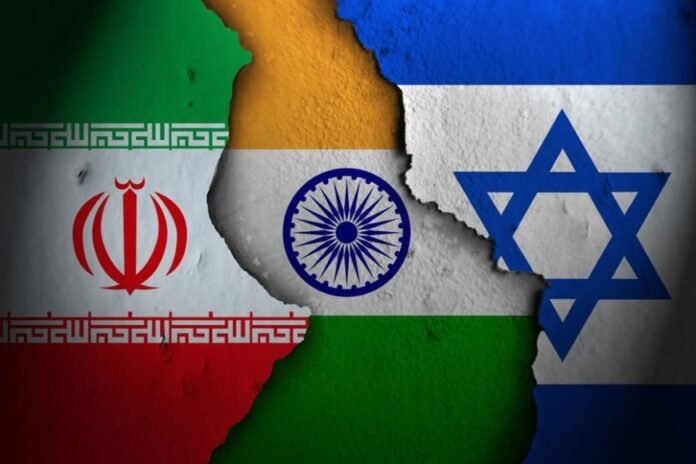
The escalating conflict between Iran and Israel poses several potential risks to global economies, including India. With both countries located in a volatile region crucial to energy supplies and global trade, any military clash could significantly impact India, which heavily depends on Middle Eastern countries for its energy needs. Here are five key ways this conflict could affect India’s economy.

1. Rising Oil Prices and Inflation

One of the most immediate consequences of a conflict in the Middle East is a spike in crude oil prices. India imports a significant portion of its oil and gas from the Middle East, including from Iran and Iraq. A disruption in supply routes or the closure of key chokepoints like the Strait of Hormuz could lead to soaring oil prices. Rising oil prices would directly contribute to inflation in India, making everything from transportation to goods production more expensive. According to reports, a $10 per barrel increase in oil prices could lead to a 0.5 percentage point rise in India’s Consumer Price Index (CPI), making essentials more expensive for consumers.

2. Impact on Trade Routes

A potential escalation in the conflict could impact trade routes, particularly the Red Sea shipping lanes and the Strait of Hormuz, which are vital for oil shipments to India. India’s imports, especially liquefied natural gas (LNG) from Qatar and oil from Saudi Arabia, pass through these routes. Any disruptions here could significantly increase freight costs, further pushing up the prices of imported goods and energy. With nearly two-thirds of India’s oil coming through the Hormuz Strait, the consequences could be severe, leading to higher transportation and shipping costs across sectors.

3. Widening Current Account Deficit

India’s current account deficit (CAD) is largely influenced by its oil import bill. If oil prices rise sharply due to the conflict, India’s oil import bill could increase significantly. For instance, a $10/barrel uptick in crude prices could widen India’s net oil imports by $12-13 billion for the fiscal year, putting additional strain on the CAD. A larger CAD weakens the Indian rupee and increases borrowing costs, making it more expensive for the country to finance its imports, thereby affecting economic stability.

4. Challenges to the India-Middle East-Europe Economic Corridor (IMEC)

India has ambitious plans to boost trade with Europe through the India-Middle East-Europe Economic Corridor (IMEC), which was announced during the 2023 G20 summit. The project aims to strengthen India’s connectivity with the Gulf and Europe through a network of roads, railways, and shipping routes. However, an intensification of the conflict in the Middle East could derail the progress of this initiative. Instability in the region would delay critical infrastructure projects, raising concerns over India’s long-term trade ambitions with Europe and the Middle East.

5. Delays in Monetary Policy Adjustments

India’s central bank, the Reserve Bank of India (RBI), has been expected to cut interest rates due to cooling inflation in recent months. However, a surge in oil prices caused by the conflict could derail these plans. Rising inflation would force the RBI to maintain higher interest rates to curb consumer prices, which would slow down economic growth. Higher interest rates could also dampen business investments and consumer spending, further slowing the economic recovery post-pandemic.

Summing Up

India, as a major importer of oil and gas, is particularly vulnerable to disruptions in the Middle East. The Iran-Israel conflict not only risks pushing up oil prices but could also lead to trade route disruptions, increased inflation, and delays in key economic policies. Although India has diversified its energy imports by increasing purchases from Russia, it remains heavily reliant on the Middle East. Any escalation in the region could trigger a ripple effect on India’s economy, straining growth prospects and creating new challenges for its policymakers.

Navratri 9-day fasting and its significance

0

Navratri, one of the most revered Hindu festivals, celebrates the divine feminine power of Goddess Durga and her nine forms. During this sacred period, devotees observe fasting as a mark of devotion, but it’s not just a spiritual ritual. Fasting for nine days offers significant health benefits, some of which are backed by modern science. The ancient practice of fasting during Navratri is a holistic approach to well-being, blending tradition with science. Below, we explore the top 10 surprising health benefits of fasting during Navratri 2024.

1. Detoxification of the Body

Navratri fasting promotes the body’s natural detoxification process. When you give your digestive system a break, your organs, particularly the liver and kidneys, work more efficiently to eliminate toxins. Studies have shown that fasting encourages autophagy—a process where the body discards damaged cells and regenerates healthier ones, leading to enhanced overall health.

2. Improved Metabolism

Fasting can boost your metabolism by switching the body’s energy source from glucose to fat. This process, known as ketosis, enhances fat-burning efficiency. Research also suggests that intermittent fasting improves insulin sensitivity, which helps regulate blood sugar levels more effectively, reducing the risk of diabetes.

3. Weight Loss and Fat Reduction

By naturally limiting calorie intake, fasting during Navratri can lead to gradual weight loss. Unlike crash diets, fasting helps reduce body fat without compromising muscle mass. If done mindfully, Navratri fasting can help you shed excess weight and promote a healthier body composition.

4. Enhanced Brain Function

Fasting isn’t just beneficial for your body—it’s also great for your brain. Studies have shown that fasting increases the production of brain-derived neurotrophic factor (BDNF), which supports cognitive function, memory, and mood regulation. Increased BDNF levels may also help prevent neurodegenerative diseases like Alzheimer’s, keeping your brain sharp and healthy.

5. Reduced Inflammation

Chronic inflammation is linked to many health conditions, such as heart disease, diabetes, and cancer. Fasting helps reduce inflammation in the body by lowering levels of inflammatory markers. By reducing oxidative stress, fasting supports a healthier immune system and lowers the risk of developing chronic diseases.

6. Better Heart Health

Fasting during Navratri has been associated with improved heart health. It helps lower blood pressure, reduces cholesterol levels, and enhances overall cardiovascular function. Studies suggest that fasting improves lipid profiles by reducing triglycerides and LDL (bad cholesterol) while increasing HDL (good cholesterol), thus supporting a healthier heart.

7. Boosted Immunity

Fasting can strengthen your immune system by promoting the regeneration of immune cells. Research from the University of Southern California suggests that prolonged fasting can boost the production of white blood cells, improving the body’s ability to fight infections and other illnesses. During Navratri, fasting provides a natural way to enhance your body’s defense mechanisms.

8. Improved Digestion

The consumption of sattvic foods like fruits, nuts, and dairy during Navratri promotes better digestion. Fasting gives your digestive system time to rest, reducing bloating and indigestion. Studies also show that intermittent fasting supports a healthy gut microbiome, improving digestive health and overall well-being.

9. Better Skin Health

A surprising benefit of fasting is improved skin health. Fasting helps detoxify the body, which in turn can clear up skin issues like acne. The boost in antioxidant activity during fasting helps repair and rejuvenate the skin, giving you a natural glow.

10. Spiritual and Mental Clarity

Fasting is not only about physical health—it also nurtures mental and spiritual well-being. The discipline of fasting helps quiet the mind, fostering mental clarity, emotional balance, and focus. Navratri fasting is an opportunity to enhance your inner resilience, cultivate patience, and connect more deeply with your spiritual self.

Summing Up

Navratri fasting is much more than a religious observance. It’s a time for personal rejuvenation, offering a multitude of physical, mental, and spiritual benefits. From detoxifying the body to boosting brain function and immunity, fasting during Navratri can improve overall health and well-being.

However, it’s crucial to fast mindfully—stay hydrated, consume nutrient-dense foods, and avoid overeating when breaking the fast. By integrating these healthy practices, Navratri fasting can transform both your body and spirit, making this sacred period a gateway to personal growth and wellness.

As you embark on this nine-day journey, remember that Navratri is a fusion of ancient wisdom and modern health benefits. Embrace the fast, and let it be a time of renewal for your mind, body, and soul.

Kheer Bhawani Temple, A temple in which water spring changes its colour to indicate any disaster or calamities..

0

Nestled amidst the breathtaking beauty of Kashmir lies the revered Kheer Bhawani Temple, a spiritual heaven for Hindus for centuries. Dedicated to Goddess Ragnya Devi, this temple draws thousands of devotees every year, seeking divine blessings and serenity. With its captivating history, tranquil atmosphere, and deep spiritual significance, the Kheer Bhawani Temple is a must-visit for anyone interested in exploring India’s cultural and religious heritage.

History
The Kheer Bhawani Temple, situated in the Tullamulla village of Jammu and Kashmir, is a significant pilgrimage site for Hindus in the Kashmir Valley. Its origins are steeped in ancient legends. One story claims that Ravana, the demon king of Lanka, once worshipped Goddess Bhawani here. Another popular legend suggests that Lord Rama installed a Shiva Linga at this very spot during his exile.

Maha Rishi Kashyapa, an important sage, is also believed to have meditated here, and later, a temple was built at this location. King Zain-ul-Abidin first constructed the temple, which was later restored by Maharaja Pratap Singh. Over the years, the Kheer Bhawani Temple has become a cultural symbol, deeply associated with the heritage of Kashmiri Pandits. Festivals like Shukla Paksha Ashtami and Janmashtami see a surge in devotees, making it a lively and deeply spiritual pilgrimage destination.

Spiritual Significance
For the Kashmiri Pandit community, the Kheer Bhawani Temple holds immense spiritual significance. According to legend, Goddess Ragnya Devi moved her abode from Sri Lanka to Kashmir, making this site one of the most sacred for Hindus. Devotees believe that offering prayers at this temple brings good health, prosperity, and happiness.

A unique feature of the temple is the sacred water spring within its complex. The spring is believed to change color based on divine indications. If any calamities or disasters are impending, it is said that the water turns black. During Jesht Ashtami (May-June), the temple is abuzz with thousands of pilgrims who fast and offer “kheer” (a traditional rice pudding) as prasad to the goddess. The serene, divine aura of the temple leaves visitors in awe, and many also stop here before embarking on their Amarnath Yatra.

Proximity to Amarnath Yatra
The Kheer Bhawani Temple is about 75 kilometers from the sacred Amarnath Cave Shrine, located in the Anantnag district of Jammu and Kashmir. Amarnath, one of the holiest shrines in Hinduism, attracts millions of devotees who brave challenging terrain to reach the sacred cave. The Kheer Bhawani Temple often serves as a spiritual stop for pilgrims on their way to Amarnath.

Traveling between the two sites can be done by road, though it involves crossing high-altitude areas with steep gradients, offering stunning views of Kashmir’s natural beauty. Helicopter services are also available for a quicker and more comfortable journey, particularly during peak pilgrimage seasons.

Visiting the Kheer Bhawani Temple
The Kheer Bhawani Temple is located approximately 25 kilometers from Srinagar. Visitors can hire a taxi or take a bus to Tullamulla village, with shared taxi options available for budget travelers. Upon reaching the temple, visitors are expected to follow traditional customs, including removing their shoes before entering. Photography inside the temple is strictly prohibited, and modest attire with head coverings is encouraged.

The best time to visit the temple is during the Mela Kheer Bhawani festival, held annually in May or June, when the temple is alive with vibrant colors, devotional music, and an influx of pilgrims. The festival offers a rare glimpse into Kashmir’s deep spiritual traditions and the strong connection between the people and their deities.

Summing Up
The Kheer Bhawani Temple stands as a beacon of peace, spirituality, and rich cultural heritage in Kashmir. With its sacred history and tranquil environment, it provides a unique spiritual experience to every visitor. For those seeking both a divine connection and an exploration of India’s heritage, visiting the Kheer Bhawani Temple along with the Amarnath Yatra offers an unforgettable journey of devotion and discovery.

Plan your trip to this magical place and immerse yourself in the divinity that has captivated devotees for centuries.

Oldest Eyeliner Discovered in Turkey’s Ancient Prehistoric City

0

In an exciting discovery that sheds light on the ancient use of cosmetics, archaeologists have unearthed the oldest known kohl stick—an early form of eyeliner—at the prehistoric archaeological site of Yeşilova Höyük in Turkey. This remarkable find reveals that humans have been using makeup for over 8,000 years, offering a glimpse into the beauty practices of ancient civilizations.

The Discovery

The kohl stick, which dates back more than 8,200 years, is crafted from green serpentine stone and still bears traces of black paint at its tip. This makes it the earliest evidence of cosmetics use ever found. Zafer Derin, the lead archaeologist on the dig, emphasized that kohl was widely used throughout history in different cultures, from Egypt and the Levant to Anatolia (modern-day Turkey).

The presence of the kohl stick in the Aegean region of Yeşilova suggests that even during prehistoric times, women were concerned with enhancing their appearance. This discovery not only highlights the early origins of beauty culture but also the sophistication of personal care in ancient societies.

Physical Details of the Kohl Stick

The ancient kohl stick is a finely shaped tool, about 10 cm long and 1 cm thick, resembling a modern-day pen. Its delicate craftsmanship suggests that the people of this era had highly developed skills in creating precise instruments for personal use.

To apply makeup, the stick would likely have been dipped in kohl powder, which was then carefully applied around the eyes. The black substance found on the tip of the stick is believed to contain manganese oxide, a common ingredient in traditional kohl formulations, which would have created the dark, dramatic eye makeup look often associated with ancient cultures.

Kohl’s Medicinal and Cultural Uses

Kohl wasn’t just about beauty; it also had medicinal and cultural significance. Historical texts suggest that kohl was used to protect the eyes from the sun’s harsh rays and was thought to treat various eye diseases. In many cultures, applying kohl was considered to have spiritual or protective qualities, often associated with warding off evil spirits or improving vision.

Traditionally, kohl was made by grinding a mineral known as stibnite, found in hydrothermal deposits, into a fine powder. This powder was then applied around the eyes to create bold, dark outlines, a look still admired in many parts of the world today.

A Glimpse into Ancient Beauty Practices

The discovery of this ancient kohl stick reveals that the use of makeup has deep roots in human history. Even in prehistoric times, people were attentive to their appearance, using cosmetics that served both practical and aesthetic purposes. Beyond beautification, kohl had medicinal and cultural functions, showing the multifaceted role that makeup played in early societies.

Moreover, the finely crafted kohl stick points to the advanced craftsmanship of ancient civilizations. These early inhabitants of Yeşilova Höyük had not only developed sophisticated tools for personal care but also mastered the art of combining beauty with functionality.

Summing Up

The finding of the oldest known kohl stick at Yeşilova Höyük is a remarkable testament to the longevity of beauty practices in human culture. This 8,200-year-old relic connects us with the daily lives of ancient people, revealing that personal care and adornment have been an essential part of human life for millennia. Whether for cosmetic, medicinal, or cultural reasons, the use of kohl in ancient times underscores the complexity and richness of early human civilization.

Mithun Chakraborty Honored with Prestigious Dadasaheb Phalke Award

0

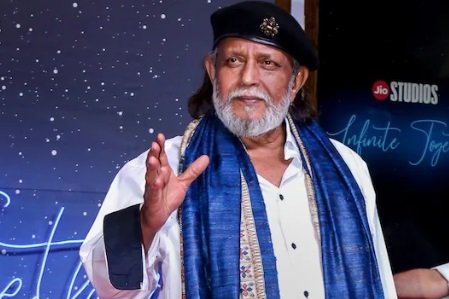
Veteran actor Mithun Chakraborty has added yet another feather to his illustrious cap by receiving the Dadasaheb Phalke Award, the highest recognition in Indian cinema. This prestigious honor celebrates a lifetime of remarkable contributions to the film industry. The announcement was made by Union Minister Ashwini Vaishnaw, with the award set to be officially presented on October 8, 2024, at the 70th National Film Awards ceremony. Chakraborty had recently been awarded the Padma Bhushan, one of India’s highest civilian honors, underscoring the significance of his accomplishments.

What is the Dadasaheb Phalke Award?

The Dadasaheb Phalke Award is the pinnacle of achievement in Indian cinema, named after Dadasaheb Phalke, widely regarded as the father of Indian cinema. Phalke directed India’s first full-length feature film, Raja Harishchandra, in 1913, paving the way for the country’s rich cinematic heritage. The award is presented to individuals who have made a lifelong impact on Indian cinema, whether through acting, directing, or other creative roles.

Mithun Chakraborty’s Journey in Film

Mithun Chakraborty, born in Kolkata, began his film career in 1977 with a stellar debut in Mrigayaa, which earned him a National Film Award for Best Actor. His career trajectory soared in 1982 with the release of Disco Dancer, a cult classic that catapulted him to superstardom, making him a beloved figure in households across India.

Since then, Chakraborty has established himself as a versatile actor, starring in a wide range of films across genres. Some of his notable performances include Agneepath, Mujhe Insaaf Chahiye, Ghar Ek Mandir, and Dance Dance. His unique ability to deliver in both serious, intense roles and entertaining, lighthearted films has won him widespread acclaim and a lasting legacy in Indian cinema.

Notable Achievements

With a career spanning over four decades, Mithun Chakraborty has been a part of some of Indian cinema’s most iconic films. Known for his unparalleled versatility, he has played roles in everything from action thrillers to family dramas, gaining both commercial success and critical appreciation. Chakraborty’s charisma and screen presence have kept him relevant in an ever-changing industry, earning him legions of fans over multiple generations.

In recent years, Chakraborty’s achievements have been further recognized with his Padma Bhushan award. Together with the Dadasaheb Phalke Award, these honors reflect his significant influence on Indian arts and culture, solidifying his place as a cinematic legend.

Recent Recognition and Political Involvement

Beyond his cinematic achievements, Mithun Chakraborty has also played a prominent role in Indian politics. He served as a Rajya Sabha MP and joined the Bharatiya Janata Party (BJP) ahead of the 2021 West Bengal legislative elections. His foray into public service demonstrates his commitment to both the entertainment industry and his desire to make a difference in the political landscape.

A Lasting Legacy

Mithun Chakraborty’s recognition with the Dadasaheb Phalke Award is a testament to his extraordinary contributions to Indian cinema and his dedication to enriching the industry with his talent and versatility. From his groundbreaking performance in Mrigayaa to the iconic Disco Dancer, Chakraborty has remained a cinematic force whose impact extends beyond the silver screen. This recent honor, alongside his Padma Bhushan, solidifies his enduring legacy as one of India’s most treasured film icons.

As Mithun Chakraborty continues to leave an indelible mark on Indian cinema, his fans and admirers can celebrate not only his artistic achievements but also his contributions to Indian society, both on and off the screen.

What is BharatGen? A Deep Dive into India’s Major Generative AI Project

0

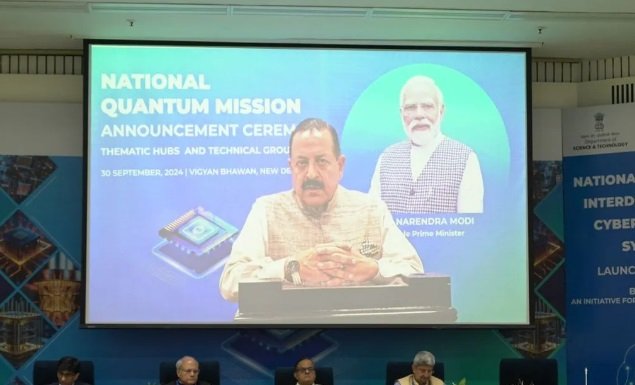
BharatGen is a groundbreaking initiative in the field of generative AI, a type of artificial intelligence that can produce text, images, and even sound. Launched in New Delhi by Dr. Jitendra Singh, Union Minister of State, BharatGen marks a significant leap in India’s technological advancements. The project is part of India’s broader efforts to become a global leader in AI while addressing crucial social challenges and improving public services through citizen participation.

Key Goals of BharatGen

The primary objective of BharatGen is to develop AI models capable of handling language, speech, and visual information. These models will be instrumental in addressing a variety of social issues. Some of the central goals of BharatGen include:

  • Promoting Social Equality: Ensuring AI technology is accessible to all segments of society, including marginalized communities.
  • Preserving Cultural Heritage: Safeguarding India’s diverse languages and cultures by incorporating them into AI systems.
  • Improving Accessibility: Enabling the use of AI in multiple regional languages, making it a tool for everyone, regardless of language barriers.

Who is Managing BharatGen?

BharatGen is spearheaded by IIT Bombay under the National Mission on Interdisciplinary Cyber-Physical Systems (NM-ICPS). The project is managed by the TIH Foundation for IoT and IOE, which collaborates with top universities and research institutions. This collaborative approach ensures the project draws from India’s brightest minds in technology and research.

Four Key Features of BharatGen

BharatGen stands out due to its innovative and inclusive approach:

  1. Multilingual and Multimodal Models: The project aims to create AI that can function across various Indian languages, dialects, and communication formats such as text and speech.
  2. Bhartiya Data Set: A unique focus on using Indian data ensures the AI models are tailored to meet the local needs and context, reflecting India’s diverse cultural and linguistic heritage.
  3. Open-Source Platform: BharatGen’s technology will be made available to everyone, fostering collaboration and innovation by allowing developers and researchers to build upon it.
  4. AI Ecosystem: BharatGen will contribute to the growth of the AI research community in India, empowering more researchers, developers, and startups to work on generative AI.

Project Timeline

BharatGen is projected to reach completion in two years, with key AI models expected to be developed by July 2026. These milestones will ensure timely progress while keeping the project on track to meet its long-term objectives.

Focus on Indian Data and Efficiency

A defining feature of BharatGen is its commitment to data sovereignty. By using data collected within India, BharatGen ensures that the AI models accurately represent India’s languages, dialects, and cultural nuances. This is particularly crucial for preserving languages that have limited digital resources.

Aligned with India’s vision of Atmanirbhar Bharat (self-reliant India), BharatGen aims to reduce the country’s dependency on foreign technologies while strengthening its own AI ecosystem. The project is set to benefit not only government agencies but also startups and businesses, fostering innovation and economic growth.

Summing Up

BharatGen is more than just an AI project; it is a strategic initiative designed to elevate India as a global leader in artificial intelligence. By focusing on inclusivity, cultural preservation, and technological self-reliance, BharatGen is poised to make a lasting impact on India’s technological landscape and public services. As the world watches, BharatGen could very well be a model for how AI can be harnessed for societal good on a national scale.