Home Blog Page 48

Ancient Tribal Art of Odisha: Saura Painting (Idital)

0

PC(Artisera)

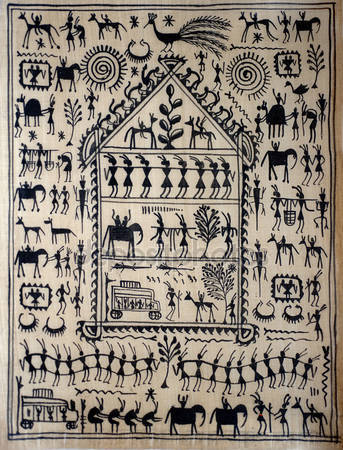
The unique art form created by the Saura (Sora) tribe of Odisha is locally known as ‘Idital’ (Idital). These paintings are traditionally made on red mud walls using white colour prepared from lime and rice paste. Their geometric style bears a close resemblance to Maharashtra’s famous Warli paintings, yet they stand apart with their elongated, fluid, and less angular figures. A Living Tradition Thousands of Years Old Saura painting is regarded as one of the oldest and most vibrant indigenous art traditions in India. Anthropologists estimate that this art form may be 2,500 to 3,000 years old. Its style shows strong similarities with the prehistoric rock art of Odisha.

The Saura tribe has deep connections with Indian epics. In the Ramayana, Mata Shabari, the devoted woman who offered berries to Lord Rama, is believed belong to the Saura community. Similarly, in the Mahabharata, the hunter Jara Savara, whose arrow accidentally struck Lord Krishna, is also associated with the Saura tribe. Additionally, legends link the tribe to Lord Jagannath of Puri, as the original wooden idol (Nilamadhava) is said to have been secretly worshipped by a Saura chieftain named Viswavasu before it was installed in the temple.

More Than Art: A Sacred Ritual Saura paintings are not merely decorative; they serve as a sacred medium to appease deities and ancestral spirits. Traditionally, only the village priest or shaman, known as ‘Kudan’ or ‘Idital Mars’, was permitted to create these artworks. The artists often painted based on messages received in dreams or visions. These paintings are made during important life events such as childbirth, marriage, and harvest seasons. They act as a spiritual bridge to invite blessings, protection, and healing for the family.

GI Tag and Modern Evolution recognising its cultural significance, Lanjia Saura Painting was officially granted the Geographical Indication (GI) Tag in January 2024. Over time, this art has moved beyond mud walls and is now created on handmade paper, cloth, sarees, and canvas. Contemporary Saura artists have begun incorporating modern elements such as bicycles, buses, cars, and aeroplanes alongside traditional motifs, reflecting the tribe’s adaptability and their way of documenting a changing world. Saura Paintings Are Created Preparing the Surface: Traditionally painted on mud-plastered walls coated with a layer of red or yellow ochre clay (geru) to create an earthy base.Natural Pigments: The primary colour is white, made from sun-dried rice paste or white stone powder. Red and yellow come from mineral-rich earth or vermilion, while black is obtained from charcoal or lamp soot.
Ancient Tribal Art of Odisha: Saura Painting (Idital)


Brushes: Handmade brushes are crafted from tender bamboo shoots or twigs frayed at the ends. Unique “Fish-Net” Technique: Unlike many other folk arts, Saura artists first draw a decorative geometric border around the entire composition. They then fill the patterns from the outer edges towards the centre a method often described as the “fish-net” approach.

Human and animal figures are formed using simple geometric shapes, appearing more elongated and flowing compared to the sharp triangular figures of Warli art. Symbolic Meaning of Key Motifs every element in a Saura painting carries deep symbolic significance tree of Life: Represents growth, fertility, and the interconnectedness of sky (heaven), earth (humans), and underworld (ancestors). Elephants and Horses: Symbols of strength, stability, and prosperity. Sun and Moon: Seen as divine witnesses to rituals, representing the eternal cycle of time and cosmic order.


Triangles: Symbolise the three realms earth, sky, and underworld. Circles: Denote the continuity of life and the unity of the community. Modern elements like vehicles and technology are increasingly included, showcasing the tribe’s evolving relationship with the contemporary world. The Essence of Saura Art since the Saura language traditionally had no written script, Idital served as a visual language preserving the tribe’s history, philosophy, religious beliefs, and folk tales across generations. For the Saura people, these paintings are a sacred bridge between the human and spiritual worlds. They honour the deity Idital and ancestral spirits to ensure family well-being, prevent misfortune, and maintain harmony with nature.

Raja Ravi Varma’s ‘Yashoda and Krishna’ Sells for ₹167 Crore: A Landmark Moment for Indian Art

0

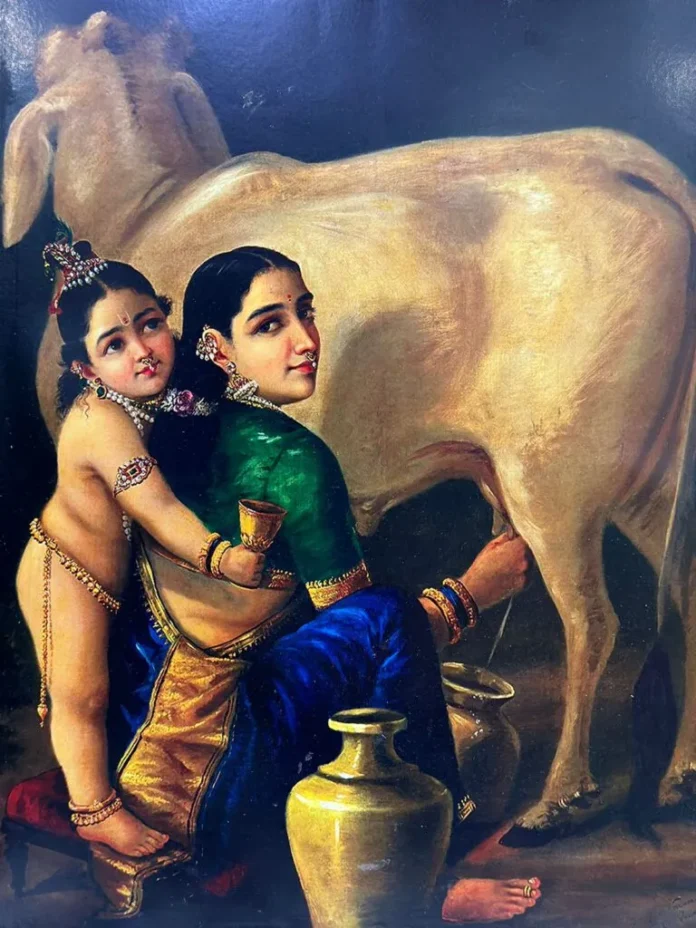
In a historic moment for the Indian art market, an iconic painting by Raja Ravi Varma —Yashoda and Krishna—has reportedly been sold for a staggering ₹167 crore, setting a new benchmark for modern Indian art. Acquired by industrialist Cyrus S. Poonawala , the sale underscores not just the monetary value of art, but its enduring cultural and civilizational significance.


The Painting: Where Mythology Meets Realism

Yashoda and Krishna is among the most celebrated works of Raja Ravi Varma, an artist often credited with bridging the gap between traditional Indian aesthetics and European academic realism.

The painting portrays a tender, intimate moment between Yashoda and Krishna —a mother and child bond that resonates deeply across Indian culture. Yashoda is depicted milking a cow while young Krishna clings to her, a composition that reflects both domestic simplicity and divine symbolism.

Varma’s mastery lies in humanizing divine figures—rendering gods not as distant celestial beings but as relatable, emotional presences within everyday life. This approach revolutionized Indian visual culture in the late 19th century.

Why This Sale Matters

This record-breaking transaction is significant on multiple levels:

1. A New Benchmark for Indian Art

The ₹167 crore valuation places Indian art firmly on the global high-value art map. While works by Western masters routinely fetch astronomical sums, Indian art has historically been undervalued in comparison. This sale challenges that perception.

2. Cultural Capital Over Market Speculation

Unlike purely speculative art purchases, this acquisition reflects the growing importance of cultural capital. Collectors are increasingly investing in works that embody heritage, identity, and narrative depth.

3. Renewed Interest in Ravi Varma

Though Raja Ravi Varma has long been revered, this sale could trigger a renewed academic and commercial interest in his oeuvre. It also reinforces his position as one of India’s most influential artists—often described as the father of modern Indian art.

The Legacy of Raja Ravi Varma

Ravi Varma’s contribution goes beyond canvas. Through his pioneering use of oleographic prints, he made art accessible to the masses, bringing mythological imagery into ordinary Indian homes.

His depictions of Hindu deities shaped popular imagination—many contemporary visualizations of gods are still influenced by his style. In essence, he democratized art long before mass media.

Art, Identity, and the Indian Market

The sale also signals a broader shift in India’s art ecosystem:
●Rising domestic collectors: Wealthy Indian buyers are increasingly reclaiming cultural artifacts.
●Institutional interest: Museums and private collections are investing in historically significant works.
●Global recognition: Indian art is gaining traction in international auction houses and exhibitions.

Moreover, such high-value transactions often have a ripple effect—boosting the valuation of other Indian artists and encouraging preservation efforts.

Beyond the Price Tag

While ₹167 crore is a headline-grabbing figure, the true value of Yashoda and Krishna lies in its emotional, cultural, and historical resonance.
It captures:
●The universality of motherhood
●The blending of divine and human realms
●The artistic evolution of a nation in transition

In a rapidly modernizing world, such works serve as anchors to tradition, reminding us of the narratives that shape collective identity.

A Defining Moment for Indian Art

This landmark sale is more than a record—it is a statement. It signals that Indian art, rooted in mythology yet universal in appeal, is finally receiving the global recognition it deserves.

As collectors, historians, and audiences revisit the legacy of Raja Ravi Varma, one thing becomes clear:
India’s artistic heritage is not just surviving—it is thriving, commanding attention, and redefining its place on the world stage.

DR Congo Erupts in Joy: National Holiday Declared as Leopards Qualify for 2026 World Cup After 52-Year Wait

0

PC(National News)

Kinshasa, April 2, 2026 In a moment of rare national unity, the Democratic Republic of Congo came to a joyful standstill on Wednesday, April 1, 2026, as the government declared a nationwide paid public holiday to celebrate the senior men’s football team’s historic qualification for the 2026 FIFA World Cup. The Leopards ended a painful 52-year absence from football’s biggest stage with a dramatic 1-0 victory over Jamaica in the intercontinental play-off final on Tuesday night in Mexico. This marks only the second World Cup appearance in the nation’s history – the first coming in 1974 when the country was known as Zaire.

Dramatic Qualification in Mexico the decisive match, played at Akron Stadium (also referred to as Guadalajara Stadium) in Mexico, remained goalless through 90 tense minutes. DR Congo striker Cedric Bakambu twice had goals correctly disallowed for offside, keeping the score level. The breakthrough finally arrived in the 100th minute of extra time. A corner from teammate Brian Cipenga (also referred to as Bryan Sipehng in some reports) deflected off Jamaica defender Joel Latibeaudiere and fell to Axel Tuanzebe. The Burnley defender, using his torso and quick reactions, forced the ball into the net for the only goal of the game.

Officials briefly checked for a possible handball via VAR, but the goal stood. Tuanzebe, a former Manchester United and England youth international born in the conflict-hit city of Bunia in eastern DR Congo, etched his name permanently into Congolese sporting history with his first senior goal for the national team. Jamaica, hoping to reach their second World Cup after appearing in France 1998, created few clear chances and could not find an equaliser.

A Long-Awaited Return DR Congo’s previous and only World Cup appearance came in 1974 as Zaire – the first Sub-Saharan African team to qualify for the tournament. That campaign ended in disappointment, with heavy defeats including a 9-0 loss to Yugoslavia. The 2026 qualification, therefore, carries deep emotional weight for a football-loving nation that has endured decades of conflict, political instability, and hardship. Tuanzebe later described the match as the biggest of his career. His goal has now given millions of Congolese people a reason to celebrate amidst ongoing challenges, particularly in the conflict-affected eastern.

10 Refreshing Indian Summer Drinks That Are Healthy and Cooling

0

As the Indian summer intensifies, staying hydrated becomes more than just a necessity—it becomes a survival strategy. While modern packaged beverages may offer convenience, nothing beats the goodness of traditional Indian summer drinks. Rooted in Ayurveda and regional wisdom, these beverages are not only refreshing but also packed with nutrients that help cool the body, aid digestion, and restore lost electrolytes.

Here are 10 of the best Indian summer drinks that combine taste with health benefits:

1. Nimbu Pani (Lemon Water)

10 Refreshing Indian Summer Drinks That Are Healthy and Cooling

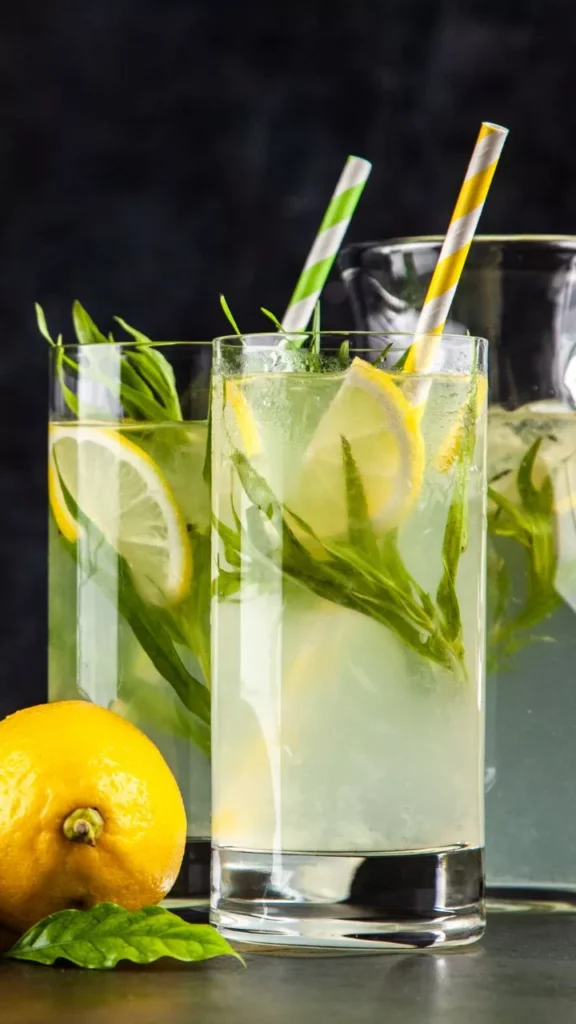
A timeless classic, nimbu pani is one of the simplest yet most effective summer coolers. Rich in vitamin C, it helps boost immunity while replenishing salts lost through sweat.
A pinch of black salt and mint enhances both its taste and digestive benefits.

2. Aam Panna

10 Refreshing Indian Summer Drinks That Are Healthy and Cooling

Made from raw mangoes, aam panna is a tangy delight known for its heat-resistant properties. It helps prevent heatstroke, improves digestion, and restores electrolytes in the body.
Its high vitamin content also supports immunity during extreme heat.

3. Chaas (Buttermilk)

10 Refreshing Indian Summer Drinks That Are Healthy and Cooling

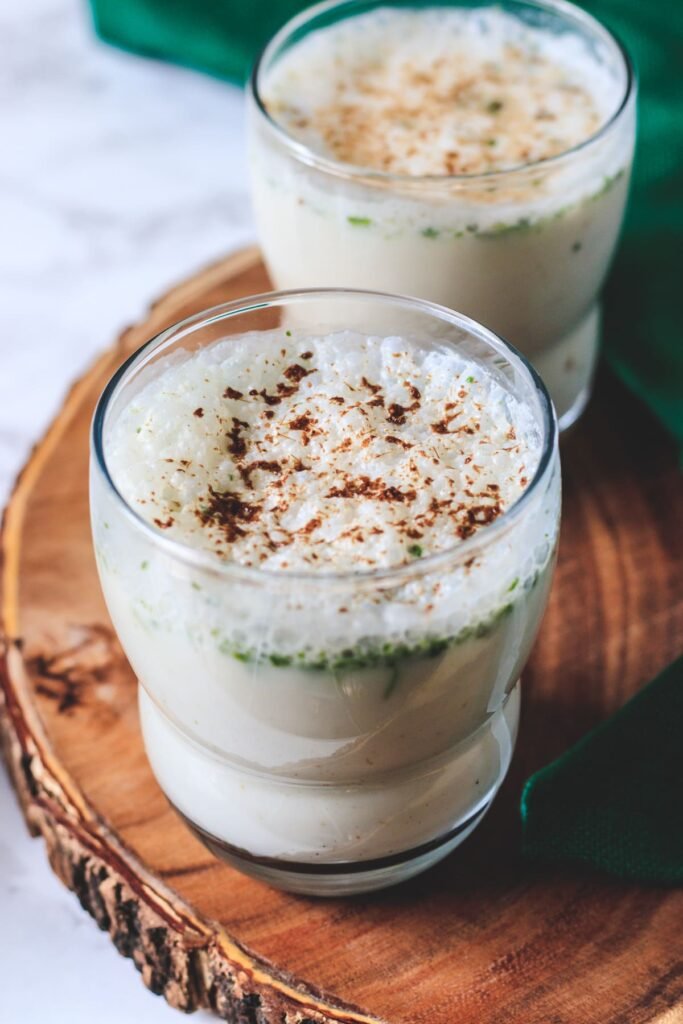
Light, refreshing, and probiotic-rich, chaas is a staple in many Indian households. It promotes gut health, aids digestion, and cools the body from within.
Spices like roasted cumin further enhance its digestive properties.

4. Lassi

10 Refreshing Indian Summer Drinks That Are Healthy and Cooling

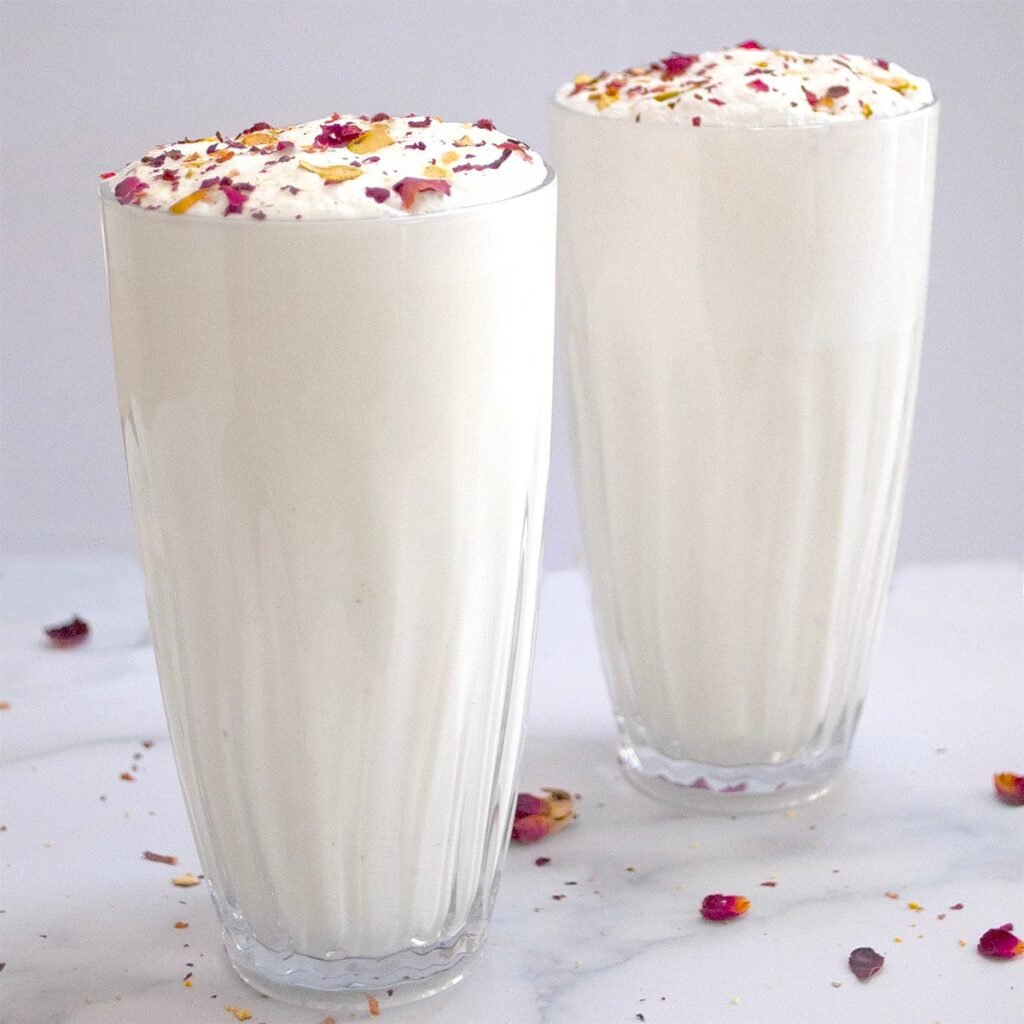
A thicker, creamier cousin of chaas, lassi is both nourishing and refreshing. Packed with calcium and probiotics, it strengthens bones, improves digestion, and boosts immunity.
It can be enjoyed sweet, salted, or flavored with fruits like mango.

5. Coconut Water

10 Refreshing Indian Summer Drinks That Are Healthy and Cooling

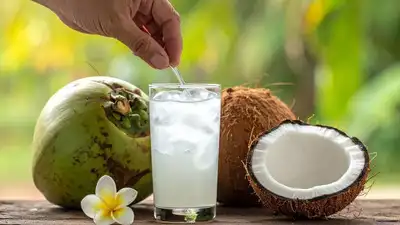
Often called nature’s electrolyte drink, coconut water is loaded with potassium and essential minerals. It hydrates instantly and keeps energy levels high without added sugar.

6. Jaljeera

10 Refreshing Indian Summer Drinks That Are Healthy and Cooling

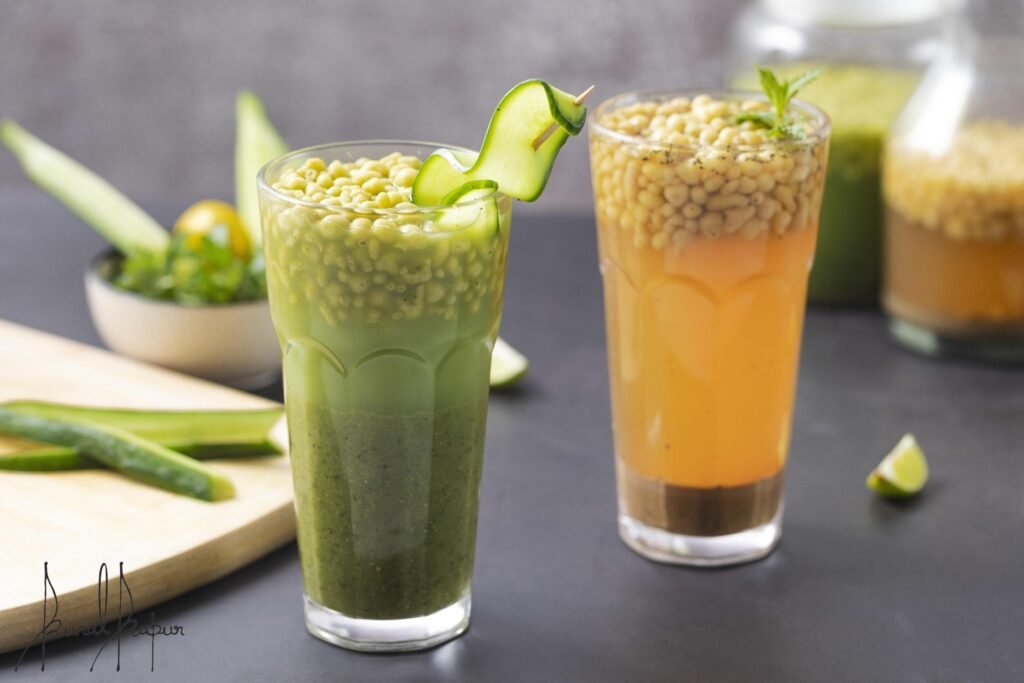
This tangy, spicy drink made from cumin, mint, and tamarind is a digestive powerhouse. Jaljeera helps reduce bloating, improves appetite, and cools the body after meals.

7. Sattu Sharbat

10 Refreshing Indian Summer Drinks That Are Healthy and Cooling

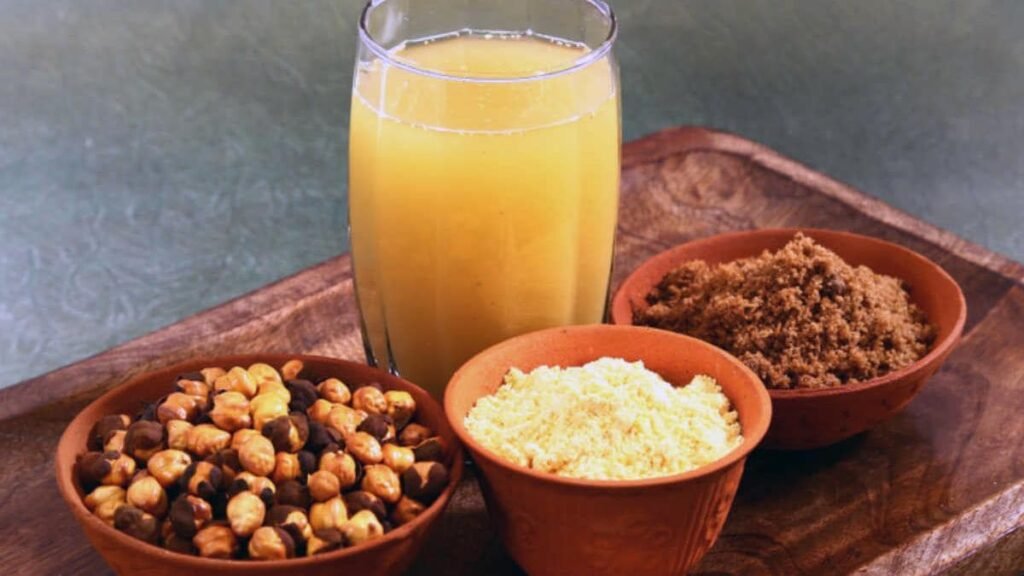
A protein-rich drink made from roasted gram flour, sattu sharbat is both filling and cooling. It provides sustained energy, aids digestion, and helps maintain hydration levels during long, hot days.

8. Sugarcane Juice (Ganne ka Ras)

10 Refreshing Indian Summer Drinks That Are Healthy and Cooling

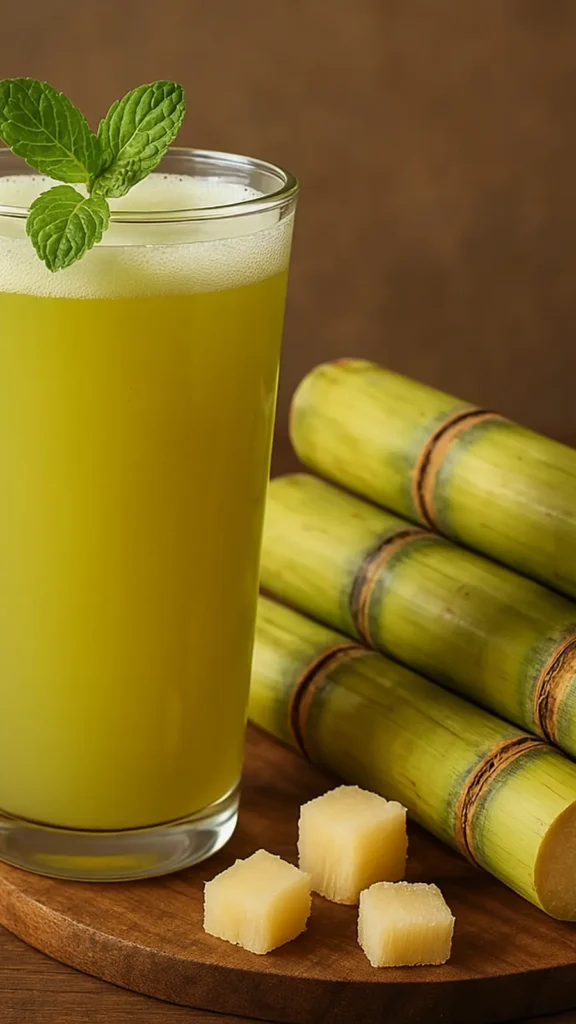
Fresh sugarcane juice is a natural energy booster rich in minerals like calcium, magnesium, and iron. It detoxifies the body, supports liver function, and provides instant hydration.

9. Kokum Sherbet

10 Refreshing Indian Summer Drinks That Are Healthy and Cooling

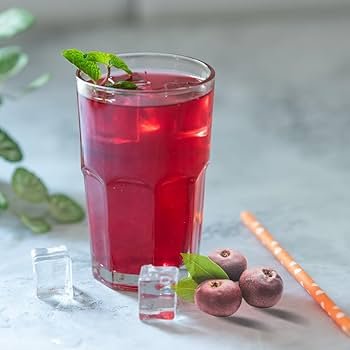
Popular in coastal India, kokum sherbet is known for its cooling and digestive properties. It helps reduce body heat, prevents dehydration, and soothes acidity.

10. Bael (Bel) Sherbet

10 Refreshing Indian Summer Drinks That Are Healthy and Cooling

Made from wood apple, bel sherbet is a traditional remedy for heat-related issues. It improves gut health, prevents constipation, and keeps the body cool even in extreme temperatures.

Why These Drinks Matter

Unlike sugary sodas or artificial beverages, these traditional drinks:

●Replenish electrolytes naturally
●Support digestion and gut health
●Help prevent heatstroke and dehydration
●Provide essential vitamins and minerals

Many of them are deeply rooted in Indian culture and have been used for generations as natural remedies against harsh summers.

Indian summer drinks are more than just refreshments—they are a blend of tradition, nutrition, and climate wisdom. Incorporating these into your daily routine can help you stay cool, energized, and healthy throughout the season.
So this summer, skip the fizzy drinks and turn to these desi coolers—your body will thank you.

Artemis II: NASA’s Historic Return to Crewed Lunar Exploration After Half a Century

0

In a landmark moment for space exploration, NASA successfully launched the Artemis II mission on April 1, 2026, marking humanity’s first crewed journey toward the Moon in over 50 years since the Apollo era.

The mission represents a major step in NASA’s ambitious Artemis program, aimed at establishing a sustained human presence on the Moon and eventually enabling missions to Mars.


A Historic Mission with a Diverse Crew

Artemis II carries four astronauts aboard the Orion spacecraft, launched atop NASA’s powerful Space Launch System (SLS) rocket from Kennedy Space Center in Florida.

The crew includes:
●Commander Reid Wiseman
●Pilot Victor Glover
●Mission Specialist Christina Koch
●Mission Specialist Jeremy Hansen (Canadian Space Agency)

This mission is historic not only for its destination but also for its representation:
●Christina Koch becomes the first woman to travel into deep lunar space
●Victor Glover becomes the first person of color on such a mission
●Jeremy Hansen becomes the first non-American to journey toward the Moon

Mission Profile: A 10-Day Journey Around the Moon

Unlike the Apollo missions, Artemis II is not a lunar landing mission. Instead, it is a crewed lunar flyby designed to test critical systems.

Key highlights of the mission include:
●Duration: Approximately 10 days
●Trajectory: A free-return path around the Moon
●Distance: Over 250,000 miles (400,000 km) from Earth—farther than any humans have traveled
●Return: Planned splashdown in the Pacific Ocean

After launch, the spacecraft first enters high Earth orbit, where astronauts perform system checks before executing the trans-lunar injection that sends them toward the Moon.

Why Artemis II Matters

Artemis II is more than just a symbolic return—it is a critical test mission. NASA aims to validate:
●Life-support systems
●Navigation and propulsion
●Communication systems
●Heat shield performance during re-entry

This is also the first time astronauts are flying aboard both the SLS rocket and Orion spacecraft, making it a crucial step in proving their reliability for future missions.

From Artemis I to the Future of Lunar Exploration

The mission builds on the success of Artemis I (2022), an uncrewed test flight that orbited the Moon.
Looking ahead:
●Artemis III (expected 2027–28) aims to land astronauts on the Moon’s south pole
●Future missions will support the development of a long-term lunar base
●The program is seen as a stepping stone for human missions to Mars

A New Era of Space Exploration

Artemis II signals the beginning of a new chapter in human spaceflight. With international collaboration, advanced technology, and renewed ambition, NASA is once again pushing the boundaries of exploration.

More than five decades after Apollo 17, humanity is not just returning to the Moon—but preparing to stay, explore deeper, and venture further into the cosmos than ever before.

7 Life Lessons from Lord Hanuman: A Guide to Strength, Devotion and Purpose

0


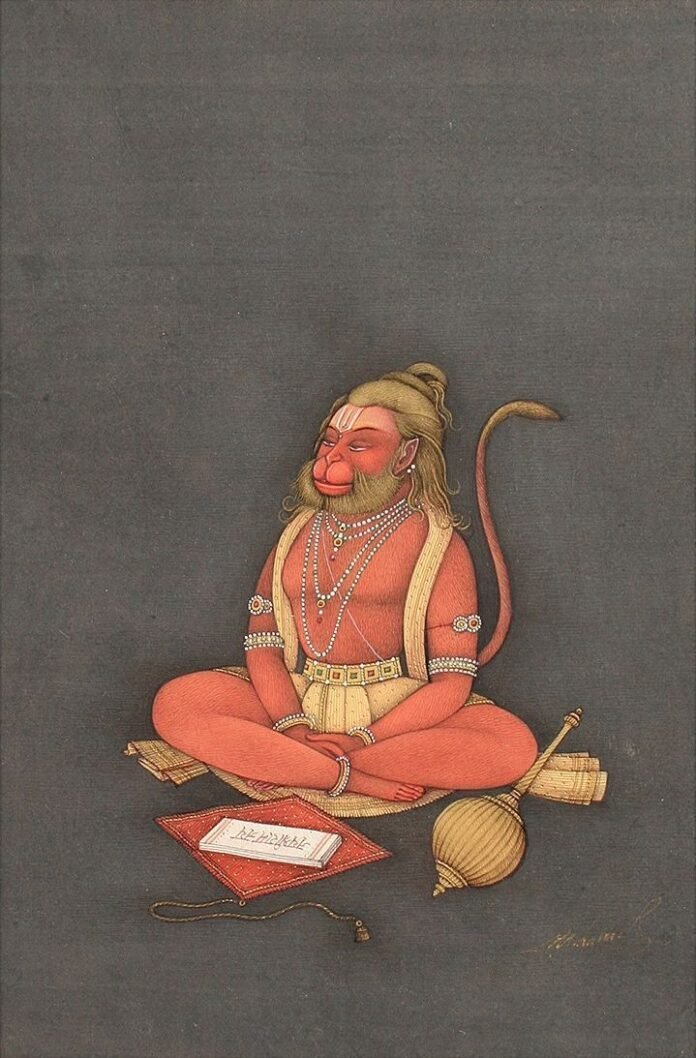
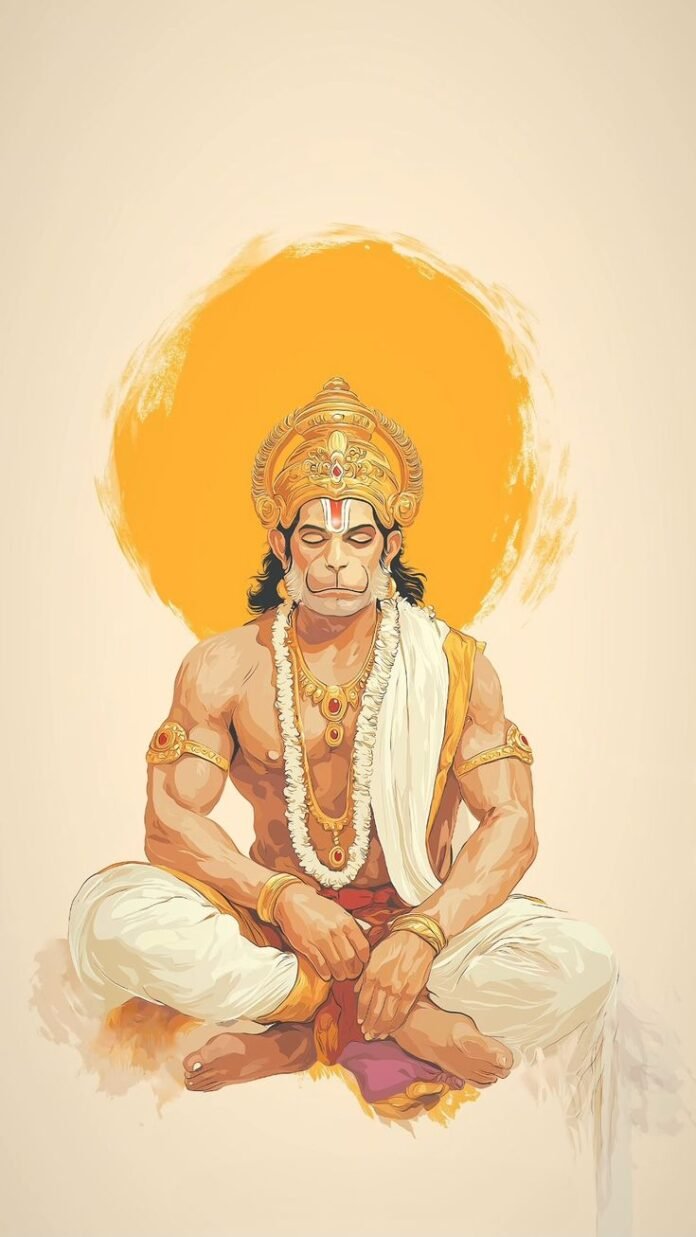
Lord Hanuman, also known as Bajrangbali, Anjaneya, and Pavan Putra, is one of the most revered figures in Hindu tradition. A central character in the Ramayan, he symbolizes the perfect blend of strength, wisdom, courage, and unwavering devotion. Born to Mata Anjana and blessed by the wind god Vayu, Hanuman’s life is filled with extraordinary feats—but beyond his powers, it is his character and values that make him eternally inspiring.

More than a mythological figure, Hanuman stands as a timeless role model for living with purpose, discipline, and humility.

Here are 7 powerful life lessons from Lord Hanuman that continue to guide us even today:

1. Believe in Your Inner Strength
Hanuman had immense power, yet it took a reminder from Jambavan for him to realise his true potential before his leap to Lanka.
Lesson: We often underestimate ourselves. Self-belief is the first step to achieving the extraordinary.

2. Be Intelligent and Adaptable
From outsmarting Surasa to strategically navigating Lanka, Hanuman showed that wisdom is as important as strength.
Lesson: Adaptability and presence of mind are essential to overcome challenges.

3. Let Devotion Guide Your Actions

Hanuman’s every action was dedicated to Lord Rama. His devotion gave him direction, clarity, and strength.
Lesson: A life guided by purpose and devotion brings focus and fulfillment.

4. Stay Humble, No Matter How Powerful You Are
Despite his divine abilities, Hanuman remained grounded and selfless, never letting ego take over.
Lesson: True greatness lies in humility, not in showcasing power.

5. Uphold Values and Dharma
Hanuman respected the Brahmastra and chose righteousness even when he could have escaped easily.
Lesson: Integrity and respect for values define true character.

6. Courage Comes from Purpose

Crossing oceans, facing demons, and entering Lanka alone—Hanuman’s courage came from his mission.
Lesson: When your purpose is clear, fear loses its power.

7. Selfless Service is the Highest Virtue
Hanuman lived a life of seva, helping others without expecting anything in return.
Lesson: The greatest joy lies in serving others selflessly.

A Verse that Defines Hanuman’s Greatness
The essence of Hanuman’s strength, wisdom, and devotion is beautifully captured in the Hanuman Chalisa:
“Ram doot atulit bal dhama,
Anjani putra Pavan sut nama.”
“Messenger of Lord Rama, the abode of incomparable strength, known as the son of Anjani and the wind god.”
This verse perfectly defines Hanuman as the embodiment of limitless strength, divine purpose, and devoted service.

Conclusion
The life of Lord Hanuman is not just a tale of divine power—it is a blueprint for living with courage, humility, and unwavering faith. His teachings remind us that true strength lies in character, true wisdom in humility, and true success in selfless service.

As we remember him, the chant of “Jai Bajrangbali” becomes more than devotion—it becomes a reminder to awaken the strength, wisdom, and goodness within ourselves.

Hanuman Jayanti 2026: Celebrating Devotion, Strength and Divine Courage

0

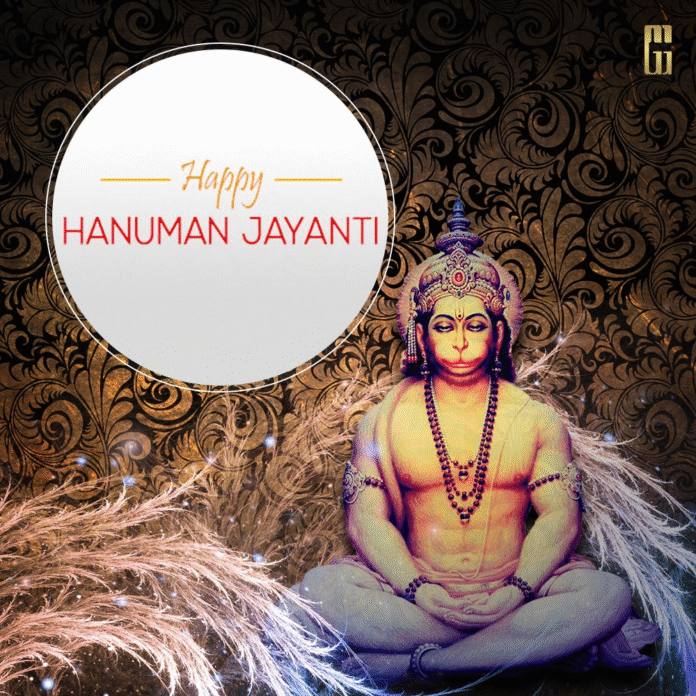
Hanuman Jayanti, one of the most revered Hindu festivals, is being celebrated today, April 2, 2026, across India with immense devotion and spiritual fervour. The day marks the birth anniversary of Lord Hanuman—the epitome of strength, loyalty, and unwavering devotion.

Tithi and Date

Hanuman Jayanti is observed on the Chaitra Shukla Purnima (full moon day of the Hindu month of Chaitra). In 2026, the Purnima tithi began on April 1 morning and ends on April 2 morning, making April 2 the most auspicious day for celebration in most parts of India.

Significance of Hanuman Jayanti

This sacred day commemorates the birth of Lord Hanuman, who is worshipped as a symbol of immense strength, courage, wisdom, and selfless devotion. He is revered as the greatest devotee of Lord Rama and plays a central role in the epic Ramayana.

Devotees believe that worshipping Hanuman Ji on this day:
●Removes fear and negativity
●Grants strength and confidence
●Protects from evil forces
●Brings mental peace and spiritual growth

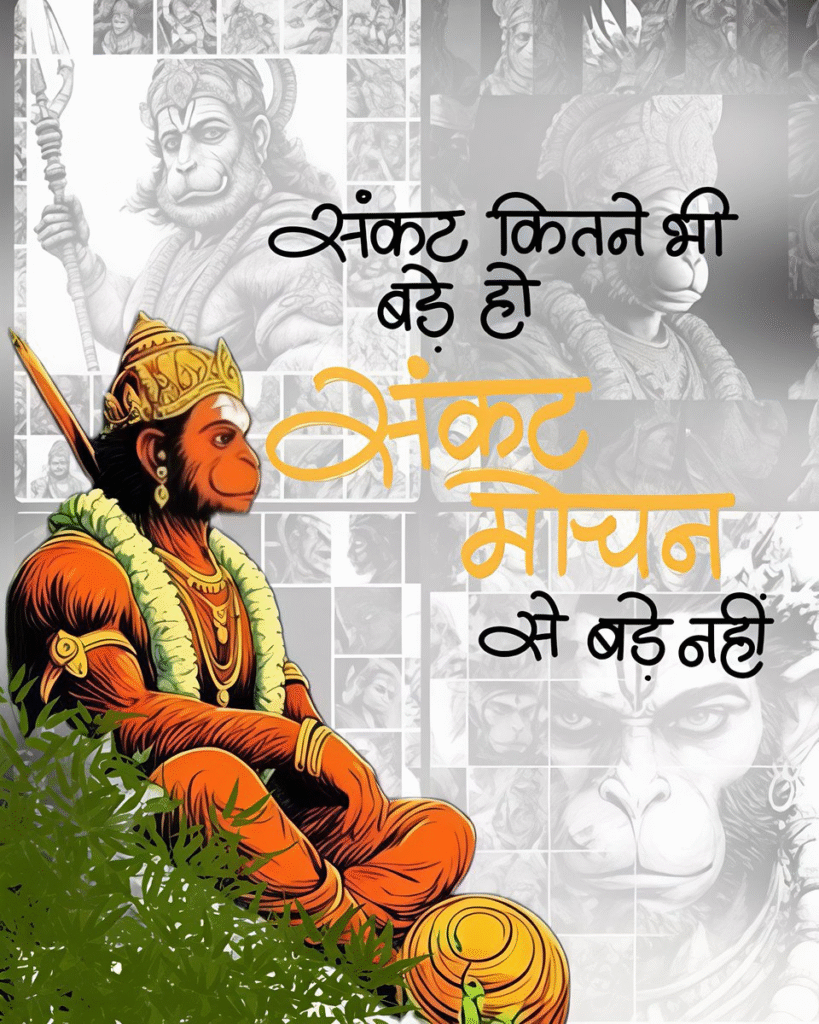
Hanuman is also known as Sankat Mochan—the remover of troubles—making this day especially important for those seeking relief from hardships.

The Life and Legend of Lord Hanuman

Born to Anjana and blessed by Vayu (the wind god), Hanuman is often called Pavan Putra (son of the wind).

His life is filled with extraordinary tales:
●As a child, he leapt towards the sun, mistaking it for a fruit.
●He possessed immense powers but remained humble and devoted.
●In the Ramayana, he helped Lord Rama rescue Sita from Ravana.
●His unwavering devotion and service made him immortal in Hindu belief.

Hanuman represents the perfect balance of power and humility, teaching that true strength lies in devotion and discipline.

How the Day is Celebrated

On Hanuman Jayanti, devotees across India:
●Visit temples and offer prayers, flowers, and sindoor
●Recite the Hanuman Chalisa and Sundarkand
●Observe fasts and perform special pujas
●Participate in bhajans and community celebrations

It is believed that chanting Hanuman’s name and hymns on this day brings divine blessings, courage, and protection.

Values and Relevance in Today’s World

In today’s fast-paced and often stressful life, the teachings of Lord Hanuman remain deeply relevant.

He symbolizes:
●Devotion (Bhakti) – Complete surrender to a higher purpose
●Strength (Shakti) – Both physical and inner resilience
●Discipline and Humility – Power without ego
●Fearlessness – Facing challenges with courage

Hanuman Ji teaches us that with faith, dedication, and selflessness, even the impossible becomes possible.

Conclusion

Hanuman Jayanti is not just a religious celebration—it is a reminder of timeless virtues that guide humanity. As devotees chant “Jai Bajrangbali” today, the spirit of Lord Hanuman inspires millions to live with courage, devotion, and righteousness.

Happy Hanuman Jayanti 2026: Wishes, Images, WhatsApp Status, Quotes, Messages, and Photos

0

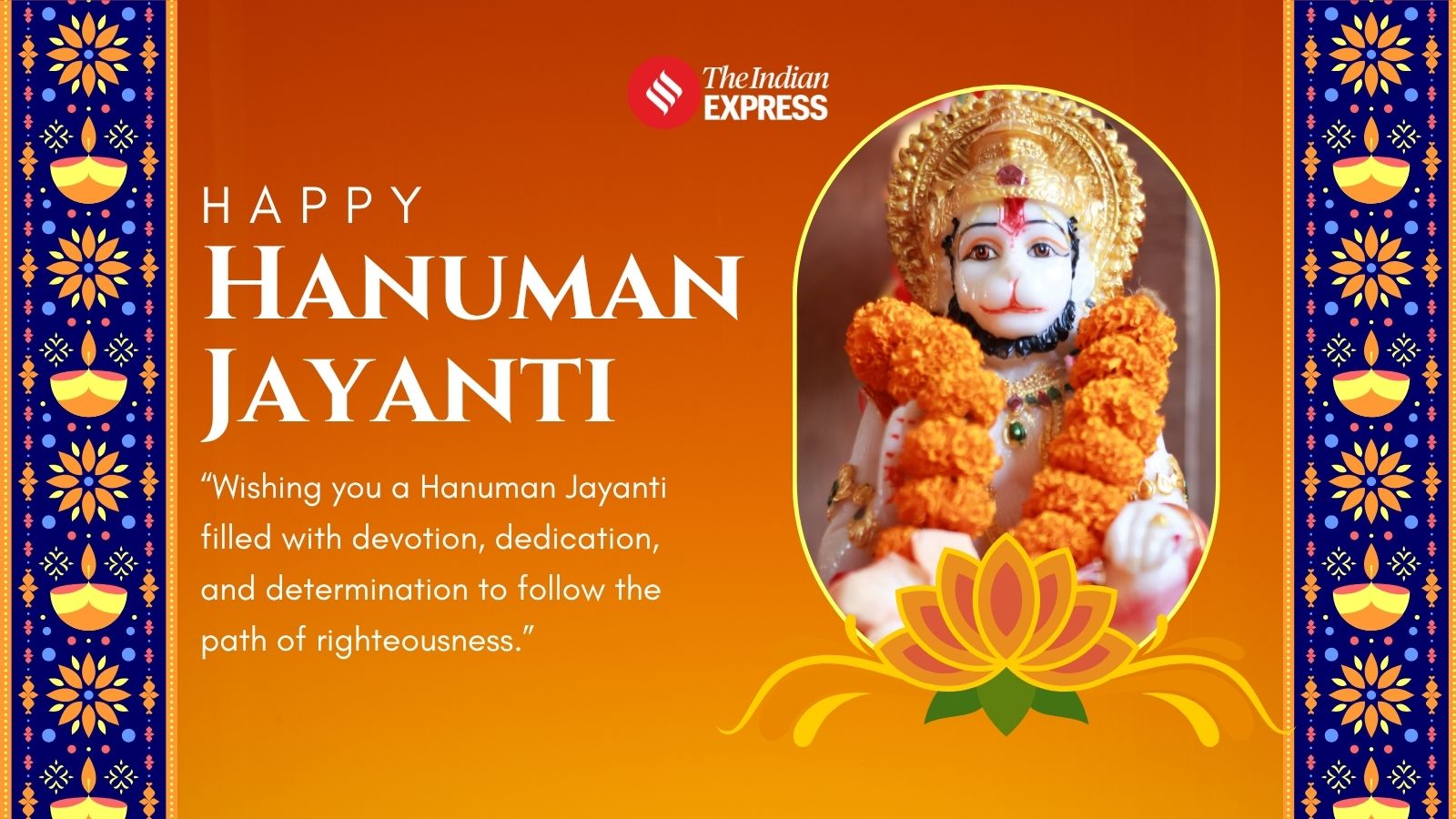
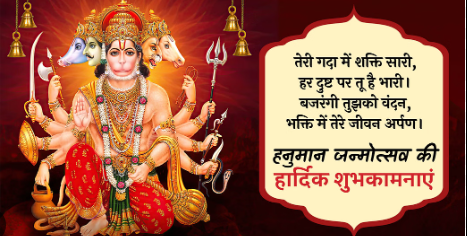
Happy Hanuman Jayanti 2026 Wishes Images, WhatsApp Status, Quotes, Photos: Happy Hanuman Jayanti 2026 will be celebrated with devotion across India as devotees honour Lord Hanuman’s birth anniversary, also known as Hanuman Janmotsav. On this auspicious day, people share wishes, images, quotes, and WhatsApp status messages with loved ones.

Happy Hanuman Jayanti 2026 Wishes, Images, Quotes, Photos, WhatsApp Status, Pics: India will be celebrating the birth of Lord Hanuman, the Monkey Lord on April 2, 2026. Lord Hanuman, an ardent devotee of Lord Ram, stands as a symbol of strength, bravery, service and devotion. Devotees all across the country celebrate this festival with much fervour. With the auspicious occasion just around the corner, indianexpress.com has curated some of the best and heartfelt wishes and photo greeting cards to share with near and dear ones.

Wishing you and your family a joyful and blessed Hanuman Jayanti.

Happy Hanuman Jayanti 2026: Quotes

Happy Hanuman Jayanti 2026: Wishes, Images, WhatsApp Status, Quotes, Messages, and Photos

“May Lord Hanuman bless you with strength, courage, and unwavering devotion—Happy Hanuman Jayanti.”

“Wishing you a life filled with faith, fearlessness, and divine protection this Hanuman Jayanti.”

“On this sacred day, may Hanuman Ji remove all obstacles and fill your life with positivity.”

May your heart be as strong as Hanuman’s and your devotion as pure—Happy Hanuman Jayanti.”

Happy Hanuman Jayanti 2026: Wishes, Images, WhatsApp Status, Quotes, Messages, and Photos

“With the blessings of Bajrang Bali, may you conquer every challenge in life.”

“May Hanuman Ji guide you on the path of truth, strength, and righteousness.”

“Let faith in Lord Hanuman bring courage and success into your life.”

“May your life be filled with divine strength and endless blessings this Hanuman Jayanti.”

“Wishing you a fearless mind and a devoted heart with Hanuman Ji’s grace.”

“May Lord Hanuman protect you and bring prosperity and happiness to your home.”

“On Hanuman Jayanti, may you be blessed with strength, wisdom, and inner peace.”

Happy Hanuman Jayanti 2026: Photo Greeting Cards for WhatsApp Status

Jai Hanuman—may your life be filled with strength, devotion, and divine blessings.

With Hanuman Ji’s grace, may courage and peace always stay with you.

Stay strong, stay faithful—Happy Hanuman Jayanti. 🚩

May Bajrang Bali remove all obstacles and guide your path.

 May Bajrang Bali remove all obstacles and guide your path.

Faith in Hanuman, strength in life—Happy Hanuman Jayanti. 🙏

May your heart be fearless and your soul full of devotion.

Happy Hanuman Jayanti 2026: Wishes, Images, WhatsApp Status, Quotes, Messages, and Photos

Divine protection and endless courage—Hanuman Jayanti blessings to you. 🔱

Let devotion be your power and faith your strength. 💪

With Hanuman Ji’s blessings, may you rise above every challenge.

Peace, power, and positivity—wishing you a blessed Hanuman Jayanti.

Fuel Without Fossils: Japan’s Big Idea—and Its Big Challenge

0

A New Kind of Fuel for a Low-Carbon Future

In a significant step toward cleaner energy, ENEOS Corporation has demonstrated the production of synthetic fuel using captured carbon dioxide (CO₂) and hydrogen derived from water. At its pilot facility in Yokohama, the company showed that liquid fuels—similar to diesel or jet fuel—can be created without relying on crude oil.

The process involves capturing CO₂ from industrial emissions or the atmosphere, producing hydrogen through water electrolysis, and converting the two into fuel using the Fischer-Tropsch synthesis. When powered by renewable energy, this method has the potential to produce low-carbon or near carbon-neutral fuels, offering a promising alternative to fossil fuels.

Why This Innovation Matters

This breakthrough is particularly relevant for sectors like aviation and shipping, where electrification remains difficult. Synthetic fuels can be used in existing engines and infrastructure, making them easier to integrate without major technological overhauls.

For energy-import-dependent nations like , such innovations could also enhance energy security by reducing reliance on imported fossil fuels while supporting climate commitments.

From Breakthrough to Bottleneck

Despite its scientific success, the project highlights the gap between innovation and large-scale implementation. The Yokohama pilot plant currently produces only about one barrel of fuel per day, underscoring its demonstration-level scale.

Scaling up would require:
●Vast amounts of renewable electricity
●Large-scale, cost-effective hydrogen production
●Advanced and efficient carbon capture systems

All of these factors make the process highly energy-intensive and expensive, limiting its immediate commercial viability.

Why the Project Was Paused

In 2025, ENEOS decided to pause further development of the project. The move was driven by rising costs, technological challenges, and uncertain economic returns. Instead, the company is now focusing more on biofuels and other lower-cost alternatives, while continuing to explore synthetic fuels as a long-term possibility.

A Broader Global Challenge

The pause reflects a wider trend in the global energy transition. While synthetic or “e-fuels” are scientifically viable and environmentally promising, their high production costs and energy demands remain major barriers. Similar challenges are being faced worldwide, as industries balance climate goals with economic feasibility.

Breakthrough, Not the Finish Line

Japan’s experiment proves that producing fuel from captured carbon and hydrogen is not just theoretical—it is achievable. However, it also highlights a crucial reality: the future of clean energy will depend not only on innovation, but on making such technologies scalable, affordable, and practical.

In that sense, this is not a setback, but a stepping stone—one that brings the world closer to a sustainable energy future, even as challenges remain.

Varanasi Sets New Guinness World Record with Massive Tree Plantation Drive

0

PC( News18, The Statment)

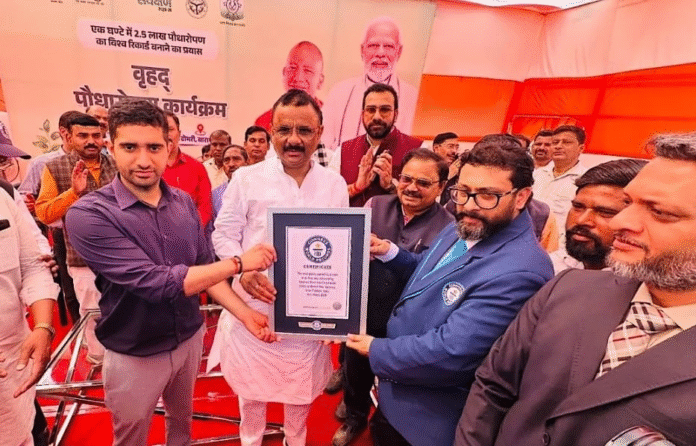
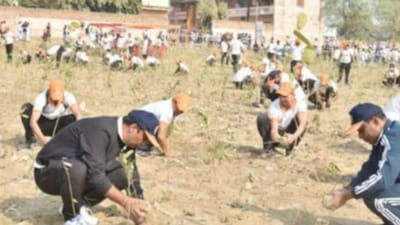
Varanasi (Kashi) has achieved a remarkable feat in environmental conservation. The city has set a new Guinness World Record by planting 2,51,446 saplings in just 60 minutes along the banks of the Ganga in the Sujabad-Domari area, surpassing China’s previous record. China’s Record Broken earlier, the world record for planting the maximum number of saplings in one hour was held by China’s Henan Provincial Committee and Henan Shifang Green Engineering Company. In 2018, they had planted 1,53,981 saplings in a college campus. Varanasi has now comfortably broken this record. Guinness World Records adjudicator Rishi Nath verified the achievement through drone surveillance and a digital counting system. He presented the official certificate to Varanasi Mavor Ashok Kumar Tiwari and Municipal Commissioner Himanshu Nagpal at the site.

Varanasi Sets New Guinness World Record with Massive Tree Plantation Drive

The plantation drive was part of the ambitious ‘Namo Van’ project, aimed at developing a large urban forest over nearly 350 bighas (approximately 350 acres) of land. The area was divided into 60 sectors, and saplings were planted using the Miyawaki technique a method known for creating dense, fast-growing forests. A mix of shade-bearing, fruit-bearing, and medicinal plants was used.

Officials expect this urban forest to turn into a thick green cover within two to three years and function as an “oxygen bank” for the city. To ensure the survival of the saplings, a 10.8-km pipeline network has been laid, supported by 10 borewells and 360 rain gun irrigation systems. The project is also expected to generate more than one crore rupees annually for the Municipal Corporation from the third year onwards through a private agency agreement.

More than 20,000 people actively participated in this mega campaign, including Around 5,000 employees of Varanasi Municipal Corporation
Personnel from the Indian Army, NDRF, CRPF, Police, and PAC. School students, NCC cadets, NSS volunteers, Scouts & Guides teams from various government departments, social and religious organizations. The entire event was monitored through drone cameras and a digital application for accurate counting.

A Significant Environmental Initiative this drive reflects Varanasi’s strong commitment to environmental protection. Mayor Ashok Kumar Tiwari stated that the initiative combines ecological goals with long-term economic planning. The event was attended by Banaras Hindu University (BHU) Vice Chancellor Prof. Ajit Kumar Chaturvedi, MLC Hansraj Vishwakarma, Dharmendra Rai, and other dignitaries. This achievement is not only a proud moment for Varanasi but also serves as an inspiring example of environmental conservation for the entire state of Uttar Pradesh and the country. ‘Namo Van’ is set to become a significant green landmark for the holy city of Kashi.