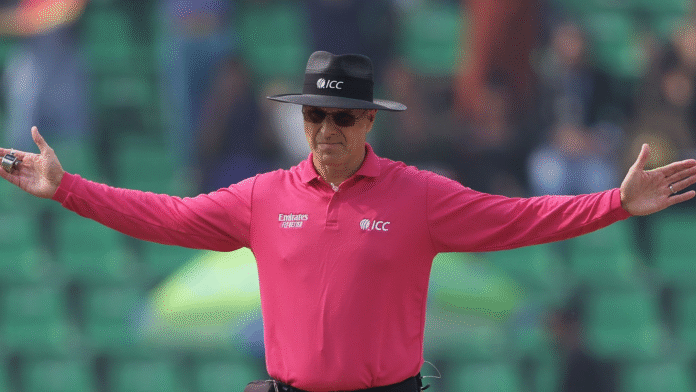
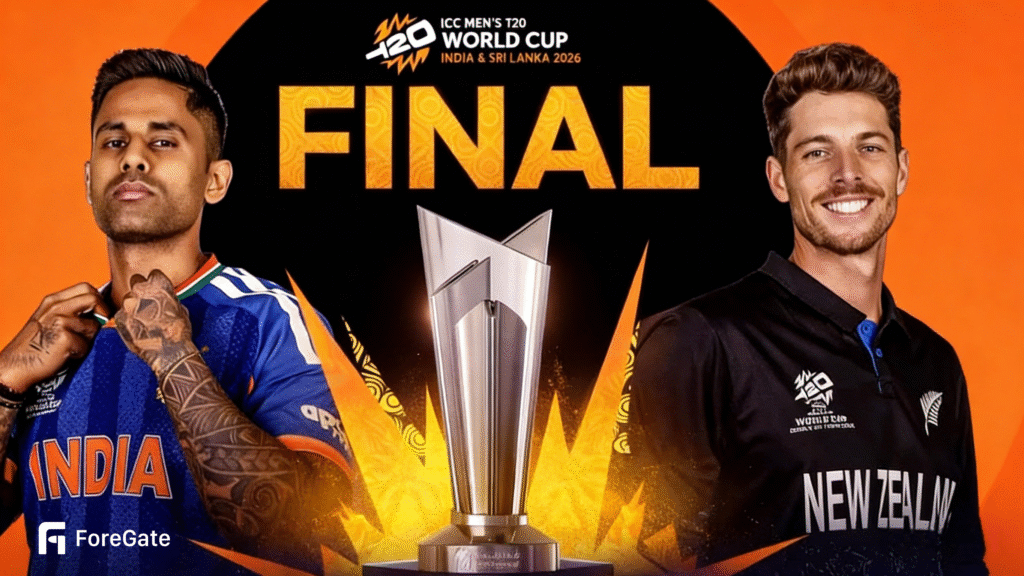
The International Cricket Council (International Cricket Council) has announced the match officials for the T20 World Cup final between India and New Zealand. England’s Richard Illingworth and Alex Wharf will serve as the on-field umpires for the title clash. Notably, both umpires also officiated the first semi-final of the tournament.
Illingworth has extensive experience in major ICC events. He previously stood in the 2024 T20 World Cup final alongside Chris Gaffaney and was also part of the officiating panels for the ODI World Cup final and the Champions Trophy final.
For the final, South Africa’s Allahuddien Paleker will serve as the third umpire, while Adrian Holdstock will be the fourth umpire.
Meanwhile, Australia’s Andy Pycroft has been appointed as the match referee. Pycroft had also officiated during the India–Pakistan clash in the Asia Cup final, bringing further experience to the high-profile contest.
Umpires – Richard Illingworth & Alex Wharf
3rd Umpire – Allahuddien Palekar
4th Umpire – Adrian Holdstock
Match Referee – Andy Pycroft
Where to Watch the Match
Fans can watch the live broadcast of the India–New Zealand T20 World Cup final on Star Sports.
The match will also be live-streamed on the JioHotstar app and website.
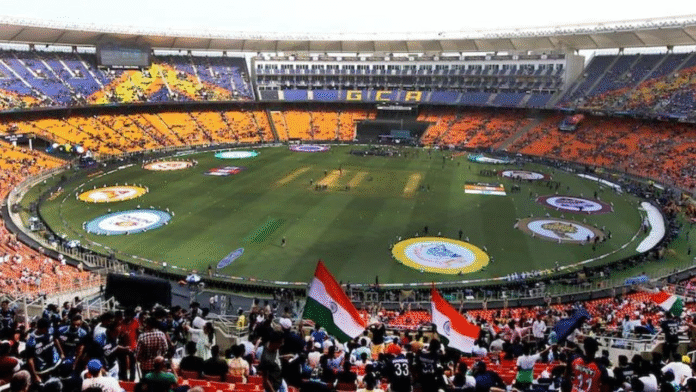
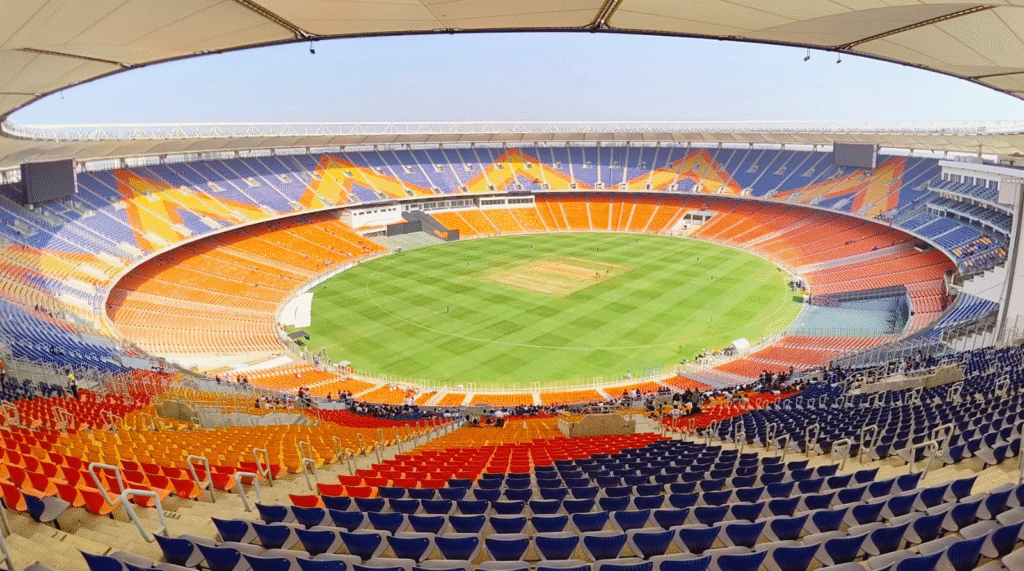
The much-anticipated final will take place at the Narendra Modi Stadium in Ahmedabad, where cricket fans are expecting a thrilling battle for the world title.
Defending champions India will take on New Zealand in the T20 World Cup final at the Narendra Modi Stadium on Sunday. The high-voltage match will begin at 7:00 p.m., while the toss is scheduled for 6:30 p.m. Both teams have already arrived at the stadium.
The closing ceremony will start at 5:30 p.m., featuring performances by international pop star Ricky Martin along with Indian singers Sukhwinder Singh and Falguni Pathak.
Several prominent personalities have reached Ahmedabad to watch the final. Former India captain MS Dhoni, current Indian captain Rohit Sharma, and Bollywood actress Preity Zinta were spotted arriving at the venue.
Meanwhile, prayers were offered for India’s victory at the Mahakaleshwar Temple. Former Indian spinner Harbhajan Singh wished the team luck and said, “We have to play like champions.”
India Eyeing Three Major Records
Team India has a chance to achieve three historic milestones:
Third Title: India could become the first nation to win the T20 World Cup three times.
Title Defence: India may become the first team to successfully defend the T20 World Cup title.
Host Nation Victory: India could also become the first country to win the T20 World Cup on home soil.
First T20 World Cup Final Between India and New Zealand
This is the first time India and New Zealand are facing each other in a T20 World Cup final. Two-time champions India are playing their fourth final, while New Zealand have reached the final for the second time and are still chasing their maiden title. The Kiwis previously lost the 2021 final to Australia.
Historically, India has dominated New Zealand in T20 Internationals, but the record in the T20 World Cup favors the Kiwis. The two sides have met three times in the tournament, with New Zealand winning all three encounters in 2007, 2016, and 2021.
Head-to-Head Record
India and New Zealand have played 30 T20 Internationals so far. India have won 18 matches, while New Zealand have won 11, with one match tied. Two matches were decided through a Super Over, while one game ended without a result due to rain. India have also won 11 of their 16 matches against New Zealand at home.
Before the World Cup, New Zealand toured India in January, where the two teams played a five-match T20 series. India won the series 4–1, with several high-scoring games, including a 271-run total by India in the final match.
Key Performers for India
Ishan Kishan has been India’s leading run-scorer in the tournament, scoring 263 runs in eight matches, including two half-centuries, with a best score of 77. Captain Suryakumar Yadav is second on the list with 242 runs.
In bowling, Varun Chakravarthy has been outstanding, taking 13 wickets in eight matches. He could become the top wicket-taker of the tournament if he picks up at least one wicket in the final.
New Zealand: Finn Allen, Tim Seifert (wk), Rachin Ravindra, Glenn Phillips, Mark Chapman, Daryl Mitchell, Mitchell Santner (c), Cole McConchie, Matt Henry, Jimmy Neesham, Lockie Ferguson.
The United States has announced a major tactical shift in its ongoing military campaign against Iran. US Defence Secretary Pete Hegseth stated that Iranian air defence systems have been significantly weakened after several days of operations. As a result, the US military plans to deploy precision-guided gravity bombs weighing 500, 1,000 and 2,000 pounds. The move indicates a transition from long-range “stand-off” weapons to direct aerial bombardment following the establishment of air superiority.
Earlier Reliance on Stand-Off Weapons
Until now, US forces had largely depended on stand-off munitions designed to strike targets from outside the range of enemy air defence systems. These weapons are launched from naval destroyers, stealth aircraft or drones to minimise risk to pilots. Cruise missiles such as the Tomahawk and unmanned combat systems like the Low-cost Unmanned Combat Attack System (LUCAS) have been widely used to target Iranian radar installations and surface-to-air missile systems. Such strikes aim to weaken enemy defences before direct aerial attacks are carried out.
Understanding Gravity Bombs
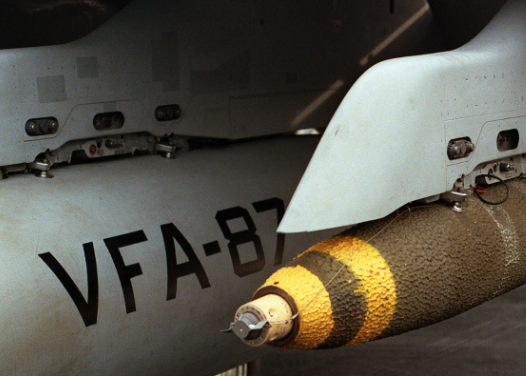
Gravity bombs, also known as free-fall bombs, are unpowered weapons that rely on gravity and aerodynamics after being released from an aircraft. Unlike cruise missiles, they do not contain engines or propulsion systems. Modern variants, however, have become highly accurate through the addition of Joint Direct Attack Munition (JDAM) kits. These kits include GPS guidance systems and steerable fins, enabling the bomb to glide towards precise coordinates. Gravity bombs have been widely used in modern conflicts including operations in Iraq, Afghanistan and Syria.
Conventional and Nuclear Variants
The bombs referenced in the current campaign are conventional weapons containing standard chemical explosives. They typically cost around $25,000 to $30,000 when fitted with a JDAM kit and are authorised for use by military commanders during operations. In contrast, the United States also maintains nuclear gravity bombs such as the B61 and B83 series. These weapons have significantly higher destructive yields, measured in kilotons or megatons of TNT, and their deployment requires direct authorisation from the US President.
Important Facts
Gravity bombs are unpowered munitions that rely on gravity after release from aircraft.
Joint Direct Attack Munition (JDAM) kits convert conventional bombs into GPS-guided precision weapons.
The Mark 80 series is a major family of conventional gravity bombs used by the US Air Force.
Air supremacy refers to a situation where one military controls the airspace with minimal opposition.
Mark 80 Series and Operational Use
The US arsenal of gravity bombs is centred on the Mark 80 series, which will be deployed with precision guidance systems. The 500-pound Mk-82 bomb is typically used against light vehicles, radar systems and exposed positions. The 1,000-pound Mk-83 is designed for stronger structures such as reinforced buildings and command centres. The largest variant, the 2,000-pound Mk-84, can penetrate hardened targets including underground facilities and large military installations. These bombs can be deployed by fighter aircraft such as the F-15E Strike Eagle and F-35, as well as strategic bombers like the B-52 Stratofortress.
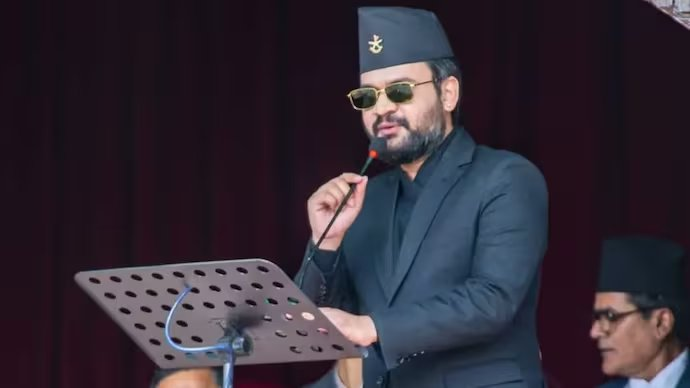
Nepal’s political landscape appears poised for a major transformation as Balendra Shah, widely known as Balen Shah, has emerged as a strong contender for the country’s prime ministership following the latest general election trends. The 35-year-old Kathmandu mayor and former rapper represents a new generation of leadership challenging the dominance of traditional political elites. His rise has energised young voters and highlighted growing demand for political reform and transparent governance in the Himalayan nation.
Election Trends and Political Momentum
Preliminary trends from Nepal’s recent general elections indicate strong performance by the Rastriya Swatantra Party (RSP), which is reportedly leading in more than 100 of the 275 seats in the House of Representatives. Shah himself is maintaining a significant lead in the Jhapa-5 constituency against veteran leader and former prime minister KP Sharma Oli of the Communist Party of Nepal (UML).
If the trend continues, Shah could become one of the youngest prime ministers in Nepal’s history, marking a dramatic shift from a political establishment largely dominated by leaders in their 60s and 70s.
Symbolic Campaign Launch in Janakpur
Shah’s prime ministerial campaign began with a culturally symbolic speech in Janakpur, the capital of Madhesh Province and traditionally regarded as the birthplace of Goddess Sita. He opened his address with “Sarvapratham, Mata Janaki ke pranaam,” and delivered the speech in Maithili, one of Nepal’s widely spoken languages.
The choice of location and language was significant. Few national leaders in Nepal have launched a major political campaign in Maithili, which is widely spoken across the Madhesh region and India’s Mithila belt. The move signalled outreach to Madhesi communities, which have historically sought greater political representation.
From Rapper to Reformist Politician
Before entering public life, Shah gained popularity as a rapper who used hip-hop music to raise awareness about corruption, governance failures and social inequality. His music resonated strongly with urban youth.
Happy Women’s Day 2026 Wishes Images, Quotes, Caption, Status and Message: International Women’s Day, this year, will be observed on Sunday, 8 March 2026.
Happy Women’s Day 2026 Wishes Images: Share these wishes with all the beautiful ladies in your life.
Happy Women’s Day 2026 Wishes Images, Quotes, Caption, Status and Message: International Women’s Day (IWD) is observed globally every year on March 8 to celebrate the significant achievements of the women’s rights movement, promote gender parity, and emphasise ongoing efforts for advocacy and action worldwide
This year, it will be observed on March 8; as the day is fast approaching, The EBNW Story has listed special wishes that one can share with all the beautiful ladies in their lives.
Happy Women’s Day 2026: Wishes
Happy Women’s Day 2026! May your strength, wisdom, and grace continue to inspire everyone around you.
Wishing you a day filled with appreciation, respect, and celebration of all that you are. Happy Women’s Day 2026!
May this Women’s Day bring you new opportunities, endless happiness, and well-deserved success.
Here’s to strong women—may we know them, may we be them, may we support them. Happy Women’s Day 2026!
Happy Women’s Day! Your courage and determination make the world a better place
May you always rise, shine, and achieve everything you dream of. Happy Women’s Day 2026!
Celebrating your achievements today and always. Happy Women’s Day 2026!
Happy Women’s Day 2026 to every incredible woman—your resilience and kindness never go unnoticed.
May you continue to break barriers and set new standards of excellence. Happy Women’s Day 2026!
Happy Women’s Day 2026! Wishing you empowerment, equality, and endless possibilities today and beyond.
Happy Women’s Day 2026: Quotes
“No one can make you feel inferior without your consent.” – Eleanor Roosevelt
“There is no limit to what we, as women, can accomplish.” – Michelle Obama
Women’s Day 2026: Quote by Laurel Thatcher Ullrich
“We cannot all succeed when half of us are held back.” – Malala Yousafzai
As examinations take place across schools in India, many students experience a mix of emotions ranging from excitement to anxiety. Psychologist and senior teacher Dr. Ravneet Sethi Handa, Counseling Psychologist and Educator, at Witty International School Udaipur shares her insights with Kanan Rathore from The EBNW Story on what students feel during exams, why stress occurs, and how students, parents, and schools can work together to make the exam season healthier and more balanced.
Q. Examinations are currently underway in most schools across India. From a psychologist’s perspective, what are the common emotions students experience during exam season?
Dr. Ravneet Handa: Students often experience a mix of emotions during exams, including uncertainty about outcomes and pressure to perform well. Self-doubt about their preparation or their ability to cope can also arise, which sometimes makes them feel overwhelmed.
Q. Many students talk about exam pressure and anxiety. How real is this issue today, and what are the main reasons behind exam-related stress among students?
Dr. Ravneet Handa: The pressure to perform, fear of failure, and uncertainty about results are major reasons behind exam stress. Exam anxiety isn’t just about feeling nervous—it can also affect sleep, appetite, and overall well-being. It is a very real issue, and acknowledging it is the first step towards managing it.
Q. Do you think the perception of exams among students has changed over the years?
Dr. Ravneet Handa: Yes, certainly. Intense competition has increased the pressure on students to perform perfectly. High-stakes testing and even digital distractions today contribute to higher levels of exam anxiety and stress among students.
Q. How can students manage exam stress and maintain a healthy balance during this period?
Dr. Ravneet Handa: Students should adopt a positive and action-oriented approach towards exam anxiety and view it as an opportunity for growth rather than despair. They should avoid comparison and self-doubt. Taking regular breaks while studying, ensuring adequate sleep, maintaining good nutrition, and doing light exercise can help keep both the mind and body relaxed during exam preparation.
Q. What should be the role of parents in such cases?
Dr. Ravneet Handa: Parents should offer emotional support and encouragement, which helps children build confidence and resilience during stressful times. Their attitude and respectful behaviour can greatly influence a child’s mindset. Positive guidance from parents helps children develop a strong and courageous approach to challenges.
Q. What steps can schools and teachers take to ensure a positive examination environment?
Dr. Ravneet Handa: Schools and teachers can create an atmosphere where students feel comfortable discussing their stress and anxiety. They should focus on effort and progress, not just results. Recognising and celebrating students’ achievements, even small ones, can boost confidence. Schools can also introduce mindfulness sessions or meditation exercises and work closely with parents to build a consistent support system for students.
Q. Finally, what message would you like to give to students who feel nervous during exams?
Dr. Ravneet Handa: Challenges are opportunities to grow. Believe in yourself and your abilities. You have the strength to overcome obstacles, and your sincere efforts will eventually bloom into success.
In a joyous celebration that has captivated the Telugu film industry, popular actor Allu Sirish married his longtime girlfriend and entrepreneur Nayanika Reddy on Friday, March 6, 2026. The intimate yet grand ceremony took place at Aina Farms in Hyderabad, blending rich South Indian traditions with elegant contemporary touches.
The date carried special meaning for the Allu family, coinciding with the 15th wedding anniversary of Sirish’s elder brother, superstar Allu Arjun.
Sirish looked dashing in a classic white silk kurta with gold accents, embodying timeless grace. Nayanika radiated elegance in a lavender and gold silk saree, accessorized with a stunning diamond set featuring white and pink stones, diamond bangles, and a traditional maang tikka. The wedding drew an impressive guest list from cinema, politics, and business. Prominent attendees included Allu Arjun and his wife Sneha Reddy, megastar Chiranjeevi, Ram Charan, and other family members from the influential Allu-Konidela dynasty. Tamil actor Suriya and Telangana Chief Minister Revanth Reddy also graced the occasion, adding to the star power.
The venue was beautifully adorned with intricate floral installations, soft lighting, and traditional decor, creating a magical ambiance for the sacred rituals.
Allu Sirish, known for films like Srirastu Subhamastu and Urvasivo Rakshasivo, belongs to one of South India’s most prominent film families-son of producer Allu Aravind, nephew of Chiranjeevi, and cousin to Ram Charan and Varun Tej. Nayanika, a Hyderabad-based business professional from an entrepreneurial family, has stayed largely private but shares a grounded and academically strong background.
The couple’s journey from a private relationship (publicly announced after their engagement in late 2025) to this heartfelt union has been marked by pre-wedding festivities, including a lavish reception at Allu Studios. As the Allu-Konidela family celebrates this new chapter, fans and well-wishers have flooded social media with blessings for the newlyweds.
Congratulations to Allu Sirish and Nayanika Reddy-may their life together be filled with love and happiness!
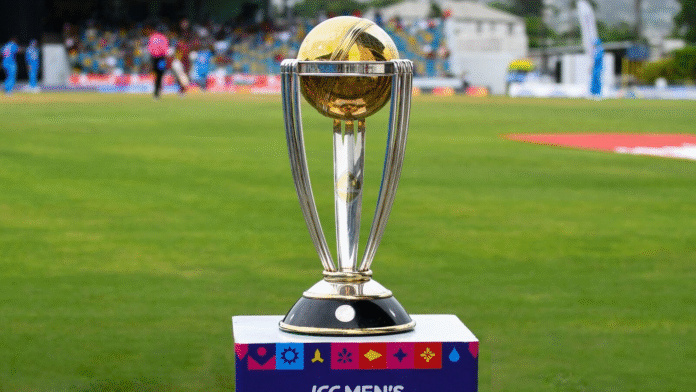
The ICC Cricket World Cup stands as the ultimate crown jewel of One Day International (ODI) cricket -a quadrennial extravaganza that grips billions with nail-biting tension, tactical masterclasses, and moments that etch themselves into sporting history forever. Since its launch in 1975, it has reshaped the game by delivering a structured, high-stakes global championship in the limited-overs format.
Origins and Early Supremacy (1975-1983)
The first Cricket World Cup was staged in June 1975 in England, born from the growing popularity of domestic one-day cricket and the historic first ODI match in 1971. Matches were played over 60 overs in classic white kits with red balls, and the early tournaments – fondly called the Prudential World Cups – were all hosted in England.
1975: West Indies clinched the inaugural title, defeating Australia in the final at Lord’s. 1979: West Indies defended their crown, beating England in the final. 1983: India scripted one of cricket’s greatest fairy tales, stunning two-time champions West Indies under Kapil Dev’s inspirational leadership.
Evolution and Modern Revolution (1987 Onward)
The tournament underwent dramatic transformation: 1987 Hosted outside England for the first time (India and Pakistan); overs reduced to 50. 1992 Colored clothing, white balls, floodlights, and day-night matches debuted in Australia and New Zealand, changing the viewing experience forever.
Formats continued to evolve: Super Sixes (1999-2003), 16-team tournament (2007), 14-team round-robin phase (2011-2015), and a compact 10-team setup (2019-2023) to heighten competition.
Qualification became a rigorous, multi-year battle, with only host nation(s) receiving automatic entry in recent editions. Hosting rights now rotate worldwide, frequently shared among multiple countries.
Powerhouses and Historic Records
Australia reigns supreme with an unmatched 6 titles (1987, 1999, 2003, 2007, 2015, 2023), including an unprecedented three-peat (1999–2007). India and West Indies: 2 titles each Pakistan, Sri Lanka, and England: 1 title each. Australia remain the reigning champions after defeating India in the thrilling 2023 final at Narendra Modi Stadium, Ahmedabad – securing their record sixth crown. Across 13 editions (up to 2023), twenty different teams have competed, yet Australia’s dominance has defined the modern era.
Looking Ahead: The 2027 Expansion
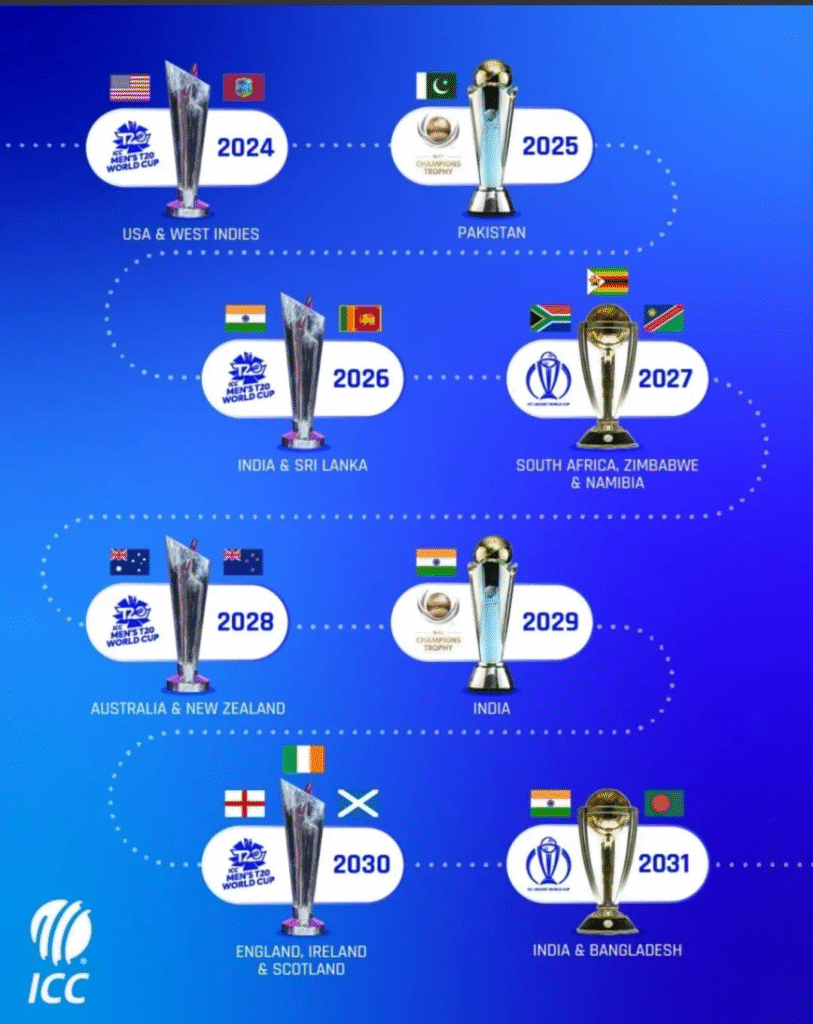
The next Men’s Cricket World Cup is scheduled for October-November 2027, co-hosted by South Africa, Zimbabwe, and Namibia – marking Namibia’s debut as a host nation. The tournament will expand to 14 teams with a fresh format: two groups of seven, round-robin matches, a Super Six stage, semifinals, and final – totaling 54 matches. South Africa will stage the majority (around 44), with Zimbabwe and Namibia hosting the remainder.
Women’s Cricket World Cup: The Trailblazers
Women’s cricket blazed the trail the inaugural Women’s Cricket World Cup was held in 1973 in England, two full years before the men’s event. Initially run by the International Women’s Cricket Council, it began as a round-robin with seven teams but struggled with funding, resulting in irregular intervals until it settled into a four-year cycle after 2005.
Overs reduced from 60 to 50 in 1997, with knockouts introduced. Australia leads with 7 titles, followed by England (4) and New Zealand (1).Landmark achievement: In 2025, co-hosted by India and Sri Lanka, India lifted their first-ever title, defeating South Africa by 52 runs in the final a historic triumph on home soil. T20 World Cup: The High-Speed Cousin
Launched in 2007 to capture a wider, faster-paced audience, the T20 World Cup quickly became a global sensation. Recent editions have featured up to 20 teams. India won the very first edition in 2007 and added another triumph in 2024. From its modest beginnings in 1975 to today’s worldwide phenomenon, the Cricket World Cup – in its classic 50-over, explosive T20, and pioneering women’s editions – continues to unite countries, forge legends, and deliver heart-pounding excitement cycle after cycle.
The stage is set for the ultimate clash in the ICC Men’s T20 World Cup 2026 as defending champions India take on New Zealand in the final at the iconic Narendra Modi Stadium in Ahmedabad on Sunday, 8 March. This high-stakes encounter marks the second time in just over a year that these two teams have met in a global final, following India’s victory over New Zealand in the 2025 Champions Trophy final in Dubai.
Elite Panel Officials Appointed for the Summit Clash
The Emirates ICC Elite Panel of Match Officials has named a highly experienced team to oversee the final:On-Field Umpires: Richard Illingworth (England) and Alex Wharf (England) Third Umpire: Allahuddien Paleker (South Africa) Fourth Umpire: Adrian Holdstock (South Africa) Match Referee: Andy Pycroft (Zimbabwe)
Richard Illingworth continues his remarkable streak in major ICC finals, standing in his second consecutive Men’s T20 World Cup final after officiating the 2024 edition alongside Chris Gaffaney. He has also presided over the finals of the ICC Men’s Cricket World Cup 2023 and the ICC Men’s Champions Trophy 2025. Alex Wharf, who joined the Elite Panel last year, will umpire his first senior ICC World Cup final. He previously officiated in the ICC Women’s Cricket World Cup 2022 and the ICC Men’s Cricket World Cup 2023.
Supporting them, Allahuddien Paleker – elevated to the Elite Panel alongside Wharf in March 2025 serves as third umpire, having officiated in six matches during this tournament. Adrian Holdstock takes the fourth umpire role, while Andy Pycroft handles match referee duties. This quartet brings a blend of experience and reliability to one of cricket’s biggest stages.
Pitch Report: Seamer-Friendly with Good Bounce Expected
The Narendra Modi Stadium pitch for the final is anticipated to closely resemble the surface used in the semi-final in Mumbai, which produced a record 499 runs despite early concerns over its greenish tinge. According to insights, the centre wicket – a mix of red and black soil – is essentially fresh, having hosted only one match in the tournament: an evening game on 9 February between Canada and South Africa. South Africa posted 213 and won by 53 runs. The surface is expected to offer minimal turn but deliver good pace and bounce, making it seamer-friendly while still batsman-supportive. A par score is projected around 200, suggesting a high-scoring, entertaining contest if teams bat first.
Team Preparations Ahead of the Final
India will hold their training session on Saturday, while New Zealand arrived in Ahmedabad on Thursday and conducted their first net session that evening. With both sides boasting strong pace attacks and adaptable batting line-ups, the combination of experienced officials and a balanced, bouncy pitch set’s up an exciting finale. Cricket fans worldwide will be glued to their screens as India aim to defend their title against a determined New Zealand side in what promises to be a thrilling conclusion to the ICC Men’s T20 World Cup 2026.
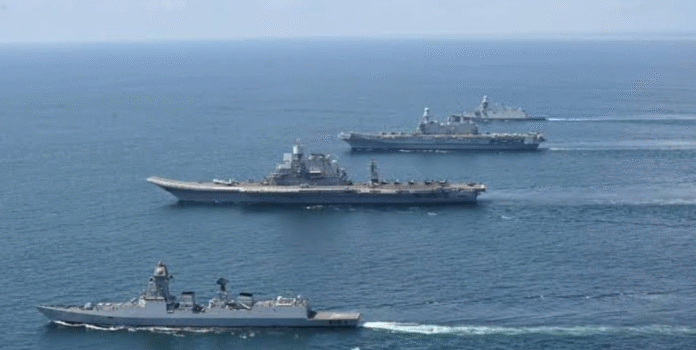
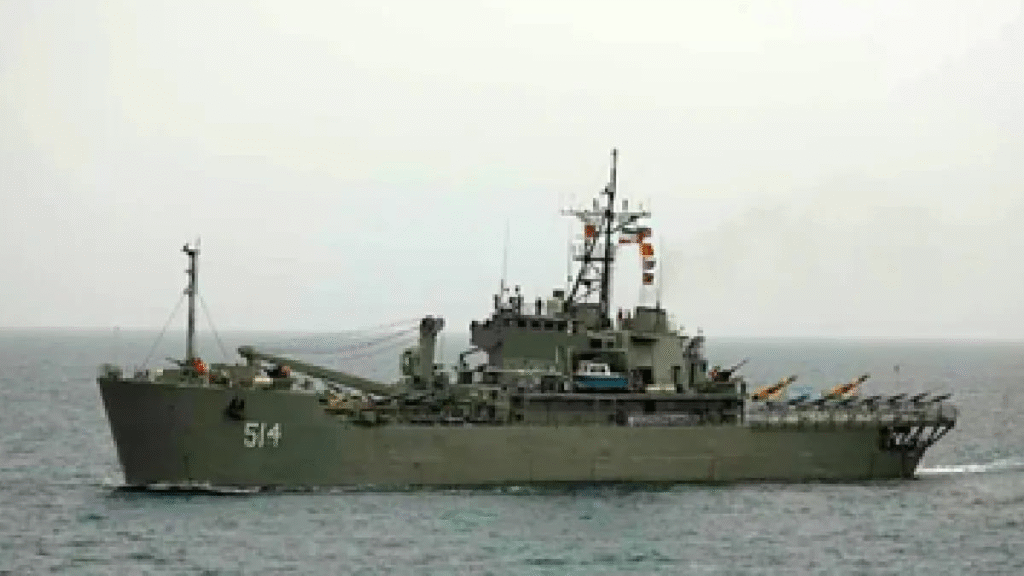
In a significant display of humanitarian maritime diplomacy, India has allowed the Iranian naval vessel IRIS Lavan to dock at Kochi port following an urgent request from Tehran, just days before the dramatic sinking of its sister ship, IRIS Dena, by a US Navy submarine in the Indian Ocean.
Technical Emergency and Rapid Clearance
According to government sources, Iran approached India on February 28, 2026, seeking permission for the IRIS Lavan to dock urgently at Kochi due to technical issues that had developed while the vessel was in the region. The ship had participated in the International Fleet Review (IFR) 2026 and related multilateral naval exercises hosted by the Indian Navy. Approval for the docking was granted on March 1, 2026, on humanitarian and operational grounds.
Safe Arrival and Crew Accommodation
The IRIS Lavan successfully docked at Kochi on March 4, 2026, and its crew of 183 personnel is currently safe and accommodated at Indian naval facilities in the port city.
Simultaneous Tragedy: Sinking of IRIS Dena
This development unfolded against the backdrop of heightened tensions in the ongoing US-Iran conflict. On the same day that IRIS Lavan docked -March 4, 2026-its sister frigate, IRIS Dena, was torpedoed and sunk by a US submarine (reportedly USS Charlotte) in international waters approximately 40 nautical miles south of Galle, Sri Lanka.
Heavy Casualties and Rescue Efforts
The attack on IRIS Dena, which was returning from the same Indian-hosted naval events (including MILAN 2026 exercises in Visakhapatnam), resulted in heavy casualties. Reports indicate at least 87 sailors were killed, with 32 survivors rescued by the Sri Lankan Navy. The US Department of Defense confirmed the strike, describing it as a significant action in the broader conflict.
India’s Immediate Humanitarian Response
In response to the distress call from IRIS Dena, India promptly deployed assets including the INS Tarangini, INS Ikshak, and P-81 maritime patrol aircraft to support Sri Lanka-led search and rescue operations.
Iran’s Position on the Incident
Iran has maintained that the IRIS Dena was unarmed and in a non-combat configuration during its return journey, in line with protocols observed after participating in international exercises. Iranian officials have condemned the attack as an “atrocity” in international waters far from the main conflict zone.
India’s Balanced Maritime Diplomacy
While India has not issued a formal statement directly addressing the US military action against IRIS Dena, the decision to provide safe harbor to IRIS Lavan underscores New Delhi’s commitment to acting as a responsible maritime partner. The move highlights India’s balanced approach in the region-extending humanitarian assistance to vessels in distress while cooperating in rescue efforts following the tragic incident involving another Iranian ship.
Geopolitical Implications in the Indian Ocean
This sequence of events illustrates the complex interplay of diplomacy, humanitarian considerations, and geopolitical tensions in the Indian Ocean amid the escalating US-Israel-Iran conflict. The crew of IRIS Lavan remains secure under Indian protection as regional navies monitor the situation closely