Home Blog Page 46

International Women’s Day: Consulate General of India Toronto Celebrates in Association With Elspeth Heyworth Centre for Women 

0

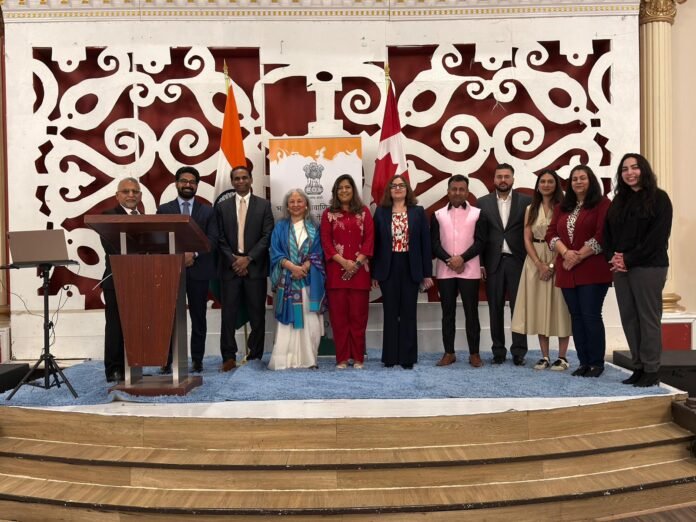
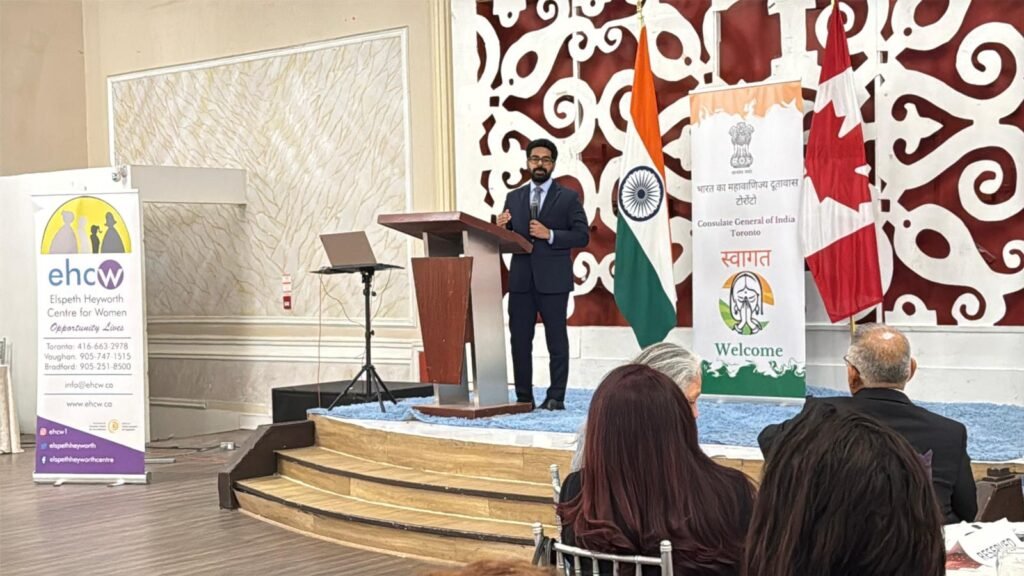
The Consulate General of India Toronto celebrated International Women’s Day in partnership with the Elspeth Heyworth Centre for Women (EHCW), to honor women’s achievements while spotlighting the critical support systems for Indian women in need.

International Women’s Day: Consulate General of India Toronto Celebrates in Association With Elspeth Heyworth Centre for Women 

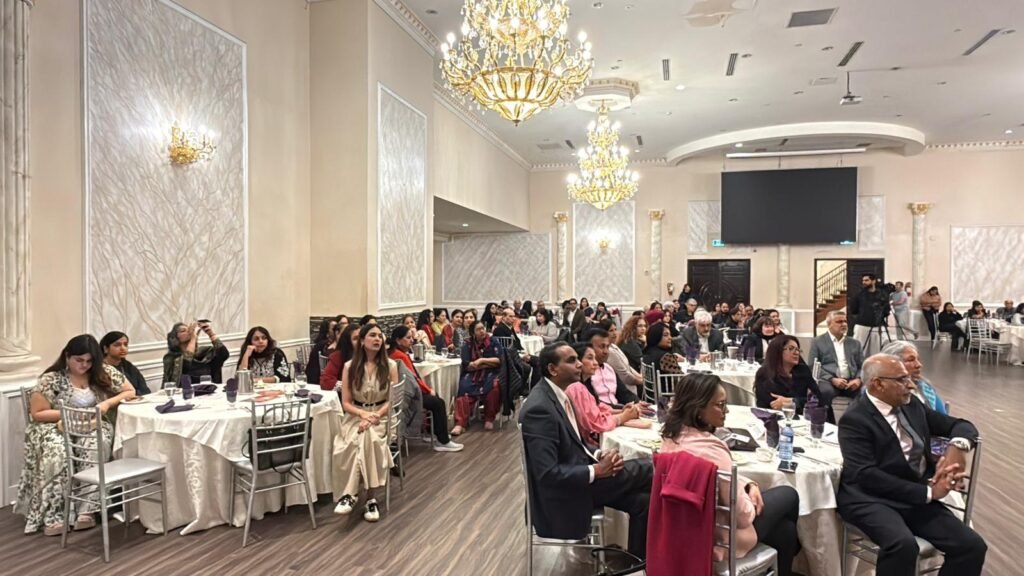
The event brought together community leaders, civic partners, representatives from law enforcement, speakers from community services & diverse professional fields who shared insights on safety, empowerment, and well-being of women. The event received a tremendous response and was well attended by members of the Indian diaspora.

From Gatekeeper to Ally: US Ditches ‘Permitting’ for ‘Partnering’ as Gulf War Shakes Global Oil

0

PC: (Money Digest, The News International )

As the escalating Iran-Israel war in the Middle East disrupts shipping through the Strait of Hormuz, squeezes global oil supplies, and drives prices higher, the Trump administration appears to be softening its tone on international energy cooperation.

Two recent posts on X-one from the White House and another from Treasury Secretary Scott Bessent-posted within a day of each other, highlight this shift. While no explicit policy change has been announced, the evolution in language-from commanding to collaborative-suggests a pragmatic recalibration in how Washington engages with key global players amid crisis.

The White House shared a photograph of President Donald Trump flanked by leaders from across Latin America at the Shield of the Americas Summit. The image projected hemispheric solidarity at a time when energy markets face acute strain, emphasizing unity with regional oil producers and partners in the
Western Hemisphere (Venezuela’s situation notwithstanding).

“The United States is the biggest and most powerful economy in the world. Under President Trump’s leadership we are working with the world’s largest producers, consumers, and refiners to maintain stability in the world’s energy markets while we eliminate threats to our safety and security. This is a shared purpose towards which we are all working, and we thank our international partners sharing this same goal.” This stands in sharp contrast to Bessent’s earlier statement regarding a 30-day waiver allowing Indian refiners to purchase stranded Russian oil. In that instance, the language was authoritative: the U.S. was “issuing” waivers, “allowing” actions, and “anticipating” compliance from New Delhi in return. It framed Washington as a gatekeeper granting conditional access.

The latest messaging eliminates that hierarchical tone. The U.S. is no longer “permitting”-it is partnering. It is not “allowing”-it is thanking. The emphasis on a “shared purpose” and collective effort marks a meaningful departure, signaling recognition that unilateral pressure is counterproductive in a volatile market.

The trigger appears clear: the Middle East conflict has closed key routes, surged oil prices, and exposed the limits of U.S. unilateral action. Stabilizing global energy flows requires cooperation from producers, refiners, and major consumers alike-coercive rhetoric risks alienating essential allies. India, which sources nearly 40% of its crude from the Middle East and faced U.S. pressure to halt Russian oil imports, received the short-term waiver. Far from a mere concession, it reflects pragmatic acknowledgment: disrupting a major refining partner during a supply crunch benefits no one. This broader pivot extends to Latin America, where the Shield of the Americas Summit engaged key oil-producing neighbors to foster alignment rather than alienation. In a world where the U.S. cannot single-handedly control energy markets, partnership has become a strategic necessity. The shift in tone may be subtle, but in diplomacy, words are rarely accidental. As the Gulf crisis persists, Washington’s evolving language could pave the way for more collaborative-and effective-global energy stability efforts.

Witness Nature’s Miracle: The Velas Turtle Festival 2026 – A Celebration of Conservation and Wonder

0

PC: (Thrillophilia, Instagram)

Nestled in the serene coastal village of Velas in Maharashtra’s Konkan region, the Velas Turtle Festival stands out as one of the most extraordinary and meaningful experiences in India. Every year, this quiet beach transforms into a living classroom of nature, where endangered Olive Ridley turtles complete one of life’s most remarkable journeys: hatching from their nests and racing toward the Arabian Sea. Far more than a tourist attraction, the festival is a powerful conservation movement that brings together local villagers, dedicated volunteers, and wildlife enthusiasts to protect these vulnerable creatures.

About the Velas Turtle Festival 2026

The Velas Turtle Festival typically runs from March to April, aligning with the peak hatching season for Olive Ridley turtles. In 2026, visitors will have the rare opportunity to witness this natural spectacle from March 15 to April 26 (with the season often starting as early as early March and extending into late April, based on nesting patterns and official updates).
The best time to visit is early morning, as hatchlings usually emerge at dawn, making their tiny, determined trek across the sand to the waves. Evening releases are also common, adding to the magic of the experience.

A Natural Spectacle Like No Other

Imagine standing on the soft sands of Velas Beach as dozens – sometimes hundreds – of baby Olive Ridley turtles burst from their buried nests. These tiny creatures, no bigger than a palm, instinctively head toward the sea, guided by the light of the horizon. It’s a breathtaking reminder of nature’s resilience and fragility.
This event highlights the life cycle of one of the world’s most endangered sea turtles and the real threats they face, from predators to human interference and climate change.

Promoting Eco-Tourism and Marine Conservation

The Velas Turtle Festival goes beyond observation -it actively promotes eco-tourism and raises awareness about marine conservation. By encouraging responsible travel, it educates visitors on the importance of preserving delicate coastal ecosystems.
Volunteers and local villagers play a central role, working hand-in-hand to safeguard nests from predators and disturbances. Their efforts significantly boost hatchling survival rates, showcasing the power of community-driven conservation.

Witness Nature's Miracle: The Velas Turtle Festival 2026 - A Celebration of Conservation and Wonder

Immerse Yourself in Konkan Culture

While the turtles steal the show, the festival offers much more. Enjoy vibrant cultural programmes featuring traditional Konkani dance, music, and performances that celebrate Maharashtra’s rich heritage.
Explore local food stalls serving authentic Konkani cuisine, participate in eco-workshops, and connect with the warm hospitality of the region. For the ultimate immersive experience, opt to stay in nearby homestays or eco-lodges – or even with local families – to savor home-cooked meals and soak in the authentic rhythm of village life.

The Velas Turtle Festival is a perfect blend of wonder, education, and meaningful action. Whether you’re a wildlife lover, adventure seeker, or simply someone who appreciates nature’s quiet miracles, this event offers an unforgettable experience that leaves a lasting impact.

Five Heroes Who Helped India Win the T20 World Cup

0

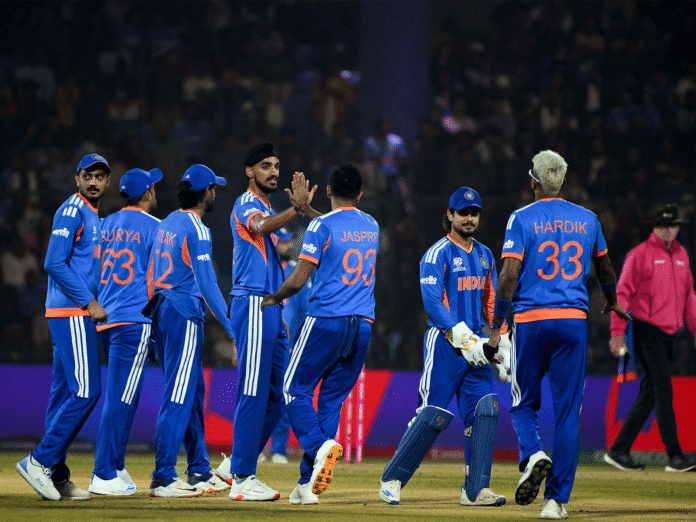
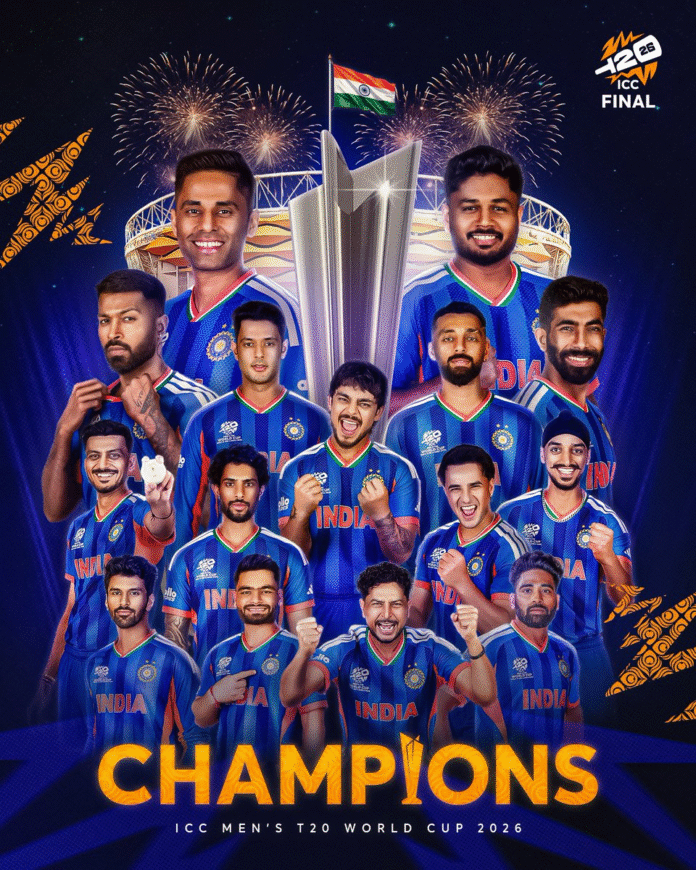
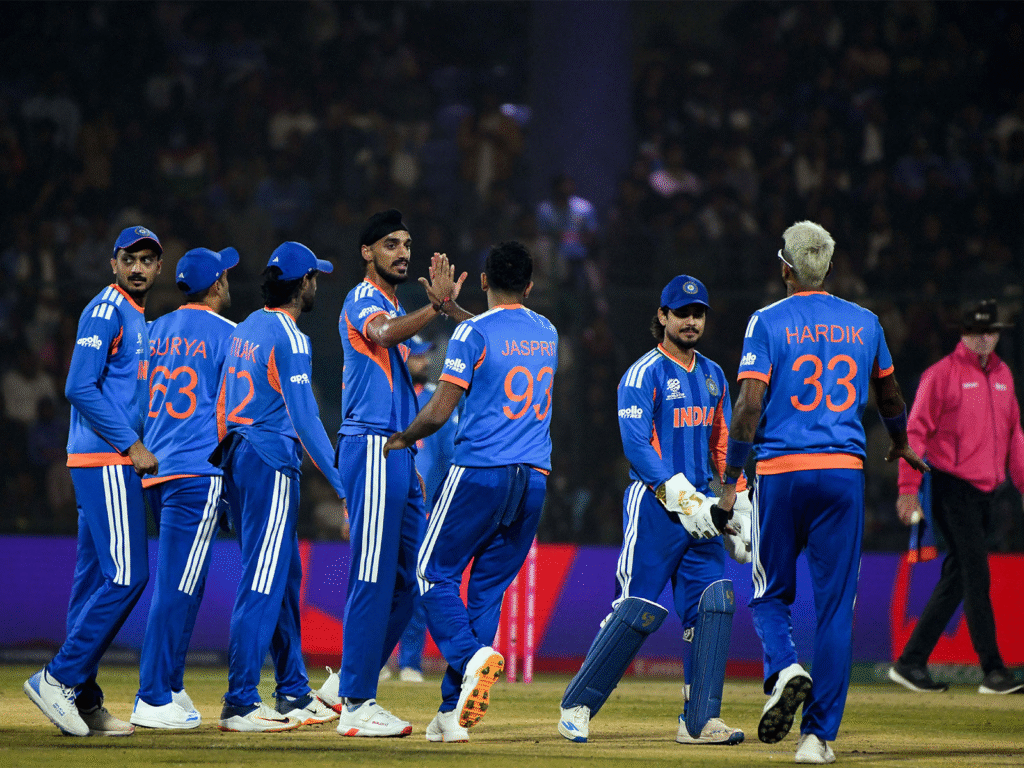
The India national cricket team lifted the ICC Men’s T20 World Cup title after defeating the New Zealand national cricket team by 96 runs on Sunday night. While the victory was a collective effort, a few players delivered standout performances in crucial moments and played a key role in making India world champions.

Here are the five heroes behind India’s T20 World Cup triumph:

1. Sanju Samson: Big-match performer with consecutive fifties

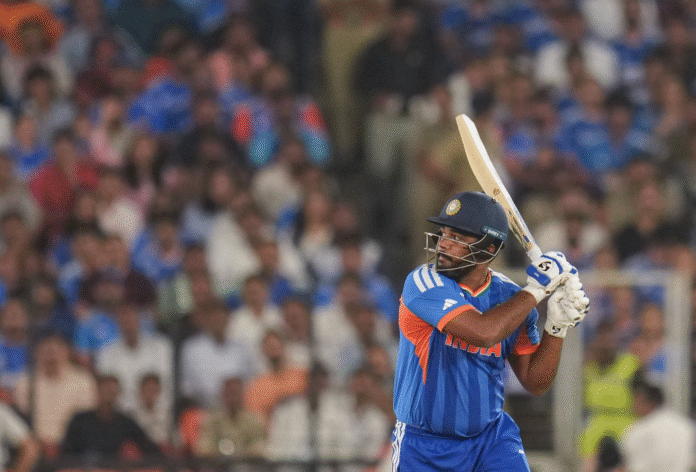
Wicketkeeper-batter Sanju Samson emerged as India’s trump card in the tournament. He scored three consecutive fifties for the team.

Samson, who initially struggled to secure a place in the playing XI during the league stage, finally got an opportunity against the West Indies in Kolkata when India needed a win. On a challenging pitch, he played a remarkable unbeaten 97-run knock, guiding India to a competitive total.

He continued his form in the knockout stage, scoring 89 runs in the semifinal against England and another 89 in the final against New Zealand. Samson finished as India’s highest run-scorer in the tournament and was named Player of the Tournament.

2. Jasprit Bumrah: Tournament’s leading wicket-taker

Fast bowler Jasprit Bumrah was named Player of the Final for his outstanding bowling performance. Against New Zealand, he picked up 4 wickets for just 15 runs in his four overs. Bumrah also finished as the highest wicket-taker of the tournament, claiming 14 wickets in eight matches.

In the semifinal against England national cricket team, his precise bowling turned the match in India’s favor. England were chasing 254 runs and had reached 185/5 in 15 overs, looking set for victory. At that crucial moment, captain Suryakumar Yadav handed Bumrah the ball. His tight two-over spell conceded just 14 runs, creating pressure and helping India secure a seven-run win.

3. Ishan Kishan: Three fifties in the tournament

Opener Ishan Kishan, who was selected in the squad at the last moment, proved his worth by scoring three half-centuries in the tournament.

In the final, he smashed 52 runs off just 21 balls at a blistering strike rate of 247.61. Kishan also shared a 105-run partnership in 48 balls with Sanju Samson, setting the platform for India’s massive total.

Earlier, against Pakistan national cricket team, he built a crucial 88-run partnership with Tilak Varma after Abhishek Sharma was dismissed for zero. Kishan scored 77 runs in that match. He also hit a half-century against Namibia national cricket team.

Overall, Kishan scored 317 runs in nine matches at a strike rate of 193.29, making him India’s second-highest run-scorer in the tournament.

4. Hardik Pandya: All-round brilliance

All-rounder Hardik Pandya played a crucial role with both bat and ball. In nine matches, he scored 217 runs, including a half-century, at a strike rate of 160.74. He also picked up nine wickets.

In the semifinal against England, Pandya delivered an outstanding all-round performance. He scored 27 runs off 12 balls at a strike rate of 225, helping India cross the 250-run mark.

With the ball, he struck immediately, dismissing Phil Salt on his very first delivery. Pandya later bowled a tight 19th over, conceding just nine runs, which proved decisive in India’s victory.

5. Shivam Dube: Crucial finishing touch in the final

All-rounder Shivam Dube played a key cameo in the final. India had reached 203 runs in 15 overs, but a sudden collapse followed when Jimmy Neesham dismissed Sanju Samson (89), Ishan Kishan (52) and Suryakumar Yadav (0) in the 16th over.

In the next 24 balls, India managed only 28 runs, and even reaching 250 seemed difficult.

However, in the 20th over, Dube attacked Neesham, smashing two sixes and three fours. His quick 26 runs off just eight balls powered India to a massive 255-run total in the final.

Dube had also played a key role in the semifinal against England, scoring 43 runs off 25 balls, helping India post a formidable score.


T20 World Cup Final: India Clinch Third T20 World Cup Title, Beat New Zealand by 96 Runs in Historic Final

0

T20 World Cup Final: India becomes the third T20 World Cup champions: The hosts won the title for the first time, scoring a record 255 runs in the final, and New Zealand’s biggest defeat by 96 runs.

Ahmedabad: India national cricket team defeated New Zealand national cricket team to win the ICC Men’s T20 World Cup for the third time, creating history in the process. With this victory, India also became the first team to win the T20 World Cup in two consecutive editions. Notably, this was also the first time a host nation has won the T20 World Cup.

The final was played at the iconic Narendra Modi Stadium in Ahmedabad on Sunday.

New Zealand won the toss and opted to bowl first. Batting first, India produced a dominant performance, posting a record 255/5 in 20 overs, the highest total ever in a T20 World Cup final.

Leading the charge was Sanju Samson, who smashed 89 runs, the highest individual score in a T20 World Cup final. He was well supported by Ishan Kishan, who scored 54, and Abhishek Sharma, who contributed 52 runs. In the final overs, Shivam Dube provided a quick flourish with 26 runs off just 8 balls, helping India reach the massive total.

For New Zealand, Jimmy Neesham was the most successful bowler, claiming three wickets.

Chasing a daunting target of 256, New Zealand got off to a shaky start and struggled to build partnerships against the disciplined Indian bowling attack. Tim Seifert scored 52 runs, while captain Mitchell Santner added 43, but the rest of the batting lineup failed to withstand the pressure.

The New Zealand team was eventually bowled out for 159 runs in 19 overs, handing India a 96-run victory. It also marked New Zealand’s biggest defeat by runs in a T20 World Cup final.

Final Scorecard

India: 255/5 (20 overs)
New Zealand: 159 all out (19 overs)

Special Records Set During India’s Innings in T20 World Cup Final

Several remarkable records were created during the innings of the India national cricket team in the final of the ICC Men’s T20 World Cup against the New Zealand national cricket team at the Narendra Modi Stadium in Ahmedabad.

India reached 100 runs in just 7.2 overs, the fastest century by any team in a T20 World Cup knockout match. The team also equaled the highest powerplay score in T20 World Cup history, matching the 92/1 record set by the West Indies during the 2024 tournament.

Wicketkeeper-batter Sanju Samson created history by becoming the highest run-scorer in a T20 World Cup final, scoring 89 runs and breaking the previous record of 85 runs held by West Indies’ Marlon Samuels.

Another special moment before the match saw former Indian captains MS Dhoni and Rohit Sharma present the T20 World Cup trophy after the toss ceremony.

Playing XI

India

India national cricket team

  • Sanju Samson (wicketkeeper)
  • Abhishek Sharma
  • Ishan Kishan
  • Suryakumar Yadav (captain)
  • Hardik Pandya
  • Tilak Varma
  • Shivam Dube
  • Axar Patel
  • Arshdeep Singh
  • Jasprit Bumrah
  • Varun Chakravarthy

New Zealand

New Zealand national cricket team

  • Finn Allen
  • Tim Seifert (wicketkeeper)
  • Rachin Ravindra
  • Glenn Phillips
  • Mark Chapman
  • Daryl Mitchell
  • Mitchell Santner (captain)
  • Jacob Duffy
  • Matt Henry
  • Jimmy Neesham
  • Lockie Ferguson

Jasprit Bumrah claimed his fourth wicket, bowling Mitchell Santner for 43 runs on the third ball of the 18th over, leaving New Zealand nine wickets down.

  • Earlier, Bumrah struck twice in two balls in the 16th over, dismissing Matt Henry (0) and Jimmy Neesham (8). However, he missed out on a hat-trick.
  • Daryl Mitchell was dismissed for 17 runs on the fifth ball of the 13th over, caught by Ishan Kishan off the bowling of Axar Patel, who picked up his third wicket.

With a dominant all-round performance, India sealed another memorable chapter in T20 World Cup history in front of a packed stadium in Ahmedabad.

T20 World Cup Final: India Clinch Third T20 World Cup Title, Beat New Zealand by 96 Runs in Historic Final

T20 World Cup Final: Sanju Samson Smashes Highest Individual Score. Know Other Such Scores in History

0

A new record was created in the final of the ICC Men’s T20 World Cup as Sanju Samson smashed the highest individual score in a T20 World Cup final, scoring 89 runs against New Zealand national cricket team in the 2026 final. His innings surpassed several memorable performances from previous finals and now sits at the top of the list of highest scores in a T20 World Cup summit clash.

Over the years, several star players have produced remarkable innings in T20 World Cup finals. West Indies legend Marlon Samuels appears twice on the list for his match-winning knocks in 2012 and 2016, while India’s Virat Kohli also features twice for his performances in 2014 and 2024.

Below is the list of the highest individual scores in T20 World Cup finals:

ScorePlayerMatchYear
89Sanju SamsonIndia vs New Zealand2026
85*Marlon SamuelsWest Indies vs England2016
85Kane WilliamsonNew Zealand vs Australia2021
78Marlon SamuelsWest Indies vs Sri Lanka2012
77Virat KohliIndia vs Sri Lanka2014
76Virat KohliIndia vs South Africa2024

Sanju Samson’s 89-run knock now stands as the highest score ever in a T20 World Cup final, highlighting one of the most memorable batting performances in the tournament’s history. His innings places him ahead of legendary performances like Marlon Samuels’ unbeaten 85 in the 2016 final and Kane Williamson’s 85 in the 2021 final.

Such performances underline how crucial individual brilliance can be in high-pressure finals, where one exceptional innings can shape the outcome of the biggest match in the tournament.

Major Records in ICC Men’s T20 World Cup Final: India Set 256-Run Target for New Zealand

0

ICC Men’s T20 World Cup history witnessed a record-breaking moment as India national cricket team set a massive 256-run target for New Zealand national cricket team in the final.

Major Records in ICC Men's T20 World Cup Final: India Set 256-Run Target for New Zealand

New Zealand won the toss and opted to bowl first at the iconic Narendra Modi Stadium in Ahmedabad. Batting first, India posted 255/5 in 20 overs, smashing 19 fours and 18 sixes.

This total is now the highest score ever in a T20 World Cup final, surpassing the previous record of 176 runs.

Samson Leads India’s Batting Charge

India’s explosive start was led by opener Sanju Samson, who scored 89 runs, while Abhishek Sharma contributed 52 and Ishan Kishan added 54. The aggressive batting helped India cross the 200-run mark in just 15 overs, putting immense pressure on New Zealand’s bowling attack.

However, in the 16th over, New Zealand all-rounder James Neesham slowed India’s momentum with a dramatic spell. He dismissed Suryakumar Yadav for 0, along with Ishan Kishan (54) and Sanju Samson (89) in quick succession.

As a result, India managed 52 runs in the final five overs, with 24 runs coming in the 20th over.

Key Records Created in the Indian Innings

  • Highest total in a T20 World Cup final: 255/5.
  • Fastest team 100 in a World Cup knockout match: Reached in 7.2 overs.
  • Highest powerplay score in a T20 World Cup: Surpassed the previous record of 92/1 set in 2024.
  • Highest individual score in a T20 World Cup final: Sanju Samson’s 89, breaking Marlon Samuels record of 85 for the West Indies cricket team.

With a record target of 256, New Zealand now faces one of the biggest run chases ever in a T20 World Cup final.

T20 World Cup Closing Ceremony: Ricky Martin Performs in India After 28 Years, Stadium Dances to “Ale-Ale”

0

The closing ceremony of the ICC Men’s T20 World Cup turned into a spectacular musical celebration at the Narendra Modi Stadium in Ahmedabad, where global pop icon Ricky Martin performed in India after nearly 28 years.

The electrifying performance came just before the T20 World Cup final, creating a festival-like atmosphere inside the world’s largest cricket stadium. Fans cheered, waved flags, and danced as international and Indian artists delivered high-energy performances.

Ricky Martin Returns to India After 28 Years

The highlight of the ceremony was the performance by Ricky Martin, who last performed in India in 1998 in New Delhi. His return created immense excitement among fans in the stadium.

Martin began his performance with his hit song María, instantly energizing the crowd. He then performed the global chartbuster Livin’ la Vida Loca, which became one of the biggest pop hits worldwide after its release in 1999.

The stadium reached peak excitement when Martin sang The Cup of Life, the official anthem of the 1998 FIFA World Cup. As the famous chant “Ale, Ale, Ale” echoed through the stadium, thousands of fans joined in, turning the performance into a massive sing-along celebration.

The song, released in 1998, became synonymous with sporting celebrations around the world, and its iconic chant is often heard in football and cricket stadiums globally.

Indian Artists Add Desi Flavor to the Ceremony

The ceremony also featured spectacular performances by Indian music stars, adding a vibrant cultural touch to the global sporting event.

Renowned Punjabi singer Sukhbir Singh thrilled the crowd with his blockbuster track Ishq Tera Tadpave. As soon as the music began, fans inside the stadium jumped to their feet, dancing and clapping along to the energetic beats.

Sukhbir also performed popular songs like Tare Gin Gin and Sauda Khara Khara, keeping the audience engaged throughout the performance.

Adding to the festive mood, famous Gujarati-origin singer Falguni Pathak delivered a lively performance that had fans swaying and dancing in the stands.

Music, Lights and Fireworks Light Up the Stadium

The closing ceremony combined music, dazzling light shows, and fireworks, transforming the stadium into a grand celebration before the final match.

Thousands of spectators used their phone flashlights and waved flags, creating a magical visual spectacle inside the arena. The performances set the perfect stage for the T20 World Cup final, making the evening unforgettable for cricket fans and music lovers alike.

First Citizenship Under CAA in Assam: Dipali Das of Cachar Gets Indian Citizenship After Years of Legal Uncertainty

0

First Citizenship Under the CAA in Assam

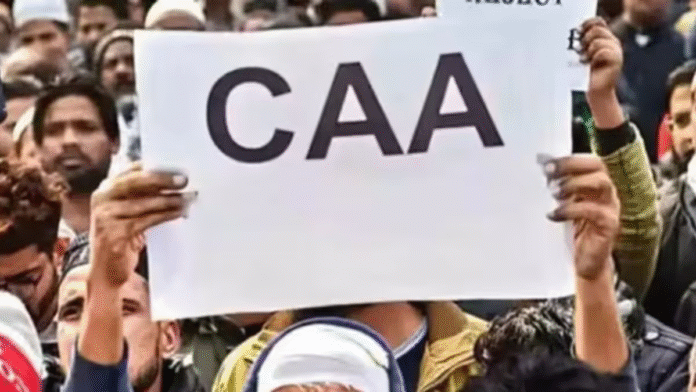
In a landmark development in the implementation of the Citizenship Amendment Act (CAA), a 60-year-old woman from Assam’s Cachar district has become the first person in the state to officially receive Indian citizenship under the law.

Dipali Das, a resident of Hawaithang in the Dholai block, was granted her citizenship certificate on March 6, bringing an end to years of legal uncertainty surrounding her nationality. Her case has become a significant example of how the Citizenship Amendment Act is being applied in Assam to resolve long-standing citizenship disputes.

Migration From Bangladesh and the Beginning of a Citizenship Dispute

Dipali Das reportedly migrated to India from Bangladesh along with her husband on February 7, 1988, citing persecution as the reason for leaving their home country. The couple settled in the Cachar district of Assam and began rebuilding their lives there.

For years, the family lived quietly in the region. However, the absence of official documentation proving Indian citizenship eventually brought her under government scrutiny.

In 2013, authorities launched an investigation into her nationality. A police chargesheet concluded that she had entered India after March 1971, the cut-off date linked to citizenship verification in Assam. As a result, she was categorized as a suspected foreign national, initiating a lengthy legal process regarding her citizenship status.

Detention in Silchar and Release During the COVID-19 Pandemic

In 2019, Dipali Das was formally declared a foreigner and was placed in a detention centre in Silchar. She spent nearly two years in detention while the legal dispute over her citizenship continued.

Her situation changed in April 2020 when the Supreme Court of India ordered the release of declared foreigners who had spent more than two years in detention. The directive was issued to reduce overcrowding in detention centres during the COVID-19 pandemic.

Following this order, Dipali Das was released on bail. Despite gaining freedom from detention, uncertainty regarding her citizenship status persisted.

Legal Assistance and Application Under the Citizenship Amendment Act

After her release, Dipali Das received help from social worker Kamal Chakraborty, who connected her with advocate Dharmananda Deb.

The lawyer assisted her in filing a citizenship application under the Citizenship Amendment Act.

Interestingly, the earlier police chargesheet that identified her as having migrated from Bangladesh became important supporting evidence for the application under the CAA framework.

After completing the legal process, authorities approved her application and issued an official Indian citizenship certificate on March 6, formally recognizing her as an Indian citizen.

Key Facts About the Citizenship Amendment Act (CAA)

  • The Citizenship Amendment Act was passed by the Indian Parliament in December 2019.
  • It provides a pathway to Indian citizenship for persecuted minorities from Pakistan, Bangladesh, and Afghanistan.
  • Eligible communities include Hindus, Sikhs, Buddhists, Jains, Parsis, and Christians.
  • Applicants must have entered India before December 31, 2014.
  • Assam has long experienced citizenship disputes related to migration and the National Register of Citizens verification process.

Relief for the Family After Years of Legal Struggle

Dipali Das and her husband have six children—one son and five daughters—many of whom have built their lives in India.

  • Their eldest son runs a small business in the Dholai area.
  • Four daughters work in Bengaluru, pursuing employment opportunities.
  • The youngest daughter recently married and continues to live in Cachar.

Receiving the citizenship certificate has brought immense relief to the family. It not only resolves Dipali Das’s legal identity but also helps protect the future citizenship status of her children, most of whom were born and raised in India.

Conclusion: A Milestone in CAA Implementation in Assam

Dipali Das’s case marks an important milestone in the practical implementation of the Citizenship Amendment Act in Assam. After decades of uncertainty, legal battles, and detention, the issuance of her citizenship certificate demonstrates how the CAA is being used to resolve complex citizenship disputes involving migrants who sought refuge in India.

For many families facing similar uncertainties, this development may represent a significant precedent and a step toward clarity in citizenship verification processes in Assam.

IPL 2026 to Begin on March 28: Schedule Likely to Be Split Due to State Elections

0

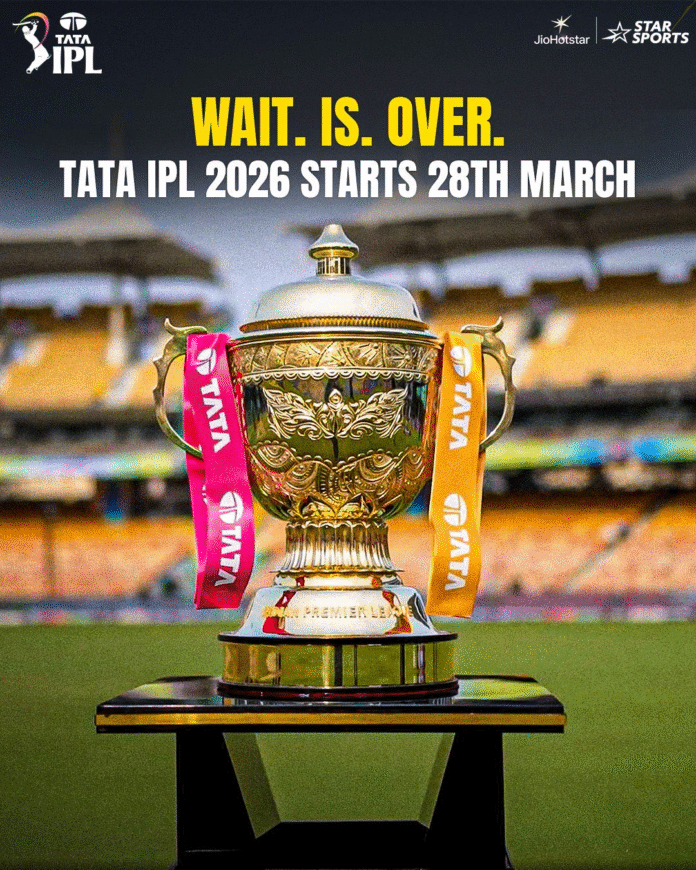
The Indian Premier League 2026 season will officially begin on March 28, according to an announcement by broadcaster Star Sports on Sunday. The announcement came just ahead of the ICC Men’s T20 World Cup Final 2026 between India national cricket team and New Zealand national cricket team at the Narendra Modi Stadium in Ahmedabad.

Originally, the IPL was scheduled to start on March 26, but the Board of Control for Cricket in India (BCCI) revised the date due to assembly elections in five states and union territories—Tamil Nadu, Kerala, Assam, West Bengal, and Puducherry. The complete schedule of the tournament is yet to be released.

IPL 2026 Schedule May Be Released in Two Phases

Because elections will take place during the tournament period, the BCCI is expected to release the IPL schedule in two phases, a practice followed in the past when elections coincided with the league.

Since the IPL began in 2008, the schedule has been split during election years such as 2009, 2014, 2019, and 2024, when either general elections or state polls required logistical adjustments and security planning.

Key IPL Venues in Election States

Three major stadiums located in poll-bound states are part of the IPL venue list this year:

  • MA Chidambaram Stadium (Chepauk) in Chennai, home ground of Chennai Super Kings
  • Eden Gardens in Kolkata, home ground of Kolkata Knight Riders
  • Barsapara Cricket Stadium in Guwahati, which serves as the second home venue of the Rajasthan Royals

Security arrangements and election-related restrictions in these states are the main reason behind the schedule adjustments.

Opening and Final Matches to Be Played in Bengaluru

The opening match and the IPL 2026 final will be played at the M. Chinnaswamy Stadium in Bengaluru.

According to Karnataka State Cricket Association (KSCA) Secretary Santosh Menon, the defending champions Royal Challengers Bengaluru will host their five home matches at the Chinnaswamy Stadium.

The franchise will play its remaining two home matches at the Shaheed Veer Narayan Singh International Cricket Stadium in Raipur, Chhattisgarh.

RCB Enter IPL 2026 as Defending Champions

In the IPL 2025 Final, Royal Challengers Bengaluru defeated Punjab Kings by six runs at the Narendra Modi Stadium in Ahmedabad, claiming the title.

Traditionally, the IPL opening match, Qualifier 2, and the final are held at the home venue of the defending champions. Last season, the opening match took place at Eden Gardens, the home ground of the 2024 champions Kolkata Knight Riders. Following the same tradition, this year’s marquee matches will be staged in Bengaluru.

IPL 2026 Season Window

During the IPL auction held in Abu Dhabi in December 2025, the BCCI had informed franchises that the 2026 season would run from March 26 to May 31. With the revised start date now expected to be March 28, the final is still likely to remain on May 31, which falls on a Sunday—a preferred day for major sporting finals.

The full IPL 2026 schedule, match fixtures, and venues are expected to be announced soon by the BCCI.