Home Blog Page 466

India now has its very own Pikachu: Pokémon GO debuts Pikachu wearing a saree for Diwali

0

Vaidehi Bhargava

Pokémon GO has embraced India’s rich cultural heritage with a special event featuring Pikachu in traditional Indian attire. As part of the 2024 “Festival of Lights” event, a female Pikachu wearing a saree made its debut in India, adding a festive touch to the game. This unique costume was revealed during an event in Mumbai, highlighting the blending of Pokémon’s charm with Indian traditions. A male Pikachu, dressed in a navy blue kurta, was also introduced, symbolizing this localization effort to connect with Indian players.

This initiative is part of Niantic’s “Pokémon Festivities” campaign, aimed at celebrating the cultural diversity of its global player base, with a focus on Indian traditions. In addition to the Pikachu costumes, Pokémon GO also added Hindi language support in September 2023, making the game more accessible and inclusive to players across India.

The celebration doesn’t end there. A special in-person event is planned in Bengaluru on November 3, 2024, at Phoenix Marketcity, where fans can interact with Pikachu in its saree attire, along with other surprises and giveaways. Moreover, players participating in the event can enjoy enhanced bonuses like double Stardust and XP, and exclusive encounters with Pokémon using incense during the event window.

Additionally, Bollywood stars Genelia and Riteish Deshmukh were named as the brand ambassadors for Pokémon GO in India. Both are enthusiastic gamers, with Genelia expressing her excitement about the game’s cultural connection, especially with Pikachu in a saree, which she mentioned is a favorite among her children.

This campaign demonstrates Niantic’s commitment to connecting with Indian audiences by blending technology, gaming, and cultural heritage in a way that resonates with local players.

New Snake Species Named After Leonardo DiCaprio Discovered in the Western Himalayas

0

In a remarkable find, a new snake species has been identified in the Western Himalayas. Named Anguiculus dicaprioi, the species pays homage to Hollywood actor and environmental activist Leonardo DiCaprio for his relentless commitment to wildlife conservation. The naming of the species after DiCaprio symbolizes a meaningful connection between global conservation efforts and the region’s rich biodiversity.

Species Classification

Anguiculus dicaprioi is part of the Colubridae family, the largest snake family worldwide. This family includes 304 genera and 1,938 species, accounting for nearly two-thirds of all living snake species. The genus name Anguiculus translates to ‘small snake’ in Latin, reflecting the modest size of this newly discovered species.

Common Names and Distribution

Researchers have proposed the common name ‘DiCaprio’s Himalayan Snake’ for Anguiculus dicaprioi, underscoring the actor’s contribution to environmental advocacy. Found in the Western Himalayas, the species has been recorded in several locations:

  • Chamba, Kullu, and Shimla in Himachal Pradesh, India
  • Nainital in Uttarakhand, India
  • Chitwan National Park in Nepal

This snake inhabits the temperate regions of the Himalayas, where its presence adds to the unique biodiversity of the area.

Physical Characteristics

Described as having a robust and complete skull, Anguiculus dicaprioi demonstrates docile behavior. Observations show that these snakes prefer basking in the sun, remaining still when approached. They exhibit no signs of aggression, even when handled.

First specimens were collected in June 2020, with additional sightings from July to September of that year. No further encounters have been reported outside of this seasonal window, suggesting a specific active period for the species.

Biodiversity Insights

This discovery highlights the distinct biodiversity of the Western Himalayas, which has been less studied compared to the eastern region. The findings underscore the importance of further research in the area to uncover hidden species and understand the region’s ecological balance. Researchers emphasize that an integrated taxonomic approach, examining a broad range of species, is essential to fully document and conserve this biodiversity.

Conservation Significance

Naming this species after Leonardo DiCaprio is a nod to his significant contributions to global conservation efforts. DiCaprio has been a powerful advocate for addressing climate change, biodiversity loss, and environmental degradation. His philanthropic efforts have supported numerous conservation projects and research initiatives aimed at preserving endangered species and ecosystems worldwide.

The discovery of Anguiculus dicaprioi in the Western Himalayas serves as a reminder of the importance of conservation work, not only to protect known species but also to discover and safeguard those that remain hidden. As the effects of climate change and habitat loss threaten wildlife globally, studies like this one are vital to documenting and preserving Earth’s remaining biodiversity.

In conclusion, the identification of Anguiculus dicaprioi adds a new chapter to the understanding of the Western Himalayas’ ecological diversity. The species serves as both a scientific milestone and a tribute to the ongoing efforts to protect the planet’s natural heritage, with DiCaprio’s name forever linked to this unique part of the natural world.

India’s Mission Mausam: A Bold Step Towards Weather Modification

0

In September 2024, the Government of India launched Mission Mausam, an ambitious initiative aimed at revolutionizing the country’s weather forecasting capabilities and managing specific weather events. The mission’s goal is not only to improve predictions of rainfall, hail, and fog but also, in later stages, to mitigate lightning strikes. This initiative reflects India’s growing commitment to tackling the challenges posed by increasingly erratic weather patterns, particularly in the context of climate change.

The Role of Cloud Physics in Weather Modification

At the heart of Mission Mausam is the field of cloud physics, the study of how clouds form, evolve, and behave under varying atmospheric conditions. Understanding cloud dynamics is crucial for effective weather modification. By enhancing cloud physics research, India hopes to manipulate weather patterns more accurately and improve outcomes in terms of rain distribution, hail suppression, and fog dispersion.

To support this endeavor, the Indian government is investing in a cutting-edge cloud chamber at the Indian Institute of Tropical Meteorology (IITM) in Pune. This unique facility will provide scientists with a controlled environment in which to study cloud behavior, particularly in relation to the Indian monsoon system.

What is a Cloud Chamber?

A cloud chamber is a specialized, closed structure designed to simulate cloud formation by injecting water vapor and aerosols into a controlled atmosphere. Under specific humidity and temperature conditions, clouds develop inside the chamber, allowing researchers to observe how rain droplets and ice particles form. The Pune cloud chamber will be particularly advanced, featuring convection properties that make it well-suited for studying the complex monsoon clouds that are unique to India.

Features of the Pune Cloud Chamber

Unlike standard cloud chambers found in many other countries, the Pune facility will focus on convective cloud formation, a critical feature for understanding the behavior of monsoon clouds. Only a few such facilities exist globally, placing India at the forefront of weather research. The chamber will be equipped to simulate extreme weather conditions, allowing scientists to study cloud interactions during events like cyclones, a major concern for the Indian subcontinent.

Objectives of the Convective Cloud Chamber

The primary goal of this facility is to deepen the understanding of how clouds behave under normal and extreme weather conditions. Researchers will focus on studying the formation of rain droplets, the development of ice particles, and the impact of cyclonic moisture on atmospheric processes. These studies will provide invaluable insights into weather modification strategies and help improve the accuracy of weather predictions, particularly during the unpredictable monsoon season.

Planned Research Activities

Scientists at the IITM will conduct various experiments by adjusting the temperature, humidity, and convective conditions inside the cloud chamber to simulate different weather scenarios. By doing so, they can test new hypotheses and techniques for weather modification. Thara Prabhakaran, a senior scientist at IITM, emphasized the importance of this controlled environment, which will allow for innovative research that could have far-reaching implications for weather management across India.

Development Timeline

The development of the convective cloud chamber will unfold over the next 18-24 months. During this period, scientists will focus on building advanced instruments and probes to monitor the environmental conditions inside the chamber. Construction of the facility is expected to begin soon, marking a significant milestone in India’s quest for improved weather management.

India’s Experience with Cloud Seeding

India has already conducted cloud seeding experiments through its Cloud Aerosol Interaction and Precipitation Enhancement Experiment (CAIPEEX), which lasted over a decade and went through four phases. These experiments were designed to test whether cloud seeding could enhance rainfall, a vital concern for the country’s agriculture-dependent economy.

In the final phase of CAIPEEX, experiments conducted in Maharashtra’s Solapur district yielded promising results. In some areas, cloud seeding enhanced rainfall by up to 46%, with an average increase of 18% over a 100-square-kilometer area downwind of the seeding location. This success demonstrated the potential of cloud seeding as a tool for improving rain distribution in drought-prone regions.

Limitations of Cloud Seeding

Despite these positive outcomes, cloud seeding is not a comprehensive solution to India’s weather challenges. Its effectiveness is limited by several factors, including atmospheric conditions and the availability of suitable clouds for seeding. As a result, it cannot be relied upon solely to address the country’s complex weather patterns, especially during the monsoon season.

The Future of Weather Modification in India

Mission Mausam and the establishment of the convective cloud chamber represent a significant step forward in India’s approach to weather modification. These advancements have the potential to transform how the country manages weather events, offering new tools for mitigating the impacts of droughts, floods, hailstorms, and other extreme conditions. As the research progresses, India could become a global leader in the field of weather modification, contributing valuable knowledge to the international scientific community.

In conclusion, with Mission Mausam, India is taking a proactive approach to mastering its climate. By investing in advanced research facilities like the Pune cloud chamber, the country is positioning itself to better understand and control its weather, leading to more reliable forecasts and potentially life-saving interventions in the future.


Diamond Dust Proposed as Geoengineering Solution for Global Warming

0

In a novel approach to combating global warming, a recent study published in Geophysical Research Letters suggests that diamond dust could be a highly effective material for Solar Radiation Management (SRM). The research compared the efficiency of seven different compounds in reflecting solar radiation, and diamonds emerged as the top performer. The study proposes deploying five million tonnes of diamond dust annually into the upper atmosphere to achieve a significant global temperature reduction of 1.6 degrees Celsius.

Understanding Geoengineering

Geoengineering involves large-scale interventions in the Earth’s climate system, with the primary goal of counteracting the effects of global warming. It is divided into two main strategies: Solar Radiation Management (SRM) and Carbon Dioxide Removal (CDR). SRM focuses on reflecting a portion of the sun’s radiation away from the Earth, thereby lowering global temperatures, while CDR aims to remove carbon dioxide from the atmosphere, tackling the root cause of warming.

Solar Radiation Management (SRM) Explained

SRM is one of the most promising areas in geoengineering. The concept involves deploying reflective materials into the atmosphere or space to reduce the amount of sunlight that reaches the Earth’s surface. This idea is inspired by natural phenomena such as volcanic eruptions. For example, when Mount Pinatubo erupted in 1991, it released large quantities of sulphur dioxide into the atmosphere. The resulting particles reflected sunlight and temporarily lowered global temperatures by 0.5 degrees Celsius.

However, SRM proposals typically explore different compounds to achieve this effect. Diamonds, as the new study shows, have now emerged as a promising alternative to more traditional SRM materials like sulphur.

Why Diamonds?

Previous studies have examined a variety of materials for SRM, such as sulphur, calcium, and sodium chloride, each with its strengths and limitations. Diamonds, though, stand out due to their unique properties. They have a high reflectivity and are durable, meaning they could stay suspended in the upper atmosphere longer than other particles, maximizing their effectiveness in reflecting solar radiation. Additionally, diamonds are chemically stable, reducing the risk of unintended environmental side effects, which has been a concern with some other SRM materials.

The study suggests that the deployment of diamond dust, although ambitious, could make a significant dent in global temperatures, presenting a potential tool in the fight against climate change.

Carbon Dioxide Removal (CDR) Technologies

While SRM focuses on reducing the amount of sunlight that warms the Earth, Carbon Dioxide Removal (CDR) technologies aim to remove CO2 from the atmosphere, addressing the primary cause of global warming. These include methods like Carbon Capture and Sequestration (CCS), which involves capturing CO2 emissions from industrial sources and storing them underground, and Direct Air Capture (DAC), which extracts CO2 directly from the atmosphere. Another variation, Carbon Capture and Utilisation (CCU), repurposes captured CO2 for industrial processes.

However, CDR faces significant challenges, particularly in scalability and cost-effectiveness. While these technologies are essential for reducing atmospheric CO2 levels, they cannot entirely meet climate goals without the help of additional strategies like SRM.

Challenges with Carbon Capture

CCS technologies, though beneficial, are not without limitations. Studies indicate that relying too heavily on CCS could prove impractical and excessively expensive. The estimated cost of achieving global climate targets primarily through CCS could exceed US$30 trillion—significantly more than the cost of focusing on renewable energy solutions. Furthermore, the availability of safe storage sites for captured CO2 is becoming increasingly difficult, raising concerns about the long-term feasibility of CCS.

The Future of Geoengineering

Despite the hurdles, geoengineering remains a vital area of exploration in the ongoing battle against climate change. The impacts of global warming are already visible, making the need for innovative solutions like SRM and CDR even more urgent. The scientific community recognizes that meeting global climate targets will likely require some combination of these technologies. While SRM techniques such as the use of diamond dust show great potential, they also warrant careful consideration regarding their environmental and ethical implications.

In conclusion, as the climate crisis deepens, the exploration of geoengineering solutions like SRM and CDR is critical. The proposal to use diamond dust as an SRM material offers a glimpse into a potential future method of slowing global warming, but its feasibility and risks will need to be weighed carefully before any large-scale implementation. As research in this field continues, geoengineering could become a crucial component of humanity’s response to climate change.

Study Reveals Brain Network Changes Linked to Depression

0

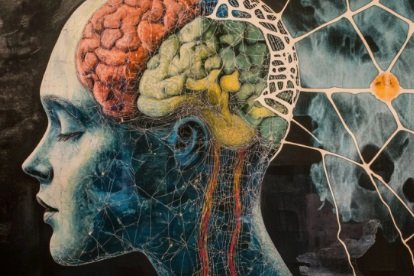
A groundbreaking study published in Nature has revealed that depression causes changes in brain communication patterns, even when individuals are not currently experiencing symptoms. Using functional magnetic resonance imaging (fMRI), researchers identified significant alterations in a key brain network linked to motivation and attention. This discovery could not only deepen our understanding of depression but also help predict future mental health risks.

The Role of the Salience Network

At the heart of these findings is the salience network, a critical brain system responsible for processing stimuli and regulating emotional responses. In individuals with depression, the study found that this network is expanded compared to healthy controls, suggesting that its enlargement may be a vulnerability factor for developing depression later in life. This network helps the brain determine what is relevant and how to respond emotionally, so changes in its structure could play a significant role in mental health.

Study Overview and Key Findings

The research involved 141 participants diagnosed with depression and 37 without. The researchers focused on how different brain regions communicate with one another, specifically zeroing in on the frontostriatal salience network. In participants with depression, this network was notably larger. This is particularly important because the frontostriatal salience network is involved in regulating emotional and cognitive processes, which directly impact mental health conditions like depression and anxiety.

Predicting Future Depression

One of the study’s most significant findings is the predictive power of the salience network’s expansion. Children as young as 10-12 who later developed depression already showed signs of an enlarged salience network. This suggests that the structural changes in the brain could precede the appearance of clinical symptoms, providing a possible early warning system for those at risk of developing depression. The study demonstrates that these alterations in brain communication patterns may offer a way to identify individuals vulnerable to mental health challenges before symptoms manifest.

Correlation with Symptoms

The researchers found that the strength of the salience network was correlated with specific depression symptoms, particularly those related to the loss of pleasure and motivation—two hallmark symptoms of depressive disorders. However, the study did not find direct links between the network changes and psychological experiences or negative thoughts. Instead, the salience network’s remapping serves more as a risk indicator, which could aid in identifying future mental health challenges before they fully develop.

Brain Network Remapping and Its Impact

Interestingly, the study discovered that the salience network expands into regions not typically associated with depression, particularly those involved in effort-related decision-making. This finding aligns with the common struggle that individuals with depression face in completing tasks that require effort or motivation. The remapping of brain networks suggests that depression could influence a broader range of cognitive functions than previously thought.

The Role of Exercise in Depression

An unexpected implication of the study points to the potential benefits of exercise on brain health. Researchers suggest that exercise, known for its positive impact on mental health, might work by influencing the brain regions related to effort-based decision-making. Regular physical activity could help modify brain activity, offering a non-pharmaceutical intervention for managing depressive symptoms.

Potential Biomarker for Depression

The consistent enlargement of the salience network presents the possibility of it becoming a biomarker for depression. A biomarker is a measurable indicator of a disease, much like a blood test for certain illnesses. If further validated, the size of the salience network could offer a reliable method for identifying depression risk, which would be a major step forward in mental health diagnosis and treatment.

Scientific Skepticism and Complexity

While the study’s findings are promising, not all experts are convinced that the salience network can serve as a universal biomarker for depression. Jonathan Roiser, a prominent researcher in the field, argues that depression is not a single, uniform condition and may not have a one-size-fits-all marker. He likens depression to an outdated medical term like “dropsy,” which was used to describe a range of conditions with similar symptoms but different underlying causes. In the same way, depressive symptoms could be the result of multiple, complex brain circuits working together in ways that are not fully understood.

Roiser believes that understanding depression will require a more nuanced view of how different brain networks interact. Rather than searching for a single cause, researchers may need to consider how diverse brain circuits contribute to the experience of depressive symptoms.

Summing Up

This study sheds new light on how depression can alter brain communication patterns, even before symptoms are apparent. The expansion of the salience network offers promising avenues for early diagnosis and intervention. However, as with many areas of neuroscience, the path forward is complicated, requiring further research to fully understand the brain’s role in depression. While the salience network may offer insights into vulnerability, the search for a definitive biomarker remains an ongoing and challenging quest.

What is the Shadow Fleet?

0

The term “shadow fleet” has recently surfaced in discussions about the Russia-Ukraine conflict, particularly in reference to tanker ships transporting Russian crude oil to various countries, often bypassing international sanctions. As Western nations attempt to curb Russia’s oil revenue through sanctions, the shadow fleet has emerged as a key player in helping Russia continue its exports. India has been named as a significant hub for these operations, raising concerns about its involvement in what some are calling the laundering of Russian oil.

Understanding Sanctions

Sanctions are a tool used by governments to restrict trade and financial transactions with specific nations, often as a form of economic or political pressure. In response to the Russia-Ukraine war, the U.S. and its allies have imposed stringent sanctions on Russia, especially targeting its oil exports. One key measure is a price cap that limits Russia’s ability to sell oil at more than $60 per barrel. However, global market prices often exceed this cap, enabling Russia to sell its oil at higher prices, thereby undermining the effectiveness of the sanctions and generating additional revenue.

The Global Shipping Structure

The complexity of the global shipping industry makes enforcing these sanctions particularly difficult. Greek ship owners dominate the shipping sector, controlling around 20% of the global fleet. China, which has recently overtaken Japan in terms of ship ownership, also plays a major role. Meanwhile, most vessels are constructed in China, Japan, and South Korea.

While shipbuilding and ownership are largely concentrated in these regions, marine insurance and regulatory oversight are centered in Europe, particularly in the U.K. This fragmented structure complicates the enforcement of sanctions, as ships often operate under different national jurisdictions and legal frameworks.

Flag States and Evasion Tactics

Ships are typically registered under a “flag state,” which signifies their country of origin. However, to avoid the scrutiny that comes with sanctions, many vessels engaged in transporting Russian oil are switching their flags. Ships may opt for so-called “Flags of Convenience” (FoCs), such as those from Panama or Liberia, which allow ship owners to obscure their identities and evade strict regulatory checks. This practice makes it exceedingly difficult for authorities to trace the true ownership of vessels and enforce sanctions effectively.

The Role of Marine Insurance

Marine insurance is critical to the operation of ships, covering risks such as loss or damage at sea. Most of this insurance is provided by Protection and Indemnity (P&I) clubs, which pool risks among members and are largely based in London. Ships that are found breaching sanctions may lose their P&I coverage, jeopardizing their ability to continue operations.

To avoid this, some shipowners engage in creative management practices. For example, a Turkish vessel transporting Russian oil might switch to a European management company to retain its P&I coverage while continuing the same activities. This tactic allows the ship to bypass sanctions by operating under a different management structure, even if the ownership remains unchanged.

Shell Companies and Complex Ownership

Another layer of complexity in sanction enforcement stems from the use of shell companies. Many shipowners register their vessels under these entities, which often own only one or two ships. This strategy makes it nearly impossible to identify the actual owner of the ships. Additionally, some vessels are registered in jurisdictions with limited regulatory oversight, such as Eswatini, which has recently emerged as a new Flag of Convenience.

India’s Role in the Shadow Fleet

India’s involvement in the shadow fleet has raised eyebrows. Following the imposition of sanctions on Russia, several Russian ships formed partnerships with Indian firms. Many of these ships shifted their operations to Dubai, a hub where Indian shipping companies maintain a strong presence. The Indian Register of Shipping (IRS) has reported an increase in vessel certifications, adding to suspicions that India may be facilitating the operations of the shadow fleet.

Challenges in Enforcing Sanctions

Experts have pointed out the inherent difficulties in enforcing sanctions on Russian oil. The global shipping industry is an intricate web of ownership structures, flag-switching, and management changes, making it hard to trace compliance. Additionally, there is concern about the potential ripple effects that strict enforcement of these sanctions could have on the global economy, particularly in terms of rising oil prices and supply chain disruptions.

U.K.’s Response

The U.K. has taken limited steps to penalize companies that are violating the price cap on Russian oil. Reports indicate that only mild measures have been enforced against 35 companies. This cautious approach reflects the tension between the need for regulatory compliance and the potential economic impact on U.K. businesses, as stricter actions could hurt the country’s maritime and insurance sectors.

Summing Up

The shadow fleet represents a complex challenge in the global effort to enforce sanctions on Russia. With its intricate shipping networks, flag-switching practices, and shell companies, this fleet allows Russian oil to continue flowing to international markets, often in defiance of price caps and other restrictions. India’s potential involvement, coupled with the difficulties in tracking ownership and enforcing sanctions, highlights the broader issues facing the global community as it seeks to pressure Russia while avoiding economic disruption. As this situation continues to evolve, greater international cooperation and stricter oversight will be essential in tackling the growing influence of the shadow fleet.

Rise of Lawrence Bishnoi As Notorious Criminal: Know His Infamous Rivalry with Salman Khan…

0

Vaidehi Bhargava

Lawrence Bishnoi, a name that has become synonymous with fear and controversy in India, is one of the most infamous gangsters in recent history. His life, riddled with crime and a growing list of charges, traces back to his early days in Punjab. Bishnoi is not just notorious for his involvement in organized crime but also for the threats he issued to one of Bollywood’s biggest superstars, Salman Khan.

Born in 1992 in the Ferozepur district of Punjab, Lawrence Bishnoi hailed from a well-off family belonging to the Bishnoi community, which is known for its commitment to the environment and wildlife preservation. Ironically, Bishnoi’s descent into the world of crime would eventually lead him to develop a reputation for ruthlessness, a stark contrast to the peaceful nature of his community.

His criminal activities began during his college days when he became involved in student politics. Bishnoi attended Chandigarh University, where he was drawn into campus politics, eventually joining the Students Organisation of Panjab University (SOPU). It was here that Bishnoi first encountered the underworld, and his involvement in local disputes marked the beginning of his association with crime.

Bishnoi’s influence grew rapidly as he climbed the ranks of organized crime. Initially, his operations were limited to Punjab, but his network soon expanded to Delhi, Haryana, and Rajasthan. Over the years, Bishnoi was implicated in numerous criminal activities, including extortion, robbery, and murder. His gang, known for its violent methods, would extort money from businessmen, celebrities, and politicians.

His arrest in 2017 under the Maharashtra Control of Organised Crime Act (MCOCA) did little to curb his influence. Even from behind bars, Bishnoi was able to direct his gang’s operations. His name was linked to multiple high-profile cases, including the murder of Punjabi singer Sidhu Moose Wala in 2022, which escalated his notoriety across the country.

One of the most shocking moments in Bishnoi’s criminal career came when he publicly threatened Salman Khan, one of India’s most beloved film stars. The origins of the rivalry date back to 1998, when Khan was involved in a blackbuck poaching case during the filming of Hum Saath-Saath Hain. The blackbuck is a sacred animal to the Bishnoi community, and Bishnoi took this offense personally.

In 2018, while in jail, Bishnoi declared that he would kill Salman Khan. This threat was not taken lightly. Bishnoi’s gang member, Sampat Nehra, even attempted to execute the plan but was apprehended before he could carry it out. The Bollywood star was provided with enhanced security following these developments. The rivalry between Bishnoi and Salman Khan became a national headline, with reports suggesting that Bishnoi’s gang continued to monitor Khan’s movements and plan attacks.

Lawrence Bishnoi’s criminal empire has been under constant scrutiny by law enforcement agencies. Despite multiple arrests and being incarcerated in various jails, Bishnoi continues to be a powerful figure in the criminal underworld. His gang is still active, with many of its operations coordinated remotely. As of 2024, he is implicated in over 30 cases, including murder, extortion, and arms smuggling.


The murder of Sidhu Moose Wala was a significant development in Bishnoi’s criminal trajectory. Moose Wala, a prominent Punjabi singer, was gunned down in May 2022, and the police investigation quickly revealed the involvement of Bishnoi’s gang. While Bishnoi denied direct involvement, his gang’s connection to the murder was undeniable, bringing immense public and media attention to his criminal activities.


Lawrence Bishnoi’s journey from a student leader to one of India’s most feared criminals is a grim reflection of how crime can also make you rise the echelons across different genres. His rivalry with Salman Khan, rooted in cultural and personal vendetta, has added a layer of infamy to his criminal image. Today, Bishnoi’s criminal network remains a challenge for law enforcement, as he continues to wield power from behind prison walls. His story is a testament to the complexities of the criminal underworld, where power and violence reign supreme.

Wetlands Vital in Global Biodiversity Strategies

0

As the UN Biodiversity Conference unfolds in Cali, Colombia, the spotlight is on wetlands, thanks to a recent assessment by 35 Percent Ltd, commissioned by Wetlands International. This report underscores the crucial role that wetlands play in National Biodiversity Strategies and Action Plans (NBSAPs), a framework countries use to meet the Kunming-Montreal Global Biodiversity Framework (KMGBF) targets. The findings serve as a timely reminder of the significance of wetlands in the global effort to protect and restore biodiversity.

The Importance of Wetlands

Wetlands are among the planet’s most vital ecosystems. They perform a wide range of ecological services, including:

  • Water quality enhancement: Wetlands naturally filter pollutants, improving both surface and groundwater quality.
  • Wildlife habitats: They provide critical habitats for many species, supporting approximately 40 percent of the world’s biodiversity.
  • Floodwater storage: Wetlands act as natural sponges, storing excess water during floods and preventing downstream flooding.
  • Surface water flow maintenance: During dry periods, wetlands maintain water flow, ensuring ecosystems remain resilient.

However, despite their ecological importance, wetlands are disappearing faster than any other ecosystem. This rapid loss threatens not only the species that depend on them but also global efforts to maintain biodiversity.

Wetlands in National Biodiversity Strategies

In its report titled Assessing the Inclusion of Wetlands in NBSAPs, Wetlands International evaluated how well wetlands are represented in these plans. The assessment reviewed 24 NBSAPs from a diverse group of 196 countries participating in the Convention on Biodiversity. Most submissions came from Europe, with notable contributions from Asia, Africa, North America, Latin America, the Caribbean, and Oceania.

Key Findings:

The report revealed encouraging trends but also highlighted critical gaps in the inclusion of wetlands in biodiversity planning:

  • 83 percent of the NBSAPs explicitly mention wetlands, inland waters, or freshwater.
  • 100 percent of submissions from Africa and Oceania included wetlands as a key focus.
  • Over 90 percent of European nations made specific references to wetlands.

Wetlands are increasingly featured under critical targets linked to the KMGBF. Specifically, 71 percent of NBSAPs outlined measures for wetland restoration under Target 2, and 50 percent included protections for wetlands under Target 3.

While these mentions are a step in the right direction, many plans lack the specific, measurable targets needed for effective conservation and restoration.

Addressing Specific Wetland Types

The report also looked at the mention of specific wetland types. Sixteen NBSAPs referred to wetlands such as mangroves, rivers, lakes, and peatlands. Mangroves and rivers were the most frequently mentioned due to their significance in climate regulation and biodiversity.

However, major wetland areas like the Amazon River Basin and Hudson Bay Lowland—which are globally critical for biodiversity and climate regulation—were notably underrepresented in national strategies. The absence of these important ecosystems is alarming, given the role they play in regulating the global climate and supporting unique biodiversity.

The Way Forward: Integrating Wetlands into Biodiversity Goals

The report concludes that while many nations recognize the importance of wetlands, there is an urgent need to better integrate these ecosystems into national biodiversity targets. Specific, measurable goals for wetland restoration and protection must be established. This approach will ensure that these ecosystems are preserved for future generations and that they continue to provide essential services to nature and humanity.

As COP16 approaches, countries are being called upon to take bold and decisive action. Wetlands are integral to the success of global biodiversity efforts. Properly valuing and conserving them will be key to meeting the goals of the Kunming-Montreal Global Biodiversity Framework, benefiting both ecosystems and the millions of people who rely on wetlands for their livelihoods and well-being.

This assessment serves as a powerful wake-up call. To secure a sustainable future for biodiversity, wetlands must become a central component of every nation’s conservation strategy. The path forward demands stronger commitments, targeted action, and international cooperation to protect these irreplaceable ecosystems.

Arijit Singh Announces Five-City India Tour: Bengaluru, Hyderabad Tickets on Sale Now

0

Vaidehi Bhargava

Attending an Arijit Singh concert is no longer a distant dream for fans across India and beyond. The beloved playback singer, known for his soulful voice and chart-topping hits like “Tum Hi Ho,” “Kesariya,” and “Apna Bana Le,” is set to embark on an exciting multi-city tour starting in November 2024. This marks his return to the live concert scene after a two-year break, with performances across major cities in India, including Patna, where he will perform on January 27, 2024.

For international fans, Arijit is also set to perform in Malaysia at the Axiata Arena, Kuala Lumpur, on November 16, 2024, offering an opportunity for his global audience to experience his mesmerizing voice live.

The upcoming tour, organized by Insider and Fever Live, promises to deliver an unforgettable experience, featuring his greatest hits in a grand production designed to captivate fans of all ages. Tickets are in high demand, and pre-sale registrations are open, allowing fans to stay updated about ticket releases.

Arijit’s concerts are more than just performances—they are emotional journeys, where fans sing along to their favorite tracks, often overwhelmed by his heart-touching renditions. Whether you’re drawn to his romantic ballads or upbeat numbers, his concerts create a magical atmosphere that resonates with audiences, making every show an unforgettable event.

With these upcoming dates, attending an Arijit Singh concert has become a thrilling reality for millions of fans, so mark your calendars and prepare for a musical night like no other.

Welcome to the Future: A Hotel full of Robots Henn na Hotel, Tokyo Ginza

0

Vaidehi Bhargava

Welcome to the future at Henn na Hotel, located in the bustling heart of Tokyo’s Ginza district. This cutting-edge hotel is renowned for being the world’s first hotel staffed by robots. From check-in to room service, the entire experience feels like something straight out of a sci-fi movie, where technology takes center stage.

At the entrance, guests are greeted not by humans but by a duo of robots—a multilingual humanoid and a friendly dinosaur donning a bellboy hat. These robots are responsible for checking you in. Using facial recognition technology, they handle the formalities swiftly and efficiently, ensuring that the process is smooth, contactless, and somewhat futuristic. No need for key cards either—your face becomes your room key, making it feel like you’re stepping into a world where convenience reigns supreme.

Inside the hotel, the theme of automation continues. The rooms are designed with minimalistic, modern interiors equipped with the latest technology. A small, interactive robot named “Tapia” sits on the bedside table, acting as your personal assistant. Tapia can control room settings like lighting and temperature, offer recommendations for nearby attractions, and even have simple conversations with you in multiple languages. It’s like having a mini concierge right by your side, ready to make your stay more comfortable.

But the experience doesn’t stop at robots. The hotel is also eco-conscious, with energy-efficient systems in place to reduce its environmental footprint. Motion sensors control lights and heating, ensuring energy is only used when needed. This combination of sustainability and technology makes the hotel an appealing choice for eco-minded travelers.

Henn na Hotel has garnered attention for its novelty and innovative use of technology. People come not only for the convenience but also for the sheer excitement of experiencing a stay that feels like a glimpse into the future. The use of robots, especially in a hospitality setting, creates a fascinating contrast to the traditional warmth associated with human interactions. While some might miss the human touch, many visitors find the robotic staff charming, quirky, and efficient, especially for tasks that don’t necessarily require personal interaction.

The hotel’s location in Ginza further enhances the appeal. Situated in one of Tokyo’s most vibrant neighborhoods, known for luxury shopping, fine dining, and cultural landmarks, the hotel offers easy access to everything a traveler could want. After a day of exploring the buzzing streets of Tokyo, returning to a hotel where robots assist your every need feels like an adventure in itself.

In conclusion, a night at Henn na Hotel in Ginza is not just about having a place to stay; it’s an experience. It’s where the future of hospitality meets the present, blending technology, comfort, and fun into an unforgettable stay that’s sure to leave a lasting impression on guests from around the world.