Home Blog Page 467

Do you know about this unique cafe of Japan whose door only opens to people who smile..

0

Vaidehi Bhargava

A unique café in Japan has captured the attention of the internet with its unusual and creative idea – the door only opens when you smile! Located in the city of Osaka, this café uses facial recognition technology to check if a person is smiling before they are allowed inside. If the person smiles, the door unlocks, inviting them to enter. If not, it stays closed until they give a smile.

The idea behind this smile-activated door is to spread positivity and create a fun, light-hearted atmosphere. The café wants to encourage people to smile more, especially in today’s fast-paced world where many are often stressed or distracted. By requiring a smile at the entrance, it immediately sets a friendly tone for the café experience. The technology used for the door is simple but effective. A small camera is installed above the door, which scans the face of the person standing in front of it. If it detects a smile, it triggers the mechanism that opens the door.

People on the internet have been reacting positively to this quirky concept, with many saying it’s a cool and innovative way to start the café experience. Some have shared that even thinking about having to smile for the door makes them laugh, adding to the lightheartedness of the whole experience. Many comments online highlight how such small things can make a big difference in people’s moods, and some even suggested that more places should adopt this idea to encourage more positivity in public spaces.

However, not everyone is thrilled about the idea. Some have pointed out that forcing a smile might not feel comfortable for everyone. They argue that people should be allowed to express their feelings freely, without having to put on a smile just to enter a café. Others mentioned that it might be difficult for people who are having a bad day or those who are shy to use the café, which could make them feel excluded.

Despite some mixed feelings, most people agree that the concept is unique and thought-provoking. It certainly adds a playful twist to the typical café experience. This innovative idea aligns with Japan’s reputation for coming up with creative, technology-driven concepts that make daily life a bit more fun.

In the end, whether you think it’s a great idea or not, this smile-activated café door has certainly sparked conversations worldwide. It reminds us that sometimes, even a small action like smiling can brighten up our day—and maybe even someone else’s too!

Significance of National Ayurveda Day 2024

0

Vaidehi Bhargava

National Ayurveda Day, celebrated annually on Dhanvantari Jayanti (Dhanteras), symbolizes India’s ancient wisdom and the holistic science of life. This auspicious occasion, which typically falls two days before Diwali, honors Lord Dhanvantari, revered as the divine healer and the God of Ayurveda. His blessings are sought for health, wellness, and vitality, making this celebration a significant marker of India’s health philosophy.

Ayurveda, a Sanskrit term meaning “science of life,” has a history dating back over 5,000 years. It forms a cornerstone of India’s cultural and medicinal heritage. The practice goes beyond mere treatments; it encompasses a holistic way of living, emphasizing balance between mind, body, and spirit. In the ancient scriptures like the Atharvaveda and Charaka Samhita, Ayurveda is heralded as the key to long life and well-being, prescribing individualized regimens that consider one’s unique constitution, known as Prakriti.

National Ayurveda Day was first celebrated in 2016 by the Government of India, aiming to popularize and bring the significance of this ancient medical science to modern consciousness. This day serves not only as a tribute to the ancient Indian system of medicine but also highlights its growing relevance in contemporary healthcare. With the rising awareness of holistic health and natural remedies, Ayurveda has been embraced globally, with its principles integrated into wellness programs, yoga practices, and dietary routines worldwide.

The cultural aspect of National Ayurveda Day is deeply intertwined with India’s identity. In many households, traditional practices rooted in Ayurveda still hold sway. Simple customs like using turmeric in food for its anti-inflammatory properties, consuming Chyawanprash during winters to boost immunity, or applying bhringraj oil for healthy hair all reflect this ancient wisdom. The day is also marked by seminars, workshops, and health camps that promote Ayurvedic treatments for modern-day ailments like stress, lifestyle disorders, and chronic diseases.

One of the key facets of Ayurveda is the concept of the three doshas—Vata, Pitta, and Kapha. These elemental forces govern our bodily functions and mind. Ayurveda believes that the imbalance of these doshas is the root cause of disease, and restoration of harmony is the key to health. Remedies in Ayurveda are largely derived from nature—herbs, oils, minerals, and various formulations crafted through centuries of knowledge passed down from sage to sage.

On this day, practitioners and students of Ayurveda come together to reflect upon its timeless teachings. Rituals and offerings are made to Lord Dhanvantari, who is believed to have emerged during the Samudra Manthan (churning of the ocean) carrying the Amrita, the nectar of immortality. His image, holding a pot of elixir, remains a symbol of healing and life itself.

Thus, National Ayurveda Day is not just a commemoration but a revival—a reconnection to the rhythms of nature, a reaffirmation of the philosophy that health is wealth, and a deep bow to the age-old wisdom that continues to heal, restore, and rejuvenate the world.

Do you know the Interesting Connection Between Dhanteras, Dhanvantari and Ayurveda

0

Dhanteras, celebrated with great enthusiasm across India, is often associated with Goddess Lakshmi, the deity of wealth and prosperity. However, beyond the symbolic wealth and material gains, there lies a fascinating connection to the ancient science of Ayurveda. Many know Dhanteras as a day to usher in prosperity, but few are aware of the significant role that Lord Dhanvantari, the god of Ayurveda, plays in this festival. As we prepare to celebrate Dhanteras on 29th October 2024, it is interesting to explore how this ancient festival intertwines with the principles of Ayurveda.

The Mythological Roots of Dhanteras

In Hindu mythology, Dhanteras marks the day when Goddess Lakshmi emerged from the ocean of milk during the celestial event known as the Samudra Manthan (churning of the ocean). She appeared carrying a pot of gold, symbolizing wealth and prosperity. However, the same Samudra Manthan also brought forth Lord Dhanvantari, the divine physician, who emerged with a pot of the elixir of immortality, known as Amrita. This event symbolizes the profound connection between wealth and health, reinforcing the idea that prosperity is incomplete without well-being.

Dhanteras, also called Dhantrayodashi, thus commemorates both wealth in the material sense (Lakshmi) and the invaluable gift of good health (Dhanvantari). It is no coincidence that National Ayurveda Day is celebrated close to Dhanteras on 23rd October 2024, highlighting the ancient system of healing that Lord Dhanvantari bestowed upon humanity.

Lord Dhanvantari: The Patron of Ayurveda

Lord Dhanvantari is considered the divine propagator of Ayurveda, an ancient system of medicine that takes a holistic approach to health and well-being. His emergence during the Samudra Manthan symbolizes not only the discovery of the elixir of immortality but also the dissemination of Ayurveda, which has continued to influence healthcare for millennia. His blessings are sought for physical and mental well-being, and his association with Dhanteras reinforces the belief that good health is the true wealth.

In Ayurveda, health is seen as a balance between body, mind, and spirit. It not only treats ailments but also emphasizes prevention and the promotion of overall wellness. Just as Dhanteras is a day for acquiring material wealth to ensure future prosperity, the teachings of Ayurveda guide us to adopt a lifestyle that fosters long-term health and vitality.

Ayurveda’s Relevance in the Modern Age

Even in today’s fast-paced world, Ayurveda continues to be relevant, offering solutions to modern health issues with its natural remedies and preventive measures. The holistic approach of Ayurveda, which balances doshas (biological energies), suggests that health is not merely the absence of disease but a state of complete physical, mental, and emotional well-being.

Dhanteras serves as a reminder that as we seek material wealth and prosperity, we must also invest in our health. Incorporating Ayurvedic principles into our daily lives—whether through balanced diets, herbal medicines, or mindful living—aligns us with the timeless wisdom of Lord Dhanvantari.

Dhanteras: A Celebration of Wealth and Well-Being

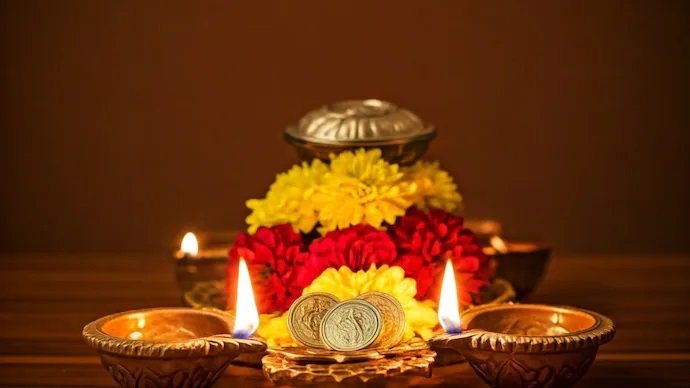
The celebration of Dhanteras extends beyond the purchase of gold and silver. Many devotees light lamps to honor Lord Dhanvantari, seeking his blessings for good health. In some traditions, people also purchase medicinal plants or engage in Ayurvedic practices to honor the connection between Dhanteras and Ayurveda.

This year, as we celebrate Dhanteras and National Ayurveda Day, let us remember that true prosperity is achieved through a balance of health and wealth. The wisdom of Ayurveda, as propagated by Lord Dhanvantari, teaches us that well-being is the foundation of all success. So, as you welcome Goddess Lakshmi into your home this Dhanteras, do not forget to also seek the blessings of Lord Dhanvantari for a life filled with health, longevity, and vitality.

Happy Dhanteras! May this auspicious day bring you not only material wealth but also the priceless gift of health.

Dhanteras 2024: History and Significance of the Festival of Wealth

0

Dhanteras, one of the most eagerly awaited Hindu festivals, marks the beginning of the five-day Diwali celebrations. Known for its association with wealth and well-being, Dhanteras is a day of great significance across India. Also referred to as Dhanatrayodashi or Dhanvantari Trayodashi, the festival involves the tradition of bringing home items such as utensils, jewelry, coins, and electronic gadgets, symbolizing the arrival of prosperity. In this article, we delve into the history, traditions, and significance of Dhanteras.

What is Dhanteras?

The term Dhanteras is derived from two Sanskrit words: Dhan, meaning wealth, and Teras, meaning the thirteenth day. Dhanteras falls on the thirteenth day of the Krishna Paksha (waning phase of the moon) in the Hindu month of Ashwin. As per the Gregorian calendar, this festival is usually celebrated in October or November. On this day, people worship Goddess Lakshmi, the deity of wealth, seeking her blessings for financial prosperity and success.

The History of Dhanteras

Dhanteras is steeped in mythology, with several stories highlighting its origins:

  1. Dhanvantari’s Emergence: According to Hindu mythology, during the Samudra Manthan (churning of the ocean), Lord Dhanvantari, the god of Ayurveda, emerged from the ocean holding the holy text of Ayurveda and a pot of Amrita (the elixir of immortality). This event symbolizes health and well-being, which are as important as material wealth. Dhanteras celebrates the emergence of Dhanvantari, who brought the gift of good health to humanity.
  2. Goddess Lakshmi’s Appearance: Another story from the Skanda Purana narrates how Goddess Lakshmi, the goddess of wealth and prosperity, emerged from the ocean during Samudra Manthan. To welcome her, households across India light diyas (lamps) and decorate their homes with rangoli on Dhanteras, symbolizing the arrival of wealth and happiness.
  3. The Legend of King Hima: One of the most fascinating stories associated with Dhanteras is the legend of King Hima’s son. According to his horoscope, he was destined to die from a snake bite on the third day after his marriage. To prevent this, his wife lit diyas and piled up her jewelry at the entrance of their home. When Yamraj, the god of death, came disguised as a snake, the brilliance of the lamps and gold distracted him, saving her husband’s life. This event is commemorated by lighting lamps on Dhanteras, symbolizing the triumph of light over darkness.
  4. The Story of the Farmer: Another lesser-known tale is that of Goddess Lakshmi’s visit to Earth with Lord Vishnu. When she broke a promise not to look southward and indulged in sugarcane juice, Vishnu commanded her to serve a poor farmer for 12 years. Her presence brought prosperity to the farmer’s family. When the 12 years ended, the farmer begged her to stay. Lakshmi revealed her true identity and promised to visit him every Dhanteras. Since then, households have cleaned their homes and lit diyas to welcome her.

Significance of Dhanteras

Dhanteras, a day combining the essence of wealth and spirituality, holds profound significance. On this day, people:

  • Buy New Items: Whether it’s jewelry, coins, or household essentials, purchasing new items on Dhanteras is believed to invite prosperity. Traditionally, gold, silver, and brass items are bought, symbolizing a future filled with wealth and abundance.
  • Worship Goddess Lakshmi: Devotees perform Lakshmi Puja, lighting diyas to honor the goddess and welcome her into their homes. Cleanliness is a key aspect, as it is believed that Goddess Lakshmi visits only clean and well-maintained homes.
  • Health and Well-being: The day is also associated with Lord Dhanvantari, making it a time to focus on health and well-being. Ayurvedic treatments and wellness practices are particularly revered.

When is Dhanteras 2024?

In 2024, Dhanteras will be celebrated on October 29, a Tuesday. This day marks the start of Diwali festivities, spreading joy, light, and abundance across the country.

Dhanteras and the Five-Day Diwali Festival

Dhanteras is the first of the five-day-long Diwali celebration:

  1. Dhanteras: The festival of wealth, focusing on new purchases and the worship of Goddess Lakshmi.
  2. Naraka Chaturdashi: Also known as Choti Diwali, this day celebrates Lord Krishna’s victory over the demon Narakasura.
  3. Diwali: The most significant day, Lakshmi Puja is performed to invite prosperity into homes.
  4. Govardhan Puja: Dedicated to Lord Krishna, this day honors his protection of devotees.
  5. Bhai Dooj: A day celebrating the bond between brothers and sisters.

Celebrating Dhanteras in India

The celebration of Dhanteras revolves around light, wealth, and prosperity. On this day, homes are adorned with diyas, ensuring no corner is left in darkness. Families exchange gifts, including sweets and festive items, symbolizing love and goodwill.

Business owners and shopkeepers perform Chopda Pujan, where account books for the upcoming financial year are inaugurated. This is also an auspicious time for new investments or ventures, believed to bring good fortune.

What to Buy on Dhanteras?

Dhanteras is synonymous with purchasing new items. From gold and silver coins to electronic goods and utensils, every item bought is considered to usher in good luck. Handmade idols of Goddess Lakshmi and Lord Ganesha, Tulsi Kansa mugs, and copper utensils are also popular choices for those looking to bring health and prosperity into their homes.

The Spirit of Dhanteras

Dhanteras is more than just a festival—it is a celebration of hope, prosperity, and the triumph of light over darkness. With the lighting of lamps, the exchange of gifts, and the purchase of new items, Dhanteras embodies the spirit of giving and abundance. As we prepare for Dhanteras 2024, it’s time to welcome wealth and happiness into our homes with joy, light, and love.

Happy Dhanteras!

Rome Declaration Tackles Water Scarcity in Agriculture Amid Climate Challenges

0

On October 17, 2024, the member nations of the Food and Agriculture Organization (FAO) took a significant step to address one of the most pressing global issues—water scarcity in agriculture. The adoption of the Rome Declaration on Water Scarcity in Agriculture marked a crucial outcome of the High-Level Rome Water Dialogue, held during the FAO’s World Food Forum from October 14 to 18, 2024. This declaration emphasizes the need for immediate global action to combat water scarcity, which has been exacerbated by climate change, particularly affecting agriculture—the backbone of food security.

Understanding Water Scarcity

Water scarcity is a growing global crisis, referring to the inadequate availability of water resources to meet the demands of various uses, especially in agriculture. As agriculture consumes over 70% of the world’s freshwater resources, this sector is particularly vulnerable. The United Nations predicts that by 2050, more than half of the global population will face water scarcity for at least one month each year. This scarcity threatens the sustainability of agricultural practices and, in turn, food security for millions worldwide.

The WASAG Initiative: A Global Framework

The Global Framework on Water Scarcity in Agriculture (WASAG), launched at the 2016 UN Climate Conference in Marrakesh, plays a pivotal role in addressing water management challenges in agriculture. This initiative brings together governments, non-governmental organizations (NGOs), and private sector partners to collaborate on solutions for sustainable water use in agriculture. By fostering international cooperation, WASAG aims to assist countries in mitigating the impact of water scarcity, promoting resilience, and ensuring sustainable agricultural practices.

Key Commitments in the Rome Declaration

The Rome Declaration represents a renewed commitment from countries to confront water scarcity with enhanced political support and strategic action. Among the key commitments are:

  • Policy and Legal Frameworks: Countries pledged to create supportive policies and legal structures to manage water resources more effectively, ensuring that agricultural practices align with the changing climate and environmental demands.
  • Financial Access: The declaration emphasizes the importance of providing financial resources to farmers and agricultural enterprises, enabling them to adopt water-efficient technologies and practices.
  • Climate Change Response: Recognizing the devastating impacts of climate change, such as floods and droughts, on agricultural productivity, the declaration calls for integrated strategies to improve food security and adapt to the shifting climate patterns.

Family Farming: A Pillar of Food Security

Family farming remains a cornerstone of global food production, with over 90% of all farms worldwide being family-owned. These farms are responsible for producing 70-80% of the world’s food, especially in low- and middle-income countries. They play a crucial role in maintaining crop biodiversity and managing natural resources sustainably.

However, despite their importance, family farmers face numerous challenges, including limited access to markets, resources, and services. Their vulnerability to environmental and economic crises further threatens global food security. Therefore, supporting family farming is essential to building resilient agricultural systems.

United Nations Decade of Family Farming

The year 2024 marks the midway point of the United Nations Decade of Family Farming (UNDFF), which spans from 2019 to 2028. This initiative, adopted by the UN General Assembly with the support of 104 countries, seeks to strengthen the role of family farming in global food security. By fostering policies that enhance the livelihoods of family farmers, the UNDFF aims to build more sustainable and inclusive food systems.

IFAD’s Investment Goals

The International Fund for Agricultural Development (IFAD) has committed to mobilizing $10 billion over the next three years to support agricultural productivity and rural resilience. This funding will focus on improving the livelihoods of rural communities by increasing incomes, developing entrepreneurial opportunities, and creating jobs. It is particularly aimed at empowering small-scale farmers and rural entrepreneurs to adapt to the challenges posed by climate change and water scarcity.

The Future of Water Management in Agriculture

Addressing water scarcity is crucial to ensuring the sustainability of global food systems. The commitments outlined in the Rome Declaration represent a significant step toward better water management practices in agriculture. By supporting family farmers, enhancing political and financial frameworks, and promoting international cooperation through initiatives like WASAG, the global community is working towards a more resilient and sustainable future in agriculture. These efforts are vital to overcoming the challenges posed by water scarcity and ensuring food security for future generations.

14th Biennial Lake Conference: A Call to Action for Ecologically Sensitive Wetlands

0

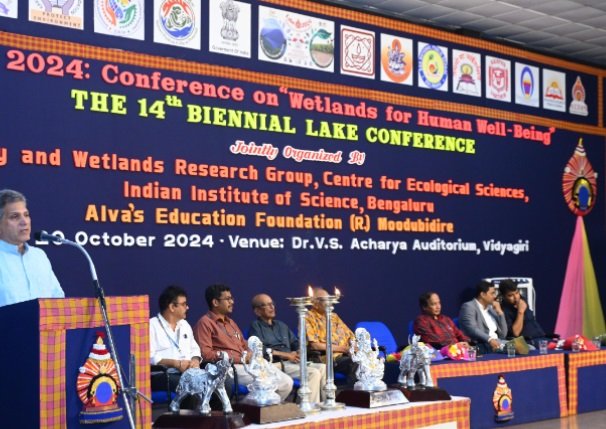
The 14th Biennial Lake Conference, held in Moodbidri from October 17 to 20, 2024, addressed critical ecological concerns under the theme ‘Lake 2024 – Wetlands for Human Wellbeing.’ Organized by the Wetlands Research Group at the Indian Institute of Science in collaboration with Alva’s Education Foundation, the conference highlighted the urgent need for governmental action on the protection of ecologically sensitive areas. The event concluded with a series of strong recommendations aimed at preserving wetlands and enhancing biodiversity for the benefit of human wellbeing.

Ecologically Sensitive Panchayats: A Step Toward Conservation

A key recommendation from the conference was the urgent need for the government to notify ecologically sensitive panchayats under Section 5(1) of the Environment Protection Act of 1986. This move is aimed at promoting conservation practices that are specifically tailored to the unique ecological needs of various regions. By recognizing and protecting these panchayats, the goal is to strengthen ecosystem health through targeted interventions that align with local environmental conditions.

Strengthening Biodiversity Management Committees

The conference shed light on the ineffectiveness of Biodiversity Management Committees (BMCs) formed under the Biodiversity Act of 2002. Most Gram Panchayat BMCs have struggled to perform their roles effectively. To address this, the conference recommended that zilla panchayats take on an oversight role, ensuring that these committees function optimally. By improving the governance and management of local ecosystems, this change is expected to lead to healthier biodiversity and more efficient resource management.

Phased Programme for Ecosystem Improvement

A phased program was proposed, overseen by State Biodiversity Boards, to enhance the implementation of the Biodiversity Act. This approach would enable local committees to better manage and protect biodiversity. One of the standout recommendations was the introduction of a new economic metric, the Gross Ecosystem Product (GEP), to measure nature’s contributions to society. The current reliance on GDP often overlooks the cost of resource depletion and ecological degradation. GEP would provide a more holistic view of the economic value of ecosystems and natural services.

Establishing a Natural Capital Accounting Framework

To integrate ecological benefits into governmental decision-making, the conference called for the establishment of a natural capital accounting framework. This would allow for the development of eco-compensation policies that take ecosystem services into account. The Western Ghats, a crucial water source for the Indian peninsula, were highlighted as a key region in need of effective management to ensure sustainability. Proper accounting of the natural resources in these areas will enable governments to evaluate and manage their ecological assets better.

Adopting a Hydro-Centric Development Approach

A hydro-centric development approach was also emphasized. This approach would prioritize the strict protection of all water bodies and their catchments, ensuring that these critical resources are not compromised by development projects. The conference urged that any intrusive activities potentially damaging to these ecosystems be avoided to maintain the ecological balance essential for human survival.

Formation of a Western Ghats Task Force

One of the central recommendations was the formation of a Western Ghats Task Force in each peninsular Indian state. This task force would work closely with State Biodiversity Boards to ensure the conservation and sustainable use of natural resources. Its focus would be on protecting water and biodiversity while ensuring food and water security across the region.

Local Documentation and Ecosystem Protection

Locality-wise documentation of ecosystems, including water bodies, sacred groves, and myristica swamps, was recommended to better understand the current status of these critical areas. Detailed records of hydrological services, including ongoing and potential contributions, would support better management and protection of natural resources.

A Call for Immediate Action

The 14th Biennial Lake Conference underscored the need for immediate action to protect and manage ecosystems across India. By implementing these recommendations, the conference aimed to not only improve biodiversity but also enhance human wellbeing across the region. The discussions and outcomes from the event serve as a blueprint for sustainable ecological management, advocating for the integration of environmental concerns into governance and development planning.

Egypt Celebrates Historic Achievement with WHO Malaria-Free Certification

0

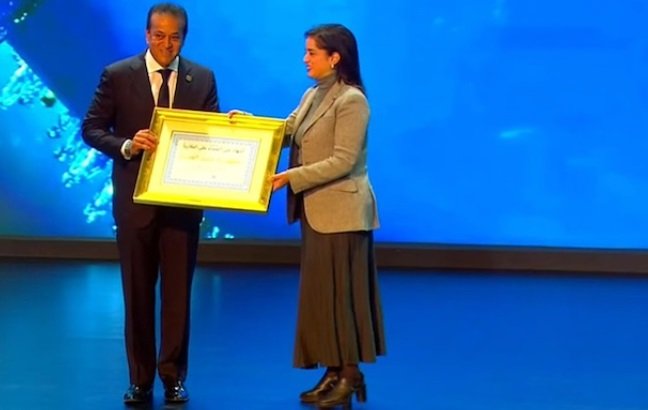
Egypt has reached a significant milestone in its public health journey, receiving official certification from the World Health Organization (WHO) as malaria-free. This landmark achievement, described as “truly historic,” marks the end of Egypt’s long battle against malaria, a disease that has plagued the country since ancient times. WHO Director-General Tedros Adhanom Ghebreyesus praised the accomplishment, underscoring its importance for Egypt’s health future and global malaria control efforts.

The Significance of Certification

The WHO certification confirms that Egypt has successfully interrupted malaria transmission for at least three consecutive years. No indigenous cases of malaria—those caused by the transmission of the parasite via Anopheles mosquitoes—have been reported during this period. Additionally, certification requires a country to demonstrate its ability to prevent the re-establishment of the disease, a crucial factor in maintaining long-term control over malaria.

Egypt Joins Global Leaders in Malaria Control

With this certification, Egypt joins a select group of 44 countries and one territory that have achieved malaria-free status. These nations have made significant strides in combating the disease and building public health resilience. Globally, malaria remains a critical health issue, claiming over 600,000 lives annually, with 95% of those fatalities occurring in Africa. In 2022, there were 249 million reported cases of malaria worldwide, highlighting the ongoing global challenge.

A Closer Look at Malaria

Malaria is caused by parasites transmitted through the bites of infected mosquitoes, primarily the Anopheles species, which thrive in warm and tropical environments. The disease presents with symptoms such as fever, chills, and flu-like illness, and without prompt treatment, it can lead to severe complications, including death.

Egypt’s Long History with Malaria

Malaria has had a deep-rooted presence in Egypt’s history. Efforts to control the disease began in the early 20th century, with initiatives dating back to the 1920s. These included restrictions on agricultural practices that created mosquito breeding grounds. However, during World War II, population displacement led to a sharp increase in malaria cases, peaking at over three million in 1942.

Modern Control Measures and the Role of the Aswan Dam

The construction of the Aswan Dam in the 1960s posed new challenges for malaria control, as the creation of large bodies of standing water provided ideal conditions for mosquito breeding. Despite these obstacles, Egypt continued to advance its malaria control efforts, focusing on public health campaigns, better diagnostic methods, and improved treatment protocols. By 2001, Egypt had largely brought malaria under control, setting the stage for its eventual eradication.

Malaria’s Ongoing Global Burden

While Egypt celebrates its victory over malaria, the global fight continues. Nigeria remains the country with the highest malaria mortality rate, accounting for more than a quarter of all malaria-related deaths. Other heavily affected countries include the Democratic Republic of Congo, Uganda, and Mozambique. Despite these challenges, Egypt’s success offers hope and inspiration to nations still battling the disease.

A Model for Global Public Health

Egypt’s achievement in becoming malaria-free is a testament to decades of sustained public health efforts, careful disease monitoring, and collaboration with international health organizations. The certification not only reflects Egypt’s progress but also serves as a powerful example of what can be achieved with determined, evidence-based approaches to disease eradication.

As the world continues to fight malaria and other vector-borne diseases, Egypt’s historic accomplishment offers a beacon of hope that, with persistence and innovation, even the longest-standing health challenges can be overcome.

ISRO Acquires Satellites for Groundbreaking SPADEX Docking Mission

0

The Indian Space Research Organisation (ISRO) has taken another significant step in advancing India’s space capabilities by acquiring two 400 kg satellites for the upcoming SPADEX (Space Docking Experiment) mission. This mission aims to demonstrate the capability of docking satellites in space—a crucial milestone that will pave the way for future space exploration endeavors, including Chandrayaan-4 and the proposed Indian Space Station.

SPADEX Mission Overview

SPADEX is a pioneering experiment where two satellites will be launched into space on a single rocket but placed in slightly different orbits. These satellites will travel at speeds of approximately 28,000 km/h, aligning themselves in orbit before performing a “space handshake”—a maneuver where the two satellites dock together, forming one unified orbiting unit. This ability to autonomously dock satellites in space is essential for future long-duration missions, enabling complex space operations like in-orbit refueling, space station construction, and deep space exploration.

The Significance of Docking Technology

The ability to dock in space is critical for various space missions, especially those involving space stations. Docking technology ensures that spacecraft can safely connect with a space station to transfer crew, supplies, and equipment. The success of the SPADEX mission will validate ISRO’s capability in autonomous rendezvous and docking, a foundational technology for constructing and maintaining space stations, as well as for potential human space exploration missions. This docking technology will be vital for India’s upcoming space station, projected to be operational by 2028.

Ananth Technologies’ Crucial Role

The two SPADEX satellites were fully assembled, integrated, and tested by Ananth Technologies Private Limited (ATL) at their Bengaluru facility. This marks a significant moment in India’s space program, as it is the first time ISRO has collaborated with a private company for complete satellite assembly. ATL, a long-time partner of ISRO since 2000, has contributed to several Indian space missions, but their involvement in SPADEX signals a growing role for private industry in the country’s space efforts.

Impact of Space Sector Reforms

The collaboration between ISRO and ATL underscores the positive impact of recent reforms in India’s space sector. These reforms encourage increased participation from private companies, driving innovation and efficiency in satellite manufacturing and space mission execution. The successful partnership on the SPADEX mission highlights the potential for the private sector to play a larger role in advancing India’s space exploration goals.

Future Missions and Long-Term Goals

The technologies tested in the SPADEX mission are not just critical for the current mission but also for India’s broader space aspirations. The ability to autonomously dock satellites will facilitate the robotic assembly of large structures in space, such as the Indian Space Station, set to launch by 2028. Furthermore, missions like Chandrayaan-4, which aims to return lunar samples to Earth, will rely heavily on autonomous docking technology.

Next Steps for the Satellites

After their successful assembly, the two satellites have been transported to ISRO’s UR Rao Satellite Centre (URSC) in Bengaluru, where they will undergo further tests and fueling. They will then be shipped to the Indian Spaceport at Sriharikota for final launch preparations. SPADEX represents a major milestone in India’s space journey, highlighting both the technological advancements made and the successful collaboration between the public and private sectors.

In conclusion, the SPADEX mission is poised to be a groundbreaking achievement for ISRO, not only advancing India’s space docking capabilities but also demonstrating the growing importance of private sector participation in the country’s space endeavors. With its success, India moves closer to achieving its ambitious space goals, including the establishment of its very own space station and more complex missions in deep space exploration.

A Journey Through the Human Body at the Corpus Museum, Netherlands

0

Vaidehi Bhargava

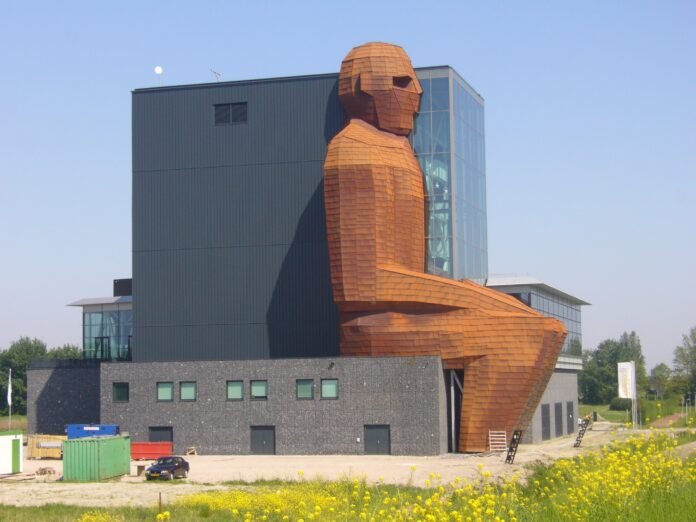
The Corpus Museum in the Netherlands is a unique and fascinating attraction that offers visitors an immersive journey through the human body. Opened in 2008, this museum, officially known as Corpus ‘Journey through the Human Body’, is located near Leiden in Oegstgeest. Its primary purpose is to educate people about human anatomy and how the body functions, making it an engaging and educational experience for both children and adults.

The museum is designed as an impressive, 35-meter-tall seated human figure that can be seen from a distance. The journey inside takes visitors through various parts of the human body, simulating what it would be like to explore the organs and systems from the inside. The experience is both visual and interactive, combining a series of guided tours with multimedia presentations that make learning about human biology fun and memorable.

Visitors begin their tour by entering through the “knee” of the giant human figure, and from there, they travel upwards, exploring key parts of the body such as the brain, heart, lungs, stomach, intestines, and other organs. Each part of the museum features exhibits that explain how the different systems in the body work together to keep us alive and functioning.

For example, in the stomach section, visitors can watch how food is digested and how the body extracts essential nutrients. In the heart and lungs area, visitors learn about the circulatory and respiratory systems, and how oxygen is transported throughout the body. The brain section focuses on how the brain controls various bodily functions and how our senses work.

One of the key aspects of the Corpus Museum is its interactive approach. Visitors are encouraged to touch, feel, and engage with the exhibits. This hands-on approach helps deepen the learning experience, making it suitable for school trips and family outings. There are games, quizzes, and other activities that test your knowledge about the body, and visitors can learn about the importance of maintaining a healthy lifestyle through interactive stations focused on diet, exercise, and mental well-being.

The museum is not just a place of entertainment but also an educational center. Schools and educational institutions often bring students here to supplement classroom learning with practical, visual experiences. It also promotes awareness about the importance of health and wellness, encouraging visitors to adopt healthier habits in their daily lives.

The Corpus Museum is well-equipped for visitors of all ages and abilities. There are multilingual audio guides available in English, Dutch, German, and other languages to ensure that people from different backgrounds can fully enjoy the experience. Additionally, the museum has a gift shop, a restaurant, and spaces for hosting educational workshops and events.

The Corpus Museum is a remarkable blend of science, education, and entertainment. Its unique concept, interactive exhibits, and focus on health make it a must-visit destination for anyone interested in learning more about the human body in an engaging and unforgettable way.

Success Story of Theobroma Bakery from a tiny Colaba business to Rs 3500 Crore empire today

0

Vaidehi Bhargava

Theobroma is a popular chain of bakeries and patisseries that started in Mumbai, India, and has grown into a well-loved brand across the country. Known for its high-quality desserts, cakes, pastries, and breads, Theobroma’s story is one of passion, family, and a love for good food.

Theobroma, which means “food of the gods” in Greek, was founded in 2004 by Kainaz Messman and her family. Kainaz was a trained pastry chef who had previously worked in luxury hotels. However, after suffering from a serious back injury, she was forced to leave her job. This setback led her to start her own venture, and that’s how Theobroma was born.

Kainaz’s mother, Kamal Messman, and sister Tina also played important roles in the development of the business. Together, they opened the first Theobroma outlet at the Colaba Causeway in Mumbai, a small but cozy space that quickly attracted a loyal customer base. The family worked hands-on, with Kainaz managing the kitchen, her mother handling the logistics, and Tina taking care of the business side.

Theobroma became famous for its rich and indulgent desserts, especially its chocolate brownies. Word spread quickly about the bakery’s delicious offerings, and it wasn’t long before it became a favorite among locals and tourists alike. Theobroma’s menu expanded over time to include a variety of items such as cakes, cheesecakes, cookies, sandwiches, and hot beverages.

What set Theobroma apart was its focus on quality ingredients, attention to detail, and the family’s dedication to the craft. The brand’s tagline, “Theobroma – Food of the Gods,” perfectly reflects the indulgent and high-quality nature of its products.

As demand grew, Theobroma expanded its reach by opening more outlets in Mumbai and other cities like Delhi, Pune, and Bengaluru. The brand evolved from a single bakery to a well-known patisserie chain with multiple locations. Despite its growth, Theobroma has maintained its focus on quality, ensuring that each product is made with care and precision.

Today, Theobroma is a household name in India’s bakery and dessert industry. The brand continues to innovate with new products while staying true to its core values of quality and customer satisfaction. The story of Theobroma is an inspiring example of turning adversity into opportunity, with Kainaz Messman and her family building a successful brand from a small bakery to a nationwide favorite.