Home Blog Page 465

Let your living space bespeak stories of timeless art via these artisanal pieces…

0

As the most awaited festival of the year Diwali is around the corner,  everyone seems busy giving the best decor to their sweet abode. So for those busy searching for the luxe decor,  here comes an opportunity to celebrate and promote artisan-made products of Anantaya in their living spaces.

These unique and artisanal pieces are sure to stand out throughout the year, bespeaking the stories of hand curated art which stands timeless and ageless. Speaking stories from different parts of your living spaces, these pieces will surely attract eyeballs, making your room communicate tales of rustic rural India. So, let’s get a sneak peak into the handmade products crafted by artisans: 

Konark Lamp: Inspired by the Sun Temple of Konark, this portable orb radiates a mesmerizing sun-like glow. Its touch-operated, dimmable & rechargeable alabaster design, topped with brass Shikhara, brings warmth, divinity, and sacredness to your Diwali celebrations.

Let your living space bespeak stories of timeless art via these artisanal pieces...

Yagna Pooja Thali: Discover the celestial Lotus-inspired ‘Yagna Pooja Thali’ a gateway to the world of rich rituals, sacred yagnas, and the essence of joyous celebration. Explore the beauty of tradition and spirituality with Yagna Pooja Thali – a soulful celebration like no other.

Let your living space bespeak stories of timeless art via these artisanal pieces...

Molten Bowls: Entirely hand-beaten in brass, these bowls appear as drops of sun and molten orbs of gold suspended in the air. Use them as Diyas with oil or tealights, showcase prized succulents, or as elegant wall shelves for essentials like keys and other knick-knacks.

Let your living space bespeak stories of timeless art via these artisanal pieces...

Imaarat Tray: Imaarat, translating to ‘building,’ these trays draw inspiration from the abstracted floor plans of Rajasthani palaces. Crafted from hand-beaten brass sheets, these solid brass trays are versatile, serving as trays, coffee table centerpieces, or wall decor.

Let your living space bespeak stories of timeless art via these artisanal pieces...

Umaid Bowls: Drawing inspiration from the majestic architecture of Umaid Bhawan Palace in Jodhpur, these bowls exude grandeur and elegance. Uniting the expertise of two distinct crafts, spun-brass metal mastery and marble turning, this blend of delicate silhouettes comes to life.

Let your living space bespeak stories of timeless art via these artisanal pieces...


Begum Table: Inspired by Begum describing Queen in Indian chess, this beauty takes its curvaceous form. Crafted of marble base, the height of this functional peg table is adjustable, with solid brass machined supports. Topped with a slender brass disc floating above, the begum table sets a classic stage to make your move in singles or as a cluster!


Let your living space bespeak stories of timeless art via these artisanal pieces...

Do you know about this Unique Haunted Hotel in New Hampshire

0

Vaidehi Bhargava

One of the most famous haunted hotels in New Hampshire is the Omni Mount Washington Resort, located in Bretton Woods. Built in 1902, this grand hotel is not just known for its luxurious offerings but also for its numerous ghostly encounters. The most famous spirit believed to haunt the hotel is that of Carolyn Stickney, the widow of the hotel’s original owner, Joseph Stickney. After his death, Carolyn remained closely associated with the hotel and is said to linger in Room 314, where guests often report seeing her apparition. She has been spotted brushing her hair in front of the room’s vanity, still connected to the place that was her pride and joy.

Other spooky occurrences have been reported throughout the hotel. Visitors have heard the sound of an orchestra playing in the empty ballroom and witnessed unexplained lights turning on and off. These eerie incidents, combined with the hotel’s stunning setting in the White Mountains, make it a popular destination for both ghost hunters and luxury travelers alike. If you’re brave enough, you can even request to stay in Carolyn’s room for a more intimate paranormal experience.

Apart from the Omni Mount Washington, other haunted hotels in the state include the Tilton Inn, where the spirit of a young girl named Laura is said to roam, and The Beal House Inn, known for strange occurrences like doors slamming and objects moving by themselves. These places offer unique, chilling experiences, making New Hampshire a hotspot for paranormal enthusiasts.

If you’re looking for a mix of New England charm and ghostly encounters, these haunted hotels in New Hampshire provide both, making them a perfect destination for thrill-seekers during Halloween or any time of year.

For haunted house enthusiasts, the Haunted Castle Suite at Adventure Suites in North Conway, New Hampshire, offers a spine-chilling experience unlike any other. This simulated haunted castle is designed to immerse guests in a creepy, interactive environment filled with state-of-the-art special effects. With motion sensors, ghost projections, and surround sound, visitors can expect eerie sounds, unexpected events, and unsettling animatronics that will keep even the bravest on edge. The suite features five levels, three bedrooms, and enough space to accommodate up to 18 people, making it perfect for a group looking to share some thrills.

Unique details include a king’s bone throne, tower stairs with skull railings, and even an asylum-themed area, all adding to the gothic, haunted vibe. Guests have reported jump scares and spooky surprises that make the stay genuinely thrilling, with programmed effects ensuring the haunting sensation lasts throughout the night. Whether it’s ghosts appearing from the walls or unsettling breathing noises seemingly behind you, the Haunted Castle Suite guarantees an unforgettable scare for those who dare to stay.

This experience, complete with luxurious amenities like a hot tub and fireplaces, blends high-end comfort with terrifying excitement, offering a one-of-a-kind adventure for fans of all things spooky.

From Dreams to Reality: The Remarkable Entrepreneurial Journey of Dr. Satish Wagh in the Pharmaceutical Industry

0

Dr. Satish Wagh’s journey is a remarkable testament to ambition and resilience. For him, dreams held more value than wealth. Today, his grit and determination are reflected in the success of Supriya Lifescience, the esteemed company he built. He wasn’t just a dreamer; he was dedicated to shaping his own destiny through relentless hard work and perseverance. As the saying goes, when one has a deep desire for something, the universe aligns to help make it a reality.

Early Influences and Career Beginnings
Like many young dreamers, Dr. Satish Wagh often contemplated his future. Growing up in a family entrenched in the chemical business, he was encouraged by his mother to pursue studies in science. After completing his education, Satish began working for his maternal uncle, who was in the process of establishing a pharmaceutical company. Inspired by his
uncle’s entrepreneurial spirit, he contributed to the venture and received a salary for his efforts. After nine years of gaining valuable experience and insights from his uncle, Satish made the bold decision to venture out on his own. Although he had never envisioned a career in the chemical industry, he was determined to carve out his own niche.

A Defining Moment
Establishing a chemical factory was fraught with challenges for Dr. Satish Wagh. Despite having learned about the necessary licenses and formalities during his time with his uncle, he initially struggled to secure the financial resources needed to launch his venture. His attempts to raise funds were met with repeated setbacks. Reflecting on that challenging period, Dr. Satish recounted how he spent six months trying to secure capital without
success. On one particularly difficult day, with just five rupees left in his pocket, he felt overwhelmed and cried. Even efforts to seek financial assistance from relatives proved fruitless. Yet, Satish remained resolute.
With those five rupees in hand, he began visiting government offices and banks in hopes of securing land and funding for his project. The journey was anything but easy; however, after relentless perseverance, he eventually succeeded. Recognizing Satish Wagh’s potential, banks extended loans to him, and the government allocated land for his factory.

From Dreams to Reality: The Remarkable Entrepreneurial Journey of Dr. Satish Wagh in the Pharmaceutical Industry

Establishment of Supriya Lifesciences
In 1987, Dr. Satish Wagh founded Supriya Lifesciences, which has since enjoyed remarkable success. Today, the company operates in 120 countries and serves over 2,000 customers with a diverse portfolio of more than 40 Active Pharmaceutical Ingredients (APIs).
Under Satish’s leadership, Supriya Lifesciences has gained recognition in major markets including America, Europe, Japan, Latin America, Canada, Australia, and China. The company is now acknowledged as the world’s largest producer of anti-histamine and anti-allergic medications, significantly contributing to placing Maharashtra and India on the global
pharmaceutical map.
Currently employing over 1,000 individuals and generating revenue of ₹570 crore, Supriya Lifesciences is projected to reach ₹1,000 crore in turnover in the next 3 years. Notably, the company operates without any debt liabilities despite its substantial turnover.

The Story Behind the Company Name
The name “Supriya Lifesciences” carries an interesting backstory. While securing land from the Maharashtra government required an official name for the company, an officer casually suggested “Supriya.” This name resonated deeply with Dr. Satish and has since proven fortuitous.

Commitment to Corporate Social Responsibility (CSR)
Dr. Satish Wagh is deeply committed to sustainable business practices and implements robust CSR initiatives aimed at benefiting society. Through Supriya Lifesciences Limited’s CSR efforts, he empowers underprivileged communities by focusing on sectors such as environmental sustainability, education, and health care. The establishment of the ‘Satish Wagh Foundation’ reflects his dedication to community development.
The foundation promotes sports in schools to ensure that talented, yet disadvantaged children receive equal opportunities. Additionally, it supports educational institutions by providing technological resources such as computers and printers to facilitate digital learning and assist students in pursuing higher education. During emergencies such as the COVID-
19 pandemic and natural disasters, Satish’s company provided essential medical supplies and support to hospitals in districts like Ratnagiri and Raigad.

Dr. Satish Wagh aims to allocate ₹10 crore annually towards CSR initiatives. Collaborating with local authorities in Ratnagiri, he has undertaken renovation projects for Zilla Parishad schools at a cost of ₹1 crore. His commitment extends to wildlife conservation efforts; Supriya Lifesciences has adopted three animals at Sanjay Gandhi National Park for ₹9.10
lakh and donated vehicles worth ₹21 lakh for wildlife protection.
The company is also installing an awareness display board at the national park’s entrance at a cost of ₹38 while contributing a safari van valued at ₹34 for visitor safety during tiger and lion safaris. Furthermore, solar panels worth ₹13 lakh have been installed at police fuel stations as part of environmental protection efforts.

Health Sector Contributions
In addition to environmental initiatives Dr. Satish Wagh invests significantly in health care by funding treatments for critical illnesses such as cancer, tuberculosis (TB), and kidney diseases. He has donated ₹50 lakh to TATA Hospital for cancer treatment and provided advanced medical equipment to Wadia Hospital for TB treatment. Additionally, Supriya Lifesciences contributed ₹16 lakh worth of technology equipment to Vanrai Police Station to enhance their service capabilities within the community.

Through these multifaceted efforts in business growth and social responsibility, Dr. Satish Wagh exemplifies how determination can lead not only to personal success but also to meaningful contributions toward societal welfare.

China Introduces Guidelines to Combat Growing Obesity Crisis

0

China’s National Health Commission (NHC) has released its first-ever comprehensive guidelines to address the country’s escalating obesity crisis. With over half of Chinese adults currently overweight or obese, the issue has emerged as a major public health challenge. Projections indicate that by 2030, 65.3% of the population could be affected, making obesity the sixth leading cause of death and disability in China. The new guidelines aim to standardize the diagnosis and treatment of obesity, signaling a coordinated effort to tackle this alarming trend.

Rising Obesity Rates

In recent years, China has witnessed a sharp increase in the number of overweight individuals. The NHC attributes this rise to significant economic and societal changes. As the nation’s economy developed, more jobs shifted to office-based, sedentary work environments, reducing opportunities for physical activity. Simultaneously, economic pressures have driven many individuals toward cheaper, less healthy food options, compounding the problem. This dual challenge has intensified the obesity issue across both urban and rural areas, with lifestyle shifts, dietary changes, and stress all playing a role in the growing crisis.

Key Contributing Factors

The rise in obesity rates can be traced to several contributing factors:

  • Sedentary Lifestyles: Modern jobs, especially in urban areas, are predominantly desk-bound, significantly lowering physical activity levels.
  • Unhealthy Diet Choices: Economic challenges have led many to opt for cheaper, calorie-dense, and unhealthy foods.
  • Urban Stress: Long working hours and job-related stress contribute to poor eating habits, including late-night snacking and fast-food consumption.
  • Rural Shifts: In rural regions, the physical demands of agricultural work have lessened due to mechanization, leading to reduced physical exertion. Limited healthcare access further hinders effective weight management.

Overview of NHC Guidelines

The NHC’s newly released guidelines take a comprehensive approach to combating obesity, covering various aspects of diagnosis, treatment, and prevention. Key areas include:

  • Clinical Nutrition: Emphasis is placed on balanced diets and nutritional education to help people make informed food choices.
  • Surgical Treatment: The guidelines outline criteria for surgical interventions, such as bariatric surgery, for individuals with severe obesity.
  • Behavioral and Psychological Interventions: Acknowledging the mental health aspects of weight management, the guidelines promote psychological support as part of treatment.
  • Exercise Interventions: Regular physical activity is strongly encouraged as a preventive and corrective measure to combat obesity.

Public Awareness Campaign

In July 2024, the NHC, in collaboration with 15 other government departments, launched a three-year public awareness campaign. This initiative aims to educate citizens on obesity prevention and healthy lifestyle choices, with a focus on eight key messages:

  1. Lifelong commitment to health
  2. Active monitoring of weight and health metrics
  3. Balanced diet choices
  4. Regular physical activity
  5. Adequate sleep
  6. Setting reasonable health goals
  7. Family involvement in promoting healthy habits
  8. School participation in obesity prevention

School Initiatives for Children

Recognizing the importance of early intervention, the NHC has also focused on schools. Health guidelines distributed to primary and secondary schools in July 2024 emphasize the importance of:

  • Regular health screenings for students to identify early signs of obesity.
  • Mandatory daily physical exercise to encourage active lifestyles.
  • Hiring nutritionists to promote healthy eating habits among children.
  • Reducing salt, oil, and sugar intake in school meals to foster healthier diets.

Historical Context of Obesity in China

China’s obesity crisis is seen as an “unintended consequence” of rising living standards. For decades, the country battled undernourishment and food scarcity. However, the economic reforms of the late 1970s revolutionized food availability. As living conditions improved, dietary patterns shifted toward higher calorie consumption and lower physical activity. The rapid transition from undernourishment to over-nourishment has left the country facing a significant public health challenge.

Moving Forward: Managing the Obesity Crisis

The NHC’s guidelines and public health initiatives mark a critical step forward in addressing the obesity crisis in China. By standardizing treatment and diagnosis, promoting public awareness, and encouraging healthier lifestyles, China is taking decisive action to combat this pressing issue. However, sustained efforts will be essential to reversing the obesity trend, as the nation continues to grapple with the complex factors driving this health crisis.

As China addresses these challenges, the implementation of the NHC guidelines will be key in promoting long-term changes in health and wellness, with the ultimate goal of fostering a healthier, more active population.

COP16 Aims for Global Deal on Genetic Information Use: A New Framework for Digital Sequence Information

0

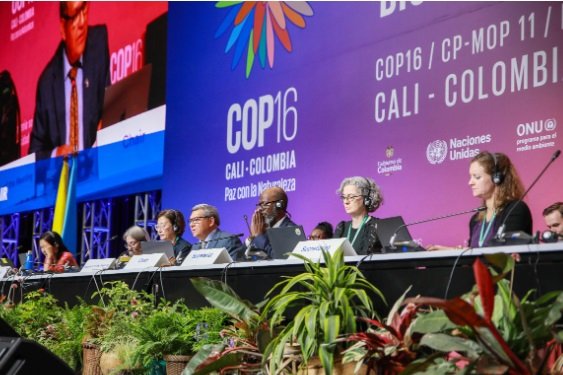
At the U.N. COP16 nature summit in October 2024, nations are preparing to negotiate a groundbreaking deal that could reshape the global approach to the use of genetic information from nature. Known as digital sequence information (DSI), this data is essential for research and commercial applications in industries such as pharmaceuticals, agriculture, and biotechnology. The summit’s goal is to establish a multilateral system that ensures countries rich in biodiversity are fairly compensated for the use of their genetic resources, while also promoting sustainable practices and conservation.

What is Digital Sequence Information (DSI)?

DSI refers to the digital representation of genetic codes extracted from living organisms. Technological advancements have made it possible to quickly sequence genomes and store this information in public databases accessible to researchers worldwide. Unlike physical samples of genetic material, DSI consists of the digital data that researchers and companies use to develop new products or enhance existing ones.

The focus at COP16 is on regulating the use of DSI, ensuring that the benefits derived from this information are shared with the countries that possess rich biodiversity, like Brazil, India, and various African nations. These countries are keen on protecting their resources from exploitation by global corporations that profit from using genetic data without compensating the source nations.

Why is DSI Important?

DSI is a driving force behind innovation across multiple sectors, including medicine, cosmetics, agriculture, and biotechnology. For instance, pharmaceutical companies use genetic information to develop life-saving drugs, while agribusinesses rely on it to create disease-resistant crops or improve food security. The industries linked to DSI generate an estimated $1.6 trillion annually, though not all of this revenue directly stems from genetic data.

Countries that are home to diverse ecosystems often feel that their genetic resources are exploited without adequate compensation. Brazil and India, for example, have raised concerns over corporations using DSI from their biodiversity to develop profitable products without sharing the financial benefits. This imbalance has prompted these nations to call for a global system that fairly compensates them for the use of their natural genetic wealth.

Key Negotiation Goals at COP16

At COP16, negotiators will focus on several critical objectives:

  1. Who Pays for DSI: Determining which industries or companies should contribute to a compensation fund for the use of DSI.
  2. How Much to Pay: Establishing a fair percentage of revenue from sectors like pharmaceuticals and agriculture that heavily rely on genetic information.
  3. Utilization of Proceeds: Ensuring that the funds generated from DSI use are channeled into conservation efforts and development initiatives, particularly for poorer nations.

One proposed solution is to charge companies a percentage of their revenue for access to DSI databases. A U.N.-commissioned study suggests that charging between 0.1% and 1% of annual revenues from industries that benefit from DSI could generate between $1 billion and $10 billion annually. This revenue could be instrumental in supporting biodiversity conservation and enhancing the genetic research capabilities of developing nations.

Implementation Challenges

While the proposed system has the potential to be a game-changer, implementing it at the national level will pose challenges. Once a deal is reached at COP16, countries will need to create laws and regulations to enforce the agreement. This process may be lengthy, and disparities between countries’ legal systems could complicate the rollout.

One possible solution is to introduce a voluntary payment system that allows companies to pay an agreed-upon rate for using DSI. This approach could incentivize quicker adoption of the rules while allowing businesses to maintain access to valuable genetic data.

At the same time, it’s crucial that the agreement ensures free access to DSI for non-profit research institutions. Free access is vital for advancing scientific knowledge, fostering innovation, and promoting biodiversity conservation efforts globally. Balancing the interests of commercial entities with the need to safeguard genetic resources and ensure their sustainable use is one of the summit’s key challenges.

Shaping the Future of Genetic Resources

The outcome of COP16 has the potential to revolutionize how genetic information is used and shared globally. A fair and transparent compensation system could foster greater collaboration between countries and industries, encouraging innovation while simultaneously protecting biodiversity. By recognizing the value of DSI and ensuring equitable sharing of its benefits, COP16 represents a critical moment for the sustainable use of genetic resources.

In a world where genetic information plays a central role in both science and industry, COP16 aims to build a framework that protects biodiversity, supports conservation, and promotes fairness in the use of nature’s invaluable resources. The summit’s decisions will likely have far-reaching implications, influencing how genetic data is accessed, shared, and compensated for in the years to come.

New Orchid Species Discovered in Assam: Crepidium Assamicum Enriches Global Biodiversity

0

A remarkable discovery has been made in Assam’s Dibru-Saikhowa National Park, where a new species of orchid, Crepidium assamicum, has been documented. This significant find, made by researchers Khyanjeet Gogoi and Dr. Jintu Sharma, adds to the global wealth of orchid biodiversity and highlights the unique ecological richness of the region. The discovery was published in the prestigious botanical journal Fedes Reporter, drawing attention from conservationists and orchid enthusiasts alike.

The Journey to Discovery

The exploration and study of Crepidium assamicum was no overnight success. Gogoi and Sharma have been involved in orchid research for over a decade, embarking on their journey around 2008-2009. Their passion for understanding and cataloging Assam’s rich plant life led to extensive field studies, with a particular focus on discovering new orchid species. After years of meticulous research, their dedication paid off, culminating in the documentation of Crepidium assamicum.

Unique Characteristics of Crepidium Assamicum

This newly discovered orchid stands out for its distinct characteristics. Unlike many of its counterparts, Crepidium assamicum features a larger flower cover, giving it a striking appearance. It also has a unique blooming period from July to August, unlike other species that bloom earlier in the year. Interestingly, while most orchids are known for thriving in dense forests, Crepidium assamicum prefers open grasslands. Despite its beauty, it has a minimal fragrance, a trait not often seen in orchids.

Geographic and Ecological Significance

The discovery of Crepidium assamicum is not only significant for its rarity but also for its confined habitat. Found in the open grasslands along the riverbanks of Dibru-Saikhowa in Dibrugarh district, Assam, the orchid is believed to exist in a population of around 500-600 individuals. This specific habitat emphasizes the importance of preserving the area to protect this unique species. The Dibru-Saikhowa National Park is now home to one of the few known populations of this rare orchid, making its conservation a priority.

Assam’s Orchid Biodiversity

Assam has long been recognized as a biodiversity hotspot, especially when it comes to orchids. The state, along with neighboring Arunachal Pradesh, boasts an impressive 414 recorded orchid species. The addition of Crepidium assamicum to this tally further cements Assam’s reputation as a key region for orchid diversity. Orchids play a crucial role in maintaining ecological balance, and their conservation is essential for preserving the intricate web of life in the region.

Conservation Status and Urgency

Crepidium assamicum has been provisionally assessed as “Threatened” according to the IUCN Red List Categories and Criteria (2024). This preliminary conservation status highlights the need for immediate protective measures to ensure the orchid’s survival. Conservation initiatives are vital not only for this newly discovered species but also for maintaining the delicate ecosystem of Dibru-Saikhowa National Park and its surroundings.

Contributions to Orchid Conservation

Khyanjeet Gogoi, one of the discoverers of Crepidium assamicum, has made significant contributions to orchid conservation in Assam. His efforts extend beyond the research field; he has established an orchid park at his residence, attracting visitors from across the globe who share an interest in orchid preservation. In recognition of his dedication to conservation, Gogoi has been awarded the Paribha Mitra Award by the Assam Government. His work continues to inspire efforts to safeguard Assam’s natural heritage.

Public Interest and the Future of Conservation

The discovery of Crepidium assamicum has ignited excitement among both the scientific community and the general public. It serves as a reminder of the rich biodiversity that Assam holds and the importance of conserving it for future generations. The orchid’s discovery not only underscores the region’s ecological value but also raises awareness about the critical need for biodiversity protection in the face of environmental challenges.

Summing Up

The identification of Crepidium assamicum is more than just an academic achievement—it’s a testament to the rich, diverse ecosystems that thrive in Assam. This discovery brings hope for continued conservation efforts in the state and the wider northeastern region of India. As research and protective measures move forward, the preservation of this orchid and its habitat will be vital in ensuring that the region’s natural wonders remain intact for years to come.

Bihar Inaugurates Its First Dry Port to Boost Export Potential

0

In a significant move aimed at strengthening Bihar’s export infrastructure, the state’s Industry Minister Nitish Mishra recently inaugurated its first dry port, located near Patna. This groundbreaking initiative is a collaborative effort between the state and Pristine Magadh Infrastructure Private Limited, a private partner under the Public-Private Partnership (PPP) model. The dry port represents a crucial milestone for Bihar, enhancing its logistics and export capabilities, particularly for goods produced within the state.

What is a Dry Port?

A dry port, or inland container depot (ICD), is a logistics hub situated inland, away from coastal areas and seaports. It serves as a vital link between production zones and international markets, enabling cargo storage, handling, and transportation. Dry ports help streamline logistics by providing customs clearance services and facilitating the movement of goods to major seaports and airports, cutting down transit times and easing congestion at traditional ports.

Why Bihar Needed a Dry Port

Bihar’s diverse manufacturing sectors, particularly agro-based products, garments, and leather goods, lacked a centralized logistics hub for efficient export. The new dry port addresses this need by consolidating cargo from various parts of the state, making transport more efficient and reducing logistical complexities. The facility is designed to simplify the process of exporting goods, enabling faster customs clearance and better connectivity to key markets. Given Bihar’s agricultural strengths and growing industrial output, the dry port arrives at a critical juncture.

Key Benefits of Bihar’s Dry Port

The dry port covers a seven-acre area and boasts several advantages for exporters and businesses in Bihar:

  • Efficient Cargo Handling: With modern infrastructure, the dry port can streamline the management of goods, ensuring quicker movement through the supply chain.
  • Lower Transportation Costs: By offering better connectivity and centralized cargo handling, transportation costs are significantly reduced.
  • Enhanced Storage Capabilities: The dry port is equipped with advanced storage solutions, allowing businesses to store goods safely before shipping.

Export Potential of Bihar

Bihar has long been known for its agricultural production, with crops such as potatoes, tomatoes, bananas, litchis, and makhana standing out as major exports. Additionally, the state has 11 districts that focus on maize production. Beyond agriculture, Bihar is also making strides in manufacturing, with growing sectors in garments and leather goods, particularly in districts like Muzaffarpur and East Champaran. The first shipment from the dry port was leather shoes bound for Russia, symbolizing the state’s increasing export ambitions.

The port will play a vital role in exporting other goods, including sponge iron, packed food, rice, newsprint, and meat. With the leather and garment industries expanding, Bihar is positioning itself as an emerging manufacturing hub in eastern India.

Government’s Commitment to Expanding Export Capacity

The Bihar government has shown strong commitment to fostering economic growth through exports. Minister Nitish Mishra has reiterated that the state is focused on increasing land availability and attracting more investments to fuel the economy. In the fiscal year 2022-23, Bihar’s exports totaled Rs 20,000 crore, a figure expected to grow substantially with the operation of the dry port.

Regional Impact of the Dry Port

Strategically connected by rail to major gateway seaports like Kolkata and Haldia in West Bengal, Visakhapatnam in Andhra Pradesh, Nhava Sheva in Maharashtra, and Mundra in Gujarat, the Bihar dry port is poised to become a key player in regional logistics. It will not only benefit Bihar but also its neighboring states, including Jharkhand, Uttar Pradesh, and Odisha. This improved connectivity will foster regional trade and create a more integrated market across eastern India.

The opening of Bihar’s first dry port marks a transformative step towards economic development in the state, offering a gateway for local industries to thrive in global markets. By enhancing the state’s export infrastructure and creating seamless trade routes, Bihar is poised for significant growth, fostering a new era of economic opportunity for the region.

A Mesmerizing Mirage: How Monet’s Paintings Changed the Way We See London

0

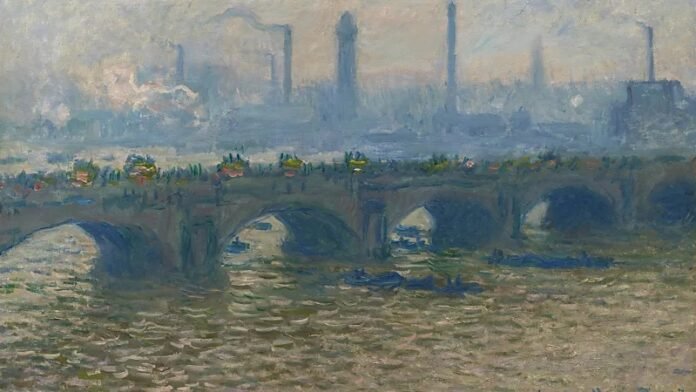
Few artists transform our understanding of the world, and fewer still do so by delving into the abstract qualities of light and atmosphere. One such visionary was Claude Monet, whose fog-shrouded paintings of London, created during three visits between 1899 and 1901, reshaped how the city was perceived—both by its residents and by the world. A new exhibition at the Courtauld Gallery, Monet and London: Views of the Thames, charts this groundbreaking series and how it altered London’s self-image forever.

Monet’s revolutionary depictions of the Thames, with its iconic landmarks shrouded in vaporous fog, captured the ethereal essence of London. These nearly 100 paintings—more than he dedicated to any other subject—would forever redefine the “unreal city,” as poet T.S. Eliot would later describe it. Rather than simply documenting the urban landscape, Monet was crafting optical experiments, exploring how light itself could dissolve the material world into something both transient and infinite.

A Mesmerizing Mirage: How Monet’s Paintings Changed the Way We See London

One of the most famous works from the series, London, The Houses of Parliament, Shaft of Sunlight in the Fog, epitomizes Monet’s mastery. Painted during his second London stay in 1901, the canvas depicts the towers of the Palace of Westminster faintly shimmering through a veil of late-afternoon sun, partially obscured by fog. From his vantage point at St. Thomas’s Hospital on the Southbank, Monet captured the fluctuating interplay between fog, sunlight, and architecture. The result is a dreamlike vision where form becomes elusive, constantly on the verge of disappearing into light.

Unlike his earlier peers in Impressionism, Monet wasn’t content to simply portray the effects of light. His paintings go further, suggesting that light and air possess the power to transform and obliterate form altogether. In Monet’s London works, even the most permanent structures—bridges, palaces—appear to fight for their survival against the forces of nature. His canvases blur the lines between solid and ethereal, challenging the viewer to reimagine the world as a series of luminous veils rather than static forms.

A Mesmerizing Mirage: How Monet’s Paintings Changed the Way We See London

This approach was so radical that it left many early observers confounded. American collector Desmond FitzGerald, upon viewing the paintings, described them as retinal riddles: “At first the beholder gazes with astonishment at what seems to be a half-finished picture; but gradually, as the eye penetrates the fog, objects begin to come out… The illusion is wonderful, and has never been attempted in exactly the same manner before.” Monet’s mastery lay in creating this illusion of objects dissolving and re-emerging from the fog, a visual paradox that was unprecedented in art history.

Monet himself understood that his vision of London depended on its most characteristic and elusive element—fog. “Without the fog,” he famously remarked, “London wouldn’t be a beautiful city. It’s the fog that gives it its magnificent breadth.” On mornings when the air was too clear, Monet panicked, fearing that his canvases would be ruined by the absence of mist. He wasn’t interested in painting the city as it appeared, but rather in capturing the mysterious, intangible atmosphere that made it so haunting.

The timing of Monet’s London series coincides with a significant breakthrough in the scientific understanding of light. At the same time Monet was experimenting with the way light fragmented and dispersed across his canvases, physicist Max Planck was laying the groundwork for quantum theory, describing light as packets of energy, or quanta. Light, both in art and science, was being redefined. Monet’s Thames paintings thus stand as both artistic and scientific milestones, offering a pioneering exploration of how light behaves in the natural world.

A Mesmerizing Mirage: How Monet’s Paintings Changed the Way We See London

Oscar Wilde, writing at the same time that Monet was creating his London works, echoed this transformation of perception in his essay The Decay of Lying. Wilde argued that London’s fog had always existed, but it wasn’t until artists and poets captured its beauty that people began to truly see it. Monet’s works make this idea tangible: “Things are because we see them,” Wilde wrote, “and what we see, and how we see it, depends on the Arts that have influenced us.” Monet’s fog-drenched visions would forever alter how Londoners viewed their own city.

By the turn of the century, London was an industrial powerhouse, its skies thick with soot and smog from factories. While other artists, such as J.M.W. Turner, had depicted this industrial pollution as a stain on the landscape, Monet saw something entirely different. To him, the smoke and mist were a revelation—a way to transcend the physical world and explore the deeper mysteries of light and perception.

The exhibition at the Courtauld Gallery offers a rare opportunity to see a significant number of these works reunited. It showcases the immersive, transformative power of Monet’s vision—an audacious attempt to capture the ephemeral beauty of a city in flux. Over four years, Monet continually revised his paintings, layering them with the fleeting impressions of light and fog. The final results are masterpieces of atmospheric beauty that, more than a century later, still mesmerize viewers.

Monet and London: Views of the Thames is a testament to how art can reshape our understanding of place. It invites us to see London not as a fixed, concrete city, but as an ever-shifting, mesmerizing mirage—an idea that continues to inspire and captivate. The exhibition runs at the Courtauld Gallery, London, until January 19, 2025.

Did you know this Muslim community in Rajasthan has given us some great songs like “Ghoomar” and “Tharki Chokro”

0

Vaidehi Bhargava

The Rajasthani Muslim community, often referred to as the Manganiyars and Langas, holds a special place in Indian folk music, enchanting people with their soulful melodies for centuries. These communities are traditionally musicians by profession, and their music is deeply intertwined with the royal courts and local traditions of Rajasthan. One of their greatest contributions to Indian culture has been folk songs like “Ghoomar” and “Choudhary,” which have now become universally beloved.

The Manganiyars and Langas: Keepers of a Musical Heritage

The Manganiyars and Langas hail from the arid regions of Rajasthan, primarily found in districts like Barmer, Jaisalmer, and Jodhpur. These communities have historically been patronized by royal families, performing at weddings, festivals, and religious ceremonies. Despite their Muslim faith, their music draws heavily from Hindu mythology, regional folk tales, and devotion to local deities. This fusion of cultures reflects the unique secular fabric of Rajasthani society.

The Manganiyars, in particular, sing to honor the Rajput patrons, and their songs often celebrate the victories, valor, and bravery of warriors. The Langas, on the other hand, are known for their more intimate, soulful ballads, often expressing themes of love, longing, and the beauty of nature.

Ghoomar: A Celebration of Grace

One of the most famous songs that has become synonymous with Rajasthani culture is “Ghoomar.” This song is traditionally performed during the Ghoomar dance, which is popular among Rajasthani women. Ghoomar itself is a form of dance that involves elegant twirls, with women dressed in vibrant ghagras (long skirts) moving gracefully in a circle. The dance and song are typically performed during special occasions like weddings and festivals.

The song “Ghoomar” celebrates femininity, grace, and the joyous spirit of Rajasthani women. It brings to life the vibrant colors, intricate jewelry, and the rhythmic movements of the dancers. The beauty of Ghoomar lies in its simplicity—its repetitive verses and enchanting rhythm make it a perfect song for celebrations.

Choudhary: A Love Ballad

“Choudhary” is another gem from the repertoire of Rajasthani folk music. Sung by the Manganiyar community, this song became widely known after being featured in contemporary music albums. “Choudhary” is essentially a love ballad, narrating the longing and affection a woman feels for her lover, a man she respectfully calls “Choudhary” (a term of honor). The song’s deep lyrics, paired with a soulful melody, evoke emotions of love, longing, and admiration.

The song highlights the deep connection Rajasthani people have with their land, their traditions, and their relationships. Its slow, deliberate pace reflects the stillness of the desert landscape and the timeless nature of true love.

Other Notable Folk Songs

The Manganiyars and Langas have given us many other beautiful songs that showcase the essence of Rajasthan. Songs like “Kesariya Balam” (a welcome song), “Nimbooda” (celebrating simple joys), and “Padharo Mhare Desh” (inviting guests with warmth) are widely appreciated. Each of these songs carries with it centuries of tradition, folklore, and devotion.

The instruments that accompany these songs—such as the kamaicha (a bowed string instrument), dholak (a two-headed hand drum), sarangi, and algoza (a double flute)—add richness to the performances. These instruments, played with precision and passion, create a harmonious blend with the soulful voices of the singers, adding to the timeless quality of Rajasthani music.

Cultural Traditions and Awards

The Manganiyars and Langas follow unique cultural traditions. Though Muslim by religion, they sing songs that praise Hindu gods like Krishna and Rama, and they perform at both Muslim and Hindu festivals. They are also known for their close relationship with their patrons, the Rajput families, who supported them for generations.

Despite their nomadic lifestyle and often challenging economic conditions, the musical contributions of these communities have been recognized at national and international levels. Many of the Manganiyar and Langa musicians have been honored with prestigious awards such as the Padma Shri, Sangeet Natak Akademi Award, and have performed on global stages. Their music continues to captivate audiences worldwide, crossing barriers of language and culture.

In essence, the Manganiyar and Langa communities represent the soul of Rajasthan, their songs narrating stories of love, bravery, and devotion. Their legacy is one of cultural harmony, a blend of traditions that speak to the beauty of human connection across time and space.

Who is Dr. Janak Palta McGilligan?

0

Vaidehi Bhargava

Dr. Janak Palta McGilligan, a Padma Shri awardee, is a remarkable social worker and environmentalist who has dedicated her life to sustainable living and empowering rural and tribal women in India. Her journey is deeply personal, beginning with a transformative experience at the age of 15 when she underwent a life-saving open-heart surgery. This event shaped her philosophy of life, leading her to focus on giving back to society and the environment.

In 1985, she co-founded the Barli Development Institute for Rural Women in Indore, where she spent over three decades empowering more than 6,000 tribal women through education, skill development, and training in sustainable practices like solar cooking. Her work is particularly focused on renewable energy and organic farming. She introduced solar cookers to villages, improving the health and livelihoods of thousands of women while reducing deforestation and pollution.

After her husband’s passing, she established the Jimmy McGilligan Centre for Sustainable Development in his memory. This center is an epitome of her commitment to environmental conservation. Her own home in Indore, designed as a zero-waste, zero-electricity house, is a model for sustainability. It relies entirely on solar energy, produces its own food, and generates no garbage—a living example of how one can achieve a self-sufficient lifestyle.

Janak’s philosophy extends beyond environmentalism to embrace a holistic vision of life. She emphasizes that sustainability is not just about saving the environment but also about fostering a compassionate society that nurtures people and ecosystems alike. Through her advocacy, she continues to inspire a movement toward a greener, more equitable future.