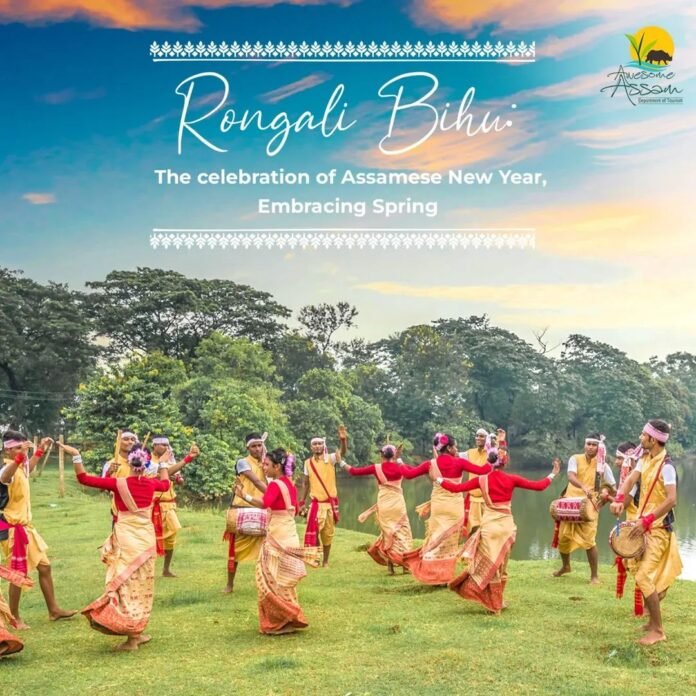
Rongali Bihu, also known as Bohag Bihu, is the most vibrant and widely celebrated festival of Assam. Marking the Assamese New Year, this festival is a joyful celebration of spring, fertility, and new beginnings. It is not just a cultural event but a reflection of the deep-rooted traditions, agrarian lifestyle, and rich heritage of the Assamese people.
When is Rongali Bihu Celebrated?
Rongali Bihu is observed every year in mid-April, usually starting around April 14 or 15, coinciding with the Assamese month of Bohag. It aligns with other regional New Year festivals across India such as Baisakhi, Pohela Boishakh, and Vishu, all of which celebrate the onset of spring and the harvest season.
Why is Rongali Bihu Celebrated?
The festival has its origins in agriculture. Assam is primarily an agrarian state, and Rongali Bihu marks the beginning of the sowing season. It is a time when farmers prepare their fields for cultivation and pray for a prosperous harvest.
Beyond agriculture, Rongali Bihu also celebrates youth, love, and life. Traditionally, it was a time for young men and women to express affection through songs and dances, symbolizing renewal and harmony with nature.
The Significance of Rongali Bihu
Rongali Bihu holds immense cultural and social significance. It represents: ●Renewal and Hope: The Assamese New Year brings fresh beginnings. ●Agricultural Prosperity: It marks the start of the farming cycle. ●Cultural Identity: The festival showcases Assam’s traditional music, dance, and attire. ●Community Bonding: People come together, strengthening social ties.
The festival is characterized by the energetic Bihu dance, accompanied by traditional instruments like the dhol, pepa, and taal. The rhythmic movements and lively music embody the spirit of joy and celebration.
How is Rongali Bihu Celebrated?
Rongali Bihu is celebrated over several days, each with its own rituals: ●Goru Bihu (Cattle Day): Cows and bulls are washed, decorated, and worshipped, acknowledging their importance in agriculture. ●Manuh Bihu (Human Day): People wear new clothes, seek blessings from elders, and exchange greetings. ●Husori and Mukoli Bihu: Groups perform traditional songs and dances in open fields and households.
Food plays a central role in the celebrations. Traditional delicacies like pitha (rice cakes), laru (sweet balls), and curd with flattened rice are prepared and shared among family and friends.
Homes are cleaned and decorated, and people often visit relatives, reinforcing bonds of love and respect.
A Festival Beyond Borders
While rooted in Assam, Rongali Bihu is now celebrated by Assamese communities across India and the world. Cultural programs, music performances, and community feasts bring people together, keeping the tradition alive even far from home.
Conclusion
Rongali Bihu is more than just a New Year festival—it is a celebration of life, nature, and togetherness. With its blend of agricultural significance, cultural richness, and joyous spirit, it continues to define the essence of Assamese identity. As spring breathes new life into the land, Rongali Bihu fills hearts with hope, happiness, and a sense of renewal.
Are you searching for a fun way to stay active and make new friends in Vadodara?
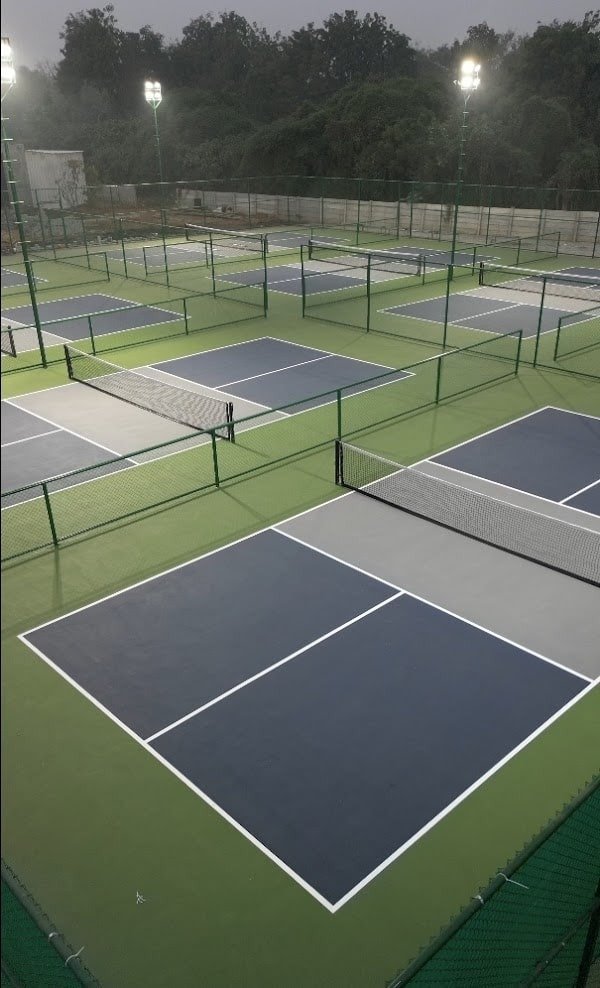
Pickleball is the sport everyone is talking about! It’s easy to learn, fun to play, and perfect for all ages. The good news? Vadodara has some amazing pickleball courts where you can start playing today.
We’ve found top pickleball courts in Vadodara that are affordable, easy to reach, and offer professional coaching in welcoming communities. Perfect for players of all levels looking to play and make new friends. Let’s show you the best pickleball court in Vadodara!
What Makes a Great Pickleball Court?
Before we show you our top picks, let’s understand what separates a good court from a great one:
Important Features to Look For:
1. Court Condition
Smooth, non-slip surface for safety
Proper court size (20 feet × 44 feet)
Clear lines and net in good condition
2. Lighting
Good lights for day and evening play
No dark corners that create shadows
3. Facilities
Clean changing rooms and washrooms
Water and refreshment areas
Parking space
4. Coaching & Community
Professional trainers available
Friendly atmosphere for beginners
Regular games and events
5. Pricing
Fair and transparent rates
Membership options available
No hidden charges
Top 5 Best Pickleball Courts in Vadodara
1. 3rd Shot by Strokess – The Best Pickleball Court in Vadodara
Why It’s Ranked #1:
3rd Shot by Strokess is the city’s first DUPR-affiliated club and Vadodara’s premier pickleball court. This is where serious players and beginners meet!
Key Features:
8 high-quality courts with expert coaching and a welcoming community
DUPR-certified courts (international standard)
Professional coaching for all levels
Easy online court booking system through official website
World-class facilities and competitive rates with membership at ₹10,000 for 6 months
Serves players across popular areas like Alkapuri, Akota, Vasna, and Karelibaug
DUPR Night events to challenge yourself and boost your global rating
On-site restaurant “Karibu” – Enjoy fresh food and meals after your game!
Location: 3rd Shot By Strokess, opp. eclipse sports 2, New Alkapuri, Ankodiya, Vadodara, Gujarat 391330 Price: ₹500 per hour (members get special rates) Membership: ₹10,000 for 6 months (20 court slots + fixed pricing) Timings: Open daily 6 AM to 1 AM
Why Players Love It: This is the best pickleball court in Vadodara if you want the complete experience. Whether you’re just starting or training seriously, you’ll find everything here. The professional coaches teach proper technique, and the community events help you meet players at your level. After your game, enjoy delicious food and drinks at Karibu restaurant without leaving the venue!
Perfect For: Serious players, beginners wanting to learn properly, people who want to join a community
2. MatchPoint Vadodara
Why It’s Great:
MatchPoint features four international-grade pickleball courts meticulously designed to meet global standards.
Key Features:
Four international-grade courts and a beach volleyball court
Coaching sessions led by India’s first certified female coach
Open 7 AM to 12 AM daily (extended hours)
Paddle rental and sales available
Easy online booking system
Welcoming for all ages
Location: Ankodiya Rd, behind Doggers Park, opposite Veda Lawns, New Alkapuri, Ankodiya, Vadodara, Gujarat 390023 Price: Budget-friendly rates with flexible booking Timings: 7 AM – 12 AM daily
Why Players Love It: MatchPoint has the longest operating hours in Vadodara! If you’re a night owl or early bird, this court works for everyone. The female coach brings a special touch to coaching, making beginners feel more comfortable. Great for group bookings and friends playing together.
Perfect For: Night players, group games, people wanting coaching from a female coach, all ages
3. Vadodara Pickleball Arena
Why It’s Popular:
Vadodara Pickleball Arena boasts three top-notch courts and is open till 1am everyday.
Key Features:
3 outdoor dedicated courts with permanent lines and nets
Lights and restrooms available
Perfect for competitive play
One-time fee to play (very budget-friendly)
Great for casual players
Location: Central Vadodara Price: Very affordable Timings: Open till 1 AM daily
Why Players Love It: This is the budget king of Vadodara pickleball courts! If you want to play late at night, this is your spot. No fancy facilities, but clean courts that let you focus on the game. Perfect for practicing without spending too much money.
Perfect For: Budget-conscious players, night games, casual friendly matches, beginners wanting to try the sport
4. Elevate Sports
Why It Stands Out:
Elevate Sports in Gotri is rated 4.8 out of 5 with 30 customer reviews and ratings.
Key Features:
Located in Gotri near Sai Sudha Lawns
Multiple quality courts
High customer satisfaction (4.8/5 rating)
Open till 2 AM daily
Community atmosphere
Professional setup
Location: Gotri (Near Sai Sudha Lawns), Vadodara Price: Affordable rates Timings: Open till 2 AM
Why Players Love It: Real players have given this court 4.8 stars! That’s amazing. The late-night timing and community feel make it special. If you want a court where other players recommend playing, this is it.
Perfect For: Players who trust reviews, late-night games, people in the Gotri area, community-focused players
5. Smash Pickleball Club & Cafe
Why It’s an Option:
Smash offers pickleball courts with a café in the same location. Great if you want to play and grab food without going anywhere else!
Key Features:
Pickleball courts available
Café with coffee and snacks
Food options available
Located on Vasna Road
Sports club membership available
Open till late (12 AM)
Location: Smash, Fitness MMA Dojo, Vasna – Bhayli Main Rd, near Kalyan Party Plot, Krishnadham Society, Saiyed Vasna, Vadodara – 390007 Price: Standard rates Timings: Open until 12 AM
Why Players Choose It: If you like playing pickleball and then relaxing with a cup of coffee at the same place, this is a good choice. The café is convenient after your game. It’s a nice spot for casual players who want to combine sports with café hangout time.
Perfect For: Casual players, coffee lovers, people who want sports + food in one place
Quick Comparison of Vadodara Pickleball Courts
Court Name
Price
Courts
Best For
3rd Shot by Strokess
₹500/hour
8
Premium courts + pro coaching + on-site dining
MatchPoint Vadodara
Budget
4
All ages, night players
Vadodara Pickleball Arena
Cheapest
3
Casual players
Elevate Sports (Gotri)
Affordable
Multiple
Community & trust
Smash Pickleball Club
Standard
Multiple
Casual play + café
Beginner’s Guide: What You Need to Know About Pickleball
What exactly is Pickleball?
Pickleball is a fun sport that’s a mix of tennis, badminton, and ping-pong. It’s played on a small court with simple paddles and a plastic ball. Here’s what makes it special:
Easier than tennis – The court is smaller, the ball is slower, easier to hit
Fun for everyone – Kids, teenagers, adults, and seniors all play together
Quick to learn – Most people learn in just 1-2 hours
Great exercise – Good cardio without being too tough on your joints
Social – You make friends while playing!
Basic Rules (Keep It Simple!)
The Court:
Size: 20 feet × 44 feet (small and manageable)
Net height: Like tennis
“Kitchen” (non-volley zone): 7 feet on each side of the net
The Game:
Played with 2 players (singles) or 4 players (doubles)
Score to 11 points (must win by 2)
Serve underhand (easier than tennis!)
Serve diagonally (like tennis)
One chance to serve (in most formats)
Winning:
Score only when serving
First to 11 wins the game
Must win by 2 points
What Gear Do You Need?
Must Have:
Pickleball paddle (₹1000-2000 for beginners) – Most courts have rentals
Comfortable shoes – Non-marking, good grip
Light clothing – Breathable and comfortable
Nice to Have:
Water bottle (stay hydrated!)
Towel
Sports socks
Don’t worry: Most courts provide paddles and balls for beginners. You can try the sport for free before buying equipment!
Find Your Best Pickleball Court in Vadodara
Vadodara now has excellent options for pickleball lovers. Whether you want the best facilities, budget-friendly play, or late-night games, there’s a perfect court waiting for you.
3rd Shot by Strokess stands out as the best pickleball court in Vadodara, offering world-class facilities, professional coaching, on-site dining at Karibu restaurant, and a strong community. And also another court in this list has something special to offer
Don’t wait! Pick a court, grab a paddle, and start your pickleball journey today. Your new favorite sport—and new friends—are waiting!
Frequently Asked Questions
Q: Is pickleball difficult to learn? A: Not at all! Most people learn basic rules in 30 minutes. You can have fun from your very first game.
Q: Is pickleball only for old people? A: Wrong! Young adults (aged 25-34) are the fastest-growing group of pickleball players. People of all ages love it.
Q: How much does it cost to play in Vadodara? A: From ₹30 to ₹700 per hour depending on the court. Budget options are available!
Q: Can I play without knowing anyone? A: Yes! Most courts have open games where you can join locals. It’s a very friendly sport.
Q: Do I need my own paddle? A: No! All courts in Vadodara offer paddle rentals. Beginners usually borrow paddles.
Q: What’s the best time to start? A: Right now! Any age is good to start. The best times in Vadodara are mornings (6-8 AM – cool and less crowded) or evenings (6-9 PM – busy but fun).
Q: Are there tournaments in Vadodara? A: Yes! 3rd Shot by Strokess hosts DUPR Night events where you can compete and track your global rating.
Q: Can I bring my kids? A: Absolutely! Pickleball is perfect for kids. All courts welcome players from young children to seniors with special programs for different age groups.
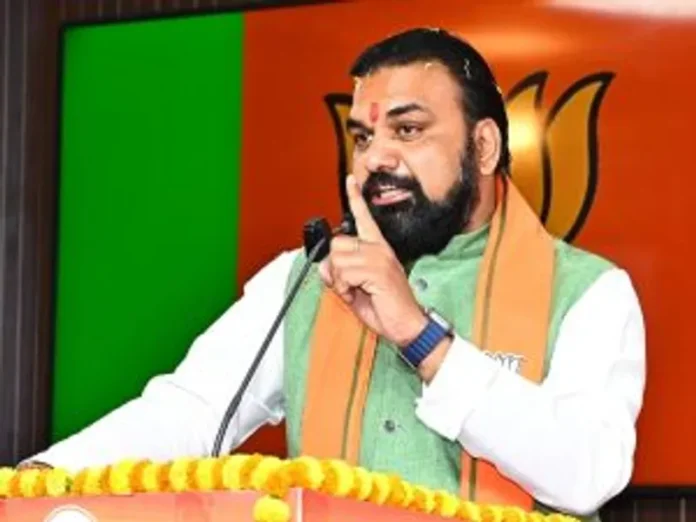
The rise of Samrat Chaudhary as the Chief Minister of Bihar in April 2026 marks a historic political shift in the state. For the first time, a leader from the Bharatiya Janata Party (BJP) has assumed the top post, ending the long-standing dominance of Nitish Kumar, who stepped down to move to the Rajya Sabha.
Early Life and Background
Born on November 16, 1968, in Munger district, Samrat Chaudhary comes from a strong political lineage. He is the son of veteran politician Shakuni Chaudhary, which exposed him to public life from a young age. Belonging to the Kushwaha (OBC) community, Chaudhary has emerged as a key social and political figure, representing an important voter base in Bihar’s caste-driven politics.
Political Journey
Chaudhary’s political career reflects both adaptability and persistence. He began his journey with the Rashtriya Janata Dal (RJD) under leaders like Rabri Devi, before moving to the Janata Dal (United) (JD(U)), and eventually joining the BJP.
Over the years, he has held several key positions, including Member of the Bihar Legislative Assembly and Legislative Council. He also served as Leader of the Opposition in the Bihar Legislative Council and later became the BJP’s state president in 2023, strengthening the party’s organisational base.
Rise in Governance
Chaudhary’s administrative career gained momentum when he became Deputy Chief Minister in 2024 under Nitish Kumar. During this period, he handled significant portfolios such as finance and home affairs, establishing himself as a strong administrator and a prominent BJP face in Bihar politics.
His consistent rise within the party and government made him the natural choice for leadership when political circumstances shifted in 2026. He was elected leader of the BJP legislative party, paving the way for his elevation to Chief Minister.
A Historic Political Shift
Samrat Chaudhary’s appointment is not just an individual achievement but a landmark moment in Bihar’s politics. It signifies the BJP’s growing influence in the state and its strategic push to broaden its social coalition by projecting an OBC leader.
The Road Ahead
As Bihar’s 24th Chief Minister, Chaudhary faces high expectations. Known for his organisational strength and grassroots connect, he has promised to take the state toward faster development and better governance. His journey—from regional politics across multiple parties to leading the state—highlights both political resilience and the evolving dynamics of Indian politics.
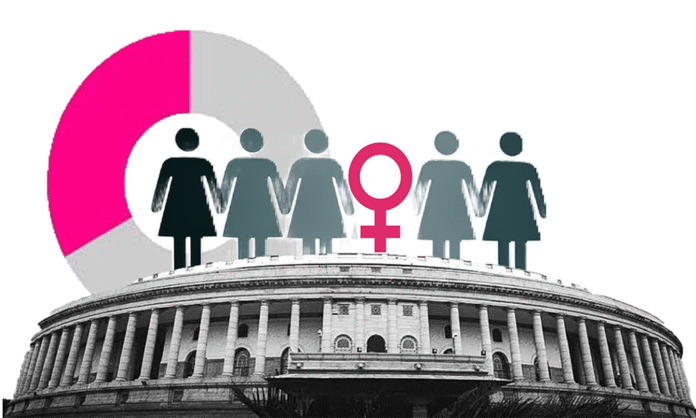
Women Reservation: The Centre is preparing to implement 33% reservation for women in the Lok Sabha starting from the 2029 general elections, alongside a major proposal to expand the strength of the House from 543 to 850 seats.
According to draft proposals circulated to MPs, 815 seats will be allocated to states and 35 to Union Territories. Out of the total 850 seats, 273 are proposed to be reserved for women under the new arrangement.
To enable this, the government plans to introduce the Constitution (131st Amendment) Bill, along with amendments to delimitation and Union Territories laws, during a special session of Parliament scheduled for April 16–18. Narendra Modi is expected to respond to the debate on April 17.
How the Reservation Will Work
The proposed 33% quota for women will remain in force for 15 years—covering the 2029, 2034, and 2039 Lok Sabha elections. Seats reserved for women will rotate across constituencies in each election cycle. The quota will also include sub-reservations for Scheduled Castes (SC) and Scheduled Tribes (ST) women.
Delimitation Key to Implementation
The implementation of reservation is tied to a fresh delimitation exercise. The government has proposed using the 2011 Census as the basis for redrawing constituencies, replacing the earlier system based on the 1971 Census.
A Delimitation Commission, headed by a sitting or retired Supreme Court judge, will be constituted. Its decisions will be final and legally binding.
Political Debate Intensifies
While most parties support women’s reservation in principle, the proposal has triggered political debate over linking it with seat expansion and delimitation.
Congress President Mallikarjun Kharge and leaders like Kapil Sibal have argued that reservation can be implemented within the existing 543 seats. Telangana Chief Minister Revanth Reddy has opposed increasing seats based on population, warning it could disadvantage southern states.
On the other hand, Union Minister Kiren Rijiju has defended the move, stating there should be no further delay in implementing women’s reservation after decades of demand.
As the debate unfolds, the proposed reforms are set to significantly reshape India’s electoral landscape ahead of 2029.
In recent years, there’s been a significant amount of discussion about how certain vitamins and minerals can bolster our body’s natural defences. One of the more remarkable topics within this conversation is the importance of magnesium complex explained as a crucial element in maintaining a robust immune system. Understanding how various supplements work and how they can complement our daily diet is essential to cultivating a healthy lifestyle, especially considering the numerous roles they play in our overall well-being.
The Basics of Our Immune System
The immune system is our body’s primary defence mechanism against infections and diseases. It consists of an intricate network of cells, tissues, and organs working in harmony to fend off harmful invaders like bacteria, viruses, and pathogens. The immune response involves recognising antigens, neutralising them, and remembering them to provide future protection. However, for this system to function optimally, it requires a balanced diet, healthy lifestyle choices, and sometimes, supplementation.
How Supplements Assist Our Immune System
With today’s busy lifestyles and the varying quality of diets, it’s not always easy to get all necessary nutrients from food alone. Supplements serve to fill this gap, providing essential vitamins and minerals that support the immune system. For instance, vitamin C is well-known for its role in boosting immunity by encouraging the production of white blood cells, which combat infections.
Essential Supplements for Immune Support
In addition to vitamin C, there are several other supplements known for their immune-supporting properties. Zinc is another mineral vital for immune function, aiding in the development and function of immune cells. Vitamin D, often referred to as the “sunshine vitamin,” is crucial for immune regulation and has been shown to reduce the risk of respiratory infections. Moreover, the aforementioned magnesium complex can also support overall body functions, thus indirectly supporting your immune system.
Safety and Efficacy of Supplements
While supplements can play a beneficial role in supporting the immune system, it is important to approach them with caution. It’s always advisable to consult a healthcare professional before starting any new supplement regime, as individual nutritional needs can vary greatly. Over-supplementation can lead to adverse effects, as seen with excessive intake of certain fat-soluble vitamins which can accumulate in the body.
The Future of Supplements and Immune Health
Research into supplements and their influence on immune health is ongoing, with scientists continually exploring new compounds and their potential benefits. Innovations in technology and medical research are paving the way for more personalised nutrition approaches, including tailored supplement recommendations based on genetic profiles. As the science of nutrition progresses, the role of supplements in supporting a healthy immune system is likely to become even more pronounced, promoting a more proactive approach to health and disease prevention.
In conclusion, while supplements shouldn’t replace balanced nutrition and a healthy lifestyle, they can provide significant benefits in supporting the immune system. Understanding the role of essential nutrients, like magnesium, along with other vitamins and minerals, is key to maintaining a resilient and responsive immune system capable of protecting us against a myriad of health challenges.
Ben Austin is the founder and CEO of Absolute Digital Media, a UK-based SEO and digital marketing agency established in 2008. The agency specialises in regulated industries including iGaming SEO, financial services, legal, and healthcare, and has accumulated over 175 industry awards. Ben has 17 years of hands-on experience in technical SEO, link acquisition, and search strategy for compliance-sensitive sectors. He writes on organic search, AI-driven visibility, and LLM citation optimisation.
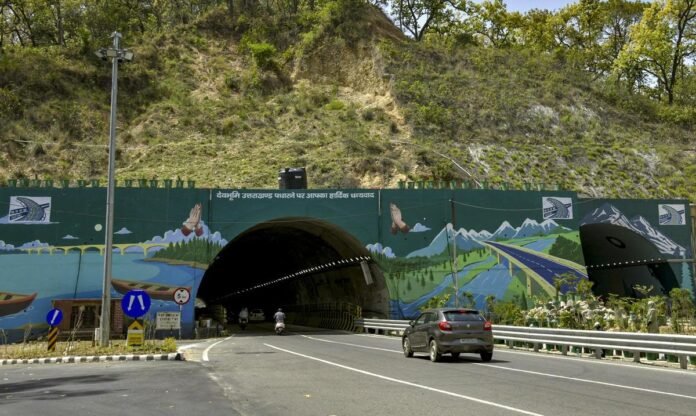
PM Modi Inaugurates Delhi–Dehradun Economic Corridor, Boosting Connectivity and Growth Prime Minister Narendra Modi on April 14, 2026 inaugurated the Delhi–Dehradun Economic Corridor, marking a major leap in India’s infrastructure and connectivity landscape. The ambitious project is set to transform travel, tourism, and economic activity across northern India.
The Delhi-Dehradun Economic Corridor, being inaugurated today, is a world-class infrastructure project that will deepen connectivity, boost the economy and tourism. https://t.co/5TayGK4QLZ
Stretching over approximately 210–213 kilometres, the six-lane, access-controlled corridor has been developed at a cost of over ₹12,000 crore. It connects Delhi with Dehradun through parts of Uttar Pradesh and Uttarakhand, significantly enhancing regional mobility.
One of the most notable features of the corridor is the drastic reduction in travel time. The journey between Delhi and Dehradun, which earlier took more than six hours, can now be completed in around 2.5 hours, offering faster and more efficient connectivity for commuters and tourists alike.
The corridor also stands out for its environmentally conscious design. It includes a 12-kilometre elevated wildlife corridor, one of the longest in Asia, along with multiple animal crossings to minimize human-animal conflict, especially in forest areas like Rajaji National Park.
Speaking at the inauguration, the Prime Minister highlighted the corridor’s role in boosting tourism, trade, and economic development. He emphasized that improved connectivity will promote year-round tourism in Uttarakhand, benefiting sectors such as hospitality, transport, and local businesses.
Beyond easing travel, the Delhi–Dehradun Economic Corridor is expected to decongest existing routes, improve logistics, and support industrial growth in the region. It also enhances access to key destinations, including pilgrimage routes like Char Dham, further strengthening its strategic importance.
The project reflects India’s growing focus on modern, sustainable infrastructure that balances development with environmental protection. With advanced features, improved safety, and faster transit, the corridor is poised to redefine connectivity between the national capital and Uttarakhand.
More than just a highway, the Delhi–Dehradun Economic Corridor represents a vision of integrated development—bringing together speed, sustainability, and economic opportunity for millions.
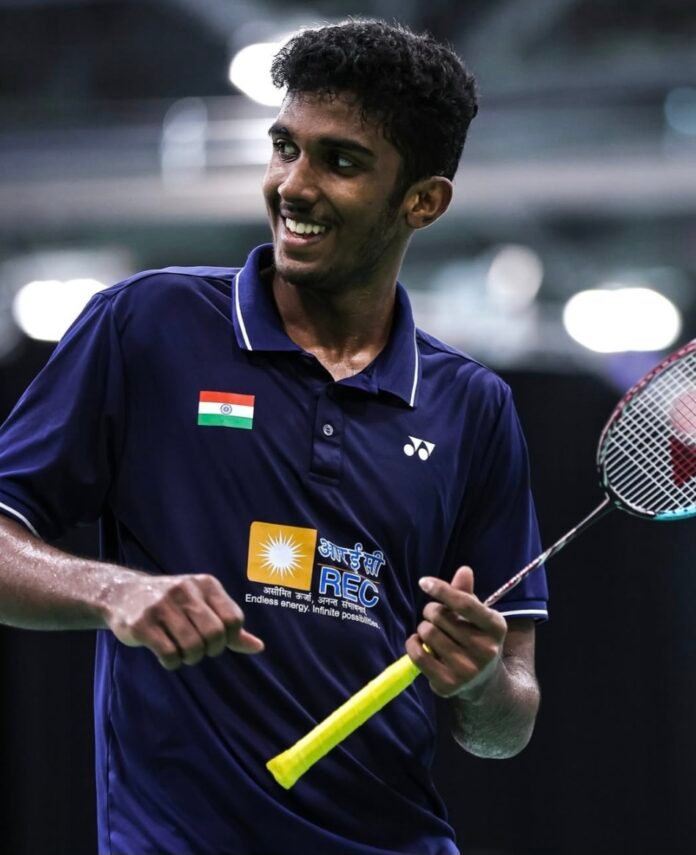
Indian badminton has found a promising new star in Ayush Shetty, whose remarkable performance at the 2026 Badminton Asia Championships has captured national and global attention. At just 20 years of age, Shetty’s fearless run to the final not only earned him a historic silver medal but also marked him as one of the brightest prospects in world badminton.
At the prestigious continental tournament held in Ningbo, China, Shetty stunned the badminton world by defeating multiple top-ranked players, including world No. 4 Jonatan Christie and other elite opponents. His dream run made him the first Indian men’s singles finalist in over six decades at the Badminton Asia Championships, underlining the significance of his achievement.
Though he eventually lost to reigning world champion Shi Yuqi in the final, the defeat did little to overshadow his breakthrough performance. The Chinese star won in straight games, but Shetty’s journey to the final had already demonstrated his ability to compete with—and defeat—the very best.
In interviews following the tournament, Shetty expressed strong self-belief, stating that he always felt he could “beat anyone” if he played his natural game. His confidence was backed by results, as he registered multiple wins over top-10 players during the tournament—an achievement that significantly boosted his belief and standing on the international circuit.
Shetty’s rise has not been without challenges. Earlier in the season, he struggled with injuries and inconsistent performances, facing early exits in several tournaments. However, his resilience and commitment to the process helped him bounce back strongly at the Asia Championships, turning a difficult phase into a defining breakthrough moment.
Standing at 1.95 meters, Shetty brings a powerful physical presence to the court, combining reach, aggression, and improving tactical awareness. His performances have already drawn praise from top players and experts, with many seeing him as a future world-beater.
Beyond the medal, what sets Ayush Shetty apart is his mindset. His belief, composure, and hunger to improve reflect a player who is not just satisfied with reaching finals but is aiming for the very top. As he sets his sights on upcoming global tournaments, including the World Championships, Indian badminton fans have every reason to be excited.
With his breakthrough performance, Ayush Shetty has not just announced his arrival—he has signaled the beginning of a new era for Indian badminton.
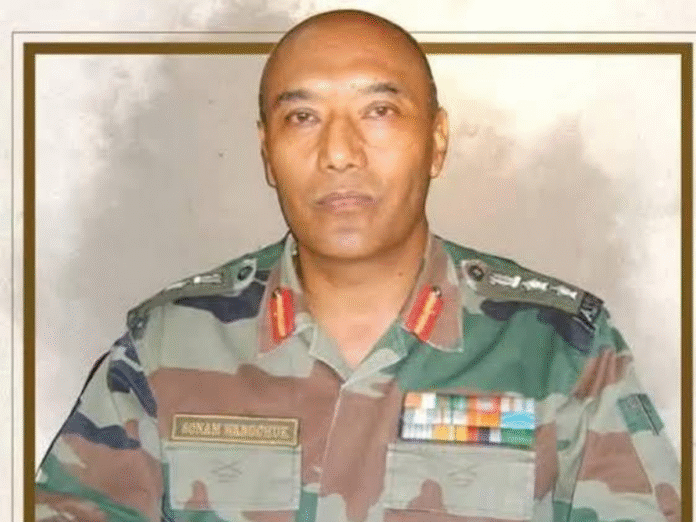
India recently mourned the loss of one of its bravest soldiers, Colonel Sonam Wangchuk, a decorated Kargil War hero known as the “Lion of Ladakh.” He passed away on April 10, 2026, at the age of 61 due to a heart attack at his residence in Leh, leaving behind a legacy of courage, leadership, and selfless service.
Born in Ladakh in 1964, Colonel Wangchuk joined the Indian Army in 1987 and served with distinction in the Assam Regiment and later the Ladakh Scouts. Over the years, he became synonymous with bravery in extreme high-altitude warfare conditions, earning immense respect within the armed forces and beyond.
His defining moment came during the 1999 Kargil War (Operation Vijay), where he played a crucial role in the strategically significant Batalik sector. Then a Major, Wangchuk led his troops through treacherous terrain at heights of over 18,000 feet, facing enemy fire with exceptional courage. In one of the most daring operations, he successfully countered an ambush, led a flank attack, and neutralized enemy positions, ensuring control over key ridgelines.
For his extraordinary bravery and leadership in combat, he was awarded the Maha Vir Chakra, India’s second-highest wartime gallantry award. His actions not only helped secure vital positions but also boosted the morale of Indian troops in one of the toughest battlefields in the world.
Beyond the battlefield, Colonel Wangchuk was known for his humility and quiet strength. Fellow officers and seniors often described him as a grounded and gentle individual who never sought attention despite his remarkable achievements.
His passing has triggered an outpouring of tributes from across the country. Leaders, including Defence Minister Rajnath Singh, and the Indian Army honoured him as a “proud son of Ladakh” whose service and sacrifice will always be remembered.
Colonel Sonam Wangchuk’s life stands as a testament to unwavering patriotism, courage under fire, and dedication to duty. His story continues to inspire generations of Indians, reminding the nation of the sacrifices made by its soldiers to protect its sovereignty.
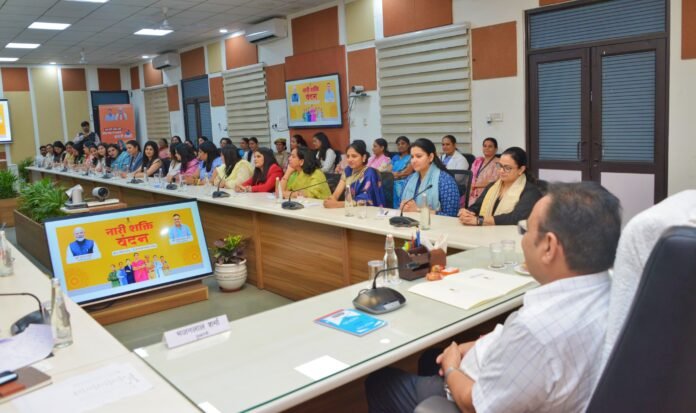
Rajasthan Chief Minister Bhajanlal Sharma addressed women from diverse backgrounds at a special programme organized under the ‘Nari Shakti Vandan Adhiniyam’ awareness campaign at the Chief Minister’s residence. The interaction brought together women from various sections of society, creating a platform for dialogue on empowerment, participation, and leadership.
जब मातृशक्ति सशक्त होती है, तब राष्ट्र समर्थ होता है!
'नारी शक्ति वंदन अधिनियम' केवल एक कानून नहीं, बल्कि करोड़ों महिलाओं के सपनों को उड़ान देने का माध्यम है। प्रबुद्ध माताओं-बहनों के साथ संवाद कर उनकी ऊर्जा और सुझावों को जानना अविस्मरणीय अनुभव रहा।#NariShaktiVandanpic.twitter.com/5kXTFLEZed
During the session, the Chief Minister highlighted the importance of recognising women as equal partners in nation-building. He lauded their contributions across sectors and emphasized that empowering women politically is key to achieving inclusive and balanced development. The event witnessed active participation, with women engaging in discussions and sharing their perspectives.
At the centre of the interaction was the Nari Shakti Vandan Adhiniyam, a landmark legislation passed by the Parliament during the tenure of PM Narendra Modi. The Act proposes 33% reservation for women in the Lok Sabha and State Legislative Assemblies, aiming to significantly enhance their representation in lawmaking bodies.
The Chief Minister described the law as a visionary and transformative reform, designed to bridge the long-standing gender gap in politics. He noted that while women have excelled in various fields, their presence in legislative institutions has remained limited, making such a provision both necessary and timely.
आज मुख्यमंत्री निवास पर 'नारी शक्ति वंदन अधिनियम' जागरूकता अभियान के अंतर्गत आयोजित कार्यक्रम में मातृशक्ति को संबोधित करने का सौभाग्य मिला।
आदरणीय प्रधानमंत्री श्री @narendramodi जी के नेतृत्व में यह अधिनियम महिलाओं को नीति निर्धारण में निर्णायक भूमिका प्रदान करेगा। इस अवसर पर… pic.twitter.com/4IrZv9gebM
The legislation, however, is structured for long-term implementation. Its provisions will come into effect after the next delimitation exercise, which will be carried out following a future census. This ensures a systematic and structured rollout of the reservation policy.
Explaining the need for the Act, Sharma underlined that greater representation of women will lead to more inclusive policymaking, bringing diverse perspectives into governance. He encouraged women to step forward, participate actively in public life, and take up leadership roles.
The Nari Shakti Vandan Adhiniyam is widely seen as a significant step toward strengthening democratic values by ensuring that women have a stronger voice in shaping the nation’s future. The programme at the Chief Minister’s residence reflected this vision, combining awareness with inspiration.
As the dialogue concluded, the message was clear—empowering women politically is not just a reform, but a necessary step toward building a more equitable and progressive society.
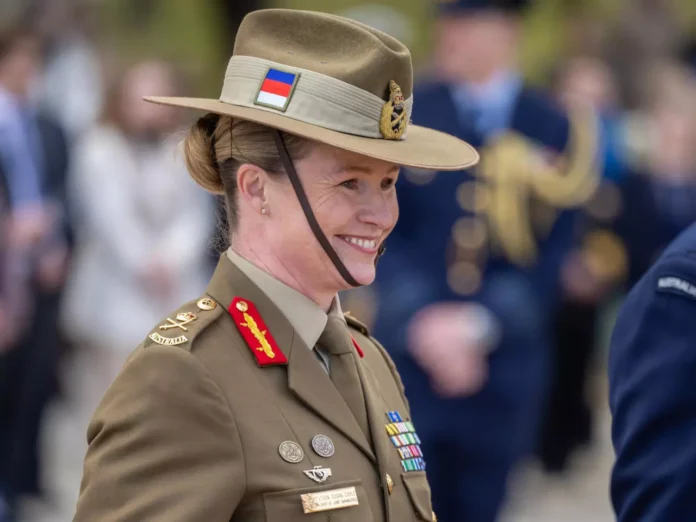
In a historic move for gender representation in the armed forces, Susan Coyle has been appointed as the first female Chief of the Australian Army. Announced in April 2026, her appointment marks a defining moment not only for Australia’s military but also for women in defense leadership worldwide. She is set to formally assume command in July 2026.
With this appointment, Lt Gen Coyle becomes the first woman to lead any service branch within the Australian Defence Force, breaking a long-standing barrier in the country’s military history. She will succeed Simon Stuart, as part of a broader reshuffle of senior military leadership.
Coyle’s journey in the armed forces began in 1987, when she joined the Australian Army Reserves. Over the decades, she has built an extensive and diverse career, gaining expertise in areas such as cyber warfare, joint military operations, and strategic planning. Prior to her new role, she served as Chief of Joint Capabilities, where she oversaw critical aspects of defense coordination and modernization.
Academically accomplished, Coyle is a graduate of the prestigious U.S. Army War College and holds three master’s degrees, reflecting her strong foundation in both military strategy and leadership. Her career trajectory exemplifies a blend of operational experience and intellectual rigor—qualities essential for leading a modern, technologically evolving army.
Her appointment is widely seen as a milestone for gender equality in defense institutions, traditionally dominated by men. It signals a shift toward more inclusive leadership and highlights the growing recognition of women’s contributions in high-ranking military roles. Analysts believe her leadership could inspire more women to pursue careers in the armed forces, not just in Australia but globally.
Beyond symbolism, Coyle is expected to bring a forward-looking approach to the Australian Army, particularly in areas like cyber capabilities, integrated defense systems, and joint operations. Her experience positions her well to navigate emerging security challenges in an increasingly complex geopolitical environment.
The appointment of Lt Gen Susan Coyle is more than a personal achievement—it is a reflection of changing times. As Australia prepares for this leadership transition, her rise stands as a powerful testament to progress, capability, and the breaking of institutional barriers.