Home Blog Page 379

No traffic, no tickets for flight/train: 7 youth from Bihar travel 550 Km Mahakumbh via boat

0

Amidst a massive traffic jam choking the highways to Prayagraj due to the influx of pilgrims for the Maha Kumbh Mela, seven young men from Kamhariya village in Bihar’s Buxar district took an unconventional route—sailing down the Ganga River. Instead of getting stuck in endless lines of vehicles, they navigated 275 kilometers of the sacred river in a motor-propelled boat, reaching their destination with ingenuity and determination.

An Unconventional Pilgrimage

The group, comprising professional boatmen—Manu Chaudhary, Sumant, Sandeep, Sukhdev, Aadu, Ravindra, and Ramesh—set off on their journey on February 11. Their vessel, a boat typically used by Manu for daily crossings at Kotwa Narayanpur in Ballia, became their means of defying gridlocked highways.

In an interesting modern twist, they relied on Google Maps for navigation—just like the commuters stuck on congested roads. The only difference? Instead of highways, Google showed them the meandering course of the Ganga, guiding them safely through the river’s twists and turns, even in the pitch darkness of night.

Prepared for the Long Haul

This wasn’t just a desperate attempt to bypass traffic; it was a well-planned expedition. The team ensured their boat was stocked with essentials—a gas cylinder, stove, food supplies, an extra engine, and a fuel reserve—allowing them to be self-sufficient throughout their 84-hour-long round trip.

Covering nearly 550 kilometers in total, they reached Prayagraj on February 13. Upon nearing the city, they anchored their boat near pontoon bridge number 30 and proceeded on foot to the Mela site.

More than a Journey, an Experience

Despite the physically demanding voyage, the group fulfilled their spiritual goal—taking the sacred snan (bath) in the holy waters before embarking on their return journey. Their entire trip was budget-friendly, costing around ₹20,000, primarily spent on petrol.

This unique voyage wasn’t just a pilgrimage but a testament to their ingenuity, resilience, and deep-rooted connection to the Ganga. While thousands were stranded in hours-long traffic jams, these seven men sailed seamlessly to their destination, blending tradition with modern technology in an extraordinary journey of faith.

Mother, warrior and protector: RPF Officer carries her 1-year-old child on duty, internet salutes “Supermom”

0

A few hours after a tragic stampede at New Delhi Railway Station claimed several lives, a heartwarming video has surfaced, capturing the resilience and unwavering spirit of a mother on duty.

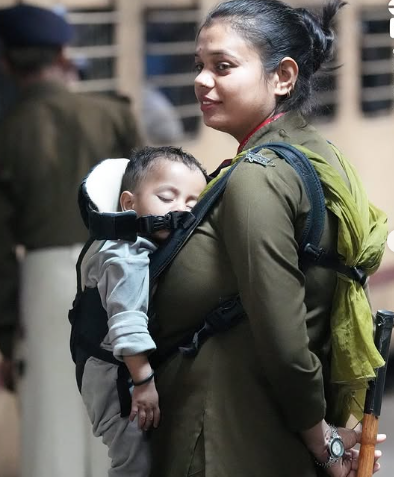
In the viral video, a female Railway Protection Force (RPF) officer is seen carrying her child strapped to her front while holding a baton in her hand, ensuring peace and order at the station. This striking image, blending motherhood with duty, has deeply moved the internet, with many praising her dedication.

With a firm grip on her baton and a gentle smile on her face, she embodies both strength and compassion. The sight of the innocent child nestled against her chest, oblivious to the chaos around, contrasts with her determined presence as she upholds her responsibilities. This powerful moment serves as a tribute to all working mothers who seamlessly balance their professional and personal lives, proving that love and duty know no boundaries.

A Mother, A Protector, A Warrior

Social media users have flooded the internet with admiration and respect for the officer.

“After the stampede at Delhi railway station, an RPF female officer carrying her one-year-old child while on duty. Don’t know whether I should feel proud or sad for her,” wrote one user.

Another echoed the sentiment, tweeting, “A Mother, Protector, and Warrior. An RPF personnel carrying her child while on duty proves that women can balance everything with grace. Salute!”

A poetic tribute by a third user read:
“A woman in uniform, fierce yet kind,
Carrying her child, but never behind.
On the railway platform, she guards the night,
With strength in her heart and a mother’s might.
Salute to the Mother and Policewoman.”

The Tragic Incident

The emotional moment emerged just hours after a horrific stampede at New Delhi Railway Station on Saturday night, which resulted in the deaths of at least 18 people, including five children, and left over a dozen injured.

The tragedy unfolded as thousands of passengers surged toward the trains heading to Prayagraj for the Mahakumbh. The foot-overbridge connecting platforms 14 and 15 became a scene of panic when some travelers slipped while descending, leading to a deadly crush. Authorities have since launched an investigation into the circumstances that triggered the stampede.

In the wake of such a devastating event, the image of the RPF officer standing strong, balancing her duty and motherhood, serves as a poignant reminder of the human spirit’s resilience. While the nation mourns the loss of lives, this moment of courage and dedication has touched hearts, symbolizing hope amid tragedy.

Elon Musk’s 12 kids and 4 marriages: A closer look to his personal life..

0

Elon Musk, the world’s richest man and the founder of Tesla, SpaceX, Neuralink, and The Boring Company, is a father to 12 children from three different women. Some of these names are so unique that pronouncing them can be a challenge for many. Musk is admired not only for his wealth but also for his intellect, wit, and candidness. He has never shied away from expressing his opinions, regardless of how the world perceives them. Naturally, when it comes to naming his children, he has chosen some truly distinctive names.

How Many Children Does Elon Musk Have?

According to public records, Musk has 11 children from three women—two of whom were his wives and one a Neuralink executive. Bloomberg recently reported the birth of his 12th child this year, although no further details have been disclosed. His eldest child is 20 years old. Despite his large family, Musk has also faced a deep personal loss—his firstborn son tragically passed away just 10 weeks after birth. This means Musk has had a total of 13 children, with one deceased and one undisclosed.

Children from Elon Musk and Justine Wilson

Musk’s first wife, author Justine Wilson, gave birth to six children. Their first child, Nevada Alexander Musk, passed away as an infant. The couple later had twins and triplets:

  • Twins (born 2004): Griffin and Vivian Jenna Wilson (formerly Xavier Alexander Musk)
  • Triplets (born 2006): Kai, Saxon, and Damian Musk

Vivian Jenna Wilson legally changed her name and gender identity in 2022, distancing herself from Musk. The triplets were conceived via IVF, as were the twins.

Children from Elon Musk and Grimes

Canadian musician Grimes and Elon Musk have three children:

  • X Æ A-12 Musk (born 2020) – Later modified to X Æ A-Xii Musk due to California’s naming laws; often called “X.”
  • Exa Dark Sideræl Musk (born 2021) – Nicknamed “Y,” born via surrogacy.
  • Techno Mechanicus Musk (born 2023) – Nicknamed “Tau.”

Children from Elon Musk and Shivon Zilis

Shivon Zilis, an executive at Neuralink, has three children with Musk:

  • Twins (born 2021) – Their names remain undisclosed.
  • A third child (born 2024) – No details have been revealed yet.

The Loss of Nevada Alexander Musk

Musk and Justine’s firstborn, Nevada Alexander Musk, was born on May 18, 2002, but tragically passed away just ten weeks later due to sudden infant death syndrome (SIDS). This loss had a profound impact on Musk and his outlook on parenthood.

A Concern for Population Decline

Elon Musk has openly expressed concerns about declining birth rates and their impact on the future of civilization. His growing family appears to reflect his commitment to addressing what he calls the “population crisis.” He has stated on multiple occasions that people should have more children to prevent a demographic collapse.

Summing Up

Elon Musk’s personal life is as unconventional as his business ventures. With 12 children, unique names, and a blend of relationships, he continues to capture public fascination beyond his technological innovations. While his approach to naming and parenting may seem unorthodox, it aligns with his larger-than-life persona—one that defies norms and pushes boundaries in all aspects of life.

The Green Carpet of IIFA: A Symbol of Sustainability and Bollywood’s Global Impact

0

For the past 16 years, the International Indian Film Academy (IIFA) Awards have welcomed celebrities onto a vibrant green carpet, breaking away from the traditional red. This unique shift, first introduced at the 2007 IIFA Awards in Sheffield, UK, was not just a stylistic change but a powerful statement about environmental consciousness.

The Story Behind the Green Carpet

In a bid to raise awareness about climate change, IIFA launched the “Greening The IIFAs” initiative, replacing the classic red carpet with an eye-catching green one. The goal was to align the event with an environmental cause and leverage the influence of Bollywood stars to promote sustainability.

“IIFA has always put the environmental agenda at the forefront of its celebrations,” organizers explained. “The green carpet is a conscious effort to send a global message about sustainability, with celebrities serving as ambassadors for change.”

This initiative has since become a defining feature of the awards, reinforcing Bollywood’s commitment to social responsibility while ensuring that IIFA stands out in the world of entertainment.

The IIFA Awards: A Global Celebration of Indian Cinema

First held in London in 2000, the IIFA Awards were conceptualized by Mumbai-based Wizcraft International Entertainment to honor excellence in Hindi cinema. The event is hosted in a different international destination each year, promoting Bollywood’s influence across the globe.

Dubai hosted the ceremony in 2006, followed by cities such as Bangkok, New York, Colombo, Amsterdam, Madrid, Florida, Kuala Lumpur, and Macau. For the third consecutive year, Abu Dhabi is playing host to the star-studded festival at the Etihad Arena on Yas Island.

This year, the IIFA Festival spans three days, featuring multiple events:

  • IIFA Utsavam (Friday): Celebrating South Indian cinema, hosted by Rana Dagubatti and Teja Sajja (Telugu), Sathish and Diya Menon (Tamil), Akul Balaji and Vijay Raghavendra (Kannada), and Sudev Nair and Pearle Maaney (Malayalam).
  • IIFA Awards (Saturday): The grand Bollywood awards night, hosted by Shah Rukh Khan, Karan Johar, and Vicky Kaushal.
  • IIFA Rocks (Sunday): A night dedicated to music, featuring performances by Shankar-Ehsaan-Loy, rapper Honey Singh, and singer Shilpa Rao.

Performances at the IIFA Awards will include Bollywood legends such as Rekha, along with Vicky Kaushal, Shahid Kapoor, Kriti Sanon, and Janhvi Kapoor. Meanwhile, IIFA Utsavam will showcase talents like Pragya Jaiswal, Raashii Khanna, Regina Cassandra, Prabhu Deva, and Shane Nigam.

The Legacy of the Red Carpet

The tradition of the red carpet dates back to the early 1900s when New York’s Central Railroad used it to guide first-class passengers onto trains. Hollywood later adopted it in the 1920s, and by 1964, the Academy Awards broadcast turned it into a global spectacle, marking the arrival of celebrities in grand style.

While red carpets remain a staple for film festivals and state events, IIFA’s decision to go green reflects a modern evolution—one that blends glamour with purpose.

A Celebration with a Cause

By continuing to embrace the green carpet, IIFA has successfully merged entertainment with environmental advocacy. The move not only distinguishes the Bollywood extravaganza from other global awards but also serves as a reminder that sustainability can be seamlessly integrated into even the most glamorous of events.

As Bollywood’s biggest stars walk the green carpet this year, they will once again reinforce a powerful message—that entertainment and responsibility can go hand in hand.

Albert Hall Museum to Celebrate its 139th Foundation Day on February 21st

0

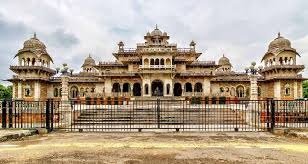
On February 21, 2025, the Albert Hall Museum will mark its 139th Foundation Day, commemorating a legacy of cultural heritage and historical significance. The museum will host a special exhibition titled ‘Albert Hall: Through the Window of the Past’ to celebrate this milestone.

The exhibition will provide a captivating glimpse into the museum’s journey from its inception to the present day. Visitors will be able to experience the evolution of this iconic institution through a unique display of photographs and artifacts. A special feature will be a series of meticulously curated motion pictures, which chronicle the museum’s journey over the years.

Dr. Pankaj Dhirendra, the museum’s director, shared insights about the exhibition and the significant role the museum plays in preserving the cultural heritage of Jaipur and India. The event promises to be a fascinating experience for both tourists and local visitors, shedding light on the history, architectural beauty, and collections that make Albert Hall Museum a cornerstone of Rajasthan’s cultural identity.

Visitors will be invited to witness the rich history of the museum, with the opportunity to explore its impressive exhibitions that span diverse fields, including art, archaeology, and ethnography. The day’s celebrations will highlight the museum’s enduring importance as a treasure trove of Rajasthan’s heritage and its continued contribution to India’s cultural landscape.

This Uttarakhand Farmer’s New Wheat Variety Grows in Any Climate With Minimal Water

0

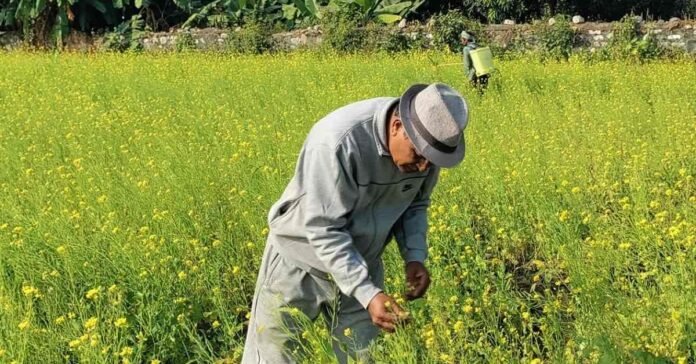
In the rolling hills of Nainital, a man stands knee-deep in the soil, his hands weathered by years of toil. With every crop he nurtures, every seed he collects, and every challenge he overcomes with ingenuity and dedication, 66-year-old Narendra Singh Mehra remains steadfast in his belief—farmers deserve recognition, and people deserve access to pure, healthy food.

Mehra, a farmer from Uttarakhand, has made an extraordinary contribution to Indian agriculture by pioneering a new variety of wheat that can thrive in diverse climates with minimal water. His relentless efforts have not only revolutionized wheat farming but also empowered small-scale farmers by promoting organic cultivation methods.

A Passion Rooted in the Soil

Born in 1959 in the village of Devla Malla, Nainital, Mehra grew up surrounded by agriculture. However, like many in his community, he was encouraged to pursue an education and leave farming behind. He earned degrees in geography, art, and tourism from the DSB Campus in Nainital. Yet, his deep-rooted love for the land drew him back to his ancestral fields. Taking over his family’s farmland, Mehra initially followed conventional farming practices, using pesticides and fertilizers to maximize yield.

Over time, he began to witness a disturbing trend—farmers were shifting towards cash crops like soybeans and tomatoes, abandoning traditional grain cultivation. This raised an alarming question in his mind: What will we eat if this trend continues?

The Discovery of a Game-Changing Wheat Variety

In 2008, while cultivating the RR21 wheat variety, Mehra noticed an unusual stalk of wheat—healthier, fuller, and more robust than the rest. Intrigued, he marked it with a red string and carefully saved its seeds. Over the next few years, he diligently replanted these seeds, determined to unlock their potential.

This Uttarakhand Farmer’s New Wheat Variety Grows in Any Climate With Minimal Water

Despite initial setbacks, he persisted, gradually amassing a small stock of these non-hybrid, indigenous grains. Seeking expert validation, Mehra collaborated with agricultural institutions like the Krishi Vigyan Kendra and GB Pant Agricultural University. With the guidance of experts like Dr. SN Tiwari and Dr. JP Jaiswal, the wheat variety was eventually registered under the Protection of Plant Varieties and Farmers’ Rights Act (PPV&FRA).

Introducing ‘Narendra 09’: A Versatile, High-Yield Wheat Variety

Mehra’s wheat variety, later named Narendra 09, demonstrated remarkable adaptability, thriving in both mountainous and plain regions. Successfully cultivated in Mount Abu, Haryana, Uttar Pradesh, and beyond, it outperformed traditional varieties in both yield and resilience. While conventional wheat varieties typically produce 20–25 grains per stalk, Narendra 09 boasts an impressive 50–80 grains per stalk.

Farmers like 60-year-old Vinita Singh from Uttarakhand soon took notice. After learning about Mehra’s discovery through local news, she decided to cultivate Narendra 09 on her six-acre farm. “With commercial farming, each acre yields around 2,800–2,900 kg, far exceeding other crops in the region. Even when grown organically, the quality is exceptional,” she shares.

Sustainability and the Future of Indian Farming

A key advantage of Narendra 09 is its minimal water requirement, making it ideal for water-scarce regions. Farmers reported yields ranging from 1,800 to 2,500 kg per acre, significantly higher than conventional varieties. Encouraged by its success, Mehra distributed seeds to fellow farmers, initiating a ripple effect that transformed local agricultural practices.

Over time, he recognized the detrimental impact of chemical fertilizers and pesticides on soil health. This realization prompted him to advocate for organic farming, especially among small-scale sugarcane farmers in Uttarakhand. By reducing dependency on harmful chemicals, Mehra is helping farmers restore soil fertility and improve their livelihoods.

A Vision for the Future

Despite his groundbreaking achievements, Mehra remains humble and focused on his mission. “When a child is asked to draw a farmer, they usually depict struggle and hardship. I hope to change that image to one of pride,” he says.

Through his innovations in wheat cultivation and dedication to sustainable farming, Narendra Singh Mehra is not just transforming agriculture in Uttarakhand—he is inspiring a new generation of farmers to embrace the land with dignity and hope.

Royal Palace of Caserta: The World’s Largest Royal Residence

0

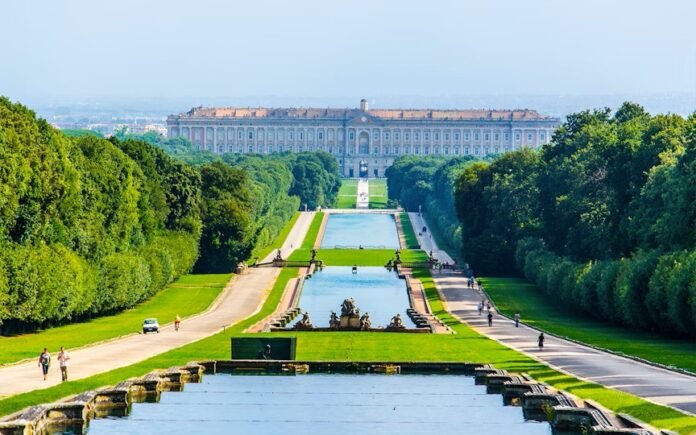
The Royal Palace of Caserta, a UNESCO World Heritage site, is one of Italy’s most magnificent architectural marvels. Built in the 18th century under the orders of King Charles III of Naples, it was designed to rival the grandeur of France’s Palace of Versailles. Known as the largest royal residence in the world by volume, this palace is an extraordinary example of Baroque and Neoclassical architecture, blending elegance, history, and artistic brilliance.

Why Visit the Royal Palace of Caserta?

1. Witness the World’s Largest Palace by Volume

Spanning 61,000 square meters, the Royal Palace of Caserta houses 1,200 rooms, 1,742 windows, 1026 chimneys, and 56 grand staircases. Its sheer size and opulence make it an unmissable destination for history and architecture enthusiasts.

2. Experience a Versailles-Inspired Masterpiece

Designed by the renowned architect Luigi Vanvitelli, who also worked on the Trevi Fountain, the palace’s design reflects the lavishness of Versailles. From its imposing façade to its meticulously adorned interiors, the Royal Palace of Caserta exudes unmatched grandeur.

3. Explore the Majestic Gardens

Beyond its magnificent interiors, the palace boasts 120 hectares of beautifully landscaped gardens, stretching over 3.3 km. These English-style gardens, adorned with cascading fountains, classical sculptures, and reflecting pools, rival the beauty of Russia’s Peterhof Palace.

4. Admire a Treasure Trove of Art and History

The palace’s Palatine Library is home to a vast collection of rare books and manuscripts, while frescoes, sculptures, and luxurious furnishings adorn its many halls. Each room tells a story of royal elegance and artistic mastery.

5. Enjoy a Less Crowded Experience

Unlike other European palaces, the Royal Palace of Caserta offers a more peaceful and immersive visit, allowing visitors to appreciate its architectural beauty and historical significance at a leisurely pace.

Architectural and Historical Significance

A Masterpiece of Baroque Architecture

Often called the “Swan Song” of the Baroque style, the palace is a seamless blend of Neapolitan influences and telescopic spatial illusions, making it a unique architectural feat. Its multi-directional layout and grand corridors create an awe-inspiring visual effect.

A Symbol of Bourbon Power

Commissioned in 1752, the palace was designed to function as a royal residence, government headquarters, and administrative center. Unlike Versailles, which evolved over time, the Caserta Palace was a singular vision of Vanvitelli, representing the power and prestige of the Bourbon dynasty.

Key Historical Moments

1. The Grand Conception (1750s-1770s)

Commissioned by Charles VII of Naples, the palace was meant to be a symbol of Bourbon rule. However, Charles never resided there, as he ascended the Spanish throne in 1759. Construction continued under Ferdinand IV with Vanvitelli’s son, Carlo, overseeing the project after his father’s death.

2. The Palace and Its Town

To support the palace’s construction, an entire town, Caserta Vecchia, was relocated. A silk factory was cleverly disguised as a pavilion within the gardens, and troop barracks were built inside the palace to ensure security.

3. Role in World Wars (1923-1947)

From 1923 to 1943, the palace housed the Italian Air Force Academy. During World War II, it served as Allied Force Headquarters, where the surrender of German and Italian troops was signed in 1945. The palace also hosted the first Allied war crimes trials.

4. Modern Recognition & Pop Culture Influence

In the late 20th century, the palace underwent extensive restoration and became a prominent film location for movies like Star Wars and Mission: Impossible III. Today, it stands as an architectural treasure and a testament to Italian heritage.

Who Owns the Royal Palace of Caserta Today?

Originally built under King Charles III of Spain, the palace remained under Bourbon rule until Italy’s unification in 1861. After the fall of the monarchy, it became state property and is now managed by the Italian government as a national museum and cultural heritage site.

Plan Your Visit

Whether you are an architecture lover, a history buff, or a movie enthusiast, the Royal Palace of Caserta is a must-visit destination. From its lavish interiors and stunning gardens to its rich historical legacy, the palace continues to captivate visitors with its timeless grandeur.

Quick Facts About the Royal Palace of Caserta

  • Dimensions: 247m × 184m × 36m (42m including the roof)
  • Floor Area: 61,000 sq. meters (657,000 sq. ft.)
  • Number of Rooms: 1,200
  • Windows: 1,742
  • Chimneys: 1,026
  • Stairs: 56
  • Garden Length: 3.3 km
  • Garden Area: 120 hectares

So, if you wish to step back in time and experience the grandeur of the Bourbon era, the Royal Palace of Caserta is the perfect place to explore!

O

Sea

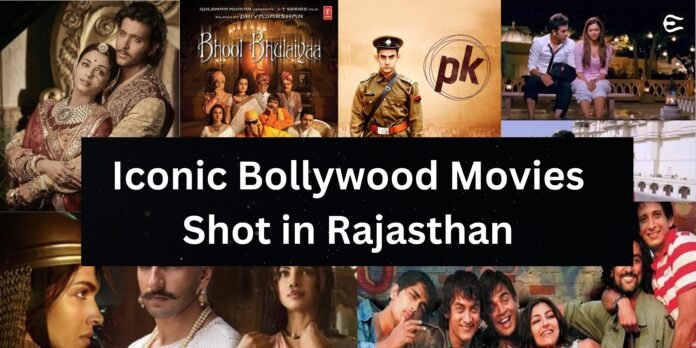
Iconic Bollywood Movies Shot in Rajasthan

0

Rajasthan, with its vast golden deserts, opulent palaces, and majestic forts, has long been a favored destination for Bollywood filmmakers. From period dramas to contemporary blockbusters, the state’s grandeur and timeless charm have added an ethereal quality to many iconic films. As we gear up for the much-anticipated IIFA 2025 – ‘Silver Is The New Gold’, celebrating 25 glorious years of the International Indian Film Academy Awards, let’s revisit some Bollywood masterpieces that have immortalized Rajasthan on the silver screen.

1. Jodha Akbar (2008)

A cinematic spectacle directed by Ashutosh Gowariker, Jodha Akbar recreated the Mughal era with breathtaking visuals from Amer Fort (Jaipur), Nahargarh Fort, and Chittorgarh Fort. Hrithik Roshan and Aishwarya Rai Bachchan’s chemistry, set against the backdrop of Rajasthan’s regal architecture, made this historical drama a visual treat.

2. Yeh Jawaani Hai Deewani (2013)

A movie that redefined friendship and love for an entire generation, Yeh Jawaani Hai Deewani beautifully showcased Rajasthan’s splendor. The iconic Udaipur’s Oberoi Udaivilas provided a dreamlike setting for Kalki Koechlin’s destination wedding, with the majestic Lake Pichola adding to the film’s charm.

3. Bhool Bhulaiyaa (2007)

A psychological thriller with a supernatural twist, Bhool Bhulaiyaa made the Chomu Palace near Jaipur famous. The eerie yet royal ambiance of the palace complemented the film’s mysterious theme, making it one of Bollywood’s most memorable horror-comedies.

4. Bajirao Mastani (2015)

Though a story set in Maharashtra, Sanjay Leela Bhansali’s visual grandeur needed a setting worthy of its epic scale. The Amber Fort in Jaipur was used for pivotal sequences, adding an authentic Rajputana essence to the film’s stunning visuals.

5. Rang De Basanti (2006)

A film that revolutionized youth cinema, Rang De Basanti had several scenes shot at Nahargarh Fort, Jaipur, symbolizing rebellion and a call for change. The fort’s high walls overlooking the Pink City became an iconic visual metaphor in the movie.

6. Bol Bachchan (2012)

A laugh riot directed by Rohit Shetty, Bol Bachchan was extensively shot in Chomu Palace, Jaipur, bringing a regal backdrop to the film’s comic chaos. The film’s grandeur blended perfectly with Rajasthan’s cultural aesthetics.

7. PK (2014)

Aamir Khan’s quirky alien avatar in PK had him wandering through Rajasthan’s deserts, with the song Tharki Chokro filmed in Mandawa, Shekhawati. The colorful havelis and rustic charm of the town lent authenticity to the film’s rural setting.

8. Paheli (2005)

This magical folklore starring Shah Rukh Khan and Rani Mukerji was shot in Jaisalmer’s Sonar Kila (Golden Fort) and Sam Sand Dunes, beautifully portraying Rajasthan’s mystical allure.

9. Shuddh Desi Romance (2013)

A refreshing take on modern relationships, this film had an authentic Rajasthani feel, with vibrant backdrops from Jaipur’s Albert Hall Museum, Hawa Mahal, and Nahargarh Fort.

10. Lamhe (1991)

A Yash Chopra classic, Lamhe beautifully captured the essence of Rajasthan’s royalty. The film, starring Anil Kapoor and Sridevi, showcased the grandeur of City Palace, Udaipur and Samode Palace, Jaipur, giving the romance a regal touch.

Rajasthan: The Timeless Bollywood Muse

The land of kings continues to be Bollywood’s canvas for painting larger-than-life stories. Whether it’s historical epics, romantic dramas, or adventurous thrillers, Rajasthan’s beauty and heritage remain unparalleled.

As we celebrate the NEXA Presents IIFA Awards Co-Presented by Sobha Realty, let’s cherish Rajasthan’s irreplaceable contribution to Indian cinema. If you wish to experience the grandeur showcased in these films, perhaps it’s time to plan a trip to the very locations that have captivated audiences worldwide!

Experience the Magic of IIFA 2025!

With IIFA 2025 tickets available now, immerse yourself in the grand celebration of Bollywood’s best, and witness how Rajasthan continues to inspire filmmakers and cinephiles alike.

Mrs. Movie Review: A Woman’s Battle Against Patriarchy, Told in Silence

0

Some movies entertain, some transport us to a different world, and some—like Mrs.—hold up a mirror so unfiltered that looking away feels impossible. A Hindi adaptation of The Great Indian Kitchen, Mrs. is more than just a retelling; it is a hauntingly immersive experience that lingers long after the credits roll.

Starring Sanya Malhotra in a performance so raw it cuts deep, Mrs. simmers like a slow-cooked dish, revealing layer upon layer of a woman’s struggles, her invisible labor, and the suffocating walls of domesticity closing in around her. Through silence, everyday routines, and quiet rebellion, the film paints an intimate yet universal portrait of gender roles deeply embedded in society.

A World Confined by Tradition

Richa (Sanya Malhotra) is a trained dancer, independent, and full of life. Her marriage to Diwakar (Nishant Dahiya)—a well-respected gynecologist—initially appears to be the start of a beautiful journey. But beneath the surface lies a stark reality. Diwakar, despite his modern profession, is a man shaped by age-old traditions. His home is a temple of patriarchy, where women’s roles have long been predetermined. The kitchen is their sacred space, their battlefield, and their prison.

The screenplay meticulously captures the slow erasure of Richa’s individuality. Her love for dance is first met with mild disapproval, then with quiet control. The once-affectionate Diwakar begins measuring her worth not by her dreams, but by the warmth of the phulkas she serves and the neatness of the home. His love, like the steam rising from the kitchen, evaporates into thin air—leaving behind only expectations and obligations.

The Weight of Silence

One of the most powerful aspects of Mrs. is its quietude. The film doesn’t rely on dramatic confrontations but thrives in unspoken words, lingering glances, and the crushing weight of silence.

Richa’s loneliness is amplified not by what is said, but by what is left unsaid. When she serves food, she stands on the sidelines—not awaiting appreciation, but bracing for criticism. When she requests a plumber, she is ignored, because a leaking sink is only an inconvenience to those who don’t have to clean it. And when she resists unwanted intimacy, she is reduced to an object—her presence acknowledged only in function, never in identity.

Diwakar’s transformation from a seemingly loving husband to an oppressor is not abrupt, but disturbingly gradual. His words, “You smell like the kitchen—the sexiest smell in the world,” initially seem affectionate. But later, that same phrase is weaponized: “You smell like the kitchen,” now a rejection, now a condemnation.

A Performance That Resonates

Sanya Malhotra delivers a career-defining performance. She does not just play Richa—she becomes her. Her silent rebellion, simmering frustration, and quiet despair feel so real that you don’t just watch her—you experience her.

Nishant Dahiya’s portrayal of Diwakar is equally unsettling. He is not a caricatured villain, but an everyday man—one who unknowingly perpetuates cycles of oppression under the guise of tradition.

Kanwaljit Singh, as the father-in-law who commands control without uttering a word, and Aparna Ghoshal, as the mother-in-law resigned to her fate, add further layers of realism to the film’s heavy atmosphere.

A Social Message That Lingers

Where The Great Indian Kitchen delves deeply into patriarchy intertwined with religious rituals, Mrs. softens its approach, shifting focus to the psychological and domestic toll of a woman’s servitude. While this may make the Hindi adaptation feel less hard-hitting, it also makes it more relatable to a wider audience.

In one of the film’s most poignant moments, Richa tells a young girl:

“A woman is like an undivided primary number. That’s her secret power.”

Though slightly metaphorical, the line encapsulates the film’s core message—women are not just supporting characters in the lives of men; they are whole, independent, and complete in themselves.

A Movie That Demands Reflection

Some films offer escape. Mrs. does the opposite—it forces you to sit with your discomfort, to confront the subtle and insidious ways patriarchy operates in everyday life.

For men, Mrs. is a lesson in awareness. For women, it is both a mirror reflecting their struggles and a call to reclaim their power. And for every viewer, it serves as a reminder that real change does not always come from grand gestures—but from the everyday choices we make when no one is watching.

IIFA Awards 2025: Kiran Rao’s Laapataa Ladies Dominates with a Staggering 9 Nominations

0

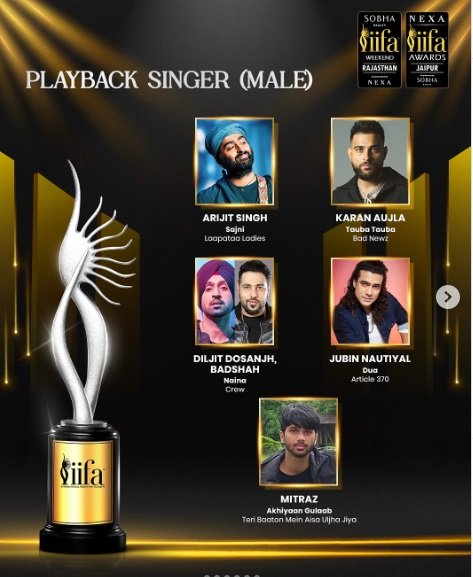
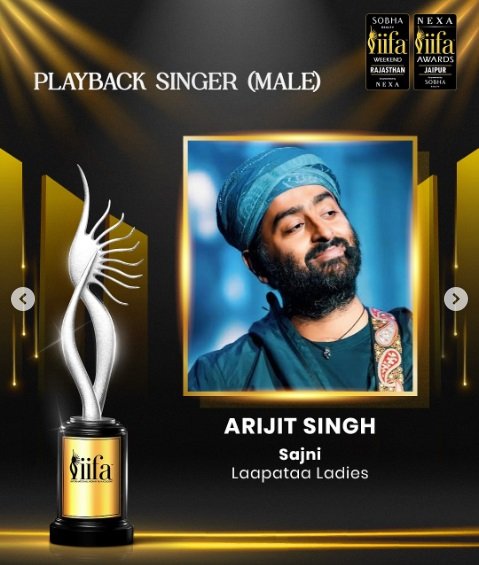
The NEXA Presents IIFA Awards 2025, co-presented by Sobha Realty, is all set to dazzle the world with its grand Silver Jubilee edition in Jaipur, Rajasthan. And leading the charge this year is Kiran Rao’s critically acclaimed Laapataa Ladies, which has emerged as the frontrunner with an impressive nine nominations across major categories.

With its compelling storytelling, stellar performances, and thought-provoking narrative, Laapataa Ladies has captivated both audiences and critics alike. The film’s outstanding reception highlights its deep emotional resonance and artistic brilliance, making it a strong contender for top honours at this year’s prestigious event.

A Grand Celebration in the Land of Kings

Set against the majestic backdrop of Jaipur, Rajasthan, the 25th edition of IIFA is more than just an awards ceremony—it is a celebration of cinematic excellence, cultural heritage, and artistic grandeur. Known as the “Land of Kings,” Rajasthan is steeped in history, with its grand forts, opulent palaces, intricate craftsmanship, and vibrant traditions making it the perfect host for this landmark event.

From Jaipur’s world-famous jewellery and textiles to its lively folk music and colourful festivals, the city’s rich artistic roots beautifully align with IIFA’s vision of celebrating Indian cinema on a global stage.

25 Years of IIFA: Silver is the New Gold

As the International Indian Film Academy (IIFA) completes a remarkable 25-year journey, this edition is set to be a defining moment in its history. The theme, “Silver is the New Gold,” symbolizes the perfect blend of tradition and transformation—silver representing IIFA’s legacy of excellence, and gold signifying its brilliance and future aspirations.

IIFA Awards 2025: Kiran Rao’s Laapataa Ladies Dominates with a Staggering 9 Nominations

Since its inception in 2000, IIFA has evolved into a global phenomenon, breaking geographical barriers and bringing Indian cinema closer to international audiences. Over the years, it has become a powerful symbol of cultural unity, artistic collaboration, and cinematic brilliance.

A Spectacular Three-Day Extravaganza

The milestone 25th edition of IIFA will take place on March 8th and 9th, 2025, in Jaipur, Rajasthan, promising a grand three-day celebration of Indian cinema. With electrifying performances, glamorous red-carpet moments, and high-stakes competition, the event is poised to be a breathtaking spectacle.

As Laapataa Ladies eyes a historic sweep, and Bollywood’s biggest names gear up for an unforgettable night, all eyes are on Jaipur to witness the magic of Indian cinema unfold in its grandest form yet!