Home Blog Page 358

Gogamedi Fair: A Fascinating Cultural Spectacle in Rural Rajasthan

0

India’s rich cultural tapestry is woven with vibrant traditions, unique festivals, and age-old beliefs that continue to thrive in its rural heartlands. Among these, Rajasthan’s Gogamedi Fair stands out as one of the most offbeat and intriguing events, offering a glimpse into the region’s deep-rooted heritage. Held annually in the village of Gogamedi in Hanumangarh district, this festival honors Goga Ji Maharaja, a revered folk deity associated with protection against snakebites.

Historical and Religious Significance

The Gogamedi Fair is not just a celebration but a tribute to Goga Ji Maharaja, also known as Jaharveer, a revered king from the Chauhan dynasty. According to legend, Goga Ji was known for his devotion to livestock, particularly cows, and was instrumental in the establishment of seven massive cowsheds to shelter thousands of cattle. Over time, his good deeds and unwavering commitment to animal welfare earned him the status of a folk deity. Today, he is worshipped as the Serpent God in Rajasthan, with devotees believing that chanting his name can cure snakebites and other ailments.

The temple of Goga Ji Maharaja, located in Gogamedi village, becomes the focal point of devotion during the fair. Pilgrims from Rajasthan, Bihar, and Uttar Pradesh visit the temple, dressed in traditional yellow attire, symbolizing faith and devotion. Many of them walk to the temple in a procession, singing hymns and performing folk dances along the way. A unique and astonishing ritual is the bringing of live snakes by some devotees, reinforcing the deep association of Goga Ji with serpents.

The Colorful Festivities of Gogamedi Fair

The Gogamedi Fair, held from August 18 to 20, is a grand confluence of devotion, cultural performances, and traditional practices. What makes it particularly fascinating for tourists is the blend of rituals, folk art, and unique matchmaking customs. Here are some of the highlights:

1. Ceremonial and Culinary Traditions

The fair begins with elaborate culinary offerings made to Goga Ji Maharaja. These include traditional sweets and dishes made with ingredients like sugar, coconut, and honey. The temple premises are filled with the aroma of these delicious offerings, adding to the festive spirit.

2. Folk Music and Dance

Local folk artists bring the fair to life with mesmerizing performances. Traditional Rajasthani music and dance, including Kalbelia and Ghoomar, captivate visitors. The rhythmic beats and colorful costumes create an immersive experience, reflecting the state’s rich artistic heritage.

3. Handicraft and Cattle Market

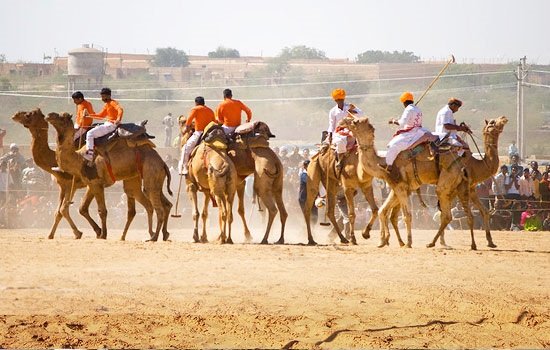
The fair doubles as a marketplace for local artisans and craftsmen who showcase and sell Rajasthani handicrafts, jewelry, textiles, and pottery. Another offbeat aspect is the cattle exhibition, where traders buy and sell camels, horses, and cows, keeping alive Rajasthan’s age-old tradition of animal husbandry.

4. Unique Matchmaking Rituals

One of the most socially intriguing aspects of the Gogamedi Fair is the matchmaking tradition. Young men and women participate in fun-filled activities designed to help them find their prospective life partners. This tradition, deeply rooted in Rajasthani culture, adds an element of joy and amusement to the festivities.

How to Reach Gogamedi Village

Located about 350–360 km from Jaipur, Gogamedi village is well-connected by road and rail.

  • By Air: The nearest airport is Jaipur International Airport. From there, one can hire a taxi or take a bus to Hanumangarh.
  • By Train: The nearest railway station is Hanumangarh Junction, which is well connected to major cities like Delhi, Jaipur, and Bikaner.
  • By Road: Buses and taxis are available from Jaipur, Bikaner, and other nearby cities. A scenic road trip through Rajasthan’s countryside is a great way to experience rural life up close.

What to Carry for the Fair

To fully enjoy the Gogamedi Fair, here are a few essential items to carry:

  • Light, breathable clothing (preferably in yellow to blend in with the devotees)
  • Comfortable footwear for walking and exploring the fairgrounds
  • Sunglasses, sunscreen, and a hat to protect against the sun
  • A camera to capture the vibrant colors and unique rituals
  • A water bottle to stay hydrated
  • Some cash for purchasing local handicrafts and food

Final Thoughts

The Gogamedi Fair is an extraordinary festival that offers a rare glimpse into rural India’s rich traditions, devotion, and cultural vibrancy. Whether you’re a traveler seeking offbeat experiences, a photographer looking for stunning visuals, or a cultural enthusiast keen to witness unique customs, this fair is a must-visit. The blend of rituals, folk music, dance, handicrafts, and matchmaking traditions makes it an unforgettable experience.

Plan your trip to Gogamedi Fair and immerse yourself in a truly mesmerizing slice of Rajasthan’s heritage!

IPL 2025: Rajasthan Royals Announces Captaincy Change Ahead of IPL 2025; Riyan Parag To Lead the Team

0

Even before the start of the Indian Premier League (IPL) 2025, Rajasthan Royals have made a significant leadership change. All-rounder Riyan Parag will take over the captaincy from Sanju Samson, who has been leading the team so far. However, Samson will continue to be a part of the squad as a specialist batsman.

During a practice match on Wednesday (March 19), Parag delivered a stellar performance, smashing an unbeaten 144 off just 64 balls, which included 10 sixes and 16 fours.

Temporary Captaincy Role for Riyan Parag

The Rajasthan Royals management has confirmed that Parag will lead the team in the opening matches of IPL 2025. He will captain Rajasthan in their season opener against Sunrisers Hyderabad on March 23. Following this, he will also lead the team in the home games against last year’s champions Kolkata Knight Riders on March 26 and five-time winners Chennai Super Kings on March 30.

Injury Sidelines Sanju Samson from Fielding Duties

The team management clarified that Sanju Samson remains an integral part of the Royals but has been advised against wicketkeeping and fielding due to an injury. As a result, he will play only as a batsman in the initial matches. Once fully fit, he is expected to reclaim the captaincy.

A Complete Guide to the Indira Gandhi Memorial Tulip Garden, Srinagar

0

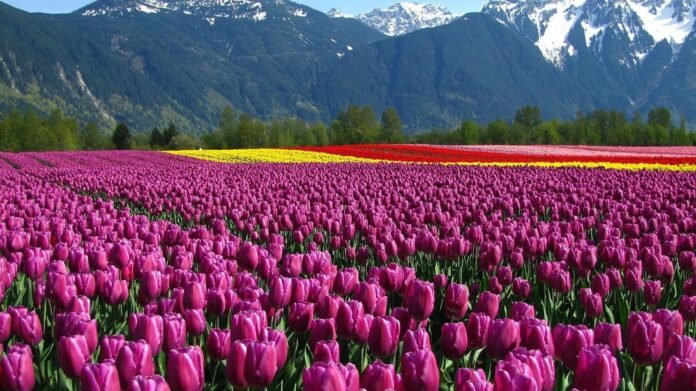
Nestled at the base of the majestic Zabarwan Mountain range, the Indira Gandhi Memorial Tulip Garden is Asia’s largest tulip garden and one of the most breathtaking attractions in Srinagar, Kashmir. With a seven-tiered layout and 48 varieties of tulips, this floral paradise is a feast for the eyes, attracting tourists, photographers, and nature lovers from around the world.

More than just tulips, the garden boasts daffodils, hyacinths, roses, narcissus, and ornamental plants that add to its charm. A tranquil water channel flowing through the terraces further enhances the picturesque landscape, making it an ideal spot for photography and relaxation.

Best Time to Visit

The best time to experience the garden in full bloom is from late March to early April, coinciding with the famous Tulip Festival. During this time, the flowers are at their peak bloom, creating a breathtaking carpet of vibrant hues.

How to Reach the Tulip Garden

  • By Air: The nearest airport is Sheikh ul-Alam International Airport, Srinagar, located about 20 km from the garden. Taxis and cabs are available for hire.
  • By Train: The closest railway station is Jammu Tawi Railway Station, about 270 km from Srinagar. From there, you can take a bus or hire a cab to reach Srinagar.
  • By Road: Srinagar is well connected by road to Jammu and other major cities. You can hire a taxi, drive yourself, or take a bus to reach the city.

Things to Do in the Tulip Garden

  1. Explore the Seven-Terraced Garden – Wander through vibrant rows of tulips and experience the rich biodiversity of the park.
  2. Photography & Videography – The garden provides a perfect setting for capturing mesmerizing shots.
  3. Attend the Tulip Festival – Celebrate Kashmiri culture, local crafts, and delicacies while enjoying live folk performances.
  4. Relax & Meditate – The garden offers a peaceful ambiance for meditation and leisure walks.
  5. Boating at Dal Lake – Just a short drive away, enjoy a serene shikara ride on the famous Dal Lake.
  6. Visit Mughal Gardens – Nishat Bagh and Shalimar Bagh are located nearby, offering more floral beauty.

Itinerary for a Day Trip to the Tulip Garden

8:00 AM – Breakfast in Srinagar (Try Kashmiri bread and kahwa tea).
9:00 AM – Head to the Indira Gandhi Memorial Tulip Garden.
9:30 AM – 12:00 PM – Explore the tulip fields, take photos, and enjoy nature.
12:30 PM – Visit the nearby Mughal Gardens (Nishat Bagh, Shalimar Bagh).
2:00 PM – Lunch at a local Kashmiri restaurant (Try Rogan Josh or Dum Aloo).
3:30 PM – Take a Shikara ride on Dal Lake.
5:00 PM – Shop for Kashmiri handicrafts and souvenirs at Lal Chowk.
6:30 PM – Enjoy a sunset view over Dal Lake before heading back.

What to Carry

  • Comfortable walking shoes.
  • Sunglasses, hat, and sunscreen.
  • Camera or smartphone for photography.
  • A light jacket (Kashmir’s weather can be unpredictable).
  • Snacks and water.
  • Local currency (ATMs are available, but cash is always handy).

Nearby Attractions

  • Sanasar Lake – A peaceful spot for boating and picnicking.
  • Nathatop – An adventure hub offering paragliding and skiing in winter.
  • Shiva Garh – A beautiful trekking destination for nature lovers.
  • Sudh Mahadev Temple – A historic site offering cultural insights.

Summing Up

The Indira Gandhi Memorial Tulip Garden is not just a visual delight but a celebration of nature, culture, and history. Whether you are a travel enthusiast, a photographer, or someone looking for a peaceful retreat, this garden promises an unforgettable experience. Plan your visit, immerse yourself in the riot of colors, and take home memories that will last a lifetime!

Beyond Mangoes: 6 Incredible Indian Summer Fruits That Deserve More Love

0

When we think of summer fruits, mangoes usually steal the spotlight. But India’s diverse climate provides a treasure trove of lesser-known seasonal fruits, each offering unique flavors and incredible health benefits. From the tangy phalsa to the cooling tadgola, here are some delicious summer fruits you may not have heard of but should definitely try!

1. Phalsa: The Tangy Heat-Buster

Phalsa (Grewia asiatica) is a small, round fruit that turns deep purple when ripe. It has a distinctive sweet and tangy taste, making it a favorite for refreshing summer drinks. Rich in antioxidants and vitamins A and C, phalsa is known to combat heat strokes and digestive issues. Traditionally, it is consumed with a sprinkle of salt or turned into cooling sherbets.

2. Kokum: The Goan Superfruit

Native to the Western Ghats, kokum (Garcinia indica) is a tropical fruit renowned for its vibrant red color and sour flavor. Often used in Goan and Maharashtrian cuisine, it adds a tangy twist to dishes. Beyond its culinary uses, kokum is celebrated for its cooling properties and is transformed into the popular kokum sherbet, a perfect antidote to the summer heat.

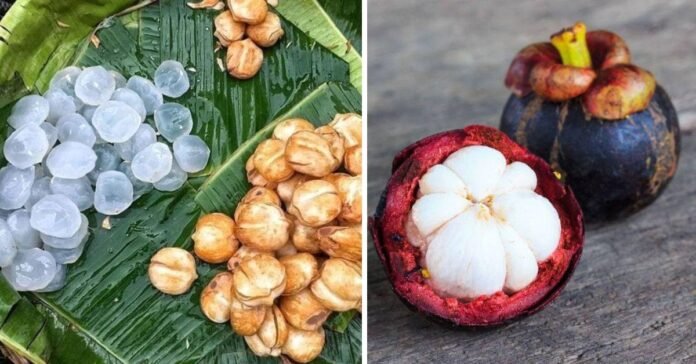
3. Tadgola (Ice Apple): Nature’s Hydration Booster

Also known as nungu in Tamil Nadu, ice apple is the translucent, jelly-like fruit of the sugar palm tree. With a mildly sweet flavor and a texture reminiscent of lychee, it is a natural coolant, making it perfect for hot summer days. Packed with minerals like potassium and sodium, tadgola helps maintain electrolyte balance and keeps the body hydrated.

4. Jujube (Ber): The Vitamin C Powerhouse

Commonly known as ber (Ziziphus jujuba) in India, jujube is a small, round fruit that transitions from green to reddish-brown as it ripens. It boasts a crisp texture and a sweet-tart flavor. Jujubes are low in calories but high in fiber, vitamin C, and antioxidants, making them great for immune support and skin health. They can be enjoyed fresh, dried, or even candied.

5. Bael: The Digestive Healer

Also called wood apple, bael (Aegle marmelos) is a hard-shelled fruit with a sweet, aromatic pulp. It is traditionally consumed as juice, known to aid digestion and act as a natural coolant. Rich in fiber, bael supports gut health and prevents digestive issues. In many Indian households, bael sherbet is a staple during the scorching summer months.

6. Jamun: The Blood Sugar Regulator

Jamun (Syzygium cumini) is an oblong, deep purple fruit that is both sweet and astringent. Celebrated for its unique taste, jamun is particularly beneficial for regulating blood sugar levels. It is a rich source of iron, vitamin C, and antioxidants, making it a powerhouse of nutrition. Often enjoyed with a sprinkle of salt, jamun is a summer favorite across India.

Embrace the Variety of Indian Summer Fruits

While mangoes remain the undisputed king of summer fruits, India’s lesser-known fruits offer an exciting mix of flavors and health benefits. Incorporating these seasonal gems into your diet can keep you refreshed, hydrated, and nourished throughout the sweltering summer months. So, the next time you spot phalsa, kokum, or bael at your local market, don’t hesitate to give them a try!

FICCI FLO Jaipur Hosts an Enlightening Mudra & Manifestation Workshop

0

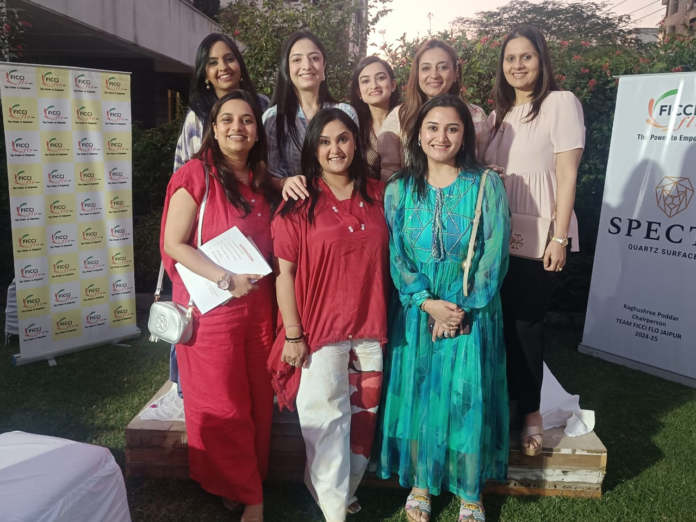
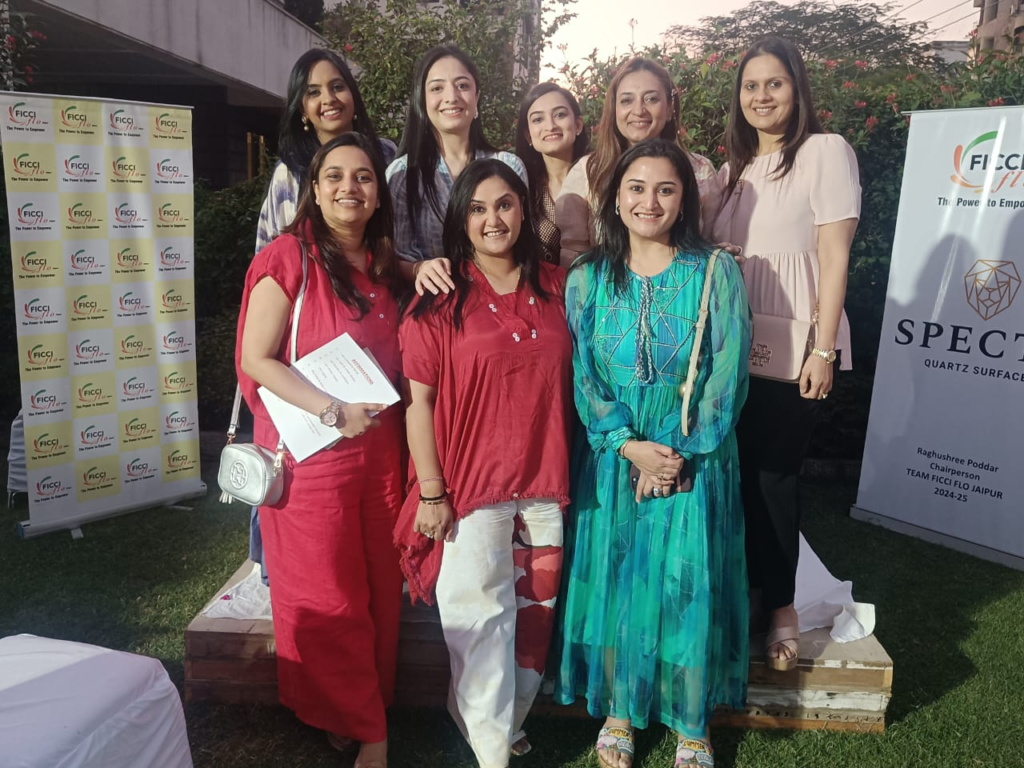
FICCI FLO Jaipur organised an enlightening and spiritually enriching Mudra & Manifestation Workshop at Suramya, Jaipur. The session aimed to empower women with the transformative power of ancient Mudras and manifestation techniques to enhance their overall well-being.

FICCI FLO Jaipur Hosts an Enlightening Mudra & Manifestation Workshop

The event commenced with Harshika Khandelwal, the Master of Ceremonies, warmly welcoming the guests and introducing the esteemed speakers, Ms. Gitika Choudhari, a Certified Mudra Therapist, and Ms. Komal Parnami, a Manifestation Coach & Spiritual Healer. The workshop was set in motion with an insightful speech by Ms. Raghushree Poddar, who emphasized the connection between astrology, the cosmic alignment of the sun and moon, and their influence on personal energy and manifestation.

FICCI FLO Jaipur Hosts an Enlightening Mudra & Manifestation Workshop


Following this, Eti Jain, one of our key sponsors (Specta Quartz) and founder of Suramya , shared a brief note about her brand and its vision, setting an inspiring tone for the workshop.


The first session, led by Ms. Gitika Choudhari, a Certified Mudra Therapist , delved into the science of Mudras—hand gestures known to influence energy flow in the body. She demonstrated specific Mudras for health, prosperity, and emotional balance, educating attendees on their proper practice and benefits.

In the second session, Ms. Komal Parnami, a renowned Manifestation Coach & Spiritual Healer , guided participants through the art of manifestation, positive affirmations, and energy alignment techniques. She explained how thoughts, emotions, and intentions shape reality, empowering women to attract success, love, and abundance into their lives.


To acknowledge their invaluable contributions, Ms. Raghushree Poddar and sponsor Eti Jain felicitated both speakers with a meaningful gift from Suramya. The event’s food partners, Richa Jalani and Vishal Jalani, were also recognized for their delightful culinary offerings, which added to the charm of the evening. Attendees relished the delicious delicacies curated by Brown Sugar, making the evening even more memorable.

A Session of Learning & Engagement
The highly engaging and interactive session saw enthusiastic participation from FLO members, who eagerly embraced the powerful concepts shared by the speakers. The event concluded on a note of inspiration and self-reflection, leaving attendees with practical tools to integrate Mudras and manifestation techniques into their daily lives. Through this unique initiative, FICCI FLO Jaipur continues to champion women’s empowerment, fostering personal growth, well-being, and success through meaningful engagements.

Bhagoriya Festival: Where Fashion Statement of Tribals is Sure to Leave You In Awe. Watch Out Pics of Their Silver Jewellery And Colourful Attire …

0

If you have a keen interest in exploring age-old festive traditions, immerse yourself in the vibrant culture, art, local cuisine, and lesser-known heritage of the tribal heartland in western Madhya Pradesh.

Bhagoriya Festival: Where Fashion Statement of Tribals is Sure to Leave You In Awe. Watch Out Pics of Their Silver Jewellery And Colourful Attire ...

Bhagoria, a traditional carnival observed by the Bhil and Bhilala tribes is among the oldest and most cherished festivals in regions like Jhabua, Dhar, Alirajpur, and Khargone. Celebrated just before Holi, the festival is marked by people playfully applying gulal (colored powder) to each other while dancing and singing to traditional tribal tunes.

Bhagoriya Festival: Where Fashion Statement of Tribals is Sure to Leave You In Awe. Watch Out Pics of Their Silver Jewellery And Colourful Attire ...

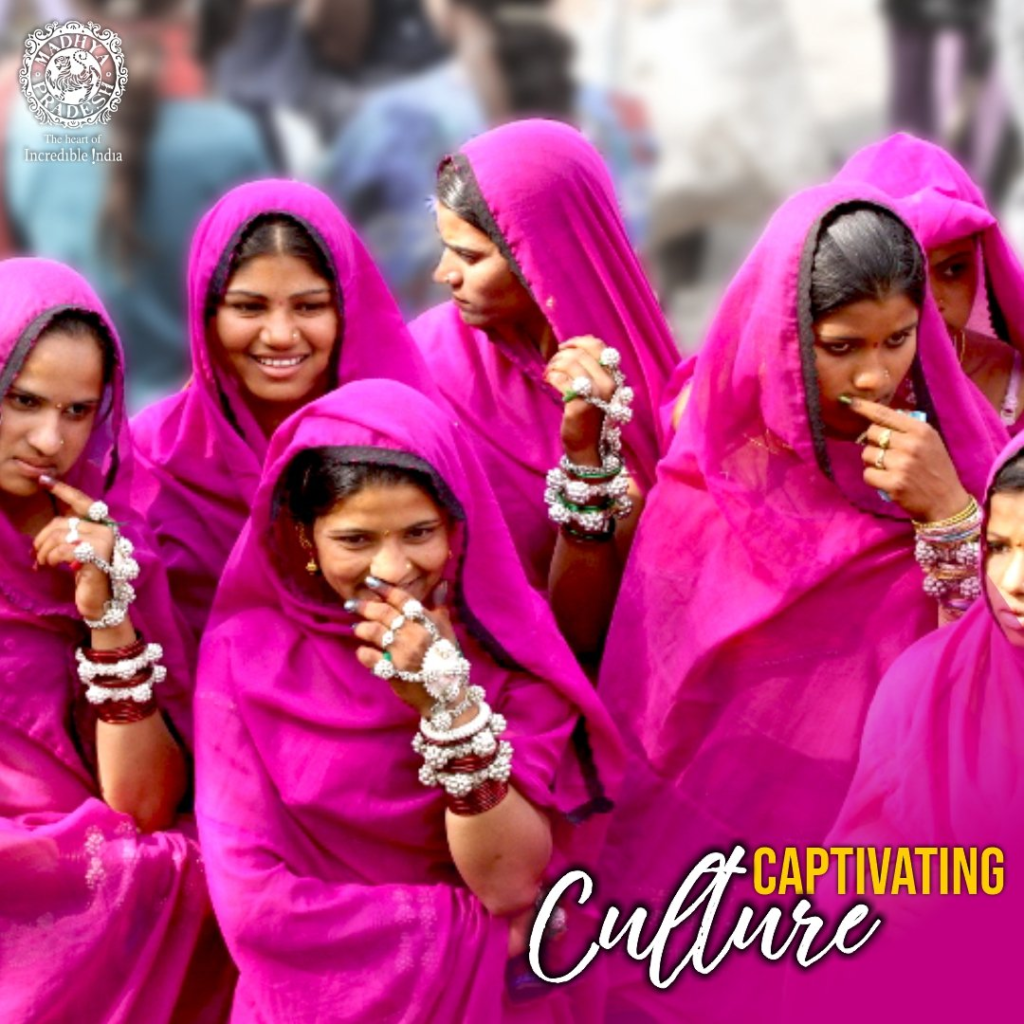
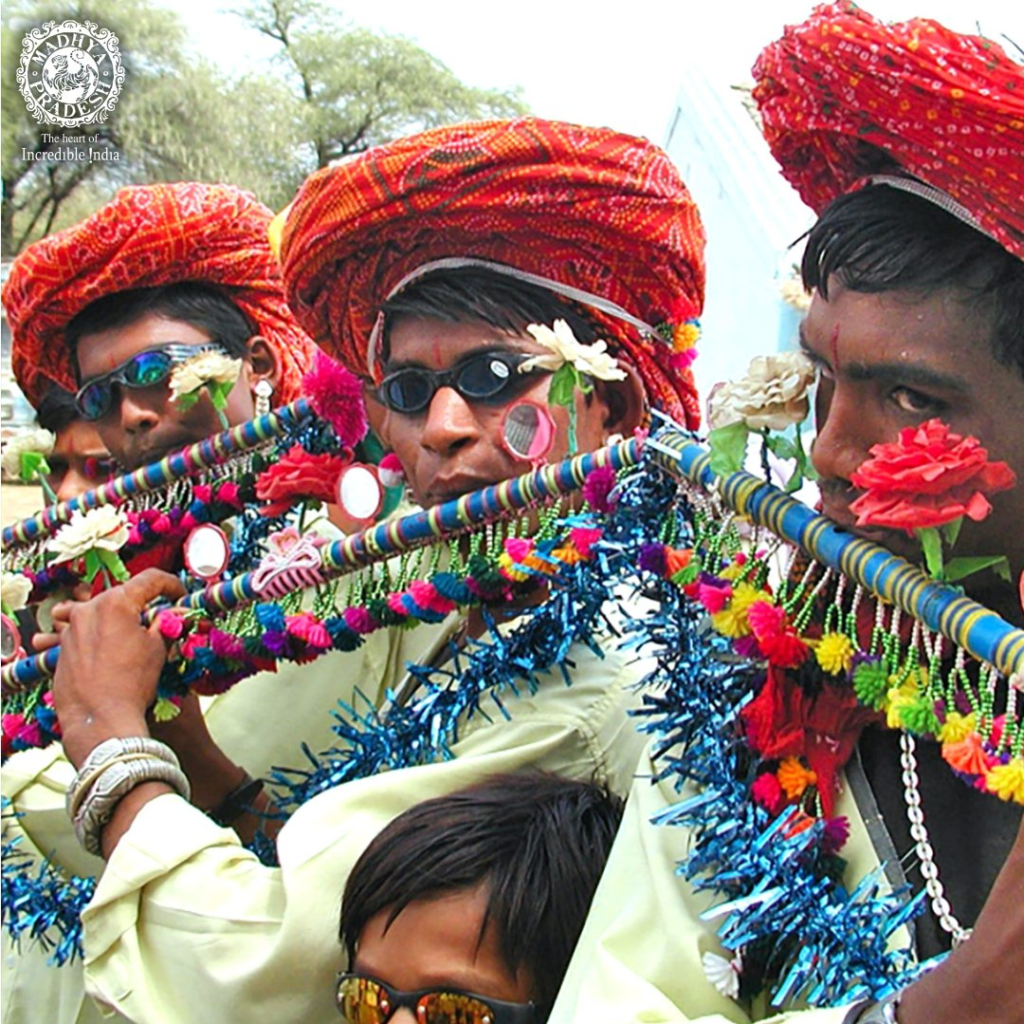
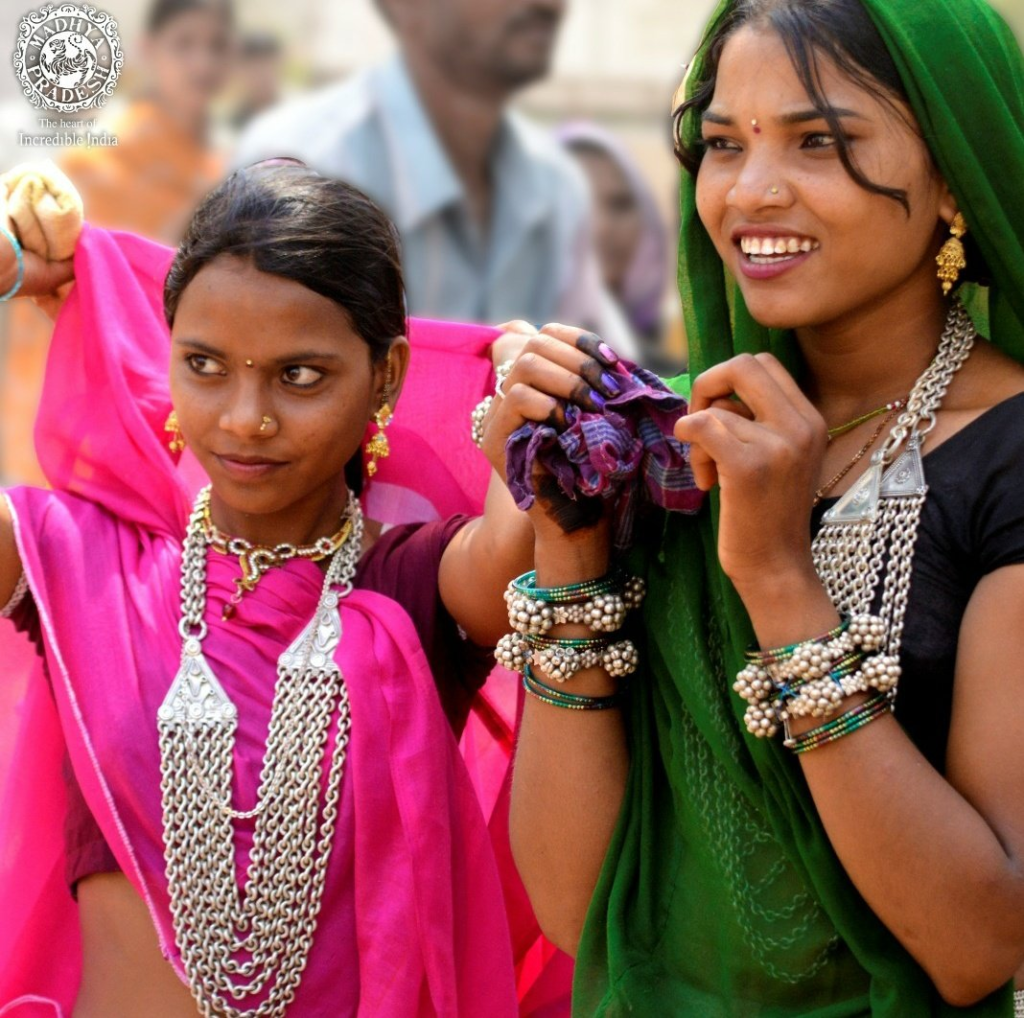
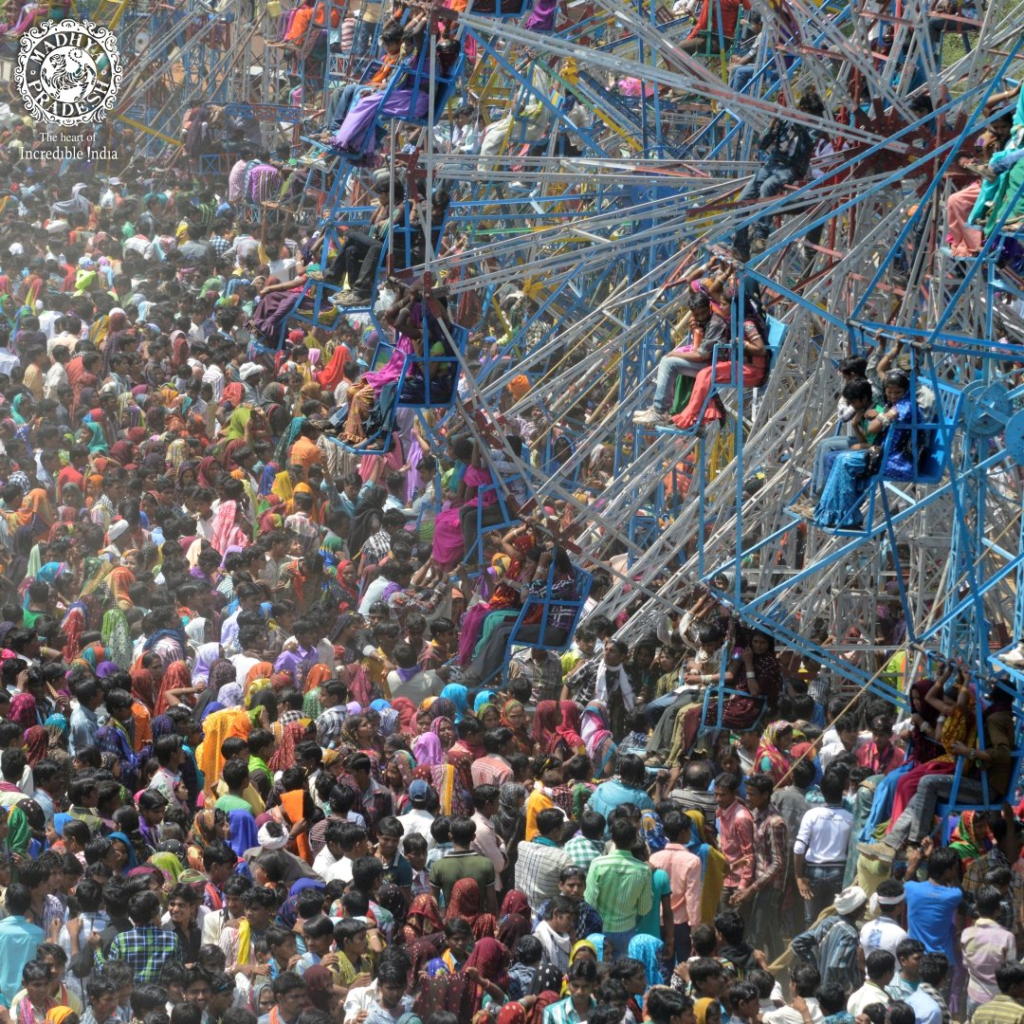
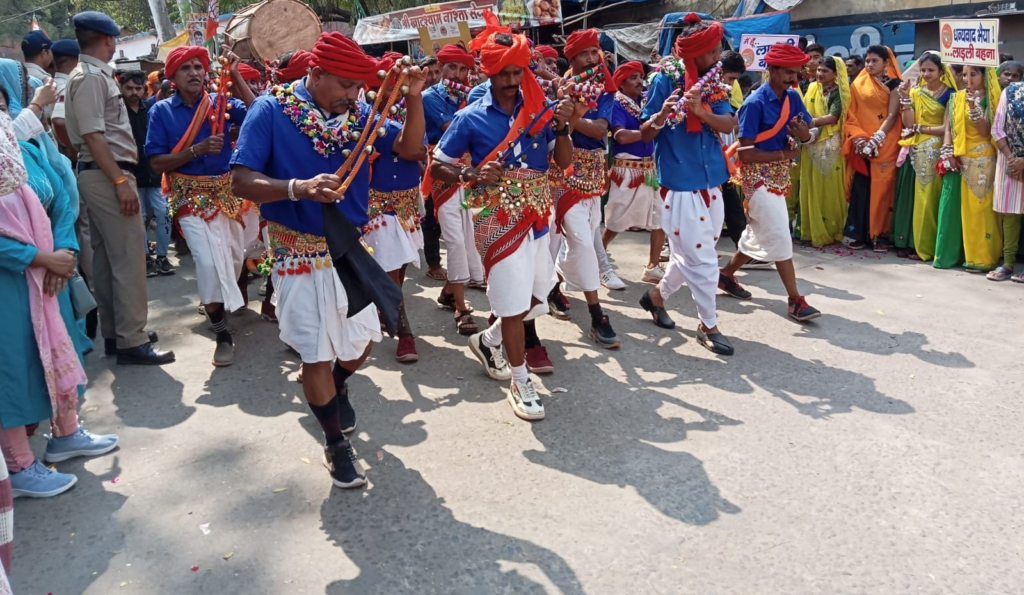
Visitors to the festival can witness young tribal men and women, dressed in vibrant ethnic attire, playing traditional instruments and performing regional dances at the haats (local markets). The festival creates an energetic and cheerful atmosphere, enhanced by numerous stalls selling silver jewelry, clay pots, fresh produce, and handcrafted tribal goods—offering a unique and delightful shopping experience.

Bhagoriya Festival: Where Fashion Statement of Tribals is Sure to Leave You In Awe. Watch Out Pics of Their Silver Jewellery And Colourful Attire ...

Bhagoria is deeply rooted in agricultural traditions. It marks the end of the harvest season, making it a time of joy and thanksgiving for the local people. Historically, this festival has represented the multicultural fabric of India, reflecting its rich tribal heritage.

The festival has a unique courtship tradition, deriving its name from “bhaag”, meaning “to run” in Hindi. Bhagoria is often associated with a traditional form of elopement, somewhat akin to the ancient Swayamvara system. Young couples, who may have known each other before the festival, elope with society’s approval, following the customs of their tribe. However, in modern times, this practice has become more symbolic than literal.

Bhagoriya Festival: Where Fashion Statement of Tribals is Sure to Leave You In Awe. Watch Out Pics of Their Silver Jewellery And Colourful Attire ...

Unlike a single-day event, Bhagoria is a series of fairs held across different villages in Madhya Pradesh before Holi. Traditionally, it was also a platform for settling inter-communal disputes, but today, local authorities ensure a peaceful and festive environment.

Bhagoriya Festival: Where Fashion Statement of Tribals is Sure to Leave You In Awe. Watch Out Pics of Their Silver Jewellery And Colourful Attire ...

For tourists visiting Madhya Pradesh in March, Bhagoria offers a rare glimpse into India’s ethnic richness, tribal heritage, and democratic traditions. From lively music and dance to age-old rituals, the festival is a testament to the vibrancy, joy, and cultural wealth of the tribal communities of western Madhya Pradesh.

It is a celebration of life and love which is celebrated with music, dance and colors. During this time many fairs are held in the tribal areas of Madhya Pradesh and thousands of young men and young women attend these fairs in their traditional clothes.

Anora: The Oscar-Winning Film Now Streaming on Hulu

0

Since its premiere at the 2024 Cannes Film Festival, Anora has taken Hollywood by storm. The film, starring Mikey Madison, has captivated audiences and critics alike, earning praise for its gripping storytelling, compelling performances, and bold direction. With a successful awards season further amplifying its buzz, many are eager to know when and where they can watch Anora online. Here’s everything you need to know about its OTT release and streaming availability.

Where to Watch Anora Online

Anora is now available for purchase or rental on major digital platforms, including:

  • Apple TV
  • Amazon Prime Video
  • Google Play
  • YouTube

Viewers can rent the film for $5.99 on these platforms, making it easily accessible for those eager to experience the film at home.

Streaming Release on Hulu

In addition to rental and purchase options, Anora is now officially available for streaming on Hulu. The film premiered on the platform on March 17, 2025, following a distribution deal between Neon—the company behind its theatrical release—and Hulu. Neon, known for its strategic digital rollouts, ensured that Anora made its way to streaming within months of its theatrical debut.

About the Film and Cast

Directed by Sean Baker, Anora tells the riveting story of a Brooklyn-based sex worker who unexpectedly marries the son of a powerful Russian oligarch. However, their whirlwind romance takes a dramatic turn when the oligarch learns of their union, leading to unforeseen chaos and high-stakes drama.

The film boasts a stellar ensemble cast, including:

  • Mikey Madison (as Anora)
  • Mark Eydelshteyn
  • Yura Borisov
  • Karren Karagulian
  • Aleksei Serebryakov
  • Vache Tovmasyan
  • Darya Ekamasova

Award-Winning Performance

Mikey Madison’s portrayal of Anora has been hailed as a career-defining performance. Her outstanding work in the film earned her a BAFTA award and ultimately an Oscar for Best Actress at the 2025 Academy Awards, solidifying her status as one of the most talented actresses of her generation.

Final Thoughts

With its gripping narrative, stellar cast, and critical acclaim, Anora is a must-watch film of the year. Whether you choose to rent, buy, or stream it on Hulu, the movie promises an unforgettable cinematic experience.

So, if you haven’t seen Anora yet, now is the perfect time to dive into this award-winning masterpiece!

World Poetry Day 2025: Date, Theme, Wishes, Quotes & Posters

0

Poetry has long been a powerful medium of expression, capable of touching hearts, inspiring minds, and bringing people together across cultures and generations. Whether through rhythmic verses, emotional sonnets, or contemporary spoken-word performances, poetry has played a crucial role in shaping human thoughts and emotions. Recognizing its significance, World Poetry Day is observed annually to honor this timeless art form, celebrate poets, and promote the reading, writing, and teaching of poetry worldwide.

Established by UNESCO in 1999, World Poetry Day aims to preserve linguistic diversity through poetic expression and encourage the appreciation of both traditional and emerging poetic styles. It serves as a reminder of the transformative power of words—how they can evoke deep emotions, challenge perspectives, and inspire positive change in society. From classical poets like Shakespeare and Rumi to modern literary voices, this day highlights the impact poetry has had on human civilization for centuries.

On World Poetry Day 2025, let’s immerse ourselves in the beauty of words, explore the history and significance of this literary art, and find creative ways to celebrate it. Whether by attending poetry readings, writing heartfelt verses, or sharing inspiring poetry-themed visuals, there are countless ways to honor this day.

World Poetry Day 2025: Date & Theme

  • Date: World Poetry Day 2025 will be observed on Friday, March 21, 2025.
  • Theme: The official theme for World Poetry Day 2025 is “Poetry for Peace and Unity.” This theme highlights poetry’s role in fostering harmony, bridging cultures, and expressing deep human emotions.

History & Significance of World Poetry Day

World Poetry Day was established by UNESCO in 1999 to promote linguistic diversity and encourage people to appreciate poetry as a form of cultural expression. Poetry has been a significant part of various cultures worldwide, from ancient epics like the Mahabharata and Iliad to modern-day spoken-word performances. This day serves as a reminder of the timeless beauty of poetry and its impact on literature, music, and society.

Why is World Poetry Day Important?

  • Preserving Linguistic Diversity: Poetry showcases the richness of different languages and cultures.
  • Encouraging Creativity: This day inspires poets and writers to express their thoughts and emotions through words.
  • Promoting Literature and Arts: It fosters a love for reading, writing, and the performing arts.
  • Fostering Global Connection: Poetry unites people across borders and backgrounds.
  • Celebrating Poets: The day acknowledges the contributions of poets and their impact on society.

Events & Celebrations on World Poetry Day 2025

World Poetry Day 2025 will be celebrated globally with various literary and cultural events, bringing together poets, writers, and poetry enthusiasts. Here are some key events that will mark the occasion:

  • International Poetry Festivals: Major cities will host festivals featuring renowned poets and literary scholars.
  • Poetry Readings & Open Mic Nights: Libraries, cafés, and bookstores will organize poetry readings where individuals can perform or listen to poetry recitations.
  • Poetry Competitions & Slams: Schools and universities will hold poetry competitions to encourage young talents.
  • Workshops & Masterclasses: Aspiring poets can refine their craft through interactive sessions with established poets.
  • Poetry in Public Spaces: Parks, metros, and city centers will feature poetry installations and public readings.
  • Digital Poetry Showcases: Social media platforms, podcasts, and websites will host virtual poetry readings and live discussions.
  • Poetry for a Cause: Many organizations will use poetry to raise awareness about social issues and fund humanitarian causes.

10 Unique Ways to Celebrate World Poetry Day 2025

  1. Host a Poetry Reading Event – Organize a gathering where people can recite their favorite or original poems.
  2. Participate in a Poetry Writing Challenge – Write a poem based on a specific theme and share it on social media with #WorldPoetryDay2025.
  3. Create & Share Poetry Posters – Design beautiful poetry-themed posters with inspiring verses and spread them online.
  4. Perform Spoken-Word Poetry – Attend or host a session where poets can bring their words to life through performance.
  5. Explore Poetry from Different Cultures – Read poetry from different countries and languages to appreciate diverse storytelling techniques.
  6. Organize a Poetry Exchange – Share handwritten or digital poetry pieces with friends and family.
  7. Write a Poem for Someone Special – Express your feelings in a beautifully crafted verse.
  8. Decorate with Poetry – Print out famous poetry quotes and use them as decor.
  9. Watch Poetry Films & Documentaries – Explore movies and performances based on poetry and poets.
  10. Support Local & Emerging Poets – Buy poetry books from independent authors and share their work.

Inspiring Quotes for World Poetry Day 2025

  • “Poetry is when an emotion has found its thought and the thought has found words.” – Robert Frost
  • “A poet is, before anything else, a person who is passionately in love with language.” – W.H. Auden
  • “Poetry is the rhythmical creation of beauty in words.” – Edgar Allan Poe
  • “We write to taste life twice, in the moment and in retrospect.” – Anaïs Nin
  • “Poetry is the spontaneous overflow of powerful feelings: it takes its origin from emotion recollected in tranquility.” – William Wordsworth

15 Awareness Messages for World Poetry Day 2025

  1. Poetry is the language of the soul—express, inspire, and connect this World Poetry Day!
  2. A single poem can change a heart, a mind, or even the world. Celebrate the power of words today!
  3. Poetry bridges gaps, unites cultures, and preserves history. Honor this timeless art form today!
  4. Every poem tells a story, every verse carries a feeling. Write, read, and embrace poetry today!
  5. Poetry is where the heart speaks and emotions find their voice. Keep writing!
  6. A poem is more than words; it’s a melody of emotions, thoughts, and dreams. Celebrate poetry today!
  7. Poetry has no boundaries—it speaks in every language, every voice, every soul.
  8. Let’s turn emotions into verses, thoughts into rhythm, and words into impact.
  9. A world without poetry is like a sky without stars. Let’s keep shining with words and verses!
  10. Celebrate poets and their words that have shaped history, inspired change, and touched millions.

Final Thoughts

On World Poetry Day 2025, let’s celebrate the magic of poetry by writing, reading, and sharing words that inspire. Whether you attend an event, recite a poem, or create poetry-themed visuals, take this day to honor the beauty of language and creative expression. Happy World Poetry Day!

India Dominates TasteAtlas’ ‘Top 100 Breads in the World’ List with Butter Garlic Naan at No. 1

0

Indian cuisine has once again made its mark on the global food scene, as TasteAtlas, a popular food and travel guide, has unveiled its latest list of the ‘Top 100 Breads in the World.’ Topping the prestigious ranking is Butter Garlic Naan, followed closely by Amritsari Kulcha in second place. The list recognizes some of the finest breads from across the globe, highlighting the rich diversity of global culinary traditions.

The Top 5 Best Breads in the World

  1. Butter Garlic Naan (India)
    This soft, chewy, and aromatic Indian flatbread is baked in a tandoor and then brushed generously with butter or ghee. The addition of minced garlic enhances its flavor, making it a perfect accompaniment to rich curries.
  2. Amritsari Kulcha (India)
    Hailing from the North Indian city of Amritsar, this flavorful flatbread is stuffed with a mixture of potatoes, onions, cottage cheese, and spices, creating a crisp and flaky texture when cooked in a tandoor.
  3. Carsamba Pidesi (Turkiye)
    A Turkish savory pie, this bread boasts a soft texture and is made from a sourdough-leavened dough. It is traditionally filled with minced beef and onions, offering a deliciously rich and satisfying taste.
  4. Roti Canai (Malaysia)
    This pan-fried flatbread is a staple in Malaysian cuisine. Its dough is folded multiple times, resulting in a layered texture, a crispy outer layer, and a soft, flaky interior.
  5. Pan de Bono (Colombia)
    A traditional Colombian bread shaped into bagels or small balls, Pan de Bono is often served warm and paired with a comforting cup of hot chocolate.

India’s Remarkable Presence on the List

India’s love for bread is evident, with a staggering 13 Indian breads making it to the top 100. Here’s a look at the other Indian breads that made the cut:

  • Rank 6: Parotta – A flaky, layered South Indian flatbread, best enjoyed with spicy curries.
  • Rank 8: Naan – A popular flatbread with a chewy texture, typically served with North Indian gravies.
  • Rank 18: Paratha – Made of whole wheat flour and often stuffed with spiced fillings like potatoes or cauliflower.
  • Rank 26: Bhatura – A deep-fried, leavened bread that pairs perfectly with chole (chickpea curry).
  • Rank 28: Aloo Naan – A naan stuffed with spiced mashed potatoes, making it a flavorful delight.
  • Rank 35: Roti – A staple of Indian households, this unleavened whole-wheat bread is a healthy and versatile option.
  • Rank 71: Aloo Paratha – A whole wheat flatbread stuffed with a spicy potato mixture, a breakfast favorite in North India.
  • Rank 75: Laccha Paratha – A multi-layered and flaky paratha, commonly enjoyed with dal and curries.
  • Rank 78: Cheese/Paneer Naan – Naan bread stuffed with freshly grated paneer, offering a cheesy indulgence.
  • Rank 84: Rumali Roti – An ultra-thin flatbread, often served in Mughlai cuisine.
  • Rank 99: Puri – A deep-fried, whole-wheat bread, typically enjoyed with halwa or savory curries.

A Culinary Triumph for India

The inclusion of 13 Indian breads in the world’s top 100 is a testament to India’s rich and diverse culinary heritage. From crispy naans to flaky parathas and deep-fried delights, Indian breads have earned global recognition for their unique textures, flavors, and versatility.

With Butter Garlic Naan claiming the top spot, Indian cuisine continues to solidify its place in the world of gastronomy, making food lovers across the globe eager to indulge in these flavorful delicacies.


Whether you’re an Indian food enthusiast or a bread connoisseur, this list is a fantastic guide to some of the most beloved breads around the world. Which one is your favorite?

How This ‘Nest Man’ & His 7 Lakh Nests Are Inviting Sparrows Back to Indian Cities

0

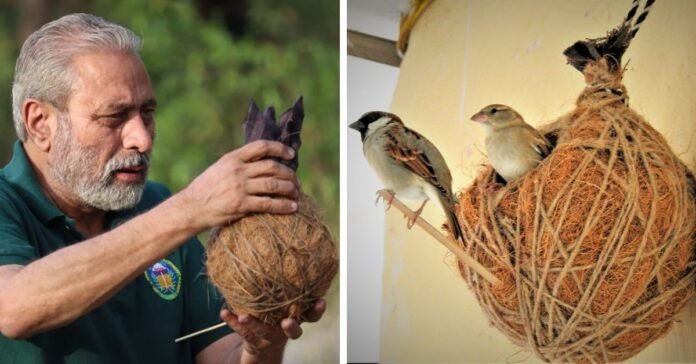
If you’ve ever spotted a small, handmade nest in your neighborhood, chances are it has ties to Rakesh Khatri. For the past 14 years, this passionate environmentalist has been reshaping India’s urban landscape, one nest at a time. Known as the ‘Nest Man of India,’ Khatri has built over 7,30,000 nests across the country, providing a safe haven for the declining population of house sparrows and other small birds. Among the avian community, he is nothing short of an architectural genius.

The Beginning of a Movement

Back in 2008, when Khatri first started building nests, skeptics dismissed his efforts. “Sparrows build their own nests. What makes you think they’ll choose yours?” they asked. Yet, armed with jute, rope, and an unshakable belief in his mission, he installed his first nest in Mayur Vihar, Delhi. A few days later, the sound of cheerful chirps from the nest confirmed that he was on the right path.

Since then, his creations have housed magpies, robins, bulbuls, and, most importantly, house sparrows. With a steady decline in sparrow populations across metro cities like Bengaluru, Chennai, Delhi, Hyderabad, Kolkata, and Mumbai, Khatri’s work has become a beacon of hope for conservation efforts.

The Vanishing Sparrow and the Urbanization Effect

For many Indians, sparrows are intertwined with childhood memories, from their presence in courtyards to their chirps at sunrise. These birds have silently witnessed the changing urban landscape, but modernization has not been kind to them. As green spaces gave way to concrete jungles, sparrows found themselves displaced. The rise in cellphone towers, electromagnetic radiation, and pollution only added to their woes. According to a national-level assessment, habitat loss due to a lack of nesting spaces has significantly contributed to their dwindling numbers.

Determined to reverse this trend, Khatri has spent years designing bird-friendly spaces, proving that cities can coexist with nature. His motivation? A piece of advice from a gardener: “Don’t stop making nests. You are giving the sparrows back the home we took from them.”

How This ‘Nest Man’ & His 7 Lakh Nests Are Inviting Sparrows Back to Indian Cities

From Filmmaker to Conservationist

Khatri’s love for birds wasn’t always so profound. As a child, he would catch sparrows that nested on ceiling fans in his home. His grandfather, however, warned him against disturbing the birds. Those childhood experiences, combined with a later realization about the importance of conservation, led him to embrace bird protection as a full-time endeavor.

Before dedicating his life to this cause, Khatri was a documentary filmmaker. But in 2008, he made the life-changing decision to trade the corporate world for environmental activism. His dedication has since earned him accolades such as the National Science Award (2020), a mention in the Limca Book of Records (2018), the International Green Apple Award (2013), the Earth Day Network Star (2020), and the title of ‘Earth Champion’ by Sony BBC Earth (2025). His contributions to bird conservation have also led to his membership in the International Union for Conservation of Nature (IUCN).

A Community-Driven Initiative

Khatri’s work is not just about providing shelter for birds—it’s about community engagement and empowerment. His journey has inspired people across generations. One heartwarming instance involved an 85-year-old gynecologist from Bengaluru who learned to make a nest under Khatri’s guidance. She later wrote to him, saying, “I have delivered many babies in my lifetime. But the joy I felt when I gave a sparrow a home was something entirely different.”

His nest-building materials have also evolved over time. What began with jute, rope, and coconut shells has now expanded to include eco-friendly alternatives like water hyacinth. This floating plant, notorious for choking water bodies, is now being repurposed through his project, ‘Jal Sparsh.’ Women in Bihar, Uttar Pradesh, and Haryana harvest and dry water hyacinths to create nests, simultaneously helping restore the ecological balance of lakes.

Educating the Future Generations

At the heart of Khatri’s mission is education. His Eco Roots Foundation has conducted over 7,000 nest-making workshops across India, training school children to become the next generation of conservationists. These hands-on workshops don’t just teach students how to build nests—they also instill a sense of responsibility for local biodiversity.

The foundation also empowers rural women by engaging them in sustainable initiatives. In Uttarakhand, women are trained to create value-added products from native plants like buransh and malta. Meanwhile, in biodiversity hotspots such as the Okhla Bird Sanctuary, Noida, Lucknow Zoo, Dudhwa Lion Safari, and Pilibhit Nature Park, women serve as nature guides, sharing their knowledge about local flora and fauna.

A Mission with a Lasting Impact

Through his relentless efforts, Khatri is ensuring that sparrows, once on the verge of disappearing from urban India, find a way back home. His work is not merely about building nests—it’s about rebuilding an ecosystem that welcomes all creatures, big and small.

For Khatri, this is more than a mission—it is a lifelong commitment. “There is no bigger blessing in this world than when you give someone a home,” he says. And in doing so, he continues to restore harmony between nature and urban life, one nest at a time.