Home Blog Page 357

What is White Hydrogen?

0

France has made a groundbreaking discovery in the field of clean energy with the identification of a vast reserve of natural hydrogen in Folschviller, Moselle. Estimated to contain 46 million tons of “white hydrogen,” this naturally occurring gas presents a sustainable alternative to traditional hydrogen production methods. The discovery could significantly impact the global energy sector, offering a cleaner and more cost-effective solution for various industries.

White Hydrogen Introduction

White hydrogen, also known as natural, gold, or geologic hydrogen, is a naturally occurring form of hydrogen found in the Earth’s crust. Unlike other hydrogen types that require industrial production, white hydrogen is extracted directly from underground deposits. This eliminates the need for energy-intensive manufacturing processes and prevents carbon dioxide emissions when used as fuel. The discovery of white hydrogen challenges the long-standing belief that hydrogen must be synthetically produced in laboratories.

Advantages of White Hydrogen

White hydrogen offers several advantages over other forms of hydrogen, including grey, blue, and green hydrogen:

  • Environmentally Friendly: Since white hydrogen does not require production from fossil fuels or electricity, it generates no CO₂ emissions, making it a truly clean energy source.
  • Cost-Effective: The estimated cost of white hydrogen is around $1 per kilogram, significantly lower than green hydrogen, which costs approximately $6 per kilogram.
  • Infrastructure Compatibility: White hydrogen can be integrated into existing hydrogen infrastructure, reducing the need for extensive modifications and additional investments.
  • Renewable Potential: The naturally occurring reserves suggest a long-term and sustainable energy source.

Global Potential of White Hydrogen

The discovery in France is just one example of the global potential of white hydrogen. Deposits have been identified in countries such as the United States, Russia, and Australia. Estimates suggest there could be tens of billions of tons of white hydrogen available worldwide. This breakthrough could revolutionize key industries like aviation, shipping, and steel production, which are actively seeking cleaner alternatives to reduce their carbon footprint.

Comparison with Other Types of Hydrogen

Hydrogen exists in multiple forms, each distinguished by its production method and environmental impact:

  • Grey Hydrogen: Derived from fossil fuels, grey hydrogen is the most commonly produced hydrogen but is highly carbon-intensive.
  • Blue Hydrogen: Also produced from fossil fuels, blue hydrogen incorporates carbon capture and storage (CCS) technology to reduce emissions.
  • Green Hydrogen: Generated through electrolysis powered by renewable energy sources, green hydrogen is environmentally friendly but costly.
  • White Hydrogen: A naturally occurring alternative that eliminates the need for production processes, making it the most sustainable and cost-efficient option.

Implications for the Energy Sector

The discovery of white hydrogen has the potential to transform the energy sector. As the world shifts towards sustainable solutions, white hydrogen could help reduce reliance on fossil fuels and drive advancements in clean energy technology. Additionally, industries and governments may accelerate research and investment in white hydrogen extraction and utilization, paving the way for a more sustainable future.

The discovery in France marks a significant milestone in the clean energy revolution, bringing white hydrogen into the spotlight as a promising solution for global energy demands. With further exploration and technological advancements, white hydrogen could become a key player in the transition to a greener, more sustainable world.


This Delhi Entrepreneur Has Prevented 200 Tonnes of Plastic Waste from Polluting the City

0

What happens to all the plastic waste we throw away? For most of it, the answer is alarming—it ends up in landfills, rivers, or oceans, contributing to environmental degradation. However, Delhi’s Mohd Suhail saw an opportunity to turn this problem into a sustainable solution. Through his company, Athar Packaging Solutions, he has successfully recycled 200 tonnes of plastic waste into sustainable packaging, proving that small businesses can drive significant environmental change.

A Mission to Tackle Plastic Waste

In 2020, at the age of 32, Mohd Suhail founded Athar Packaging Solutions with a clear goal: to combat India’s growing plastic waste problem. India generates a staggering 10.2 million tonnes of plastic waste annually—more than double that of several other major polluters. With landfills overflowing and plastic pollution choking rivers, Suhail sought to develop an eco-friendly alternative to traditional packaging, giving discarded plastic a new lease on life.

Impact: How Athar Packaging Solutions is Reducing Delhi’s Plastic Pollution

Over the past three years, Athar Packaging Solutions has made remarkable strides in waste management and sustainability. Their key contributions include:

  • Diverting plastic from landfills – By recycling industrial plastic waste, the company prevents tonnes of materials from being dumped, reducing environmental contamination and promoting a circular economy.
  • Cutting carbon emissions – Recycling plastic is significantly more energy-efficient than producing new plastic from raw materials. For every tonne of plastic recycled, 1.5 tonnes of CO2 emissions are avoided. Athar’s efforts have prevented nearly 300 tonnes of CO2 emissions, contributing to climate action.
  • Encouraging sustainable packaging – The company recycles 95% of plastic waste into sustainable packaging, providing eco-friendly alternatives to over 700 businesses across 60 cities.
  • Promoting circular economy practices – Athar’s success demonstrates that industrial plastic waste can be repurposed into high-quality packaging, inspiring other businesses to rethink waste management and embrace sustainability.
This Delhi Entrepreneur Has Prevented 200 Tonnes of Plastic Waste from Polluting the City

Turning Vision into Reality: The Step-by-Step Journey

Suhail’s journey to establishing Athar Packaging Solutions was filled with challenges. From identifying recyclable plastics to expanding his customer base, he followed a strategic approach to bring his vision to life.

Step 1: Identifying Recyclable Plastics

Suhail’s first challenge was determining which plastics could be effectively recycled into durable packaging. After extensive research, he identified three types—LDPE, BOPP, and LD plastics—as the most suitable for creating sustainable products. This focus ensured efficiency in the recycling process.

Step 2: Securing and Modifying Machinery

Finding the right machinery was crucial. Suhail partnered with ML Polymers, a manufacturer that had an underutilized machine. He and his team modified it to transform plastic waste into high-quality pouches and zippers. Adjustments included specialized blending tools, precise temperature controls, and multi-layer filtration systems to remove contaminants, ensuring premium-quality recycled packaging.

Step 3: Building Relationships with Waste Suppliers

Convincing companies to supply plastic waste for recycling was another major hurdle. “We had to demonstrate that our solution was viable and eco-friendly,” Suhail explains. Through persistent efforts, he built partnerships with key suppliers such as Akash Plastic, Deepa Polymers, and Krishna Plastic Suppliers. These collaborations allowed Athar to secure a steady supply of industrial plastic waste, preventing it from polluting the environment.

Step 4: Overcoming the Cost Barrier

One of the biggest challenges was the high cost of sustainable packaging. Sustainable alternatives can be up to five times more expensive than traditional plastic packaging. To encourage businesses to switch, Suhail initially kept profit margins low—just 5%—making the transition more affordable for clients. This strategy quickly paid off, with the company acquiring 40 clients in its first year and experiencing rapid growth thereafter.

Step 5: Expanding the Customer Base

As demand for sustainable packaging grew, Suhail scaled up operations. Athar Packaging Solutions now serves over 700 businesses across 60 cities, including major hubs like Delhi, Bengaluru, and Mumbai. Leveraging platforms such as IndiaMart, Justdial, and Exporter India, the company expanded its reach and established itself as a leader in sustainable packaging solutions.

Step 6: Diversifying Product Offerings

Initially focusing on pouches, Athar Packaging Solutions has since expanded its product line to include a variety of sustainable packaging options such as corrugated boxes and stand-up zipper pouches. The stand-up zipper pouch, center seal pouch, and three-side seal pouch are among the most popular products, driving the majority of the company’s revenue.

Lessons for Businesses Looking to Go Green

For businesses considering a shift to sustainable packaging, Suhail emphasizes three key takeaways:

  1. Start Small, Scale Smart – Begin with a few eco-friendly alternatives and gradually expand as demand grows.
  2. Educate and Engage – Convincing suppliers and customers about the benefits of sustainability helps build long-term partnerships.
  3. Invest in Efficiency – The right technology and processes make sustainable packaging cost-effective and scalable.

A Sustainable Future

Athar Packaging Solutions stands as a testament to how environmental responsibility and profitability can go hand in hand. By transforming plastic waste into sustainable packaging, Mohd Suhail has not only reduced pollution but has also inspired other businesses to embrace eco-friendly solutions. His journey serves as a blueprint for entrepreneurs looking to make a positive impact—one recycled package at a time.

Ancient Indian Instruments That Once Ruled Music—Now Almost Forgotten

0

Long before sitars and tablas dominated the stage, India resonated with the haunting melodies of the Ravanahatha and the deep tones of the Surbahar. These six forgotten instruments once defined musical traditions, but where are they now? Let’s explore their origins, unique sounds, and the last musicians keeping them alive.

1. Ravanahatha

Age and Origin: Believed to be over a thousand years old, the Ravanahatha hails from ancient traditions in Rajasthan. Its name, inspired by the demon king Ravana, hints at its mythic past.

Where It’s Still Played: Once a staple among royal bards and folk musicians, this primitive bowed string instrument survives in remote pockets of Rajasthan, kept alive by a few dedicated traditionalists.

Ancient Indian Instruments That Once Ruled Music—Now Almost Forgotten

How It Sounds: Crafted from a coconut shell, bamboo, and gut strings, its sound is haunting and resonant—evoking memories of age-old tales and whispered legends.

2. Surbahar

Age and Origin: Emerging in the 18th century, the Surbahar was developed in North India as a deeper, bass counterpart to the sitar, allowing for slower, more profound renditions of ragas.

Where It’s Still Played: Once a favorite of classical maestros, the Surbahar has largely faded from mainstream performances, with only a handful of dedicated artists keeping its melodies alive in niche classical circles in parts of North India.

How It Sounds: With its larger body and thicker strings, the Surbahar produces a deep, meditative resonance—perfect for slow, intricate ragas that demand patience and devotion.

3. Rudra Veena

Age and Origin: Tracing its roots to ancient Vedic times, the Rudra Veena is one of the oldest veenas in Indian music, deeply tied to the Dhrupad tradition and spiritual practices.

Where It’s Still Played: The Rudra Veena is still played in India by artists like Baha’ud’din Mohiuddin Dagar in Mumbai, Madhuvanti Pal in Kolkata, and at institutions like Dhrupad Sansthan in Bhopal and Dhrupad Gurukul in Pune, preserving its legacy within the Dhrupad tradition.

How It Sounds: With its long tubular body and deep, hypnotic vibrations, the Rudra Veena creates a divine, meditative sound—reverberating with the essence of India’s oldest classical tradition.

4. Pena

Age and Origin: Over a thousand years old, the Pena hails from Manipur and has been a key part of its ritualistic and folk traditions. It is one of the oldest known bowed instruments in India.

Where It’s Still Played: Once played in royal courts and sacred ceremonies, the Pena now survives through the efforts of cultural revivalists and traditional artists in Northeast India.

How It Sounds: With its single-stringed structure and bow, the Pena produces a raw, melancholic tone, perfect for storytelling, invoking deep emotions and spiritual connections.

5. Gettuvadyam

Age and Origin: A centuries-old instrument from South India, the Gettuvadyam was once a prominent part of Carnatic music before the violin gained popularity.

Where It’s Still Played: Gettuvadyam, also known as Gottuvadyam or Chitravina, is primarily played in South India, especially in Tamil Nadu and Karnataka, within Carnatic classical music circles. It is performed by artists in Chennai, Bengaluru, and at institutions like the Kalakshetra Foundation and the Karnataka College of Percussion.

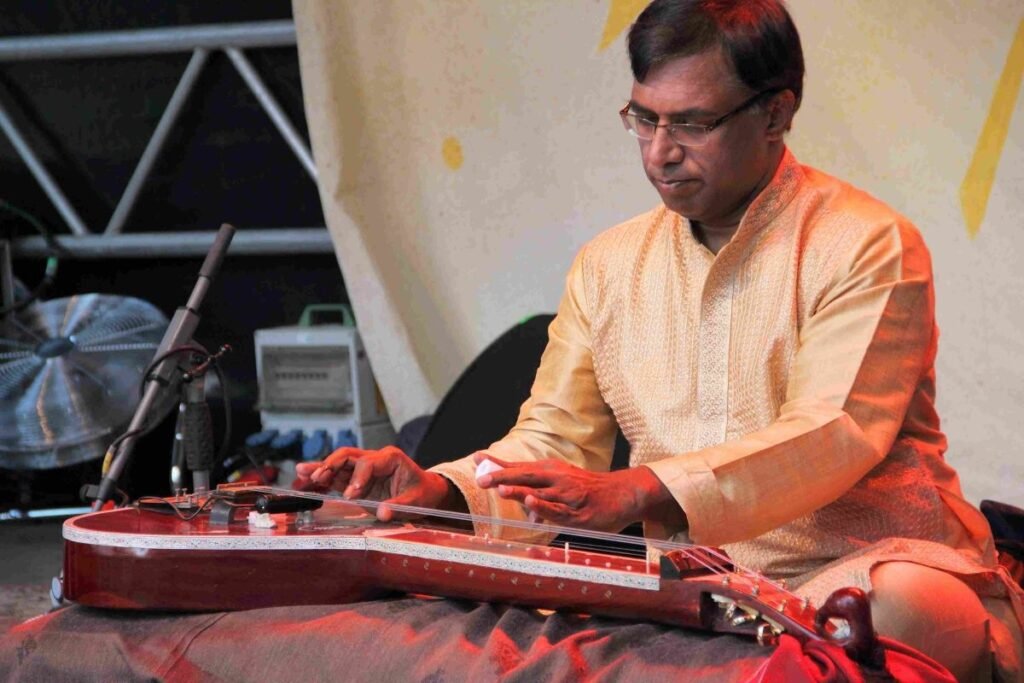
How It Sounds: Similar to the Chitravina, this fretless slide instrument produces fluid, melodic tones, allowing for intricate microtonal expressions unmatched by most string instruments.

Ancient Indian Instruments That Once Ruled Music—Now Almost Forgotten

6. Yazh

Age and Origin: Dating back to the Sangam era (over 2,000 years ago), the Yazh was the Tamil equivalent of a harp, prominently featured in ancient Tamil literature and poetry.

Where It’s Still Played: Once a courtly and devotional instrument, the Yazh completely disappeared from musical traditions. While it is not part of mainstream performances today, efforts to revive it can be seen in Tamil cultural and academic circles, particularly in Chennai and Madurai.

How It Sounds: With its harp-like structure, the Yazh was known for its celestial, delicate plucking tones—reminiscent of divine music mentioned in classical Tamil poetry.

Ancient Indian Instruments That Once Ruled Music—Now Almost Forgotten

Keeping These Sounds Alive

Though these instruments have faded from the mainstream, they still survive through the efforts of dedicated musicians and cultural enthusiasts. If you’re curious to hear them, you can find recordings online, attend niche classical performances, or even support artists working to preserve these traditions. With more awareness and appreciation, their unique sounds may yet find a place in the future of Indian music.

Ever Seen This Mini Watermelon? The ‘Desert Cucumber’ Rajasthan Swears By!

0

Meet kachri, Rajasthan’s wild mini watermelon—tiny in size, mighty in flavour, and a secret ingredient in the desert’s most iconic dishes. This little-known fruit, Cucumis callosus, thrives in the arid expanse of the Thar Desert, defying the harsh climate with its resilience. But beyond its ability to flourish in unforgiving conditions, kachri is a culinary gem packed with flavour and nutrition.

Nature’s Candy in the Desert

At first glance, kachri might fool you with its resemblance to a miniature watermelon. Ranging in size from a golf ball to a small apple, this wild cucumber has a mottled, yellowish-brown skin when mature. But unlike watermelons, kachri isn’t just sweet—it offers a tangy, refreshing bite with hints of melon and cucumber. Unlike its bitter cousin, tumba, kachri provides a delightful sweet-and-sour surprise with every bite.

A Culinary Superstar

For centuries, kachri has been a staple in Rajasthani kitchens, passed down through generations as a prized ingredient. Its versatility makes it a must-have in local dishes:

  • Raw & Fresh: Eaten as a snack, added to salads, or used as a crunchy topping.
  • Dried & Powdered: Used as a spice to add a tangy kick to traditional dishes like ker sangri and gatte ki sabzi.
  • Pickled: Preserved as kachri ka achar, a mouth-watering delicacy that lasts for months.

The Secret Ingredient in Rajasthani Curries

Did you know kachri powder is a natural meat tenderiser? For centuries, desert communities have relied on it to soften tough meat cuts, giving their curries a unique, sour-sweet depth of flavour. Just a pinch of dried kachri powder can elevate even the simplest dish, making it a secret weapon in Rajasthani cuisine.

Ever Seen This Mini Watermelon? The ‘Desert Cucumber’ Rajasthan Swears By!

Thriving in the Desert Heat

Kachri plants are built for survival. Their sprawling vines grow low to the ground, shielding them from scorching temperatures and sandy winds. They require almost no maintenance—emerging after brief desert rains and producing fruit rapidly. With minimal water needs, kachri is an ideal crop for Rajasthan’s arid soils, offering sustainability in regions where water is scarce.

A Nutritional Powerhouse

Despite its small size, kachri is packed with essential vitamins and minerals. High in vitamin C and hydrating properties, it plays a vital role in desert dwellers’ diets, especially during the scorching summer months when fresh produce is hard to come by.

Finding Kachri Today

Traditionally foraged from the wild, kachri is now cultivated on a small scale by farmers in regions like Jodhpur and Bikaner. If you visit local markets in western Rajasthan between July and September, you’ll find heaps of fresh kachri for sale. Outside the harvest season, you can still get your hands on dried kachri or its powdered form in spice shops.

A Desert Treasure Worth Exploring

So next time you find yourself in Rajasthan, keep an eye out for this humble desert fruit. Whether you try it fresh, dried, or as a spice in your cooking, kachri is nature’s perfect snack—one that embodies the resilience, resourcefulness, and rich culinary heritage of the desert.

Meet the Women Using Their Cameras to Protect India’s Wildlife

0

Deep in the Himalayas, filmmaker Neha Dixit set out to track a ‘ghost’ — the elusive musk deer. She is one of several women using their cameras to spotlight India’s disappearing wildlife. From rare birds to big cats, their films are making waves in conservation. But what have they uncovered?

1. In Search of Kasturi: Capturing the Story of the Musk Deer

In 2021, Neha Dixit, a filmmaker from Nainital, Uttarakhand, embarked on a journey through the snow-clad Himalayas to track down the musk deer, locally known as ‘Kasturi.’ Her documentary, In Search of Kasturi, delves into the ecological importance of this 25-million-year-old species beyond the allure of its musk, which is often poached for its commercial value.

Braving sub-zero temperatures and treacherous terrain, Neha and her crew faced immense challenges. “Even people who’ve lived there for decades have not seen the animal. Its crepuscular nature (active during twilight) made filming even harder,” she recalls. The effort paid off when the deer finally appeared on camera, making Neha one of the few to capture this endangered species in its natural habitat.

Beyond filming, Neha uncovered alarming truths: the musk deer is frequently hunted, not only for its musk but also alongside species like bears for their bile, believed to have medicinal properties. Her work highlights the urgent need for conservation efforts to protect this species from illegal hunting and habitat destruction.

2. Bugun and a Forest of Hope: Saving the Bugun Liocichla

In Singchung, Arunachal Pradesh, the sight of a small olive-grey bird with a black cap never fails to excite locals. The Bugun Liocichla, first documented as a new species in 2006 by ecologist Dr. Ramana Athreya, exists nowhere else in the world.

Filmmaker Shaleena Phinya is bringing this rare bird into the spotlight through her documentary. A member of the Bugun community and a forest patroller at the Singchung Bugun Village Community Reserve (SBVCR), she uses her lens to tell the story of her homeland’s biodiversity. Her film showcases the conservation efforts of her community and the importance of protecting this fragile ecosystem.

3. Catapults to Cameras: Tackling Illegal Hunting Through Storytelling

In West Bengal, thousands of protected animals, including jungle cats, Indian flying foxes, elongated tortoises, and vultures, are slaughtered in an illegal ritualistic hunt every year. Armed with bows, catapults, and spears, hunters decimate already dwindling populations.

Award-winning conservation filmmaker Ashwika Kapur, a director with the BBC Natural History Unit, is using her craft to bring change. Her documentary, which won Best Inspirational Film at the 2024 New York International Film Awards, doesn’t just expose the brutality of these hunts but also presents a solution.

By introducing wildlife photography workshops to children in hunting communities, Ashwika and her team have shifted mindsets. “These kids now see wild animals not as prey, but as creatures of beauty to be cherished and protected,” she shares. Her initiative has inspired a new generation of conservationists, proving that storytelling can be a powerful tool for change.

4. Wings of Hope: A Bustling Village and Their Bird Friends

Menar, a small village in Rajasthan, has transformed into a paradise for thousands of migratory birds. What makes it unique? The villagers themselves have taken ownership of conservation, fiercely protecting their wetlands and the birds that inhabit them.

Filmmaker Gunjan Menon highlights this remarkable story in her documentary Wings of Hope: A Bustling Village and Their Bird Friends. With over 32 international awards and nominations across 13 countries, Gunjan’s work has showcased how grassroots conservation efforts can make a difference.

“The Menarias welcome birds like honored guests and have built an eco-tourism model that safeguards their wetlands. Their activism led to Menar Lake being officially recognized as a wetland, granting it greater protection,” Gunjan explains.

One of the village’s Pakshi Mitras (designated bird friends), Darshan Menaria, proudly states, “We do not encourage hunting. Even visitors respect our birds.” The villagers patrol the area, prevent illegal hunting, and educate tourists, making Menar a model of community-led conservation. Gunjan’s storytelling won her the Audience Choice Award at the Jackson Wild Film Festival in 2023, reinforcing the power of films to inspire real-world change.

The Power of Storytelling in Conservation

These women filmmakers are proving that documentaries are more than just a medium for storytelling — they are catalysts for awareness, education, and action. As Samreen Farooqui of Roundglass Sustain, a digital encyclopedia dedicated to India’s biodiversity, points out, “Filmmakers are chronicling our Earth for future generations. Their stories do more than spark wanderlust; they drive impact.”

Through their unwavering dedication, these women are not only documenting the beauty of India’s wildlife but also fighting to protect it. Their work serves as a testament to the power of visual storytelling in shaping the future of conservation.

Live Betting Strategies: How to Win Big with Mostbet Bangladesh

0

One of the gambling activities with the fastest rate of growth is live betting, and a successful live betting strategy can be the secret to ongoing success. While standard online sports betting principles apply to this form of gambling, everything moves at a faster pace. The best place to get a most exciting live betting experience is on Mostbet BD. This article will discuss with you the best strategies to help you win big on live betting.a

Why Choose Mostbet Bangladesh for Live BettingLive Betting Strategies: How to Win Big with Mostbet Bangladesh

With a large selection of live betting options on football, cricket, tennis, and other sports, this casino is a top sports betting site. Users may place bets promptly and without any delays thanks to the Mostbet website and app, which offer a flawless experience. The following explains why this casino is the ideal option for live betting: 

  • Real-time Updates: Get up-to-date odds and live match statistics. 
  • Competitive Odds: Higher payouts than many other betting sites. 
  • Sign-up bonus: To get their betting career started, new users might get a sizable welcome bonus.
  • Fast transactions: Mostbet deposit Bangladesh and Mostbet withdraw methods include Bkash, Nagad, Rocket, and cryptocurrency for instant deposits.
  • User-friendly platform: The Mostbet website and mobile app are easy to navigate, making live betting hassle-free.

Strategies for Live BettingLive Betting Strategies: How to Win Big with Mostbet Bangladesh

The best strategies do not guarantee a win but can increase your chances. They include:

Do Your Research Before the Match 

Even though live betting lets you change your wagers in real time, it’s still very important to research a game before it starts. Examine recent form, head-to-head records, injuries, and team news. You will have an advantage when the game starts if you have a thorough understanding of both teams. 

For example, you may anticipate fewer goals for Liverpool if Salah is absent. You can decide to wager on the “Under” market for total goals as a result. You can keep an eye on the game and modify your wagers as necessary with Live betting.

Take Advantage of Changes in Momentum 

In live betting, momentum is crucial. A powerful team may falter because of exhaustion, whereas a squad that starts slowly may get better in the second half. You can make a lot of money by betting against public opinion. For instance, a favorite’s chances of winning may rise if they give up an early goal. This is the ideal opportunity to wager at greater odds if you think they will return. By providing dynamic odds, Mostbet BD enables you to profit from these circumstances.

Watch the Game Live

Reacting to in-game occurrences is one of the main benefits of live betting. Watch the game live while you wager, if at all possible. While live updates and match statistics are available on the website, you can get a more accurate analysis of individual performances and momentum shifts by viewing the game yourself. 

For example, you would think about placing a wager on Manchester United to score the next goal if they are controlling the ball and creating numerous opportunities. Likewise, you might wager against a team if they appear worn out or have defensive issues.

Manage Bankroll Effectively

Effective money management is just as important to successful betting as selecting winners. When placing bets, establish a budget and refrain from chasing losses. Among the many promotions that the casino provides is the Mostbet casino bonus, which can be utilized to increase your bankroll and play casino games. You should also only wager a tiny portion of your overall money on each gamble. This lowers the risk and extends your gaming time.

Use the App

In the Mostbet app you can make instant bets for live betting with the need to react swiftly to events. You can access the website without repetitive logins by using the app to receive up-to-date information and respond to live game events.

The app sends direct notices about matches along with real-time match updates to keep users informed about exceptional betting chances.

Conclusion

Through the Mostbet Bangla platform users enjoy an engaging method to boost their sports viewing with intelligent wagering. Success in sports betting can be achieved through a combination of pre-match research along with live game viewing together with altered betting odds identification and responsible bankroll management protocols. Users gain access to win big bets by using the Mostbet sign up bonus alongside Live and the app. So, if you haven’t yet, register today, claim your casino bonus, and start making the most of live betting with the casino!

This Ex-IRS Officer’s Water Solution Transformed 204 Drought-Hit Maharashtra Villages

0

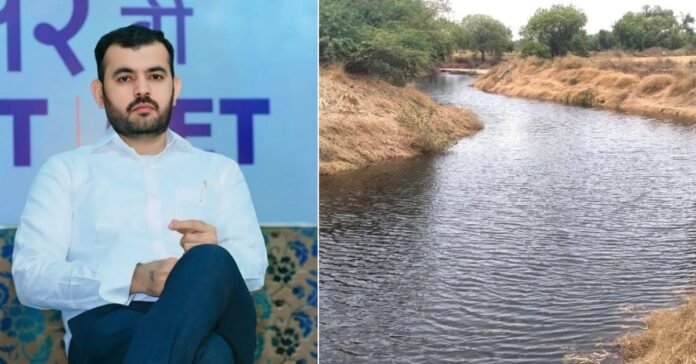
In Maharashtra’s parched landscapes, former IRS officer Ujjwa Kumar Chavan initiated a transformative water conservation project. Driven by a deep commitment to his homeland, he constructed reservoirs and check dams, increasing water storage across 204 villages. His efforts rejuvenated rivers, boosted farmers’ incomes, and fostered community resilience, demonstrating the power of collective action.

A Land Ravaged by Drought

Maharashtra’s sun-scorched terrains are no strangers to drought, an uninvited visitor that leaves behind a trail of despair—parched fields, failed crops, and, tragically, farmer suicides. The agrarian regions of Marathwada and Khandesh bore the brunt of this calamity, particularly in 2016, when the drought crisis reached an alarming peak. As water sources dwindled and farmers lost hope, many took desperate measures, leaving behind grieving families and shattered dreams.

For Ujjwa Kumar Chavan, the turning point came when he learned about the suicide of a farmer in North Maharashtra. The news struck a personal chord with him. Despite a thriving career in the Indian Revenue Service, he couldn’t turn a blind eye to the plight of his people. A visit to his village that same year solidified his resolve—to harness the power of water conservation and bring hope back to the land.

Building Hope, One Drop at a Time

With a vision to reverse the drought’s impact, Ujjwa initiated an ambitious water conservation project. His plan involved constructing a reservoir capable of storing 10 crore litres of water. However, the project exceeded expectations, yielding a reserve of 14 crore litres—breathing life into the barren lands and setting an example for others to follow.

This success ignited a movement, inspiring neighboring villages to join the water conservation effort. What began as a single initiative quickly spread, transforming not just one, but multiple communities.

A Collective Victory: Villages That Fought Back Together

Ujjwa’s efforts soon expanded to six more villages, where community-driven projects resulted in the construction of over 60 small check dams. By July 2018, the reservoirs were full, offering a glimmer of hope where despair had once reigned.

By 2019, his work had grown into a large-scale movement. He formed a dedicated team called ‘Panch Patil,’ comprising volunteers who played a crucial role in sustaining the project. Named after their responsibility of overseeing five villages each, these volunteers—including farmers, teachers, and government officials—dedicated their weekends to raising awareness, establishing ‘pani samitis’ (water committees), and implementing sustainable water management practices.

Pankaj Pawar, a Panch Patil from Dhamangon, explained their role: “Earlier, our monsoon water would only last until October or November. Now, thanks to the check dams, it lasts until March—giving us an extra two to three months of irrigation.”

The Johad Method: Reviving Rivers and Groundwater

Ujjwa and his team adopted the Johad water conservation method, pioneered by environmentalist Rajendra Singh. This technique involves building small earthen check dams to capture and store rainwater, recharging groundwater and providing a crucial water source during dry months.

The impact was monumental—500 crore litres of water storage was created across 204 villages, mitigating both drought and flood risks. This effort directly benefited approximately 6,000 people, ensuring water security for their communities.

Transforming Lives Beyond Water

Beyond just water conservation, Ujjwa’s initiative reshaped lives in multiple ways:

  • Economic Growth: Farmers’ incomes doubled, as improved irrigation reduced dependency on purchased fodder and expanded agricultural opportunities.
  • Environmental Restoration: Once-dry rivers began to flow again, and local biodiversity flourished.
  • Social Upliftment: Increased agricultural productivity enabled families to invest in education and healthcare, improving overall quality of life.

Ujjwa recalls an emotional moment when a farmer, whose wells were replenished by the initiative, ran up to him holding marigold saplings as a token of gratitude. “He was finally able to feed his family,” he recounts.

A Legacy of Sustainability and Empowerment

Ujjwa’s work has garnered national recognition and even the attention of international bodies like the United Nations Water Conference. However, for him, the true reward lies in the transformation he has witnessed firsthand—the return of water, life, and hope to the people.

Now, though no longer in the government, Ujjwa continues his mission through the law industry, advocating for sustainable water management policies. “This project is a part of my soul,” he says, knowing that his legacy will be defined not by titles, but by the water his efforts brought back to life.

His initiative, which has now expanded to 204 villages in Maharashtra, stands as a powerful testament to what personal resolve, combined with community spirit, can achieve. It is a lesson in sustainability, resilience, and the boundless potential of grassroots change.

The connection between Sheetla Ashtami and ‘Chickenpox’ in India

0

Every culture holds its own beliefs about disease, often passing them down through generations until they become ingrained in the people’s system. India, with its rich traditions and deep-rooted folklore, is no exception. Among these beliefs, the association of chickenpox with Sheetla Mata stands out as both fascinating and deeply revered.

I had heard about this connection since childhood, but it truly struck me when I experienced it firsthand. I was in seventh grade when, for some reason, my mother could not perform the customary worship of Sheetla Mata on Sheetla Ashtami that year. Just a week later, I was diagnosed with chickenpox. To our astonishment, my younger sister fell ill with chickenpox too. This event made me a firm believer in the tale that had been passed down for centuries.

The Curious Naming of ‘Mata’

Chickenpox is often called ‘Mata’ in smaller pockets of India. Interestingly, the word ‘Mata’ translates to ‘mother’ in english, an odd choice for a disease known for its painful, itchy rashes. But the reasoning behind this name lies in the connection between Shitala Mata and the disease itself.

Chickenpox and the Legend of Shitala Mata

Chickenpox, though medically explained as an infection caused by the varicella-zoster virus, has long been entwined with the divine in Indian tradition. This virus spreads rapidly, primarily among children and young adults, leading to red rashes, high fever, and discomfort. However, in Indian folklore, this illness is linked to Shitala Mata, a revered form of Goddess Durga.

Depicted as a calm and benevolent deity, Shitala Mata carries a pot of holy water and a silver broom. The belief is that she uses the holy water to cure diseases, while her broom represents punishment for those who do not show her due reverence. When chickenpox or smallpox afflicts someone, it is seen as an expression of her displeasure, but ultimately, she is believed to heal from within.

The Mythological Origins

According to ancient texts, there was once a fearsome demon named Javarasura, who tormented children by inflicting high fevers upon them. Seeing their suffering, Mata Katyayani took the form of Shitala Mata to rescue them. It is believed that she entered the bodies of children, manifesting in the form of chickenpox rashes. This was akin to her using her broom to cleanse the impurities. However, in her mercy, she also cured the disease, ensuring the children survived the ordeal.

The Rituals and Worship of Sheetla Mata

In many parts of rural India, those suffering from chickenpox are considered divine as they are believed to be in the presence of Shitala Mata. Instead of seeking medical treatment alone, families perform rituals dedicated to the goddess.

One of the most observed customs is the worship of Sheetla Mata on Sheetla Ashtami, which falls a few days after Holi. On this day, devotees offer ‘bassa khana’ (stale or cold food prepared a day earlier). When someone is diagnosed with chickenpox, the same pooja is performed as it is believed that consuming fresh, hot food could aggravate the infection. The worship typically takes place on a Monday or Wednesday, considered sacred to the goddess. The infected person’s mother do this pooja and offer mata all the cold food.

When I was diagnosed with chickenpox, my mother performed these rituals, preparing cold meals and offering prayers to Sheetla Mata, just as her ancestors had done for generations. For believers, this act is not merely a superstition but a time-honored tradition with deep cultural significance.

Faith, Science, and Cultural Identity

To outsiders, the idea of worshiping a deity to cure an illness may seem unusual, but for many in India, it is a testament to faith and cultural identity. While modern medicine has provided vaccines and treatments for chickenpox, the traditional reverence for Sheetla Mata continues to thrive, blending the old with the new.

The story of Sheetla Mata and chickenpox offers a unique perspective on how mythology intertwines with everyday life. It serves as a reminder that even in times of illness, faith has the power to provide comfort and healing. Whether one believes in the goddess or not, the practice of honoring traditions passed down through generations holds a significance that goes beyond mere superstition—it embodies the essence of culture, belief, and resilience.

Gangaur Festival: Rajasthan’s Celebration of Love, Devotion, and Culture

0

Rajasthan, the land of royal grandeur and vibrant traditions, hosts numerous festivals that showcase its rich cultural heritage. Among them, Gangaur Festival stands out as one of the most colorful and deeply revered celebrations. Often compared to Holi in its vibrancy, Gangaur is a festival of devotion, faith, and festivity, celebrated with immense zeal across Jaipur, Udaipur, Jodhpur, Jaisalmer, and Bikaner. It symbolizes women’s unwavering faith in Goddess Gauri for the well-being of their husbands and household prosperity. The enthusiastic participation of men and the profound devotion of women make Gangaur a mesmerizing cultural spectacle in Incredible India.

The Divine Essence of Gangaur Festival

At the heart of the Gangaur Festival lies the worship of Lord Shiva (Gan) and Goddess Gauri (Parvati). The festival derives its name from the combination of these deities—Gan (Shiva) and Gauri (Parvati). The idols of the divine couple are either sculpted from clay or wood, depending on local traditions. While clay idols are immersed in water on the final day, wooden idols are preserved and repainted annually before the festival begins. These beautifully adorned idols are offered prayers using roli (vermilion), kumkum, mehendi, and haldi, all of which symbolize auspiciousness and marital bliss in Indian culture.

Rituals Observed by Women

The Gangaur celebrations last for 18 days, commencing the day after Holi. The festival holds special significance for newly married women, unmarried girls, and those seeking marital blessings. The traditions followed during this period vary slightly based on marital status:

  • Newly Married Women: For the first year of marriage, brides observe a rigorous 18-day fast, abstaining from food for half a day as they offer prayers to Goddess Gauri.
  • Unmarried Girls: Young women worship the deity with a desire to be blessed with an ideal husband, following the same rituals as newly married women.
  • Married Women: Those who are already married join the celebrations on the third day, dressing in stunning red saris or ghagras with intricate gold or silver zari borders. Traditional gold and silver jewelry, along with borla (a forehead ornament) and sindoor (vermilion) in the hair parting, complete their look.

The Grand Farewell Procession of Deities

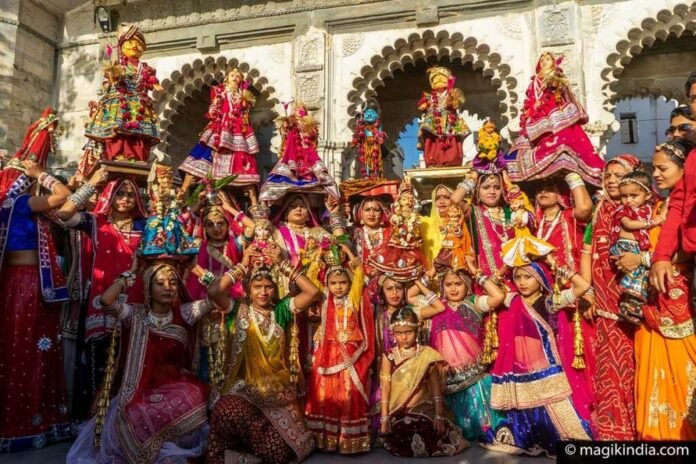
The festival culminates with the departure of the deities, marked by an elaborate procession that transforms the streets into a moving carnival of colors, devotion, and tradition. Married women, dressed in their finest ethnic attire, gracefully carry the beautifully adorned Gangaur idols on their heads, singing traditional folk songs as they proceed toward a garden, pond, or well for the concluding rituals.

The folk dancers and musicians accompanying the procession add to the grandeur of the event, performing mesmerizing Ghoomar and Kalbelia dance forms while playing traditional Rajasthani instruments like the dholak and nagada. This joyous spectacle offers an unforgettable glimpse into Rajasthan’s living traditions, drawing tourists and cultural enthusiasts from across the globe.

Gangaur’s Signature Festive Delicacies

No Indian festival is complete without mouth-watering delicacies, and Gangaur is no exception. The festival is marked by the preparation and sharing of authentic Rajasthani sweets, including:

  • Ghevar: A honeycomb-textured dessert soaked in sugar syrup, garnished with dry fruits, and loved by all.
  • Kheer: A creamy, saffron-infused rice pudding.
  • Choorma: A rich sweet dish made from crushed wheat, jaggery, and ghee.
  • Halwa and Puri: A festive combination that adds to the celebratory spirit.

It is customary for families to exchange sweets with relatives and friends, reinforcing bonds of love and togetherness.

The Art of Mehendi: An Age-Old Tradition

One of the most cherished customs of Gangaur Festival is the application of Mehendi (henna) on hands. Both married and unmarried women adorn their hands with intricate Mehendi designs, symbolizing good luck, prosperity, and marital happiness. The act of applying Mehendi is considered a sacred offering to Goddess Gauri, signifying devotion and seeking blessings for their husbands’ long lives.

Why You Should Witness Gangaur Festival in Rajasthan

If you’re looking for an authentic cultural experience in India, witnessing Gangaur Festival in Rajasthan should be at the top of your list. The vivid processions, age-old customs, captivating folk performances, and exquisite festive attire make this festival a visual and spiritual delight. Whether you are a culture enthusiast, history buff, or a traveler seeking unique experiences, the grandeur of Gangaur will leave you spellbound.

Best Places to Experience Gangaur Festival

While Gangaur is celebrated across Rajasthan, these cities offer the most spectacular festivities:

  • Jaipur – The capital city hosts an elaborate Gangaur procession from City Palace to Talkatora.
  • Udaipur – The celebrations are marked by grand processions on the banks of Lake Pichola.
  • Jodhpur – The Mehrangarh Fort backdrop adds a majestic touch to the festivities.
  • Bikaner & Jaisalmer – These desert cities bring their unique folk music and dance traditions to the event.

Final Thoughts

Gangaur is not just a festival; it is a reflection of Rajasthan’s deep-rooted traditions and the unwavering devotion of its people. It embodies the spirit of faith, love, and cultural richness, making it an unmissable event for anyone eager to experience India’s incredible diversity.

So, if you ever find yourself in Rajasthan during spring, immerse yourself in the enchanting Gangaur Festival and witness the magnificence of this timeless tradition.

Would you like to explore more about Rajasthan’s unique festivals? Let me know, and I’d be happy to guide you further!

Gaitore Ki Chhatriyan: Jaipur’s Hidden Royal Legacy

0

Jaipur, the Pink City, is renowned for its magnificent forts, bustling bazaars, and regal palaces. However, beyond its famous landmarks lies a serene and often overlooked gem—Gaitore Ki Chhatriyan. Nestled in a tranquil valley on the outskirts of Jaipur, this royal cremation ground of the Kachhwaha rulers is a breathtaking blend of history, architecture, and artistic grandeur.

A Resting Place Fit for Royalty

Located just 15 minutes from the heart of Jaipur, Gaitore Ki Chhatriyan serves as the final resting place of Jaipur’s Maharajas. The name “Gaitore” is believed to be derived from the phrase “Gaye ka thor”, meaning “resting place of the departed.” This sacred site, used since the early 18th century, houses intricately carved chhatris (cenotaphs) that honor the valor and legacy of the Kachhwaha dynasty.

The Enchanting Chhatris of Gaitore

Unlike the grand forts and palaces of Jaipur, Gaitore Ki Chhatriyan exudes a mystical charm with its Rajput-Mughal style cenotaphs, each more exquisite than the last. These cenotaphs are not tombs but memorials, built to commemorate the departed rulers. Each chhatri is unique, showcasing the artistic brilliance of its era, with detailed floral carvings, latticework, and domes that resemble miniature palaces.

Some of the most notable chhatris include:

  • Maharaja Sawai Jai Singh II – The founder of Jaipur, his cenotaph stands as one of the grandest structures at Gaitore, featuring intricate carvings and delicate marble work.
  • Maharaja Sawai Madho Singh I – Known for his expansion of Jaipur, his cenotaph is an architectural masterpiece with elaborate lattice windows.
  • Maharaja Sawai Ram Singh II – A visionary ruler, his cenotaph is adorned with elegant floral patterns and delicate stone filigree.

Walking through this open-air gallery of cenotaphs is like stepping into the past, where each monument whispers stories of Jaipur’s royal lineage.

An Artist’s Paradise: The Intricate Stonework

One of the most captivating aspects of Gaitore is its exquisite carvings. The cenotaphs feature fine jaali (lattice) work, floral motifs, and geometric patterns, reminiscent of Mughal elegance fused with Rajput grandeur. These carvings are not just decorative but serve as testaments to the artistic excellence of Rajasthan’s craftsmen. Photographers and history enthusiasts often find themselves mesmerized by the play of light and shadows through the intricately carved domes and pillars.

A Tranquil Escape from Jaipur’s Bustle

Unlike the crowded streets of Jaipur, Gaitore Ki Chhatriyan offers a peaceful retreat. Surrounded by the Aravalli hills, this hidden sanctuary is perfect for those seeking solitude and an immersive historical experience. The calm atmosphere, chirping birds, and the rustling of the wind through the ancient structures create a surreal ambiance, making it an ideal spot for introspection and admiration of Rajasthan’s royal heritage.

How to Reach Gaitore Ki Chhatriyan

Located around 10 km from Jaipur City Palace, Gaitore Ki Chhatriyan is easily accessible.

  • By Air: Jaipur International Airport is about 20 km away. From there, taxis and cabs are available.
  • By Road: The site is well-connected by local buses, auto-rickshaws, and private taxis. It’s best to hire a cab or take a short bike ride from the city center.
  • By Train: Jaipur Railway Station is 8 km away, with auto-rickshaws and cabs available for transport.

Best Time to Visit

The ideal time to explore Gaitore Ki Chhatriyan is early morning or late afternoon when the golden sunlight enhances the beauty of the cenotaphs. Winter months (October to March) provide the most pleasant weather for sightseeing.

What to Carry for Your Visit

  • Comfortable Footwear – The area requires some walking, so wear sturdy shoes.
  • Sunscreen and Hat – Jaipur’s sun can be intense, especially in summer.
  • Camera or Smartphone – To capture the breathtaking carvings and scenic surroundings.
  • Water Bottle – Stay hydrated during your visit.

Final Thoughts

Gaitore Ki Chhatriyan is more than just a royal cremation ground—it’s a poetic tribute to Rajasthan’s illustrious past. With its stunning architecture, tranquil surroundings, and rich history, this hidden gem deserves a spot on every traveler’s Jaipur itinerary. If you seek a peaceful yet mesmerizing encounter with history, step into the forgotten grandeur of Gaitore Ki Chhatriyan and witness the silent legacy of Jaipur’s royal rulers.