Home Blog Page 358

Government Advises Reduction of Cooking Oil in Mid-Day Meals Under PM-POSHAN Scheme

0

In a move to promote healthier eating habits among schoolchildren, the Union government has advised states to reduce cooking oil usage by 10% in mid-day meals served in government and aided schools. This directive falls under the Pradhan Mantri Poshan Shakti Nirman (PM-POSHAN) scheme, aiming to enhance the nutritional quality of meals provided to students.

Understanding the PM-POSHAN Scheme

The PM-POSHAN scheme is a flagship initiative of the Indian government designed to provide nutritious meals to children studying in government and aided schools. It primarily covers students from Bal-Vatika to class 8, ensuring they receive balanced, wholesome meals. In Karnataka, the scheme has been extended to include classes 9 and 10, benefiting approximately 54 lakh students. These meals incorporate fortified grains, pulses, and vegetables to meet essential dietary requirements.

Addressing Health Concerns

The advisory comes in response to the increasing prevalence of childhood obesity in India. According to The Lancet, the number of overweight children (aged 5-19) in India surged from 0.4 million in 1990 to 12.5 million in 2022. Excessive consumption of cooking oil has been linked to obesity and associated health risks, making this initiative a critical step towards healthier school meals. The goal is not only to regulate oil consumption but also to instill lifelong healthy eating habits in students.

Training and Awareness Initiatives

To ensure effective implementation, all cook-cum-helpers in schools will undergo training on reducing cooking oil usage while maintaining taste and nutritional value. Schools will also introduce special classes on low-oil diets, featuring guest lectures by nutrition experts. Additionally, interactive initiatives such as quiz competitions and essay-writing contests will be organized to engage students and raise awareness about healthy eating practices.

Encouraging Healthier Cooking Methods

As part of this initiative, schools are encouraged to adopt healthier cooking techniques such as grilling, steaming, and boiling instead of deep-frying. By minimizing the intake of unhealthy fats, students will be introduced to better dietary habits. Schools will also promote low-oil meal options in canteens and encourage students to try low-oil recipes at home.

Community Participation and Awareness Campaigns

Recognizing the importance of community involvement, the advisory recommends engaging parents and local communities in discussions about health and nutrition. Special meetings of the School Management Committee (SMC) will be conducted to emphasize the role of exercise and physical fitness. Further awareness campaigns, including seminars, workshops, and guest lectures, will be held to reinforce the importance of healthy eating habits.

Maintaining Nutritional Standards in Mid-Day Meals

The PM-POSHAN scheme ensures that mid-day meals adhere to strict nutritional guidelines. The meals include:

  • Fortified rice, wheat, or coarse grains, along with pulses and green leafy vegetables.
  • Use of Double Fortified Salt (DFS) and fortified edible oil (enriched with Vitamin A & D):
    • 5 gm per student for primary classes.
    • 7.5 gm per student for upper primary classes.
  • Integration of vegetables sourced from School Nutrition Gardens to enhance meal quality.

Conclusion

By reducing cooking oil in school meals, the government is taking a significant step towards fostering healthier dietary habits among children. With proper training, community engagement, and a focus on nutrition, this initiative under the PM-POSHAN scheme has the potential to create lasting positive changes in the health and well-being of millions of students across India.

India Expands Heat Action Plans to Combat Rising Temperatures

0

As India braces for another intense summer, the National Disaster Management Authority (NDMA) is set to implement an additional 300 Heat Action Plans (HAPs) across cities. These plans aim to address the growing challenge of rising temperatures, with heatwaves already arriving earlier this year and temperatures surpassing 40°C in several states. The India Meteorological Department (IMD) forecasts a further increase in temperatures in Northwest India, heightening concerns about public health and economic stability.

Understanding Heat Action Plans (HAPs)

Heat Action Plans (HAPs) serve as strategic frameworks developed by governments to mitigate the impact of extreme heat events. These plans outline standard operating procedures for cities and states, ensuring preparedness, response, and recovery from heat-related challenges. HAPs include emergency response activities, long-term preparedness strategies, and cooling interventions to protect vulnerable populations.

Expanding Implementation Across India

Currently, around 200 HAPs have been finalized in India. The NDMA is working to expand this number to 500, recognizing that many states still rely on basic advisory measures for heat prevention rather than comprehensive, actionable plans. The NDMA’s focus is on ensuring that these strategies are not merely theoretical but effectively implemented to reduce the dangers of extreme heat.

The Risks to Public Health and Infrastructure

Extreme heat poses significant risks to both public health and infrastructure. Improved weather forecasting has contributed to a decline in heatwave-related fatalities, yet the economic impact of heat stress remains severe. With approximately 85% of India’s workforce employed in the informal sector, industries such as agriculture and construction are particularly susceptible to heat-related challenges. Prolonged exposure to high temperatures can lead to productivity losses, increased health costs, and long-term economic strain.

A Global Perspective on Heat Stress

Globally, over 70% of the workforce is at risk from extreme heat, resulting in millions of injuries and fatalities each year. Climate change is expected to cost India approximately 2.8% of its GDP by 2050, affecting the living standards of nearly half of its population. By 2030, India could face significant job losses due to heat stress, with estimates suggesting that 34 million jobs may be at risk. Addressing these concerns requires immediate and sustained intervention.

Government Initiatives and Funding Efforts

Recognizing the urgent need for action, the Government of India has allocated $30 billion for disaster management from 2021 to 2026, with $6 billion specifically designated for mitigation efforts. These funds are aimed at strengthening resilience against climate-related challenges, including heat management and earthquake preparedness. Such investments are critical in safeguarding both human lives and economic stability as India navigates the challenges posed by climate change.

Conclusion

As extreme temperatures continue to challenge India’s public health, economy, and workforce, the expansion of Heat Action Plans represents a crucial step in mitigating heat-related risks. With proactive strategies and significant investments, India is working to enhance its resilience against the growing threat of climate-induced heat stress. However, the success of these efforts will depend on effective implementation, widespread awareness, and continued innovation in climate adaptation strategies.

The Spark of Life: How Water Sprays May Have Played a Role in Earth’s First Organic Compounds

0

For decades, scientists have sought to unravel the mystery of how life began on Earth. The Miller-Urey experiment, a classic study from 1952, suggested that lightning strikes on early Earth’s primordial soup could have generated the organic molecules essential for life. However, recent findings have reignited interest in alternative pathways, with new research proposing that crashing waterfalls and breaking waves—rather than lightning—may have been key players in the emergence of life.

The Miller-Urey Hypothesis: Lightning and Life

The Miller-Urey experiment, conducted by Stanley Miller and Harold Urey, is a cornerstone of abiogenesis theory. Their groundbreaking study simulated early Earth conditions by exposing a mixture of water, methane, ammonia, and hydrogen to electrical discharges. The result? The spontaneous formation of amino acids—the fundamental building blocks of life.

While the experiment was a landmark achievement, it has faced scrutiny over the years. Critics argue that lightning, while a powerful force, is sporadic and may not have been frequent enough to drive the consistent formation of organic molecules necessary for the emergence of life. This has led scientists to explore alternative energy sources that could have sparked these vital chemical reactions.

A New Contender: Water Sprays and Microlightning

A recent study published in Science Advances by researchers at Stanford University challenges the lightning-centric perspective. The research suggests that water sprays—such as those generated by waterfalls, ocean waves, and breaking droplets—could have played a crucial role in the formation of organic compounds, without the need for external electrical energy.

The key to this process lies in the concept of “microlightning.” When water droplets collide, they acquire opposite electrical charges. Larger droplets become positively charged, while smaller ones take on a negative charge. As these droplets come into close proximity, they generate tiny electrical discharges—microlightning—that can drive chemical reactions in much the same way as traditional lightning.

Microlightning and Organic Chemistry

Experiments conducted by the Stanford team revealed that spraying water into a gas mixture resulted in the formation of essential organic compounds, including hydrogen cyanide, glycine, and uracil. These molecules are significant because they are precursors to amino acids and nucleotides—the fundamental components of proteins and RNA, respectively.

This discovery suggests that water sprays could have provided a continuous, widespread mechanism for organic synthesis on early Earth. Unlike traditional lightning, which occurs sporadically, waterfalls and ocean waves would have been ever-present, creating a more stable and sustained environment for prebiotic chemistry to occur.

Implications for the Origins of Life

The implications of this study extend beyond Earth’s early history. If microlightning in water sprays could generate organic compounds here, similar mechanisms could be at play on other planets with liquid water. This raises intriguing possibilities for the search for life beyond Earth, particularly on ocean worlds such as Europa and Enceladus.

Ultimately, this research offers a fresh perspective on one of the greatest scientific mysteries: how life first arose on Earth. While the Miller-Urey experiment laid the foundation for our understanding of abiogenesis, the idea that water sprays could have played a pivotal role provides an exciting new avenue for exploration. Perhaps the true spark of life was not a dramatic bolt from the sky but rather the gentle, persistent dance of colliding water droplets.

As scientists continue to probe the origins of life, one thing remains clear: nature has an incredible ability to innovate, and life’s beginnings may have been sparked in ways we are only just beginning to understand.

They Spent 286 Days in Space, Completed 4,576 orbits around earth and made records of space walking. Welcome NASA astronauts Sunita Williams and Butch Wilmore to Earth…

0

NASA astronauts Butch Wilmore and Sunita Williams safely returned to Earth on Tuesday (March 18, 2025), concluding an unplanned 286-day stay aboard the International Space Station (ISS). Their SpaceX capsule splashed down in the Gulf of Mexico off the coast of Tallahassee, Florida, just hours after departing the ISS.

They Spent 286 Days in Space, Completed 4,576 orbits around earth and made records of space walking. Welcome NASA astronauts Sunita Williams and Butch Wilmore to Earth...

During their extended mission, the astronauts completed 4,576 orbits around Earth, covering approximately 121 million miles (195 million kilometers). While astronauts have spent longer periods in space, few have faced such uncertainty regarding their return. Over time, Wilmore and Williams transitioned from temporary visitors to full-time ISS crew members, contributing to critical experiments, equipment repairs, and spacewalks. Williams, who became ISS commander three months into the mission, set a record for the most spacewalking hours by a female astronaut—62 hours over nine excursions.

Originally scheduled for a short mission, Wilmore and Williams’ stay was extended indefinitely due to persistent technical failures with Boeing’s new Starliner crew capsule. Launched aboard Starliner on June 5, 2024, they were left stranded when the spacecraft was deemed unfit for reentry. NASA eventually arranged their return via SpaceX, though additional delays prolonged their time in orbit.

Their prolonged stay even took on a political dimension in January when former President Donald Trump urged SpaceX CEO Elon Musk to expedite their return.

Wilmore, 62, and Williams, 59, expressed gratitude for the experience but acknowledged the personal sacrifices involved. Wilmore missed much of his younger daughter’s senior year of high school, while Williams relied on internet calls to stay in touch with family.

Their return was met with widespread prayers and well-wishes. Twenty-one Hindu temples held ceremonies for Williams, whose Indian and Slovenian heritage has inspired many, while Wilmore, a Baptist elder from Houston, received prayers from his church congregation.

Following splashdown, SpaceX confirmed their safe return in a post on X: “Splashdown of Dragon confirmed – welcome back to Earth, Nick, Suni, Butch, and Aleks!”

Step Into Goa’s Hidden Carnival: Rare Glimpses of Shigmotsav Celebrations

0

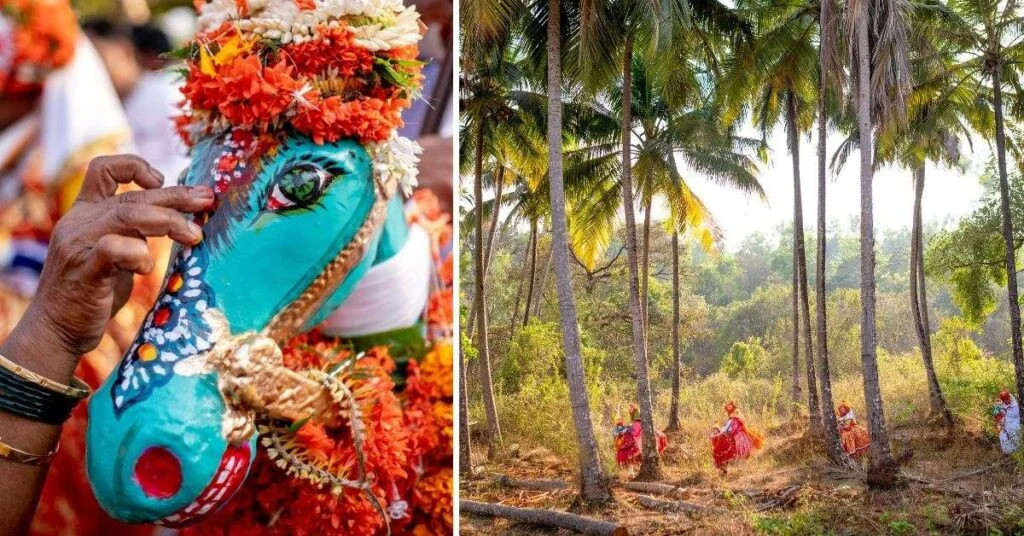
Dangling from rotating poles, dancing to evade flaming cow dung cakes—if you thought Shigmotsav was just a colorful carnival, here’s a side you might not have seen before.

“Rice is cooked on people’s heads.” This is Varun Hegde’s favorite story to share about the Shisharanni ritual as he guides travelers into Goa’s villages every March, where the locals prepare for Shigmo—the vibrant harvest festival that heralds spring.

Varun pauses, waiting for the dramatic gasp that always follows his tale.

The True Spirit of Shigmotsav: Beyond the Grand Parades

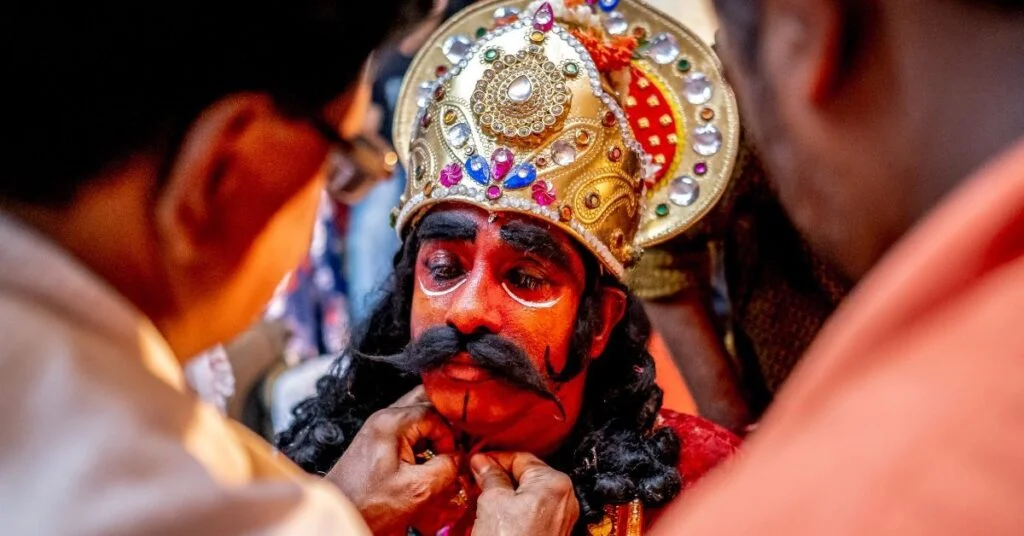
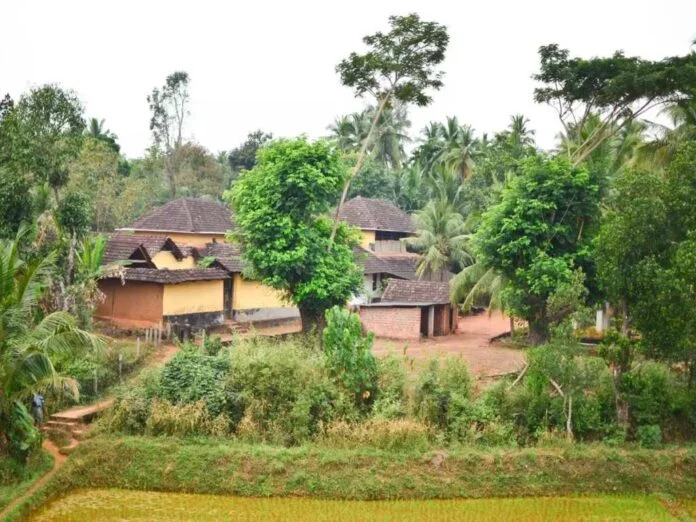
For many, the essence of Shigmo lies in its grand city parades featuring dazzling floats and masquerades. But away from the main roads, deep within Goa’s villages, an ancient and deeply spiritual celebration unfolds—one rooted in mythology, devotion, and thrilling rituals.

Varun, a cultural explorer from Soul Travelling, specializes in uncovering Goa’s offbeat traditions. Alongside photographer Daniel Dsouza, he has witnessed firsthand the esoteric, spirited gatherings in the state’s hinterlands. This Shigmotsav, we step into their world to uncover Goa’s hidden traditions.

A Celebration of Homecoming and Mythology

March in Goa is a season of revelry. With the harvest complete, farmers put aside their ploughs, and the state transforms into a cultural spectacle. Streets brim with folk music, dance, and mythological reenactments, celebrating the return of brave soldiers and legends from Hindu mythology.

While ‘Vhadlo Shigmo’ dominates the cities with its elaborate parades, the lesser-known ‘Dhakto Shigmo’ in the villages embraces rituals steeped in folklore. The air reverberates with the beats of the ghumat, dhol, mhadle, and tashe (percussion instruments) as men invoke the Gods, offering gratitude for a bountiful harvest.

Step Into Goa’s Hidden Carnival: Rare Glimpses of Shigmotsav Celebrations

Legends That Shape the Festival

At the heart of Shigmo are rituals reenacting ancient lores—Holika’s fiery fate, Prahlad’s resilience against his father Hiranyakashyap, the tale of Kamadeva, and the victorious return of warriors. These stories are brought to life in village festivities, where faith and endurance take center stage.

The Thrilling Rituals of Shigmo

Faith is the foundation of Shigmo, evident in the many dramatic festivals that accompany it. Take ‘Chorotsav’ in Zarme village—known as the ‘festival of thieves.’ Villagers atone for their ancestors’ wrongdoings by enacting an age-old beheading ritual. “Participants are buried in the ground with only their heads exposed, reenacting the legend of young men who were once executed here,” Varun shares.

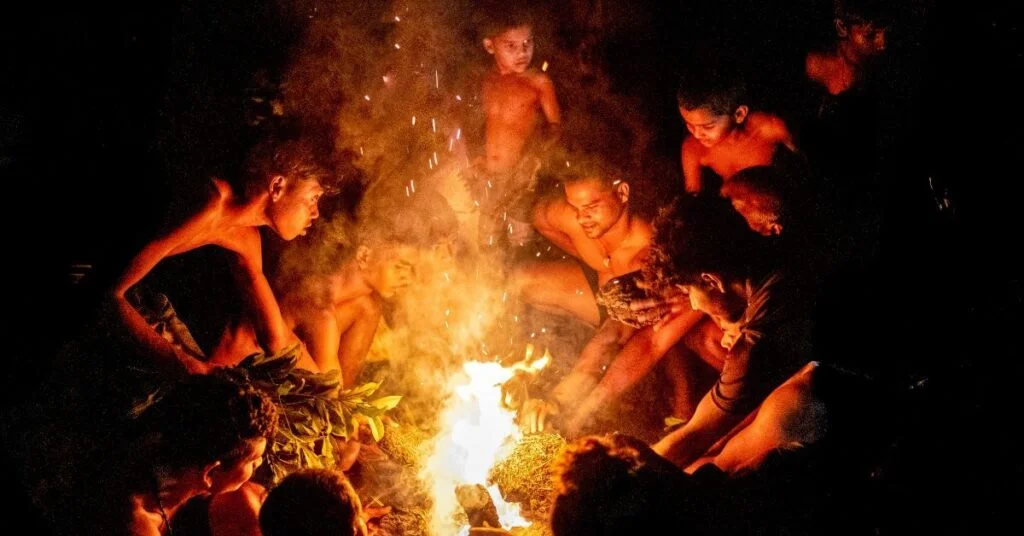
Then there’s ‘Gadde’ in Kudne village, where villagers dance around the Holi fire from midnight until sunrise. “No one can leave, and phones are strictly forbidden,” Varun explains. “It’s believed that those in a trance are lured into the forest by a devchar (spirit) holding a burning lamp.”

Firewalking and Daredevilry: Shigmotsav’s Daring Side

The ‘Lairai Zatra’ in Shirgao village is another test of devotion, dedicated to Goddess Shri Lairai. Here, devotees dance through blazing pyres, unharmed, driven by unwavering faith. “To witness or partake in such rituals, your beliefs must be rock solid. The villagers see it as an honor, not a challenge,” Varun says.

Similarly, the ‘Xeni Uzzo’ festival in Malcornem sees men scaling areca nut trees, hurling flaming sheni (cow dung) cakes at one another. Bare-chested, they dance amid the fire—a breathtaking display of courage and belief.

Shigmotsav’s Unique Traditions

Photographer Daniel Dsouza captures the sheer energy of these celebrations. “Each festival has its own character,” he notes. ‘Shidyotsav’ features men suspended from rotating poles, while ‘Karvalyo’ celebrates womanhood. ‘Viramel’ showcases martial arts in honor of warriors, and ‘Ghode Modni’ sees dancers wielding swords atop wooden horse effigies, paying tribute to Goa’s valorous past.

The Grandeur of Shigmotsav Awaits

As Shigmotsav sweeps through Goa, the state readies itself for a cultural transformation unlike any other. Whether through firewalking, spectral dances, or vibrant parades, the festival is a living testament to Goa’s enduring spirit and timeless traditions.

This year, step beyond the well-trodden tourist paths and witness the rare, thrilling, and deeply spiritual side of Goa’s grandest festival. Shigmotsav isn’t just a carnival—it’s a testament to faith, tradition, and the daring heart of Goa.

Inside India’s Cleanest Villages: What They’re Doing Differently

0

When you think of a clean and green place, what comes to mind? A high-tech city with modern waste management systems? A well-maintained urban park? Surprisingly, some of the cleanest and most sustainable places in India are not found in big cities but in its villages. These small communities have embraced a way of life that prioritizes cleanliness, sustainability, and harmony with nature.

From banning plastic to implementing eco-friendly farming, these villages have proved that transformation doesn’t require grand policies—it begins at home, with collective community efforts. Here’s how five remarkable villages are setting new benchmarks in cleanliness and environmental consciousness.

1. Mawlynnong, Meghalaya: Asia’s Cleanest Village

Tucked near the Meghalaya-Bangladesh border, Mawlynnong has earned the title of Asia’s cleanest village. But cleanliness here is not just a rule; it is a deeply ingrained way of life, backed by a remarkable literacy rate of 93.71%.

How They Did It:

  • Plastic-free mindset: Mawlynnong strictly enforces a plastic ban. Instead of allowing waste to accumulate, the villagers repurpose materials in creative, sustainable ways.
  • Daily cleaning habit: Every villager actively takes responsibility for keeping their surroundings spotless, sweeping their pathways regularly.
  • Sustainable construction: Houses and public spaces are built using local materials, reducing the village’s carbon footprint.
  • Improved sanitation: Public and private toilets have been installed throughout the village, ensuring hygiene and eliminating open defecation.
Inside India’s Cleanest Villages: What They’re Doing Differently

2. Baghuwar, Madhya Pradesh: A Self-Sustained Model of Cleanliness

Situated in Madhya Pradesh’s Narsinghpur district, Baghuwar is a shining example of a self-sustaining clean village. The villagers don’t just discuss cleanliness; they live it.

How They Achieved It:

  • Early adoption of sanitation: Baghuwar became open defecation-free (ODF) in 2007, years before the Swachh Bharat Abhiyan made it a national priority.
  • Community involvement: Every resident plays a role in keeping the village clean, from sweeping the streets to managing waste.
  • Water conservation: The village has invested in rainwater harvesting and water recycling, significantly improving groundwater levels and local climate conditions.

3. Sishunu, Nagaland: A Tobacco and Plastic-Free Haven

Sishunu in Nagaland is not just clean; it is also tobacco-free and plastic-free. This transformation was driven by community determination and funds from the Mahatma Gandhi National Rural Employment Guarantee Act (MGNREGA).

How They Achieved It:

  • Tobacco ban: A strict prohibition on tobacco sale and consumption is enforced across schools, offices, and public spaces, monitored by a dedicated Tobacco Control Committee.
  • Plastic waste management: The village council actively ensures minimal plastic usage, even repurposing plastic waste for road construction.
  • Strict anti-littering policies: Waste segregation is mandatory, and fines are imposed on those who fail to comply.
  • Sustainable farming: The village cultivates fruits like kiwi, bananas, oranges, and pomegranates using organic farming methods.

4. Thuruthikkara, Kerala: Kerala’s First Certified Green Village

Located in the Ernakulam district, Thuruthikkara has set the gold standard for sustainability, thanks to the Oorja Nirmala Haritha Gramam project.

How They Achieved It:

  • Community education: All 349 families in the village were educated on environmental issues and sustainability practices.
  • Advanced waste management: The village embraced a plastic-free, e-waste-free, and filament-free policy, supported by biogas plants, solar cookers, and LED lighting.
  • Institutional support: The transformation was driven by local organizations like the Haritha Keralam Mission and Energy Management Centre Kerala, providing the necessary technical expertise and resources.

5. Majuli, Assam: Living in Harmony with Nature

Majuli, a picturesque island in Assam’s Jorhat district, is not only breathtaking but also a leader in eco-friendly living.

How They Achieved It:

  • Bamboo architecture: Homes are built using bamboo, a renewable and sustainable material that minimizes environmental impact.
  • Community-driven cleanliness: Residents actively participate in cleaning efforts, ensuring their surroundings remain pristine.
  • Sustainable lifestyle: Following the indigenous philosophy of ‘Donyi Polo,’ which emphasizes the interconnection between humans and nature, Majuli’s residents practice responsible farming and resource management.
Inside India’s Cleanest Villages: What They’re Doing Differently

Lessons for India’s Urban Areas

These villages have demonstrated that sustainable living isn’t just about policies or government initiatives; it is about people making conscious choices every day. Their success stories serve as blueprints for cities and towns looking to build cleaner, greener environments. They did not wait for change—they became the change. When cleanliness and environmental care become a way of life, transformation follows.

Rang Panchami 2025: Ratlam celebrates the festival in its colourful style

0

Rang Panchami, celebrated on the fifth day after Holi, is a vibrant festival that extends the joyous spirit of colors and unity. In 2025, Rang Panchami falls on Wednesday, March 19, and the city of Ratlam in Madhya Pradesh is gearing up for grand celebrations that blend tradition with exuberance.​

Historical Significance of Rang Panchami

Rang Panchami holds deep cultural and spiritual importance, especially in central India. Unlike Holi, which signifies the victory of good over evil, Rang Panchami is associated with invoking the divine through the play of colors. It is believed that the festival purifies the environment by eliminating negative energies, thereby restoring balance and harmony. The celebration involves the use of colors to please the deities and is seen as a means to connect with the divine. ​

Rang Panchami Celebrations in Ratlam

Ratlam, known for its rich cultural heritage, celebrates Rang Panchami with great enthusiasm. The festivities are marked by community gatherings where people of all ages come together to play with colors, dance, and enjoy traditional music. The streets of Ratlam become a canvas of vibrant hues as residents and visitors immerse themselves in the festive spirit.​

One of the highlights of Rang Panchami in Ratlam is the traditional procession that winds through the main thoroughfares of the city. Participants, adorned in colorful attire, dance to the rhythm of drums and folk songs, creating an atmosphere of joy and camaraderie. The procession often includes decorated floats and performances that showcase the cultural diversity of the region.​

Cultural Activities and Traditions

During Rang Panchami, various cultural programs are organized across Ratlam. These include folk dances such as the Matki dance, where performers balance earthen pots on their heads while dancing gracefully. Music performances featuring traditional instruments add to the festive ambiance. Local delicacies like ‘puran poli’ and ‘gujiya’ are prepared in households, offering a gastronomic delight to both residents and visitors.​

The festival also emphasizes community bonding. People visit the homes of friends and relatives, applying ‘gulal’ (colored powder) on each other as a gesture of goodwill and unity. This practice reinforces social ties and fosters a sense of togetherness among the residents.​

Preparations for 2025 Celebrations

As 2025 approaches, preparations for Rang Panchami in Ratlam are in full swing. Local authorities, in collaboration with cultural organizations, are planning events that not only entertain but also educate the younger generation about the festival’s significance. Workshops on traditional dance forms, music, and crafts are being organized to engage the youth and keep the cultural heritage alive.​

Safety measures are also a priority, with campaigns promoting the use of natural colors to prevent skin allergies and environmental harm. Efforts are being made to ensure that the celebrations are inclusive, allowing everyone to participate and experience the joy of Rang Panchami.​

In conclusion, Rang Panchami in Ratlam is not just a festival of colors but a celebration of life, unity, and cultural richness. The 2025 festivities promise to be a spectacular display of tradition and community spirit, reflecting the enduring charm of this vibrant festival.​

From Child Bride to Businesswoman: The Inspiring Journey of Neeta and Her Transport Empire

0

In many Indian households, marriage is often regarded as a woman’s ultimate fate. But for countless women, it becomes a cage—one filled with silent suffering, abuse, and the crushing weight of societal judgment. Walking away isn’t easy. Fear of stigma, financial insecurity, and concern for their children often keep them trapped. Yet, some women find the courage to break free and rewrite their destinies. Neeta is one such woman.

A Childhood Lost to Marriage

Married at just 14 and a mother by 15, Neeta’s life seemed destined for hardship. Her days were spent fulfilling the roles imposed upon her—wife, mother, caretaker. But behind closed doors, she endured the horrors of an abusive marriage. For years, she suffered in silence, tolerating cruelty for the sake of her three children.

Each time her husband mocked her, saying, “You can’t do anything,” a fire ignited within her. She knew she had to break free, not just for herself but for her children’s future.

Taking the Wheel of Her Own Life

Determined to reclaim her life, Neeta decided to learn how to drive. She started with a scooter, then progressed to cars and vans. What began as a simple skill soon turned into a small business—offering pick-up and drop-off services for schoolchildren.

Her growing independence, however, was met with violence. Her husband threatened her life, determined to keep her shackled. But Neeta had made up her mind—she would no longer live in fear.

At 34, she made the toughest decision of her life. She walked out of her marriage, taking her children with her, with no certainty about the future—only an unshakable determination to succeed.

Building an Empire from Scratch

The road ahead wasn’t easy. With no formal education, she studied alongside her children while juggling work. Every rupee she earned went into securing their future. Slowly, her transport service expanded from a single vehicle to an entire fleet. Today, Neeta owns ShreeNeeta Travels, a successful transport business operating 13 buses.

But her success isn’t just measured in numbers. Her daughters are financially independent, and her son is settled in Canada. She has broken the cycle of oppression, ensuring her children have the freedom she never had.

An Inspiration for Generations

Neeta’s journey is one of resilience and defiance. She refused to be defined by her past and instead shaped her own destiny. Today, she stands as a beacon of hope, proving that no circumstance is too dire, no challenge too great.

Her story is a testament to the power of determination—the kind that can turn adversity into opportunity and silence into strength. Neeta took the wheel of her own life, and she never looked back. And in doing so, she has paved the way for countless women to follow in her tracks.

Wow! Now Comes Cricket Commentary in Sanskrit. Read Here To Know More…!

0

Cricket commentary in Sanskrit is gaining attention at the University Cricket Competition organized by Shri Raghunath Kirti Sanskrit University, Devprayag. This groundbreaking initiative is led by Dr. Shri Om Sharma, who has coined over 150 new Sanskrit terms related to cricket. Using these innovative terms, students are delivering dynamic and engaging match commentary.

A total of 18 teams are participating in the tournament, with each team including two female students. In addition to Sanskrit, the commentary also incorporates Uttarakhand’s regional dialects—Garhwali and Kumaoni—enhancing the cultural richness of the event.

Dr. Sharma believes this initiative will boost Sanskrit’s popularity among the general public, making the ancient language more accessible. He envisions these newly created Sanskrit cricket terms being adopted in matches across the country, fostering greater recognition for Sanskrit in modern sports.

Shimla: A Quick and Handy Travel Guide

0

When hill retreats and summer getaways were being established by the British in colonial India, Shimla was undoubtedly the blue-eyed child. Declared the official summer capital of British India, this hill station at an altitude of 2,205 meters provided much-needed respite from the scorching plains. Even today, Shimla’s colonial charm, lush pine and oak forests, and rich heritage make it a popular holiday destination for travelers seeking tranquility and adventure alike.

Must-Visit Attractions

Mall Road: The heart and soul of Shimla, Mall Road is the town’s bustling main street. Once lined with colonial structures, it is now home to lively cafes, restaurants, boutiques, and social hangouts. It’s the perfect spot for an evening stroll or to soak in the local vibe.

Viceregal Lodge: A masterpiece of Jacobethan architecture, the Viceregal Lodge was designed by British architect Henry Irwin and served as the residence of the British Viceroy. Dating back to 1888, this historic site also witnessed the signing of the famous Shimla Agreement. A guided tour unveils its stunning interiors, adorned with photographs, books, and artifacts.

Rothney Castle: Nestled on Jakhoo Hill, this lesser-known gem was once the home of Allan Octavian Hume, the founder of the Indian National Congress. Though in need of restoration, its intricate wood and glasswork still reflect glimpses of its former glory.

Christ Church: The second oldest church in India, dating back to 1857, Christ Church is a striking example of neo-Gothic architecture. With its stunning stained-glass windows, majestic clock tower, and rich collection of old scriptures, the church stands as a testament to Shimla’s colonial past. At night, its illuminated façade creates a breathtaking spectacle.

Scandal Point: This spot is steeped in history and intrigue. Named after the infamous scandal involving the Maharaja of Patiala and the British Viceroy’s daughter, Scandal Point is now a popular tourist spot. The General Post Office, located nearby, marks the intersection of Mall Road and Ridge Road.

Things to Do in Shimla

Stroll on the Ridge: The Ridge is the heart of Shimla, offering panoramic views of the surrounding mountains. Home to colonial-style buildings, a historic library, and statues of Mahatma Gandhi, the Ridge is also the venue for Shimla’s major fairs and festivals.

Hike up Jakhoo Hill: A 30-minute uphill trek through scenic forests leads to the Jakhoo Temple, dedicated to Lord Hanuman. Perched at an altitude of 2,455 meters, the temple offers mesmerizing views of the Shivalik range. Be mindful of the playful monkeys along the trail!

Catch a Performance at Gaiety Theatre: Opened in 1887, the Gaiety Theatre has hosted numerous plays and cultural performances. Its Victorian-style architecture is reminiscent of grand European theaters, making it a must-visit for history and art enthusiasts.

Ride the Kalka-Shimla Toy Train: A UNESCO World Heritage Site, this 96-kilometer railway journey takes you through scenic landscapes, crossing 864 bridges and passing through 102 tunnels, including the longest one at Barog. It’s a magical experience that captures the essence of Himalayan beauty.

What to Eat in Shimla

Guchhi Mattar: A Himachali delicacy, this dish features wild morel mushrooms cooked with peas in a rich, spicy gravy.

Shimla: A Quick and Handy Travel Guide

Dham: A traditional festive dish, Dham is a wholesome meal prepared with rice, dal, and rajma, cooked overnight in yogurt for a unique flavor.

Best Time to Visit Shimla

  • March to June (Summer): Pleasant weather with temperatures averaging 25°C, making it ideal for sightseeing.
  • July to October (Monsoon): Lush green landscapes, though heavy rains can lead to landslides.
  • November to February (Winter): Crisp, cold air with snowfall in December, turning Shimla into a winter wonderland.

How to Reach Shimla

By Air: The nearest operational airport is in Chandigarh (115 km away). Shimla’s Jubarhatti Airport is non-operational for commercial flights.

By Road: Well-connected to major cities, Shimla is a scenic drive from Delhi (340 km) and Chandigarh (115 km). HRTC buses and private taxis offer frequent services.

By Train: The Kalka-Shimla toy train is the most charming way to reach Shimla. Kalka is well-connected by trains from Delhi and Chandigarh, with the Kalka Shatabdi Express being the fastest option.

Packing Essentials for Shimla

  • For Summer: Light cotton clothes for the day, with a light jacket for cooler evenings.
  • For Winter: Woolens, thermals, and a heavy jacket. Boots, gloves, and caps are essential if visiting during snowfall.
  • General Essentials: Motion sickness medication (for winding roads), sunblock, and sunglasses to protect against strong mountain sun.

Shimla remains an all-season destination, offering a mix of colonial charm, adventure, and breathtaking scenery. Whether you’re looking for a peaceful retreat or an action-packed getaway, Shimla promises an unforgettable experience. Pack your bags and embark on your journey to this timeless hill station!