Home Blog Page 352

ISRO Unveils Vikram 3201 and Kalpana 3201: A Leap in Indigenous Microprocessor Technology

0

The Indian Space Research Organisation (ISRO) has taken a significant step in advancing India’s indigenous technology capabilities with the development of two cutting-edge 32-bit microprocessors—Vikram 3201 and Kalpana 3201. These processors, designed specifically for space applications, were developed in collaboration with the Semiconductor Laboratory (SCL) in Chandigarh. This milestone highlights India’s growing self-reliance in critical technology sectors, aligning with the national “Make in India” initiative.

A Legacy of Microprocessor Development

ISRO has a long history of developing microprocessors for its launch vehicles. The journey began with the Vikram 1601, a 16-bit microprocessor that has been in operation since 2009. Building upon this foundation, the newly developed Vikram 3201 represents a major upgrade, incorporating advanced 32-bit processing capabilities. Fabricated using 180nm CMOS technology at SCL, this microprocessor is a testament to India’s ability to produce high-reliability components for space missions.

Vikram 3201: India’s First Fully Indigenous 32-bit Microprocessor

The Vikram 3201 microprocessor is designed to endure the harsh conditions of space while delivering enhanced computational capabilities. It supports floating-point arithmetic and is highly compatible with high-level programming languages, particularly Ada. The in-house development of supporting software tools further enhances its adaptability and efficiency in mission-critical applications.

Kalpana 3201: A Versatile RISC-Based Microprocessor

Kalpana 3201 is based on the SPARC V8 architecture, employing a Reduced Instruction Set Computer (RISC) design. This approach allows for optimized processing efficiency and compatibility with open-source software. Its design facilitates seamless integration with various software development tools, making it a versatile choice for a range of space-based applications.

Rigorous Testing and Validation

To ensure reliability, the Vikram 3201 microprocessor underwent extensive testing. It was successfully validated in the Mission Management Computer during the PSLV Orbital Experimental Module (POEM-4) mission, demonstrating its robustness and readiness for future deployments in space missions.

Additional Breakthroughs in Avionics

Beyond microprocessors, ISRO and SCL have also developed several other critical avionics components. These include a Reconfigurable Data Acquisition System and a Multi-Channel Low Drop-out Regulator Integrated Circuit. These innovations contribute to the miniaturization of avionics systems, enhancing the efficiency and reliability of India’s launch vehicles.

Future Prospects: Advancing Self-Reliance in Space Technology

The successful development of Vikram 3201 and Kalpana 3201 marks a significant milestone in India’s space technology landscape. It strengthens India’s commitment to Atmanirbharata, or self-reliance, in high-reliability microprocessors. These advancements are expected to elevate the capabilities of India’s future space missions and contribute to broader technological innovations, further cementing the country’s position in the global space community.

As ISRO continues to push the boundaries of space exploration, these indigenous microprocessors will play a crucial role in shaping the next generation of space technologies and fostering technological self-sufficiency in India.

Supersolid Light: A Groundbreaking Leap in Quantum Physics

0

A recent breakthrough in quantum physics has unveiled a remarkable phenomenon—light can be transformed into a “supersolid.” This discovery, made by Italian researchers, marks a new phase of matter that merges the characteristics of both solids and superfluids. With profound implications for quantum computing, materials science, and optical technology, supersolid light is set to redefine our understanding of light and matter interactions.

Understanding Supersolid Light

A supersolid is an exotic state of matter that uniquely combines the rigidity of a solid with the frictionless flow of a superfluid. Until recently, supersolidity had only been observed in Bose-Einstein condensates, which require extreme cooling to near absolute zero. This new research demonstrates that light itself can achieve this state, challenging conventional wisdom and opening new frontiers in quantum physics.

Creating Supersolid Light: The Process

To achieve this groundbreaking transformation, researchers employed advanced quantum techniques using a semiconductor platform. They manipulated photons to mimic electron behavior in conductors, using a gallium arsenide structure with microscopic ridges. By directing a laser into this structure, they generated hybrid light-matter particles known as polaritons. As photon density increased, satellite condensates formed, confirming supersolid behavior.

Key Quantum Observations

The experiment revealed unique spatial structures among the condensates. These structures shared energy but exhibited opposite wavenumbers, a definitive sign of supersolidity. The findings highlight how, at temperatures approaching absolute zero, quantum effects dominate, providing critical insights into the nature of supersolid light.

Implications for Quantum Technology

The discovery of supersolid light has far-reaching implications for quantum technology. One of its most promising applications lies in quantum computing, where enhanced stability of quantum bits (qubits) is essential for developing more powerful and reliable quantum processors. Additionally, the ability to manipulate light in this state could revolutionize optical devices, photonic circuits, and fundamental quantum mechanics research.

Looking Ahead: The Future of Supersolid Light

As scientists continue to explore the properties of supersolid light, new possibilities in quantum physics and advanced materials are expected to emerge. This breakthrough could lead to transformative innovations in computing, communication, and energy-efficient technologies, making it one of the most exciting developments in modern physics.

With each new discovery, quantum physics continues to push the boundaries of our knowledge, redefining what we once thought impossible. The revelation of supersolid light is not just a scientific triumph—it is a glimpse into the future of technology and fundamental physics.

Mudumal Menhirs: Telangana’s Ancient Sentinels Join UNESCO Heritage List

0

The Mudumal menhirs in Telangana’s Narayanpet district have earned a prestigious spot on UNESCO’s World Heritage list. This recognition highlights their significance as cultural landmarks and reinforces the global effort to preserve India’s ancient heritage. Estimated to be between 3,500 and 4,000 years old, these menhirs stand as silent witnesses to a bygone era, offering valuable insights into early human ingenuity and cultural traditions.

What Are Menhirs?

Menhirs are large, upright stones, often tapered at the top, sculpted and erected by human hands. The term ‘menhir’ originates from Brittonic words meaning ‘long stone.’ These enigmatic structures have been found worldwide, with the largest known example, the Grand Menhir Brisé in France, originally standing at a towering 20.6 meters.

Historical Context

Menhirs date back to the late Neolithic and early Bronze Age, roughly 4,800 to 3,800 years ago. While some of the oldest European menhirs are estimated to be around 7,000 years old, the Mudumal menhirs hold a special place in India’s history as some of the earliest known monumental structures in the region. Their presence speaks volumes about the architectural and cultural advancements of the people who built them.

Purpose and Significance

The exact purpose of menhirs remains a subject of debate. Theories suggest they may have served as ceremonial markers, burial indicators, or even ancient astronomical observatories. The alignment of some Mudumal menhirs with solar events like solstices suggests a possible role in early astronomical observations. Their placement and construction indicate a deep understanding of celestial movements, highlighting the intellectual depth of ancient civilizations.

Local Legends and Cultural Importance

Beyond their historical and archaeological value, the Mudumal menhirs hold deep cultural significance for local communities. One particular menhir is venerated as Goddess Yellamma, underlining its role in religious and traditional practices. These legends and beliefs link the past with the present, demonstrating the site’s enduring relevance.

UNESCO Recognition: A Testament to Heritage Preservation

The Mudumal menhirs have been designated as a UNESCO World Heritage Site for two primary reasons. First, they exemplify the technological, cultural, and astronomical knowledge of early societies. Second, they provide a rare glimpse into the spiritual and societal values of the people who constructed them. The labor-intensive effort required to erect these megaliths suggests they held great importance within their communities.

Impact on Archaeological Research

The UNESCO recognition of the Mudumal menhirs is expected to significantly boost archaeological research in India. It encourages further exploration of megalithic sites, shedding light on prehistoric societies and their interactions with their environment. This newfound attention may also lead to the discovery of more such sites, enriching our understanding of ancient Indian civilizations.

Conclusion

The Mudumal menhirs stand as silent yet powerful reminders of India’s rich prehistoric heritage. Their inclusion in the UNESCO World Heritage list not only ensures their preservation but also elevates their importance on the global stage. As research continues, these ancient sentinels will undoubtedly reveal more secrets, further connecting us to our distant past.

Yogasana Coaches in the Netherlands for Upcoming Yogasana Sports Competition

0

Three esteemed yogasana coaches from world yogasana organisation Delhi, India namely Dr. Yudhveer Raweri, Ms. Indu Mathuria, and Ms. Vandana Deora, reached Amsterdam to kick off the highly anticipated yogasana season in the Netherlands. A fourth coach, Mr. Vishnu Chakravarthy Mariappan is expected to arrive shortly.

The coaches were warmly welcomed at the airport by Mayur Muley, Public Relations Officer (PRO) of the Netherlands Yogasana Sports Association(NYSA).

Following their arrival, Pranita Deshpande, President, and Manasi Sagdeo, Secretary General, greeted the coaches and escorted them to their hotel in The Hague.

The upcoming yogasana season in the Netherlands promises a diverse schedule of sessions and events, catering to both enthusiasts and aspiring competitors. The schedule includes sessions at:

1.Vishnu Schools, Den Haag
2.De Stichting Hindoe Onderwijs, Den Haag
3.Shri Krishna School, De Meern
4.Shri Saraswatieschool, Rotterdam
5.Shri Shiva Temple, Amsterdam
6.HCL – Den Haag and Amsterdam Offices
7.Sewa Dham Temple, Den Haag

The season will culminate in a competition day at Vishnu School on March 23rd.

The organizers are delighted to bring this exciting yogasana season to the Netherlands and look forward to a successful series of events. They encourage everyone to participate and experience the benefits of yogasana.
For More details please visit www.thenysa.nl

Who is Veer Hasan Khan Mewati?

0

India’s struggle for independence is adorned with the valor of countless heroes, some widely celebrated, while others remain unsung. Among such forgotten warriors is Veer Hasan Khan Mewati, a courageous leader who played a pivotal role in resisting British rule during the Revolt of 1857.

Early Life and Background

Hasan Khan Mewati hailed from the Mewat region, a land known for its indomitable spirit and warrior traditions. He belonged to the Mewati community, which has a long history of resistance against invaders and oppressors. His early years were shaped by the socio-political upheavals of colonial India, instilling in him a deep sense of patriotism and a desire for freedom.

Role in the Revolt of 1857

The year 1857 marked the first major war of independence against British colonial rule, often referred to as the Sepoy Mutiny or the First War of Independence. Hasan Khan Mewati emerged as a formidable leader during this period, organizing local forces and rallying the people of Mewat to join the resistance against the British.

Under his leadership, the Mewati warriors launched several attacks on British establishments, disrupting their administration and supply chains. His strategic warfare and guerrilla tactics inflicted significant damage on British forces, making Mewat a crucial center of resistance.

Bravery and Sacrifice

Despite their fierce resistance, the Mewati fighters faced severe retaliation from the British, who deployed heavily armed troops to suppress the rebellion. Hasan Khan Mewati fought valiantly but was ultimately captured by the British forces. Refusing to bow down, he embraced martyrdom, becoming a symbol of courage and sacrifice for future generations.

Legacy and Recognition

Though his name does not find a prominent place in mainstream history books, Hasan Khan Mewati’s contribution to India’s freedom struggle remains significant. His bravery continues to inspire the people of Mewat and beyond. Efforts are being made by historians and local communities to revive his legacy and ensure that his sacrifices are remembered and honored.

Summing Up

Veer Hasan Khan Mewati was not just a warrior but a patriot who fought selflessly for his land and people. His story is a testament to the resilience and undying spirit of India’s freedom fighters. As we celebrate our independence, it is essential to acknowledge and honor the sacrifices of unsung heroes like him, who laid the foundation for a free and sovereign India.

Arvind Singh Mewar: A Visionary Who Transformed Mewar’s Heritage and Tourism

0

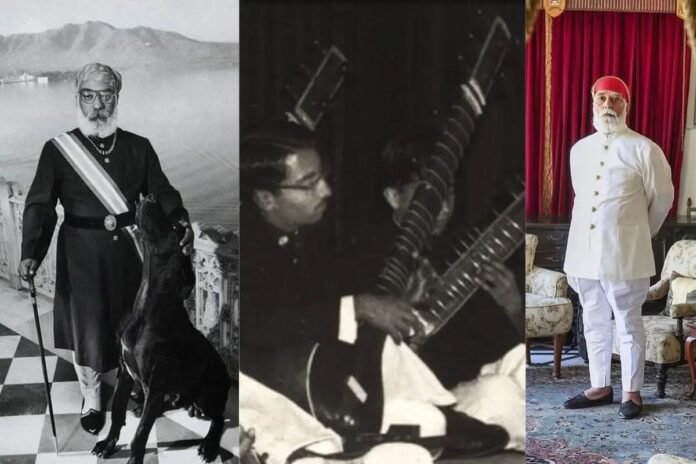
Arvind Singh Mewar, a distinguished member of the erstwhile royal family of Udaipur, was a man of many talents. Known for his immense contributions to tourism, sports, art, and culture, he played a pivotal role in elevating Mewar’s legacy on the global stage. His deep-rooted love for cricket and polo, along with his innovative vision for heritage tourism, set new benchmarks in the hospitality industry.

Early Life and Education

Born into the esteemed Mewar lineage, Arvind Singh Mewar was raised with a strong sense of tradition and responsibility. His early education was supervised at home by his parents before he attended Mayo College, Ajmer, in 1956-57. He later pursued higher studies in English Literature, Economics, and Political Science from MB College. To refine his skills in hospitality, he studied Hotel Management at The Metropolitan College, St. Albans, England, and further honed his expertise through specialized courses in the United States.

Upholding the Mewar Legacy

Following the demise of his father, Maharana Bhagwat Singh Mewar, in November 1984, Arvind Singh Mewar took charge of his ancestral legacy, propelling it to new heights. His leadership was marked by a strong commitment to religious harmony and humanitarian values. An ardent devotee of Mewar’s ruling deity, Eklingnath, he emphasized equality among all faiths.

His passion for music, art, and literature was evident from an early age. A proficient sitar player, he deeply appreciated classical music and initiated several cultural projects. He entrusted the Maharana Kumbha Sangeet Kala Trust with music records of legendary artists and started ‘Swaranjali’ at Eklingji Temple on Guru Purnima to celebrate musical heritage. A keen admirer of poetry and literature, he frequently engaged in intellectual discussions with his mentor, Pt. Narendra Mishra.

Honors and Recognitions

Arvind Singh Mewar’s contributions were widely recognized, earning him numerous national and international accolades. Some of the prestigious positions and awards conferred upon him include:

  • Museum Association of India, New Delhi – Honorary Membership
  • Indian Association for the Study of Conservation of Cultural Property, New Delhi – Member
  • Commonwealth Association of Museums, Canada – Member
  • Indian Heritage City Network – Membership
  • The Grenadiers Associations – Honorary Membership (2011)
  • Indian Association of Tour Operators – Hall of Fame Award
  • Galileo Express Travel World – Tata AIG Lifetime Achievement Award
  • Travel Agents Associations of India – Agastya Award
  • Rajiv Gandhi Tourism Development Mission – Advisor
  • Rajasthan Foundation – Executive Member
  • Jaipur Virasat Foundation – National Advisory Board Member
  • Jaipur Heritage International Festival – Honorary Member
  • Patron of Various Cultural Organizations, including Rajasthan Association of North America, Taj Association of Art Culture and Heritage, Mehar Bhargava Foundation, and Maharana Pratap Memorial Committee
  • Chief Patron of Maharana Pratap Museum, Haldighati
  • Member of World Wide Fund for Nature

Cricket and Polo Enthusiast

Sports played an integral role in Arvind Singh Mewar’s life. A skilled cricketer and polo player, he actively promoted these sports in Mewar. He established the Udaipur Equine Institute in Shikarbari for polo training and played a key role in setting up the Polo Complex in Jaipur. His contributions extended internationally, as seen in the Udaipur Cup Tournament organized by the Cambridge and New Market Polo Club in England. As a schoolboy, he captained the Mayo College cricket team and was also the first captain of the Rajasthan school cricket team. His passion for sports kept him actively involved in cricket and polo clubs across India and abroad.

Transforming Mewar’s Tourism and Heritage Industry

Arvind Singh Mewar revolutionized Rajasthan’s tourism landscape, particularly in the realm of heritage tourism. He modernized and expanded the hospitality industry, transforming palaces into world-class hotels. Under his leadership, Shiv Niwas Palace and Fateh Prakash Palace won the Grand Heritage Hotel Award from the Tourism Department. He introduced the concept of royal weddings, positioning Udaipur as the ultimate destination for grand nuptials, a trend that continues to attract global attention today.

Establishing Prestigious Awards

Continuing his father’s vision, Arvind Singh Mewar institutionalized the Maharana Mewar Foundation Annual Decoration Awards in 1980-81. After his father’s passing, he expanded these accolades by introducing new awards, including:

  • Colonel James Todd Decoration (International Level)
  • Hakeem Khan Sur Decoration, Maharana Udai Singh Decoration, Panna Dhay Decoration (National Level)
  • Rana Poonja Decoration (State Level)

A Legacy That Lives On

Arvind Singh Mewar’s contributions to heritage preservation, tourism, sports, and cultural promotion have left an indelible mark on Mewar and beyond. His innovative approach to blending tradition with modernity ensured that the grandeur of Rajasthan remains preserved while being accessible to the world. His vision continues to inspire generations, making him a true custodian of Mewar’s glorious heritage.

IPL 2025 Official Schedule: Check Groups, Venues, Timings, Start Date, and Other Key Details

0

The 2025 Indian Premier League (IPL) is all set to enthrall cricket fans with its 18th season, running from March 22 to May 25, 2025. This year’s edition will feature 10 teams competing across 74 matches in 13 venues spread throughout India. With intense rivalries, thrilling finishes, and star-studded performances, IPL 2025 promises another exciting season of cricket.

IPL 2025: Opening Match and Final Venue

The season kicks off with a high-voltage clash between the defending champions Kolkata Knight Riders (KKR) and Royal Challengers Bengaluru (RCB) on March 22 at Eden Gardens, Kolkata. The legendary stadium will also be the battleground for the grand final on May 25, marking the third time it hosts an IPL final.

Match Timings and Double-Headers

Fans can expect 13 double-header days during the tournament, where matches will be played at 3:30 PM (afternoon matches) and 7:30 PM (evening matches) IST.

IPL 2025 Schedule: Key Dates and Fixtures

Below is a list of the major matches scheduled for IPL 2025:

MatchDateFixtureTimeVenue
1March 22, SatKKR vs RCB7:30 PMKolkata
2March 23, SunSRH vs RR3:30 PMHyderabad
3March 23, SunCSK vs MI7:30 PMChennai
4March 24, MonDC vs LSG7:30 PMVisakhapatnam
5March 25, TueGT vs PBKS7:30 PMAhmedabad
6March 26, WedRR vs KKR7:30 PMGuwahati
7March 27, ThuSRH vs LSG7:30 PMHyderabad
8March 28, FriCSK vs RCB7:30 PMChennai
9March 29, SatGT vs MI7:30 PMAhmedabad
10March 30, SunDC vs SRH3:30 PMVisakhapatnam
11March 30, SunRR vs CSK7:30 PMGuwahati
12March 31, MonMI vs KKR7:30 PMMumbai
13April 1, TueLSG vs PBKS7:30 PMLucknow
14April 2, WedRCB vs GT7:30 PMBengaluru
15April 3, ThuKKR vs SRH7:30 PMKolkata
16April 4, FriLSG vs MI7:30 PMLucknow
17April 5, SatCSK vs DC3:30 PMChennai
18April 5, SatPBKS vs RR7:30 PMNew Chandigarh
19April 6, SunKKR vs LSG3:30 PMKolkata
20April 6, SunSRH vs GT7:30 PMHyderabad
21April 7, MonMI vs RCB7:30 PMMumbai
22April 8, TuePBKS vs CSK7:30 PMNew Chandigarh
23April 9, WedGT vs RR7:30 PMAhmedabad
24April 10, ThuRCB vs DC7:30 PMBengaluru
25April 11, FriCSK vs KKR7:30 PMChennai
26April 12, SatLSG vs GT3:30 PMLucknow
27April 12, SatSRH vs PBKS7:30 PMHyderabad
28April 13, SunRR vs RCB3:30 PMJaipur
29April 13, SunDC vs MI7:30 PMDelhi
30April 14, MonLSG vs CSK7:30 PMLucknow
31April 15, TuePBKS vs KKR7:30 PMNew Chandigarh
32April 16, WedDC vs RR7:30 PMDelhi
33April 17, ThuMI vs SRH7:30 PMMumbai
34April 18, FriRCB vs PBKS7:30 PMBengaluru
35April 19, SatGT vs DC3:30 PMAhmedabad
36April 19, SatRR vs LSG7:30 PMJaipur
37April 20, SunPBKS vs RCB3:30 PMNew Chandigarh
38April 20, SunMI vs CSK7:30 PMMumbai
39April 21, MonKKR vs GT7:30 PMKolkata
40April 22, TueLSG vs DC7:30 PMLucknow
41April 23, WedSRH vs MI7:30 PMHyderabad
42April 24, ThuRCB vs RR7:30 PMBengaluru
43April 25, FriCSK vs SRH7:30 PMChennai
44April 26, SatKKR vs PBKS7:30 PMKolkata
45April 27, SunMI vs LSG3:30 PMMumbai
46April 27, SunDC vs RCB7:30 PMDelhi
47April 28, MonRR vs GT7:30 PMJaipur
48April 29, TueDC vs KKR7:30 PMDelhi
49April 30, WedCSK vs PBKS7:30 PMChennai
50May 1, ThuRR vs MI7:30 PMJaipur
51May 2, FriGT vs SRH7:30 PMAhmedabad
52May 3, SatRCB vs CSK7:30 PMBengaluru
53May 4, SunKKR vs RR3:30 PMKolkata
54May 4, SunPBKS vs LSG7:30 PMDharamsala
55May 5, MonSRH vs DC7:30 PMHyderabad
56May 6, TueMI vs GT7:30 PMMumbai
57May 7, WedKKR vs CSK7:30 PMKolkata
58May 8, ThuPBKS vs DC7:30 PMDharamsala
59May 9, FriLSG vs RCB7:30 PMLucknow
60May 10, SatSRH vs KKR7:30 PMHyderabad
61May 11, SunPBKS vs MI3:30 PMDharamsala
62May 11, SunDC vs GT7:30 PMDelhi
63May 12, MonCSK vs RR7:30 PMChennai
64May 13, TueRCB vs SRH7:30 PMBengaluru
65May 14, WedGT vs LSG7:30 PMAhmedabad
66May 15, ThuMI vs DC7:30 PMMumbai
67May 16, FriRR vs PBKS7:30 PMJaipur
68May 17, SatRCB vs KKR7:30 PMBengaluru
69May 18, SunGT vs CSK3:30 PMAhmedabad
70May 18, SunLSG vs SRH7:30 PMLucknow
71May 20, TueQualifier 17:30 PMHyderabad
72May 21, WedEliminator7:30 PMHyderabad
73May 23, FriQualifier 27:30 PMKolkata
74May 25, SunFinal7:30 PMKolkata

IPL 2025 Teams and Groups

This season, the teams are divided into two groups, where each team plays twice against teams within their group and once against teams from the opposite group—except for one designated rival, whom they will face twice.

Group A:

  • Chennai Super Kings (CSK)
  • Royal Challengers Bengaluru (RCB)
  • Rajasthan Royals (RR)
  • Punjab Kings (PBKS)
  • Kolkata Knight Riders (KKR)

Group B:

  • Mumbai Indians (MI)
  • Gujarat Titans (GT)
  • Delhi Capitals (DC)
  • Sunrisers Hyderabad (SRH)
  • Lucknow Super Giants (LSG)

IPL 2025 Playoff Format

At the end of the league stage, the top four teams will qualify for the playoffs:

  • Qualifier 1 (May 20): The top two teams will face off, with the winner securing a direct spot in the final.
  • Eliminator (May 21): The third and fourth-placed teams will battle, with the winner advancing to Qualifier 2.
  • Qualifier 2 (May 23): The loser of Qualifier 1 will face the winner of the Eliminator to determine the second finalist.
  • Final (May 25): The two best teams will clash at Eden Gardens, Kolkata, for the coveted IPL trophy.

IPL 2025 Venues: Where the Matches Will Take Place

This year’s matches will be played across 13 iconic cricket stadiums in India:

  • M. A. Chidambaram Stadium (Chennai)
  • Narendra Modi Stadium (Ahmedabad)
  • Eden Gardens (Kolkata)
  • Arun Jaitley Stadium (New Delhi)
  • BRSABV Ekana Stadium (Lucknow)
  • Wankhede Stadium (Mumbai)
  • Maharaja Yadavindra Singh International Cricket Stadium (New Chandigarh, Mullanpur)
  • Sawai Mansingh Stadium (Jaipur)
  • M. Chinnaswamy Stadium (Bengaluru)
  • Rajiv Gandhi International Stadium (Hyderabad)
  • Himachal Pradesh Cricket Association Stadium (Dharamsala)
  • Barsapara Cricket Stadium (Guwahati)

Final Thoughts

IPL 2025 is set to bring another electrifying season of cricket, featuring high-profile clashes, intense rivalries, and nail-biting finishes. With matches taking place across the country and the world’s top cricketers battling it out for glory, the excitement is bound to be at an all-time high. Stay tuned for all the action as the countdown to IPL 2025 begins!

Celebrating Rajasthan Day on Varsha Pratipada a Step Towards Cultural Reconnection

0

Rajasthan Day will now be celebrated on Varsha Pratipada instead of March 30. This announcement by the Chief Minister on Wednesday has sparked joy among Rajasthanis. The Navvarsha Samaroh Samiti, formed in 1992 to promote the Indian New Year with the inspiration of the Sangh, had been urging the Rajasthan government for the past 24 years to shift the celebration from March 30 to Varsha Pratipada Nav Samvatsar. The reasoning behind this demand is that Rajasthan was originally established on this day according to the Hindu calendar, based on an auspicious muhurat. While the official declaration of Rajasthan’s formation took place on March 30, the significance of Varsha Pratipada was gradually forgotten, leading to the current observance.

Varsha Pratipada, the first day of Shukla Paksha in the month of Chaitra according to the Indian calendar, is also celebrated as the Hindu New Year. The decision to restore Rajasthan Day to this date is being viewed as a reconnection with the state’s cultural roots.

A Look at Rajasthan’s History

Historically known as Rajputana, Rajasthan was once a land of multiple princely states. The process of integrating these states into a unified Rajasthan occurred in seven phases. The merger began on April 18, 1948, with the unification of Alwar, Bharatpur, Dholpur, and Karauli. The final major integration occurred in 1949 on Varsha Pratipada (March 30), when Jodhpur, Jaipur, Jaisalmer, and Bikaner joined to form the Greater Rajasthan Union, marking the official foundation of Rajasthan.

Sardar Vallabhbhai Patel played a key role in this process, overseeing the integration of princely states into the Indian Union. During the inauguration of Greater Rajasthan, he remarked:

Reclaiming Cultural Identity

Many see this shift in Rajasthan Day celebrations as a return to traditional values. Social worker Radhika views it as a step towards breaking free from colonial influences, stating that recognising Varsha Pratipada reinstates a historical and cultural truth. Businesswoman Eena, based in the U.S., echoes this sentiment, emphasising the depth of Indian traditions. Despite Western influences, Hindus worldwide still follow auspicious timings based on the Panchang for significant life events such as housewarming ceremonies, weddings, and business inaugurations. Ignoring the traditional foundation day and imposing a date from the Gregorian calendar was seen as a remnant of colonial thought. The government’s decision to correct this is therefore welcomed, albeit belatedly.

A Broader Cultural Shift

This move aligns with the government’s broader efforts to restore Rajasthan’s cultural heritage. Recently, the name of Hotel Khadim of RTDC was changed to Ajaymeru. Khadim refers to the clerics of the Dargah of Moinuddin Chishti, while Ajaymeru is the original name of the city, dating back to the 7th century AD when Raja Ajaypal Chauhan founded it. Over time, Ajaymeru became known as Ajmer, even after Khwaja Moinuddin Chishti settled there. This renaming reflects an effort to reclaim Rajasthan’s historical and cultural identity.

The decision to celebrate Rajasthan Day on Varsha Pratipada is being widely appreciated as a move towards honoring the state’s indigenous traditions, fostering a deeper connection to its heritage, and moving away from colonial legacies.

The 8 Best Adventure Sports in and Around Visakhapatnam

0

Visakhapatnam, a picturesque coastal city known for its pristine beaches and bustling port, is also a haven for adventure enthusiasts. Whether you’re a thrill-seeker or someone looking to experience nature from a new perspective, Visakhapatnam offers a perfect blend of adrenaline and scenic beauty. Here are the top eight adventure sports you must try in this vibrant city:

1. Surfing at Ramakrishna Beach

Ramakrishna Beach, popularly known as RK Beach, is a favorite among locals and tourists alike. While the beach is perfect for sunbathing and beach volleyball, it is also emerging as a hotspot for surfing. The moderate waves make it ideal for both beginners and experienced surfers. Additionally, visitors can enjoy camel rides, fishing trips with local fishermen, or simply unwind while watching a breathtaking sunset.

2. Parasailing at Rushikonda Beach

Rushikonda Beach, set against the stunning backdrop of Rushikonda Hill, is a paradise for water sports lovers. Among the thrilling activities offered, parasailing stands out as an unforgettable experience. As you soar above the azure waters, you’ll get a bird’s-eye view of the pristine coastline. With trained professionals ensuring safety, this adventure is a must-try for those looking to add a touch of excitement to their beach visit.

3. Adventure Sports at Kambalakonda Wildlife Sanctuary

Spanning 17,000 acres, the Kambalakonda Wildlife Sanctuary is a lush green expanse that caters to both nature lovers and adventure seekers. Trekking and hiking trails take you through dense forests and rolling hills, offering an immersive experience in the wild. The sanctuary also provides activities like boating, horse riding, hitchhiking, and thrilling bridge-crossing experiences. The best time to visit is during the cooler months when the Eastern Ghats are at their scenic best.

4. Trekking in Araku Valley

A few hours from Visakhapatnam, Araku Valley is a trekking paradise. With lush coffee plantations, cascading waterfalls, and picturesque hills, this valley offers a range of trekking trails suited for beginners and seasoned hikers alike. Some of the best trails include the Chaparai Waterfall Trek, Katiki Waterfall Trek, Ananthagiri Hills Trek, and Tyda Trek. The journey through the valley is not only thrilling but also a great way to connect with nature.

5. Jet Skiing and Windsurfing at Rushikonda Beach

Rushikonda Beach is not only a perfect spot for swimming but also for adventure activities like jet skiing and windsurfing. The Yachting Association of Vizag offers sailing experiences and even organizes week-long courses for beginners. Windsurfing, a combination of surfing and sailing, is particularly popular due to the beach’s consistent wind patterns. The thrill of riding the waves while balancing against the wind makes this an experience to remember.

6. Exploring Borra Caves

For those who prefer adventure with a touch of history, a visit to the Borra Caves is a must. Estimated to be over a million years old, these limestone caves are a natural wonder filled with fascinating stalactites and stalagmites. According to local legends, a Shivalingam was discovered inside the caves, leading to the establishment of a temple nearby. Exploring these ancient caves offers a mix of excitement, mystery, and cultural significance.

7. Katiki Falls Trek

Located near the Borra Caves, the Katiki Waterfalls originate from the Gosthani River and offer a perfect escape into nature. Reaching the falls requires a short but thrilling trek through rocky terrain, making the journey as exciting as the destination. Along the way, hikers can stop to enjoy local delicacies such as Bamboo Chicken and fresh Coconut Water, adding a flavorful touch to the adventure.

8. Kayaking at Rushikonda Beach

For a serene yet exhilarating experience, try sunrise kayaking at Rushikonda Beach. Offered by Livein Adventures, this activity is scheduled between 5:30 and 7:30 AM, allowing participants to witness a mesmerizing sunrise over the Bay of Bengal. Drifting through calm waters while basking in the early morning light is a magical way to start the day.

Final Thoughts

From water sports to trekking and cave exploration, Visakhapatnam offers an array of adventure activities suited for all kinds of travelers. Whether you’re looking to conquer the waves, explore the wilderness, or soar above the sea, the city promises unforgettable experiences. The next time you visit Visakhapatnam, make sure to indulge in these thrilling adventure sports and create memories that will last a lifetime.

The Lineage of Maharana Pratap: A Legacy of Valor and Pride

0

The recent passing of Arvind Singh Mewar, the 76th custodian of the House of Mewar, on March 16, 2025, at the age of 81, marks the end of an era for one of India’s most storied lineages. As a direct descendant of the legendary Maharana Pratap, Arvind Singh Mewar’s life and legacy reflect the enduring spirit and traditions of the Sisodia dynasty.​

The Sisodia Dynasty: A Legacy of Rajput Valor

The Sisodias, a prominent Rajput clan, have ruled Mewar for centuries, with their lineage tracing back to Bappa Rawal, an 8th-century ruler renowned for his resistance against Arab invasions. This dynasty has consistently exemplified courage and a steadfast commitment to independence, traits epitomized by Maharana Pratap.​

Maharana Pratap: The Indomitable Rajput

Born in 1540, Maharana Pratap is celebrated for his relentless resistance against the Mughal Empire, particularly during the Battle of Haldighati in 1576. His dedication to sovereignty and Rajput honor has made him an enduring symbol of bravery in Indian history.​

Arvind Singh Mewar: Upholding a Regal Legacy

Arvind Singh Mewar, born on December 13, 1944, was the younger son of Maharana Bhagwat Singh Mewar and Sushila Kumari. Educated at Mayo College in Ajmer, he furthered his studies in hotel management in the UK and USA, gaining valuable experience in the hospitality industry.

Upon returning to India, Arvind Singh Mewar played a pivotal role in transforming the ancestral palaces into heritage hotels, founding the HRH Group of Hotels. His efforts not only preserved Mewar’s architectural heritage but also promoted tourism in Udaipur, ensuring that the rich history of his lineage remained accessible to the world. ​Hindustan Times+4Hindustan Times+4Instagram+4Hindustan Times

Beyond business, he was an avid sportsman, participating in cricket and polo, and was also a qualified pilot, reflecting the multifaceted interests of the modern custodians of royal legacies. ​Hindustan Times+1Hindustan Times+1

Conclusion

The passing of Arvind Singh Mewar signifies not just the loss of a custodian of the Mewar legacy but also a bridge between the illustrious past and the present. His life was a testament to the enduring values of the Sisodia dynasty—valor, independence, and cultural preservation. As the lineage continues through his descendants, the spirit of Maharana Pratap and the rich heritage of Mewar remain alive, inspiring future generations.