NASA astronauts Butch Wilmore and Sunita Williams safely returned to Earth on Tuesday (March 18, 2025), concluding an unplanned 286-day stay aboard the International Space Station (ISS). Their SpaceX capsule splashed down in the Gulf of Mexico off the coast of Tallahassee, Florida, just hours after departing the ISS.
During their extended mission, the astronauts completed 4,576 orbits around Earth, covering approximately 121 million miles (195 million kilometers). While astronauts have spent longer periods in space, few have faced such uncertainty regarding their return. Over time, Wilmore and Williams transitioned from temporary visitors to full-time ISS crew members, contributing to critical experiments, equipment repairs, and spacewalks. Williams, who became ISS commander three months into the mission, set a record for the most spacewalking hours by a female astronaut—62 hours over nine excursions.
Originally scheduled for a short mission, Wilmore and Williams’ stay was extended indefinitely due to persistent technical failures with Boeing’s new Starliner crew capsule. Launched aboard Starliner on June 5, 2024, they were left stranded when the spacecraft was deemed unfit for reentry. NASA eventually arranged their return via SpaceX, though additional delays prolonged their time in orbit.
Their prolonged stay even took on a political dimension in January when former President Donald Trump urged SpaceX CEO Elon Musk to expedite their return.
Wilmore, 62, and Williams, 59, expressed gratitude for the experience but acknowledged the personal sacrifices involved. Wilmore missed much of his younger daughter’s senior year of high school, while Williams relied on internet calls to stay in touch with family.
Their return was met with widespread prayers and well-wishes. Twenty-one Hindu temples held ceremonies for Williams, whose Indian and Slovenian heritage has inspired many, while Wilmore, a Baptist elder from Houston, received prayers from his church congregation.
Following splashdown, SpaceX confirmed their safe return in a post on X: “Splashdown of Dragon confirmed – welcome back to Earth, Nick, Suni, Butch, and Aleks!”
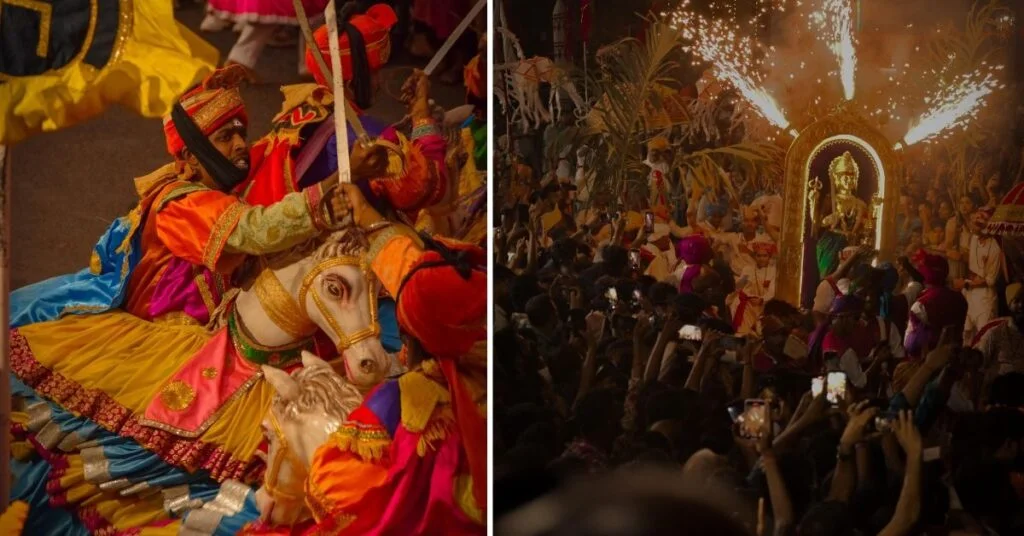
Dangling from rotating poles, dancing to evade flaming cow dung cakes—if you thought Shigmotsav was just a colorful carnival, here’s a side you might not have seen before.
“Rice is cooked on people’s heads.” This is Varun Hegde’s favorite story to share about the Shisharanni ritual as he guides travelers into Goa’s villages every March, where the locals prepare for Shigmo—the vibrant harvest festival that heralds spring.
Varun pauses, waiting for the dramatic gasp that always follows his tale.
The True Spirit of Shigmotsav: Beyond the Grand Parades
For many, the essence of Shigmo lies in its grand city parades featuring dazzling floats and masquerades. But away from the main roads, deep within Goa’s villages, an ancient and deeply spiritual celebration unfolds—one rooted in mythology, devotion, and thrilling rituals.
Varun, a cultural explorer from Soul Travelling, specializes in uncovering Goa’s offbeat traditions. Alongside photographer Daniel Dsouza, he has witnessed firsthand the esoteric, spirited gatherings in the state’s hinterlands. This Shigmotsav, we step into their world to uncover Goa’s hidden traditions.
A Celebration of Homecoming and Mythology
March in Goa is a season of revelry. With the harvest complete, farmers put aside their ploughs, and the state transforms into a cultural spectacle. Streets brim with folk music, dance, and mythological reenactments, celebrating the return of brave soldiers and legends from Hindu mythology.
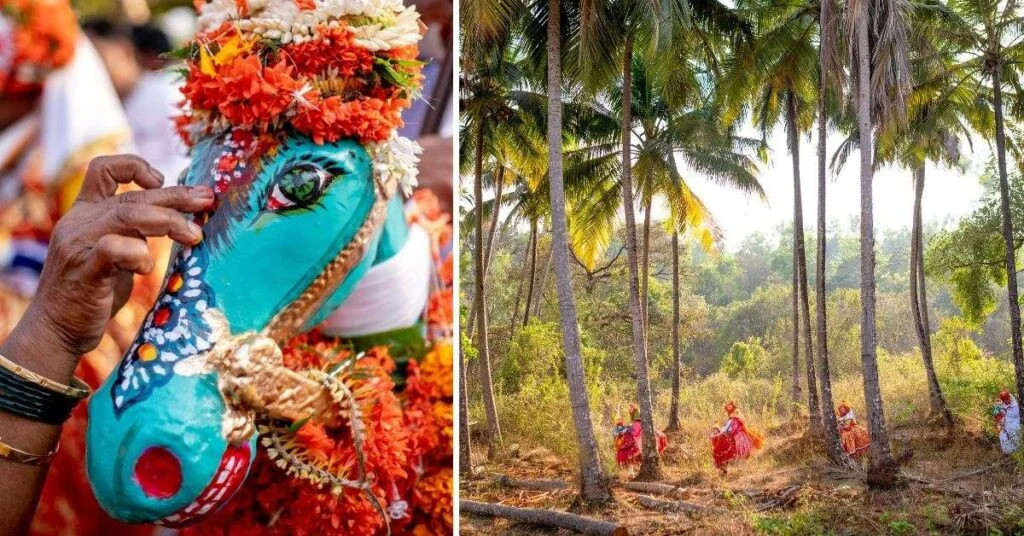
While ‘Vhadlo Shigmo’ dominates the cities with its elaborate parades, the lesser-known ‘Dhakto Shigmo’ in the villages embraces rituals steeped in folklore. The air reverberates with the beats of the ghumat, dhol, mhadle, and tashe (percussion instruments) as men invoke the Gods, offering gratitude for a bountiful harvest.
Legends That Shape the Festival
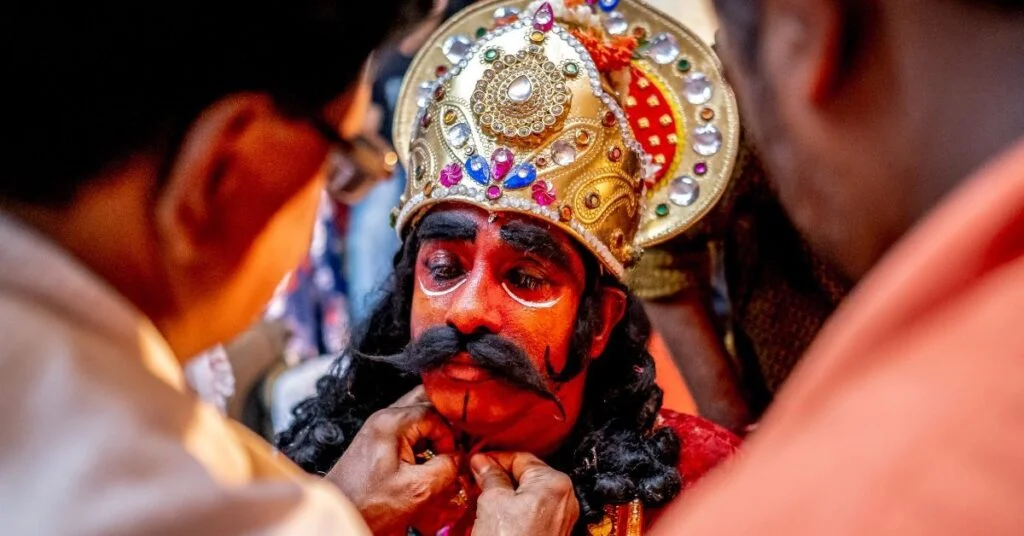
At the heart of Shigmo are rituals reenacting ancient lores—Holika’s fiery fate, Prahlad’s resilience against his father Hiranyakashyap, the tale of Kamadeva, and the victorious return of warriors. These stories are brought to life in village festivities, where faith and endurance take center stage.
The Thrilling Rituals of Shigmo
Faith is the foundation of Shigmo, evident in the many dramatic festivals that accompany it. Take ‘Chorotsav’ in Zarme village—known as the ‘festival of thieves.’ Villagers atone for their ancestors’ wrongdoings by enacting an age-old beheading ritual. “Participants are buried in the ground with only their heads exposed, reenacting the legend of young men who were once executed here,” Varun shares.
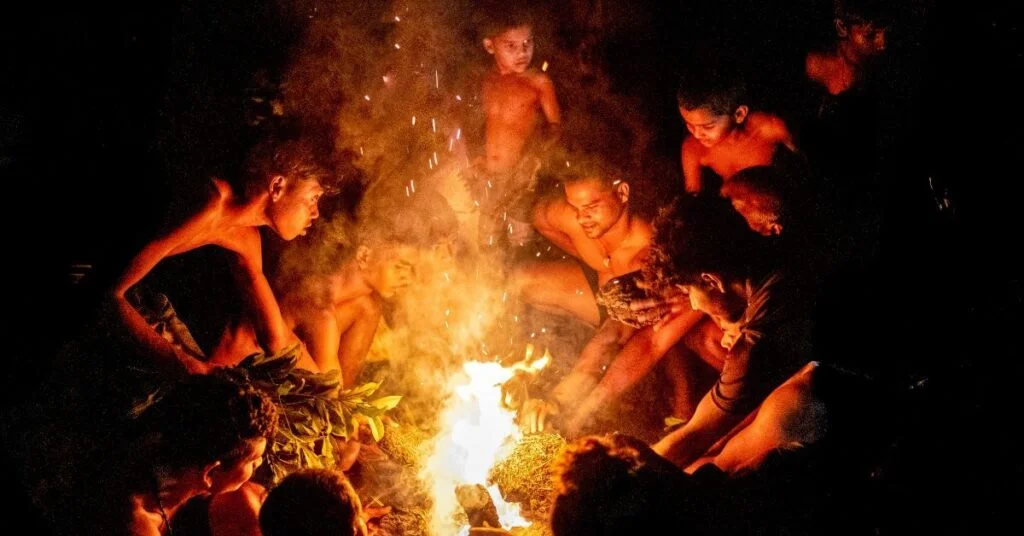
Then there’s ‘Gadde’ in Kudne village, where villagers dance around the Holi fire from midnight until sunrise. “No one can leave, and phones are strictly forbidden,” Varun explains. “It’s believed that those in a trance are lured into the forest by a devchar (spirit) holding a burning lamp.”
Firewalking and Daredevilry: Shigmotsav’s Daring Side
The ‘Lairai Zatra’ in Shirgao village is another test of devotion, dedicated to Goddess Shri Lairai. Here, devotees dance through blazing pyres, unharmed, driven by unwavering faith. “To witness or partake in such rituals, your beliefs must be rock solid. The villagers see it as an honor, not a challenge,” Varun says.
Similarly, the ‘Xeni Uzzo’ festival in Malcornem sees men scaling areca nut trees, hurling flaming sheni (cow dung) cakes at one another. Bare-chested, they dance amid the fire—a breathtaking display of courage and belief.
Shigmotsav’s Unique Traditions
Photographer Daniel Dsouza captures the sheer energy of these celebrations. “Each festival has its own character,” he notes. ‘Shidyotsav’ features men suspended from rotating poles, while ‘Karvalyo’ celebrates womanhood. ‘Viramel’ showcases martial arts in honor of warriors, and ‘Ghode Modni’ sees dancers wielding swords atop wooden horse effigies, paying tribute to Goa’s valorous past.
The Grandeur of Shigmotsav Awaits
As Shigmotsav sweeps through Goa, the state readies itself for a cultural transformation unlike any other. Whether through firewalking, spectral dances, or vibrant parades, the festival is a living testament to Goa’s enduring spirit and timeless traditions.
This year, step beyond the well-trodden tourist paths and witness the rare, thrilling, and deeply spiritual side of Goa’s grandest festival. Shigmotsav isn’t just a carnival—it’s a testament to faith, tradition, and the daring heart of Goa.
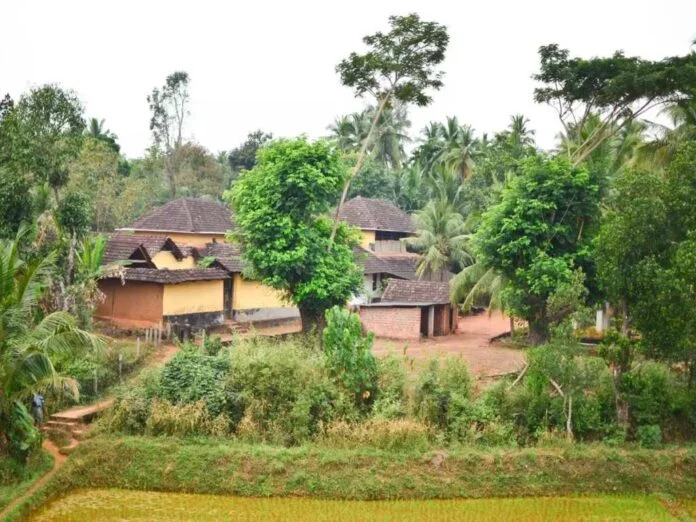
When you think of a clean and green place, what comes to mind? A high-tech city with modern waste management systems? A well-maintained urban park? Surprisingly, some of the cleanest and most sustainable places in India are not found in big cities but in its villages. These small communities have embraced a way of life that prioritizes cleanliness, sustainability, and harmony with nature.
From banning plastic to implementing eco-friendly farming, these villages have proved that transformation doesn’t require grand policies—it begins at home, with collective community efforts. Here’s how five remarkable villages are setting new benchmarks in cleanliness and environmental consciousness.
1. Mawlynnong, Meghalaya: Asia’s Cleanest Village
Tucked near the Meghalaya-Bangladesh border, Mawlynnong has earned the title of Asia’s cleanest village. But cleanliness here is not just a rule; it is a deeply ingrained way of life, backed by a remarkable literacy rate of 93.71%.
How They Did It:
Plastic-free mindset: Mawlynnong strictly enforces a plastic ban. Instead of allowing waste to accumulate, the villagers repurpose materials in creative, sustainable ways.
Daily cleaning habit: Every villager actively takes responsibility for keeping their surroundings spotless, sweeping their pathways regularly.
Sustainable construction: Houses and public spaces are built using local materials, reducing the village’s carbon footprint.
Improved sanitation: Public and private toilets have been installed throughout the village, ensuring hygiene and eliminating open defecation.
2. Baghuwar, Madhya Pradesh: A Self-Sustained Model of Cleanliness
Situated in Madhya Pradesh’s Narsinghpur district, Baghuwar is a shining example of a self-sustaining clean village. The villagers don’t just discuss cleanliness; they live it.
How They Achieved It:
Early adoption of sanitation: Baghuwar became open defecation-free (ODF) in 2007, years before the Swachh Bharat Abhiyan made it a national priority.
Community involvement: Every resident plays a role in keeping the village clean, from sweeping the streets to managing waste.
Water conservation: The village has invested in rainwater harvesting and water recycling, significantly improving groundwater levels and local climate conditions.
3. Sishunu, Nagaland: A Tobacco and Plastic-Free Haven
Sishunu in Nagaland is not just clean; it is also tobacco-free and plastic-free. This transformation was driven by community determination and funds from the Mahatma Gandhi National Rural Employment Guarantee Act (MGNREGA).
How They Achieved It:
Tobacco ban: A strict prohibition on tobacco sale and consumption is enforced across schools, offices, and public spaces, monitored by a dedicated Tobacco Control Committee.
Plastic waste management: The village council actively ensures minimal plastic usage, even repurposing plastic waste for road construction.
Strict anti-littering policies: Waste segregation is mandatory, and fines are imposed on those who fail to comply.
Sustainable farming: The village cultivates fruits like kiwi, bananas, oranges, and pomegranates using organic farming methods.
4. Thuruthikkara, Kerala: Kerala’s First Certified Green Village
Located in the Ernakulam district, Thuruthikkara has set the gold standard for sustainability, thanks to the Oorja Nirmala Haritha Gramam project.
How They Achieved It:
Community education: All 349 families in the village were educated on environmental issues and sustainability practices.
Advanced waste management: The village embraced a plastic-free, e-waste-free, and filament-free policy, supported by biogas plants, solar cookers, and LED lighting.
Institutional support: The transformation was driven by local organizations like the Haritha Keralam Mission and Energy Management Centre Kerala, providing the necessary technical expertise and resources.
5. Majuli, Assam: Living in Harmony with Nature
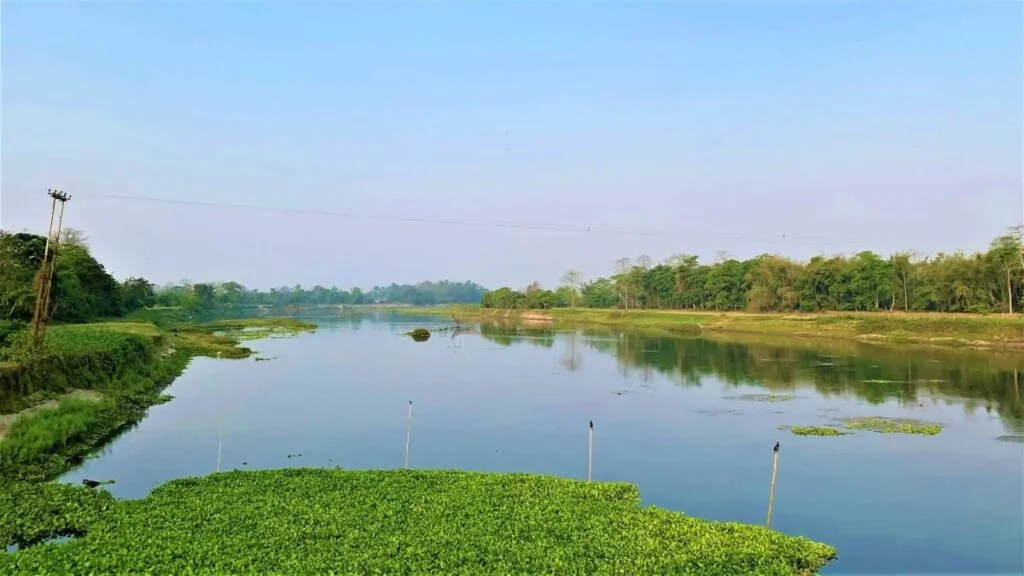
Majuli, a picturesque island in Assam’s Jorhat district, is not only breathtaking but also a leader in eco-friendly living.
How They Achieved It:
Bamboo architecture: Homes are built using bamboo, a renewable and sustainable material that minimizes environmental impact.
Community-driven cleanliness: Residents actively participate in cleaning efforts, ensuring their surroundings remain pristine.
Sustainable lifestyle: Following the indigenous philosophy of ‘Donyi Polo,’ which emphasizes the interconnection between humans and nature, Majuli’s residents practice responsible farming and resource management.
Lessons for India’s Urban Areas
These villages have demonstrated that sustainable living isn’t just about policies or government initiatives; it is about people making conscious choices every day. Their success stories serve as blueprints for cities and towns looking to build cleaner, greener environments. They did not wait for change—they became the change. When cleanliness and environmental care become a way of life, transformation follows.
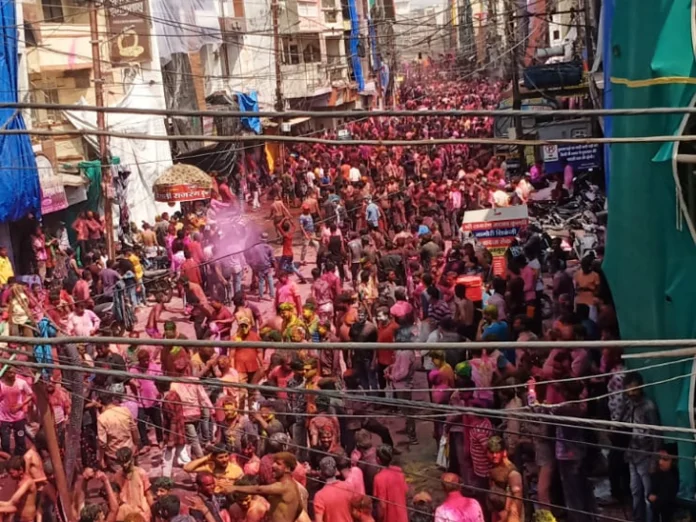
Rang Panchami, celebrated on the fifth day after Holi, is a vibrant festival that extends the joyous spirit of colors and unity. In 2025, Rang Panchami falls on Wednesday, March 19, and the city of Ratlam in Madhya Pradesh is gearing up for grand celebrations that blend tradition with exuberance.
Historical Significance of Rang Panchami
Rang Panchami holds deep cultural and spiritual importance, especially in central India. Unlike Holi, which signifies the victory of good over evil, Rang Panchami is associated with invoking the divine through the play of colors. It is believed that the festival purifies the environment by eliminating negative energies, thereby restoring balance and harmony. The celebration involves the use of colors to please the deities and is seen as a means to connect with the divine.
Rang Panchami Celebrations in Ratlam
Ratlam, known for its rich cultural heritage, celebrates Rang Panchami with great enthusiasm. The festivities are marked by community gatherings where people of all ages come together to play with colors, dance, and enjoy traditional music. The streets of Ratlam become a canvas of vibrant hues as residents and visitors immerse themselves in the festive spirit.
One of the highlights of Rang Panchami in Ratlam is the traditional procession that winds through the main thoroughfares of the city. Participants, adorned in colorful attire, dance to the rhythm of drums and folk songs, creating an atmosphere of joy and camaraderie. The procession often includes decorated floats and performances that showcase the cultural diversity of the region.
Cultural Activities and Traditions
During Rang Panchami, various cultural programs are organized across Ratlam. These include folk dances such as the Matki dance, where performers balance earthen pots on their heads while dancing gracefully. Music performances featuring traditional instruments add to the festive ambiance. Local delicacies like ‘puran poli’ and ‘gujiya’ are prepared in households, offering a gastronomic delight to both residents and visitors.
The festival also emphasizes community bonding. People visit the homes of friends and relatives, applying ‘gulal’ (colored powder) on each other as a gesture of goodwill and unity. This practice reinforces social ties and fosters a sense of togetherness among the residents.
Preparations for 2025 Celebrations
As 2025 approaches, preparations for Rang Panchami in Ratlam are in full swing. Local authorities, in collaboration with cultural organizations, are planning events that not only entertain but also educate the younger generation about the festival’s significance. Workshops on traditional dance forms, music, and crafts are being organized to engage the youth and keep the cultural heritage alive.
Safety measures are also a priority, with campaigns promoting the use of natural colors to prevent skin allergies and environmental harm. Efforts are being made to ensure that the celebrations are inclusive, allowing everyone to participate and experience the joy of Rang Panchami.
In conclusion, Rang Panchami in Ratlam is not just a festival of colors but a celebration of life, unity, and cultural richness. The 2025 festivities promise to be a spectacular display of tradition and community spirit, reflecting the enduring charm of this vibrant festival.
In many Indian households, marriage is often regarded as a woman’s ultimate fate. But for countless women, it becomes a cage—one filled with silent suffering, abuse, and the crushing weight of societal judgment. Walking away isn’t easy. Fear of stigma, financial insecurity, and concern for their children often keep them trapped. Yet, some women find the courage to break free and rewrite their destinies. Neeta is one such woman.
A Childhood Lost to Marriage
Married at just 14 and a mother by 15, Neeta’s life seemed destined for hardship. Her days were spent fulfilling the roles imposed upon her—wife, mother, caretaker. But behind closed doors, she endured the horrors of an abusive marriage. For years, she suffered in silence, tolerating cruelty for the sake of her three children.
Each time her husband mocked her, saying, “You can’t do anything,” a fire ignited within her. She knew she had to break free, not just for herself but for her children’s future.
Taking the Wheel of Her Own Life
Determined to reclaim her life, Neeta decided to learn how to drive. She started with a scooter, then progressed to cars and vans. What began as a simple skill soon turned into a small business—offering pick-up and drop-off services for schoolchildren.
Her growing independence, however, was met with violence. Her husband threatened her life, determined to keep her shackled. But Neeta had made up her mind—she would no longer live in fear.
At 34, she made the toughest decision of her life. She walked out of her marriage, taking her children with her, with no certainty about the future—only an unshakable determination to succeed.
Building an Empire from Scratch
The road ahead wasn’t easy. With no formal education, she studied alongside her children while juggling work. Every rupee she earned went into securing their future. Slowly, her transport service expanded from a single vehicle to an entire fleet. Today, Neeta owns ShreeNeeta Travels, a successful transport business operating 13 buses.
But her success isn’t just measured in numbers. Her daughters are financially independent, and her son is settled in Canada. She has broken the cycle of oppression, ensuring her children have the freedom she never had.
An Inspiration for Generations
Neeta’s journey is one of resilience and defiance. She refused to be defined by her past and instead shaped her own destiny. Today, she stands as a beacon of hope, proving that no circumstance is too dire, no challenge too great.
Her story is a testament to the power of determination—the kind that can turn adversity into opportunity and silence into strength. Neeta took the wheel of her own life, and she never looked back. And in doing so, she has paved the way for countless women to follow in her tracks.
Cricket commentary in Sanskrit is gaining attention at the University Cricket Competition organized by Shri Raghunath Kirti Sanskrit University, Devprayag. This groundbreaking initiative is led by Dr. Shri Om Sharma, who has coined over 150 new Sanskrit terms related to cricket. Using these innovative terms, students are delivering dynamic and engaging match commentary.
A total of 18 teams are participating in the tournament, with each team including two female students. In addition to Sanskrit, the commentary also incorporates Uttarakhand’s regional dialects—Garhwali and Kumaoni—enhancing the cultural richness of the event.
Dr. Sharma believes this initiative will boost Sanskrit’s popularity among the general public, making the ancient language more accessible. He envisions these newly created Sanskrit cricket terms being adopted in matches across the country, fostering greater recognition for Sanskrit in modern sports.
“This initiative is not just about promoting Sanskrit; it demonstrates that ancient languages can remain relevant in contemporary contexts,” Dr. Sharma stated. “Cricket commentary in Sanskrit will provide a fresh identity to the language and help establish its place in the world of sports.”
When hill retreats and summer getaways were being established by the British in colonial India, Shimla was undoubtedly the blue-eyed child. Declared the official summer capital of British India, this hill station at an altitude of 2,205 meters provided much-needed respite from the scorching plains. Even today, Shimla’s colonial charm, lush pine and oak forests, and rich heritage make it a popular holiday destination for travelers seeking tranquility and adventure alike.
Must-Visit Attractions
Mall Road: The heart and soul of Shimla, Mall Road is the town’s bustling main street. Once lined with colonial structures, it is now home to lively cafes, restaurants, boutiques, and social hangouts. It’s the perfect spot for an evening stroll or to soak in the local vibe.
Viceregal Lodge: A masterpiece of Jacobethan architecture, the Viceregal Lodge was designed by British architect Henry Irwin and served as the residence of the British Viceroy. Dating back to 1888, this historic site also witnessed the signing of the famous Shimla Agreement. A guided tour unveils its stunning interiors, adorned with photographs, books, and artifacts.
Rothney Castle: Nestled on Jakhoo Hill, this lesser-known gem was once the home of Allan Octavian Hume, the founder of the Indian National Congress. Though in need of restoration, its intricate wood and glasswork still reflect glimpses of its former glory.
Christ Church: The second oldest church in India, dating back to 1857, Christ Church is a striking example of neo-Gothic architecture. With its stunning stained-glass windows, majestic clock tower, and rich collection of old scriptures, the church stands as a testament to Shimla’s colonial past. At night, its illuminated façade creates a breathtaking spectacle.
Scandal Point: This spot is steeped in history and intrigue. Named after the infamous scandal involving the Maharaja of Patiala and the British Viceroy’s daughter, Scandal Point is now a popular tourist spot. The General Post Office, located nearby, marks the intersection of Mall Road and Ridge Road.
Things to Do in Shimla
Stroll on the Ridge: The Ridge is the heart of Shimla, offering panoramic views of the surrounding mountains. Home to colonial-style buildings, a historic library, and statues of Mahatma Gandhi, the Ridge is also the venue for Shimla’s major fairs and festivals.
Hike up Jakhoo Hill: A 30-minute uphill trek through scenic forests leads to the Jakhoo Temple, dedicated to Lord Hanuman. Perched at an altitude of 2,455 meters, the temple offers mesmerizing views of the Shivalik range. Be mindful of the playful monkeys along the trail!
Catch a Performance at Gaiety Theatre: Opened in 1887, the Gaiety Theatre has hosted numerous plays and cultural performances. Its Victorian-style architecture is reminiscent of grand European theaters, making it a must-visit for history and art enthusiasts.
Ride the Kalka-Shimla Toy Train: A UNESCO World Heritage Site, this 96-kilometer railway journey takes you through scenic landscapes, crossing 864 bridges and passing through 102 tunnels, including the longest one at Barog. It’s a magical experience that captures the essence of Himalayan beauty.
What to Eat in Shimla
Guchhi Mattar: A Himachali delicacy, this dish features wild morel mushrooms cooked with peas in a rich, spicy gravy.
Dham: A traditional festive dish, Dham is a wholesome meal prepared with rice, dal, and rajma, cooked overnight in yogurt for a unique flavor.
Best Time to Visit Shimla
March to June (Summer): Pleasant weather with temperatures averaging 25°C, making it ideal for sightseeing.
July to October (Monsoon): Lush green landscapes, though heavy rains can lead to landslides.
November to February (Winter): Crisp, cold air with snowfall in December, turning Shimla into a winter wonderland.
How to Reach Shimla
By Air: The nearest operational airport is in Chandigarh (115 km away). Shimla’s Jubarhatti Airport is non-operational for commercial flights.
By Road: Well-connected to major cities, Shimla is a scenic drive from Delhi (340 km) and Chandigarh (115 km). HRTC buses and private taxis offer frequent services.
By Train: The Kalka-Shimla toy train is the most charming way to reach Shimla. Kalka is well-connected by trains from Delhi and Chandigarh, with the Kalka Shatabdi Express being the fastest option.
Packing Essentials for Shimla
For Summer: Light cotton clothes for the day, with a light jacket for cooler evenings.
For Winter: Woolens, thermals, and a heavy jacket. Boots, gloves, and caps are essential if visiting during snowfall.
General Essentials: Motion sickness medication (for winding roads), sunblock, and sunglasses to protect against strong mountain sun.
Shimla remains an all-season destination, offering a mix of colonial charm, adventure, and breathtaking scenery. Whether you’re looking for a peaceful retreat or an action-packed getaway, Shimla promises an unforgettable experience. Pack your bags and embark on your journey to this timeless hill station!
Built over 500 years ago by Rudra Pratap, a 16th-century Bundela leader, Orchha stands as a testament to a bygone era, untouched by the relentless tides of history. Situated along the tranquil Betwa River, this historic town is a harmonious blend of royal heritage and spiritual devotion.
Discovering Orchha’s Timeless Charm
The journey from Jhansi, the nearest major city, leads directly into Orchha’s core, offering a panoramic view of its grand design. The western side is dominated by the imposing Orchha Fort, resting on an ephemeral island connected by an arched bridge. To the east, temples and havelis line the town, while a solitary row of cenotaphs stands at its southern edge, solemnly watching over the river.
Generations of families still inhabit Orchha, preserving a close-knit community reminiscent of an era where familiarity and trust reigned supreme. The town’s historical edifices, such as Dauji ki Kothi, Jahangir Mahal, Hardaul ki Haveli, and Baba ki Gufa, still bear the names of their original residents, adding to Orchha’s mystique.
Orchha is unique in India for worshipping Lord Rama as a king, and the Bundela ruler Madhukar Shah as a demigod. The town’s architecture seamlessly fuses elements of both fortifications and temple structures, with ceremonies as regimented as a royal guard’s changing shift.
Exploring the King’s Quarters
The fort complex, accessible via a majestic arched bridge, houses three primary palaces—Raja Mahal, Jahangir Mahal, and Sheesh Mahal. The latter has been converted into a heritage hotel managed by MP Tourism.
Raja Mahal (1530s): Built by Raja Rudra Pratap, its simple facade contrasts with the vibrant murals within. The Diwan-i-Khas and Diwan-i-Aam still retain intricate frescoes, though many have faded with time.
Jahangir Mahal (17th century): Commissioned by Vir Singh Deo in honor of Mughal Emperor Jahangir’s brief visit, this structure merges Bundela and Mughal aesthetics. Visitors can explore narrow stairways leading to a breathtaking rooftop, offering panoramic views of the town.
Rai Praveen Mahal: Dedicated to the poetess and courtesan Rai Praveen, this palace tells the story of her defiance of Emperor Akbar’s advances, ultimately earning her safe return to Orchha.
To navigate the fort complex efficiently, visitors can obtain a Heritage Walk Brochure from the ticket booth for just ₹10, guiding them through the equestrian stables, herbalist’s abode, ancient baolis (stepwells), and aerodynamic towers.
The Tale of Two Temples
Orchha’s religious landscape is anchored by the Ram Raja Temple and Chaturbhuj Temple—both entwined in a fascinating legend.
King Madhukar Shah’s devotion to Krishna and his queen’s reverence for Rama led to a divine challenge. When she brought back a manifestation of Rama as a child from Ayodhya, he chose to stay where he was first placed—inside the palace kitchen. As a result, the planned grand Chaturbhuj Temple (with its towering spires and cathedral-like interiors) remained incomplete, while the simple kitchen transformed into the Ram Raja Temple. Today, this temple remains Orchha’s spiritual heart, where locals and visitors alike partake in devotional songs and festivities, particularly during Ram Navami.
A short distance away, the Laxmi Narayan Temple (1622) perches atop a breezy hill, offering solitude and murals depicting episodes from Rama and Krishna’s lives, as well as Rani Laxmi Bai’s confrontation with British forces.
Demigods and Devotees: The Legend of Hardaul
North of the central square lies Hardaul Baithak, dedicated to Lala Hardaul, a Bundela prince renowned for his loyalty and honor. Accused of an illicit affair by his elder brother, Hardaul chose death over dishonor, earning divine status in Bundelkhand. His sanctum, complete with his sword and bed, stands as a site of deep reverence.
The Betwa River and Cenotaphs
For a slower-paced experience, rent a bicycle and meander along Orchha’s quiet roads, or relax by the Betwa River at Kanchan Ghat. The riverbank is lined with 14 chhatris of Bundela rulers, their towering, square platforms accessible via narrow staircases. Unlike their intricately carved Rajput counterparts, these cenotaphs exude stark grandeur.
Alternatively, unwind at a rooftop café near the town square, sipping masala chai while overlooking Orchha’s enigmatic blend of history and mythology. This town, where Madhya Pradesh’s forests meet Uttar Pradesh’s cow belt, continues to straddle the line between fact and folklore.
Practical Guide to Orchha
Location: Orchha, Madhya Pradesh, near the Uttar Pradesh border. Distance: 16 km from Jhansi; 463 km from Delhi (8 hrs); 355 km from Bhopal (6 hrs).
Getting There
Nearest Airport: Gwalior (119 km/2.5 hrs north)
Nearest Railway Station: Jhansi (connected via regular buses)
Getting Around
Orchha is compact and best explored on foot or by bicycle.
Best Time to Visit
Summers (Mar-Jun): Scorching heat up to 50°C
Monsoon (Jul-Sep): Dramatic skies and lush landscapes but challenging for walking
Winters (Oct-Feb): Cool and pleasant, with temperatures dropping to 13°C
Orchha, with its riverside serenity, regal echoes, and divine allure, remains an enigma—one best unraveled at leisure.
Mathura and Vrindavan, two cities steeped in spirituality and devotion, are famous not only for their temples dedicated to Lord Krishna and Radha Rani but also for their delectable culinary delights. These sacred cities offer an array of milk-based sweets and vegetarian specialties that tantalize the taste buds. As meat and alcohol are prohibited here, visitors can indulge in a variety of traditional vegetarian dishes, each carrying a distinct flavor and cultural significance.
Mathura Peda
Mathura is renowned for its iconic Mathura Peda, a mouthwatering sweet made from condensed milk, khoya (a dairy product), and cardamom powder. These rich and flavorful sweets are offered as prasad in temples and are a must-try for any visitor. Popular shops such as Banke Bihari Sweets and Brijwasi Sweets specialize in these delectable treats, ensuring an authentic taste of Mathura’s culinary heritage.
Makhan Mishri
A dish closely associated with Lord Krishna, Makhan Mishri is a simple yet divine delicacy comprising fresh butter (makhan) topped with sugar candy cubes (mishri). This offering is an integral part of prasad at Banke Bihari Temple in Vrindavan and holds deep religious significance.
Bedhai
For a savory delight, Bedhai is a local favorite. This crispy, deep-fried wheat chapati is paired with a spicy and flavorful potato sabzi. A traditional breakfast dish in Mathura, Oma Pehalwan Kachori Wala is famous for its delicious Bedhai and Dal Kachori, while Main Brijwasi Pede Wale also serves an exceptional version of this delicacy.
Revari
A perfect winter treat, Revari is a crunchy, bite-sized sweet made with white sesame seeds, jaggery or sugar, and cardamom. This nutritious and flavorsome sweet is popular across North India but holds a special place in Mathura’s local cuisine.
Kachori
No visit to Mathura is complete without trying Kachori, a crispy, deep-fried snack stuffed with lentils and spices. This irresistible street food is a popular breakfast or evening snack. Some of the best places to try Kachori in Mathura include Brijwasi Sweets, Radha Ballabh Mishthan Bhandar, and Dauji Mishthan Bhandar.
Chole Bhature
A staple of North Indian cuisine, Chole Bhature is a delicious combination of spicy chickpeas served with soft and fluffy fried bread. Some well-known spots to enjoy this dish in Mathura include Brijwasi Sweets and Shri Radha Brij Vasundhara Resort & Spa.
Lassi
To cool off from the bustling streets and temple visits, Lassi is the perfect beverage. This refreshing drink, made from yogurt, sugar, and aromatic spices, is a favorite among locals and tourists alike. Served in earthen pots, it adds an authentic touch to the experience.
Street Food Delights
Mathura is a paradise for street food lovers. From crunchy samosas and flavorful chaat to syrupy jalebi and crispy kachori, the city’s vibrant food scene offers a feast for every palate. Chowk Bazaar, Holi Gate, and the area around Dwarkadhish Temple are some of the best spots to explore these local flavors.
A Culinary and Spiritual Experience
Mathura is not just a destination for spiritual seekers but also a haven for food enthusiasts. The city’s rich culinary heritage, deeply intertwined with its cultural and religious traditions, makes for an unforgettable experience. Whether you’re savoring the legendary Mathura Peda, enjoying the wholesome flavors of Bedhai, or indulging in a glass of refreshing Lassi, Mathura’s food scene is sure to leave you craving for more.
Plan your visit to Mathura and treat yourself to an exquisite journey of flavors, where devotion and culinary excellence go hand in hand.
Located in the northeastern tip of India, Arunachal Pradesh is a vibrant mosaic of cultures and ethnicities. This diversity is beautifully reflected in its culinary traditions, which seamlessly blend indigenous tribal influences with the rich bounty of local ingredients. Arunachalee cuisine primarily leans towards non-vegetarian dishes, with an emphasis on meats, fresh vegetables, and an array of unique preservation techniques such as drying, smoking, and fermentation. While many dishes are common across the state, regional and tribal variations add a delightful complexity to its gastronomic landscape.
Flavors and Delicacies of Arunachal Pradesh
Snacks and Chutneys: Spicy Accompaniments
Chutneys and pickles are indispensable to an Arunachalee meal, often adding a fiery kick to the food. A key ingredient in many local chutneys is the supremely spicy King Chilly, a staple across the region.
Khapse – A sweet biscuit popular in Tawang, West Kameng, Mechuka, and Tuting, often enjoyed during Losar and weddings.
Bay (Sakap) – A snack made from the inner substance of the Rangbang (Sago palm) stem, relished by the Puroik and Nyishi tribes.
Bamboo Shoot Pickle – A fermented specialty with a tangy twist, borrowing techniques from external influences.
Byak/Byake Chutney – A condiment made from Thai eggplant, complementing main dishes.
Lukter – A staple made of dried chilies and smoked meat.
Pehak – A renowned spicy chutney made from fermented soybeans and King Chilly.
Papuk – A nutritious chutney crafted from banana blossom.
Meuouk Taam – A fresh organic tomato chutney, known for its vibrant flavors.
Rice: The Heart of Every Meal
Rice is central to Arunachalee cuisine, prepared in various innovative ways:
Khaow Nam Paak – A Khampti tribal specialty, often likened to risotto.
Kaaji – Rice infused with pork fat, a comfort food of the Apatani tribe.
Bamboo Shoots: A Versatile Ingredient
A culinary cornerstone in Arunachal Pradesh, bamboo shoots are used in fresh, fermented, dried, and pickled forms. They enhance curries, chutneys, and standalone dishes, particularly in Tani households.
Vegetarian Specialties
Despite the prevalence of meat, vegetables hold a significant place in Arunachalee cuisine:
Khunchang-Tok – A banana blossom delicacy from the Tangsa tribe.
Hokka Pada (Dhekia Saag) – A widely loved regional fern dish.
Oyik Aao – A beloved leafy green dish from the Tani region.
Tho Phan – A simple yet nutritious boiled beans dish from the Khampti tribe.
To Doh – A spiced yam breakfast delicacy of the Nocte tribe.
Fish Delicacies: Freshwater Bounty
Arunachal Pradesh’s rivers provide an abundance of fish, incorporated into diverse recipes:
Ngui / Mui Ramnam – Smoked and dried fish prepared with Hiyub.
Anu-Nu – A rice dish with fish or chicken, native to the Idu-Mishmi tribe.
Ngah Weeh – A Nocte-style steamed fish preparation.
Ngolum – Fish cooked in bamboo tubes, a Galo tribe specialty.
Paa-Pho – Small fish paired with dried bamboo shoots, a Khampti delight.
Kong E Penam – Fish cooked in bamboo tubes, an Adi tribal tradition.
Chicken Delights
Chicken is a highly preferred protein, cooked in various styles:
Wongam-Tok – Chicken cooked on heated stones, a Tangsa delicacy.
Aamin – A Galo tribe’s comforting rice and chicken porridge.
Naokai Sae Khawpong – A rich, rice-gravy chicken dish from the Khampti community.
Ato – Boiled chicken with bamboo shoot, a staple of the Idu-Mishmi tribe.
Asumbi – An Idu-Mishmi rice and chicken porridge.
Pork: The Undisputed Favorite
Pork dishes are diverse, reflecting tribal influences:
Penam Arak Adin – Pork cooked in hollow bamboo, a Tani favorite.
Raar Arak Adin – A pork stew infused with indigenous greens.
Bhanam Arak Adin – Roasted pork with a tomato-based chutney.
Nau Moo Phan – Pork infused with herbs, a Khampti specialty.
Pikey Pila – Pork with fermented bamboo, an iconic Apatani dish.
Maiche Zaan – Wancho-style pork sausages from eastern Arunachal.
Mithun and Buffalo Meat: Tribal Staples
Arunachal Pradesh is home to yaks, mithun (Bos Frontalis), and water buffalo, which provide significant sources of protein:
Saeb Dingho – Smoked and dried mithun meat, commonly found in Tani households.
Nau-Shaa – Minced buffalo meat, a Khampti tribal dish.
Beverages: Traditional Brews and Teas
Local beverages play an essential role in Arunachal Pradesh’s food culture:
Apong (Rice Beer) – A fermented rice beverage central to social and cultural life.
Nogin/Pona – A rice-based Apong variety.
Tamii/Temey Opo – A millet-infused rice alcohol from the Tani belt.
Pobor Poka (Poka) – A festive drink popular among the Galos and Adis.
Ja (Butter Tea) – A Tibetan-influenced butter tea enjoyed in Buddhist-dominated regions like Tawang, West Kameng, and Mechuka.
Summing Up
Arunachalee cuisine, much like its tribal culture, is deeply rooted in nature and tradition. It is simple yet flavorful, relying on fresh, organic produce and time-honored cooking techniques. The regional diversity in preparation methods and ingredient choices adds richness to its culinary heritage. Whether indulging in bamboo shoot-infused delicacies, smoked meats, or the fiery chutneys, a gastronomic journey through Arunachal Pradesh offers a truly unique and unforgettable experience.