Home Blog Page 350

A Culinary Journey Through Itanagar and Arunachal Pradesh

0

Located in the northeastern tip of India, Arunachal Pradesh is a vibrant mosaic of cultures and ethnicities. This diversity is beautifully reflected in its culinary traditions, which seamlessly blend indigenous tribal influences with the rich bounty of local ingredients. Arunachalee cuisine primarily leans towards non-vegetarian dishes, with an emphasis on meats, fresh vegetables, and an array of unique preservation techniques such as drying, smoking, and fermentation. While many dishes are common across the state, regional and tribal variations add a delightful complexity to its gastronomic landscape.

Flavors and Delicacies of Arunachal Pradesh

Snacks and Chutneys: Spicy Accompaniments

Chutneys and pickles are indispensable to an Arunachalee meal, often adding a fiery kick to the food. A key ingredient in many local chutneys is the supremely spicy King Chilly, a staple across the region.

  • Khapse – A sweet biscuit popular in Tawang, West Kameng, Mechuka, and Tuting, often enjoyed during Losar and weddings.
  • Bay (Sakap) – A snack made from the inner substance of the Rangbang (Sago palm) stem, relished by the Puroik and Nyishi tribes.
  • Bamboo Shoot Pickle – A fermented specialty with a tangy twist, borrowing techniques from external influences.
  • Byak/Byake Chutney – A condiment made from Thai eggplant, complementing main dishes.
  • Lukter – A staple made of dried chilies and smoked meat.
  • Pehak – A renowned spicy chutney made from fermented soybeans and King Chilly.
  • Papuk – A nutritious chutney crafted from banana blossom.
  • Meuouk Taam – A fresh organic tomato chutney, known for its vibrant flavors.

Rice: The Heart of Every Meal

Rice is central to Arunachalee cuisine, prepared in various innovative ways:

  • Khaow Nam Paak – A Khampti tribal specialty, often likened to risotto.
  • Kaaji – Rice infused with pork fat, a comfort food of the Apatani tribe.

Bamboo Shoots: A Versatile Ingredient

A culinary cornerstone in Arunachal Pradesh, bamboo shoots are used in fresh, fermented, dried, and pickled forms. They enhance curries, chutneys, and standalone dishes, particularly in Tani households.

Vegetarian Specialties

Despite the prevalence of meat, vegetables hold a significant place in Arunachalee cuisine:

  • Khunchang-Tok – A banana blossom delicacy from the Tangsa tribe.
  • Hokka Pada (Dhekia Saag) – A widely loved regional fern dish.
  • Oyik Aao – A beloved leafy green dish from the Tani region.
  • Tho Phan – A simple yet nutritious boiled beans dish from the Khampti tribe.
  • To Doh – A spiced yam breakfast delicacy of the Nocte tribe.
A Culinary Journey Through Itanagar and Arunachal Pradesh

Fish Delicacies: Freshwater Bounty

Arunachal Pradesh’s rivers provide an abundance of fish, incorporated into diverse recipes:

  • Ngui / Mui Ramnam – Smoked and dried fish prepared with Hiyub.
  • Anu-Nu – A rice dish with fish or chicken, native to the Idu-Mishmi tribe.
  • Ngah Weeh – A Nocte-style steamed fish preparation.
  • Ngolum – Fish cooked in bamboo tubes, a Galo tribe specialty.
  • Paa-Pho – Small fish paired with dried bamboo shoots, a Khampti delight.
  • Kong E Penam – Fish cooked in bamboo tubes, an Adi tribal tradition.

Chicken Delights

Chicken is a highly preferred protein, cooked in various styles:

  • Wongam-Tok – Chicken cooked on heated stones, a Tangsa delicacy.
  • Aamin – A Galo tribe’s comforting rice and chicken porridge.
  • Naokai Sae Khawpong – A rich, rice-gravy chicken dish from the Khampti community.
  • Ato – Boiled chicken with bamboo shoot, a staple of the Idu-Mishmi tribe.
  • Asumbi – An Idu-Mishmi rice and chicken porridge.

Pork: The Undisputed Favorite

Pork dishes are diverse, reflecting tribal influences:

  • Penam Arak Adin – Pork cooked in hollow bamboo, a Tani favorite.
  • Raar Arak Adin – A pork stew infused with indigenous greens.
  • Bhanam Arak Adin – Roasted pork with a tomato-based chutney.
  • Nau Moo Phan – Pork infused with herbs, a Khampti specialty.
  • Pikey Pila – Pork with fermented bamboo, an iconic Apatani dish.
  • Maiche Zaan – Wancho-style pork sausages from eastern Arunachal.

Mithun and Buffalo Meat: Tribal Staples

Arunachal Pradesh is home to yaks, mithun (Bos Frontalis), and water buffalo, which provide significant sources of protein:

  • Saeb Dingho – Smoked and dried mithun meat, commonly found in Tani households.
  • Nau-Shaa – Minced buffalo meat, a Khampti tribal dish.

Beverages: Traditional Brews and Teas

Local beverages play an essential role in Arunachal Pradesh’s food culture:

  • Apong (Rice Beer) – A fermented rice beverage central to social and cultural life.
  • Nogin/Pona – A rice-based Apong variety.
  • Tamii/Temey Opo – A millet-infused rice alcohol from the Tani belt.
  • Pobor Poka (Poka) – A festive drink popular among the Galos and Adis.
  • Ja (Butter Tea) – A Tibetan-influenced butter tea enjoyed in Buddhist-dominated regions like Tawang, West Kameng, and Mechuka.

Summing Up

Arunachalee cuisine, much like its tribal culture, is deeply rooted in nature and tradition. It is simple yet flavorful, relying on fresh, organic produce and time-honored cooking techniques. The regional diversity in preparation methods and ingredient choices adds richness to its culinary heritage. Whether indulging in bamboo shoot-infused delicacies, smoked meats, or the fiery chutneys, a gastronomic journey through Arunachal Pradesh offers a truly unique and unforgettable experience.

A Visionary like no other: Dr. APJ Abdul Kalam

0

The Beautiful Mind of Dr. APJ Abdul Kalam

Dr. Avul Pakir Jainulabdeen Abdul Kalam, fondly known as the “Missile Man of India,” was an extraordinary scientist, visionary leader, and an inspiring teacher. Born on October 15, 1931, in Rameswaram, Tamil Nadu, Kalam rose from humble beginnings to become India’s 11th President and one of the most beloved figures in the nation’s history. His contributions to science, education, and national development have left an indelible mark on the world.

Interesting Facts About Dr. Kalam

  • A Paperboy Turned President: As a young boy, Kalam sold newspapers to support his family before becoming a renowned scientist.
  • No Personal Wealth: Despite holding the highest office in India, he owned very few personal possessions, living a simple life dedicated to service.
  • A Vegetarian and a Workaholic: He believed in simple living and never wasted a moment, often working for 18 hours a day.
  • An Honorary Doctorate Holder: Dr. Kalam received honorary doctorates from over 40 universities worldwide.
  • The Humble Scientist: Despite being a top scientist, he never married, devoting his entire life to his work and the betterment of the country.

Kalam’s Profound Connection with Children and Spirituality

Dr. Kalam had an unmatched love for children, often calling them the future of India. He believed that igniting young minds was the best way to build a strong and prosperous nation. His interactions with students were legendary, and he dedicated much of his time to mentoring and inspiring them.

On his spiritual side, Kalam had immense faith in God and was deeply connected to his roots in Rameswaram, a place of great religious significance. Despite being a scientist, he respected all faiths and drew inspiration from religious scriptures, particularly the Bhagavad Gita and the Quran, which he believed carried the essence of wisdom and morality.

Dr. Kalam’s Interest in the Ramayana and the Ram Setu

Dr. Kalam had a keen interest in the Ramayana, not just as a spiritual text but also from a scientific and historical perspective. He was fascinated by the Ram Setu (Adam’s Bridge), the chain of limestone shoals between India and Sri Lanka, believed to be built by Lord Rama’s army. Kalam, along with other scientists, studied satellite images and oceanographic evidence, which suggested that the structure might be man-made. His research and curiosity about ancient Indian knowledge systems highlighted the deep links between science and mythology.

The Heartwarming Peacock Rescue Story

Dr. Kalam’s love for nature and animals was equally profound. One such touching incident was when he rescued an injured peacock on the Rashtrapati Bhavan premises during his presidency. Instead of handing it over to the staff, he personally ensured it received medical attention and nursed it back to health. This act of kindness showcased his deep empathy, not just for humans but for all living beings.

An Eternal Inspiration for the Youth

Dr. APJ Abdul Kalam’s life serves as an eternal source of motivation for the youth. His philosophy of dreaming big, working hard, and staying humble has guided countless individuals. Whether it was leading India’s missile and nuclear programs, writing inspirational books like Wings of Fire, or encouraging students to excel, his impact was immeasurable. His famous words, “Dream, dream, dream. Dreams transform into thoughts and thoughts result in action,” continue to inspire generations.

Even in his last moments, he was doing what he loved—delivering a lecture at IIM Shillong when he collapsed and passed away on July 27, 2015. His life remains a testament to the power of perseverance, knowledge, and an unwavering commitment to one’s country and people.

Conclusion

Dr. APJ Abdul Kalam was more than just a scientist or a president—he was a guiding light for millions. His contributions to science, education, spirituality, and humanitarian causes make him a legend who will forever be cherished. As India continues to grow and evolve, his words and actions serve as a beacon of hope, reminding every young mind that with courage, knowledge, and kindness, anything is possible.

55 Students Are Using Plastic Bottles to Create Vertical Gardens on Campus

0

When 24-year-old Mandeep Sangwan moved from Haryana to Delhi for his master’s degree, he was struck by the stark contrast between the greenery of his hometown and the smog-laden, concrete-heavy capital city. As an avid gardener, he couldn’t ignore the plastic waste strewn across the Delhi School of Social Work’s campus. Instead of waiting for change, he decided to be the change. In 2024, he founded Green Dreams, the college’s first-ever eco-club since its inception in 1946.

What started as a simple vision of sustainability and greenery quickly blossomed into a movement, bringing together students with a shared passion for the environment. Green Dreams not only beautified the campus but also cultivated a deeper awareness of ecological responsibility.

Turning Trash into Treasure: The Birth of Vertical Gardens

Mandeep’s love for gardening began in childhood—he recalls sneaking saplings from his neighbor’s yard and nurturing them. His enthusiasm only grew stronger over the years, leading him to complete a course in organic farming from Indira Gandhi National Open University (IGNOU) during the COVID-19 pandemic.

So, when he saw plastic bottles littering the campus, a lightbulb moment struck. He recalled a vertical gardening project he had previously worked on using repurposed motor oil cans. This inspired him to repurpose plastic bottles into plant holders, creating the college’s first vertical garden.

With the help of fellow students, Mandeep collected discarded bottles, cleaned them, and used their funnel-shaped tops as plant holders. These were then filled with soil, small saplings were planted, and they were installed on campus walls. The once-wasted plastic now thrived as lush greenery, turning an eyesore into a sight of ecological beauty.

Green Dreams Takes Root

What started with 18 volunteers soon flourished into a dedicated group of 55 students. The initiative gained traction after Green Dreams organized a sustainable Teacher’s Day event, raising Rs 2,000 through eco-friendly games and food stalls. The funds were used to expand their vertical garden project, setting up a second garden near the campus pledge board. Faculty members and students alike admired the creativity and impact of repurposing waste into something both beautiful and sustainable.

“The college had its share of trees, but Green Dreams introduced a fresh perspective on sustainability,” says Prof. Sanjoy Roy, the head of the Department of Social Work. “It wasn’t just about plants—it was about reminding students to take responsibility for their environment.”

Beyond Gardens: Fostering Sustainability and Awareness

While vertical gardening was the initiative’s first milestone, Green Dreams quickly expanded its mission. Hanging baskets of plants were installed on classroom windows, an idea suggested by a volunteer.

The club also recognized the unsung heroes of the campus—the gardeners who had maintained its greenery for 20 years. To honor their contributions, Green Dreams organized an appreciation event for Ramveer, Chander Prakash, and Nandlal Pal, acknowledging their tireless efforts.

Their advocacy for nature extended beyond aesthetics. The club tackled the issue of students damaging the lawn by taking shortcuts across the grass. A collective pledge was made to use paved pathways and respect green spaces. Today, the once-trampled lawn thrives, symbolizing how small, conscious choices can lead to meaningful change.

Educating and Inspiring Future Generations

To deepen environmental awareness, Green Dreams hosted guest speakers, including Dr. Ekta Saroha, an epidemiologist, and Dr. Santhosh G, founder of We Plant. Their sessions educated students about environmental health, social work practices, and the importance of seed banks in preserving biodiversity.

Another unique initiative involved planting a sapling for each company that visited the campus for placements. Each sapling bore the company’s logo, leaving behind a green legacy instead of mere paperwork.

Sustaining the Legacy

With Mandeep and his batchmates set to graduate in May, ensuring the club’s continuity became a priority. He hopes the next generation of students will be as passionate and proactive as his team.

“I want to leave a small fund from our first salaries to encourage future members to continue fundraising and innovating,” says Mandeep. His dream before leaving? Establishing a butterfly garden on campus—an idea that had previously faced challenges but remains a goal worth pursuing.

A Call to Action

Green Dreams stands as proof that small actions can lead to significant transformation. If a group of students can revolutionize their campus, what steps can we take in our own spaces—our schools, workplaces, and homes?

Sustainability isn’t just about planting trees; it’s about cultivating a mindset that values and protects the environment. Green Dreams has sown the seeds of change—will you nurture them in your own community?

Giving Life, One Pint at a Time: Mario Fernandes Is Goa’s ‘Blood Samaritan’

0

On October 14 this year, Mario Fernandes celebrated not just his 50th birthday but also a milestone that few can claim—his 100th blood donation. For more than three decades, Mario has been selflessly donating blood, driven by a simple yet profound belief: saving lives is the greatest gift one can give. As he sets his sights on continuing this mission until the age of 65, the upper age limit for blood donation, his story serves as an inspiration to many.

A Legacy of Giving

Mario began donating blood at the age of 18 and has never looked back. Over the years, his passion has only deepened, leading him to establish the Goa Blood Donation Association—a network of dedicated donors who coordinate with hospitals, blood banks, and patients in dire need of blood, plasma, and platelets.

Today, Mario primarily donates platelets, a crucial component that can be given to patients irrespective of their blood type. Unlike whole blood donation, which can be done every three months, platelet donation can be done every 15 days. The process, which takes about two hours, involves extracting platelets while returning the remaining blood components to the donor. Yet, despite the longer procedure, Mario finds fulfillment in knowing that his contributions directly impact lives.

Health and Wellness Through Blood Donation

Far from being just an act of charity, Mario believes that his commitment to regular blood donation has played a key role in maintaining his own health. Strong and energetic, he has even scaled Himalayan peaks as high as 14,000 feet. His secret? A disciplined lifestyle—no alcohol or smoking, a balanced diet rich in vegetables, nuts, seeds, eggs, and lean meats, all carefully chosen to maintain optimal iron and hemoglobin levels.

“I don’t feel deprived,” he says with a smile. “Abstaining from unhealthy habits is a small price to pay to be able to give someone the gift of life. Life offers so many joys—music, dance, food, and travel—I don’t miss out on anything.”

A Childhood Steeped in Kindness

Born and raised in Mumbai, Mario spent his formative years living next door to Tata Memorial Hospital, one of India’s leading cancer treatment centers. His family often opened their doors to patients requiring long-term care, instilling in him a deep sense of empathy.

“My mother taught me and my older brother Nelson to grab every opportunity to help others,” he recalls. “She believed kindness has a domino effect—if we make a difference in someone’s life today, they will pass that kindness forward.”

Going the Extra Mile

Mario’s selflessness was particularly evident during the Covid-19 pandemic. While running a pharmacy in Mapusa, he delivered medicines and essentials to those unable to leave their homes, transported the elderly to hospitals, and even helped arrange beds and oxygen cylinders for critical patients. In the process, he contracted Covid-19 three times but never wavered in his commitment to serve others.

His natural flair for sales—having excelled in selling everything from tyres for MRF to pharmaceutical drugs for Novartis and insurance for Max Life—is now channeled into a cause far greater than commerce. He is a passionate advocate for blood donation, constantly urging people to step up and contribute.

The Power of a Single Donation

“If more people donated blood regularly, especially those with rare blood types, thousands of lives could be saved,” he emphasizes. “It’s shocking that some people refuse to donate even for their own relatives, despite being the perfect match.”

For Mario, blood transcends all barriers—race, religion, caste, and creed. “People who might otherwise hesitate to interact with those from different backgrounds suddenly realize their common humanity when they need a blood transfusion,” he says with a knowing smile.

A Call to Action

Mario Fernandes’ journey is a testament to the profound impact one individual can have. His unwavering dedication to blood donation has not only saved countless lives but has also inspired many to follow in his footsteps. As he continues his mission, he leaves behind a powerful message: giving blood isn’t just about donation—it’s about uniting humanity, one drop at a time.

Dharamsala: A Spiritual Travel Guide

0

Nestled in the picturesque Kangra Valley, against the backdrop of the majestic Dhauladhar mountain range, Dharamsala is a town that exudes a spiritual aura, drawing seekers from around the world. Known as the residence of His Holiness the Dalai Lama, it has become synonymous with Tibetan culture and Buddhism. Dharamsala offers a serene escape where ancient traditions, spiritual enlightenment, and natural beauty converge to create a profound experience.

Exploring the Spiritual Landmarks

Tsuglagkhang Complex: The Spiritual Heart of Dharamsala

At the core of Dharamsala’s spiritual significance lies the Tsuglagkhang Complex, the residence of the Dalai Lama. This tranquil complex houses the Namgyal Monastery, Tibet Museum, and Tsuglagkhang Temple. Visitors can attend morning or evening prayer sessions to immerse themselves in the soothing chants that act as a meditative experience. The Tibet Museum offers an insightful journey into Tibetan history and the resilience of its people.

Dharamsala: A Spiritual Travel Guide

Tsuglagkhang Main Temple Room

Established in 1969, the main temple room mirrors the reverence of Lhasa’s Jokhang Temple. A beautifully gilded statue of the historical Buddha sits behind the Dalai Lama’s teaching throne, alongside sacred scriptures. The wooden statue of a gaunt Buddha symbolizes his six-year meditative austerity in Bodhgaya. Statues of Padmasambhava, Avalokitesvara (Chenrezig in Tibetan), and Tibetan kings who introduced Buddhism further enhance the temple’s spiritual essence.

Kalachakra Temple

Following the Buddhist tradition of circumambulation (clockwise movement), visitors first encounter an area for prostration before entering the Kalachakra Temple. This temple features mesmerizing murals depicting Avalokitesvara, whom the Dalai Lama is believed to embody. It offers a deeply meditative atmosphere, perfect for contemplation.

Chorten

Between Temple and Jogiwara Roads stands the Chorten, a vibrant prayer-wheel-surrounded stupa. Inside, an ancient chorten has been meticulously restored, allowing visitors to ascend internal steps and explore its upper tiers.

Norbulingka Institute

Located 6 km southeast of Dharamsala, the Norbulingka Institute is dedicated to Tibetan arts and culture. Founded in 1988, this institute is adorned with lush gardens, water bodies, and traditional Tibetan architecture. Visitors can participate in workshops on Thangka painting, wood carving, and tailoring, offering a deeper understanding of Tibetan spirituality through art.

Tibet Museum

A must-visit two-tiered museum, the Tibet Museum narrates Tibet’s history as a sovereign state, the struggle following Chinese occupation in 1949, and Tibetan resistance. The exhibition’s poignant photographs and detailed narratives leave a lasting impact.

Library of Tibetan Works & Archives

Situated within the government-in-exile’s compound, this library houses over 120,000 manuscripts in Tibetan and 15,000 books on Tibet, Buddhism, and the Himalayas in various languages, including English. Originally a sanctuary for sacred texts rescued from the Cultural Revolution, it remains a treasure trove of Tibetan heritage.

Deden Tsuglakhang Temple

The institute’s centerpiece, Deden Tsuglakhang Temple, is a vibrantly adorned sanctuary. It features an expansive thangka and a 4-meter gilded statue of Sakyamuni Buddha, paying homage to his birthplace, Sakya.

Namgyalma Stupa

Located in McLeod Ganj, the Namgyalma Stupa commemorates Tibetan soldiers who sacrificed their lives in Tibet’s struggle for freedom. This sacred site invites visitors for quiet reflection and prayer.

St. John’s Church

Nestled among towering Deodar trees, the St. John’s Church is an Anglican structure with Neo-Gothic architecture, featuring exquisite Belgian stained-glass windows. It offers a peaceful retreat away from the bustling town.

Beyond the Monasteries: Spiritual Experiences in Dharamsala

Local Monasteries

Beyond the Tsuglagkhang Complex, visitors can explore smaller monasteries such as Gyuto Monastery, where monks engage in deep philosophical studies and Tantric meditation. Observing their dedication provides a profound perspective on spiritual discipline.

Dharamkot and Bhagsu

Located a short drive from the main town, Dharamkot and Bhagsu are serene villages offering yoga classes, meditation sessions, and holistic healing therapies. The peaceful atmosphere makes these ideal places for self-introspection and spiritual rejuvenation.

Triund Trek

For those seeking spiritual solitude in nature, the Triund Trek offers panoramic views of the Dhauladhar range. This moderately challenging trek allows travelers to reflect and reconnect with nature, often leading to a transformative experience.

Dharamshala International Film Festival (DIFF)

A celebration of independent cinema, DIFF provides a platform for filmmakers, industry professionals, and enthusiasts to engage in workshops, masterclasses, and panel discussions, making it an enriching cultural experience.

Meditative Retreats

Dharamsala hosts numerous meditation and yoga retreats that offer a range of practices from Vipassana to transcendental meditation. Guided by experienced teachers, these retreats provide deep insights into ancient spiritual traditions.

A Journey Within

Dharamsala is more than a destination; it is a journey into the self. Whether you seek spiritual awakening, an immersion in Tibetan culture, or a retreat into nature, this town has something profound to offer. As you walk its sacred paths and listen to the prayers that echo through its valleys, let the spirit of Dharamsala guide you towards inner peace and enlightenment.

Culinary Delights of Diu: A Gastronomic Paradise Beckons

0

Diu, India’s tropical island paradise, entices visitors with an incredible range of mouthwatering dishes that leave taste buds craving more. A perfect blend of fresh seafood and Gujarati cuisine awaits travelers for a gastronomic journey like no other. From delectable Indian street food bursting with rich flavors to succulent seafood from its pristine waters, Diu’s culinary scene offers something truly exceptional for food enthusiasts of every kind.

Savoring the Treasures of the Sea

Diu’s restaurants excel at providing diners with an exciting medley of continental, Indian, and Portuguese cuisines, highlighted by an unparalleled selection of fresh seafood plucked straight from the ocean’s bounty. Seafood lovers can indulge in a tantalizing array of dishes, including Prawn Masala, Kingfish with Garlic Potatoes, and Chilli Prawns—each capturing the true taste of the sea. The freshness of these ingredients and the unique blend of spices create an unforgettable dining experience that lingers on the palate long after the last bite.

Flavors of Delight

No visit to Diu would be complete without experiencing its traditional Gujarati cuisine. The island entices tourists with its local culinary specialties such as Theplas, Khandvi, and Bajri no Rotlo. For those looking for a complete immersion into Gujarat’s rich flavors, a Gujarati thali—an assortment of flavorful dishes served together—is a must-try, offering a perfect balance of sweet, spicy, and tangy tastes.

A standout dish in Diu’s culinary offerings is Pork Vindaloo, a fiery delight perfect for spice lovers. Tender pieces of pork are slow-cooked in a tangy-spicy blend of vinegar, chili peppers, and aromatic Indian spices, creating a dish that pairs beautifully with rice or roti. The explosion of flavors in every bite makes this an unforgettable indulgence.

Enriched by Cultural Diversity

Diu was under Portuguese rule from 1765 until 1961, leaving behind a rich legacy in its culture and cuisine. Many restaurants across Diu offer a fusion of North Indian, Continental, and Portuguese dishes, making for a diverse and vibrant dining experience. One of the best ways to sample this history is through traditional thalis, which bring together a variety of flavors in a single, well-balanced meal.

An iconic representation of Diu’s blend of Indian and Portuguese influences is Chourico, a succulent, spice-infused pork sausage. Whether enjoyed alone or incorporated into a rich, flavorful curry, this delicacy is a must-try for those looking to savor the island’s multicultural heritage.

A Sweet Symphony of Indulgence

No culinary adventure is complete without indulging in desserts, and Diu does not disappoint. Bebinca, a layered coconut-based delicacy, is a treat for those with a sweet tooth. Made with sugar, ghee, and coconut milk, this decadent dessert offers a symphony of flavors that perfectly complement a warm cup of chai. Each bite melts in the mouth, making it a fitting end to a delightful meal.

An Unforgettable Culinary Journey

As you explore Diu, you embark on an unforgettable gastronomic adventure, where each dish tells a story of its diverse cultural influences. From fresh seafood and traditional Gujarati flavors to Portuguese-inspired delicacies, Diu invites visitors to indulge in its rich culinary heritage. Whether you’re a fan of spicy curries, sweet treats, or seafood delights, this island paradise promises a feast for the senses that will leave lasting memories.

Reiek Village: Mizoram’s Hidden Jewel

0

A Tapestry of Nature and Culture

Imagine stepping into a world where nature’s splendor and cultural heritage blend seamlessly. That’s the enchanting experience of Reiek Village, Mizoram’s best-kept secret. Crowned with the prestigious “India’s Best Tourism Village” Gold Award in 2023, this picturesque hamlet is more than just a destination—it’s an emotion, a story whispered through the winds, a haven of authenticity and goodwill.

Nature’s Symphony: The Majestic Reiek Mountain

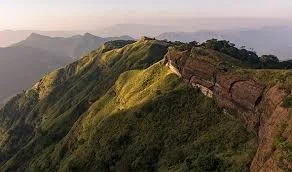
At the heart of Reiek stands its towering pride, Reiek Mountain, soaring at 1548 meters. The panoramic view from the peak is nothing short of breathtaking—golden hues of the sun melting into an endless horizon, mist-laden forests, and the serene melody of cascading waterfalls. The lush green expanse, interspersed with exotic flora and fauna, makes it a paradise for nature lovers and adventure seekers alike.

Anthurium Festival: A Celebration of Life

Reiek truly comes alive during the Anthurium Festival, a vibrant celebration of Mizoram’s rich cultural heritage. Named after the indigenous Anthurium flower, this festival is a mesmerizing blend of traditional dances, folk music, and delectable local cuisine. Held annually in October or November, the festival is the perfect time to witness the colorful tapestry of Mizo traditions, making it an unmissable experience for visitors.

Exploring Earth’s Secrets: Reiek’s Caves and Caverns

Beneath the serene exterior of Reiek lies a world of mystery—caves and caverns whispering ancient tales. Exploring these hidden marvels feels like stepping into a different era, where every stalactite and stalagmite has a story to tell. For those who love adventure, spelunking through these caves offers a thrilling encounter with Mizoram’s geological wonders.

Nghahloh Dawr: The Shop Without a Shopkeeper

Reiek is home to one of the most unique shopping experiences in India—Nghahloh Dawr, a self-service store that operates entirely on trust. Here, local produce and handcrafted goods are displayed without a shopkeeper; customers pick what they need and leave the payment in an honesty box. This extraordinary initiative showcases the deep-rooted values of trust and unity in Mizo society.

Gastronomic Adventures: Savoring Mizoram’s Flavors

No visit to Reiek is complete without indulging in its gastronomic delights. Local stalls serve an array of traditional dishes, from spicy bamboo shoot curries to smoked meats and fresh herbal chutneys. The flavors tell stories of tradition and community, making every bite an authentic experience of Mizoram’s rich culinary heritage.

Cherishing Nature: Reiek’s Green Commitment

Reiek takes its role as a guardian of nature seriously. The forests surrounding the village are protected by the local Youth Organization, ensuring that tree felling, hunting, and littering are strictly prohibited. The community champions sustainability through tree plantation drives, campaigns against single-use plastics, and rainwater harvesting systems in every household. Walking through Reiek, you’ll find streets lined with flowering trees and vegetable gardens—a testament to the village’s commitment to a greener future.

Essential Travel Guide to Reiek Village

Best Time to Visit

While Reiek is beautiful year-round, the best time to visit is during the Anthurium Festival in October or November. The weather is pleasant, making it ideal for trekking, sightseeing, and immersing in local traditions.

How to Reach Reiek Village

  • By Air: The nearest airport is Lengpui Airport (Aizawl), about 29 km from Reiek. From there, taxis and local transport are available.
  • By Road: Reiek is approximately 29 km from Aizawl, the capital of Mizoram. You can hire a taxi or take a private vehicle for a scenic drive through lush landscapes.
  • By Train: The nearest major railway station is in Silchar (Assam), about 180 km away. From Silchar, you can take a bus or hire a taxi to Aizawl and then proceed to Reiek.

What to Carry

  • Comfortable trekking shoes (for exploring Reiek Mountain and caves)
  • Light woolens or jackets (especially if visiting in winter months)
  • Rain gear (if visiting during the monsoon season)
  • A good camera to capture the breathtaking landscapes
  • Reusable water bottles (to support the village’s sustainability efforts)
  • Basic medical kit (for minor injuries during trekking)

Suggested Itinerary

Day 1: Arrival and Exploration

  • Arrive in Aizawl and travel to Reiek Village
  • Check into a local homestay for an immersive experience
  • Explore Nghahloh Dawr and shop for handmade souvenirs
  • Enjoy a traditional Mizo dinner

Day 2: Adventure and Culture

  • Early morning trek to Reiek Mountain
  • Visit the hidden caves for an adventure-filled afternoon
  • Attend cultural performances (if visiting during the Anthurium Festival)
  • Savor local delicacies at village stalls

Day 3: Departure and Reflection

  • Take a morning nature walk through the protected forests
  • Engage in a tree plantation drive (if available)
  • Return to Aizawl with memories of Mizoram’s most enchanting village

Final Thoughts

Reiek is not just a place—it’s a sanctuary of serenity, culture, and natural beauty. Whether you’re drawn by its breathtaking landscapes, deep-rooted traditions, or warm hospitality, this Mizo jewel promises an unforgettable escape. So pack your bags, embrace the adventure, and let Reiek weave its magic on you.

Ready for an offbeat adventure? Reiek awaits!

10 Best Things to Do in the Andamans

0

Think clear turquoise waters, unspoiled beaches, lush rainforests, vibrant corals, and ancient tribes—where in India can you find all this and more? The answer is the Andaman and Nicobar Islands! A true tropical paradise, this breathtaking archipelago lies about 1,000 kilometers off India’s eastern coast in the Bay of Bengal. With its pristine beauty and diverse ecosystem, the Andamans offer a mix of adventure, relaxation, and history. Here’s a list of the top 10 things to do when you visit:

1. Bask in the Beauty of the Beaches

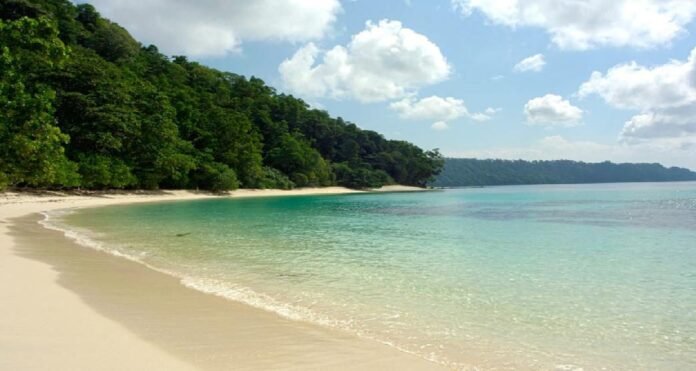
With stunning beaches like Corbyn’s Cove, Elephant Beach, and Long Island, soaking up the sun should be at the top of your list. The white sandy shores and crystal-clear waters create a serene atmosphere where you can relax all day long. Despite their popularity, these beaches remain uncrowded, allowing you to find your perfect spot to sunbathe, read a book, or simply soak in the breathtaking views.

2. Dive into Water Adventures

For thrill-seekers, Andaman is a dream come true. Enjoy a range of exhilarating water activities, including swimming, snorkeling, scuba diving, parasailing, banana boat rides, underwater walking, and jet skiing. Dolphin watching is another fascinating experience that adds to the adventure. The vibrant marine life and coral reefs make snorkeling and diving experiences unforgettable.

3. Explore Havelock Island

Home to Radhanagar Beach—one of Asia’s most beautiful beaches—Havelock Island is a paradise of its own. The beach, also known as Beach No. 7, is known for its tranquility and breathtaking sunsets. If you love snorkeling, head to Elephant Beach, a popular underwater haven. Havelock Island is a must-visit for nature lovers and beach enthusiasts alike.

4. Visit the Historic Cellular Jail

A trip to the Andamans is incomplete without visiting the historic Cellular Jail, known as Kaala Pani during British rule. This infamous prison housed many Indian freedom fighters, including V.D. Savarkar. A visit to the site gives a glimpse into India’s struggle for independence. The evening light and sound show beautifully narrates the harrowing tales of the past, making it a must-visit landmark.

10 Best Things to Do in the Andamans

5. Discover the Mesmerizing Coral Reefs

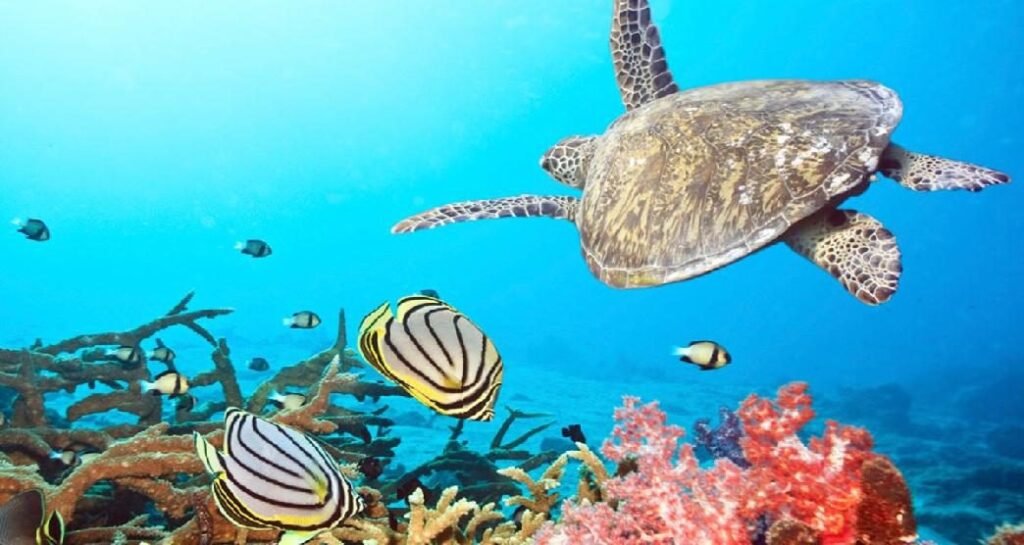
Experience the colorful world beneath the waves by visiting Jolly Buoy Island or Red Skin Island. These islands offer some of the best views of the Andaman’s vibrant coral reefs, which date back to the last glacial period. The islands open for tourists on a rotational basis for six months each, so check their availability before planning your trip.

6. Go Island Hopping

Take a half-day trip to Neil Island and Ross Island, two of the most picturesque islands in Andaman. Neil Island is famous for its stunning sunrises and sunsets, while Ross Island is known for its colonial ruins, a naval museum, and lush greenery. Each island offers unique experiences, making island hopping an essential activity for travelers.

7. Explore the Museums of Port Blair

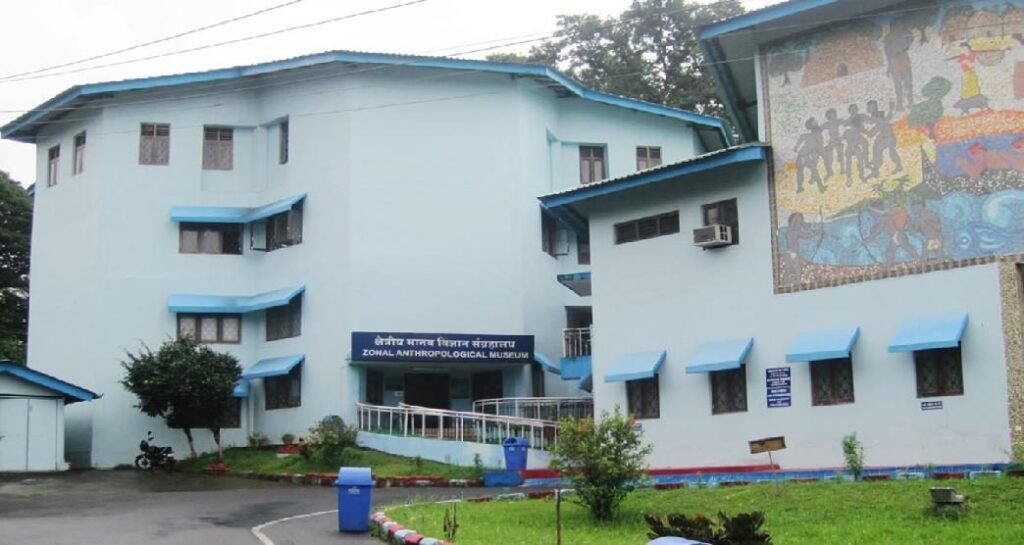
Port Blair houses some fascinating museums, each showcasing different aspects of Andaman’s history and biodiversity. The Anthropological Museum introduces you to the indigenous tribes, while the Samudrika Marine Museum, run by the Indian Navy, showcases the region’s diverse marine life. The Forest Museum at Chatham Island is another must-visit, featuring exhibits on the island’s timber industry.

8. Experience Underwater Walking

For a truly unique adventure, try sea walking at North Bay Island or Havelock Island. Wearing a special helmet, you can walk on the ocean floor while breathing normally, getting up close with stunning corals and colorful fish. It’s an unforgettable experience that allows even non-swimmers to explore the marine world safely.

9. Go Birdwatching at Chidiya Tapu

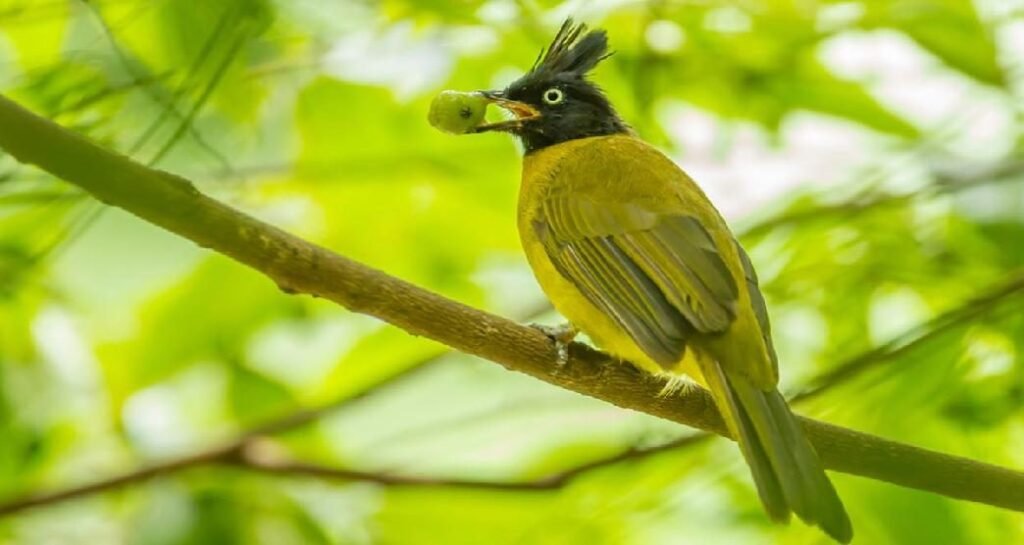
If you’re a nature enthusiast, Chidiya Tapu, also known as Bird Island, is a paradise. With dense mangroves, lush forests, and a diverse range of bird species, it’s a must-visit spot for birdwatchers. Look out for exotic birds like parakeets, drongos, doves, and eagles as you soak in the peaceful surroundings.

10. Trek Through the Forests

While Andaman is known for its beaches, it also offers fantastic trekking opportunities. Madhuban, about 20 km from Port Blair, is a great spot for nature treks. The trek from Madhuban to Mount Harriet, the highest peak in the archipelago, is particularly rewarding, offering breathtaking views of the Andaman Sea. The lush greenery, wooden bridges, and thick forests make it an exciting adventure for hiking enthusiasts.

Budget & Travel Tips

  • Estimated Budget: ₹17,000 per person for a 6-day trip (includes 3-star hotel stays in Havelock and Port Blair, sightseeing, and transfers).
  • Best Route: Travelers can fly to Andaman via Bengaluru, which offers direct flights at reasonable prices. (Prices may vary based on season and availability.)

Whether you’re an adventure junkie, a history buff, or simply seeking tranquility, the Andaman Islands offer something for everyone. Plan your trip and get ready to explore this tropical gem!

How Boat Clinics & Bike Ambulances Are Saving Lives in India’s Remotest Villages

0

Healthcare is a fundamental right, yet millions of people worldwide still struggle to access even the most basic medical facilities. In a compelling TEDx talk, physician-entrepreneur Raj Panjabi emphasized a powerful message: No one should die because they live too far from a doctor. This statement rings especially true for India’s vast rural landscape, where around 65% of the population resides. However, changemakers on the ground are rewriting this narrative through innovative solutions that bridge the healthcare gap.

1. Revamped Kurma Ghars: Ensuring Dignity for Women

In many villages across Maharashtra, menstruating women are traditionally confined to kurma ghars—isolated huts where they remain until they are deemed ‘pure.’ These structures, often dilapidated, lacked proper roofs, doors, or sanitation, exposing women to harsh weather and dangerous wildlife. However, change is underway.

The Kherwadi Social Welfare Association, a Mumbai-based charity, has transformed these archaic spaces into safe, hygienic, and dignified facilities. The revamped kurma ghars now feature beds, indoor toilets, running water, and solar-powered electricity, ensuring that women’s health and well-being are prioritized while respecting cultural sensitivities.

2. Boat Clinics: A Lifeline for the Sundarbans

For the remote residents of the Sundarbans, seeking medical care once meant navigating treacherous waters with no guarantee of timely help. That was until Mohammed Abdul Wohab, a visionary lawyer, introduced boat clinics to bring healthcare directly to the people.

These floating clinics treat over 34,500 patients each month, offering services such as pregnancy consultations, wound stitching, and snakebite treatment. Equipped with medical beds, mobile X-ray units, pathology labs, oxygen cylinders, and storage for medicines, the boat clinics have become a beacon of hope for thousands.

3. Palanquins for Pregnant Women: Safe Journeys to the Hospital

For expectant mothers in Uttarakhand’s mountainous regions, a trip to the hospital can be perilous, involving a grueling three-kilometer trek over rugged terrain. Recognizing this challenge, the government introduced palkis (palanquins)—specialized stretchers carried by volunteers.

Now, women like Kavita Kumar from Gwalakot can reach medical facilities without risking their lives. A similar initiative is making waves in Vishakhapatnam’s tribal regions, ensuring safer deliveries for pregnant women in remote areas.

4. Mission ICU: Strengthening Rural Hospitals

Three friends—Dr. Ashwin Naik, Maanoj Shah, and Dr. Edmond Fernandes—launched Mission ICU with a simple yet transformative goal: equipping rural hospitals to handle critical emergencies.

Mission ICU provides essential training and resources, including ICU kits with ventilators, oxygen machines, and patient monitors. Operating in 22 hospitals across Maharashtra, Karnataka, Odisha, Kashmir, Manipur, Tripura, and Arunachal Pradesh, the initiative is significantly reducing preventable deaths in rural India.

5. Bike Ambulances: A Speedy Response to Maternal Emergencies

Jharkhand’s high Maternal Mortality Rate (MMR) spurred the state administration to develop bike ambulances, offering cost-effective emergency transport in rural areas.

Fitted with stretchers, oxygen cylinders, medical kits, and sirens, these motorcycles provide first-aid-trained drivers who stabilize patients before reaching hospitals. Panchayats maintain direct contacts with drivers, ensuring swift emergency responses and saving countless lives.

6. Proxy Doctors: Remote Medical Diagnostics at Work

With 60% of India’s healthcare workforce concentrated in urban areas, rural patients often struggle to find trained professionals. Enter Neurosynaptic Communications’ ReMeDi (Remote Medical Diagnostics)—a game-changing initiative that empowers health technicians with minimal education to act as doctor proxies.

When a patient visits a village clinic, a trained technician records vital signs and diagnostic tests before sending the data to a remote doctor. The doctor then provides a diagnosis and prescription, ensuring timely medical attention without requiring a physician’s physical presence.

7. E-Doctor Clinics: Virtual Consultations for the Underserved

In Dalsingh Sarai, Bihar, entrepreneur Jagdeep Gambir was struck by the lack of medical services in rural areas. His response? Karma Healthcare’s e-Doctor Clinics.

These facilities are run by trained nurses, who conduct primary checkups and connect patients with certified doctors via video calls. The clinics also feature diagnostic labs and pharmacies, ensuring a seamless healthcare experience. In the last 11 years, over 25 e-Doctor Clinics have been established in villages across Haryana, Rajasthan, and Madhya Pradesh.

8. Hospital on Wheels: Railway Workers’ Mobile Medical Haven

In Bhusawal, Maharashtra, railway workers now have access to healthcare right at their doorstep, thanks to ‘Rudra,’ a hospital on wheels. Conceived by Divisional Railway Manager Ity Pandey, this initiative ensures regular checkups, emergency care, and specialist consultations for railway employees working in remote locations.

Every fortnight, Rudra rolls into a new division, providing much-needed medical aid to those who keep India’s rail network running.

9. Portable Operation Table: Surgery Anywhere, Anytime

When Dinoj Joseph, an IIT-Bombay graduate, realized that many accident victims in remote areas couldn’t reach hospitals in time, he devised a groundbreaking solution: the Portable Operation Theatre (OT).

This foldable, backpack-sized OT is ideal for medical camps, organ donations, trauma care, and disaster-struck regions. It comes equipped with an air purifier, portable air conditioner, sterile enclosure, surgical instruments, and a foldable operating table.

Though not yet mass-marketed, Joseph’s invention has the potential to revolutionize emergency surgical care in India’s rural landscapes.

A New Era of Rural Healthcare

These innovative healthcare solutions are not just saving lives—they are transforming the way medical services reach the underserved. Whether through boat clinics, bike ambulances, digital diagnostics, or mobile hospitals, changemakers across India are ensuring that no one is left behind.

While challenges remain, these trailblazing efforts inspire hope, proving that distance should never be a barrier to healthcare. As these initiatives scale and evolve, the dream of health equity for all moves closer to reality.

International Happiness Day 2025: Caring and Sharing

0

Happiness is more than just a fleeting emotion—it’s a fundamental human goal. Recognizing this, the United Nations established March 20 as the International Day of Happiness, a global initiative that underscores the importance of well-being, positivity, and a balanced life. But what does it truly mean to be happy, and how can we cultivate happiness in a world often marked by stress and uncertainty?

The Origin of International Day of Happiness

The concept of a dedicated day for happiness was first proposed by Bhutan, a country that measures progress not solely through economic growth but through Gross National Happiness (GNH). In 2012, the United Nations adopted this perspective and declared March 20 as a day to promote sustainable development, equality, and well-being worldwide.

Since then, International Day of Happiness has served as a reminder that happiness is a universal aspiration that transcends cultures, backgrounds, and economic conditions. It is a call to action, urging individuals, communities, and governments to create conditions that support well-being and joy.

What Makes Us Happy?

Happiness is subjective, but research from psychology and neuroscience offers insights into what fosters genuine well-being:

  1. Strong Relationships: Connecting with family, friends, and loved ones is one of the most powerful contributors to happiness. Studies show that social bonds improve mental health and increase life satisfaction.
  2. Purpose and Meaning: Whether through work, hobbies, or volunteering, having a sense of purpose enhances emotional well-being and gives life a sense of fulfillment.
  3. Gratitude and Mindfulness: Practicing gratitude and living in the moment can significantly boost happiness levels. Keeping a gratitude journal or simply appreciating small joys can shift one’s mindset toward positivity.
  4. Physical and Mental Health: Exercise, balanced nutrition, and adequate rest play a crucial role in mental well-being. Physical activity releases endorphins, also known as ‘happy hormones,’ which elevate mood.
  5. Acts of Kindness: Giving back to the community, helping others, and spreading kindness generate a ripple effect of happiness—not just for the recipient but also for the giver.

Happiness Around the World

Happiness is measured globally through the World Happiness Report, which ranks countries based on factors like income, social support, freedom, trust, and life expectancy. Nations like Finland, Denmark, and Switzerland frequently top the list due to their emphasis on social welfare, work-life balance, and community-driven initiatives.

In contrast, countries facing political turmoil, economic instability, or conflict often rank lower. However, even in the most challenging circumstances, communities find ways to cultivate joy—through music, storytelling, or collective support systems.

How to Celebrate International Day of Happiness

Whether individually or collectively, there are many ways to embrace this special day:

  • Spread Positivity: Share messages of hope, appreciation, and encouragement with others.
  • Engage in Acts of Kindness: Help a neighbor, donate to charity, or simply offer a smile to a stranger.
  • Prioritize Self-Care: Take a break, meditate, or do something that brings you joy.
  • Connect with Others: Spend quality time with loved ones or reach out to someone who might need emotional support.
  • Learn and Grow: Read about happiness science, attend a workshop, or practice mindfulness techniques.

Final Thoughts

International Day of Happiness is a reminder that joy is not just a personal pursuit—it’s a collective responsibility. In a world that often emphasizes productivity and success, taking time to nurture happiness, both within ourselves and in our communities, is essential.

As we celebrate this day, let’s ask ourselves: What truly makes us happy, and how can we contribute to a happier world? The answers might be simpler than we think.