Home Blog Page 349

Places to visit: Kotla Firoz Shah, A Legacy of a Water-Wise King

0

In the heart of Delhi stands a fortress echoing with tales of a bygone era—the majestic Kotla Firoz Shah. Built in the 14th century by Sultan Firoz Shah Tughlaq, this historic citadel was the centrepiece of Firozabad, the fifth city of Delhi. Beyond its imposing walls and architectural grandeur lies a story of strategic innovation, water conservation, and enduring legacy.

A Visionary Move Amidst Crisis

Firoz Shah Tughlaq, renowned for his people-centric approach, faced a severe water crisis in the old capital. In a bold and visionary move, he abandoned the previous capitals and founded Firozabad along the banks of the Yamuna River. At its heart, he built Kotla Firoz Shah—a citadel that was revolutionary for its time, with functional zones divided within its walls. This architectural concept would later inspire the mighty Mughals.

Firoz Shah’s commitment to infrastructure saw the construction of palaces, bridges, rest houses (sarais), and water reservoirs, reflecting a deep understanding of sustainable urban planning.

Architectural Splendour Unveiled

Once known as Kushk-i-Firoz (Palace of Firoz), Kotla Firoz Shah is a stunning irregular polygon enclosed by robust rubble walls. The eastern side elegantly overlooks the Yamuna River, adding to its strategic significance. The central enclosure holds the most captivating ruins, including the remnants of grand gateways and defensive bastions.

Among its most prized treasures is the Topra Ashokan Pillar, a polished sandstone marvel originally erected by Emperor Ashoka. Transported from Topra Kalan in Haryana, the pillar features inscriptions in Brahmi, Prakrit, Pali, and Sanskrit. When bathed in the golden hues of the afternoon sun, it stands as a glowing beacon of history.

Hidden Gems Within the Fort

Near the Ashokan Pillar stands the Jami Masjid, a monumental mosque reflecting the architectural brilliance of the Tughlaq dynasty. Built with resilience and grandeur, it is one of the oldest and largest surviving mosques of its time. Its beauty left such a profound impact on Timur, the Turco-Mongol conqueror, that he built a mosque inspired by it in his own empire.

A short walk from the mosque reveals another marvel—the circular Baoli (stepwell). Unique in Delhi for its circular design, it is one of the few where the well and tank are not separated, showcasing medieval engineering ingenuity.

The Realm of Djinns

Kotla Firoz Shah is not only a site of historical significance but also a place wrapped in mystique. Legend has it that the fort is home to djinns, supernatural entities from Islamic mythology. Believers visit the site, writing letters and leaving them behind, seeking solutions to their problems or exorcisms to rid themselves of evil spirits. While some may view this as mere folklore, for many, it is a place of faith and hope.

Beyond the Fort’s Walls

The exploration of Delhi’s rich heritage does not end at Kotla Firoz Shah. A short distance away stands the iconic Red Fort (Lal Qila), a UNESCO World Heritage Site known for its imposing gateways and grand Mughal architecture. Nearby, the bustling lanes of Chandni Chowk offer a vibrant glimpse into Delhi’s cultural heart, filled with shops, street food vendors, and historical landmarks.

For those eager to delve deeper into history, the Purana Qila (Old Fort) provides another chapter in Delhi’s architectural narrative, dating back to the pre-Mughal era.

A Journey Through Time

Kotla Firoz Shah is more than just a fort; it is a journey through time, offering a glimpse into the vision and legacy of a water-wise king. From architectural marvels to legendary tales of djinns, every corner holds a story waiting to be discovered. So, lace up your walking shoes, grab your camera, and prepare for an unforgettable adventure into Delhi’s historical heart.
Places to visit: Agrasen Ki Baoli, more Than Just a Water Reservoir

0

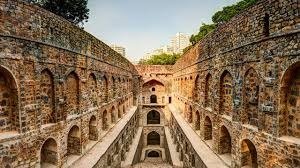
Baolis, or stepwells, hold a revered place in India’s architectural heritage. Beyond their practical function as water reservoirs, these marvels served as social hubs for gatherings, gossip, and a refuge for weary travelers in medieval times. Among these historical wonders stands the enigmatic Agrasen ki Baoli, nestled in the heart of Delhi. This ancient stepwell, located on Hailey Road, is a masterpiece of architecture that invites visitors to delve into its rich history and enduring legends.

A Glimpse into History

Dating back to the 14th century, Agrasen ki Baoli is believed to be a testament to Delhi’s deep-rooted heritage. Its exact origins remain a mystery, but local lore attributes its creation to King Agrasen, the legendary forefather of the prosperous Agrawal community. Another tale suggests that it dates back to the Mahabharata era, adding a mythical layer to its already intriguing history.

The structure was likely repaired during the Tughlaq or Lodi eras, reflecting a shift in architectural style. Spanning 60 meters long and 15 meters wide, with 108 meticulously crafted steps, this stepwell exemplifies the brilliance of medieval water management systems.

Legends and Hauntings

The depths of Agrasen ki Baoli are cloaked in folklore and ghostly tales. Some legends claim that the waters once possessed supernatural powers, luring unsuspecting souls to their doom. It is said that those who gazed into its black waters fell into a trance and jumped to certain death. While the waters have long dried up, these eerie stories continue to intrigue visitors.

Despite its haunted reputation, there is no concrete evidence to confirm paranormal activity. Instead, the baoli stands as a monument to architectural ingenuity and the mysteries of time.

A Photographer’s Paradise

Agrasen ki Baoli has been featured in numerous Indian films and is a popular spot for photography enthusiasts. Its intricate arches, ornate carvings, and the play of light and shadow create endless opportunities for capturing unique shots. Whether it is the symmetry of the steps or the serenity of the ambiance, the baoli offers an ideal backdrop for photographers and history buffs alike.

Architectural Marvel and Cultural Legacy

Descending into Agrasen ki Baoli feels like stepping into a bygone era. The arched niches, inner chambers, and narrow passages reflect a fusion of architecture and history. A small tunnel, waist-high, runs through the back wall of the baoli, adding an element of intrigue.

At the top of the baoli stands a half-broken mosque with two unique features. The first is its whale-back roof with slightly arched slopes, an uncommon feature for mosques. The second is its red-coloured pillars adorned with Buddhist motifs at the base, hinting at cultural exchanges from a bygone era. These details offer a captivating glimpse into Delhi’s diverse heritage.

A Protected Monument

Today, Agrasen ki Baoli is a protected monument under the Archaeological Survey of India. Its preservation ensures that future generations can marvel at its architectural brilliance and unravel its mysteries. As visitors continue to flock to this historical site, the baoli remains a powerful reminder of India’s rich cultural tapestry.

More Than Just a Stepwell

Agrasen ki Baoli is more than just a water reservoir; it is a journey through history, a canvas for architectural excellence, and a window into India’s vibrant past. Whether you are a history enthusiast, a photographer, or simply a curious traveler, a visit to this ancient stepwell promises an experience steeped in culture, mystery, and awe.

Don’t miss the chance to explore this timeless marvel in the heart of Delhi!

Places to visit: Swami Vivekananda Sarovar, a Timeless Reflection of Raipur’s Soul

0

Have you ever heard of Swami Vivekananda Sarovar? If not, allow me to introduce you to this hidden gem nestled in the heart of Raipur, Chhattisgarh. Affectionately known as Budha Talab, or “old lake,” this place is anything but ordinary. It stands as a testament to Raipur’s rich history, natural beauty, and spiritual heritage.

A Serene Oasis Amidst Urban Chaos

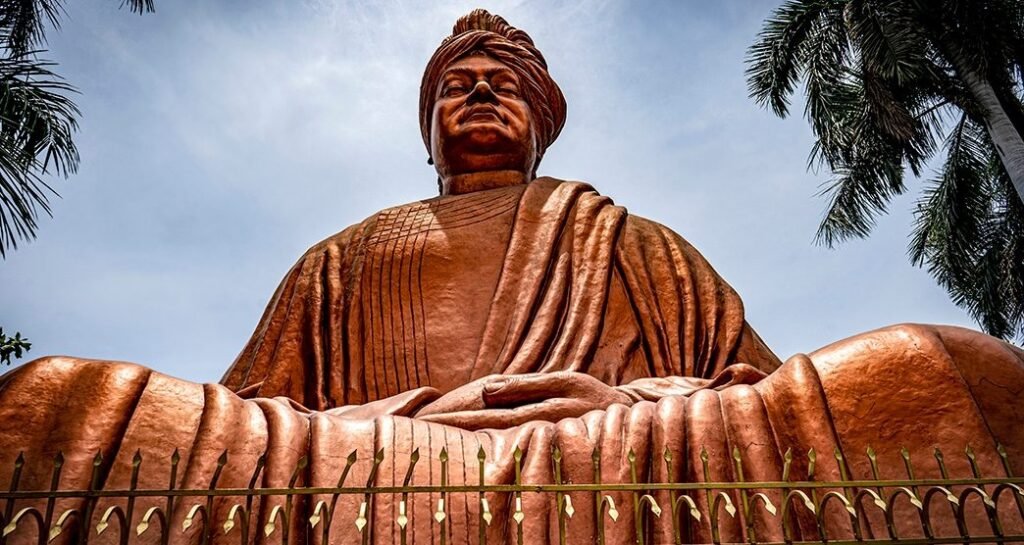
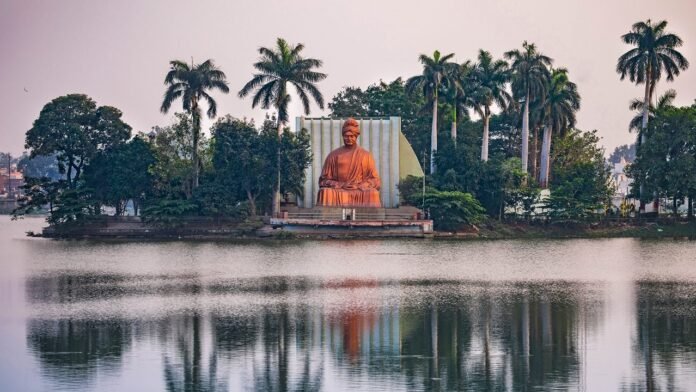
Picture a tranquil lake encircled by lush greenery, offering a serene escape from the bustling city life. Swami Vivekananda Sarovar is more than just a picturesque spot; it is a living tribute to the revered Indian philosopher and spiritual leader, Swami Vivekananda. At its heart stands a towering 37-foot bronze statue of Swami Vivekananda, a symbol of inspiration and spirituality.

A Glimpse into History

Locally known as Budha Talab, this ancient lake spreads across approximately 30 hectares and dates back to the 14th century when it was excavated by Raja Brahmdeo Rai of the Kalchuri dynasty. It has since remained an integral part of Raipur’s landscape.

The lake holds immense historical and cultural significance. In 1897, Swami Vivekananda visited Raipur, and legend has it that he would visit this very lake every morning for a bath during his two-year stay. Imagining the great philosopher finding peace and inspiration by its calm waters adds a profound spiritual layer to its charm. In honor of his visit and teachings, the lake was renamed Swami Vivekananda Sarovar, reflecting the deep reverence the locals hold for him.

Witness India’s Largest Swami Vivekananda Statue

As you approach the lake, you are greeted by the awe-inspiring 37-foot statue of Swami Vivekananda, crafted from bronze. This marvel has earned its place in the Limca Book of Records. Perched on a platform accessible by a small bridge, the statue is a testament to faith, resilience, and the enduring legacy of one of India’s greatest thinkers.

Nature Meets Leisure

Swami Vivekananda Sarovar is not just a historical landmark; it is a haven for leisure and relaxation. Lush gardens, walking paths, and comfortable seating areas line the shores. Vibrant flowers, verdant greenery, and pockets of cool shade make it an ideal spot for a family picnic or a peaceful evening stroll.

The lake also features a mesmerizing musical fountain that delights visitors of all ages. As the sun sets, the magic truly unfolds, with the statue’s reflection shimmering on the water and the fountain lights adding a vibrant hue to the evening sky.

Safe and Accessible for All

Safety is a priority here, with railings and paved walkways lining the perimeter. Benches are strategically placed for comfort, while designated ghats cater to religious rituals. Although there is no dedicated viewing deck, the overall experience is delightful.

Timings

  • Opening Time: 06:00 AM
  • Closing Time: 08:00 PM

Explore, Relax, and Rejuvenate

Swami Vivekananda Sarovar is more than just a lake; it is a vital green lung for Raipur. It plays an essential role in maintaining the city’s ecological balance, providing a habitat for various species of birds and aquatic life. It also serves as a popular venue for cultural and social events, including festivals and fairs.

Unwind with a leisurely picnic under the shade of lush gardens, take a refreshing jog along the scenic pathways, or rent a paddleboat for a serene cruise on the calm waters. Birdwatchers can indulge in spotting diverse birdlife, while photography enthusiasts can capture stunning reflections and vibrant flora.

For those seeking tranquility, the peaceful environment offers the perfect backdrop for meditation and yoga. Whether you want to unwind, explore, or simply soak in the beauty of nature, Swami Vivekananda Sarovar has something for everyone.

Places to visit: Swami Vivekananda Sarovar, a Timeless Reflection of Raipur's Soul

A Social Hub and Cultural Heart

Beyond recreation, the lake is a bustling social hub. From morning walkers to evening markets, the place is alive with activity throughout the day. Its central location makes it an ideal venue for cultural events and public gatherings, further embedding it in the heart of Raipur’s community life.

Discover the Timeless Allure

Swami Vivekananda Sarovar beckons you to experience its serene embrace. Whether you seek a peaceful retreat, recreational fun, or a spiritual connection, this idyllic setting offers it all. Its historical, cultural, and ecological significance makes it a must-visit destination in Raipur.

Don’t miss the chance to witness this timeless reflection of Raipur’s soul. Come, explore, and let the magic of Swami Vivekananda Sarovar leave you inspired.

Purple Day: Spreading Awareness, Breaking Stigmas About Epilepsy

0

Every year, on March 26th, the world turns a shade of purple in solidarity with the millions of people affected by epilepsy. Purple Day is more than just a date on the calendar—it’s a movement dedicated to raising awareness, dispelling myths, and fostering a global conversation about epilepsy, a condition that remains misunderstood despite its prevalence.

The History of Purple Day

The initiative began in 2008, when a young girl from Canada, Cassidy Megan, decided to take a stand against the stigma surrounding epilepsy. Diagnosed with the condition herself, Cassidy realized how little people understood about epilepsy and the challenges faced by those living with it. She wanted to create a platform where individuals could openly discuss epilepsy without fear or shame.

Inspired by her personal journey, Cassidy teamed up with the Epilepsy Association of Nova Scotia to launch Purple Day. The goal was simple yet powerful: to encourage people to wear purple and spread knowledge about epilepsy. The color purple was chosen because lavender is often associated with solitude and the struggles faced by those living with epilepsy.

Since its inception, Purple Day has gained international recognition. In 2009, the Anita Kaufmann Foundation and the Epilepsy Association of Nova Scotia partnered to take the initiative global. Today, people in over 100 countries participate in events, wear purple, and contribute to making epilepsy awareness a priority.

Understanding Epilepsy

Epilepsy is a neurological disorder characterized by recurrent, unprovoked seizures. It affects people of all ages and backgrounds, with approximately 50 million individuals living with epilepsy worldwide. While some seizures are mild and barely noticeable, others can cause significant physical convulsions and unconsciousness.

There are many causes of epilepsy, including genetics, brain injuries, infections, and developmental disorders. Despite its widespread impact, epilepsy is often shrouded in misconceptions. Many cultures still view it with superstition, leading to discrimination and isolation for those affected. This is why Purple Day plays such a crucial role in educating communities and promoting acceptance.

The Motive Behind Purple Day

The primary objective of Purple Day is to eliminate the stigma surrounding epilepsy and create an inclusive society where individuals with epilepsy feel supported. The movement strives to:

  • Raise Awareness: By educating the public about epilepsy, Purple Day aims to reduce misunderstandings and encourage early diagnosis and treatment.
  • Support Individuals and Families: Many people with epilepsy struggle with anxiety and self-doubt due to societal attitudes. Purple Day provides a sense of community and belonging.
  • Promote Medical Research: Increased awareness leads to better funding and resources for research, ultimately improving treatment options and the quality of life for those with epilepsy.
  • Encourage Open Conversations: Talking about epilepsy helps normalize the condition, ensuring that those affected do not feel isolated or ashamed.

How to Participate in Purple Day

Getting involved in Purple Day is easy and impactful. Here are some ways to show support:

  • Wear Purple: The simplest way to participate is by wearing purple and encouraging others to do the same.
  • Educate Yourself and Others: Read about epilepsy, share information on social media, and discuss it with friends and family.
  • Attend or Organize Events: Many organizations host educational seminars, fundraisers, and social events to mark the occasion.
  • Support Epilepsy Charities: Donations to epilepsy foundations help fund research, provide support services, and promote advocacy efforts.

Looking Ahead: A Future Without Stigma

While significant progress has been made since Cassidy Megan’s initiative began, there is still much work to be done. Epilepsy awareness needs to move beyond a single day and become a continuous effort to create a world where those living with the condition are treated with respect, empathy, and understanding.

On March 26th, wear your purple with pride. Whether you or someone you know is affected by epilepsy, your support contributes to a brighter, more informed future. Because when we break the silence, we break the stigma.

Kashmiri Artist Quits Corporate Job to Create Art from Discarded Animal Bones & Fallen Wood

0

In a world where most see waste, Aziz Ul Rehman sees opportunity. Hailing from the serene Gulab Bagh area of Srinagar, this 25-year-old Kashmiri artist left the security of a corporate job to pursue a passion that has since captured the hearts of thousands. Transforming discarded animal bones, fallen wood, metal scraps, and other unconventional materials into breathtaking art, Aziz has turned a once-doubted dream into a global sensation.

Carving a New Path

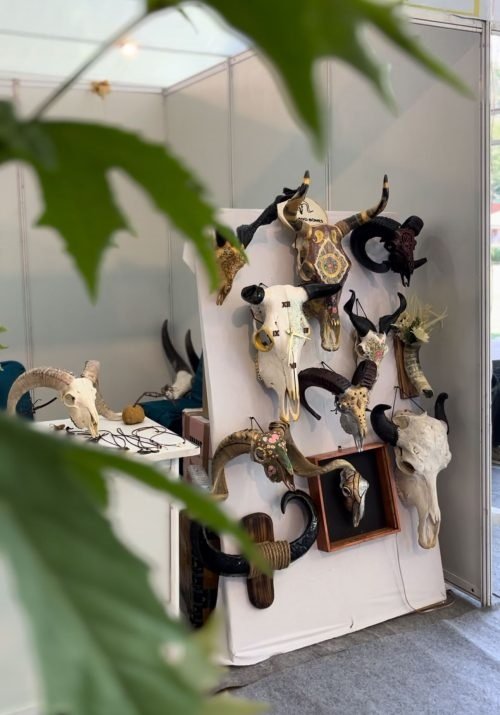
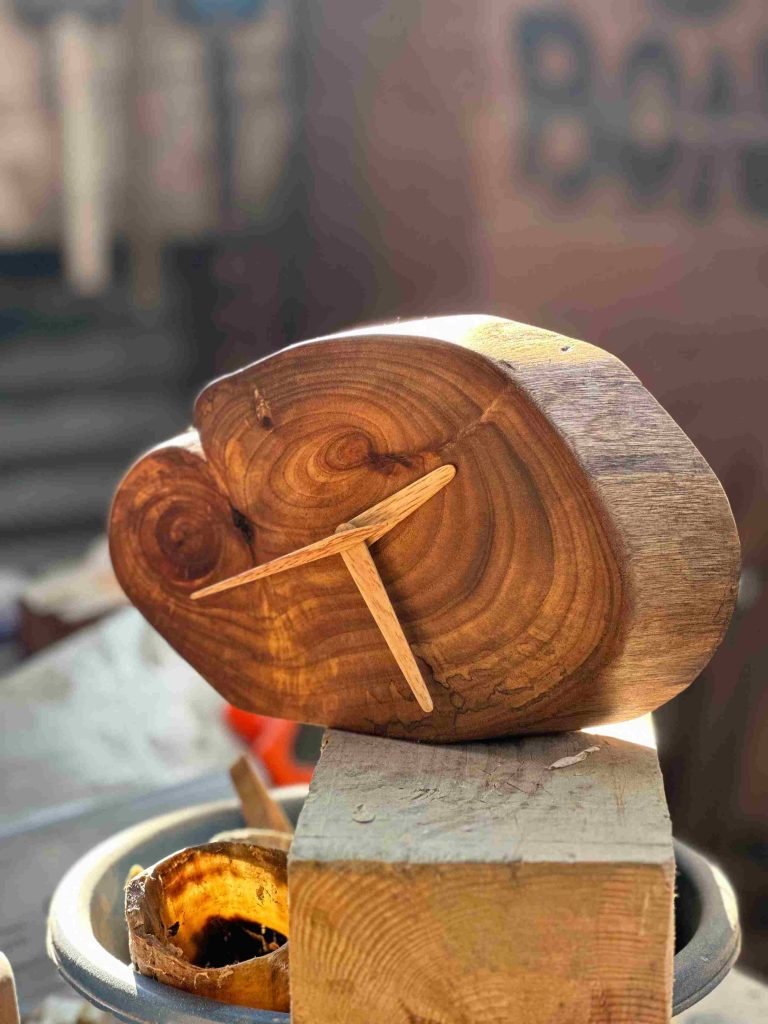
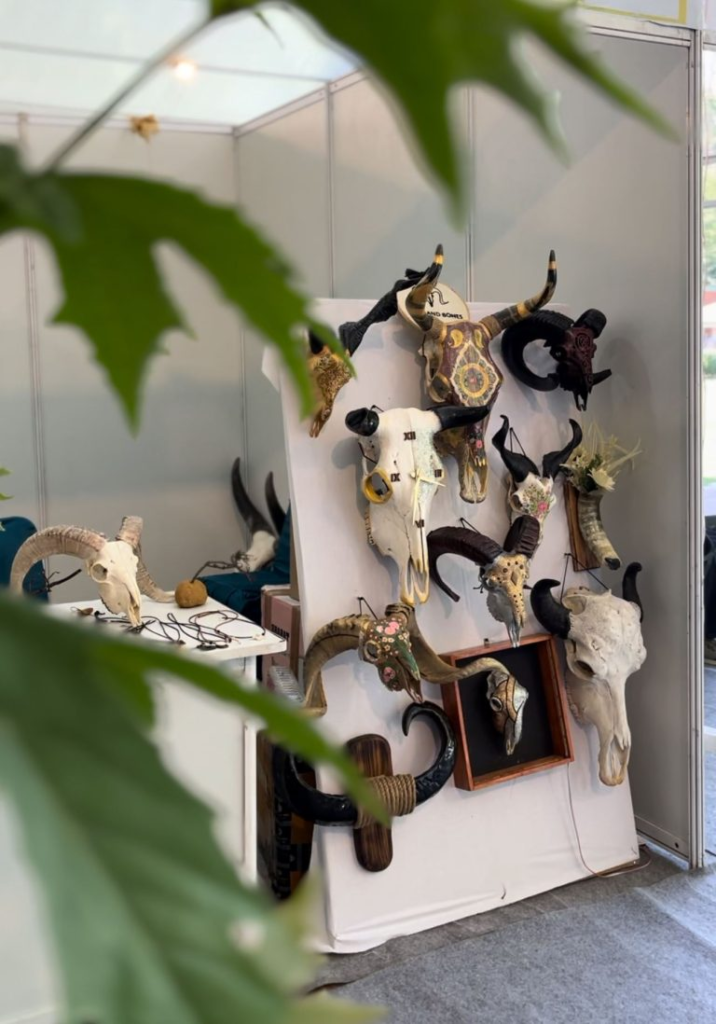
For Aziz, bones and wood are not mere remnants of the past—they are canvases waiting to tell stories. In his dimly lit workshop, he often runs his fingers over a discarded sheep skull or a fallen tree branch, envisioning the masterpiece it could become. With intricate carvings and detailed craftsmanship, these forgotten materials evolve into stunning wall decor, table pieces, and even jewelry.

The Birth of Stick and Bones

Aziz’s journey from a corporate employee to a full-time artist wasn’t without hurdles. In 2021, yearning for a deeper connection with his creative self, he founded his brand, Stick and Bones, dedicated to turning waste into meaningful art. Initially juggling both his job and his passion, he made a life-changing decision in 2024 to fully commit to his craft.

“Something didn’t feel right,” Aziz recalls. “I wanted to create not just for the love of art but to inspire others who dream of pursuing unconventional careers in arts and crafts.”

Kashmiri Artist Quits Corporate Job to Create Art from Discarded Animal Bones & Fallen Wood

A Viral Turning Point

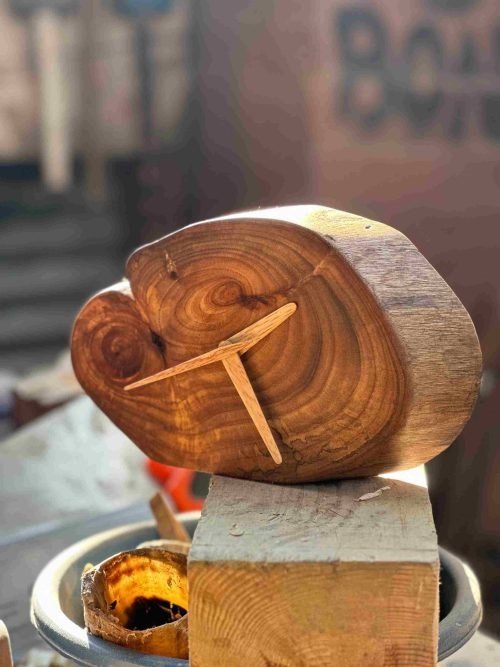
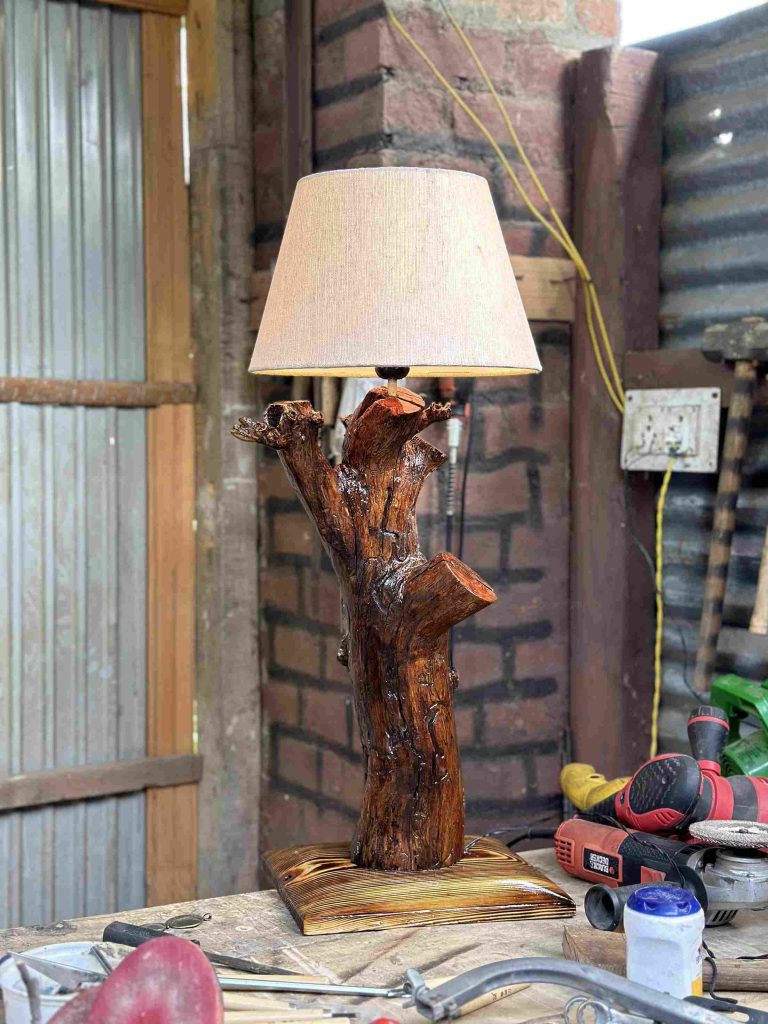
Despite his talent, Aziz’s work initially reached only a limited audience. His breakthrough came with a rustic table lamp crafted from a discarded piece of wood found in his backyard. Meticulously shaped and manually carved, the piece was transformed into a functional work of art.

“No one thought a simple wicker-wood hat and waste wood could create something so beautiful,” he shared. When he posted a reel of its making on Instagram, the video went viral overnight, bringing in 40,000 followers and catapulting his work into the global spotlight.

Defying Criticism, Redefining Art

As a master’s student in ichthyology, Aziz faced harsh criticism for choosing art over a stable career. Friends and family questioned his decisions, with many urging him to reconsider.

“I remember people laughing at me and calling it a useless dream. But I kept carving those bones and wood pieces with unwavering dedication,” Aziz said.

One person who never doubted him was his brother, Khaleel. “He always saw the world differently. He doesn’t follow trends; he creates them. His art isn’t just beautiful; it tells a story,” Khaleel said. “He earns his living through his passion, and he has kept his prices affordable so everyone can own a piece of his art.”

Recognition and Government Support

Aziz’s innovative work soon gained government recognition. Former Director of Handicrafts and Handlooms, Mahmood Ahmad Shah, applauded Aziz’s ability to fuse Kashmir’s rich heritage with sustainable art.

“His art is truly unique. Many artists turn waste into art, but Aziz adds a cultural narrative, making each piece significant and responsible,” Shah noted. Aziz’s work was even exhibited at the Kashmir Arts Emporium in 2023.

Leaving a Lasting Legacy

From fallen trees to intricate wall decor infused with heritage, Aziz Ul Rehman is not just an artist; he is a storyteller. His workshop in Srinagar, built with his own hands and funded by his own earnings, stands as a testament to his resilience and creativity.

“I have sold over 2,000 articles, both big and small,” Aziz reflects. “Every piece is the result of hard work and dedication. And this is just the beginning.”

With passion, persistence, and an unshakable belief in his craft, Aziz Ul Rehman continues to redefine what it means to turn waste into wonder. His journey is not just about creating art; it is about inspiring others to see the extraordinary in the ordinary.

Kashmiri Artist Quits Corporate Job to Create Art from Discarded Animal Bones & Fallen Wood

0

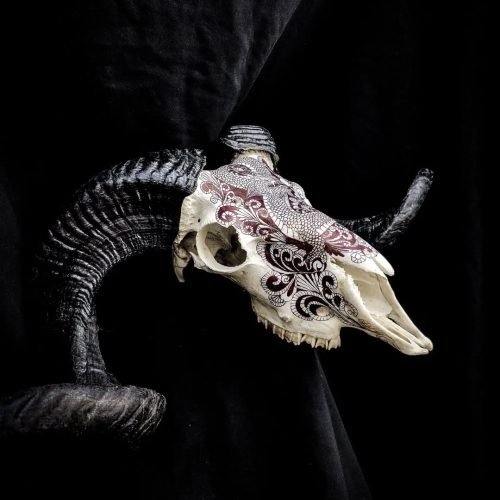
Most people discard animal bones without a second thought, treating them as little more than waste. But in a small, dimly lit workshop in Srinagar, Kashmir, Aziz Ul Rehman sees them as something entirely different. To him, they are untold stories, raw canvases waiting to be transformed into intricate masterpieces. As he runs his fingers over a discarded sheep skull, its curling horns still intact, he envisions the art it could become. Where others see scraps, he sees potential.

From Corporate Job to Creative Calling

Aziz hails from the Gulab Bagh area of Srinagar, a place steeped in tradition but not necessarily in the kind of artistry he has chosen to pursue. At just 25, he made a bold decision—one that many would consider unconventional. After spending five months in a corporate job that never quite felt right, he walked away from financial security to embrace his true calling: turning waste into art.

He founded Stick and Bones, a brand that specializes in sustainable and unconventional artistry. His most intriguing and unique raw material? Animal bones. Aziz is likely the first artist in Kashmir to specialize in bone art, crafting stunning wall décor, table pieces, and jewelry from discarded remains. But he doesn’t stop there. His work also incorporates coconut shells, metal scraps, porcupine quills, feathers, and even reclaimed wood from fallen trees.

The Viral Turning Point

Kashmiri Artist Quits Corporate Job to Create Art from Discarded Animal Bones & Fallen Wood

Initially, Aziz’s artistry remained within a small circle of admirers. He shared his work on Instagram, but with limited content and only around 8,000 followers, his reach was modest. Then, everything changed with a single creation—a rustic table lamp crafted from a discarded piece of wood he found in his backyard.

He chiseled and shaped the wood, manually carving a plank to serve as the base. Once the structure was complete, he carefully added lights, transforming what was once waste into a warm and functional piece of art.

“No one expected that a lamp could be made out of waste wood, let alone something as simple as a wicker-wood hat,” Aziz recalls. The uniqueness of the piece captivated people, and when he posted the making-of video on Instagram, the response was staggering. The reel went viral overnight, bringing him 40,000 new followers in a matter of hours.

Suddenly, the world was watching.

Defying Doubts and Crafting His Own Destiny

Kashmiri Artist Quits Corporate Job to Create Art from Discarded Animal Bones & Fallen Wood

Pursuing art as a career was not without its challenges. As a master’s student in ichthyology, Aziz faced significant criticism from those who believed he was throwing away a stable future. His parents doubted him. Friends and relatives dismissed his dream as impractical.

“I still remember people laughing at what I did, telling me it was a useless pursuit,” he says. “But I picked up the discarded bones and wood anyway. I kept carving, kept creating, and with every piece, I proved them wrong.”

Through it all, there was one person who never wavered in his belief: Aziz’s older brother, Khaleel.

“I always knew he would take things to a different level,” Khaleel says. “He doesn’t follow trends. He doesn’t create for the sake of profit. He creates because he sees the world differently. Every piece he makes tells a story, and what sets him apart is his dedication to showing the process as much as the final masterpiece.”

Art Meets Heritage

Kashmiri Artist Quits Corporate Job to Create Art from Discarded Animal Bones & Fallen Wood

As Aziz’s work gained global recognition, it caught the attention of the local government, which praised his innovative approach to art. But he wasn’t content with simply repurposing waste. He wanted to create something that connected to his roots. That’s when he started incorporating traditional Kashmiri papier-mâché techniques into his bone carvings, fusing sustainability with heritage.

In 2023, his work was exhibited at the prestigious Kashmir Arts Emporium. Mahmood Ahmad Shah, the former Director of Handicrafts and Handlooms, commended his artistry, stating:

“While many have reinvented art using waste materials, what makes Aziz’s work unique is how seamlessly he integrates Kashmir’s cultural heritage into each piece. When art is sustainable, it carries both meaning and responsibility.”

A Legacy in the Making

From discarded bones and fallen trees to exquisite wall décor and handcrafted jewelry, Aziz Ul Rehman isn’t just creating art—he’s redefining it. With resilience and passion, he has built his craft from the ground up. He started with nothing—no tools, no proper workspace. Using his own savings, he built a small shed in his backyard and began collecting hand tools, investing every penny he earned back into his art.

To date, Aziz has sold over 2,000 unique pieces, each one a testament to his dedication and ingenuity. His workshop at home remains the heart of his creations, a space where waste transforms into wonder.

And this, he says, is just the beginning.

How the ISS Keeps Astronauts Safe for Months in Space

0

Imagine living in a floating laboratory, 408 kilometers above Earth, where sunrise and sunset occur every 90 minutes, and gravity is a thing of the past. This is the daily reality for astronauts aboard the International Space Station (ISS), a marvel of human engineering and international collaboration. Built by NASA, ESA, Roscosmos, JAXA, and the Canadian Space Agency (CSA), the ISS has served as a home for astronauts for over two decades, playing a crucial role in shaping the future of space exploration.

Why Do We Need the ISS?

“The basic reason for having the space station is to understand the possibilities of human survival on the Moon and Mars,” explains Rachna Arora, a Physics Educator at Shiv Nadar School. The ISS also enables research on how microgravity affects human biology and the potential for growing crops in space, key elements for long-term space missions.

The Unexpected Stay of Butch Wilmore and Sunita Williams

Astronauts Butch Wilmore and Sunita Williams were set for an eight-day mission aboard the Boeing Starliner (CST-100), a spacecraft designed for crew transport. However, their return was delayed due to a helium leak in the propulsion system, making re-entry unsafe. “Entering and leaving Earth is very risky, and this spacecraft faced a helium leakage, so it could not leave the ISS,” explains Rachna. They ultimately returned aboard SpaceX’s Crew Dragon capsule after spending an unexpected nine months in space.

Survival in Space: How Did They Manage?

Despite the extended mission, the ISS had ample supplies for Wilmore and Williams. “The ISS is equipped to sustain up to six astronauts, so they had enough food stored according to microgravity conditions,” says Rachna. Their diet consisted of specially packaged foods and nutrient-rich fluids to counteract the effects of space travel.

Microgravity takes a toll on the human body. “The heart doesn’t need to push blood as hard, so it becomes slightly spherical,” Rachna explains. “Bone density reduces, and muscles weaken, which is why astronauts exercise rigorously.” Upon returning, astronauts undergo medical tests to monitor these effects. “Sunita Williams will need continuous monitoring, including chest X-rays multiple times a day, to assess radiation exposure,” she adds. Most biological changes can be reversed with proper medical care, except for minor genetic variations.

How the ISS Keeps Astronauts Safe

Living in space poses unique challenges, but the ISS is designed with multiple safety measures:

  1. Shielding Against Space Radiation
    • Protective materials like aluminum, Kevlar, and polyethylene absorb harmful radiation.
    • Astronauts wear dosimeters to track exposure, and certain areas of the ISS provide extra shielding.
  2. Health & Fitness in Microgravity
    • Astronauts exercise for two hours daily to maintain muscle mass and bone density.
    • Regular medical checkups and telemedicine support ensure their well-being.
    • Water is recycled from sweat and breath, while meals are carefully planned for essential nutrition.
  3. Emergency Preparedness
    • Escape pods such as SpaceX’s Crew Dragon or Russia’s Soyuz capsule serve as emergency exit vehicles.
    • Automated sensors detect smoke, fire, or cabin pressure drops.
    • The station’s outer walls have Whipple Shields to absorb impacts from space debris.
  4. Spacewalk Safety (EVAs)
    • Astronauts wear pressurized suits for protection against extreme temperatures and vacuum conditions.
    • Tethers and safety gear prevent accidental drifting, while an emergency jetpack (SAFER) aids return if needed.
  5. Mental Well-Being
    • Regular communication with family and mission control helps astronauts stay connected.
    • Psychological support and stress management training are essential for coping with isolation.

Who Can Become an Astronaut?

Dreaming of space travel? Here’s what it takes to become an astronaut:

  1. Educational Background
    • A master’s degree in STEM (Science, Technology, Engineering, Mathematics).
    • Specializations in aerospace engineering, physics, biology, or computer science.
    • A medical degree or test pilot school training can also qualify.
  2. Work Experience
    • At least two years of professional experience in a relevant field.
    • Pilots must have 1,000+ hours of jet aircraft flight experience.
    • Hands-on experience in research, engineering, or space technology is highly valued.
  3. Physical & Mental Fitness
    • Excellent physical health, normal blood pressure, and good vision.
    • Endurance training for microgravity conditions.
    • Psychological resilience to handle isolation and high-pressure decision-making.

Many astronauts come from military backgrounds due to the rigorous training required. “There are so many variables in space—from debris to solar flares. You must be prepared for anything,” Rachna adds.

The Future of Space Exploration

While space travel remains a privilege for a select few, the ISS continues to pave the way for future Moon and Mars missions. Research conducted aboard the station is bringing us closer to a time when humans might establish permanent settlements beyond Earth. As technology advances, the question remains: will living beyond our planet become a reality in our lifetime? Only time will tell.

How to Grow Giant Noorjahan Mangoes: Expert Tips from a Farmer in Katthiwada, MP

0

What’s summer without mangoes? As the heat intensifies, so does the country’s love for the king of fruits. While varieties like Alphonso, Banganapalli, Dasheri, Kesar, Langra, and Totapuri dominate the Indian market, a rare gem has been making waves in Madhya Pradesh—the Noorjahan mango.

Weighing between 3 to 3.5 kilograms and growing up to one foot in length, Noorjahan mangoes are a marvel of nature that have now become the talk of the town.

The Journey of Noorjahan: From Afghanistan to India

This magnificent mango, named after the Mughal queen Noor Jahan, has a regal history. It is believed to have made its way to India centuries ago from Afghanistan, passing through Gujarat before finding its ideal home in Madhya Pradesh’s Katthiwada region. The unique soil, climate, and weather conditions of this region contribute to the mango’s exceptional size, flavour, and texture.

These mango trees begin to flower in January or February, and by June, the massive golden fruits are ready for harvest.

The Farm Behind Noorjahan’s Fame

One of the most renowned farms cultivating Noorjahan mangoes is Noorjahan Mango Farms in Katthiwada, managed by Shivraj Singh Jadav. “My father started this farm back in 1965, using a single graft of this variety,” Shivraj shares.

Although Noorjahan mangoes were locally known for decades, it was only recently that they gained national and international fame, thanks to viral social media posts showcasing their enormous size. Shivraj’s father was even featured on national television between 1978 and 1981, helping the farm gain regional recognition.

Noorjahan’s Global Reach

Today, Noorjahan mangoes have gone beyond Indian borders. “A plant that my father cultivated in our backyard now has a worldwide reach,” Shivraj says proudly.

With its juicy, saffron-like flavour and delicate skin, Noorjahan has gained popularity in the global market, particularly in the US and UK, where demand for exotic and premium mangoes is high.

How to Grow Noorjahan Mangoes: A Step-by-Step Guide

Inspired by the grandeur of Noorjahan mangoes? Here’s how you can cultivate this royal variety in your own backyard:

1. Selecting the Graft

The first step is obtaining a healthy Noorjahan graft. Noorjahan Mango Farms in Katthiwada is a well-known supplier. S R Thakur, a nursery grower from Nagpur, confirms, “I procured a Noorjahan graft from Shivraj’s farm years ago to prepare saplings. They sell very well.”

2. Choosing the Right Location

Noorjahan mango trees thrive in fertile, well-drained soil. They require ample sunlight and moderate rainfall. The ideal soil should be slightly acidic to neutral to support optimal growth.

3. Planting the Tree

Once you have the graft, plant it in prepared soil, ensuring adequate spacing. Noorjahan mango trees can grow up to 50 feet high, so they need room to spread their roots and branches.

4. Watering and Maintenance

During flowering and fruit-bearing seasons, Noorjahan mango trees need regular but controlled watering. Overwatering should be avoided to prevent root rot. Prune the tree periodically to remove dead or damaged branches and encourage new growth.

5. Pruning for Better Yield

Since these mango trees can grow tall, regular pruning is essential. Removing excess branches improves air circulation and sunlight penetration, leading to better fruit production.

6. Harvesting the Royal Fruit

After five years of care and patience, the Noorjahan mango tree will start producing fruit. The mangoes mature around June, and due to their enormous size, they must be carefully handpicked to prevent bruising.

A Regal Delight for Mango Lovers

Even as mango lovers across the world crave Alphonso and Kesar, Noorjahan stands out as an extraordinary variety, both in size and flavour. Whether you’re a farmer looking to cultivate this rare gem or a fruit lover eager to taste its saffron-like richness, Noorjahan mangoes truly embody the grandeur of their royal namesake.

Watch: The Genius Design Keeping This Bengaluru Home Cool Without AC!

0

In the heart of Bengaluru, Sathya Prakash Varanashi has crafted a masterpiece of sustainable living—the Varanashi House. Designed as a sanctuary for his wife, Ishala, and daughters, Gauri and Siri, this home is a testament to thoughtful architecture that seamlessly integrates nature, comfort, and sustainability. By eliminating the need for air conditioning, Varanashi has demonstrated how intelligent design can keep a home naturally cool while reducing environmental impact.

A Home That Breathes

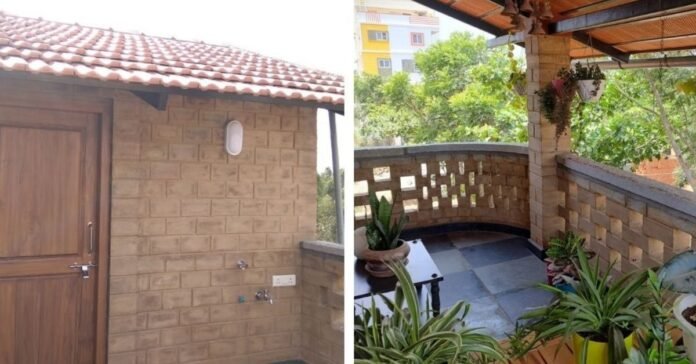
Instead of using heat-absorbing cement walls, Varanashi opted for hollow clay blocks, which naturally regulate temperature, ensuring warmth in winter and coolness in summer. The home embraces cross ventilation, displacement ventilation, and body-level breeze, allowing hot air to escape through strategically placed openings. Sliding doors blur the lines between the indoors and the lush garden, inviting natural airflow and enhancing the sense of openness.

Merging Functionality with Aesthetic Appeal

The Varanashi House is a tribute to both functionality and artistry. French windows flood the interiors with natural light while ensuring ample ventilation. Recycled pine wood and thick granite stone, used for the kitchen and stairs, add an earthy charm, reinforcing the home’s commitment to eco-conscious choices. The result? A space that is not only visually stunning but also two to three degrees cooler in summer, proving that sustainability and comfort can go hand in hand.

Water as the Lifeline of the Home

Water plays a pivotal role in the home’s climate control. A serene fish pond, cascading streams, and an open well contribute to temperature regulation and groundwater recharge. Adding to the ecological harmony, a flourishing garden blooms above the car porch, while a 15,000-litre rainwater harvesting system beneath it ensures a sustainable water supply for daily needs.

Sustainability in Every Corner

Stepping inside, the house radiates warmth and tranquility. Red oxide floors, pine wood interiors, and a natural chimney eliminate the need for artificial cooling. Every detail echoes Varanashi’s belief that a house should be an extension of the lives it shelters. “A house truly becomes a home when it manifests the way the family lives in it,” he reflects.

A Living Legacy of Sustainable Design

Even after 21 years, the Varanashi House remains low-maintenance, comfortably cool, and an enduring example of sustainable living. More than just a residence, it is a living model of how architecture can create a harmonious and eco-friendly environment that withstands the test of time. Through its innovative yet simple design, this home continues to inspire a future where sustainability and comfort coexist effortlessly.

US Eyes Indian Market for Soybean, Corn, and Cotton Amid Shifting Trade Landscape

0

The United States is actively seeking greater access to the Indian market for three key agricultural commodities—soybean, corn, and cotton. This interest has grown in response to former US President Donald Trump’s calls for equal tariffs on Indian exports. Given that the US agricultural sector heavily depends on exports—amounting to nearly $62 billion in 2022—India presents a promising new market amid shifting global trade patterns.

Changing Trade Dynamics

For years, China has been the largest importer of US soybeans and cotton. However, between 2022 and 2024, Chinese purchases declined sharply:

  • Soybean imports fell from $17.9 billion to $12.8 billion.
  • Cotton imports dropped from $2.9 billion to $1.5 billion.
  • Corn imports plunged from $5.2 billion to $328 million.

With China reducing its dependence on US agricultural goods, Mexico and Japan have emerged as dominant buyers of US corn. This shift has prompted the US to explore India as a potential new market for these crops.

India’s Growing Demand for Animal Products

A US Department of Agriculture (USDA) report suggests that India’s population growth and rising per capita GDP will fuel an increase in animal product consumption. This, in turn, will drive demand for livestock feed, particularly corn and soybean. Projections indicate that India’s domestic corn consumption could reach 98 million tonnes by 2040 and 200.2 million tonnes by 2050 under high-income growth scenarios.

Import Projections for Corn and Soybean

India’s potential imports of corn and soybean meal highlight a significant demand shift. If India experiences rapid economic growth:

  • Corn imports could reach 46 million tonnes by 2040.
  • Soybean meal imports might hit 19 million tonnes in the same period.

However, moderate growth would reduce these figures, demonstrating the role of economic conditions in shaping import needs. At present, India levies a 45% customs duty on soybean and 50% on corn, alongside restrictions on genetically modified (GM) products—factors that could influence future trade negotiations.

Transformation in Cotton Trade

Once the leading global cotton exporter, the US has been overtaken by Brazil in recent years. Meanwhile, India’s cotton production has fluctuated, hitting a 16-year low of 29.9 million bales. Although the introduction of genetically modified (GM) cotton hybrids initially boosted production, the lack of new GM technology approvals has contributed to declining yields.

As a result, India is projected to import 3 million bales of cotton in 2024-25, creating a potential growth opportunity for US cotton exports.

Impact on Indian Agriculture

The possibility of increased imports of US corn, soybean, and cotton presents both opportunities and challenges for Indian agriculture:

  • Pros: Improved food security and support for the livestock sector.
  • Cons: Potential dependency on foreign crops and the shift of India from a net exporter to a net importer of cotton.

Conclusion: A New Era in US-India Agricultural Trade?

With shifting global trade dynamics and India’s evolving consumption patterns, the US sees an opportunity to expand its agricultural exports into the Indian market. However, factors like import duties, GM crop regulations, and domestic production trends will play a crucial role in shaping the future of US-India agricultural trade relations. Whether India embraces more US imports or strengthens its domestic agricultural policies remains a key question in this evolving trade equation.