Home Blog Page 348

Unlocking Identity: The Science Behind DNA Fingerprinting

0

DNA fingerprinting has transformed modern science, revolutionizing forensics, genealogy, and medicine. This powerful technique enables the identification of individuals based on their unique genetic code. By analyzing DNA, the blueprint of life found in every cell of the body, scientists can uncover mysteries of identity, lineage, and health.

The Essence of DNA: Life’s Genetic Code

DNA, or deoxyribonucleic acid, is the hereditary material in humans, encoding the instructions for life. Each cell carries 46 DNA molecules, arranged in 23 pairs—one set inherited from the mother and the other from the father. These genetic instructions are stored in chromosomes and determine individual traits, from eye color to susceptibility to certain diseases.

Polymorphisms: The Genetic Variations That Define Us

No two people (except identical twins) share the exact same DNA sequence. This is due to polymorphisms—variations in the DNA sequence that make each individual unique. These variations, found within chromosomes, are instrumental in tracing ancestry and genetic relationships. By analyzing them, scientists can reconstruct family trees and solve mysteries of human migration.

Short Tandem Repeats (STRs): The Markers of DNA Profiling

At the heart of DNA fingerprinting are Short Tandem Repeats (STRs), specific DNA sequences that repeat multiple times at particular locations in the genome. Since the number of repeats varies between individuals, STRs serve as unique genetic markers, allowing precise identification. This variation is what makes DNA fingerprinting such a powerful forensic tool.

Amplifying DNA: The Power of PCR

To analyze DNA, scientists often work with minute samples. The Polymerase Chain Reaction (PCR) is a revolutionary technique that amplifies specific DNA segments, making millions of copies in just a few hours. This process involves heating DNA to separate its strands, using primers to target key sequences, and employing DNA polymerase to build new strands. PCR ensures that even a tiny biological sample, such as a single hair or a drop of saliva, can provide a complete DNA profile.

Capillary Electrophoresis: Sorting DNA by Size

Once amplified, DNA fragments must be sorted and analyzed. Capillary electrophoresis is a high-precision technique that separates DNA fragments by size using an electric field. Smaller fragments move faster, while larger ones lag behind, allowing scientists to measure STR patterns accurately. This step is crucial in creating a reliable DNA fingerprint.

What Is a DNA Fingerprint?

A DNA fingerprint is a unique genetic profile generated from an individual’s STR data. This profile is as distinctive as a traditional fingerprint, but far more precise. It can be obtained from various biological samples, including blood, saliva, and hair, making it an invaluable tool for identification in diverse scenarios.

Real-World Applications of DNA Fingerprinting

DNA fingerprinting has countless applications:

  • Forensics: Crime scene investigators use it to identify suspects and victims, linking evidence to individuals with extraordinary accuracy.
  • Paternity Testing: It provides definitive answers in disputes over biological relationships.
  • Medical Advancements: DNA profiling aids in organ matching for transplants and helps identify genetic predispositions to diseases.
  • Historical and Archaeological Insights: Scientists have extracted DNA from ancient remains, tracing human ancestry and migration patterns.
  • Cold Case Investigations: The durability of DNA allows law enforcement to re-examine old evidence, solving decades-old cases and exonerating the wrongfully convicted.

The Stability and Longevity of DNA

One of DNA’s most remarkable properties is its stability. Genetic material has been successfully extracted from fossils and ancient remains, preserving history at the molecular level. This longevity ensures that DNA evidence remains viable for re-examination, offering justice to those who were once denied it.

The Future of DNA Fingerprinting

As technology advances, DNA fingerprinting continues to evolve, becoming even faster and more precise. Emerging techniques like next-generation sequencing and AI-driven analysis promise breakthroughs in forensic science, medical research, and genetic genealogy. What was once science fiction is now an integral part of modern investigation and discovery.

From the courtroom to the laboratory, from family ancestry to medical diagnostics, DNA fingerprinting stands as one of the most powerful scientific achievements of our time—unlocking secrets written in the very fabric of life.


Ancient Impact: Earth’s Oldest Meteorite Crater Discovered in Australia

0

A groundbreaking discovery in the Pilbara region of Western Australia has unveiled what is now considered the oldest known meteorite impact crater on Earth. Dating back over 3.5 billion years, this impact site predates all previously identified craters by more than a billion years. The findings provide crucial insights into the formation of Earth’s earliest continents and open new pathways for understanding our planet’s geological evolution and the origins of life.

A Window Into Earth’s Past

The newly discovered crater sheds light on the fundamental processes that shaped the young Earth. Scientists suggest that meteorite impacts played a pivotal role in forming the planet’s first landmasses. The extreme energy released by such collisions may have influenced early chemical and biological processes, making this discovery a significant piece in the puzzle of Earth’s formative years. These findings lend support to the hypothesis that external celestial forces, rather than just internal geological activity, contributed to the emergence of the planet’s continents.

Deciphering Early Continental Formation

For decades, geologists have debated how the oldest rocks on Earth—over 3 billion years old—came into existence. Found primarily in the ancient cores of modern continents, these rocks have sparked two leading theories. One proposes that they formed due to heat-driven mantle plumes rising from deep within the Earth, while the other argues for their creation through early plate tectonic movements. Both perspectives acknowledge the crucial role of heat dissipation from Earth’s interior in shaping the planet’s surface. The newly discovered impact crater adds a compelling dimension to this debate, suggesting that meteorite impacts also played a role in the formation of early continental crust.

The Search for the Ancient Crater

This remarkable discovery was the result of extensive fieldwork that began in May 2021. Researchers focused their efforts on the Antarctic Creek Member, a distinctive rock layer in the Pilbara region. They searched for shatter cones—rare geological formations that serve as unmistakable indicators of past meteorite impacts. Their efforts were rewarded when these structures were identified, confirming the existence of an ancient crater. Further analysis in May 2024 provided definitive age data, linking the impact event directly to the Antarctic Creek Member and securing its place as Earth’s oldest known crater.

Evidence Supporting the Impact Hypothesis

The presence of shatter cones throughout the Antarctic Creek Member offered irrefutable proof of a past impact event. These unique structures only form under the immense pressures generated by meteorite collisions and have remained preserved since their initial formation. Subsequent laboratory studies confirmed that the impact event coincided with the age of the rock layer, strengthening the argument that this ancient crater influenced the formation of Earth’s early continents.

A New Frontier for Scientific Exploration

This discovery raises profound questions about the role of meteorite impacts in shaping not only Earth’s physical landscape but also the environmental conditions necessary for life to emerge. It suggests that numerous other ancient impact craters may remain hidden within the cores of Earth’s oldest landmasses, awaiting discovery. Future research in this field has the potential to reshape our understanding of early Earth processes and may even offer insights into how life could arise on other planets with similar geological histories.

As scientists continue to uncover the secrets of our planet’s past, this finding stands as a testament to the enduring power of celestial events in shaping the world we know today. With further exploration, we may soon unlock even more hidden chapters of Earth’s ancient history.

Loitering Munitions: Transforming Modern Warfare

0

Loitering munitions, colloquially known as “kamikaze drones,” are revolutionizing the landscape of modern combat. These sophisticated weapons merge the reconnaissance capabilities of unmanned aerial vehicles (UAVs) with the precision and lethality of guided missiles. By hovering over potential targets, they meticulously track movements before delivering a fatal strike. This seamless integration of intelligence gathering and destruction is redefining military strategies worldwide.

What Are Loitering Munitions?

Unlike conventional missiles that follow a predetermined path, loitering munitions have the capability to linger in the airspace, observe the battlefield, and wait for the optimal moment to strike. This adaptability makes them highly effective in dynamic combat environments. Recent conflicts have demonstrated their potential to be game-changers in warfare.

Global Applications in Warfare

Loitering munitions have found widespread use in conflicts across the globe:

  • Ukraine Conflict: Russia employs Lancet-3 drones to precisely target Ukrainian artillery positions. In response, Ukraine utilizes U.S.-supplied Switchblade drones and its indigenous RAM II systems.
  • Middle East: Israel leverages Harop drones for precision strikes, while Iran’s mass-produced Shahed-136 drones challenge sophisticated air defenses, proving the effectiveness of cost-efficient drone swarms.

These instances highlight how loitering munitions are altering the nature of modern warfare.

India’s Strategic Developments

India is proactively expanding its arsenal of loitering munitions and autonomous drones to bolster national defense:

  • SkyStriker Drone: With a 500 km range, this drone is operational for the Suppression of Enemy Air Defenses (SEAD).
  • Nagastra-1: Introduced in 2024, it is tailored for high-altitude warfare.
  • Private Sector Innovations: Indian firms are conducting successful trials of cost-effective loitering munitions, aiming to reduce dependence on imports.

These developments signify India’s commitment to strengthening its defense capabilities through indigenous innovation.

The Rise of Swarm Warfare

The future of warfare is leaning towards drone swarms rather than individual units. India has already showcased its capability with a coordinated 75-drone swarm demonstration. NewSpace Research & Technologies has taken this further by developing a 100-drone swarm for battlefield deployment. Ongoing research into AI-driven systems for detecting and targeting enemy assets is expected to enhance operational effectiveness significantly.

Economic Considerations in Drone Warfare

Despite the technological strides, cost remains a considerable hurdle for India’s drone industry. While indigenous drones are more affordable than Israeli models, they remain costlier than Russian and Iranian alternatives. The competitive pressure to innovate and reduce production costs is intensifying. Western projects like the Hellhound S3 loitering munition underscore the global emphasis on speed and cost-efficiency.

India’s Defence Industry and Self-Reliance

India’s push for self-reliance is evident in its military modernization efforts. According to the Defence Ministry, 65% of the military equipment is now domestically produced. Defence production reached a record Rs 1.27 lakh crore in 2023-24. Initiatives such as iDEX (Innovations for Defence Excellence) and SAMARTHYA are encouraging private sector participation and technological advancement. Major procurement decisions reflect a clear shift towards indigenization.

Challenges and the Road Ahead

Despite these advancements, India faces stiff competition from Russia and Iran, which produce low-cost drones. Although domestic options are more affordable than Israeli ones, achieving cost parity with Russian and Iranian drones remains a challenge. The focus on AI-driven autonomy for UAVs is crucial for maintaining future competitiveness. Additionally, the development of stealthy loitering munitions is underway to ensure India remains at the forefront of military technology.

Future Implications of Drone Warfare

As geopolitical tensions escalate, the strategic importance of drone warfare continues to grow. India’s investments in AI, swarm technology, and long-range capabilities are positioning the nation as a formidable player in modern combat. The shift from conventional airstrikes to unmanned systems heralds a new era in military strategy, underscoring the need for continuous innovation and self-reliance in defense technology.

Indian Farmstays for Fruit Picking, Horse Riding & Stargazing With Your Kids This Summer

0

Summer holidays bring back a flood of memories for most adults — endless hours of fun, devouring mangoes, playing informal games, and attending summer camps. However, the magic of the outdoors has faded in the digital age. This summer, why not take a trip down memory lane and recreate those golden moments with your kids? Explore these incredible Indian farmstays that offer fruit picking, horse riding, stargazing, and more.

1. Pala Farms, Goa

Nestled in the Rivona forest of South Goa, Pala Farms is a picturesque oasis where nature and animals co-exist harmoniously. Monique Pala’s love for nature is evident in this idyllic farm where horses, goats, ducks, and dogs roam freely.

Children can engage in feeding ducks, horse riding, and exploring the farm through guided tours. Meanwhile, parents can unwind on the grass or finish that long-pending book. A guest, Dr. Vimarsha Bhatkalkar, described it as an experience that provides the joy of farm life, even if only for a day.

Address: Sanguem Rd, Vodlemol Cacora, Kudchaden, Goa – 403705.

2. Sangam Farms, Rajasthan

What once was an unused piece of land is now a thriving green haven known as Sangam Farms in Bhilwara, Rajasthan. Anurag Soni, Managing Director of the Sangam Group, transformed this land into a vibrant agro-tourism spot.

Kids can enjoy horse riding, fruit picking, and even witness pizza baking in a brick oven. Adults can relish farm-fresh salads, cheese, and buttermilk made on-site. It’s an ideal spot to experience rural life while enjoying modern comforts.

Address: NH79, Chittorgarh Rd, Bhilwara, Rajasthan – 311001.

Indian Farmstays for Fruit Picking, Horse Riding & Stargazing With Your Kids This Summer

3. The Farm of Happiness, Maharashtra

Located in Ratnagiri, The Farm of Happiness is an agro-tourism model spread over 20 acres of mango and cashew trees. Founders Rahul and Sampada Kulkarni created this farm to help city dwellers reconnect with nature.

Children can learn about farming, identify birds, participate in nature trails, and visit the nearby Ukshi village with pre-historic rock carvings. It’s a perfect blend of fun and education.

Address: Off, Parchuri Road near Kaatal Wadi, Phungus, Maharashtra – 415611.

Indian Farmstays for Fruit Picking, Horse Riding & Stargazing With Your Kids This Summer

4. Ayra Farms, Maharashtra

Ayra Farms in Ratnagiri, Maharashtra, is a sustainable homestay that offers a slice of idyllic village life. Chef Noopur Chaughule credits her father, Rajan, for transforming the once-dilapidated land into a lush farm with cottages, a tent area, and a kitchen garden.

Kids can enjoy running around with animals, drawing on the ground with natural chalk, and relishing Maharashtrian delicacies. The farm provides a screen-free, immersive outdoor experience.

Address: House #655, BrahminVadi, Talavli village, Chikhali, Guhagar, Ratnagiri, Maharashtra – 415719.

Indian Farmstays for Fruit Picking, Horse Riding & Stargazing With Your Kids This Summer
xr:d:DAE-VW4f63M:1477,j:9009844358701953827,t:23061313

5. Soulitude by the Riverside, Uttarakhand

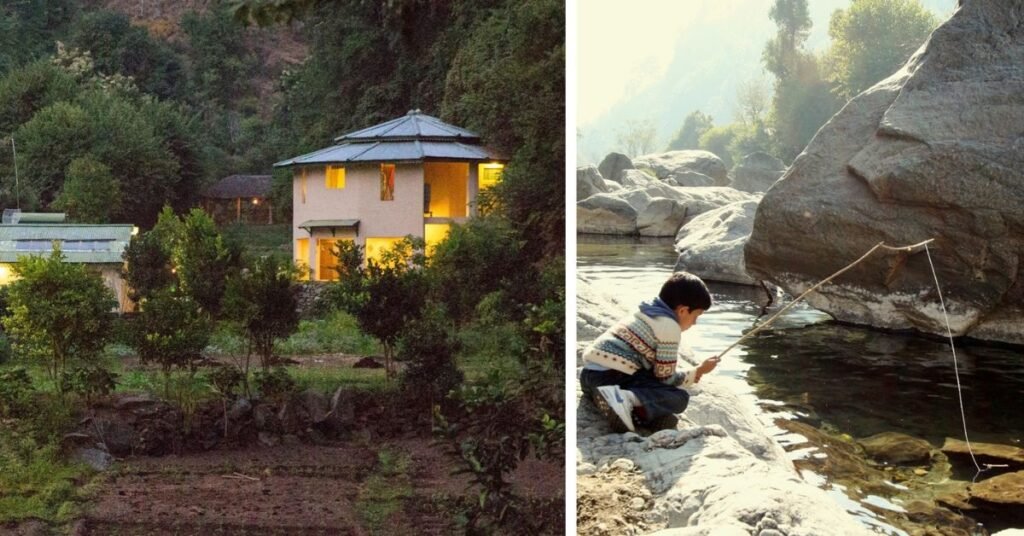
For an extraordinary experience under the stars, head to Soulitude by the Riverside in Uttarakhand. Known for its clear night skies, it offers astronomy sessions where kids can learn about galaxies, nebulae, and celestial wonders.

During the day, families can enjoy riverfront picnics with breathtaking views of the Maheskhan Hills or go for a hike through the Pine Forest. It’s an excellent destination for nature lovers and curious young minds.

Address: Near Kalsa River Banks, Nainital District, Chanfi, Uttarakhand – 263136.

Indian Farmstays for Fruit Picking, Horse Riding & Stargazing With Your Kids This Summer

Summing Up

Recreate the magic of your childhood summers with these delightful Indian farmstays. From fruit picking and horse riding to stargazing and nature trails, these destinations offer an excellent blend of fun, learning, and relaxation. Give your kids the gift of unforgettable memories this summer.

Timbuktu: A Timeless Symbol of Africa’s Intellectual Heritage

0

Timbuktu, located in the West African nation of Mali, is a historic city that stands as a testament to Africa’s rich cultural and intellectual legacy. Founded in the 12th century by the Tuareg tribe as a temporary settlement, it quickly evolved into a significant hub for trade, culture, and Islamic education during the 14th and 15th centuries.

A Cradle of Knowledge

During its golden era from the 14th to 16th centuries, Timbuktu became renowned for its Sankore Madrasah, one of the world’s first universities. Scholars from across Africa and beyond gathered here to study subjects ranging from theology and law to mathematics and astronomy. The city became a beacon of learning, attracting intellectuals and traders alike.

Preserving Ancient Manuscripts

One of Timbuktu’s most remarkable treasures is its vast collection of ancient manuscripts — hundreds of thousands of them — carefully preserved for centuries. These manuscripts cover a wide range of topics, including science, medicine, literature, and philosophy, reflecting the city’s deep commitment to knowledge and scholarship.

Architectural and Cultural Splendor

The city’s architecture is another reflection of its rich history. The mud-brick mosques, such as the famous Djinguereber Mosque, stand as enduring symbols of the city’s Islamic heritage and architectural ingenuity. These structures are not just places of worship but also monuments of African resilience and creativity.

A Legacy Remembered

Timbuktu remains a symbol of global knowledge and cultural exchange. Despite challenges over the centuries, it continues to inspire historians, scholars, and travelers with its rich legacy. Its story is a powerful reminder of Africa’s pivotal role in shaping the intellectual history of the world.

To this day, Timbuktu is remembered not just as a city but as a bridge where trade, culture, and knowledge converged — a timeless beacon of Africa’s intellectual heritage.

Reviving Ancient Heritage: Bihar’s Vikramshila University to Emerge as a Tourism Hub

0

Patna: Bihar is all set to revive its glorious past by breathing new life into the ancient Vikramshila University, a once-renowned center for Tantric studies. After the successful reconstruction of the historic Nalanda University, attention has now shifted to Vikramshila, located in Bhagalpur. The Archaeological Survey of India (ASI) is actively working to transform this ancient site into a prominent tourist destination.

The ruins of Vikramshila University are undergoing extensive cleaning and restoration. The site has been strategically divided into grids for efficient preservation and security, ensuring that this historic treasure is maintained for generations to come.

A ₹500 Crore Initiative

Vikramshila University was once a thriving hub for studies in Tantra, theology, philosophy, grammar, metaphysics, and logic. It flourished for nearly four centuries before its decline in the 13th century. In 2015, the central government allocated ₹500 crore for the restoration of this ancient center of learning. This ambitious project aims to transform Vikramshila into a world-class tourist attraction.

208 Classrooms for Tantric Studies

At the heart of Vikramshila lies a massive brick stupa surrounded by 208 small rooms. Centuries ago, these rooms were bustling with monks and students engaged in the study of Tantric practices. After Hinayana and Mahayana, Tantra was considered the third major branch of Indian Buddhism. Scholars from Vikramshila were known for their profound expertise in this field.

Founded in the Late 8th Century

Vikramshila University was established in the late 8th century by King Dharmapala of the Pala dynasty. It was a contemporary of Nalanda University. While Nalanda was famous for its diverse academic disciplines, Vikramshila was the sole center dedicated to Tantric studies. Both universities were at the pinnacle of learning during their time.

Boosting Tourism and Cultural Heritage

The revival of Vikramshila University is not just about preserving history; it is about promoting tourism and cultural pride. Once restored, this ancient educational hub is expected to draw tourists and history enthusiasts from across the globe.

By turning the pages of history and bringing this ancient marvel back to life, Bihar is set to offer a unique blend of heritage and education to the world. The restoration of Vikramshila will stand as a testament to India’s rich academic legacy and serve as an inspiration for generations to come.

Airbnb builds Oscar-winning Disney’s ‘Up’ house in real life, floats in air with over 8000 balloons

0

For fans of Disney’s heartwarming film Up, the dream of stepping into Carl Fredricksen’s iconic floating house is now a reality. Nestled in the picturesque landscape of Abiquiu, New Mexico, this meticulously recreated version of the famous house offers an extraordinary experience. While it may not soar through the skies powered by thousands of balloons as it does in the movie, this real-life marvel is hoisted high above the ground by a crane, with a cluster of 8,000 colorful balloons adding to its whimsical charm. Part of Airbnb’s innovative “Icons” category, this one-of-a-kind accommodation brings fantasy into the realm of reality.

A Night in the Clouds

Guests booking a one-night stay in the Up house will find themselves immersed in a world of nostalgia and imagination. The interior is carefully crafted to reflect the warmth and detail of the animated classic, right down to the smallest decorative elements. Adding an extra layer of fun, the listing appears to be hosted by none other than Carl Fredricksen himself, inviting fans to fully engage with the magic of the beloved film.

Exploring Airbnb’s ‘Icons’ Collection

The Up house is just one highlight of Airbnb’s growing “Icons” category, which offers unique stays inspired by iconic stories and locations. For instance, visitors can step into the vibrant world of Pixar’s Inside Out by exploring Riley’s emotions at the fictional Headquarters. Art enthusiasts can indulge in a luxury stay at the famed Musée d’Orsay’s clock room in Paris, with an exclusive view of the Olympic opening ceremony from the terrace. Music lovers are also in for a treat with the opportunity to visit Prince’s legendary Purple Rain house in Minnesota, now open to the public for the first time.

Airbnb builds Oscar-winning Disney's 'Up' house in real life, floats in air with over 8000 balloons

Turning Fantasy into Reality

Airbnb has long been known for its ability to create unforgettable experiences, from Shrek’s swamp to Barbie’s Malibu Dreamhouse. In line with this tradition, the “Icons” category continues to blur the lines between fiction and reality. CEO Brian Chesky emphasized this vision, stating that the initiative is all about transforming the worlds of imagination into tangible experiences.

Most of the listings under the “Icons” umbrella are either free or priced under $100 (£80) per person, making these extraordinary experiences accessible to a wide audience.

More Than Just a Stay

Airbnb’s offerings go beyond unique accommodations. Guests can also enjoy intimate, once-in-a-lifetime events. Imagine attending a living room performance by global music sensation Doja Cat, fresh off her world tour. Or picture a VIP night with comedian and actor Kevin Hart at his exclusive members-only club, featuring tequila tasting and live stand-up comedy.

Brian Chesky summed it up perfectly: “Icons is about bringing worlds of imagination into reality.” Whether it’s floating high above the ground in Carl Fredricksen’s house or soaking in the ambiance of Prince’s legendary home, Airbnb continues to redefine travel and entertainment with its innovative and magical experiences.

UAE plans world’s first underwater train from Dubai to Mumbai! Route will be 2000 Km long

0

The United Arab Emirates (UAE) is exploring an unprecedented and transformative project that could revolutionize connectivity between the Middle East and India. As announced by Abdullah Alshehi, the Managing Director and Chief Consultant of National Advisor Bureau Limited, plans are underway to assess the feasibility of constructing an undersea train line linking Dubai to Mumbai. If realized, this ambitious initiative would redefine cross-border travel and trade.

A Visionary Feat of Engineering

The proposed ultra-high-speed rail network would span approximately 2,000 kilometers, predominantly underwater, connecting Mumbai with Fujairah in the UAE. The project’s objective is not limited to passenger travel; it also aims to strengthen bilateral trade by facilitating the export of oil to India and the import of water from India’s Narmada River. Such an exchange underscores the project’s potential to bolster resource sharing and economic collaboration between the two nations.

Challenges and Feasibility

Despite its visionary appeal, this concept is still in its nascent stages, with extensive feasibility studies required to address the myriad technical, environmental, and economic hurdles. Constructing an undersea railway of this magnitude demands cutting-edge engineering, sustainable environmental practices, and substantial financial investment. Overcoming these challenges will be key to turning this ambitious vision into reality.

Strengthening Bilateral Relations

This project is part of a broader trend of deepening ties between India and the UAE. The India-Middle East-Europe Economic Corridor (IMEEC), launched during the G-20 Summit in Delhi in September 2023, further exemplifies this cooperation. This transcontinental initiative includes major global players such as India, the UAE, the USA, the EU, Saudi Arabia, France, Italy, and Germany, aiming to enhance connectivity and trade across continents.

Collaborative Efforts in Trade and Logistics

Significant strides have been made through discussions between Indian and UAE officials, notably a delegation led by Shri TK Ramachandaran, Secretary of the Ministry of Ports, Shipping and Waterways, and HE Mohamed Juma Al Shamisi, CEO of Abu Dhabi Ports. These talks emphasized strengthening ties in shipping and logistics under the IMEEC framework. Key stakeholders, including terminal operators, shipping lines, and customs officials, also participated, reflecting a comprehensive approach to enhancing global trade routes.

A Leap Towards the Future

The proposed undersea train project symbolizes a bold leap toward futuristic infrastructure that could redefine how nations collaborate and share resources. While the journey from concept to completion may be long and challenging, the potential impact on trade, travel, and bilateral relations makes this endeavor a project to watch. If successful, the Dubai-Mumbai undersea rail link could become a landmark achievement in engineering and international cooperation.

California has a town for aircraft fans where they own and park airplanes in front of their homes

0

Nestled in the heart of Cameron Park, California, lies a truly unique neighborhood that seamlessly blends everyday living with the thrill of aviation. Cameron Airpark Estates is a haven for aviation enthusiasts, where homes and private airplane hangars coexist, offering residents the extraordinary convenience of living just steps away from their planes.

A Community Built for Flight

One of the most distinctive features of Cameron Airpark Estates is its direct access to the nearby Cameron Park Airport runway. This design allows residents to park their airplanes right next to their homes and taxi straight to the runway. For those passionate about flying, this ease of access means the sky is always just a few steps away, making spontaneous takeoffs a part of daily life.

Streets Designed for Dual Use

The infrastructure of Cameron Airpark Estates sets it apart from conventional neighborhoods. With streets measuring 100 feet wide, there is ample space for both cars and airplanes to share the road. This thoughtful design ensures that aviation enthusiasts can enjoy the rare luxury of moving seamlessly between land and air.

A Close-Knit Community of Aviation Enthusiasts

Beyond its practical benefits, Cameron Airpark Estates fosters a vibrant sense of community. It is not just a residential area but a gathering place for individuals who share a common passion for flying. Neighbors bond over their love of aviation, exchanging stories, experiences, and support. This shared enthusiasm turns the neighborhood into more than just a place to live; it becomes a community where the love of flight brings people together.

A Unique Lifestyle Celebrating the Freedom of Flight

For pilots and airplane owners, Cameron Airpark Estates offers a lifestyle that is as unique as it is exhilarating. The combination of home living with the freedom to take to the skies at a moment’s notice creates an unparalleled living experience. It is a testament to how passion can shape the way we live, turning a neighborhood into a symbol of adventure and freedom.

Cameron Airpark Estates is not just a place on the map; it is a dream realized for those who live and breathe aviation. It stands as a beacon for those who wish to integrate their love of flying into their everyday lives, making it one of the most remarkable residential communities in the world.

Places to visit: Shore Temple of Mamallapuram, Echoes of Antiquity by the Bay

0

Along the sun-kissed Coromandel Coast, where the Bay of Bengal whispers secrets to the shore, rises the magnificent Shore Temple of Mamallapuram. Known historically as Mahabalipuram and located just south of Chennai in Tamil Nadu, this picturesque village is home to ancient wonders where pyramidal towers pierce the sky like sharpened prayers.

A Testament to Time: The Architectural Brilliance

Unlike the prevalent rock-cut caves of its era, the Shore Temple is a structural marvel carved from granite over thirteen centuries ago. As a UNESCO World Heritage Site, it stands as a testament to the architectural prowess of the Pallava dynasty. Its intricate carvings and weathered beauty symbolize the artistic ingenuity of ancient India.

The temple complex boasts a unique tripartite structure with three separate shrines dedicated to Lord Shiva, the destroyer, and Lord Vishnu, the preserver. It is one of the earliest examples of structural temples in South India, standing resilient against the relentless waves. This glorious monument reflects the Tamil people’s ability to craft breathtaking wonders that continue to inspire awe centuries after their creation.

A Journey Through Time: History and Legend

Constructed in the early 8th century under the reign of Pallava king Narasimhavarman II (Rajasimha), the Shore Temple stands as the crowning jewel of Pallava artistry. For pilgrims and the bustling port city of Mamallapuram, it was a sacred landmark; for ancient seafarers navigating maritime trade routes, it served as a vital beacon guiding them to the prosperous shores.

However, time has weaved a tale of triumph and loss. Legend has it that the Shore Temple was part of a magnificent complex of seven temples, known as the Seven Pagodas. Today, only the Shore Temple remains, while the other six structures are believed to be submerged beneath the Bay of Bengal. This legend fascinated explorers, including the famous Venetian merchant Marco Polo, who referred to the site in his 13th-century travel accounts.

The devastating tsunami of 2004 temporarily revealed submerged ruins, supporting long-held local beliefs and reigniting archaeological interest. Excavations continue to uncover the mysteries hidden beneath the waves.

Sacred Symmetry: Spiritual and Architectural Significance

The Shore Temple transcends its stone facade to become a consecrated space where the celestial meets the terrestrial. Dedicated to both Lord Shiva and Lord Vishnu, it embodies the harmonious integration of Shaivism and Vaishnavism, reflecting the inclusive worship practices of the Pallava dynasty. Historical inscriptions reveal that the Vishnu shrine, known as Narapatisimha Pallava Vishnu Griha, was the first to be carved, underscoring the ruler’s devotion.

The temple complex is also referred to as Jalashayana or ‘lying in water,’ reflecting its ethereal connection with the elements. Intricate sculptures of Nandi (sacred bulls), lions, and mythical creatures adorn the walls, symbolizing protection and divinity.

Architectural Grandeur: A Blend of Styles

Standing on a single platform, the Shore Temple comprises three shrines. The primary temple faces east, capturing the first rays of the sun on its Shiva Linga. Constructed entirely from granite, the temple rises 60 feet above a 50-feet square base. The dual pyramidal shikharas (towers) are highlighted by overhanging eaves, while the outer walls showcase rearing lions, adding to the temple’s grandeur.

A smaller temple dedicated to Shiva stands behind the main shrine, with a stepped pyramidal tower crowned by an octagonal shikhara. This structure features kudus (horseshoe-arch projections) and intricate carvings of Shiva as Tripurantaka and Durga. The temple’s inner sanctum (garbhagriha) houses a Dharalinga made from black basalt, standing 6 feet tall.

Between the two Shiva temples lies a smaller shrine dedicated to Vishnu, depicting the deity in a reclining posture on the serpent Ananta. The surrounding walls are adorned with carvings of Krishna’s exploits, further enriching the complex’s mythological significance.

Enduring Through Time: Innovation and Legacy

The Shore Temple was among the first structural temples in Southern India, crafted entirely from interlocking granite stones without mortar. This dry masonry technique has ensured its stability against natural elements for over a millennium, influencing subsequent architectural developments in the region.

Astronomical alignments add another layer of wonder to the temple. Its east-facing orientation allows the rising sun to illuminate the main deity, symbolizing renewal and divine blessings.

Celebrations and Cultural Continuity

The Shore Temple comes alive during Mahashivratri and Brahmotsavam festivals when devotees gather to participate in prayers and rituals. The annual Mamallapuram Dance Festival, held against the temple’s backdrop, celebrates India’s rich classical dance heritage, paying homage to the artistic patronage established by the Pallavas.

A Timeless Inspiration

The Shore Temple is not merely a monument; it is a timeless narrative etched in stone. As you stand before its weathered grandeur, envision the thriving port city that once surrounded it. Hear the echoes of ancient mariners and the rhythmic chants of devout pilgrims. The Shore Temple invites you to embark on a journey where history, art, and spirituality converge.

Let its intricate carvings spark your curiosity, its serene aura calm your mind, and its enduring legacy inspire your soul.