Home Blog Page 347

Scientists Discover Sixth Ocean Hidden 430 Miles Beneath Earth’s Surface

0

In a groundbreaking discovery, scientists have unveiled a massive hidden ocean located more than 700 kilometers (430 miles) beneath the Earth’s surface. Trapped inside a rare blue mineral called ringwoodite, this subterranean ocean is believed to be three times larger than all the surface oceans combined. This revelation is reshaping how we understand Earth’s water cycle and its origins.

A Deep-Seated Mystery Unveiled

The discovery of this hidden ocean was made when scientists observed seismic waves slowing down as they passed through wet ringwoodite. This indicated the presence of water stored deep within the Earth’s mantle. Ringwoodite acts like a giant sponge, absorbing and holding vast amounts of water under immense pressure. Animal experiments further confirmed its ability to retain water, underscoring its critical role in Earth’s deep water cycle.

Challenging Existing Theories

For years, scientists believed Earth’s water originated from comets that bombarded the planet billions of years ago. However, this new finding challenges that notion, suggesting instead that Earth’s water may have been present all along, stored deep within the planet. Steve Jacobsen, a geophysicist involved in the study, stated that this discovery offers compelling evidence that Earth’s water is generated from within the planet itself.

Implications for Earth’s Water Cycle

This hidden ocean offers profound insights into how water is stored and circulates within the Earth. Understanding this deep water reservoir could help scientists better grasp how water influences geological processes, including earthquakes and volcanic activity. Moreover, it sheds light on the planet’s ability to recycle water between the surface and the deep interior.

What Lies Ahead?

Researchers are now eager to explore whether this hidden ocean extends across the entire globe or is confined to specific regions. If it spans the Earth’s interior, it could mark one of the most significant geological discoveries of our time, altering our perception of Earth’s deep water reserves.

As scientists continue to probe the depths of our planet, discoveries like this remind us of how much remains unknown beneath our feet. This sixth ocean, hidden under layers of blue rock, may hold the key to understanding the very origins and sustainability of life on Earth.


Through Dust & Heat: Here Are 5 Plants to Keep Your Garden Alive This Summer

0

Summer in India can be relentless—not just for us but for our plants too. The scorching heat drains moisture from the soil, leaving many gardens struggling to stay green. With water scarcity being a major concern across various regions, choosing drought-resistant plants can be a game-changer.

These five hardy plants not only thrive in hot, dry climates but also add charm to your garden while conserving water. If you’re looking for low-maintenance, heat-loving plants, these are perfect choices.

1. Bougainvillea – The Resilient Beauty

Through Dust & Heat: Here Are 5 Plants to Keep Your Garden Alive This Summer

If there’s one plant that defines summer resilience, it’s bougainvillea. This vibrant climber flourishes even in the harshest sun, draping walls, fences, and trellises in a cascade of colorful blooms. Its papery, jewel-toned flowers create a stunning visual without demanding much water.

Care Tips:

  • Plant in well-drained soil and a sunny spot.
  • Water sparingly once established. Overwatering can weaken its roots.
  • Regular pruning encourages fresh blooms and keeps the plant looking lush.

2. Portulaca (Moss Rose) – The Cheerful Survivor

Through Dust & Heat: Here Are 5 Plants to Keep Your Garden Alive This Summer

Portulaca is a delight for any summer garden. Known for its bright, cheerful blooms, this low-growing plant thrives in dry soil with minimal care. It carpets the ground with delicate, rose-like flowers, making it an excellent choice for borders, garden beds, or hanging baskets.

Care Tips:

  • Prefers sandy, well-drained soil.
  • Water only when dry; too much moisture can harm the roots.
  • Requires full sunlight for maximum flowering.

3. Lantana – The Butterfly Magnet

Through Dust & Heat: Here Are 5 Plants to Keep Your Garden Alive This Summer

Lantana is a tough, sun-loving shrub that not only survives in dry conditions but also attracts butterflies with its clustered flowers. The bright hues—ranging from yellow and pink to purple—bring life to any garden corner. Plus, it’s incredibly low maintenance.

Care Tips:

  • Plant in full sun with well-drained soil.
  • Water only when the soil is dry.
  • Prune regularly to promote fresh growth and more blooms.

4. Agave – The Striking Succulent

Through Dust & Heat: Here Are 5 Plants to Keep Your Garden Alive This Summer

If you love unique, sculptural plants, Agave is a must-have. This drought-tolerant succulent thrives in arid conditions, making it a perfect addition to a low-water garden. Its thick, fleshy leaves store moisture, allowing it to withstand prolonged dry spells.

Care Tips:

  • Needs sandy, well-draining soil.
  • Water sparingly—only when the soil is completely dry.
  • Place in a bright, sunny location for optimal growth.

5. Yellow Oleander – The Sunshine Bloomer

Through Dust & Heat: Here Are 5 Plants to Keep Your Garden Alive This Summer

For a splash of sunshine, Yellow Oleander is an excellent choice. Its bright yellow, trumpet-shaped flowers bloom even in peak summer, adding a tropical touch to gardens. However, it’s important to note that all parts of this plant are toxic if ingested, so caution is advised.

Care Tips:

  • Requires well-drained soil and a sunny location.
  • Water when the topsoil feels dry.
  • Handle with care, especially around pets and children.

Why Choose Drought-Resistant Plants?

Opting for drought-resistant plants is not just a smart gardening choice—it’s a step towards sustainability. These plants:

  • Conserve water in dry, arid regions.
  • Require minimal maintenance, making them perfect for busy gardeners.
  • Thrive in extreme heat, ensuring a lush garden even in peak summer.

By incorporating these resilient plants, you can enjoy a vibrant and eco-friendly garden while saving water. So, this summer, let nature take care of itself—with a little help from these hardy green warriors.

Places to visit: Stay at These 10 Beautiful Mud Homestays in India

0

As the summer heat approaches, many travellers seek a refreshing and eco-friendly escape. From the tranquil mountains of Himachal Pradesh to the lush greenery of Kerala, India is home to stunning mud homestays that offer natural cooling and a chance to connect with local culture. Here are ten beautiful mud homestays that promise a peaceful and sustainable retreat.

1. Afsana Homestay, Himachal Pradesh

Nestled near the Hadimba Temple in Manali, Afsana Homestay is a restored 50-year-old mud, wood, and stone house surrounded by forests and apple orchards. Founded by Heena Mahant, it reflects traditional Himachali architecture. With rooms starting at Rs 600 and curated nature walks, it offers a perfect offbeat escape for those seeking a connection to nature.

Places to visit: Stay at These 10 Beautiful Mud Homestays in India
xr:d:DAFmpUveIEc:84,j:1819872088160736001,t:24020613

2. The Nanda Stone, Uttarakhand

Located in Jilling, Uttarakhand, The Nanda Stone offers breathtaking views of Nanda Devi. Built by Ashish Verma using traditional Kumaoni methods and natural materials, this mud homestay stays naturally cool and warm across seasons. With earthy interiors, no plastic usage, and delicious Kumaoni meals, it’s an ideal eco-friendly mountain retreat.

Places to visit: Stay at These 10 Beautiful Mud Homestays in India

3. The Mudhouse, Marayoor, Kerala

Situated near the Chinnar Wildlife Sanctuary, The Mudhouse in Marayoor offers an eco-friendly stay with a two-bedroom mud cottage and a traditional treehouse. Hosting up to six guests, it provides a shared kitchen, dining area, and lounge. Guests can enjoy outdoor barbecues and candlelight dinners, adding to its rustic charm.

Places to visit: Stay at These 10 Beautiful Mud Homestays in India

4. Kundan Homestay, Himachal Pradesh

In Kais village near Kullu, Kundan Homestay is a 100-year-old mud and stone house run by Kundan Singh and his wife Kala. Built with traditional earthquake-resistant methods, it offers a warm pahadi (mountain) lifestyle. Guests can enjoy local hospitality and organic meals made from the family farm’s produce.

5. Greenara, Kerala

Located near Calicut, Greenara is a sustainable mud homestay built on a rewilded 6-acre former mining site. Transformed into a lush tropical forest by owner Mustafa PA, it features two mud cottages and a 12-bed dormitory made with natural materials. Guests can relish farm-to-table Malabari meals and experience slow, sustainable living.

Places to visit: Stay at These 10 Beautiful Mud Homestays in India

6. Hodka Rann Stay, Gujarat

Hodka Rann Stay, situated in Hodka village, Gujarat, offers a cosy mud hut experience just 20 km from the Rann Utsav Tent City. With eco-friendly huts, starry skies, and peaceful sunrises, guests can enjoy vegetarian Kutchi meals, folk music, and interactions with local artisans known for embroidery and leatherwork.

Places to visit: Stay at These 10 Beautiful Mud Homestays in India

7. Banasura Hill Resort, Kerala

As Asia’s largest mud resort, Banasura Hill Resort in Wayanad is built entirely from the earth it stands on. Tucked in the lush Banasura Hills, it offers cool mud rooms, forest trails, waterfalls, and fresh farm-to-table food. Perfect for slow, conscious travel, the resort blends nature, comfort, and sustainability.

Places to visit: Stay at These 10 Beautiful Mud Homestays in India

8. Kashi Villa, Himachal Pradesh

Located in Kasauli, Kashi Villa is a 180-year-old mud and stone homestay restored by Rachna and Kapil Tandon. Surrounded by deodar and oak trees, it offers cosy rooms, fireplaces, and traditional Himachali food. With its colonial charm and local warmth, it’s a peaceful mountain escape.

Places to visit: Stay at These 10 Beautiful Mud Homestays in India

9. Matirr Ghor, Assam

Translating to ‘The Mud House,’ Matirr Ghor in Guwahati, Assam, is a rustic, eco-conscious homestay focusing on traditional mud architecture and sustainable living. Offering an earthy, minimalist experience rooted in Assamese culture, it is ideal for those looking to disconnect and slow down.

10. Medini Homestay, Assam

Near Kaziranga National Park, Medini Homestay is built with bamboo, mud, and wood by Champak Deka and Anna Louise Meynell. It offers local food, silk weaving, and a deep connection to Assamese culture. Its proximity to the national park makes it a perfect retreat for wildlife enthusiasts and sustainable travel lovers.

Summing Up

These ten mud homestays showcase India’s rich cultural heritage and commitment to sustainability. Whether you’re a nature lover or a conscious traveller, these eco-friendly retreats provide a refreshing and peaceful escape from the scorching summer heat.

Phoolon ka Sheher: Poonam Arora’s Blooming Paradise

0

Step into ‘Phoolon ka Sheher’—the City of Flowers. That’s what the neighbors lovingly call Poonam Arora’s home, and the moment you step through the gate, the reason is clear. Vibrant succulents peek out from handcrafted pots, while cascading vines drape over trellises. The air carries the faint, sweet fragrance of blooming jasmines, mingling with the earthy scent of freshly watered soil.

Poonam, a self-taught gardening enthusiast, walks through her lush sanctuary, her hands instinctively brushing against petals as she speaks. “I’ve always loved flowers. And today, my home is covered in them!” she exclaims, her eyes alight with passion.

But this floral paradise wasn’t built overnight. Her journey began in childhood, inspired by a house she passed every day on her way to school. The woman who lived there had transformed her home into a breathtaking garden, overflowing with flowers in every hue. Young Poonam would pause, captivated by the sight. “I dreamt of creating one too,” she recalls.

Years later, when she finally had a home of her own, she set out to turn that childhood dream into reality—one seed, one planter, one bloom at a time.

A Labor of Love

Every morning, as the city stirs awake, Poonam is already at work in her garden. She sows seeds, prunes leaves, and handcrafts intricate cement planters. Nothing goes to waste—discarded bowls become flower beds, bamboo sticks transform into trellises, and even old clothes find new life as textured pots. Her hands, often smeared with mud and cement, are a testament to her dedication.

But the journey hasn’t been without challenges. “Relatives would mock me, saying I was wasting my time. Some still whisper,” she shares, a knowing smile on her lips. But through it all, her husband and son stood by her, cheering her on as she brought her vision to life.

A Garden That Speaks

Today, her home is more than just a garden—it’s an artistic expression, a haven of creativity and love. Miniature garden pieces, handcrafted figurines, and intricate decorative pots dot the space, each telling a story. The garden has become a source of inspiration for many, proving that passion, not formal training, is the key to creating something beautiful.

Through social media, Poonam shares her journey with the world. Her page, Poonam’s Crafteria and Yard, has become a treasure trove of gardening tips, DIY décor ideas, and glimpses of her ever-growing floral wonderland.

A Lesson in Patience and Passion

What makes her story even more remarkable is the fact that she creates everything herself—using simple, everyday materials like cement putti, plaster of Paris, stones, bamboo sticks, and even scraps most people would throw away.

“To anyone who thinks gardening needs training—I started with nothing but passion,” she says. “Gardening teaches you about patience, resilience, and love. Every flower that blooms is a reward, a reminder that the effort is always worth it.”

And as you take one last look at Phoolon ka Sheher, where every corner bursts with life and color, you realize—this isn’t just a garden. It’s a dream, carefully nurtured, blooming for the world to see.

Global Energy Review 2025: Extreme Weather Drives Record Energy Demand

0

The Global Energy Review 2025, released by the International Energy Agency (IEA), highlights the profound impact of extreme weather on global energy demand in 2024. The report reveals an unprecedented 20 per cent surge in energy consumption, largely driven by record-high temperatures. This increase significantly boosted demand for natural gas and electricity, with coal use also rising to meet global energy needs. The comprehensive report covers all energy sources, emerging technologies, and related carbon dioxide (CO₂) emissions, offering valuable insights into the sector’s evolution.

Surging Energy Demand in 2024

In 2024, global energy demand grew at an accelerated pace, with electricity consumption rising nearly twice as fast as total energy demand. Key factors behind this surge included:

  • Increased cooling needs due to severe heat waves.
  • Rising industrial consumption, particularly in manufacturing.
  • Expanding data centres and advancements in artificial intelligence (AI).
  • The ongoing electrification of transportation, including the widespread adoption of electric vehicles (EVs).

Renewable Energy’s Growing Contribution

Renewable energy sources played a pivotal role in addressing this rising demand. Solar photovoltaic (PV) capacity saw record-breaking expansion, while renewables and nuclear power together accounted for 80 per cent of the growth in global electricity generation. Notably, renewable energy alone supplied 32 per cent of total electricity generation, marking a significant milestone in the transition to cleaner energy.

Sector-Wise Energy Demand Trends

Buildings Sector: A Dramatic Rise in Electricity Use

The buildings sector witnessed an extraordinary increase in electricity demand, growing four times faster than in 2023. This growth was primarily driven by the surge in demand for air conditioning, as extreme temperatures pushed cooling systems to their limits.

Industrial Sector: Energy-Intensive Manufacturing

The industrial sector played a crucial role in rising energy demand, accounting for nearly 40 per cent of total electricity consumption growth in 2024. Increased activity in electro-intensive manufacturing—including sectors like semiconductors, metals, and chemicals—fueled this surge.

Transport Sector: Electric Vehicles Lead the Charge

Electricity consumption in the transport sector rose by over 8 per cent in 2024, reflecting the rapid shift towards electrified mobility. Sales of electric vehicles (EVs) surpassed 17 million units, marking a 25 per cent increase compared to 2023. This trend underscores the growing role of clean energy in transportation and the push for decarbonisation.

CO₂ Emissions: A Persistent Challenge

Despite impressive gains in clean energy adoption, CO₂ emissions from the energy sector continued to rise in 2024, although at a slower rate than in 2023. The record-breaking temperatures were a major driver of this increase. Key contributors to emissions growth included:

  • Natural gas emissions, which surged by approximately 2.5 per cent, making it the largest contributor to global carbon emissions growth.
  • Coal demand, which saw a modest increase, particularly due to consumption in China and India.

Looking Ahead: The Future of Global Energy

The findings of the Global Energy Review 2025 emphasize the urgency of accelerating clean energy transitions. While renewables and electrification continue to gain momentum, the persistent reliance on fossil fuels underscores the need for stronger policies, technological innovations, and enhanced energy efficiency measures to mitigate emissions and ensure a sustainable future.

India and Singapore Join Forces for a Green and Digital Shipping Corridor

0

In a landmark move toward sustainable and technologically advanced maritime operations, India and Singapore signed a Letter of Intent (LoI) on March 25, 2025, to collaborate on the Green and Digital Shipping Corridor (GDSC). The signing took place during Singapore Maritime Week, an event that brings together global maritime leaders to discuss the future of the industry. This partnership aims to accelerate maritime digitalisation and decarbonisation, setting a new precedent for sustainability in global shipping.

Background: Addressing Environmental Challenges in Shipping

The GDSC initiative was introduced to tackle the growing environmental concerns in the shipping sector. With global trade heavily reliant on maritime transport, reducing greenhouse gas (GHG) emissions has become a priority. This corridor will facilitate the development and adoption of zero or near-zero emission technologies, making shipping more sustainable while maintaining efficiency.

Key Objectives of the India-Singapore Partnership

The primary goals of the GDSC collaboration include:

  1. Advancing maritime digitalisation – Implementing cutting-edge digital tools for streamlined shipping operations.
  2. Identifying key stakeholders – Encouraging cooperation among industry leaders, researchers, and policymakers.
  3. Accelerating the adoption of green technologies – Promoting the use of low-carbon and alternative fuels.
  4. Formalising long-term cooperation – Paving the way for a Memorandum of Understanding (MoU) to solidify commitments.

Significance of the Agreement

This partnership is strategically significant for both India and Singapore. India, with its expertise in information technology and green fuel production, brings innovative solutions to the table. Singapore, as a leading maritime hub, offers state-of-the-art port infrastructure and regulatory frameworks. By working together, both nations aim to set global benchmarks in maritime sustainability and operational efficiency.

Impact on the Global Maritime Industry

The GDSC initiative is expected to drive technological and environmental advancements in the maritime sector by:

  • Enhancing digital integration – Facilitating seamless exchange of shipping data to optimise trade routes.
  • Reducing carbon footprints – Encouraging the adoption of cleaner fuel alternatives and energy-efficient technologies.
  • Strengthening maritime resilience – Building an ecosystem that is better prepared for climate-related challenges.

Expanding India’s Maritime Prospects

Beyond shipping sustainability, this agreement also unlocks new opportunities for India’s maritime sector. One key area of focus is cruise tourism. India is keen on adopting successful models from Singapore to enhance its cruise tourism industry. Potential locations for new cruise terminals include Goa, Mumbai, and Chennai, which could position India as a major player in the global cruise tourism market.

Singapore Maritime Week: A Platform for Global Collaboration

The signing of the LoI took place during Singapore Maritime Week, an internationally recognized event that attracts thousands of industry professionals. This forum showcases the latest developments in maritime technology, fostering dialogue and collaboration among policymakers, researchers, and business leaders.

Multi-Sectoral Participation and Stakeholders

The GDSC initiative is supported by over 28 stakeholders across diverse sectors, including maritime, energy, and finance. These stakeholders play a crucial role in ensuring the success of the collaboration by:

  • Providing financial investments for green technology adoption
  • Developing policies that support eco-friendly shipping practices
  • Researching and implementing innovative digital shipping solutions

Conclusion: A Step Towards a Sustainable Maritime Future

The India-Singapore Green and Digital Shipping Corridor represents a transformational step in maritime history. By combining technological expertise, regulatory cooperation, and environmental consciousness, this initiative sets the stage for a more sustainable and digitally advanced maritime sector. As the collaboration progresses, it will serve as a blueprint for other nations seeking to modernize and decarbonize their shipping industries.

Telangana Adopts National Organ Transplant Law: A Step Towards Ethical Transplantation

0

In a significant move to regulate organ transplantation and curb illegal commercial dealings, the Telangana Assembly has adopted the Transplantation of Human Organs and Tissues Act, 1994 (THOTA). Previously, the state followed its own Telangana Transplantation of Human Organs Act, 1995, but aligning with the Central Act and its 2011 amendments strengthens regulatory measures, ensuring better compliance with national standards.

The Transplantation of Human Organs and Tissues Act: An Overview

THOTA governs the removal, storage, and transplantation of human organs and tissues across India. The Act is designed to ensure ethical organ donation practices while preventing exploitation and commercialization. It establishes clear guidelines for hospitals and healthcare providers and enforces strict penalties for violations.

Regulations on Organ Donation

The Act permits organ transplants from both deceased donors and living donors. Living donations are allowed from close relatives, including parents, siblings, children, and spouses. In exceptional cases, donations from distant relatives or friends are permitted, but they require thorough scrutiny to eliminate financial inducements and unethical practices.

Provisions for Unrelated Donations

When a donor is not biologically related to the recipient, strict documentation is required to establish a long-term relationship. An independent Authorisation Committee reviews these cases to prevent illegal transactions and ensures that all donations remain voluntary and free of coercion.

Strict Penalties for Violations

THOTA enforces severe penalties for violations, aiming to deter illegal organ trade. Key offences include:

  • Commercial transactions in organ donation
  • Misrepresentation or falsification of documents
  • Unauthorized organ removal and transplantation

Convictions under this Act can lead to imprisonment of up to 10 years and fines up to ₹1 crore, making it one of the strictest laws against organ trafficking in the world.

Role of the National Organ and Tissue Transplant Organization (NOTTO)

The establishment of NOTTO under the Directorate General of Health Services has played a crucial role in streamlining organ donation and transplantation across India. NOTTO oversees:

  • National organ donation registries
  • Coordination of organ and tissue procurement and distribution
  • Awareness campaigns to promote ethical organ donation

By maintaining a transparent allocation system, NOTTO ensures that organs reach recipients based on medical urgency rather than financial influence.

Authorisation Committee and Evaluation Process

The 2014 rules mandate the formation of an Authorisation Committee, which evaluates donor-recipient relationships and ensures ethical compliance. The committee plays a crucial role in:

  • Verifying the authenticity of unrelated donations
  • Preventing financial transactions in organ donation
  • Facilitating urgent evaluations for critically ill patients

Conclusion: Strengthening Ethical Organ Transplantation

The adoption of THOTA in Telangana marks a significant step toward strengthening India’s organ transplantation framework. By aligning with national regulations, Telangana enhances transparency, ethical compliance, and accessibility to life-saving transplants. The stringent legal measures, combined with efficient national coordination through NOTTO, ensure that organ donation remains a noble, altruistic act rather than a commercial enterprise. Continued efforts in public awareness and enforcement will be key to building a robust and ethical organ transplantation system in India.

How a Former Corporate Employee Helped 30,000 Farmers Earn 4X with Exotic Vegetable Farming

0

In the heart of Maharashtra’s Vidarbha region, a remarkable transformation is taking place. Suhas Bali, once a corporate employee with a stable office job, took a leap of faith and ventured into exotic vegetable farming. His journey is not just a tale of personal reinvention; it is a beacon of hope for thousands of farmers who have quadrupled their incomes by following his innovative methods.

From Corporate Cubicles to Lush Green Fields

Suhas completed his MBA in 2014 and spent four years working in the corporate sector. Yet, his job left him yearning for something more fulfilling—something connected to nature and his roots. In a bold move, he returned to his family’s 30-acre farmland in Washim district, Vidarbha, an area predominantly known for cotton and soybean farming.

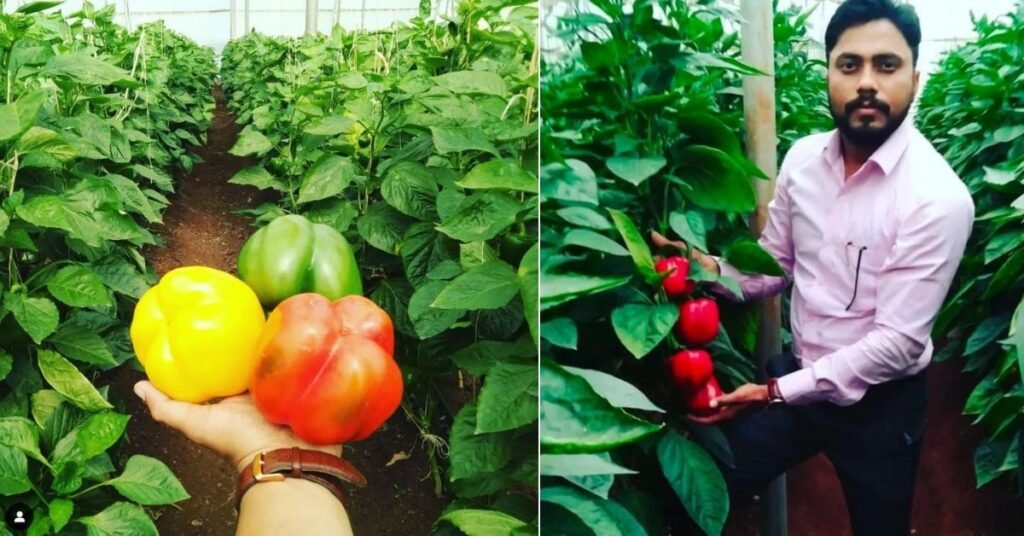
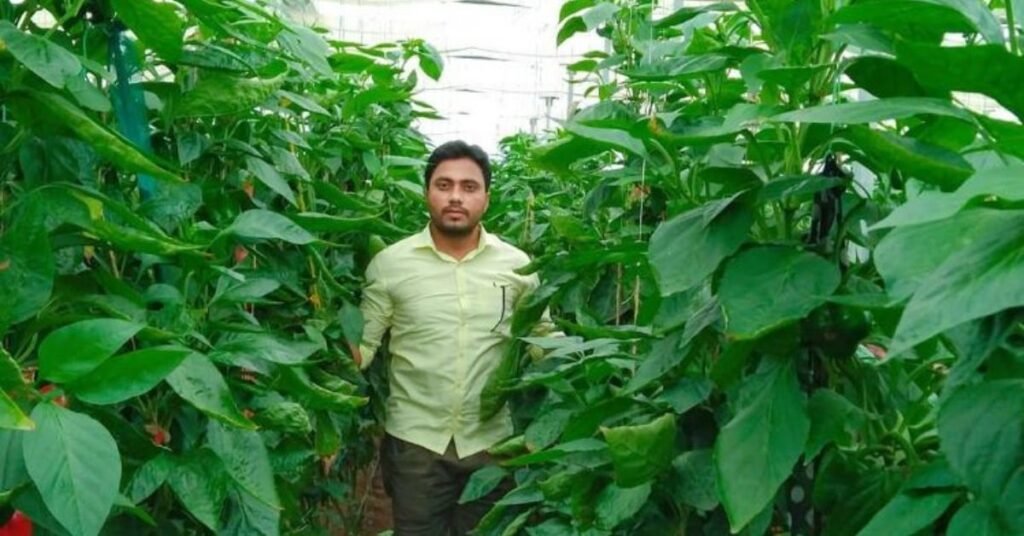
With no formal training in agriculture, Suhas saw an untapped opportunity in exotic vegetable farming. Recognizing the growing demand for exotic vegetables in urban markets, he began experimenting with crops like red and yellow capsicum under polyhouse farming.

“What you cannot achieve on a 20-acre farm with traditional crops, you can do with just two acres if you choose the right crops and techniques,” says Suhas.

Cultivating a Green Revolution

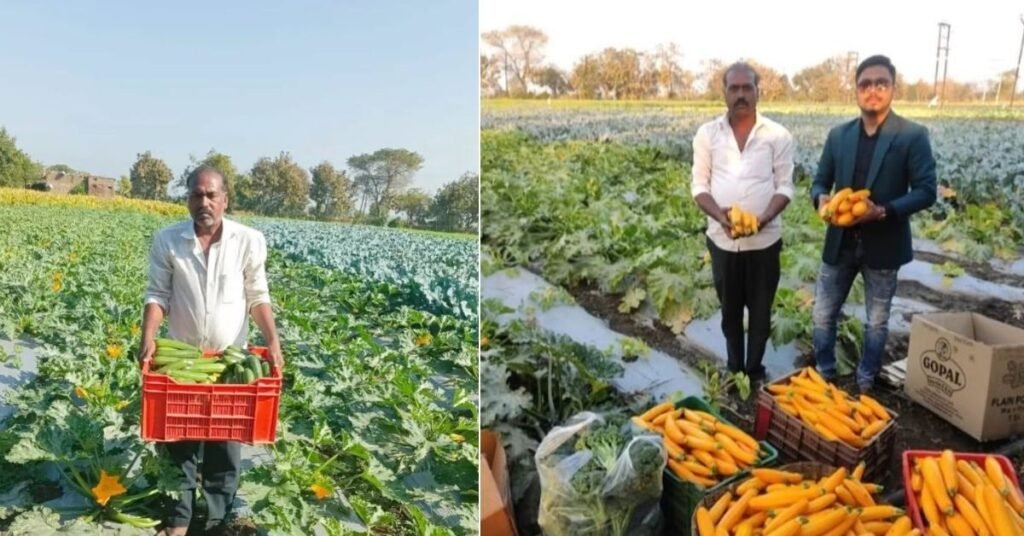
Suhas expanded his agricultural repertoire to include broccoli, red cabbage, zucchini, cherry tomatoes, and iceberg lettuce through open-field farming. The economic results were astonishing. For instance, one acre of red cabbage yielded around 16,000 plants, producing approximately 8,000 kilograms of produce that sold for Rs 80-100 per kilogram. This translated to an impressive revenue of Rs 8 lakh per acre within just three months—a stark contrast to the Rs 25,000 earned over six months from traditional soybean farming.

However, the journey was not without hurdles. “Exotic farming requires efficient irrigation and water management,” Suhas explains. Leveraging high-tech farming equipment, he implemented drip irrigation to conserve water, a precious resource in agriculture. Flood irrigation was never an option due to its inefficiency and high water wastage.

How a Former Corporate Employee Helped 30,000 Farmers Earn 4X with Exotic Vegetable Farming

Empowering 30,000 Farmers

Suhas’s journey did not end with his own success. In 2021, he established a Farmer Producer Organization (FPO) named ‘Rudrayani Agro India’ to support small and marginal farmers. This initiative provided collective bargaining power and better market access. Collaborations with companies like Reliance Fresh enabled farmers to sell their produce in lucrative urban markets such as Mumbai, Pune, and Bengaluru.

Through regular training sessions and community engagement, Suhas motivated local farmers to diversify into exotic vegetable farming. His efforts have helped over 30,000 farmers boost their income fourfold.

One of these farmers is Swapnil Kokare, who owns a four-acre farm. Inspired by Suhas, he dedicated two acres to sugarcane and two acres to zucchini cultivation. “Sugarcane takes 1.5 years to mature and earns around Rs 3 lakh. With exotic vegetables like zucchini, I can earn the same amount in just two months,” Swapnil shares.

Swapnil added, “I used to grow ladyfingers and brinjals on a small scale, but exotic vegetables have a more lucrative market with little competition. Suhas ji not only taught me how to cultivate these crops but also helped me market the produce in Mumbai. He keeps us updated daily about market rates.”

Redefining Farming in Maharashtra

Beyond personal financial gains, Suhas finds his greatest satisfaction in witnessing the transformative impact on the lives of fellow farmers. “Venturing into exotic farming has increased their annual incomes by four times. My mission remains to dismantle the notion that small landholders cannot thrive,” he emphasizes.

Suhas continues to expand his network by collaborating with agricultural officers and farmer groups across Maharashtra. He routinely meets produce collectors and leverages social media to inspire others to join the movement.

A Vision Rooted in Hope

As he stands among his vibrant crops, Suhas reflects on his journey. “Whether it’s celery or red cabbage, every seed sown in these fields tells a story of growth and hope,” he says. His vision is not just about cultivating exotic vegetables; it’s about nurturing a sustainable and prosperous future for farmers across Maharashtra.

Suhas Bali’s remarkable journey is a testament to the power of resilience, innovation, and community empowerment. His story continues to inspire farmers and entrepreneurs alike to dream big and cultivate success from the ground up.

Safeguarding Genetic Resources for a Sustainable Future

0

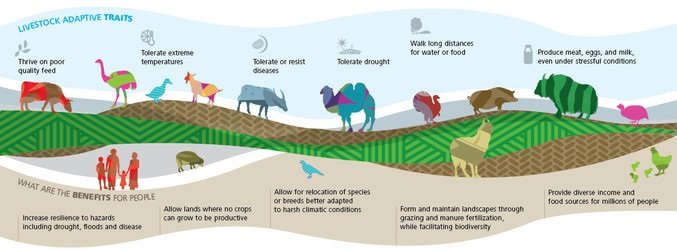
Genetic resources—both animal and plant—are the foundation of sustainable food production and global nutrition. They serve as the backbone of livestock development and agricultural resilience, playing a pivotal role in food security. With nearly 70 percent of the rural poor depending on livestock for their livelihoods, the management of these resources is essential for ensuring sustainable agricultural systems.

The Role of Animal Genetic Resources in Food Security

Animal genetic diversity contributes significantly to food security. Livestock provides essential nutrients and serves as a crucial food source for many communities. Beyond direct consumption, animals support agricultural practices through manure production, land tilling, and even pollination. The genetic diversity within livestock species enhances resilience against diseases and climate change, ensuring long-term agricultural sustainability.

The Global Plan of Action for Animal Genetic Resources

The Global Plan of Action for Animal Genetic Resources provides a strategic framework for managing livestock diversity. It focuses on four key areas:

  1. Characterization, Inventory, and Monitoring: Understanding the genetic diversity of livestock breeds and their unique traits.
  2. Sustainable Use: Ensuring that animal genetic resources are utilized in a way that enhances productivity while maintaining genetic diversity.
  3. Conservation: Preventing the loss of valuable genetic traits by preserving diverse breeds for future generations.
  4. Policies and Capacity Building: Strengthening institutional frameworks and policies to support effective genetic resource management.

National Responsibilities in Genetic Resource Management

National governments play a central role in implementing the Global Plan of Action. They must address technical and policy issues related to genetic resource management by integrating animal genetics into broader socio-economic and natural resource strategies. This approach ensures the protection and sustainable use of genetic diversity while fostering rural development.

Threats to Plant Genetic Resources

Plant genetic resources face significant threats due to agricultural homogenization. Although around 6,000 plant species have been cultivated for food, 60 percent of global crop production relies on just nine crops. This reliance on a limited number of species heightens the risk to food security. According to the Food and Agriculture Organization (FAO), plant diversity is particularly at risk in regions such as southern Africa and the Caribbean.

In-Situ and Ex-Situ Conservation Strategies

To protect plant genetic diversity, two major conservation strategies are employed:

  • In-Situ Conservation: Preserving plant species in their natural habitats. However, approximately 42 percent of surveyed plant species are currently threatened.
  • Ex-Situ Conservation: Storing genetic material in controlled environments such as seed banks. While effective, this approach faces significant challenges, as many countries lack the necessary infrastructure and support to maintain these repositories effectively.

Climate Change and Agricultural Diversity

Climate change poses a severe threat to agricultural biodiversity. Erratic weather patterns disrupt crop yields and reduce genetic diversity. Many nations struggle to assess and mitigate these impacts due to limited resources and unreliable seed supplies. The lack of access to diverse seeds and planting materials, especially in the wake of natural disasters, further exacerbates the problem.

Case Study: India’s Seed Hubs Initiative

Recognizing the importance of genetic diversity, India’s Ministry of Agriculture launched a seed hub initiative to enhance pulse production. By developing high-yielding seed varieties and improving distribution networks, pulse production increased dramatically from 14.76 million tonnes to 24.42 million tonnes over a decade. This initiative highlights the power of strategic planning in bolstering agricultural resilience.

A Path Forward: Strengthening Management Practices

The effective management of both animal and plant genetic resources is vital for the future of sustainable agriculture. Collaboration among governments, institutions, and local communities is necessary to safeguard genetic diversity, enhance food security, and build resilience against environmental changes. Investing in conservation strategies, policy development, and scientific research will ensure that future generations continue to benefit from the rich diversity of our planet’s genetic resources.

Social Protection Data Pooling Exercise: Enhancing Welfare Coverage in India

0

India has made significant strides in expanding its social protection coverage, ensuring that a larger segment of the population benefits from welfare schemes. In a landmark initiative, the Ministry of Labour and Employment, in collaboration with the International Labour Organization (ILO), has embarked on a comprehensive data-pooling exercise aimed at strengthening the understanding and reach of social protection benefits across the country. Recent findings reveal that 65% of India’s population, approximately 92 crore individuals, are now covered by at least one social protection benefit.

Understanding the Social Protection Data Pooling Exercise

The data-pooling exercise commenced on 19 March 2025, focusing on consolidating information from various central government schemes, including MGNREGA (Mahatma Gandhi National Rural Employment Guarantee Act), Employees’ Provident Fund (EPF), and Employees’ State Insurance (ESI). Over 200 crore records were meticulously processed using encrypted Aadhaar as a unique identifier to streamline the identification of beneficiaries. This initiative not only aims to highlight unique beneficiaries but also seeks to optimise welfare spending by reducing redundancy and ensuring accurate disbursement.

Coverage Statistics: A Remarkable Growth

According to the ILO’s World Social Protection Report 2024-26, India’s social protection coverage has seen a remarkable upward trajectory. The coverage expanded from 24.4% in 2021 to 48.8% in 2024, encompassing both cash and in-kind benefits. However, the report’s assessment may still underestimate the true extent of coverage, as it does not fully account for in-kind benefits such as food security and housing schemes.

State-Level Collaboration and Data Consolidation

Collaboration with state governments has been a crucial element of this data consolidation exercise. Labour departments across various states have been instrumental in compiling and sharing relevant data. The initial phase of the project includes Uttar Pradesh, Rajasthan, Maharashtra, Madhya Pradesh, Tamil Nadu, Odisha, Andhra Pradesh, Telangana, Karnataka, and Gujarat. These states were selected for their large population base and active implementation of social welfare schemes.

Impact and Future Prospects

This comprehensive data pooling initiative is poised to enhance India’s reputation as a global leader in social protection. By identifying unique beneficiaries, state and central governments can better manage social protection schemes, minimise leakage, and ensure that resources reach the intended recipients. Moreover, this accurate and streamlined data system will strengthen India’s stance in international trade and social security negotiations, projecting the country as a model for welfare management.

Expansion of the Employees’ State Insurance Scheme

In a significant development, the Employees’ State Insurance Corporation (ESIC) recently expanded its coverage within Uttar Pradesh, including 15 additional districts under the ESI Scheme. With this expansion, 74 out of 75 districts in the state are now covered, marking a pivotal step towards enhancing social security for workers. This reflects India’s ongoing commitment to broadening the scope of its welfare schemes.

Summing Up

India’s Social Protection Data Pooling Exercise represents a monumental step towards ensuring that welfare benefits reach those who need them the most. By leveraging technology and fostering state-centre collaboration, the initiative is set to optimise welfare spending and enhance the effectiveness of social protection schemes. As India continues to expand its coverage and streamline its processes, it stands as a beacon of progress in global social security frameworks.