Home Blog Page 346

Kashmiri Artist Quits Corporate Job to Create Art from Discarded Animal Bones & Fallen Wood

0

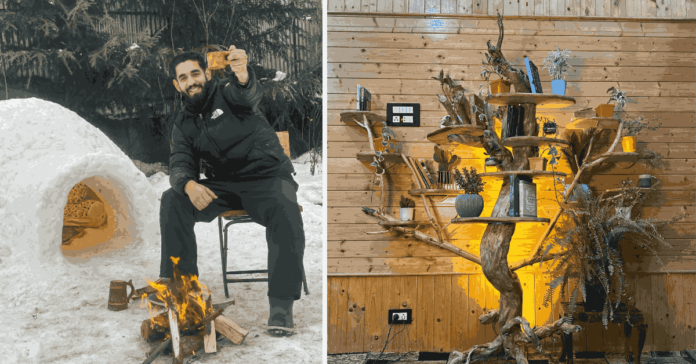
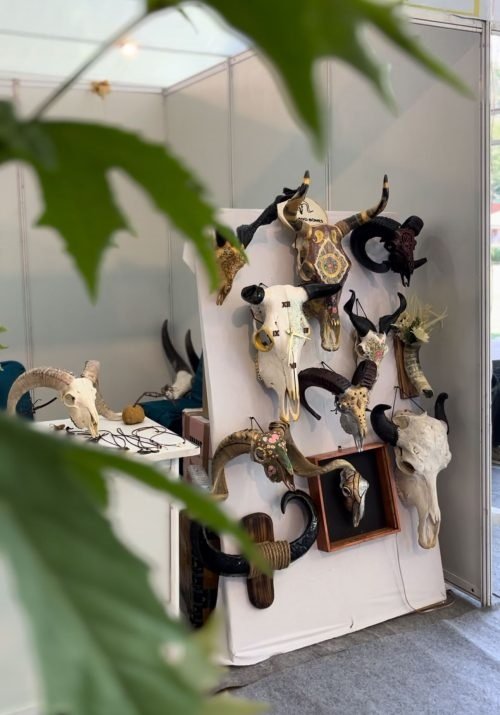
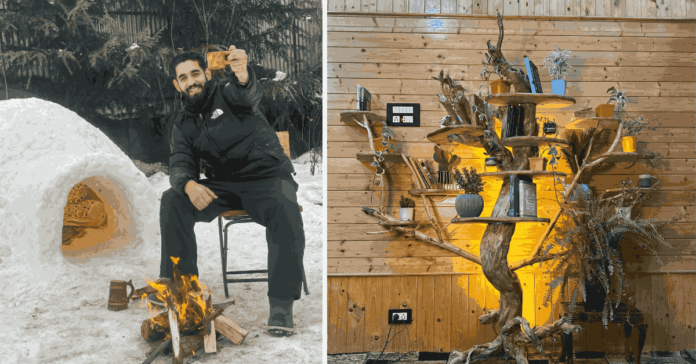
In a world where most see waste, Aziz Ul Rehman sees opportunity. Hailing from the serene Gulab Bagh area of Srinagar, this 25-year-old Kashmiri artist left the security of a corporate job to pursue a passion that has since captured the hearts of thousands. Transforming discarded animal bones, fallen wood, metal scraps, and other unconventional materials into breathtaking art, Aziz has turned a once-doubted dream into a global sensation.

Carving a New Path

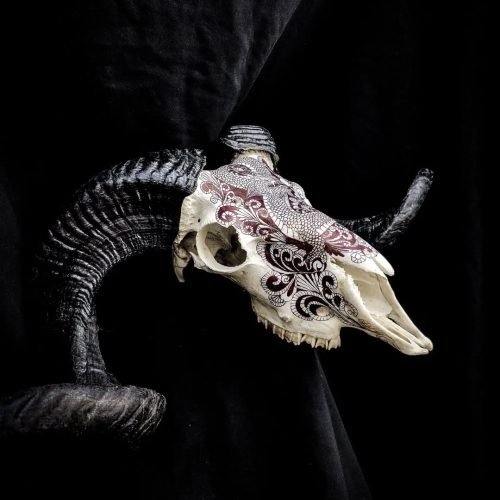
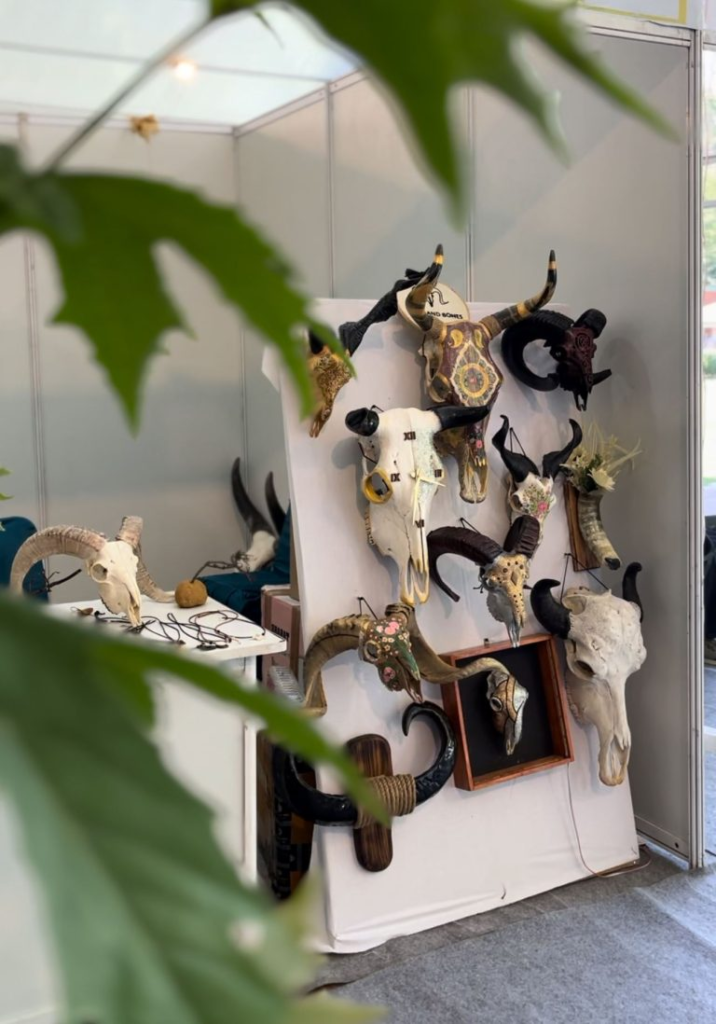
For Aziz, bones and wood are not mere remnants of the past—they are canvases waiting to tell stories. In his dimly lit workshop, he often runs his fingers over a discarded sheep skull or a fallen tree branch, envisioning the masterpiece it could become. With intricate carvings and detailed craftsmanship, these forgotten materials evolve into stunning wall decor, table pieces, and even jewelry.

The Birth of Stick and Bones

Aziz’s journey from a corporate employee to a full-time artist wasn’t without hurdles. In 2021, yearning for a deeper connection with his creative self, he founded his brand, Stick and Bones, dedicated to turning waste into meaningful art. Initially juggling both his job and his passion, he made a life-changing decision in 2024 to fully commit to his craft.

“Something didn’t feel right,” Aziz recalls. “I wanted to create not just for the love of art but to inspire others who dream of pursuing unconventional careers in arts and crafts.”
Kashmiri Artist Quits Corporate Job to Create Art from Discarded Animal Bones & Fallen Wood

A Viral Turning Point

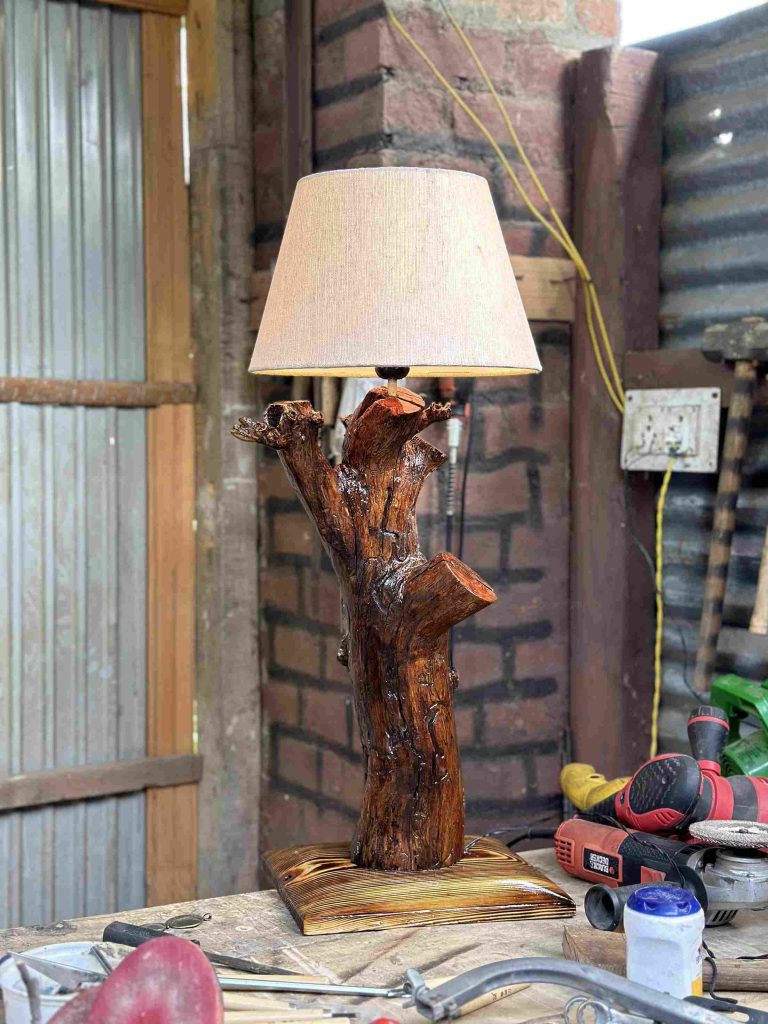
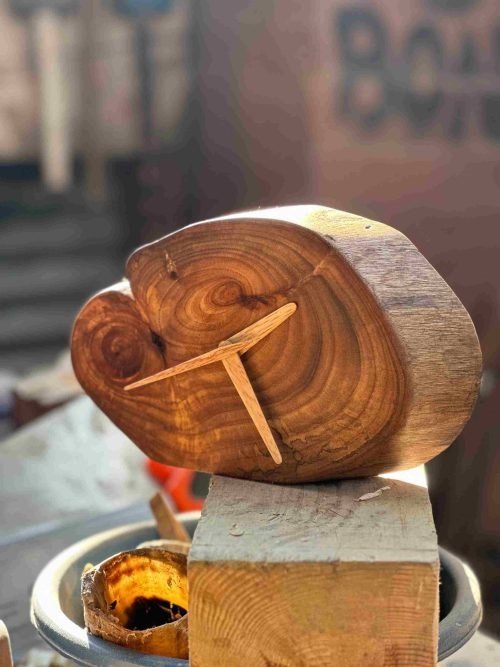
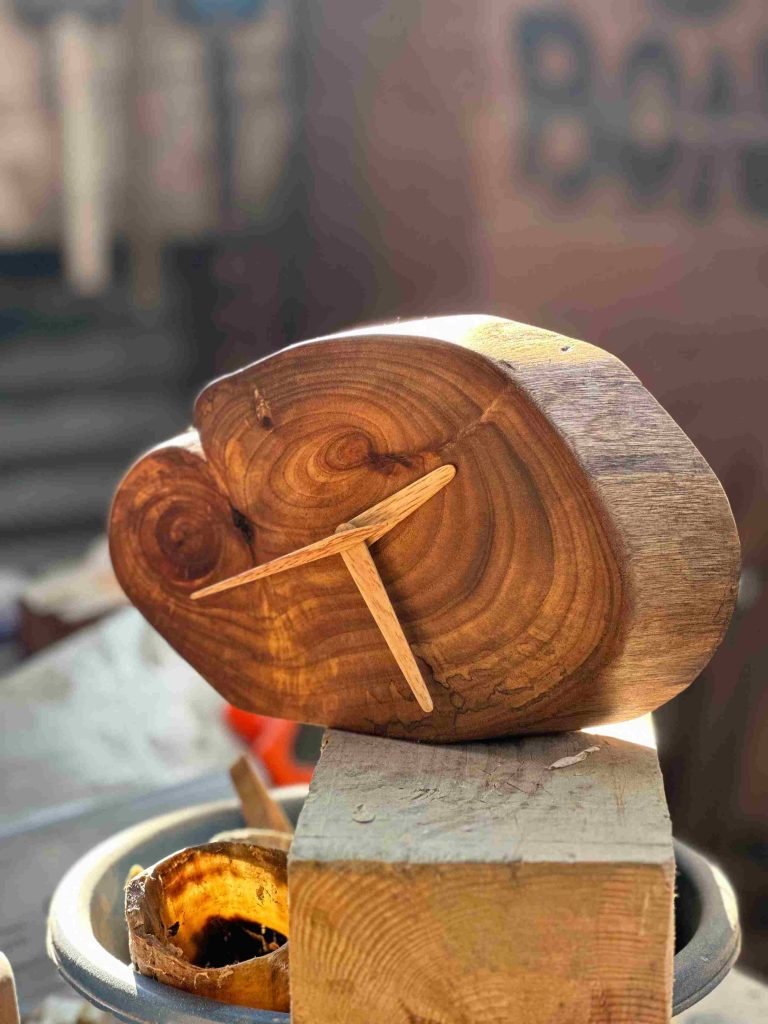
Despite his talent, Aziz’s work initially reached only a limited audience. His breakthrough came with a rustic table lamp crafted from a discarded piece of wood found in his backyard. Meticulously shaped and manually carved, the piece was transformed into a functional work of art.

“No one thought a simple wicker-wood hat and waste wood could create something so beautiful,” he shared. When he posted a reel of its making on Instagram, the video went viral overnight, bringing in 40,000 followers and catapulting his work into the global spotlight.

Defying Criticism, Redefining Art

As a master’s student in ichthyology, Aziz faced harsh criticism for choosing art over a stable career. Friends and family questioned his decisions, with many urging him to reconsider.

“I remember people laughing at me and calling it a useless dream. But I kept carving those bones and wood pieces with unwavering dedication,” Aziz said.

One person who never doubted him was his brother, Khaleel. “He always saw the world differently. He doesn’t follow trends; he creates them. His art isn’t just beautiful; it tells a story,” Khaleel said. “He earns his living through his passion, and he has kept his prices affordable so everyone can own a piece of his art.”

Recognition and Government Support

Aziz’s innovative work soon gained government recognition. Former Director of Handicrafts and Handlooms, Mahmood Ahmad Shah, applauded Aziz’s ability to fuse Kashmir’s rich heritage with sustainable art.

“His art is truly unique. Many artists turn waste into art, but Aziz adds a cultural narrative, making each piece significant and responsible,” Shah noted. Aziz’s work was even exhibited at the Kashmir Arts Emporium in 2023.

Leaving a Lasting Legacy

From fallen trees to intricate wall decor infused with heritage, Aziz Ul Rehman is not just an artist; he is a storyteller. His workshop in Srinagar, built with his own hands and funded by his own earnings, stands as a testament to his resilience and creativity.

“I have sold over 2,000 articles, both big and small,” Aziz reflects. “Every piece is the result of hard work and dedication. And this is just the beginning.”

With passion, persistence, and an unshakable belief in his craft, Aziz Ul Rehman continues to redefine what it means to turn waste into wonder. His journey is not just about creating art; it is about inspiring others to see the extraordinary in the ordinary.
Kashmiri Artist Quits Corporate Job to Create Art from Discarded Animal Bones & Fallen Wood

0

Most people discard animal bones without a second thought, treating them as little more than waste. But in a small, dimly lit workshop in Srinagar, Kashmir, Aziz Ul Rehman sees them as something entirely different. To him, they are untold stories, raw canvases waiting to be transformed into intricate masterpieces. As he runs his fingers over a discarded sheep skull, its curling horns still intact, he envisions the art it could become. Where others see scraps, he sees potential.

From Corporate Job to Creative Calling

Aziz hails from the Gulab Bagh area of Srinagar, a place steeped in tradition but not necessarily in the kind of artistry he has chosen to pursue. At just 25, he made a bold decision—one that many would consider unconventional. After spending five months in a corporate job that never quite felt right, he walked away from financial security to embrace his true calling: turning waste into art.

He founded Stick and Bones, a brand that specializes in sustainable and unconventional artistry. His most intriguing and unique raw material? Animal bones. Aziz is likely the first artist in Kashmir to specialize in bone art, crafting stunning wall décor, table pieces, and jewelry from discarded remains. But he doesn’t stop there. His work also incorporates coconut shells, metal scraps, porcupine quills, feathers, and even reclaimed wood from fallen trees.

The Viral Turning Point

Kashmiri Artist Quits Corporate Job to Create Art from Discarded Animal Bones & Fallen Wood

Initially, Aziz’s artistry remained within a small circle of admirers. He shared his work on Instagram, but with limited content and only around 8,000 followers, his reach was modest. Then, everything changed with a single creation—a rustic table lamp crafted from a discarded piece of wood he found in his backyard.

He chiseled and shaped the wood, manually carving a plank to serve as the base. Once the structure was complete, he carefully added lights, transforming what was once waste into a warm and functional piece of art.

“No one expected that a lamp could be made out of waste wood, let alone something as simple as a wicker-wood hat,” Aziz recalls. The uniqueness of the piece captivated people, and when he posted the making-of video on Instagram, the response was staggering. The reel went viral overnight, bringing him 40,000 new followers in a matter of hours.

Suddenly, the world was watching.

Defying Doubts and Crafting His Own Destiny

Kashmiri Artist Quits Corporate Job to Create Art from Discarded Animal Bones & Fallen Wood

Pursuing art as a career was not without its challenges. As a master’s student in ichthyology, Aziz faced significant criticism from those who believed he was throwing away a stable future. His parents doubted him. Friends and relatives dismissed his dream as impractical.

“I still remember people laughing at what I did, telling me it was a useless pursuit,” he says. “But I picked up the discarded bones and wood anyway. I kept carving, kept creating, and with every piece, I proved them wrong.”

Through it all, there was one person who never wavered in his belief: Aziz’s older brother, Khaleel.

“I always knew he would take things to a different level,” Khaleel says. “He doesn’t follow trends. He doesn’t create for the sake of profit. He creates because he sees the world differently. Every piece he makes tells a story, and what sets him apart is his dedication to showing the process as much as the final masterpiece.”

Art Meets Heritage

Kashmiri Artist Quits Corporate Job to Create Art from Discarded Animal Bones & Fallen Wood

As Aziz’s work gained global recognition, it caught the attention of the local government, which praised his innovative approach to art. But he wasn’t content with simply repurposing waste. He wanted to create something that connected to his roots. That’s when he started incorporating traditional Kashmiri papier-mâché techniques into his bone carvings, fusing sustainability with heritage.

In 2023, his work was exhibited at the prestigious Kashmir Arts Emporium. Mahmood Ahmad Shah, the former Director of Handicrafts and Handlooms, commended his artistry, stating:

“While many have reinvented art using waste materials, what makes Aziz’s work unique is how seamlessly he integrates Kashmir’s cultural heritage into each piece. When art is sustainable, it carries both meaning and responsibility.”

A Legacy in the Making

From discarded bones and fallen trees to exquisite wall décor and handcrafted jewelry, Aziz Ul Rehman isn’t just creating art—he’s redefining it. With resilience and passion, he has built his craft from the ground up. He started with nothing—no tools, no proper workspace. Using his own savings, he built a small shed in his backyard and began collecting hand tools, investing every penny he earned back into his art.

To date, Aziz has sold over 2,000 unique pieces, each one a testament to his dedication and ingenuity. His workshop at home remains the heart of his creations, a space where waste transforms into wonder.

And this, he says, is just the beginning.

How the ISS Keeps Astronauts Safe for Months in Space

0

Imagine living in a floating laboratory, 408 kilometers above Earth, where sunrise and sunset occur every 90 minutes, and gravity is a thing of the past. This is the daily reality for astronauts aboard the International Space Station (ISS), a marvel of human engineering and international collaboration. Built by NASA, ESA, Roscosmos, JAXA, and the Canadian Space Agency (CSA), the ISS has served as a home for astronauts for over two decades, playing a crucial role in shaping the future of space exploration.

Why Do We Need the ISS?

“The basic reason for having the space station is to understand the possibilities of human survival on the Moon and Mars,” explains Rachna Arora, a Physics Educator at Shiv Nadar School. The ISS also enables research on how microgravity affects human biology and the potential for growing crops in space, key elements for long-term space missions.

The Unexpected Stay of Butch Wilmore and Sunita Williams

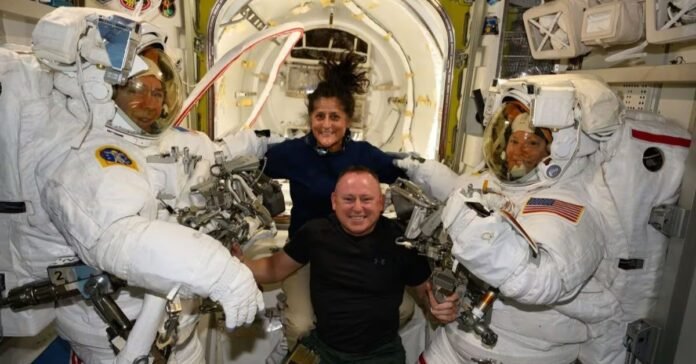
Astronauts Butch Wilmore and Sunita Williams were set for an eight-day mission aboard the Boeing Starliner (CST-100), a spacecraft designed for crew transport. However, their return was delayed due to a helium leak in the propulsion system, making re-entry unsafe. “Entering and leaving Earth is very risky, and this spacecraft faced a helium leakage, so it could not leave the ISS,” explains Rachna. They ultimately returned aboard SpaceX’s Crew Dragon capsule after spending an unexpected nine months in space.

Survival in Space: How Did They Manage?

Despite the extended mission, the ISS had ample supplies for Wilmore and Williams. “The ISS is equipped to sustain up to six astronauts, so they had enough food stored according to microgravity conditions,” says Rachna. Their diet consisted of specially packaged foods and nutrient-rich fluids to counteract the effects of space travel.

Microgravity takes a toll on the human body. “The heart doesn’t need to push blood as hard, so it becomes slightly spherical,” Rachna explains. “Bone density reduces, and muscles weaken, which is why astronauts exercise rigorously.” Upon returning, astronauts undergo medical tests to monitor these effects. “Sunita Williams will need continuous monitoring, including chest X-rays multiple times a day, to assess radiation exposure,” she adds. Most biological changes can be reversed with proper medical care, except for minor genetic variations.

How the ISS Keeps Astronauts Safe

Living in space poses unique challenges, but the ISS is designed with multiple safety measures:

  1. Shielding Against Space Radiation
    • Protective materials like aluminum, Kevlar, and polyethylene absorb harmful radiation.
    • Astronauts wear dosimeters to track exposure, and certain areas of the ISS provide extra shielding.
  2. Health & Fitness in Microgravity
    • Astronauts exercise for two hours daily to maintain muscle mass and bone density.
    • Regular medical checkups and telemedicine support ensure their well-being.
    • Water is recycled from sweat and breath, while meals are carefully planned for essential nutrition.
  3. Emergency Preparedness
    • Escape pods such as SpaceX’s Crew Dragon or Russia’s Soyuz capsule serve as emergency exit vehicles.
    • Automated sensors detect smoke, fire, or cabin pressure drops.
    • The station’s outer walls have Whipple Shields to absorb impacts from space debris.
  4. Spacewalk Safety (EVAs)
    • Astronauts wear pressurized suits for protection against extreme temperatures and vacuum conditions.
    • Tethers and safety gear prevent accidental drifting, while an emergency jetpack (SAFER) aids return if needed.
  5. Mental Well-Being
    • Regular communication with family and mission control helps astronauts stay connected.
    • Psychological support and stress management training are essential for coping with isolation.

Who Can Become an Astronaut?

Dreaming of space travel? Here’s what it takes to become an astronaut:

  1. Educational Background
    • A master’s degree in STEM (Science, Technology, Engineering, Mathematics).
    • Specializations in aerospace engineering, physics, biology, or computer science.
    • A medical degree or test pilot school training can also qualify.
  2. Work Experience
    • At least two years of professional experience in a relevant field.
    • Pilots must have 1,000+ hours of jet aircraft flight experience.
    • Hands-on experience in research, engineering, or space technology is highly valued.
  3. Physical & Mental Fitness
    • Excellent physical health, normal blood pressure, and good vision.
    • Endurance training for microgravity conditions.
    • Psychological resilience to handle isolation and high-pressure decision-making.

Many astronauts come from military backgrounds due to the rigorous training required. “There are so many variables in space—from debris to solar flares. You must be prepared for anything,” Rachna adds.

The Future of Space Exploration

While space travel remains a privilege for a select few, the ISS continues to pave the way for future Moon and Mars missions. Research conducted aboard the station is bringing us closer to a time when humans might establish permanent settlements beyond Earth. As technology advances, the question remains: will living beyond our planet become a reality in our lifetime? Only time will tell.

How to Grow Giant Noorjahan Mangoes: Expert Tips from a Farmer in Katthiwada, MP

0

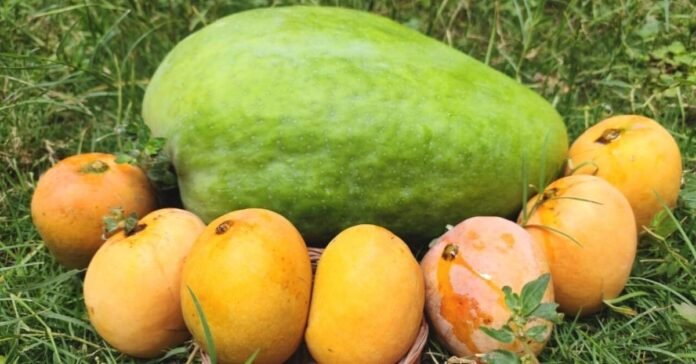
What’s summer without mangoes? As the heat intensifies, so does the country’s love for the king of fruits. While varieties like Alphonso, Banganapalli, Dasheri, Kesar, Langra, and Totapuri dominate the Indian market, a rare gem has been making waves in Madhya Pradesh—the Noorjahan mango.

Weighing between 3 to 3.5 kilograms and growing up to one foot in length, Noorjahan mangoes are a marvel of nature that have now become the talk of the town.

The Journey of Noorjahan: From Afghanistan to India

This magnificent mango, named after the Mughal queen Noor Jahan, has a regal history. It is believed to have made its way to India centuries ago from Afghanistan, passing through Gujarat before finding its ideal home in Madhya Pradesh’s Katthiwada region. The unique soil, climate, and weather conditions of this region contribute to the mango’s exceptional size, flavour, and texture.

These mango trees begin to flower in January or February, and by June, the massive golden fruits are ready for harvest.

The Farm Behind Noorjahan’s Fame

One of the most renowned farms cultivating Noorjahan mangoes is Noorjahan Mango Farms in Katthiwada, managed by Shivraj Singh Jadav. “My father started this farm back in 1965, using a single graft of this variety,” Shivraj shares.

Although Noorjahan mangoes were locally known for decades, it was only recently that they gained national and international fame, thanks to viral social media posts showcasing their enormous size. Shivraj’s father was even featured on national television between 1978 and 1981, helping the farm gain regional recognition.

Noorjahan’s Global Reach

Today, Noorjahan mangoes have gone beyond Indian borders. “A plant that my father cultivated in our backyard now has a worldwide reach,” Shivraj says proudly.

With its juicy, saffron-like flavour and delicate skin, Noorjahan has gained popularity in the global market, particularly in the US and UK, where demand for exotic and premium mangoes is high.

How to Grow Noorjahan Mangoes: A Step-by-Step Guide

Inspired by the grandeur of Noorjahan mangoes? Here’s how you can cultivate this royal variety in your own backyard:

1. Selecting the Graft

The first step is obtaining a healthy Noorjahan graft. Noorjahan Mango Farms in Katthiwada is a well-known supplier. S R Thakur, a nursery grower from Nagpur, confirms, “I procured a Noorjahan graft from Shivraj’s farm years ago to prepare saplings. They sell very well.”

2. Choosing the Right Location

Noorjahan mango trees thrive in fertile, well-drained soil. They require ample sunlight and moderate rainfall. The ideal soil should be slightly acidic to neutral to support optimal growth.

3. Planting the Tree

Once you have the graft, plant it in prepared soil, ensuring adequate spacing. Noorjahan mango trees can grow up to 50 feet high, so they need room to spread their roots and branches.

4. Watering and Maintenance

During flowering and fruit-bearing seasons, Noorjahan mango trees need regular but controlled watering. Overwatering should be avoided to prevent root rot. Prune the tree periodically to remove dead or damaged branches and encourage new growth.

5. Pruning for Better Yield

Since these mango trees can grow tall, regular pruning is essential. Removing excess branches improves air circulation and sunlight penetration, leading to better fruit production.

6. Harvesting the Royal Fruit

After five years of care and patience, the Noorjahan mango tree will start producing fruit. The mangoes mature around June, and due to their enormous size, they must be carefully handpicked to prevent bruising.

A Regal Delight for Mango Lovers

Even as mango lovers across the world crave Alphonso and Kesar, Noorjahan stands out as an extraordinary variety, both in size and flavour. Whether you’re a farmer looking to cultivate this rare gem or a fruit lover eager to taste its saffron-like richness, Noorjahan mangoes truly embody the grandeur of their royal namesake.

Watch: The Genius Design Keeping This Bengaluru Home Cool Without AC!

0

In the heart of Bengaluru, Sathya Prakash Varanashi has crafted a masterpiece of sustainable living—the Varanashi House. Designed as a sanctuary for his wife, Ishala, and daughters, Gauri and Siri, this home is a testament to thoughtful architecture that seamlessly integrates nature, comfort, and sustainability. By eliminating the need for air conditioning, Varanashi has demonstrated how intelligent design can keep a home naturally cool while reducing environmental impact.

A Home That Breathes

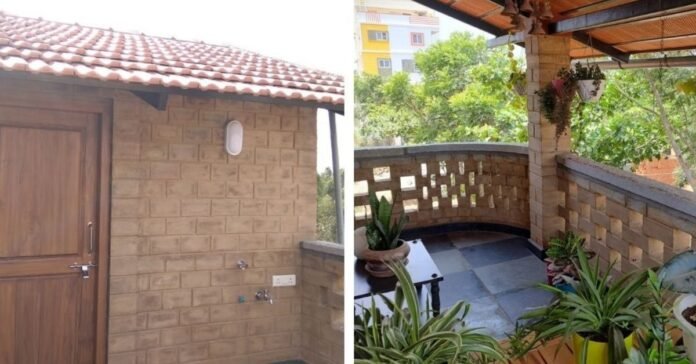
Instead of using heat-absorbing cement walls, Varanashi opted for hollow clay blocks, which naturally regulate temperature, ensuring warmth in winter and coolness in summer. The home embraces cross ventilation, displacement ventilation, and body-level breeze, allowing hot air to escape through strategically placed openings. Sliding doors blur the lines between the indoors and the lush garden, inviting natural airflow and enhancing the sense of openness.

Merging Functionality with Aesthetic Appeal

The Varanashi House is a tribute to both functionality and artistry. French windows flood the interiors with natural light while ensuring ample ventilation. Recycled pine wood and thick granite stone, used for the kitchen and stairs, add an earthy charm, reinforcing the home’s commitment to eco-conscious choices. The result? A space that is not only visually stunning but also two to three degrees cooler in summer, proving that sustainability and comfort can go hand in hand.

Water as the Lifeline of the Home

Water plays a pivotal role in the home’s climate control. A serene fish pond, cascading streams, and an open well contribute to temperature regulation and groundwater recharge. Adding to the ecological harmony, a flourishing garden blooms above the car porch, while a 15,000-litre rainwater harvesting system beneath it ensures a sustainable water supply for daily needs.

Sustainability in Every Corner

Stepping inside, the house radiates warmth and tranquility. Red oxide floors, pine wood interiors, and a natural chimney eliminate the need for artificial cooling. Every detail echoes Varanashi’s belief that a house should be an extension of the lives it shelters. “A house truly becomes a home when it manifests the way the family lives in it,” he reflects.

A Living Legacy of Sustainable Design

Even after 21 years, the Varanashi House remains low-maintenance, comfortably cool, and an enduring example of sustainable living. More than just a residence, it is a living model of how architecture can create a harmonious and eco-friendly environment that withstands the test of time. Through its innovative yet simple design, this home continues to inspire a future where sustainability and comfort coexist effortlessly.

US Eyes Indian Market for Soybean, Corn, and Cotton Amid Shifting Trade Landscape

0

The United States is actively seeking greater access to the Indian market for three key agricultural commodities—soybean, corn, and cotton. This interest has grown in response to former US President Donald Trump’s calls for equal tariffs on Indian exports. Given that the US agricultural sector heavily depends on exports—amounting to nearly $62 billion in 2022—India presents a promising new market amid shifting global trade patterns.

Changing Trade Dynamics

For years, China has been the largest importer of US soybeans and cotton. However, between 2022 and 2024, Chinese purchases declined sharply:

  • Soybean imports fell from $17.9 billion to $12.8 billion.
  • Cotton imports dropped from $2.9 billion to $1.5 billion.
  • Corn imports plunged from $5.2 billion to $328 million.

With China reducing its dependence on US agricultural goods, Mexico and Japan have emerged as dominant buyers of US corn. This shift has prompted the US to explore India as a potential new market for these crops.

India’s Growing Demand for Animal Products

A US Department of Agriculture (USDA) report suggests that India’s population growth and rising per capita GDP will fuel an increase in animal product consumption. This, in turn, will drive demand for livestock feed, particularly corn and soybean. Projections indicate that India’s domestic corn consumption could reach 98 million tonnes by 2040 and 200.2 million tonnes by 2050 under high-income growth scenarios.

Import Projections for Corn and Soybean

India’s potential imports of corn and soybean meal highlight a significant demand shift. If India experiences rapid economic growth:

  • Corn imports could reach 46 million tonnes by 2040.
  • Soybean meal imports might hit 19 million tonnes in the same period.

However, moderate growth would reduce these figures, demonstrating the role of economic conditions in shaping import needs. At present, India levies a 45% customs duty on soybean and 50% on corn, alongside restrictions on genetically modified (GM) products—factors that could influence future trade negotiations.

Transformation in Cotton Trade

Once the leading global cotton exporter, the US has been overtaken by Brazil in recent years. Meanwhile, India’s cotton production has fluctuated, hitting a 16-year low of 29.9 million bales. Although the introduction of genetically modified (GM) cotton hybrids initially boosted production, the lack of new GM technology approvals has contributed to declining yields.

As a result, India is projected to import 3 million bales of cotton in 2024-25, creating a potential growth opportunity for US cotton exports.

Impact on Indian Agriculture

The possibility of increased imports of US corn, soybean, and cotton presents both opportunities and challenges for Indian agriculture:

  • Pros: Improved food security and support for the livestock sector.
  • Cons: Potential dependency on foreign crops and the shift of India from a net exporter to a net importer of cotton.

Conclusion: A New Era in US-India Agricultural Trade?

With shifting global trade dynamics and India’s evolving consumption patterns, the US sees an opportunity to expand its agricultural exports into the Indian market. However, factors like import duties, GM crop regulations, and domestic production trends will play a crucial role in shaping the future of US-India agricultural trade relations. Whether India embraces more US imports or strengthens its domestic agricultural policies remains a key question in this evolving trade equation.

Battle Against Tuberculosis: Challenges and Future Directions

0

Tuberculosis (TB) remains a significant global health challenge. Despite medical advancements, it continues to affect millions of people each year. TB is primarily caused by the bacterium Mycobacterium tuberculosis (M.tb), which mainly targets the lungs but can also impact other organs, leading to severe health complications.

Types of Tuberculosis

TB can be classified into two main types – pulmonary TB and extrapulmonary TB. Pulmonary TB, the most common form, affects the lungs and is highly contagious. Extrapulmonary TB impacts other areas, such as the spine, brain, and kidneys. A particularly severe form, miliary TB, spreads throughout the body, leading to life-threatening complications.

Symptoms of Active Tuberculosis

Active TB presents several distinctive symptoms, including:

  • A persistent cough lasting over two weeks
  • Chest pain
  • Fatigue and unexplained weight loss
  • Fever, chills, and night sweats

In contrast, latent TB shows no symptoms, but infected individuals can still test positive and potentially develop active disease if their immune system weakens.

Transmission and Infection

TB spreads through airborne droplets when an infected person coughs or sneezes. The bacteria enter the lungs and can remain dormant for years. A compromised immune system can reactivate latent TB, leading to an active infection.

Immune Response to Tuberculosis

The human immune system plays a crucial role in combating TB. Macrophages, a type of immune cell, attempt to engulf the bacteria. However, M.tb has evolved mechanisms to survive and reproduce within these cells, making treatment challenging and prolonging infection.

Challenges in Treatment

While most TB cases respond well to antibiotics such as rifampicin and isoniazid, drug-resistant strains pose a major challenge. Multidrug-resistant TB (MDR-TB) requires more complex and prolonged treatment regimens, often with severe side effects. Early diagnosis and effective management strategies are crucial to controlling the disease.

Genetic Factors and Variations

Genetic variations in M.tb influence disease severity and transmission. For instance:

  • Lineage 1 is linked to lower fatality rates and evolved in low-density populations.
  • Lineage 2 thrives in high-density environments and is associated with more lethal infections.

Additionally, factors such as nutrition and overall health play a key role in determining TB outcomes.

Global Health Initiatives

Efforts to combat TB include:

  • Genomic surveillance programs to track M.tb variants and their spread.
  • Improved nutrition and healthcare access to reduce fatalities and enhance immune resilience.
  • Continued research for the development of personalized treatments and more effective diagnostic tools.

Future Directions

The fight against TB requires a multidisciplinary approach. Collaboration between scientists, clinicians, and public health professionals is vital to understanding and tackling the disease. Enhanced public health strategies, including vaccination programs and early detection initiatives, will be key to eradicating TB in the long run.

By prioritizing research, improving healthcare infrastructure, and fostering global cooperation, the world can move closer to overcoming tuberculosis once and for all.

India Strengthens Maritime Ties with Africa Through AIKEYME Naval Exercise

0

The Indian Navy is set to embark on a strategic maritime exercise named AIKEYME, aimed at enhancing defense cooperation with several African nations. This initiative aligns with Prime Minister Narendra Modi’s MAHASAGAR vision, which seeks to promote security and growth across regions. Scheduled to take place off the coast of Dar-es-Salaam, Tanzania, AIKEYME is a joint endeavor between the Indian Navy and the Tanzania People’s Defence Force, marking a significant step in bolstering regional maritime security.

Decoding AIKEYME: A Key Maritime Engagement

AIKEYME stands for Africa-India Key Maritime Engagement, a collaborative effort designed to strengthen maritime security and enhance interoperability among participating nations. The exercise will witness the participation of ten African countries: Tanzania, Comoros, Djibouti, Eritrea, Kenya, Madagascar, Mauritius, Mozambique, Seychelles, and South Africa.

Objectives: Aiming for Safer Waters

The primary goal of AIKEYME is to tackle pressing maritime security threats, including piracy, illegal fishing, and other transnational challenges. By fostering collaboration through information sharing and surveillance, the exercise aims to bolster the operational readiness of African navies. Moreover, capacity building and knowledge exchange will be key focal points, ensuring that regional naval forces are well-equipped to address security concerns effectively.

Structure of the Exercise: A Two-Phase Approach

AIKEYME will span six days and unfold in two distinct phases: the harbour phase and the sea phase.

  • Harbour Phase: This phase will include tabletop exercises focusing on piracy countermeasures and information-sharing strategies. Additionally, participating personnel will undergo training in seamanship and Visit Board Search and Seizure (VBSS) operations, crucial for enhancing operational coordination.
  • Sea Phase: This segment will put theoretical knowledge into action with practical drills, including seamanship evolutions, search and rescue operations, small-arms firing, and helicopter operations, all of which are essential for maritime security enforcement.

Indian Ocean Ship (IOS) Sagar Initiative: Expanding Cooperation

Complementing AIKEYME, the Indian Ocean Ship (IOS) Sagar initiative has been launched by the Indian Navy. As part of this program, INS Sunayna will be deployed to the southwest Indian Ocean with a combined crew from India and nine African nations. This initiative aims to enhance joint operational capabilities, fostering greater regional cooperation.

Training & Capacity Building: Preparing for the Future

A crucial element of AIKEYME is the training component, wherein personnel from the nine African nations will undergo an intensive two-week training capsule at various naval professional schools in Kochi, India. This training will prepare them for effective collaboration aboard INS Sunayna, ensuring seamless execution of joint operations.

Strategic Importance: India’s Role as a Security Partner

AIKEYME and IOS Sagar underscore India’s commitment to emerging as a preferred security partner in the Indian Ocean Region (IOR). These initiatives not only reinforce India’s role in regional security but also serve as a counterbalance to China’s growing influence in Africa. Moreover, by addressing pressing security threats such as piracy and emerging challenges posed by groups like the Houthi rebels, India is positioning itself as a reliable maritime ally for African nations.

Conclusion: Sailing Towards a Secure Future

Through AIKEYME and the IOS Sagar initiative, India is actively strengthening its maritime partnerships with Africa. By fostering defense collaboration, enhancing operational readiness, and ensuring safer waters, these exercises pave the way for a more secure and prosperous Indian Ocean Region. With this strategic outreach, India not only cements its presence as a maritime power but also reinforces its role as a dependable partner in global security initiatives.

Top 5 Things Every Family Should Prioritise for Long-term Stability

0

A secure and fulfilling life requires careful planning, from financial stability to health and strong family relationships. Prioritising key areas such as emergency funds, insurance, education, and retirement planning helps families stay prepared for the future.

This guide explores essential steps to build long-term security, ensuring peace of mind, personal growth, and a supportive environment for every family member.

Why Having a Long Term Stability is Essential?

Long-term stability is the key to a secure and fulfilling life. It provides financial resilience, ensures access to essential resources like healthcare and education, and fosters strong family bonds.

With a stable foundation, families can confidently handle unexpected challenges and plan for a better future. The top five priorities every family should focus on are to build a stable and prosperous future.

1. Financial Security & Emergency Planning

Financial stability is important for a secure future. Preparing for unexpected situations helps families stay stress-free.

Building an Emergency Fund

An emergency fund creates a financial cushion, ensuring that sudden expenses do not affect your regular finances.

  • Save at least three to six months’ worth of expenses.
  • Keep it in a liquid savings account for easy access.
  • Increase the amount over time as income grows.

Having Adequate Insurance Coverage

Insurance is an important part of financial security. It protects your family against unexpected financial burdens.

Type of InsurancePurpose
Health InsuranceComes with coverage for medical expenses and hospital bills.
Life InsuranceProvides financial security for dependents.
Disability InsuranceSupports income in case of job loss due to health issues.

Having the right insurance ensures stability even in difficult times.

2. Health & Well-being

A healthy family is a happy family. Prioritising health today prevents financial and emotional stress later.

Regular Health Check-ups

Preventive care helps identify health issues at an early stage. Every family member should go for routine health screenings.

  • Annual full-body check-ups.
  • Special screenings based on age and gender.
  • Dental and eye check-ups.

Maintaining a Balanced Lifestyle

Good health comes from daily habits. A balanced lifestyle keeps energy levels high and reduces health risks.

  • Maintain a healthy diet that has a sufficient amount of proteins.
  • Stay active with regular exercises such as walking, yoga, or cycling.
  • Ensure adequate sleep for better mental and physical health.

Securing Comprehensive Health Insurance

Medical emergencies can be expensive. A reliable health insurance plan helps cover unexpected healthcare costs.

  • Choose a plan that covers hospitalisation, critical illnesses, and daycare treatments.
  • Check for cashless hospitalisation options.
  • Opt for family floater plans for better coverage at lower costs.

3. Education & Skill Development

Investing in education ensures long-term success. It provides stability and growth for every family member.

Children’s Education

Quality education helps children build a strong future. Parents should plan well to cover school and higher education expenses.

  • Open a dedicated education savings plan.
  • Consider scholarships and grants for financial support.
  • Encourage extracurricular activities for overall development.

Lifelong Learning for Family Members

Learning should never stop. Skill development helps in career growth and financial security.

  • Enrol in online courses to upgrade skills.
  • Learn financial literacy for better money management.
  • Encourage reading and knowledge-building as a habit.

4. Strong Family Bonds & Communication

Emotional well-being is as important as financial security. Strong family relationships create a supportive environment.

Practising Open Communication

Families that communicate well solve problems easily. Encourage discussions on personal and financial matters.

  • Have weekly family outings or gatherings to discuss goals and issues.
  • Teach children the importance of sharing thoughts and feelings.
  • Be a good listener to build trust and understanding.

Spending Quality Time Together

Busy schedules can create distance among family members. Prioritising quality time strengthens bonds.

  • Plan family outings and vacations.
  • Have tech-free meals to engage in real conversations.
  • Celebrate special occasions and achievements together.

5. Retirement & Future Planning

Planning for the future ensures long-term peace of mind. A well-structured retirement plan secures financial stability.

Ensuring Life Insurance Coverage

A life insurance policy protects your family’s future. It provides financial support in case of uncertainties.

  • Choose a policy that covers long-term financial needs.
  • Opt for term plans for cost-effective coverage.
  • Review policies regularly to align with financial goals.

Setting Up Retirement Funds Early

Starting early helps in building a strong retirement corpus.

  • Invest in retirement savings plans for long-term security.
  • Consider mutual funds, pension plans, and fixed deposits.
  • Increase contributions with income growth.

Estate Planning and Wills

A well-drafted will ensure smooth financial transitions. It prevents legal complications for family members.

  • Prepare a clear and legal will.
  • Update it as assets and family needs change.
  • Discuss estate planning with a financial advisor.

Long-term stability requires planning and commitment. Families can create a secure and fulfilling life by focusing on financial security, health, education, relationships, and retirement.

Travis Scott to Set the Stage on Fire in Delhi: First-Ever India Tour on October 18, 2025

0

Global rap sensation Travis Scott is all set to bring his electrifying energy to India for the very first time! On October 18, 2025, the iconic rapper will perform live at the Jawaharlal Nehru Stadium in New Delhi as part of his highly anticipated Circus Maximus World Tour. With his larger-than-life stage presence and adrenaline-pumping performances, the event is expected to be a night to remember.

Circus Maximus World Tour: A Musical Extravaganza

Known for his dynamic stage productions and high-energy sets, Travis Scott’s Circus Maximus World Tour has garnered global acclaim. Indian fans can now witness the magic firsthand as the rapper takes the stage with his chart-topping hits, including “Sicko Mode,” “Goosebumps,” “Highest in the Room,” and the viral sensation “Fe!n” from his globally renowned album, “Utopia.”

This landmark performance is not just a treat for Travis Scott enthusiasts but also a testament to India’s growing prominence on the global live music map. The concert promises an immersive experience filled with pulsating beats, stunning visuals, and an electric atmosphere.

India: The New Hotspot for Global Music Acts

India has increasingly become a favored destination for international artists, with a string of high-profile performances in recent years. Music lovers have been thrilled by appearances from global stars such as Ed Sheeran, Coldplay, Imagine Dragons, and K-pop sensation Jackson Wang. Travis Scott’s upcoming concert is yet another feather in the cap for India’s flourishing live music scene.

Adding to the excitement, legendary American hard rock band Guns N’ Roses has also announced their return to India after 12 years. The iconic band will perform at Mumbai’s Mahalaxmi Racecourse on May 17, 2025, featuring classic line-up members Axl Rose, Duff McKagan, and Slash.

A Milestone for India’s Evolving Music Scene

Facilitated by BookMyShow Live, Travis Scott’s performance is a significant milestone that reflects India’s readiness to host major international acts. It is a clear indication that the country is now a pivotal stop on the global music tour circuit.

As the countdown begins, fans across the nation eagerly await an unforgettable night of music, energy, and memories. Delhi, are you ready to rage?