Home Blog Page 345

Timbuktu: A Timeless Symbol of Africa’s Intellectual Heritage

0

Timbuktu, located in the West African nation of Mali, is a historic city that stands as a testament to Africa’s rich cultural and intellectual legacy. Founded in the 12th century by the Tuareg tribe as a temporary settlement, it quickly evolved into a significant hub for trade, culture, and Islamic education during the 14th and 15th centuries.

A Cradle of Knowledge

During its golden era from the 14th to 16th centuries, Timbuktu became renowned for its Sankore Madrasah, one of the world’s first universities. Scholars from across Africa and beyond gathered here to study subjects ranging from theology and law to mathematics and astronomy. The city became a beacon of learning, attracting intellectuals and traders alike.

Preserving Ancient Manuscripts

One of Timbuktu’s most remarkable treasures is its vast collection of ancient manuscripts — hundreds of thousands of them — carefully preserved for centuries. These manuscripts cover a wide range of topics, including science, medicine, literature, and philosophy, reflecting the city’s deep commitment to knowledge and scholarship.

Architectural and Cultural Splendor

The city’s architecture is another reflection of its rich history. The mud-brick mosques, such as the famous Djinguereber Mosque, stand as enduring symbols of the city’s Islamic heritage and architectural ingenuity. These structures are not just places of worship but also monuments of African resilience and creativity.

A Legacy Remembered

Timbuktu remains a symbol of global knowledge and cultural exchange. Despite challenges over the centuries, it continues to inspire historians, scholars, and travelers with its rich legacy. Its story is a powerful reminder of Africa’s pivotal role in shaping the intellectual history of the world.

To this day, Timbuktu is remembered not just as a city but as a bridge where trade, culture, and knowledge converged — a timeless beacon of Africa’s intellectual heritage.

Reviving Ancient Heritage: Bihar’s Vikramshila University to Emerge as a Tourism Hub

0

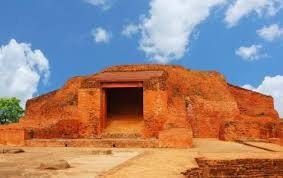
Patna: Bihar is all set to revive its glorious past by breathing new life into the ancient Vikramshila University, a once-renowned center for Tantric studies. After the successful reconstruction of the historic Nalanda University, attention has now shifted to Vikramshila, located in Bhagalpur. The Archaeological Survey of India (ASI) is actively working to transform this ancient site into a prominent tourist destination.

The ruins of Vikramshila University are undergoing extensive cleaning and restoration. The site has been strategically divided into grids for efficient preservation and security, ensuring that this historic treasure is maintained for generations to come.

A ₹500 Crore Initiative

Vikramshila University was once a thriving hub for studies in Tantra, theology, philosophy, grammar, metaphysics, and logic. It flourished for nearly four centuries before its decline in the 13th century. In 2015, the central government allocated ₹500 crore for the restoration of this ancient center of learning. This ambitious project aims to transform Vikramshila into a world-class tourist attraction.

208 Classrooms for Tantric Studies

At the heart of Vikramshila lies a massive brick stupa surrounded by 208 small rooms. Centuries ago, these rooms were bustling with monks and students engaged in the study of Tantric practices. After Hinayana and Mahayana, Tantra was considered the third major branch of Indian Buddhism. Scholars from Vikramshila were known for their profound expertise in this field.

Founded in the Late 8th Century

Vikramshila University was established in the late 8th century by King Dharmapala of the Pala dynasty. It was a contemporary of Nalanda University. While Nalanda was famous for its diverse academic disciplines, Vikramshila was the sole center dedicated to Tantric studies. Both universities were at the pinnacle of learning during their time.

Boosting Tourism and Cultural Heritage

The revival of Vikramshila University is not just about preserving history; it is about promoting tourism and cultural pride. Once restored, this ancient educational hub is expected to draw tourists and history enthusiasts from across the globe.

By turning the pages of history and bringing this ancient marvel back to life, Bihar is set to offer a unique blend of heritage and education to the world. The restoration of Vikramshila will stand as a testament to India’s rich academic legacy and serve as an inspiration for generations to come.

Airbnb builds Oscar-winning Disney’s ‘Up’ house in real life, floats in air with over 8000 balloons

0

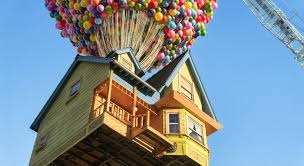
For fans of Disney’s heartwarming film Up, the dream of stepping into Carl Fredricksen’s iconic floating house is now a reality. Nestled in the picturesque landscape of Abiquiu, New Mexico, this meticulously recreated version of the famous house offers an extraordinary experience. While it may not soar through the skies powered by thousands of balloons as it does in the movie, this real-life marvel is hoisted high above the ground by a crane, with a cluster of 8,000 colorful balloons adding to its whimsical charm. Part of Airbnb’s innovative “Icons” category, this one-of-a-kind accommodation brings fantasy into the realm of reality.

A Night in the Clouds

Guests booking a one-night stay in the Up house will find themselves immersed in a world of nostalgia and imagination. The interior is carefully crafted to reflect the warmth and detail of the animated classic, right down to the smallest decorative elements. Adding an extra layer of fun, the listing appears to be hosted by none other than Carl Fredricksen himself, inviting fans to fully engage with the magic of the beloved film.

Exploring Airbnb’s ‘Icons’ Collection

The Up house is just one highlight of Airbnb’s growing “Icons” category, which offers unique stays inspired by iconic stories and locations. For instance, visitors can step into the vibrant world of Pixar’s Inside Out by exploring Riley’s emotions at the fictional Headquarters. Art enthusiasts can indulge in a luxury stay at the famed Musée d’Orsay’s clock room in Paris, with an exclusive view of the Olympic opening ceremony from the terrace. Music lovers are also in for a treat with the opportunity to visit Prince’s legendary Purple Rain house in Minnesota, now open to the public for the first time.

Airbnb builds Oscar-winning Disney's 'Up' house in real life, floats in air with over 8000 balloons

Turning Fantasy into Reality

Airbnb has long been known for its ability to create unforgettable experiences, from Shrek’s swamp to Barbie’s Malibu Dreamhouse. In line with this tradition, the “Icons” category continues to blur the lines between fiction and reality. CEO Brian Chesky emphasized this vision, stating that the initiative is all about transforming the worlds of imagination into tangible experiences.

Most of the listings under the “Icons” umbrella are either free or priced under $100 (£80) per person, making these extraordinary experiences accessible to a wide audience.

More Than Just a Stay

Airbnb’s offerings go beyond unique accommodations. Guests can also enjoy intimate, once-in-a-lifetime events. Imagine attending a living room performance by global music sensation Doja Cat, fresh off her world tour. Or picture a VIP night with comedian and actor Kevin Hart at his exclusive members-only club, featuring tequila tasting and live stand-up comedy.

Brian Chesky summed it up perfectly: “Icons is about bringing worlds of imagination into reality.” Whether it’s floating high above the ground in Carl Fredricksen’s house or soaking in the ambiance of Prince’s legendary home, Airbnb continues to redefine travel and entertainment with its innovative and magical experiences.

UAE plans world’s first underwater train from Dubai to Mumbai! Route will be 2000 Km long

0

The United Arab Emirates (UAE) is exploring an unprecedented and transformative project that could revolutionize connectivity between the Middle East and India. As announced by Abdullah Alshehi, the Managing Director and Chief Consultant of National Advisor Bureau Limited, plans are underway to assess the feasibility of constructing an undersea train line linking Dubai to Mumbai. If realized, this ambitious initiative would redefine cross-border travel and trade.

A Visionary Feat of Engineering

The proposed ultra-high-speed rail network would span approximately 2,000 kilometers, predominantly underwater, connecting Mumbai with Fujairah in the UAE. The project’s objective is not limited to passenger travel; it also aims to strengthen bilateral trade by facilitating the export of oil to India and the import of water from India’s Narmada River. Such an exchange underscores the project’s potential to bolster resource sharing and economic collaboration between the two nations.

Challenges and Feasibility

Despite its visionary appeal, this concept is still in its nascent stages, with extensive feasibility studies required to address the myriad technical, environmental, and economic hurdles. Constructing an undersea railway of this magnitude demands cutting-edge engineering, sustainable environmental practices, and substantial financial investment. Overcoming these challenges will be key to turning this ambitious vision into reality.

Strengthening Bilateral Relations

This project is part of a broader trend of deepening ties between India and the UAE. The India-Middle East-Europe Economic Corridor (IMEEC), launched during the G-20 Summit in Delhi in September 2023, further exemplifies this cooperation. This transcontinental initiative includes major global players such as India, the UAE, the USA, the EU, Saudi Arabia, France, Italy, and Germany, aiming to enhance connectivity and trade across continents.

Collaborative Efforts in Trade and Logistics

Significant strides have been made through discussions between Indian and UAE officials, notably a delegation led by Shri TK Ramachandaran, Secretary of the Ministry of Ports, Shipping and Waterways, and HE Mohamed Juma Al Shamisi, CEO of Abu Dhabi Ports. These talks emphasized strengthening ties in shipping and logistics under the IMEEC framework. Key stakeholders, including terminal operators, shipping lines, and customs officials, also participated, reflecting a comprehensive approach to enhancing global trade routes.

A Leap Towards the Future

The proposed undersea train project symbolizes a bold leap toward futuristic infrastructure that could redefine how nations collaborate and share resources. While the journey from concept to completion may be long and challenging, the potential impact on trade, travel, and bilateral relations makes this endeavor a project to watch. If successful, the Dubai-Mumbai undersea rail link could become a landmark achievement in engineering and international cooperation.

California has a town for aircraft fans where they own and park airplanes in front of their homes

0

Nestled in the heart of Cameron Park, California, lies a truly unique neighborhood that seamlessly blends everyday living with the thrill of aviation. Cameron Airpark Estates is a haven for aviation enthusiasts, where homes and private airplane hangars coexist, offering residents the extraordinary convenience of living just steps away from their planes.

A Community Built for Flight

One of the most distinctive features of Cameron Airpark Estates is its direct access to the nearby Cameron Park Airport runway. This design allows residents to park their airplanes right next to their homes and taxi straight to the runway. For those passionate about flying, this ease of access means the sky is always just a few steps away, making spontaneous takeoffs a part of daily life.

Streets Designed for Dual Use

The infrastructure of Cameron Airpark Estates sets it apart from conventional neighborhoods. With streets measuring 100 feet wide, there is ample space for both cars and airplanes to share the road. This thoughtful design ensures that aviation enthusiasts can enjoy the rare luxury of moving seamlessly between land and air.

A Close-Knit Community of Aviation Enthusiasts

Beyond its practical benefits, Cameron Airpark Estates fosters a vibrant sense of community. It is not just a residential area but a gathering place for individuals who share a common passion for flying. Neighbors bond over their love of aviation, exchanging stories, experiences, and support. This shared enthusiasm turns the neighborhood into more than just a place to live; it becomes a community where the love of flight brings people together.

A Unique Lifestyle Celebrating the Freedom of Flight

For pilots and airplane owners, Cameron Airpark Estates offers a lifestyle that is as unique as it is exhilarating. The combination of home living with the freedom to take to the skies at a moment’s notice creates an unparalleled living experience. It is a testament to how passion can shape the way we live, turning a neighborhood into a symbol of adventure and freedom.

Cameron Airpark Estates is not just a place on the map; it is a dream realized for those who live and breathe aviation. It stands as a beacon for those who wish to integrate their love of flying into their everyday lives, making it one of the most remarkable residential communities in the world.

Places to visit: Shore Temple of Mamallapuram, Echoes of Antiquity by the Bay

0

Along the sun-kissed Coromandel Coast, where the Bay of Bengal whispers secrets to the shore, rises the magnificent Shore Temple of Mamallapuram. Known historically as Mahabalipuram and located just south of Chennai in Tamil Nadu, this picturesque village is home to ancient wonders where pyramidal towers pierce the sky like sharpened prayers.

A Testament to Time: The Architectural Brilliance

Unlike the prevalent rock-cut caves of its era, the Shore Temple is a structural marvel carved from granite over thirteen centuries ago. As a UNESCO World Heritage Site, it stands as a testament to the architectural prowess of the Pallava dynasty. Its intricate carvings and weathered beauty symbolize the artistic ingenuity of ancient India.

The temple complex boasts a unique tripartite structure with three separate shrines dedicated to Lord Shiva, the destroyer, and Lord Vishnu, the preserver. It is one of the earliest examples of structural temples in South India, standing resilient against the relentless waves. This glorious monument reflects the Tamil people’s ability to craft breathtaking wonders that continue to inspire awe centuries after their creation.

A Journey Through Time: History and Legend

Constructed in the early 8th century under the reign of Pallava king Narasimhavarman II (Rajasimha), the Shore Temple stands as the crowning jewel of Pallava artistry. For pilgrims and the bustling port city of Mamallapuram, it was a sacred landmark; for ancient seafarers navigating maritime trade routes, it served as a vital beacon guiding them to the prosperous shores.

However, time has weaved a tale of triumph and loss. Legend has it that the Shore Temple was part of a magnificent complex of seven temples, known as the Seven Pagodas. Today, only the Shore Temple remains, while the other six structures are believed to be submerged beneath the Bay of Bengal. This legend fascinated explorers, including the famous Venetian merchant Marco Polo, who referred to the site in his 13th-century travel accounts.

The devastating tsunami of 2004 temporarily revealed submerged ruins, supporting long-held local beliefs and reigniting archaeological interest. Excavations continue to uncover the mysteries hidden beneath the waves.

Sacred Symmetry: Spiritual and Architectural Significance

The Shore Temple transcends its stone facade to become a consecrated space where the celestial meets the terrestrial. Dedicated to both Lord Shiva and Lord Vishnu, it embodies the harmonious integration of Shaivism and Vaishnavism, reflecting the inclusive worship practices of the Pallava dynasty. Historical inscriptions reveal that the Vishnu shrine, known as Narapatisimha Pallava Vishnu Griha, was the first to be carved, underscoring the ruler’s devotion.

The temple complex is also referred to as Jalashayana or ‘lying in water,’ reflecting its ethereal connection with the elements. Intricate sculptures of Nandi (sacred bulls), lions, and mythical creatures adorn the walls, symbolizing protection and divinity.

Architectural Grandeur: A Blend of Styles

Standing on a single platform, the Shore Temple comprises three shrines. The primary temple faces east, capturing the first rays of the sun on its Shiva Linga. Constructed entirely from granite, the temple rises 60 feet above a 50-feet square base. The dual pyramidal shikharas (towers) are highlighted by overhanging eaves, while the outer walls showcase rearing lions, adding to the temple’s grandeur.

A smaller temple dedicated to Shiva stands behind the main shrine, with a stepped pyramidal tower crowned by an octagonal shikhara. This structure features kudus (horseshoe-arch projections) and intricate carvings of Shiva as Tripurantaka and Durga. The temple’s inner sanctum (garbhagriha) houses a Dharalinga made from black basalt, standing 6 feet tall.

Between the two Shiva temples lies a smaller shrine dedicated to Vishnu, depicting the deity in a reclining posture on the serpent Ananta. The surrounding walls are adorned with carvings of Krishna’s exploits, further enriching the complex’s mythological significance.

Enduring Through Time: Innovation and Legacy

The Shore Temple was among the first structural temples in Southern India, crafted entirely from interlocking granite stones without mortar. This dry masonry technique has ensured its stability against natural elements for over a millennium, influencing subsequent architectural developments in the region.

Astronomical alignments add another layer of wonder to the temple. Its east-facing orientation allows the rising sun to illuminate the main deity, symbolizing renewal and divine blessings.

Celebrations and Cultural Continuity

The Shore Temple comes alive during Mahashivratri and Brahmotsavam festivals when devotees gather to participate in prayers and rituals. The annual Mamallapuram Dance Festival, held against the temple’s backdrop, celebrates India’s rich classical dance heritage, paying homage to the artistic patronage established by the Pallavas.

A Timeless Inspiration

The Shore Temple is not merely a monument; it is a timeless narrative etched in stone. As you stand before its weathered grandeur, envision the thriving port city that once surrounded it. Hear the echoes of ancient mariners and the rhythmic chants of devout pilgrims. The Shore Temple invites you to embark on a journey where history, art, and spirituality converge.

Let its intricate carvings spark your curiosity, its serene aura calm your mind, and its enduring legacy inspire your soul.


Places to visit: Kotla Firoz Shah, A Legacy of a Water-Wise King

0

In the heart of Delhi stands a fortress echoing with tales of a bygone era—the majestic Kotla Firoz Shah. Built in the 14th century by Sultan Firoz Shah Tughlaq, this historic citadel was the centrepiece of Firozabad, the fifth city of Delhi. Beyond its imposing walls and architectural grandeur lies a story of strategic innovation, water conservation, and enduring legacy.

A Visionary Move Amidst Crisis

Firoz Shah Tughlaq, renowned for his people-centric approach, faced a severe water crisis in the old capital. In a bold and visionary move, he abandoned the previous capitals and founded Firozabad along the banks of the Yamuna River. At its heart, he built Kotla Firoz Shah—a citadel that was revolutionary for its time, with functional zones divided within its walls. This architectural concept would later inspire the mighty Mughals.

Firoz Shah’s commitment to infrastructure saw the construction of palaces, bridges, rest houses (sarais), and water reservoirs, reflecting a deep understanding of sustainable urban planning.

Architectural Splendour Unveiled

Once known as Kushk-i-Firoz (Palace of Firoz), Kotla Firoz Shah is a stunning irregular polygon enclosed by robust rubble walls. The eastern side elegantly overlooks the Yamuna River, adding to its strategic significance. The central enclosure holds the most captivating ruins, including the remnants of grand gateways and defensive bastions.

Among its most prized treasures is the Topra Ashokan Pillar, a polished sandstone marvel originally erected by Emperor Ashoka. Transported from Topra Kalan in Haryana, the pillar features inscriptions in Brahmi, Prakrit, Pali, and Sanskrit. When bathed in the golden hues of the afternoon sun, it stands as a glowing beacon of history.

Hidden Gems Within the Fort

Near the Ashokan Pillar stands the Jami Masjid, a monumental mosque reflecting the architectural brilliance of the Tughlaq dynasty. Built with resilience and grandeur, it is one of the oldest and largest surviving mosques of its time. Its beauty left such a profound impact on Timur, the Turco-Mongol conqueror, that he built a mosque inspired by it in his own empire.

A short walk from the mosque reveals another marvel—the circular Baoli (stepwell). Unique in Delhi for its circular design, it is one of the few where the well and tank are not separated, showcasing medieval engineering ingenuity.

The Realm of Djinns

Kotla Firoz Shah is not only a site of historical significance but also a place wrapped in mystique. Legend has it that the fort is home to djinns, supernatural entities from Islamic mythology. Believers visit the site, writing letters and leaving them behind, seeking solutions to their problems or exorcisms to rid themselves of evil spirits. While some may view this as mere folklore, for many, it is a place of faith and hope.

Beyond the Fort’s Walls

The exploration of Delhi’s rich heritage does not end at Kotla Firoz Shah. A short distance away stands the iconic Red Fort (Lal Qila), a UNESCO World Heritage Site known for its imposing gateways and grand Mughal architecture. Nearby, the bustling lanes of Chandni Chowk offer a vibrant glimpse into Delhi’s cultural heart, filled with shops, street food vendors, and historical landmarks.

For those eager to delve deeper into history, the Purana Qila (Old Fort) provides another chapter in Delhi’s architectural narrative, dating back to the pre-Mughal era.

A Journey Through Time

Kotla Firoz Shah is more than just a fort; it is a journey through time, offering a glimpse into the vision and legacy of a water-wise king. From architectural marvels to legendary tales of djinns, every corner holds a story waiting to be discovered. So, lace up your walking shoes, grab your camera, and prepare for an unforgettable adventure into Delhi’s historical heart.

Places to visit: Agrasen Ki Baoli, more Than Just a Water Reservoir

0

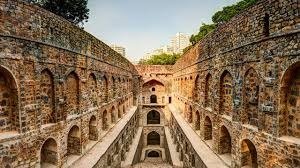
Baolis, or stepwells, hold a revered place in India’s architectural heritage. Beyond their practical function as water reservoirs, these marvels served as social hubs for gatherings, gossip, and a refuge for weary travelers in medieval times. Among these historical wonders stands the enigmatic Agrasen ki Baoli, nestled in the heart of Delhi. This ancient stepwell, located on Hailey Road, is a masterpiece of architecture that invites visitors to delve into its rich history and enduring legends.

A Glimpse into History

Dating back to the 14th century, Agrasen ki Baoli is believed to be a testament to Delhi’s deep-rooted heritage. Its exact origins remain a mystery, but local lore attributes its creation to King Agrasen, the legendary forefather of the prosperous Agrawal community. Another tale suggests that it dates back to the Mahabharata era, adding a mythical layer to its already intriguing history.

The structure was likely repaired during the Tughlaq or Lodi eras, reflecting a shift in architectural style. Spanning 60 meters long and 15 meters wide, with 108 meticulously crafted steps, this stepwell exemplifies the brilliance of medieval water management systems.

Legends and Hauntings

The depths of Agrasen ki Baoli are cloaked in folklore and ghostly tales. Some legends claim that the waters once possessed supernatural powers, luring unsuspecting souls to their doom. It is said that those who gazed into its black waters fell into a trance and jumped to certain death. While the waters have long dried up, these eerie stories continue to intrigue visitors.

Despite its haunted reputation, there is no concrete evidence to confirm paranormal activity. Instead, the baoli stands as a monument to architectural ingenuity and the mysteries of time.

A Photographer’s Paradise

Agrasen ki Baoli has been featured in numerous Indian films and is a popular spot for photography enthusiasts. Its intricate arches, ornate carvings, and the play of light and shadow create endless opportunities for capturing unique shots. Whether it is the symmetry of the steps or the serenity of the ambiance, the baoli offers an ideal backdrop for photographers and history buffs alike.

Architectural Marvel and Cultural Legacy

Descending into Agrasen ki Baoli feels like stepping into a bygone era. The arched niches, inner chambers, and narrow passages reflect a fusion of architecture and history. A small tunnel, waist-high, runs through the back wall of the baoli, adding an element of intrigue.

At the top of the baoli stands a half-broken mosque with two unique features. The first is its whale-back roof with slightly arched slopes, an uncommon feature for mosques. The second is its red-coloured pillars adorned with Buddhist motifs at the base, hinting at cultural exchanges from a bygone era. These details offer a captivating glimpse into Delhi’s diverse heritage.

A Protected Monument

Today, Agrasen ki Baoli is a protected monument under the Archaeological Survey of India. Its preservation ensures that future generations can marvel at its architectural brilliance and unravel its mysteries. As visitors continue to flock to this historical site, the baoli remains a powerful reminder of India’s rich cultural tapestry.

More Than Just a Stepwell

Agrasen ki Baoli is more than just a water reservoir; it is a journey through history, a canvas for architectural excellence, and a window into India’s vibrant past. Whether you are a history enthusiast, a photographer, or simply a curious traveler, a visit to this ancient stepwell promises an experience steeped in culture, mystery, and awe.

Don’t miss the chance to explore this timeless marvel in the heart of Delhi!

Places to visit: Swami Vivekananda Sarovar, a Timeless Reflection of Raipur’s Soul

0

Have you ever heard of Swami Vivekananda Sarovar? If not, allow me to introduce you to this hidden gem nestled in the heart of Raipur, Chhattisgarh. Affectionately known as Budha Talab, or “old lake,” this place is anything but ordinary. It stands as a testament to Raipur’s rich history, natural beauty, and spiritual heritage.

A Serene Oasis Amidst Urban Chaos

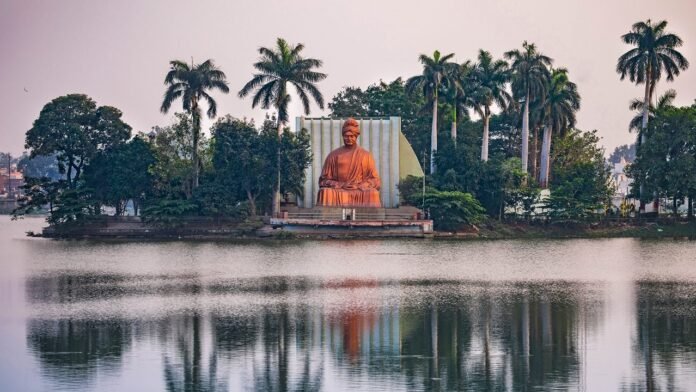
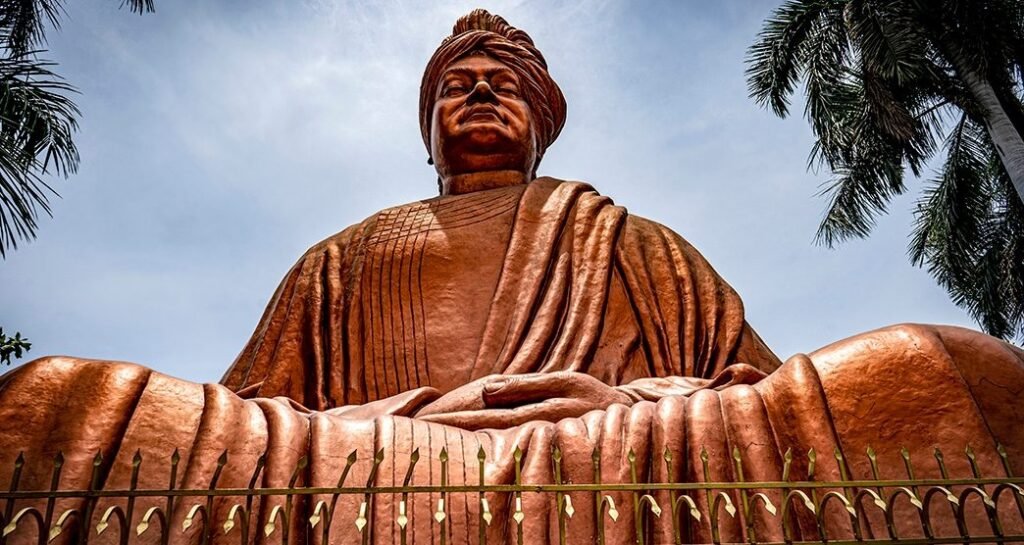
Picture a tranquil lake encircled by lush greenery, offering a serene escape from the bustling city life. Swami Vivekananda Sarovar is more than just a picturesque spot; it is a living tribute to the revered Indian philosopher and spiritual leader, Swami Vivekananda. At its heart stands a towering 37-foot bronze statue of Swami Vivekananda, a symbol of inspiration and spirituality.

A Glimpse into History

Locally known as Budha Talab, this ancient lake spreads across approximately 30 hectares and dates back to the 14th century when it was excavated by Raja Brahmdeo Rai of the Kalchuri dynasty. It has since remained an integral part of Raipur’s landscape.

The lake holds immense historical and cultural significance. In 1897, Swami Vivekananda visited Raipur, and legend has it that he would visit this very lake every morning for a bath during his two-year stay. Imagining the great philosopher finding peace and inspiration by its calm waters adds a profound spiritual layer to its charm. In honor of his visit and teachings, the lake was renamed Swami Vivekananda Sarovar, reflecting the deep reverence the locals hold for him.

Witness India’s Largest Swami Vivekananda Statue

As you approach the lake, you are greeted by the awe-inspiring 37-foot statue of Swami Vivekananda, crafted from bronze. This marvel has earned its place in the Limca Book of Records. Perched on a platform accessible by a small bridge, the statue is a testament to faith, resilience, and the enduring legacy of one of India’s greatest thinkers.

Nature Meets Leisure

Swami Vivekananda Sarovar is not just a historical landmark; it is a haven for leisure and relaxation. Lush gardens, walking paths, and comfortable seating areas line the shores. Vibrant flowers, verdant greenery, and pockets of cool shade make it an ideal spot for a family picnic or a peaceful evening stroll.

The lake also features a mesmerizing musical fountain that delights visitors of all ages. As the sun sets, the magic truly unfolds, with the statue’s reflection shimmering on the water and the fountain lights adding a vibrant hue to the evening sky.

Safe and Accessible for All

Safety is a priority here, with railings and paved walkways lining the perimeter. Benches are strategically placed for comfort, while designated ghats cater to religious rituals. Although there is no dedicated viewing deck, the overall experience is delightful.

Timings

  • Opening Time: 06:00 AM
  • Closing Time: 08:00 PM

Explore, Relax, and Rejuvenate

Swami Vivekananda Sarovar is more than just a lake; it is a vital green lung for Raipur. It plays an essential role in maintaining the city’s ecological balance, providing a habitat for various species of birds and aquatic life. It also serves as a popular venue for cultural and social events, including festivals and fairs.

Unwind with a leisurely picnic under the shade of lush gardens, take a refreshing jog along the scenic pathways, or rent a paddleboat for a serene cruise on the calm waters. Birdwatchers can indulge in spotting diverse birdlife, while photography enthusiasts can capture stunning reflections and vibrant flora.

For those seeking tranquility, the peaceful environment offers the perfect backdrop for meditation and yoga. Whether you want to unwind, explore, or simply soak in the beauty of nature, Swami Vivekananda Sarovar has something for everyone.

Places to visit: Swami Vivekananda Sarovar, a Timeless Reflection of Raipur's Soul

A Social Hub and Cultural Heart

Beyond recreation, the lake is a bustling social hub. From morning walkers to evening markets, the place is alive with activity throughout the day. Its central location makes it an ideal venue for cultural events and public gatherings, further embedding it in the heart of Raipur’s community life.

Discover the Timeless Allure

Swami Vivekananda Sarovar beckons you to experience its serene embrace. Whether you seek a peaceful retreat, recreational fun, or a spiritual connection, this idyllic setting offers it all. Its historical, cultural, and ecological significance makes it a must-visit destination in Raipur.

Don’t miss the chance to witness this timeless reflection of Raipur’s soul. Come, explore, and let the magic of Swami Vivekananda Sarovar leave you inspired.

Purple Day: Spreading Awareness, Breaking Stigmas About Epilepsy

0

Every year, on March 26th, the world turns a shade of purple in solidarity with the millions of people affected by epilepsy. Purple Day is more than just a date on the calendar—it’s a movement dedicated to raising awareness, dispelling myths, and fostering a global conversation about epilepsy, a condition that remains misunderstood despite its prevalence.

The History of Purple Day

The initiative began in 2008, when a young girl from Canada, Cassidy Megan, decided to take a stand against the stigma surrounding epilepsy. Diagnosed with the condition herself, Cassidy realized how little people understood about epilepsy and the challenges faced by those living with it. She wanted to create a platform where individuals could openly discuss epilepsy without fear or shame.

Inspired by her personal journey, Cassidy teamed up with the Epilepsy Association of Nova Scotia to launch Purple Day. The goal was simple yet powerful: to encourage people to wear purple and spread knowledge about epilepsy. The color purple was chosen because lavender is often associated with solitude and the struggles faced by those living with epilepsy.

Since its inception, Purple Day has gained international recognition. In 2009, the Anita Kaufmann Foundation and the Epilepsy Association of Nova Scotia partnered to take the initiative global. Today, people in over 100 countries participate in events, wear purple, and contribute to making epilepsy awareness a priority.

Understanding Epilepsy

Epilepsy is a neurological disorder characterized by recurrent, unprovoked seizures. It affects people of all ages and backgrounds, with approximately 50 million individuals living with epilepsy worldwide. While some seizures are mild and barely noticeable, others can cause significant physical convulsions and unconsciousness.

There are many causes of epilepsy, including genetics, brain injuries, infections, and developmental disorders. Despite its widespread impact, epilepsy is often shrouded in misconceptions. Many cultures still view it with superstition, leading to discrimination and isolation for those affected. This is why Purple Day plays such a crucial role in educating communities and promoting acceptance.

The Motive Behind Purple Day

The primary objective of Purple Day is to eliminate the stigma surrounding epilepsy and create an inclusive society where individuals with epilepsy feel supported. The movement strives to:

  • Raise Awareness: By educating the public about epilepsy, Purple Day aims to reduce misunderstandings and encourage early diagnosis and treatment.
  • Support Individuals and Families: Many people with epilepsy struggle with anxiety and self-doubt due to societal attitudes. Purple Day provides a sense of community and belonging.
  • Promote Medical Research: Increased awareness leads to better funding and resources for research, ultimately improving treatment options and the quality of life for those with epilepsy.
  • Encourage Open Conversations: Talking about epilepsy helps normalize the condition, ensuring that those affected do not feel isolated or ashamed.

How to Participate in Purple Day

Getting involved in Purple Day is easy and impactful. Here are some ways to show support:

  • Wear Purple: The simplest way to participate is by wearing purple and encouraging others to do the same.
  • Educate Yourself and Others: Read about epilepsy, share information on social media, and discuss it with friends and family.
  • Attend or Organize Events: Many organizations host educational seminars, fundraisers, and social events to mark the occasion.
  • Support Epilepsy Charities: Donations to epilepsy foundations help fund research, provide support services, and promote advocacy efforts.

Looking Ahead: A Future Without Stigma

While significant progress has been made since Cassidy Megan’s initiative began, there is still much work to be done. Epilepsy awareness needs to move beyond a single day and become a continuous effort to create a world where those living with the condition are treated with respect, empathy, and understanding.

On March 26th, wear your purple with pride. Whether you or someone you know is affected by epilepsy, your support contributes to a brighter, more informed future. Because when we break the silence, we break the stigma.