Home Blog Page 345

Shaping the Future of Work: How One Initiative is Transforming Job Seekers Into Job Creators

0

Stitching a Future: The Journey of Anita Mourya

“I want to expand my business and create more jobs for people.”

These are the determined words of Anita Mourya, a self-taught artisan from Mirzapur, Uttar Pradesh. When the COVID-19 pandemic forced her to return to her village, uncertainty loomed large. With little more than a needle, thread, and sheer resilience, Anita began embellishing sarees and bedspreads with intricate embroidery and hand-stitched stones—each piece a labor of love, crafted by candlelight through frequent power cuts.

“I would stitch each stone manually, often working late into the night. It was slow, painstaking work that limited how much I could produce,” she recalls.

Anita’s story is not unique. Across rural India, countless women and young people brim with ambition yet lack the resources or opportunities to turn their dreams into lasting enterprises.

A Critical Juncture: India’s Workforce Challenge

India is at a turning point. With 67% of its population in the working-age group, over 100 million young people are set to enter the workforce by 2030. However, the job market is already struggling to accommodate this surge, particularly in rural areas where barriers such as caste, gender, and economic disparity restrict access to employment.

For many women, the challenge extends beyond finding work—it’s about gaining the social acceptance to work at all. In deeply traditional communities, stepping out to earn a living often feels like breaking the rules. The need for systemic solutions that empower individuals to create their own opportunities has never been greater.

A Revolutionary Approach to Entrepreneurship

Shaping the Future of Work: How One Initiative is Transforming Job Seekers Into Job Creators

Anita’s life changed when she discovered an initiative that promised more than just employment—it offered the tools to build something of her own.

In 2016, the Delhi-based social enterprise Development Alternatives launched the ‘Inclusive Entrepreneurship’ programme with one transformative goal: to turn job seekers into job creators. Instead of merely facilitating employment, the programme focuses on building entrepreneurial ecosystems—support networks that help individuals start and grow their own businesses.

A Unique Model Rooted in Social Innovation

“Inclusive entrepreneurship is about more than just starting businesses. It’s about creating a thriving economy where millions of job seekers become job makers, prioritizing social inclusion, environmental sustainability, and economic growth,” says Shrashtant Patara, CEO of Development Alternatives Group.

What sets this programme apart is its deep community-driven approach:

  • Deep Listening: The journey begins with immersive listening sessions using creative tools like comic workshops. These sessions help participants visualize their entrepreneurial dreams and explore viable business ideas in an engaging way.
  • Unleashing Entrepreneurial Energies: Initiatives like Kaun Banega Business Leader (Who Will Be the Business Leader) transform ideas into actionable business plans, fostering confidence and innovation.
  • Bridging the Last Mile with udyaME Kiosks: These physical centres provide technical, financial, and market-related support to rural entrepreneurs, helping them navigate essential business requirements like documentation, market linkages, and capacity-building.

Driving Systemic Change One Entrepreneur at a Time

Despite the struggles she faced, Anita never stopped dreaming. Through the Inclusive Entrepreneurship programme, she gained access to resources that helped her scale her business. One of the most impactful changes? Two handheld embroidery machines that drastically reduced production time.

“What once took me hours to complete can now be done in minutes,” Anita says with a smile.

With increased efficiency, Anita expanded her business beyond Mirzapur to Varanasi and Ghazipur, doubling her monthly income and securing her children’s future. Today, she’s focused on enhancing her online presence and creating more jobs in her community.

Scaling Impact: A Movement Beyond One Story

Anita is just one of many success stories. Since its inception, the Inclusive Entrepreneurship programme has:

  • Helped establish over 15,000 enterprises across 478 villages, including Mirzapur, Bahraich, and Bundelkhand.
  • Created 26,000 jobs for rural women and youth.
  • Increased annual revenue for participating entrepreneurs by 65%.

Women are now leading enterprises in industries ranging from handicrafts to e-rickshaw services and farmer producer companies. The initiative is breaking stereotypes, fostering financial independence, and reshaping the economic landscape of rural India.

Building Self-Sustaining Entrepreneurial Ecosystems

The Development Alternatives Group is not just supporting individual businesses—it is laying the foundation for self-sustaining entrepreneurial ecosystems. By connecting institutions, stakeholders, and entrepreneurs, the initiative is opening access to credit, markets, and critical resources, especially for women.

A key component of this effort is the District Entrepreneurship Coalition (DEC)—a platform that fosters collaboration among local stakeholders to develop scalable, sustainable solutions. With models that integrate renewable energy and digital technology, rural entrepreneurs are transforming their collectives into thriving production hubs.

Scaling Up: The Road to 2030

While the programme’s impact is already significant, the vision is even grander. By 2030, Development Alternatives aims to:

  • Establish 100,000 women-led enterprises.
  • Launch 1,000 women-driven e-rickshaw services in Uttar Pradesh.
  • Generate 1 million jobs.

To achieve this, the programme is partnering with women’s institutions such as Self-Help Groups (SHGs) and Cluster Level Federations (CLFs), alongside global partners like the Gates Foundation, Bajaj Finserv, and Work4Progress (launched in collaboration with la Caixa Foundation).

The Future of Work: A New Narrative for Rural India

“We want to ensure that anyone with a unique experience can build a library of livelihoods for themselves,” says Kanika Verma, Lead–Green and Inclusive Entrepreneurship and Associate Vice President at Development Alternatives Group.

Instead of asking, What will the future of work look like? this initiative flips the narrative: You can shape your own future by becoming an entrepreneur.

Through collaboration, strategic partnerships, and a shared vision for inclusive growth, Development Alternatives is proving that the key to India’s economic transformation lies not in creating more jobs—but in creating more job creators.

For women like Anita, this isn’t just a livelihood. It’s a movement. And it’s just getting started.

More Than Just Bazaars: 10 Delhi Markets That Capture the City’s Spirit

0

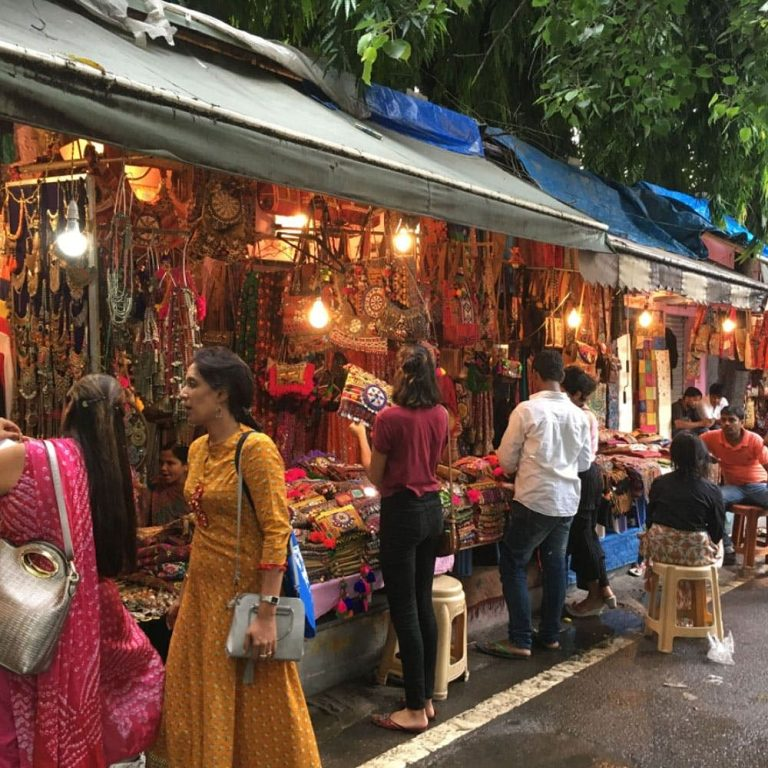
Delhi, a city where history whispers through ancient alleyways and modernity pulses through towering skyscrapers, is home to some of the most iconic markets in India. From the delicate fragrance of roses in early morning flower mandis to the heady aroma of freshly ground spices in century-old shops, every market in Delhi tells a story. These are not just shopping hubs; they are living, breathing time capsules of culture, craftsmanship, and commerce.

Step into the bustling lanes of Chandni Chowk, where merchants have traded for centuries, or wander through the Tibetan markets, where the mystique of faraway lands meets the artistry of handcrafted treasures. Whether you seek vintage jewellery, sizzling street food, or contemporary fashion at bargain prices, Delhi’s markets have something for everyone. Here’s a look at 10 of the capital’s most legendary bazaars.

1. Janpath: Where Tradition Meets Trend

More Than Just Bazaars: 10 Delhi Markets That Capture the City’s Spirit

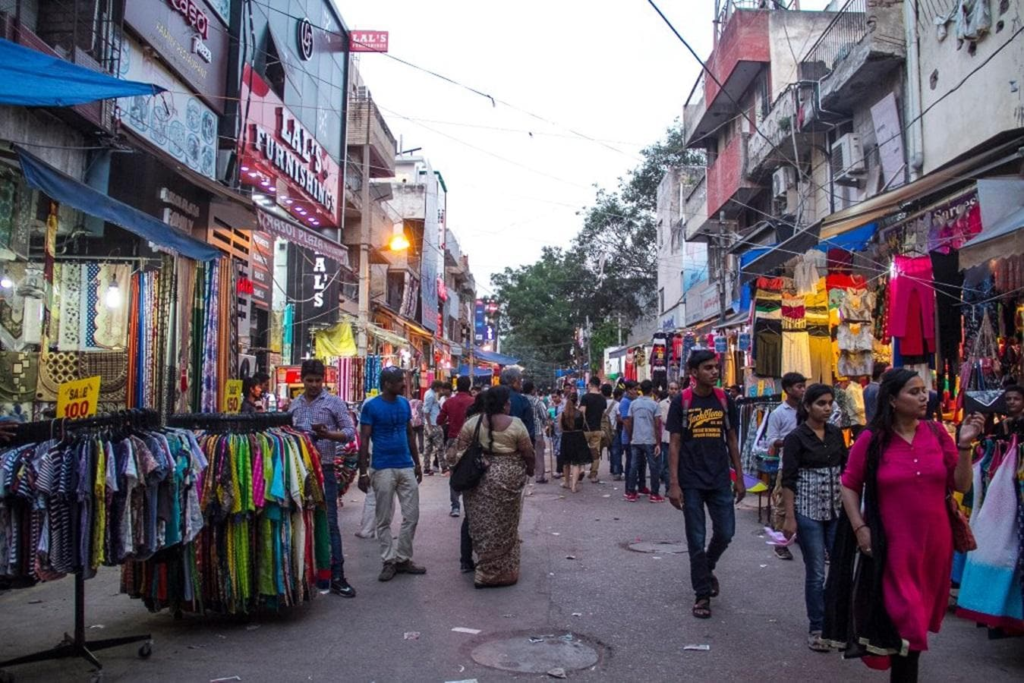
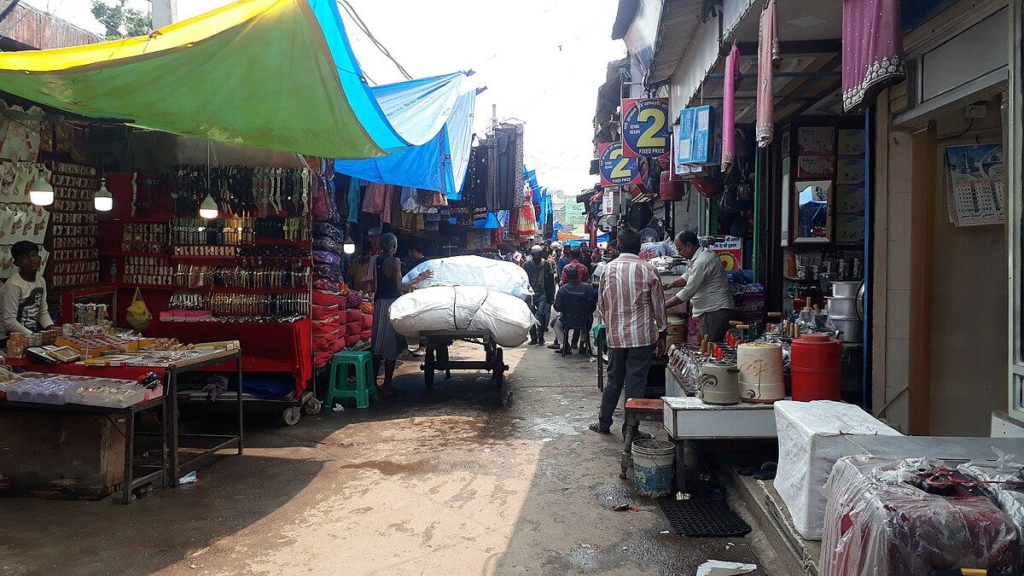
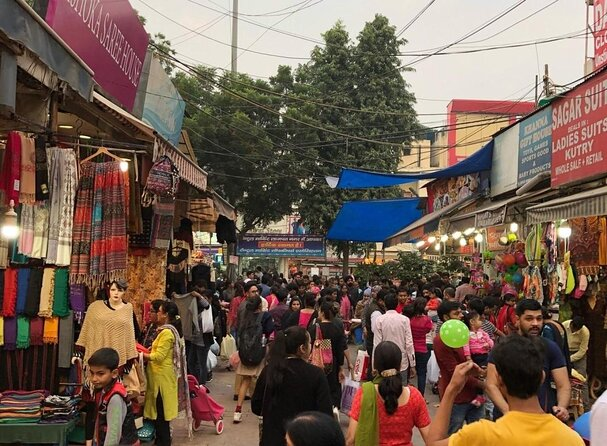
A paradise for street shoppers, Janpath is a vibrant mix of the old and the new. Its narrow lanes are lined with stalls selling cotton kurtas, embroidered bags, silver jewellery, and soft leather goods. The market blends two distinct worlds—the Gujarati and Tibetan markets—each offering unique crafts. One moment, you’ll be admiring handwoven carpets; the next, you’ll be haggling for Kolhapuri chappals. Whether you’re a fashion lover or an art enthusiast, Janpath promises an adventure at every turn.

2. Chandni Chowk: The Beating Heart of Old Delhi

More Than Just Bazaars: 10 Delhi Markets That Capture the City’s Spirit

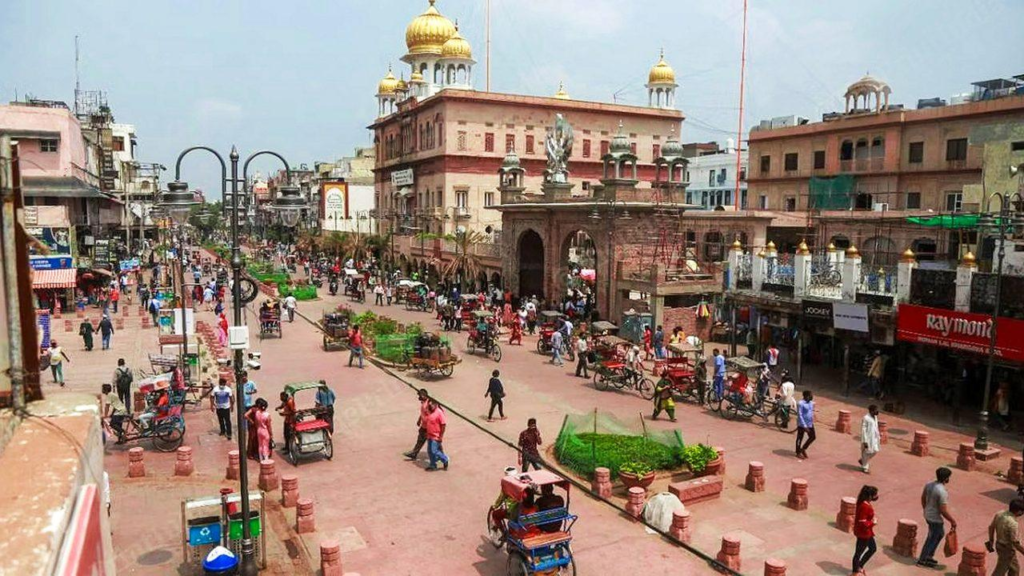
One of India’s oldest and busiest markets, Chandni Chowk is a sensory overload of colours, scents, and sounds. Each lane has its own specialty: Katra Neel for fabrics, Bhagirath Palace for electronics, Dariba Kalan for silver jewellery, and Kinari Bazaar for wedding wear. Spice lovers must visit Khari Baoli, Asia’s largest spice market. And, of course, no visit to Chandni Chowk is complete without indulging in its legendary street food, from crispy chaat to succulent kebabs.

3. Sarojini Nagar: Fashion at a Steal

More Than Just Bazaars: 10 Delhi Markets That Capture the City’s Spirit

If high-end brands at throwaway prices sound too good to be true, you haven’t been to Sarojini Nagar. Famous for export rejects, this market lets shoppers grab designer and branded clothes at rock-bottom prices. The golden rule? Bargaining is key. If you’re up for the challenge, you can walk away with an entire wardrobe without burning a hole in your pocket.

4. Dilli Haat: A Cultural Tapestry

More Than Just Bazaars: 10 Delhi Markets That Capture the City’s Spirit

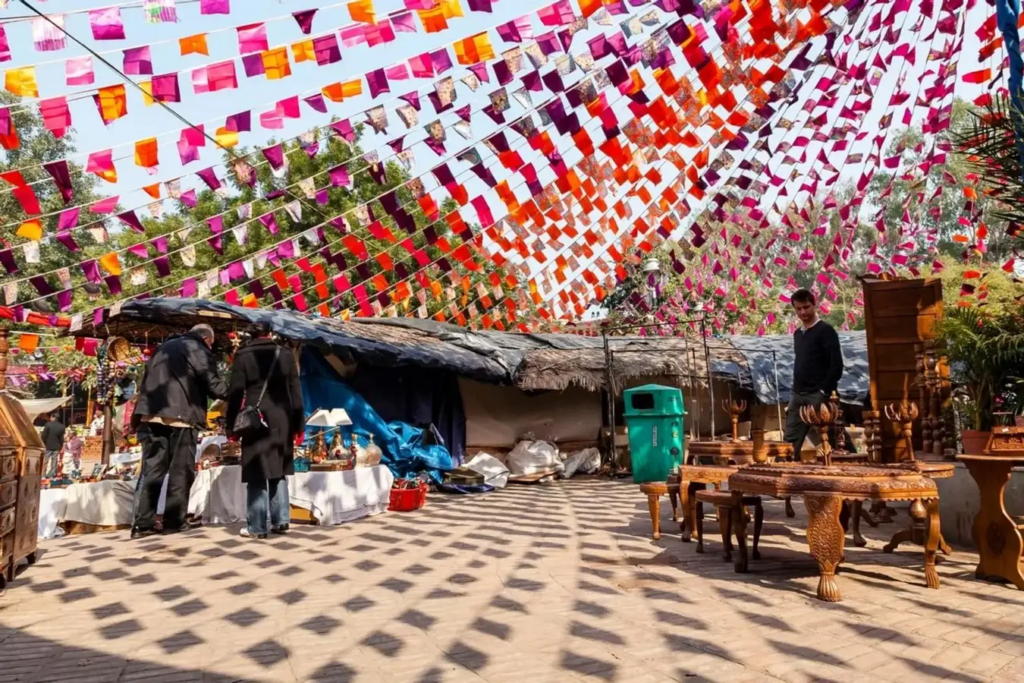
Dilli Haat is more than a market; it’s an experience. Designed like a traditional village fair, this open-air market showcases handicrafts from across India. Walk through stalls selling intricate Madhubani paintings, handwoven textiles, Phulkari embroidery, bamboo crafts, and terracotta figurines. Adding to the charm, live folk performances create a lively, immersive atmosphere, making it a must-visit for culture lovers.

5. Connaught Place Phool Mandi: A Blooming Wonderland

More Than Just Bazaars: 10 Delhi Markets That Capture the City’s Spirit

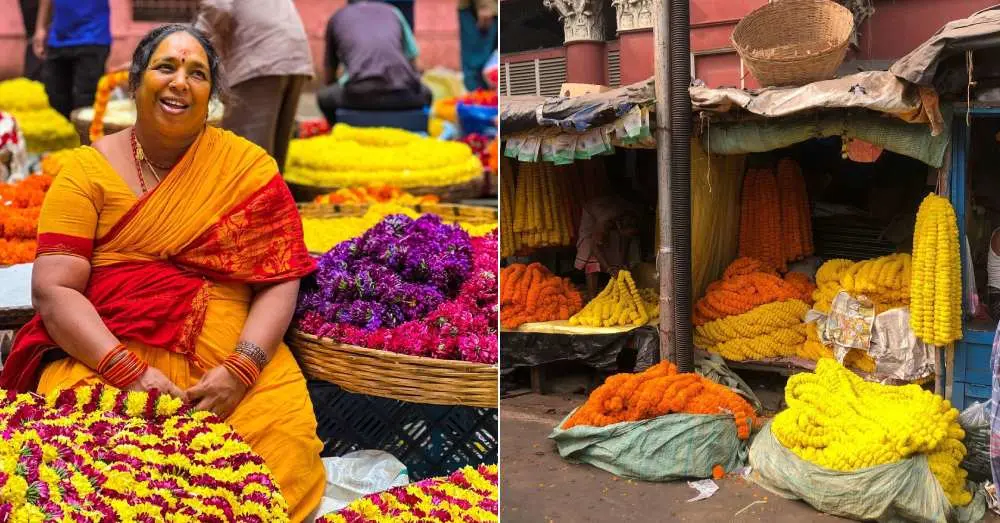
For early risers, Delhi’s Phool Mandi near Connaught Place is a feast for the senses. Every morning, this wholesale flower market bursts into life with roses, marigolds, orchids, and exotic imports from Holland and Asia. It’s a paradise for photographers and florists, and a visit here guarantees a vibrant start to the day.

6. Daryaganj Book Market: A Haven for Bibliophiles

More Than Just Bazaars: 10 Delhi Markets That Capture the City’s Spirit

Every Sunday, Daryaganj transforms into a book lover’s paradise. The market stretches across the streets, offering second-hand and new books at unbelievably low prices. Whether you’re searching for a rare classic, a gripping novel, or an academic textbook, you’re bound to find a hidden gem in the stacks. Here, books find people before people find books.

7. Meena Bazaar: A Royal Relic

More Than Just Bazaars: 10 Delhi Markets That Capture the City’s Spirit

Once a bustling market for Mughal royalty, Meena Bazaar, located near Jama Masjid, now brims with traditional clothing, handcrafted jewellery, aromatic attars (perfumes), and embroidered fabrics. The market’s old-world charm makes shopping here feel like stepping back in time, offering a glimpse into Delhi’s rich past.

8. Sadar Bazaar: The Wholesaler’s Wonderland

Sadar Bazaar, one of Delhi’s largest wholesale markets, supplies goods to traders across India. From household items and school supplies to party decorations and artificial jewellery, the market is a chaotic yet fascinating mix of everything imaginable. Expect narrow, crowded lanes, intense bargaining, and unbeatable prices.

9. Lajpat Nagar Central Market: A Shopper’s Maze

More Than Just Bazaars: 10 Delhi Markets That Capture the City’s Spirit

For those who love variety, Lajpat Nagar is a labyrinth of street stalls and designer boutiques. Whether you’re hunting for budget-friendly everyday wear or luxurious bridal attire, this market has it all. Brides-to-be flock here for embroidered lehengas, dazzling jewellery, and expert mehendi artists who create intricate henna designs on the spot.

10. Karol Bagh: The Shopper’s Playground

More Than Just Bazaars: 10 Delhi Markets That Capture the City’s Spirit

Karol Bagh offers a shopping experience similar to Lajpat Nagar, but with an extra edge of bargaining power. The market is home to diverse shopping streets—Ajmal Khan Road for affordable fashion, Gaffar Market for electronics, and Bank Street for traditional jewellery. Whether you’re shopping for wedding essentials or budget-friendly gadgets, Karol Bagh has something for everyone.


Delhi’s Markets: More Than Just Shopping Delhi’s markets are more than just places to buy and sell—they are cultural landmarks, each with its own identity and rhythm. They capture the essence of the city, blending history with modernity, tradition with trend, and chaos with charm. Whether you’re a first-time visitor or a lifelong Delhiite, exploring these iconic markets is an adventure waiting to be embraced. So, the next time you find yourself in the capital, let the bazaars guide your journey—because in Delhi, every street corner has a story to tell.

Why White Rooftops Are Becoming Popular in Indian Cities

0

As Indian summers grow longer and hotter, especially in cities packed with concrete and metal, staying cool is becoming more challenging—and expensive. Air conditioners aren’t always an option, particularly for low-income families. That’s why an unexpectedly simple idea is gaining traction across the country: painting rooftops white.

It may sound too good to be true, but this technique—known as cool roofing—is proving to be an effective way to reduce indoor temperatures without using a single unit of electricity. It’s affordable, low-tech, and already making a tangible difference in people’s lives.

Why White Rooftops Are Becoming Popular in Indian Cities

What is a Cool Roof?

Think about how black clothing makes you feel hotter in the sun. That’s because dark colors absorb more heat. Now imagine your roof doing the same thing. A regular concrete or metal roof can reach temperatures of 65°C or more. A white-painted roof, however, can be up to 28°C cooler.

Why White Rooftops Are Becoming Popular in Indian Cities

Cool roofs work by reflecting sunlight instead of absorbing it, significantly reducing indoor temperatures even without fans or air conditioning. The result? Cooler, more comfortable living spaces, especially in small or poorly ventilated homes.

Why It Matters

For many Indian households, even a small reduction in indoor temperature can be a game-changer. Here’s how cool roofs are making an impact:

  • Lower indoor temperatures: Homes become significantly more bearable during peak summer heat.
  • Reduced electricity bills: Less reliance on fans and coolers means more savings.
  • Better sleep and comfort: Residents report improved sleep quality and less fatigue.
  • Environmental benefits: Reduced energy consumption translates to lower carbon emissions.
  • Fighting the urban heat island effect: Cities trap more heat than rural areas, but widespread adoption of cool roofs can help mitigate this.

Success Stories from Indian Cities

This isn’t just a theory—cool roofing is already making waves across India.

  • Ahmedabad, Gujarat: In the Vanzara Vas slum, over 400 homes had their roofs coated with a white paint containing titanium dioxide. The results were immediate: cooler homes, fewer fans running, and improved sleep quality. This project was part of a study to examine the impact of heat on health and finances.
  • Telangana: In 2023, the state launched India’s first Cool Roof Policy, making white roofing mandatory for government and commercial buildings while encouraging its use in residential homes. This bold move is helping combat urban heat.
  • Delhi: The Mahila Housing Trust, in collaboration with the University of Chicago’s Energy Policy Institute (EPIC), has been assisting residents in resettlement colonies to apply cool roof paint. Even in densely packed neighborhoods, people have reported lower indoor temperatures and reduced electricity costs.
  • Other cities: Similar projects are ongoing in Surat, Bhopal, Jodhpur, and more, with organizations like the Natural Resources Defense Council (NRDC) supporting these initiatives, particularly in low-income communities most affected by heatwaves.

How to Paint a Cool Roof

It’s easier than you might think. Here’s a quick breakdown:

  1. Pick the right day: Choose a sunny, dry day for best results.
  2. Clean the surface: Remove dust and debris using a wire brush or water jet.
  3. Repair cracks: Ensure the roof is in good shape before painting.
  4. Apply primer (if needed): Some paints require a base coat—check the instructions.
  5. Paint the roof: Use a roller, brush, or spray to apply the reflective paint evenly.
  6. Let it dry: Most paints dry within 24 hours.

No special equipment or high-end tools are needed. While many residents apply the paint themselves, community-driven efforts often involve volunteers or local contractors to assist with the process.

A Few Things to Consider

Why White Rooftops Are Becoming Popular in Indian Cities
  • Regional suitability: Cool roofs work best in hot climates. In colder regions, they might make homes too chilly in winter.
  • Maintenance: Dust and dirt can reduce the reflective power of the paint, so occasional cleaning is recommended.
  • Paint quality: Not all reflective coatings are equal. High-quality paints last longer and offer better performance, typically remaining effective for two to five years depending on weather conditions.

A Simple Fix with Big Potential

Cool roofs won’t solve all of India’s climate challenges—but they don’t need to. What they provide is an affordable, immediate solution to combat rising temperatures, particularly for those who can’t afford air conditioning. And when an entire neighborhood adopts this practice, the collective impact can make the entire area cooler.

In a world obsessed with high-tech climate solutions, the quiet, white-roof revolution is a reminder that sometimes, the simplest ideas shine the brightest. If more cities follow Telangana’s lead, cool roofs could become a nationwide tool for building climate resilience—starting from the top down.

6 Stunning Alpine Lakes In Kashmir Perfect For A Summer Trek

0

If you’re looking for an escape from the summer heat and an adventure far from the crowds, Kashmir’s high-altitude lakes offer some of the most breathtaking trekking experiences in India. These remote alpine lakes are hidden gems, accessible only on foot. There are no roads, no bustling tourists—just serene trails winding through valleys, flower-filled meadows, and rugged mountain passes. Each lake is unique, with crystal-clear waters that shift in color with the changing light. The journey isn’t easy, but the reward is unparalleled: peace, fresh mountain air, and views that stay with you forever. Here are six of Kashmir’s most stunning alpine lakes for your next trekking expedition.


1. Krishansar Lake: A Sapphire in the Himalayas

6 Stunning Alpine Lakes In Kashmir Perfect For A Summer Trek

Altitude: 3,801 metres
Best Time to Visit: June to September
Trek Route: Shitkadi (Sonamarg) – Nichnai Pass – Krishansar Lake

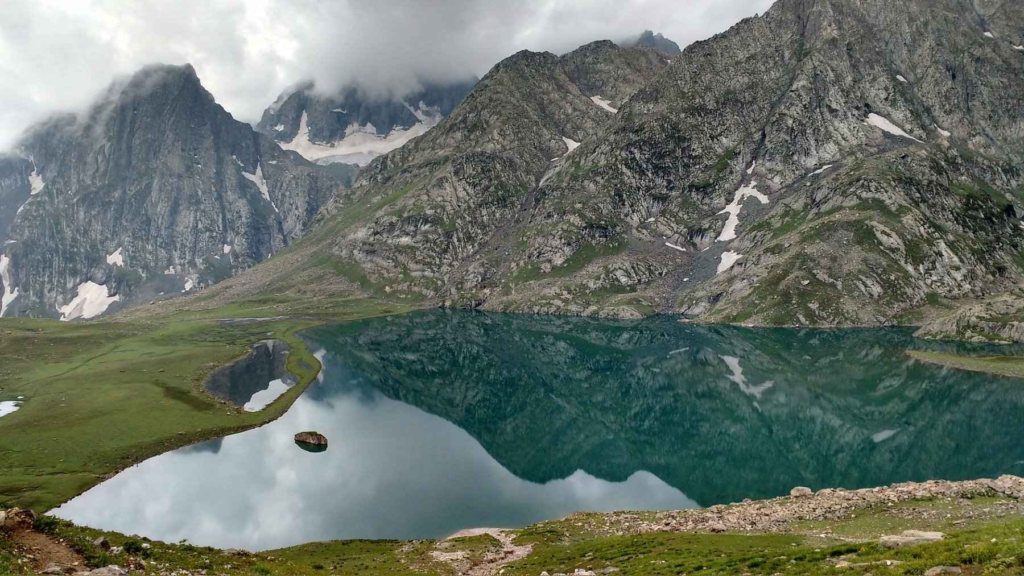
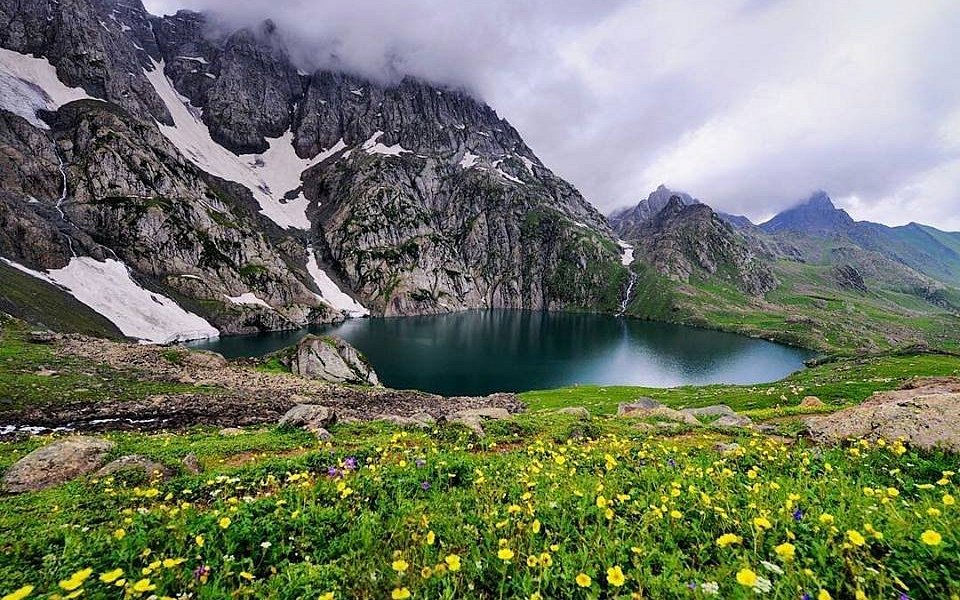
Nestled amidst snow-capped peaks and dense forests, Krishansar Lake is a mesmerizing alpine jewel near Sonamarg. Known for its pristine blue waters and abundant trout population, it is a paradise for anglers and nature lovers. In winter, the lake remains frozen, but summer unveils its true beauty—a mirror reflecting the sky and the surrounding mountains. The trek to Krishansar involves a scenic climb over the Nichnai Pass (4,100 m), rewarding trekkers with sweeping valley views.


2. Vishansar Lake: A Sacred Glacial Jewel

6 Stunning Alpine Lakes In Kashmir Perfect For A Summer Trek

Altitude: 3,710 metres
Best Time to Visit: June to September
Trek Route: Shitkadi – Nichnai Pass – Vishansar Lake

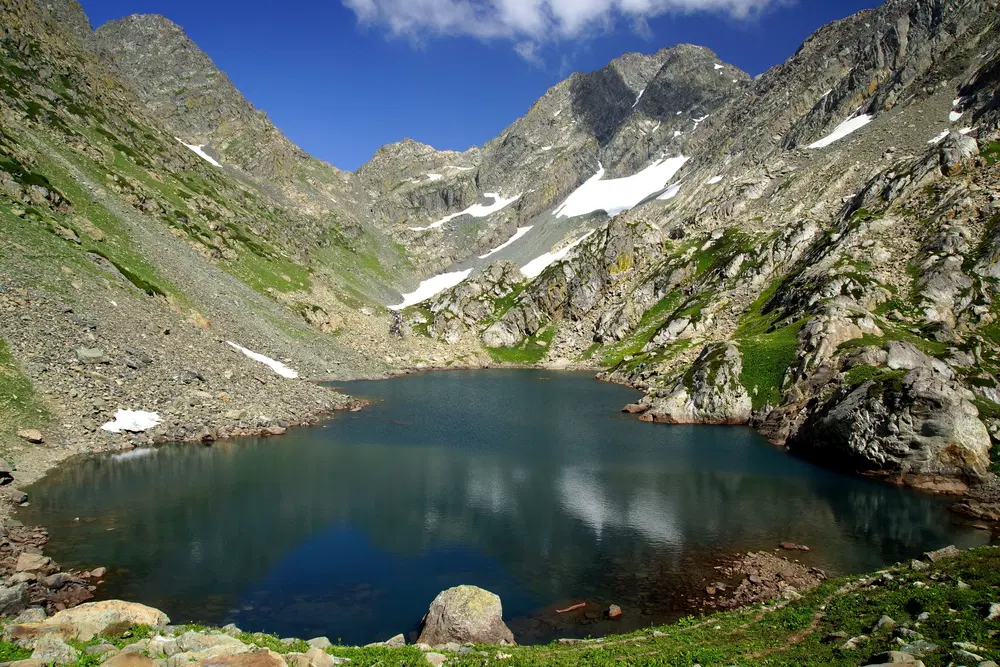
Just a short distance from Krishansar Lake lies Vishansar Lake, also known as the ‘Lake of Vishnu.’ This high-altitude glacial lake is fed by surrounding glaciers and serves as the source of the Neelum River. In summer, shepherds bring their flocks to graze in the meadows, creating a picturesque setting of emerald grasslands dotted with sheep and wildflowers. The lake freezes over in winter, transforming into a silent, icy expanse.


3. Gadsar Lake: Kashmir’s Valley of Flowers

6 Stunning Alpine Lakes In Kashmir Perfect For A Summer Trek

Altitude: 3,600 metres
Best Time to Visit: June to September
Trek Route: Vishansar – Gadsar Pass – Gadsar Lake

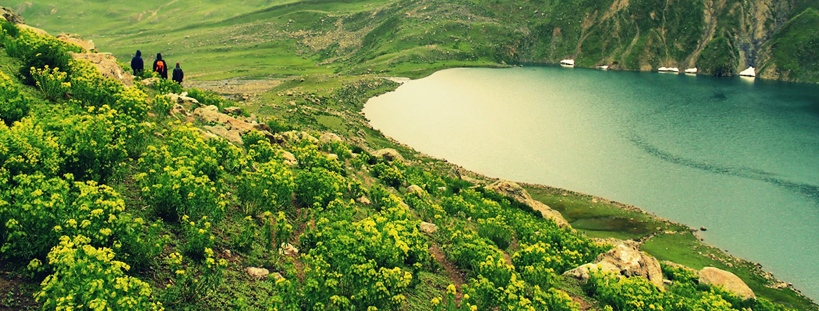
Gadsar Lake, often called ‘Yem Sar’ (Lake of Yama), is known for its striking blue waters and vibrant floral surroundings. It sits at the base of Gadsar Pass and is often surrounded by floating ice even in summer. The area around the lake bursts into a riot of colors with wildflowers, earning it the title of ‘Kashmir’s Valley of Flowers.’ Home to brown trout, Gadsar is also a favorite spot for fishing enthusiasts. The lake remains frozen for nearly half the year, with its icy waters flowing into the Kishanganga River.


4. Satsar Lake: Seven Pools of Serenity

6 Stunning Alpine Lakes In Kashmir Perfect For A Summer Trek

Altitude: 3,600 metres
Best Time to Visit: June to September
Trek Route: Gadsar – Satsar Lakes – Naranag

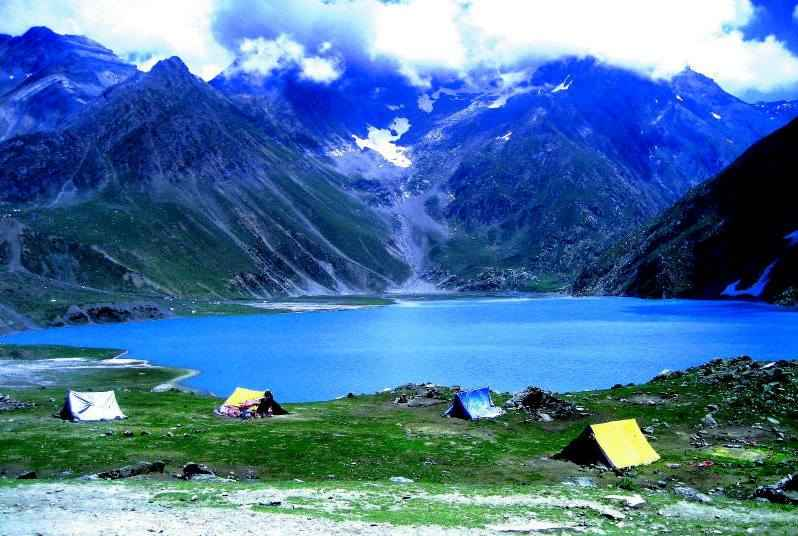
Satsar Lake is not a single lake but a series of seven interconnected alpine lakes, stretching over a narrow valley. Depending on rainfall, some of these lakes dry up by late summer, revealing meadows teeming with blue poppies and wildflowers. The area is popular among trekkers and serves as a natural pass between the Tulail and Sind valleys. With its changing landscapes, Satsar offers a unique trekking experience through a mosaic of green pastures and reflective waters.


5. Nundkol Lake: A Sacred Reflection of Mount Harmukh

6 Stunning Alpine Lakes In Kashmir Perfect For A Summer Trek

Altitude: 3,500 metres
Best Time to Visit: June to September
Trek Route: Naranag – Trunkhol Meadow – Nundkol Lake

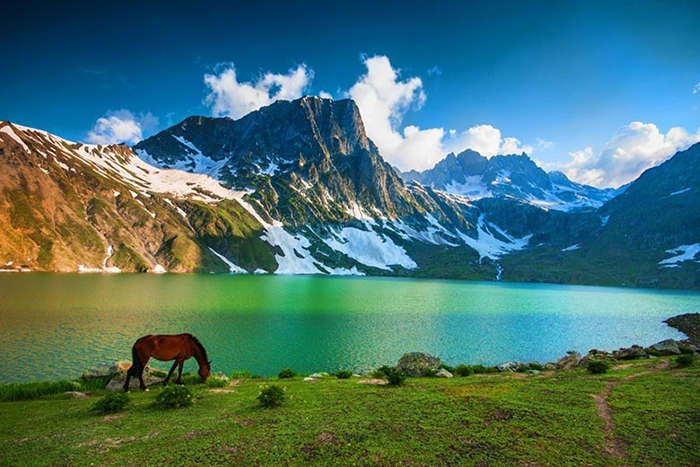
Set against the towering Mount Harmukh (5,142 m), Nundkol Lake is steeped in mythology. Named after Nandi, the sacred bull of Lord Shiva, the lake’s glassy waters reflect the mighty peak in an almost divine spectacle. Trekkers often camp here before proceeding to the larger Gangabal Lake. The lake is mainly fed by Gangabal and glacial streams from Harmukh, forming the source of the Wangath Nallah, a key tributary of the Sind River.


6. Gangabal Lake: The Himalayan Pilgrim’s Paradise

6 Stunning Alpine Lakes In Kashmir Perfect For A Summer Trek

Altitude: 3,570 metres
Best Time to Visit: July to September
Trek Route: Naranag – Gangabal Lake

One of the most revered lakes in Kashmir, Gangabal Lake is known as ‘Haramukh Ganga’ and holds religious significance for Kashmiri Hindus. It is rich in trout fish and surrounded by high-altitude meadows, offering an ideal camping ground for trekkers. The trail from Naranag passes through breathtaking landscapes, including pine forests, cascading streams, and panoramic mountain views. Gangabal is more than just a trekker’s delight—it is a place of quiet reflection, where the sky and water merge into one seamless expanse.


A Trekker’s Dream

Trekking to these alpine lakes is not just about the destination but the journey itself. The landscapes shift from pine forests to vast meadows, from rocky mountain passes to tranquil lakeshores. With no roads to disrupt the serenity, these treks offer a true escape into nature, perfect for adventurers seeking solitude and raw beauty. If you’re looking for an unforgettable summer adventure, lace up your boots and head into the heart of Kashmir’s high-altitude wonders.

New Pamban Bridge: A Historic Leap in India’s Rail Infrastructure

0

On April 6, 2025, Prime Minister Narendra Modi will inaugurate the highly anticipated New Pamban Bridge in Rameshwaram, Tamil Nadu. The inauguration, coinciding with the auspicious occasion of Ram Navami, marks a significant milestone in India’s infrastructure development. Spanning 2.5 kilometres, the bridge strengthens connectivity between mainland India and Rameshwaram Island, drastically reducing train travel time from 25-30 minutes to under five minutes.

A Marvel of Modern Engineering

The New Pamban Bridge holds the distinction of being the first vertical lift railway bridge in Asia. It replaces the historic bridge built in 1914, which was decommissioned in December 2022 due to severe corrosion. The new bridge, constructed by Rail Vikas Nigam Limited (RVNL) at a cost of ₹535 crore, is designed to accommodate modern rail traffic, ensuring faster transit and improved durability.

Advanced Engineering Features

A key highlight of the New Pamban Bridge is its state-of-the-art electromechanical lifting system, designed to facilitate seamless maritime navigation. The lifting mechanism can be operated by a single individual and takes just five minutes to elevate, allowing ships and boats to pass beneath. Trains can traverse the bridge at a speed of up to 75 km/h, though the vertical lift section has a speed restriction of 50 km/h for safety reasons.

Operational Challenges and Safety Measures

Despite its cutting-edge technology, the bridge’s lifting system faces operational constraints due to weather conditions. It cannot function when wind speeds exceed 58 km/h, a frequent occurrence from October to February. This challenge necessitates careful monitoring to ensure safe and efficient operations during high-wind periods.

Restoring a Historic Connection

For decades, the old Pamban Bridge served as the sole railway link between the mainland and Rameshwaram, until a parallel road bridge was constructed in 1988. The new bridge restores essential rail connectivity, benefiting thousands of local residents and pilgrims visiting Rameshwaram—a revered spiritual destination.

Inauguration and Future Prospects

The grand inauguration ceremony will also witness the launch of a new train service connecting Tambaram and Rameshwaram, further enhancing accessibility. Prime Minister Modi is expected to address a public gathering, highlighting the strategic importance of this project. Additionally, the redevelopment of the Rameswaram railway station is progressing steadily and is slated for completion by September 2025, further complementing the region’s enhanced transport infrastructure.

A Symbol of Progress

The New Pamban Bridge stands as a testament to India’s commitment to modernizing its railway infrastructure. By integrating innovative engineering solutions with historical significance, the bridge not only facilitates improved connectivity but also paves the way for future advancements in railway technology. As the nation continues its journey toward infrastructural excellence, this project remains a proud achievement, bridging the past with a dynamic future.

DRDO and Indian Navy Successfully Test VLSRSAM: A Leap in India’s Defence Capabilities

0

On March 26, 2025, the Defence Research & Development Organisation (DRDO) and the Indian Navy achieved a significant milestone in India’s defence landscape. The successful flight test of the Vertically-Launched Short-Range Surface-to-Air Missile (VLSRSAM) at the Integrated Test Range (ITR) in Chandipur, Odisha, marks a crucial advancement in the nation’s air defence capabilities.

VLSRSAM: India’s Indigenous Air Defence Shield

The VLSRSAM is a state-of-the-art, indigenously developed missile system designed to provide short-range air defence. It is capable of intercepting a wide array of aerial threats, including fighter jets, drones, and precision-guided munitions, particularly at low altitudes. What sets this missile apart is its advanced technology, including an indigenous Radio Frequency (RF) seeker that significantly enhances target acquisition and engagement efficiency.

Flight Test Details: A Display of Precision and Power

The landmark flight test was executed using a land-based vertical launcher, with the missile directed at a high-speed aerial target at close range. Demonstrating its Near-Boundary-Low Altitude interception capability, the missile executed a high turn rate maneuver to neutralize the target with exceptional precision. The test validated its agility and accuracy, reinforcing confidence in its operational effectiveness.

Integrated System Components

The successful test involved the coordinated operation of multiple cutting-edge components deployed in a combat-ready configuration. These included:

  • The Missile – Equipped with an advanced RF seeker and high-speed propulsion system.
  • Multi-Function Radar (MFR) – Ensuring real-time threat detection and tracking.
  • Weapon Control System (WCS) – Facilitating seamless engagement coordination.

All components functioned flawlessly under real-time conditions, with flight data meticulously captured using sophisticated range instruments developed at ITR Chandipur. This comprehensive evaluation reaffirms the robustness of the system.

Strategic Significance and Expert Acknowledgment

Defence Minister Rajnath Singh lauded this achievement, describing it as a testament to India’s growing prowess in indigenous defence research and development. He emphasized that the VLSRSAM will serve as a force multiplier for the Indian Navy, enhancing its air defence shield against evolving aerial threats.

Dr. Samir V. Kamat, Chairman of DRDO, echoed these sentiments, highlighting the missile’s role in bolstering India’s self-reliance in defence technology and reinforcing its maritime security framework.

Future Implications: Strengthening India’s Defence Landscape

The successful test of the VLSRSAM paves the way for further technological advancements and future deployments within the Indian Armed Forces. This indigenous missile system underscores India’s commitment to self-reliance in defence manufacturing under the Atmanirbhar Bharat initiative. As modern warfare continues to evolve, the integration of such advanced defence technologies will fortify India’s strategic deterrence and operational readiness.

With its cutting-edge capabilities and indigenous innovation, the VLSRSAM stands poised to redefine India’s air defence paradigm, ensuring robust protection of naval assets and contributing to regional security stability.

Tribhuvan Sahkari University Bill, 2025: A Milestone in Cooperative Education

0

In a historic move, the Lok Sabha recently passed the Tribhuvan Sahkari University Bill, 2025, marking a significant step in advancing cooperative education in India. This initiative paves the way for the establishment of the country’s first national cooperative university at the Institute of Rural Management Anand (IRMA) in Gujarat. Designed to revolutionize education, research, and training in the cooperative sector, this university is set to become a cornerstone of rural development and economic empowerment.

A Vision for Cooperative Education

The Tribhuvan Sahkari University aims to serve as a hub for cooperative training and academic excellence. It will register cooperative training institutes across all states as affiliated colleges, creating a nationwide network of cooperative education. The university will offer degree, diploma, and PhD programs, catering to thousands of students. With an estimated 800,000 individuals expected to receive certification annually, the initiative is poised to elevate the skills and knowledge of those involved in the cooperative movement.

Historical Significance: Honoring a Pioneer

The university is named after Tribhuvandas Kishibhai Patel, a visionary leader and the driving force behind India’s cooperative movement. As the founder of Amul, Patel played a pivotal role in transforming India’s dairy industry through cooperative models, empowering rural farmers and setting the stage for one of the country’s most successful cooperative ventures. The establishment of this university is a tribute to his contributions, ensuring that his legacy continues to inspire future generations.

Economic Impact and Job Creation

One of the key benefits of the university’s establishment is its potential to generate employment and skill development opportunities. Traditionally, cooperative leaders have relied on informal hiring from their own networks. The introduction of formal education in cooperative management will provide a structured learning environment, equipping individuals with professional expertise. By nurturing a highly skilled workforce, the university will strengthen cooperative enterprises, bolster rural economies, and open new career paths in sectors such as agriculture, dairy, fisheries, and banking.

Financial Support and Future Roadmap

The government has announced a substantial investment of ₹10,000 crore into the cooperative dairy sector, ensuring sustained growth and innovation. This funding will be instrumental in promoting a circular economy, supporting initiatives such as fodder supply, veterinary services, and dairy infrastructure development. Additionally, the government plans to introduce a cooperative insurance company and launch ‘Sahkar Taxi,’ a ride-sharing service that operates on a cooperative model, further expanding economic opportunities within this sector.

Challenges and Debates

Despite widespread support, the establishment of the university has sparked debates. Some opposition members have questioned the decision to locate the institution in Gujarat, arguing that other states with strong cooperative foundations could have been viable alternatives. Concerns have also been raised regarding bureaucratic hurdles that could impact the university’s efficiency and governance. Addressing these challenges will be crucial in ensuring the university’s long-term success and inclusivity.

Transforming the Cooperative Education Landscape

Currently, India has 284 cooperative training institutes, but the sector lacks comprehensive, long-term educational programs. The Tribhuvan Sahkari University will unify these institutions, offering a structured and modernized approach to cooperative education. By enhancing the capacity of existing centers and integrating advanced curricula, the university will create a sustainable framework for cooperative knowledge and leadership.

A Step Towards ‘Sahkar Se Samriddhi’

Aligned with the government’s vision of ‘Sahkar Se Samriddhi’ (Prosperity Through Cooperation), this university aims to drive economic growth by strengthening cooperative enterprises. It will serve as a beacon of excellence in cooperative education, research, and training, fostering innovation and sustainability. As India continues to embrace cooperative models for economic and social progress, the establishment of Tribhuvan Sahkari University marks a transformative milestone in empowering communities and shaping the future of the cooperative sector.

With a strong foundation in education and practical training, the university is set to redefine cooperative leadership, ensuring that India’s cooperative movement remains a dynamic force in the nation’s economic landscape.

Breakthrough in Lyme Disease Research: A New Therapeutic Target Identified

0

Recent advancements in Lyme disease research have unveiled a promising new target for treatment. Scientists have identified an enzyme, BbLDH, that plays a crucial role in the survival and infectivity of Borrelia burgdorferi, the bacterium responsible for Lyme disease. This discovery paves the way for more effective therapeutic strategies, not only against Lyme disease but potentially other tick-borne illnesses as well.

Understanding Lyme Disease

Lyme disease, also known as Lyme borreliosis, is a bacterial infection caused by Borrelia burgdorferi. It is transmitted to humans through the bites of infected blacklegged ticks. The disease is particularly prevalent in the northeastern and midwestern United States, as well as parts of Europe and Asia.

Symptoms can vary in severity, with early signs including:

  • A distinctive bull’s-eye rash (erythema migrans)
  • Fever
  • Fatigue
  • Headaches

If left untreated, Lyme disease can lead to serious complications affecting the joints, heart, and nervous system. Early diagnosis and intervention are crucial for preventing long-term health issues.

BbLDH: A Critical Enzyme in B. burgdorferi

A key breakthrough in Lyme disease research is the discovery of BbLDH, or lactate dehydrogenase, an enzyme essential for B. burgdorferi’s metabolic processes. Unlike most organisms that rely on thiamin (vitamin B1) for metabolic functions, B. burgdorferi has evolved a unique adaptation, making BbLDH vital for its survival. This enzyme facilitates the conversion of pyruvate to lactate, a process critical for maintaining the bacterium’s NADH/NAD+ balance, which, in turn, supports its growth and infectivity.

Scientific Findings and Their Implications

Through extensive genetic, biochemical, and structural analyses—including X-ray crystallography—researchers have confirmed that BbLDH is indispensable for B. burgdorferi’s survival in both laboratory cultures and living organisms. Loss-of-function studies further demonstrated that inhibiting BbLDH significantly impairs the bacterium’s ability to grow and infect hosts.

The Potential for BbLDH Inhibitors in Lyme Disease Treatment

One of the most exciting aspects of this research is the identification of potential BbLDH inhibitors. Using high-throughput screening, scientists have pinpointed several compounds that effectively block BbLDH activity. These inhibitors could serve as the foundation for developing targeted treatments that specifically combat Lyme disease-causing bacteria without disrupting beneficial microbes in the human body.

According to Chunhao Li, the study’s corresponding author, BbLDH’s unique biochemical features make it an ideal candidate for genus-specific inhibitors. This means that future treatments could selectively target B. burgdorferi without affecting human cells or other non-harmful bacteria.

Broader Implications for Tick-Borne Diseases

Beyond Lyme disease, this research has far-reaching implications. By uncovering the significance of LDH in B. burgdorferi, scientists can explore similar metabolic pathways in other tick-borne pathogens. This could lead to innovative strategies for combating a range of vector-borne diseases, ultimately improving public health responses to tick-related infections worldwide.

Looking Ahead: A New Era in Lyme Disease Treatment

The discovery of BbLDH as a key player in B. burgdorferi’s survival represents a major milestone in the fight against Lyme disease. As researchers continue to refine BbLDH inhibitors, there is growing optimism that new, highly targeted treatments will soon be available. These advancements offer hope for more effective, less invasive Lyme disease therapies, bringing us closer to controlling and potentially eradicating one of the most prevalent tick-borne illnesses.

As research progresses, continued investment in Lyme disease studies will be essential to translating these findings into real-world treatments. With promising new targets like BbLDH, the future of Lyme disease treatment is looking brighter than ever.

India’s Dx-EDGE Initiative: Transforming MSMEs through Digital Excellence

0

In a significant stride towards digital transformation, India has launched the ‘Digital Excellence for Growth and Enterprise’ (Dx-EDGE) initiative. This pioneering platform is designed to empower micro, small, and medium enterprises (MSMEs) by equipping them with essential digital tools and knowledge. A collaborative effort between the Confederation of Indian Industry (CII), NITI Aayog, and the All India Council for Technical Education (AICTE), Dx-EDGE aims to enhance MSME performance, ensuring they remain competitive and resilient in an increasingly digital economy.

Future-Proofing MSMEs with Digitalisation

The primary objective of Dx-EDGE is to future-proof MSMEs by providing them access to cutting-edge technologies and digital skills. By fostering an environment of innovation and skill development, the initiative aligns with India’s vision of becoming a developed nation—Viksit Bharat. It seeks to democratise technology adoption, ensuring that even the smallest enterprises can leverage digital advancements for sustainable growth.

Key Challenges Faced by MSMEs

Despite being a crucial pillar of India’s economy, MSMEs continue to encounter several challenges that hinder their progress. These include:

  • Limited Technology Adoption: Many small enterprises lack the necessary resources and expertise to integrate digital solutions into their operations.
  • Workforce Skill Development: The rapid evolution of technology demands a highly skilled workforce, but many MSMEs struggle with upskilling their employees.
  • Quality Certifications: Achieving globally recognised certifications is often a challenge, affecting competitiveness in international markets.

Addressing these concerns is critical for enhancing operational efficiency and ensuring long-term sustainability.

A Collaborative Framework: Public-Private-Academia Partnership (PPAP)

The success of Dx-EDGE hinges on a robust Public-Private-Academia Partnership (PPAP). This model brings together:

  • Private Sector Involvement: Industry leaders provide insights, mentorship, and technological expertise.
  • Government Support: Policies and incentives from the government ensure a conducive environment for MSME digital transformation.
  • Academic Resources: Educational institutions contribute by developing training programs and research-driven solutions.

This synergistic approach fosters an ecosystem where MSMEs can seamlessly integrate digital innovations into their business processes.

Establishment of Digital Excellence Centres

A standout feature of the Dx-EDGE initiative is the creation of Digital Excellence Centres. These centres will play a pivotal role in guiding MSMEs by offering:

  • Tailored digital transformation strategies
  • Hands-on training programs
  • Access to industry experts and mentors

By providing structured guidance, these centres will ensure that MSMEs can effectively adopt and sustain new technological advancements.

Empowering the Workforce through Education and Skills

Education and skill development form the backbone of the Dx-EDGE initiative. Strengthening the workforce’s capabilities will not only enhance productivity but also enable MSMEs to meet global quality standards. By focusing on digital literacy, technical training, and certification programs, the initiative ensures that Indian enterprises remain competitive on the world stage.

Future Prospects: A Digitally Advanced Economy

The Dx-EDGE initiative marks a transformative step towards strengthening India’s position in the global market. By fostering digital adoption among MSMEs, India is not only driving economic growth but also building resilience against future challenges.

As digitalisation continues to redefine industries, Dx-EDGE represents a vital step towards achieving a technologically empowered, globally competitive, and economically resilient India. Through strategic collaborations and a strong focus on skill development, the initiative lays the foundation for a truly digital future—one where MSMEs can thrive, innovate, and contribute significantly to India’s economic progress.

Now pursue MA in Development Studies with Specialisation in Himalayan Region at IIT Mandi

0

IIT Mandi Announces Admissions for MA in Development Studies with Specialization in the Himalayan Region

The Indian Institute of Technology (IIT) Mandi has opened applications for its M.A. in Development Studies, a unique two-year program under the School of Humanities and Social Sciences. This specialized program provides students with a deep understanding of the opportunities and challenges specific to the Himalayan region, integrating theoretical knowledge with practical research and fieldwork.

The program, comprising 80 credits, emphasizes local, regional, and international aspects of development, sustainability, and empowerment in the Himalayan belt. Additionally, students have the option to pursue an M.A. + Ph.D. Dual Degree, enhancing their research skills and career prospects.

Beyond academics, the School of Humanities and Social Sciences at IIT Mandi actively engages with local communities in the Kamand area, conducting training programs aimed at fostering self-sufficiency.

Statement from IIT Mandi Leadership

Dr. Surya Prakash Upadhyay, Chairperson of the School of Humanities & Social Sciences, IIT Mandi, stated:

He added:

“Our goal is to create a skilled pool of development practitioners and academics who will contribute meaningfully to informed decision-making processes.”

Eligibility Criteria

  • A bachelor’s degree from a recognized institution with a minimum of 55% marks or a CGPA of 6.0/10.
  • For SC/ST/OBC(NCL)/PwD candidates, a relaxation applies: 50% marks or a CGPA of 5.5/10.

Admission Process

  • Online application submission.
  • Selection via a written test and/or interview.
  • The list of selected candidates will be published on the IIT Mandi website.

Key Details

  • Course Duration: 2 years
  • Course Fee: ₹30,000 per semester (approx.)
  • Last Date for Online Application: April 11, 2025 (5:30 PM)
  • Shortlisted Candidates Announcement: April 15, 2025
  • Online Written Test (Tentative): April 21–25, 2025
  • Online Interview (Tentative): April 26–29, 2025
  • Fee Waiver: 100% tuition fee waiver for SC/ST/PwD students
  • Contact Information:

Note: The above dates are tentative and subject to change.

About IIT Mandi

IIT Mandi, one of India’s premier second-generation IITs, is located in the scenic Kamand Valley of Himachal Pradesh. Established by the Ministry of Human Resource Development, Government of India, it holds the status of an Institute of National Importance. The institute operates from its permanent campus in Kamand, divided into the North and South campuses connected by a narrow neck.

Since its inception, IIT Mandi has spearheaded over 275 Research and Development (R&D) projects worth more than ₹120 crore. The institute has also signed Memorandums of Understanding (MoUs) with 11 international and 12 national universities, enhancing its global and national academic collaboration