Home Blog Page 344

Two-wheeler loan eligibility- Know EMI & interest details 

0

Taking a two-wheeler with a loan can reduce your initial financial burdens greatly. You will get immediate ownership of the vehicle without having to wait for months to achieve sufficient bank balance. However, before you apply for a loan, you should know about the eligibility criteria in detail. Only then can you avoid your application from getting rejected due to one or many reasons. Apart from this, you must also know the factors that influence the loan EMI and interest rates for better finance management. With this in mind, we have illustrated the criteria you need to fulfill to apply for the loan. Additionally, we have also prepared a list of documents required for bike loan so that you won’t have further problems. 

Eligibility conditions to apply for a bike loan

Whether it’s a national or a private lender, the eligibility criteria remain almost the same for everyone. Adhering to it strictly can help increase the chances of your application’s approval. 

  1. Age: Every applicant should be at least 18 years of age. 60 to 65 years of age is usually maintained for the upper limit. 
  2. Income: It’s mandatory to have a steady income source. Most lenders set a specific minimum income threshold depending on the bike’s market cost and the region. 
  3. Down payment: You must have sufficient bank balance to pay the initial upfront amount for the two-wheeler. It can vary between 10% to 20% of the overall cost. If you want to avoid it, opt for a zero interest two wheeler loan. 
  4. Credit score: One of the most crucial determinants for your loan eligibility is the CIBIL score. Any number lower than 750 is considered to be associated with higher financial risks. Lenders may disapprove your application or incur a high interest rate to compensate for the risks. 
  5. Residence: You need to have a proper residential address. Lenders often check if the address is consistent for a certain period or not, like for a year. 
  6. Citizenship: Every applicant needs to be an Indian citizen by birth or through other methods. Accordingly, you will have to provide the document along with your loan application. 

Documents required for a two-wheeler loan

Following is the list of documents required for bike loan that you have to adhere to.

  1. Age proof (any of the below)
    1. Aadhar card
    2. PAN card
    3. Voter’s ID card
    4. Valid passport within expiry date
    5. Driving license 
  2. ID proof (any of the below)
    1. Aadhar Card
    2. PAN card
    3. Valid passport
    4. Driving license
    5. Voter’s ID card
    6. Any document issued by the government, like a notarized affidavit
  3. Income proof (for salaried employees)
    1. Salary slips of the last 3 to 6 months
    2. Bank statements for the last 3 to 6 months
    3. Form 16 issued by the employer
    4. ITR file of the last 3 years
  4. Income proof (for self-employed applicants)
    1. ITR file of the last 2 years
    2. Bank account statements of the last 6 months
    3. Business registration certificate
  5. Employment proof (for salaried applicants)
    1. Employment certificate or offer letter
  6. Vehicle-related document
    1. Proforma or quotation having the detailed cost breakdown of the two-wheeler as provided by the concerned dealer

Tips to increase your bike loan approval rate

With so many diverse eligibility conditions for a regular or zero interest two wheeler loan, anxiety is anticipated. So, to ease your worries, we have discussed here a couple of tips that can increase your application’s approval rate. 

  1. Maintaining a high credit score throughout
    1. Although a CIBIL of 750 is the benchmark, several lenders accept a score up to 650. If yours is lower than the latter, the application is likely to get rejected. So, try to maintain the CIBIL high so as to avoid unnecessary hassles. 
    2. Do not miss any EMI or credit card bill payments. Failed or missed repayments usually impact the credit score negatively.
  2. Income stability
    1. Taking a two-wheeler loan will incur financial liability. If you do not have a stable income or your monthly earnings aren’t enough to cover the EMI amount, the lender may reject your loan application.
    2. Ensure all your income statements and ITR files are up-to-date, showing a consistent employment history. 
  3. Lower income-to-debt ratio
    1. For applicants with existing loans, a higher debt amount will increase the chances of application rejection. 
    2. Lenders calculate the DTI to assess the financial risks associated with the concerned loan application. If your DTI is above the benchmark value of 35, it can cause problems.

Conclusion

Knowing the eligibility criteria and the required document list will help you prepare your two-wheeler loan application better. Ensure you adhere to the conditions so that the application won’t get rejected midway. In most cases, increased financial risks due to poor credit scores, unstable income, and higher DTI are the main causes of bike loans being denied. Hence, once you focus on these aspects, you can get your dream two-wheeler easily with a proper loan. 

Sheikh Hamdan Welcomes Baby Girl Hind: A New Chapter in Dubai’s Royal Family

0

Dubai’s Crown Prince, Sheikh Hamdan bin Mohammed bin Rashid Al Maktoum, welcomed his fourth child, a baby girl named Hind, on Saturday. The name is a heartfelt tribute to his mother, Sheikha Hind bint Maktoum bin Juma Al Maktoum, honoring the deep familial bonds that define Dubai’s ruling Al Maktoum family.

The joyous news was confirmed by Sheikh Hamdan himself through a touching Instagram post, where he not only announced his daughter’s birth but also shared a heartfelt prayer: “O Allah, grant her a heart filled with Your love, make her a source of light and guidance, and clothe her in the garments of health and well-being.” The post quickly gained widespread attention, with well-wishers from around the world congratulating the royal family on their newest addition.

The Crown Prince of Dubai: A Modern Leader and Family Man

Sheikh Hamdan, affectionately known as “Fazza,” has been the Crown Prince of Dubai since 2008. In addition to his role as Crown Prince, he serves as the Deputy Prime Minister and Minister of Defence of the UAE. A man of many talents and passions, Sheikh Hamdan is widely admired for his leadership, philanthropy, adventurous spirit, and deep connection with the people of Dubai.

Born into Dubai’s ruling Al Maktoum family, Sheikh Hamdan is the second son of Sheikh Mohammed bin Rashid Al Maktoum, the Ruler of Dubai, and Sheikha Hind bint Maktoum bin Juma Al Maktoum. His mother’s influence is evident in the strong values he upholds—family, tradition, and service to his nation.

In 2019, Sheikh Hamdan married his cousin, Sheikha Sheikha bint Saeed bin Thani Al Maktoum, in a grand royal wedding that coincided with the weddings of his brothers, Sheikh Maktoum and Sheikh Ahmad. Despite her status as a royal, Sheikha Sheikha leads a private life, away from the public eye, embodying the family’s deep-seated values of dignity and discretion.

A Growing Royal Family

With the birth of Hind, Sheikh Hamdan and Sheikha Sheikha now have four children, marking a new chapter in their growing family. Their first children, twins Sheikha and Rashid, were born in May 2021, followed by their son, Mohammed bin Hamdan bin Mohammed Al Maktoum, in February 2023.

The arrival of Hind brings a new sense of joy and unity to the royal household, reinforcing the enduring traditions of the Al Maktoum dynasty while also embracing the promise of a new generation.

Sheikh Hamdan’s Social Media Presence and Global Influence

Beyond his official duties, Sheikh Hamdan maintains a strong and dynamic presence on social media, particularly on Instagram, where he connects with nearly 17 million followers under the handle @faz3. His posts range from breathtaking photographs of Dubai’s skyline to his adventurous pursuits like skydiving, equestrian sports, and wildlife conservation efforts.

His openness and accessibility through social media have made him a beloved figure not just in the UAE but across the world. Whether sharing personal milestones like the birth of his children or championing Dubai’s progress, Sheikh Hamdan continues to inspire millions with his vision and leadership.

A Moment of Joy for Dubai

The birth of Hind is a cause for celebration not just within the royal family but across Dubai and beyond. As Sheikh Hamdan and Sheikha Sheikha embrace this new chapter of parenthood, their journey reflects the values of love, tradition, and commitment to family—qualities that continue to shape the leadership and legacy of Dubai’s ruling family.

World Piano Day: Celebrating the Magic of 88 Keys

0

Every year, music lovers around the world come together to celebrate World Piano Day, a special occasion dedicated to one of the most beloved and versatile musical instruments. Marked on the 88th day of the year—symbolizing the piano’s 88 keys—this day pays homage to the instrument’s profound impact on music, culture, and human expression.

The History of World Piano Day

World Piano Day was founded in 2015 by German pianist and composer Nils Frahm. His vision was to create an annual event that honors the instrument and brings people together through music. Since then, World Piano Day has grown into a global phenomenon, celebrated by musicians, composers, educators, and piano enthusiasts in concerts, online performances, workshops, and community events.

The choice of the 88th day of the year—March 28 or March 29 in leap years—is a symbolic nod to the piano’s standard 88 keys, reinforcing the intimate connection between the date and the instrument it celebrates.

The Significance of the Piano in Music and Culture

The piano has long been regarded as one of the most expressive and versatile instruments. Its ability to produce a vast range of tones and dynamics makes it a staple in classical, jazz, pop, and contemporary music. From Beethoven’s sonatas to jazz improvisations by Thelonious Monk, and even modern electronic-infused compositions, the piano has continuously evolved, shaping countless musical genres.

Beyond music, the piano holds cultural and emotional significance. It has been a symbol of artistic refinement in homes and concert halls, a medium for storytelling in films and literature, and an essential tool for composers and songwriters. The piano has the power to evoke deep emotions, from the joyous melodies of Chopin’s waltzes to the melancholic beauty of Rachmaninoff’s concertos.

How World Piano Day is Celebrated

World Piano Day is marked by a variety of events worldwide, both in-person and online. Some common ways to celebrate include:

  • Concerts and Recitals: Pianists of all levels, from amateurs to professionals, perform music ranging from classical masterpieces to modern compositions.
  • Live Streams and Virtual Performances: Many artists share their music through online platforms, making performances accessible to a global audience.
  • Community and Educational Initiatives: Music schools and organizations host workshops, masterclasses, and lectures to inspire and educate aspiring pianists.
  • Compositions and Improvisations: Composers and musicians often create new works or engage in spontaneous improvisation to mark the occasion.
  • Charity and Fundraising Efforts: Some events use World Piano Day to raise funds for music education programs, ensuring that future generations have access to learning this beautiful instrument.

The Lasting Impact of the Piano

World Piano Day serves as a reminder of the piano’s enduring legacy. It unites musicians and listeners, bridging cultural and generational gaps through the universal language of music. Whether you are a professional pianist, a beginner, or simply a lover of piano music, this day encourages everyone to appreciate the beauty of the instrument and its contributions to the world of art and creativity.

So, on the next 88th day of the year, let the melodies of the piano fill the air, and celebrate the magic of music that has touched countless hearts across centuries.

Places to visit: The French Quarter, A Tale of Colonial Splendour

0

Welcome to the enchanting French Quarter of Puducherry, a captivating destination that transports visitors on a remarkable journey through time. Known locally as Ville Blanche, or White Town, this historic neighborhood stands as a living testament to Puducherry’s rich colonial heritage. With its unique blend of French and Indian architecture, the French Quarter offers an atmosphere that is both nostalgic and awe-inspiring.

A Legacy of Colonial Influence

Puducherry has a storied past, having been ruled by several colonial powers, including the Dutch, Portuguese, British, and most notably, the French. It became part of independent India in 1954 and was officially integrated as the Union Territory of Puducherry in 1963. Despite this transition, the French influence remains deeply embedded in the city’s culture, architecture, and way of life.

A Fusion of Cultures

The history of the French Quarter dates back to the establishment of the French East India Company during colonial rule. This hub once thrived on the trade of cotton, silk, indigo dye, and spices, which were exported to France. Significant historical events such as the French Revolution, the Anglo-French wars, and India’s independence movement have left indelible marks on this charming town.

Strolling through the French Quarter, one cannot help but marvel at the architectural grandeur that reflects its vibrant cultural history. A stunning amalgamation of Baroque, Rococo, Neoclassical, and Indian styles, the colonial buildings boast arched doorways, shuttered windows, colorful facades, and wrought iron balconies. These elegant structures are adorned with expansive courtyards and verandas inspired by Indian traditions, ensuring natural ventilation and light. This harmonious blend of cultures is a visual and architectural delight.

Architectural Marvels and Iconic Landmarks

Some of the French Quarter’s most iconic attractions showcase its rich architectural heritage. The Romain Rolland Library is among the largest and oldest libraries in India, housing a treasure trove of cultural knowledge. The French Institute stands as a beacon of Indo-French academic collaboration, while the majestic Governor’s Palace exudes colonial grandeur. The Church of Our Lady of Angels, with its Greek-Roman architectural style, remains a serene and beautiful place of worship.

Immersive Experiences in the French Quarter

Visitors can fully immerse themselves in the captivating charm of the French Quarter through various engaging experiences. A Heritage Walk through Rue Dumas, Rue Romain Rolland, Rue Suffren, and Rue La Bourdonnais offers an intimate glimpse into the area’s history. Each street reveals architectural masterpieces and fascinating stories etched into its walls.

Promenade Beach is another must-visit destination. Lined with palm trees and offering breathtaking views of the Bay of Bengal, this scenic spot provides a peaceful retreat where visitors can unwind under the soothing sea breeze.

For those seeking spiritual enrichment, the Sri Aurobindo Ashram offers profound insights into Indian spirituality and philosophy. Founded in the early 20th century by Sri Aurobindo and The Mother, the ashram is a hub for meditation and inner transformation.

Notre Dame des Anges Church, with its stunning French colonial architecture, is a symbol of the town’s rich cultural heritage. The French War Memorial on Goubert Avenue stands as a solemn tribute to the heroes of World War I, offering panoramic sea views.

A Culinary Haven

The French Quarter is renowned for its vibrant café culture and exquisite cuisine, reflecting the region’s rich Franco-Tamil heritage. Strolling through the cobbled streets, visitors encounter an array of charming cafes that offer a delightful blend of French and South Indian flavors. Iconic spots like Café des Arts and La Maison Rose serve authentic French pastries, croissants, and crepes, perfectly paired with aromatic coffee. Meanwhile, restaurants like Villa Shanti and Le Dupleix present a fusion of French and Indian culinary traditions, featuring dishes such as coq au vin alongside spicy Tamil curries.

Treasured Memories to Take Home

The local boutiques and shops of the French Quarter are a haven for unique handicrafts, clothing, and souvenirs. These treasures allow visitors to carry a piece of Puducherry’s charm home with them.

Summing Up

The French Quarter of Puducherry is not just a place; it is an experience where history, culture, and architectural beauty come together to create an everlasting impression. From its charming streets and colonial buildings to its rich spiritual heritage and delectable cuisine, the French Quarter offers an extraordinary journey through time. As you walk through this picturesque White Town on India’s southern shores, you are sure to be captivated by its elegance and enduring legacy.

Places to visit: Nohsngithiang Falls, Nature’s Raw Power, Forever Frozen in Time

0

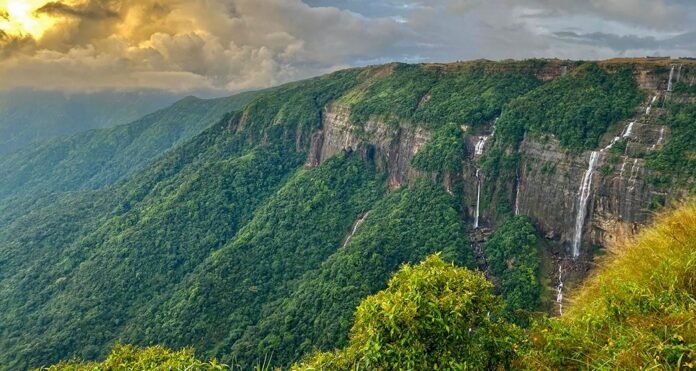
In the heart of Meghalaya, a state renowned for its mesmerising natural beauty and enigmatic charm, lies a hidden gem that beckons adventurers and nature enthusiasts alike. Nohsngithiang Falls, also known as the Seven Sisters Falls or Mawsmai Falls, stands as a breathtaking spectacle showcasing nature’s raw power and majesty.

The Legend of the Seven Sisters

The name “Seven Sisters Falls” is steeped in local legend, adding a layer of mystique to the already enchanting atmosphere. According to folklore, the waterfall was named after seven sisters whom a single suitor once wooed. In a fit of jealousy, the sisters are said to have transformed into the seven streams cascading down the cliff face, forever frozen in their emotional turmoil. As you gaze upon the falls, you can almost hear the whispers of this tragic tale carried on the mist that rises from the churning waters below.

A Spectacle of Raw Power

Fed by the abundant rainfall that blesses Meghalaya, the water plunges from a staggering height of over 1,000 feet, creating a thunderous roar that reverberates through the surrounding hills. The force of the falling water sends up a fine mist that catches the sunlight, forming dazzling rainbows that arch across the base of the falls—a fleeting reminder of the transient nature of beauty.

The cliff face itself is a testament to the sculpting power of water, with jagged edges and smooth contours shaped by centuries of erosion. This stark contrast between rugged rock and delicate streams creates an awe-inspiring visual drama that leaves visitors humbled by the grandeur of nature.

Journey Through the Jungle

Reaching Nohsngithiang Falls requires an adventurous trek through lush jungles that surround the site. The journey, while challenging at times, offers an immersive experience into Meghalaya’s natural wonders. The cool, crisp air and the gentle rustling of leaves create a sense of peace and tranquillity, providing a welcome escape from the chaos of modern life.

For thrill-seekers, the surrounding hills offer opportunities for trekking and rock climbing. Challenging routes test your endurance and reward you with breathtaking views of the falls and the sprawling valley below. For an even more exhilarating perspective, consider zip-lining through the mist-filled air, soaring past the seven streams as the wind rushes against your face.

The Ever-Changing Beauty of the Falls

Nohsngithiang Falls offers a unique experience in every season, with each phase painting the landscape in a new hue. During the monsoon season from June to September, the falls are at their most potent, with an increased water flow creating a deafening roar heard from miles away. The lush greenery and mist-laden air evoke an atmosphere of mystical enchantment.

In the drier months from October to May, the falls take on a more delicate character. The streams wind their way down the cliff face in gentle patterns, resembling brushstrokes from a master artist. The reduced water flow allows visitors to appreciate the subtle nuances of the cascade, from the play of sunlight on the water to the gentle spray that cools the skin as you approach the base.

Beyond the Falls

Meghalaya is home to numerous other natural wonders, including the famed Nohkalikai Falls and Elephant Falls. The state is also known for its ancient living root bridges, remarkable works crafted by the local Khasi tribe. The Double Decker Living Root Bridge in the village of Nongriat stands as a testament to human ingenuity intertwined with nature.

A Sanctuary of Untouched Beauty

In a world increasingly dominated by human influence, places like Nohsngithiang Falls offer a rare chance to reconnect with the primal forces that shape our planet. It is a place where time seems to stand still, where the raw power of nature is forever frozen in cascading streams and misty rainbows. Whether you seek adventure or tranquillity, a visit to this awe-inspiring waterfall promises memories that linger long after the journey ends.

Places to visit: Bangaram, A Pristine Paradise at Lakshadweep archipelago

0

Tucked away in the heart of the Lakshadweep archipelago, Bangaram Island stands as a hidden gem waiting to be discovered. This teardrop-shaped haven, encompassing a mere 2.3 square kilometers, is located approximately 400 kilometers off the southwest coast of India. Encircled by a dazzling lagoon and vibrant coral reefs, the island’s isolation has helped preserve its pristine beauty, earning it a reputation as one of the world’s most idyllic getaways.

A Slice of Tropical Heaven

Picture yourself strolling along pristine beaches where soft, powdery sand cradles your feet and crystal-clear waters gently kiss the shore. The turquoise lagoon invites you to dive into its embrace, revealing a kaleidoscope of marine life thriving beneath the surface. With minimal human interference, Bangaram offers a rare glimpse into an untouched ecosystem, a sanctuary where nature reigns supreme.

Tranquillity is the essence of Bangaram. As the gentle ocean breeze whispers through the swaying coconut palms and the rhythmic waves serenade your senses, you are transported to a realm of unparalleled relaxation. For those passionate about the underwater world, Bangaram’s vibrant coral reefs offer an unforgettable adventure, teeming with colorful marine life that mirrors a living painting.

Untouched Natural Splendor

Bangaram Island is renowned for its breathtaking natural beauty. The crystal-clear waters, white sandy beaches, and lush coral reefs create a mesmerizing tableau of tropical allure. Coconut palms sway gracefully in the breeze, while the ocean shimmers in mesmerizing shades of blue and green. The air is pure and unpolluted, and the only sounds are the harmonious murmurs of nature. This unspoiled splendor makes Bangaram an ideal refuge for those seeking an escape from the hustle and bustle of everyday life.

Adventure in a Tropical Wonderland

Bangaram Island offers a plethora of activities that allow visitors to fully immerse themselves in its stunning natural surroundings. Snorkeling and scuba diving are among the most popular pursuits, offering an opportunity to explore the vibrant underwater world brimming with colorful corals, exotic fish, and diverse marine species. For those who prefer to stay above the waves, kayaking and sailing provide peaceful ways to soak in the surrounding beauty. As night falls, the sky transforms into a breathtaking celestial canvas, offering unparalleled stargazing opportunities far from the light pollution of urban landscapes.

Beyond the Shoreline

Although Bangaram Island itself remains uninhabited, nearby islands within the Lakshadweep archipelago offer additional attractions that can be explored via short boat trips. Agatti and Kavaratti Islands provide glimpses into the rich local culture and lifestyle. From turtle hatcheries to traditional mosques and vibrant village life, each island boasts its own unique charm and natural allure.

The Magic of Bioluminescence

One of Bangaram’s most enchanting phenomena is its bioluminescent beaches. On moonless nights, particularly during the pre-monsoon summer season, the shoreline glows with an ethereal blue light due to bioluminescent plankton. This rare and magical sight creates an otherworldly experience for nighttime beachgoers, turning a simple walk on the beach into a mesmerizing encounter with nature’s wonders.

Summing Up

Bangaram Island is more than just a destination; it is an experience that lingers long after the journey ends. From its untouched natural beauty and thrilling underwater adventures to its peaceful ambiance and magical bioluminescent shores, Bangaram offers something for every kind of traveler. Whether you seek relaxation, adventure, or a deeper connection with nature, this pristine paradise promises memories that will last a lifetime.

Places to visit: Sanchi Stupa, Unveiling One of the Oldest Stone Structures in India

0

Located 56 kilometres northwest of bustling Bhopal, Sanchi Stupa stands as an enchanting marvel of historical architecture. Recognized as a UNESCO World Heritage Site since 1989, this sacred enclave houses the revered relics of Buddha and his devoted followers, serving as an unparalleled testament to Buddhist art and architecture. Its intricately carved doorways narrate the sacred tales of Lord Buddha’s life and the profound teachings encapsulated in Buddhist Jataka stories. Adorning the stupas are majestic toranas, symbolic of harmony, faith, and bravery, infusing the surroundings with spiritual reverence.

A Glimpse into History

The tale of Sanchi Stupa traces back to the 3rd century BCE when the visionary Mauryan Emperor Ashoka commissioned its construction as an ode to Buddhism, following the horrors of war. This remarkable structure stands as a testament to his spiritual devotion. Over centuries, Sanchi evolved from a modest brick structure into an exquisite masterpiece, with rulers like the Satavahanas, Guptas, and Kushanas adding stone casings, intricately carved railings, and mesmerizing gateways. Each addition enhanced its beauty and reflected ancient India’s exquisite craftsmanship.

Sanchi Stupa regained prominence when Sir Alexander Cunningham discovered its remains during a 19th-century archaeological expedition. Tireless excavation and restoration efforts have since transformed it into a magnet for global visitors eager to experience the spiritual energy resonating within its ancient walls.

Gateway to Buddha’s Life and Teachings

The four torana gateways of Sanchi Stupa are a fusion of architectural brilliance and rich symbolism, representing courage, peace, love, and trust. These gateways offer profound insights into ancient art forms and spiritual practices, with carvings that echo tales from Buddha’s life.

The toranas and balustrades, adorned with intricate carvings added during the Satavahana reign, divulge the stupa’s journey through time. Symbolic representations of Buddha, such as the tree, wheel, throne, and footprint, create an ethereal atmosphere that invites deep contemplation of his teachings.

The Ashoka Pillar: A Symbol of Heritage

Beside the main torana gateway of the Sanchi Stupa stands the Ashoka Pillar, a finely polished sandstone structure. Although its lower part remains at the site, the upper portions, including the capital with four lions, are housed in the nearby Sanchi Archaeological Museum. Originally about 42 feet tall, the pillar featured a monolithic shaft with a bell-shaped capital, an abacus adorned with flame palmette designs and geese, and four back-to-back lions supporting the Wheel of Law. Inscriptions in early Brahmi and ornamental Sankha Lipi from the Gupta period grace the pillar, reflecting ancient India’s engineering prowess and sculptural skills.

A Multitude of Experiences

Visiting the Sanchi Stupa complex offers a multi-layered experience catering to varied interests. Leisurely strolls through its temples and monasteries provide glimpses into history, while the intricate architectural features of the stupa and toranas showcase ancient craftsmanship. Visitors can unwind by the central pools, absorbing the tranquil ambiance.

Guided tours offer deeper insights into Buddhist history and culture, while Buddhist prayer ceremonies immerse visitors in the serene atmosphere. The Great Bowl, a monumental stone vessel symbolizing centuries-old traditions of communal blessings and food sharing among devout monks, inspires unity and compassion.

A Calendar of Enchantment

Sanchi pulsates with vibrant celebrations throughout the year, offering deeper connections to its spiritual heritage. The Sanchi Music Festival annually immerses visitors in Indian classical and world music amidst the backdrop of ancient monuments. Buddha Purnima, celebrated on May’s full moon day, commemorates Lord Buddha’s birth, enlightenment, and passing. Dharma Chakra Day marks the occasion when Lord Buddha delivered his inaugural sermon, spreading the message of the Wheel of Law. The International Buddhist Conclave brings scholars, monks, and practitioners together to share insights into Buddhist philosophy and culture.

Explore Beyond the Stupa

Beyond the Sanchi Stupa complex, visitors can explore nearby attractions such as the Udayagiri Caves, located approximately 13 km away. These rock-cut caves feature intricate carvings from the Gupta period. About 45 km from Sanchi Stupa lies Bhimbetka, a UNESCO World Heritage Site known for its prehistoric rock shelters and Paleolithic cave paintings. Further afield, Salkanpur, located around 75 km away, is renowned for the Salkanpur Temple dedicated to Goddess Durga.

For nature enthusiasts, Pachmarhi, a picturesque hill station 190 km from Sanchi Stupa, offers scenic beauty, waterfalls, and ancient caves.

Timings

  • Opening Time: 08:00 AM
  • Closing Time: 06:30 PM

Sanchi Stupa is not just a monument; it is a journey into the heart of ancient India. From the intricate carvings narrating Buddha’s life to the enduring spirit of unity and compassion, it continues to inspire and enthrall visitors from around the world.

Netarhat Dam: The Power of Water, Tamed by Human Ingenuity

0

In the heart of Jharkhand, amidst the lush green hills of Ranchi, lies a hidden marvel that stands as a symbol of the perfect blend between human engineering and nature’s raw beauty. Netarhat Dam, a majestic structure towering over the landscape, is not just a feat of human ingenuity but also a gateway to serene landscapes and breathtaking vistas. As you approach this monumental creation, its grandeur and scale leave you awestruck, a feeling that intensifies with every step closer to its wonders.

A Marvel of Engineering

The first glimpse of Netarhat Dam reveals impressive architecture that defines engineering excellence. Spanning the Auranga River, the dam is a symphony of steel and stone, with towering walls and graceful curves that seamlessly blend into the surrounding hills. Standing at its base, one cannot help but marvel at the sheer scale of this structure and the remarkable engineering prowess behind its creation.

But Netarhat Dam is more than just a functional structure; it is a work of art. Its intricate design, with carefully placed spillways and channels, creates a visual spectacle that is both awe-inspiring and aesthetically pleasing. As sunlight dances on the dam’s surface, casting shadows and highlights across its contours, visitors find themselves captivated by the beauty of this man-made wonder.

A Serene Reflection

Beyond its architectural brilliance, the surroundings of Netarhat Dam offer a tranquil retreat from the chaos of daily life. Walking along the top of the dam, you are enveloped by a serene oasis where calm waters mirror the sky, creating a sense of peace that is rare in today’s fast-paced world.

The lush green forests enveloping the dam are home to diverse flora and fauna, with rare bird species and unique plants waiting to be discovered. Whether you are a nature lover, a photography enthusiast, or someone seeking peace, Netarhat Dam promises an experience to cherish.

A Haven for Adventure Seekers

For adventure enthusiasts, Netarhat Dam offers a playground of thrilling experiences. The calm waters of the reservoir are ideal for kayaking and canoeing, where the gentle currents and scenic surroundings create unforgettable moments. As you paddle through the tranquil waters, the only sounds are the gentle lapping of waves and the distant call of birds, fostering a profound connection with nature.

For the more daring, the surrounding hills provide ample opportunities for trekking and rock climbing. The rugged terrain and challenging ascents test endurance, but the breathtaking views from the top make every effort worthwhile. Each vantage point offers a fresh perspective on the region’s beauty, leaving adventurers with memories etched forever.

Timings and Experiences

  • Opening Time: Sunrise
  • Closing Time: Sunset

Experiences You May Enjoy:

  • Ranchi: Overnight Bikepacking Trip to the Ganj

Beyond the Dam

Netarhat Dam is not just a destination; it is a gateway to other nearby attractions that showcase nature in its rawest form. A scenic 20-minute drive leads to Magnolia Point, offering panoramic views of valleys and dense forests. For those seeking more adventure, the Upper Ghaghri Falls is a 40-minute journey from the dam, where cascading waters in rugged wilderness create a mesmerizing sight. Additionally, the Koel View Point, just 15 minutes away, offers a serene backdrop where the Koel River meanders through the landscape.

A Testament to Harmony

Netarhat Dam stands as a powerful reminder that progress and preservation can coexist. Its engineering marvel does not overpower the landscape but works in harmony with it. The gentle curves of the dam mirror the contours of the hills, while the reservoir’s waters blend seamlessly with the surrounding greenery, creating a sense of unity and balance.

Discover the Hidden Gem

Netarhat Dam is more than an engineering achievement; it symbolizes the incredible potential when human ingenuity aligns with natural beauty. Standing in the shadow of this majestic structure, surrounded by tranquil waters and lush green hills, one cannot help but feel a profound sense of wonder.

So pack your bags, grab your camera, and embark on a journey to discover the hidden gem of Netarhat Dam. Whether you seek adventure, relaxation, or a chance to marvel at the natural world’s beauty, this incredible destination promises unforgettable memories. And as you leave with stunning vistas etched into your mind, you carry a renewed appreciation for the wonders that await when you take the time to explore.

Managing 8 Million People: How IAS Officer Sandip Jacques Seamlessly Pulled Off Goa’s Biggest Event

0

A Testament to Leadership and Innovation

When millions gathered for the St Francis Xavier Exposition 2024-2025 in Old Goa, the success of the event was nothing short of remarkable. IAS officer Sandip Jacques, Goa’s Commissioner and Secretary of Revenue and Law, orchestrated this colossal gathering with a blend of strategic planning and innovative technology. Through seamless coordination across multiple departments and the use of AI for crowd control, Jacques ensured that the event concluded without any mishaps.

Turning Challenges into Triumphs

“Despite the massive crowd on a Sunday, the queue moved with efficiency and decorum,” said Jessica Annie Singh, a 25-year-old visitor. Her sentiment reflected the experience of millions who attended the event. Navigating through the sea of devotees at the Se Cathedral felt well-ordered, a testament to meticulous planning.

Born into a family with a strong medical background, Jacques initially pursued a master’s degree in medical microbiology. However, a shift in interests led him to law, and with encouragement from his father-in-law, a police officer, he attempted the civil service exams. By 1997, at just 24, Jacques joined the Goa Civil Services, eventually advancing to the Indian Administrative Service (IAS). His background as a state-level sportsman also instilled discipline and resilience, traits he leveraged during this high-stakes event.

Strategic Preparation for a Monumental Event

The St Francis Xavier Exposition, held once every ten years, drew a record-breaking eight million visitors. To manage the event effectively, Jacques divided responsibilities into nine key areas, assigning each to domain experts.

  • Security and Crowd Management: The Inspector General of Police ensured smooth traffic and security management, while the Collector of North Goa acted as the bridge between government authorities and church officials.
  • Infrastructure and Cleanliness: The Chief Engineer of the PWD oversaw infrastructure, while the Commissioner of Labour and Employment managed sanitation and waste disposal.
  • Communication and Budgeting: The Director of Information and Publicity managed media outreach, while the Additional Secretary of the Finance Department handled budgeting and resource allocation.
  • Health, IT, and Emergency Preparedness: The Director of Health Services ensured medical teams were on standby, and the Managing Director of ITG handled technological requirements.

Quick Decisions in Critical Moments

Despite extensive planning, crowd surges required adaptive management. On weekends and holidays, visitor numbers overwhelmed the venue. Quick decisions, such as extending veneration timings or temporarily halting certain services, prevented potential mishaps.

To assist elderly and disabled visitors, Jacques introduced buggies and e-rickshaws for transport. However, during peak times, these services were paused to maintain crowd safety. “Flexibility is key to avoiding casualties,” Jacques noted.

Leveraging Technology for Crowd Control

Technology played a pivotal role. Control rooms with AI-based crowd monitoring tracked real-time visitor numbers, enabling the team to adjust plans as needed. This ensured that overcrowding was prevented, maintaining safety and decorum.

Jessica Annie Singh recalled, “Despite the overwhelming crowds, everything felt controlled. Volunteers guided us, and there was a clear system that everyone followed.”

A Collaborative Effort

Jacques emphasized the importance of teamwork. “Managing a large-scale event isn’t a one-person job. You need a dedicated team working towards a common goal,” he stated. Collaboration between the Goa government and the church ensured that religious ceremonies and logistical operations harmonized seamlessly.

Drawing from Experience

This was not Jacques’ first encounter with large-scale event management. In 2013-14, as the Executive Director of the Sports Authority of Goa, he managed the Lusofonia Games, a multi-sport event for Portuguese-speaking nations. Coordinating between sports federations and the local government, Jacques ensured the event was delivered successfully despite tight deadlines.

Reflecting on the Lusofonia Games, Jacques said, “We had to oversee the construction of new stadiums and refurbish old ones within a limited timeframe. It was challenging but rewarding.”

Summing Up

The St Francis Xavier Exposition showcased how strategic planning, quick decision-making, and teamwork are essential for large-scale event management. Jacques’ innovative approach and adaptive leadership ensured that eight million visitors experienced the event safely and memorably. His journey from a medical background to civil services is a powerful reminder that resilience, teamwork, and the willingness to embrace change can lead to extraordinary achievements.

A Map of India’s Most Remarkable Water Conservation Efforts: From Kashmir to Tamil Nadu

0

India is at a crossroads when it comes to water conservation. With depleting groundwater levels, erratic rainfall, and a growing demand for water, the country faces a severe crisis. Cities run dry, rural regions battle drought, and natural water bodies shrink under the pressure. But amidst these challenges, individuals and communities across the nation are taking action—restoring rivers, reviving stepwells, and implementing sustainable water management techniques.

By adopting traditional wisdom alongside modern innovations, these grassroots efforts offer a glimmer of hope for India’s water future. Here’s a look at some of the most inspiring water conservation initiatives from across the country—from the northernmost regions to the southern tip.

Northern India: Reclaiming Ancient Wisdom

A Map of India’s Most Remarkable Water Conservation Efforts: From Kashmir to Tamil Nadu
  1. Reviving Stepwells in Udhampur, Jammu & Kashmir
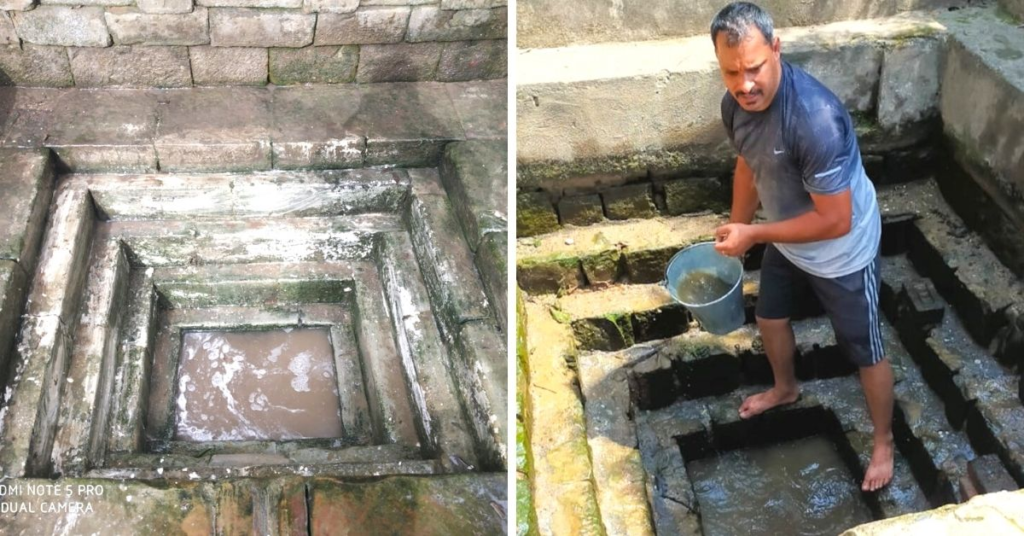
    Dr. Vijay Atri, along with local residents, launched the Bowli Bachao Abhiyan in 2021, successfully reviving 65 stepwells within four months. These efforts have restored natural springs, improved groundwater recharge, and provided sustainable water sources to surrounding communities.
  2. Cleaning the Kali Bein River, Punjab
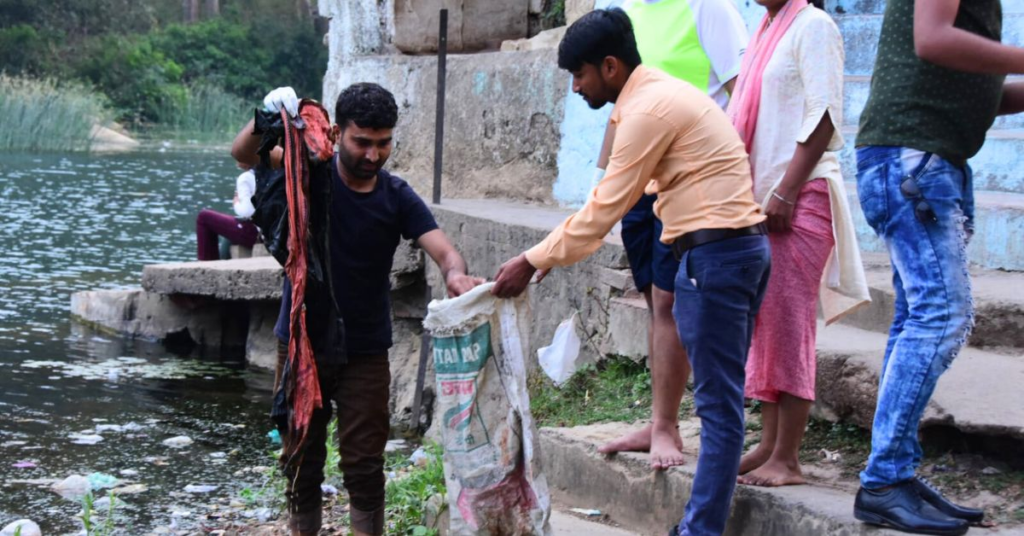
    Eco-activist Balbir Singh Seechewal spearheaded a community-driven initiative to remove industrial and domestic waste from the 160-km-long Kali Bein river. His model of large-scale river cleaning has inspired similar projects across the country.

Uttar Pradesh & Bihar: Strengthening Rural Resilience

A Map of India’s Most Remarkable Water Conservation Efforts: From Kashmir to Tamil Nadu
  1. Restoring 75 Ponds in Bundelkhand, Uttar Pradesh
    Rambabu Tiwari, who began working on water conservation at just 17, mobilized villagers to desilt and restore 75 ponds. His efforts have significantly improved irrigation and helped combat drought in the region.
  2. Sitamarhi’s Soak Pit Initiative, Bihar
    A community-led project, supported by UNICEF, saw the construction of 2,168 soak pits in a single day. These structures help prevent water wastage, recharge groundwater, and improve sanitation in schools, health centers, and police stations.

Rajasthan & Madhya Pradesh: Harnessing Rainwater and Restoring Ponds

A Map of India’s Most Remarkable Water Conservation Efforts: From Kashmir to Tamil Nadu
  1. Aakar Charitable Trust’s Check Dams, Rajasthan
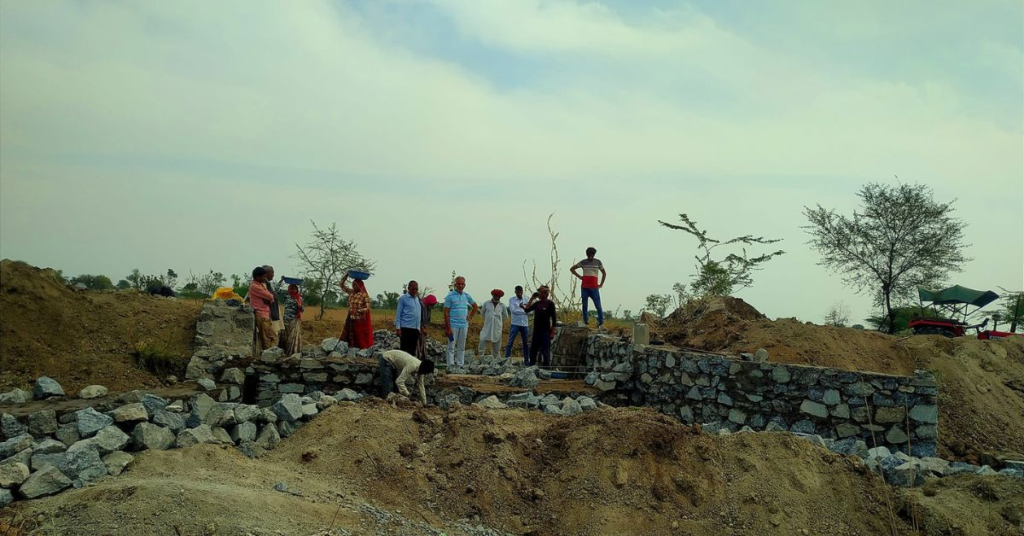
    Led by Amla Ruia, this initiative has built over 200 check dams in 100 villages, ensuring water availability for more than two lakh people and transforming agricultural productivity.
  2. Reviving the Yam Talaiya Pond, Madhya Pradesh
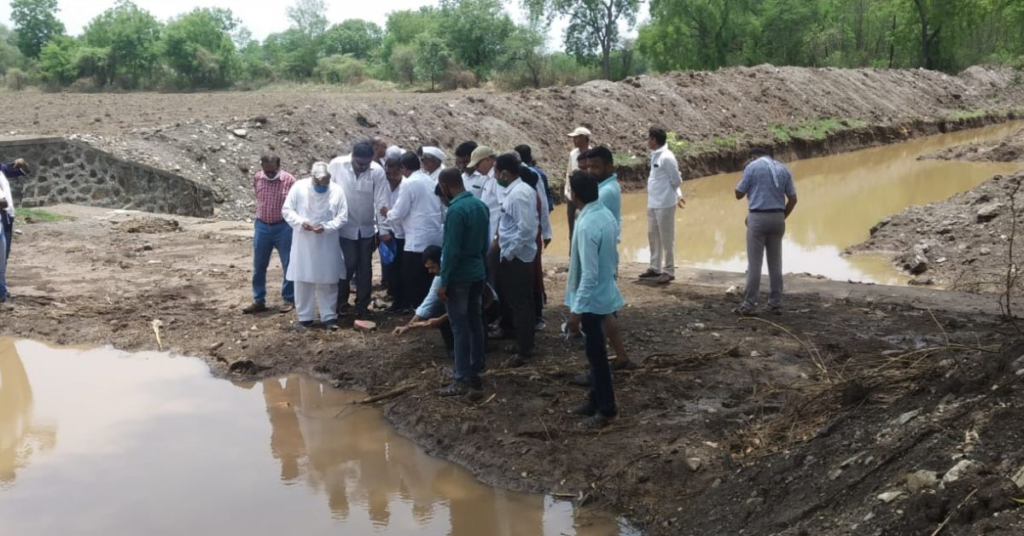
    IAS officer Anshul Gupta, with the help of 125 volunteers, restored the Yam Talaiya pond without government funding, increasing its water-holding capacity and reviving aquatic life.

Maharashtra: Fighting Drought with Determination

A Map of India’s Most Remarkable Water Conservation Efforts: From Kashmir to Tamil Nadu
  1. Abhay Todkar’s Drought-Relief Efforts
    Despite living with polio, Abhay Todkar led a movement that brought sustainable water solutions to 64 drought-prone villages in Dahiwadi, ensuring year-round water access for thousands of families.
  2. Ex-IRS Officer Ujjwal Kumar Chavan’s Water Projects
    Ujjwal Kumar Chavan has implemented water conservation efforts in 204 villages, helping rejuvenate rivers, boost farmers’ incomes, and create long-term sustainability.
  3. Drop Dead Foundation’s Leak-Fixing Drive, Mumbai
    Founded by Aabid Surti, this NGO fixes leaking faucets across Mumbai for free, saving 4.14 lakh liters of water annually and raising awareness about the importance of water conservation.

Eastern & Southern India: Scaling Impact Through Community Action

A Map of India’s Most Remarkable Water Conservation Efforts: From Kashmir to Tamil Nadu
  1. Tackling Saltwater Intrusion in Sundarbans
    The SEED initiative has introduced sustainable water management techniques to combat saltwater intrusion, improving drinking water quality and menstrual health through rainwater harvesting.
  2. Women-Led Spring Revival in Nagaland
    Khrolhiweu Tsuhah, in partnership with the North East Initiative Development Agency (NEIDA), led a project that revived 99 natural springs, benefiting 12,000 water-scarce households.
  3. Lake and Borewell Restoration in Hyderabad
    Architect and activist Kalpana Ramesh mobilized 200 families to restore defunct borewells and implement rainwater harvesting techniques, significantly improving groundwater levels in urban Hyderabad.
  4. Tank Revival and Drip Irrigation in Karnataka
    Dr. LC Soans saved the Kadala Kere tank in Moodbidri from drying up and pioneered pineapple cultivation using drip irrigation, showcasing water-efficient farming practices.
  5. Community-Led Pond and Lake Restorations in Tamil Nadu
    With support from the Environmentalist Foundation of India, an IAS-led initiative has revived multiple water bodies, improving urban flood management and restoring ecological balance.
  6. Haritha Keralam Mission’s River Restoration in Kerala
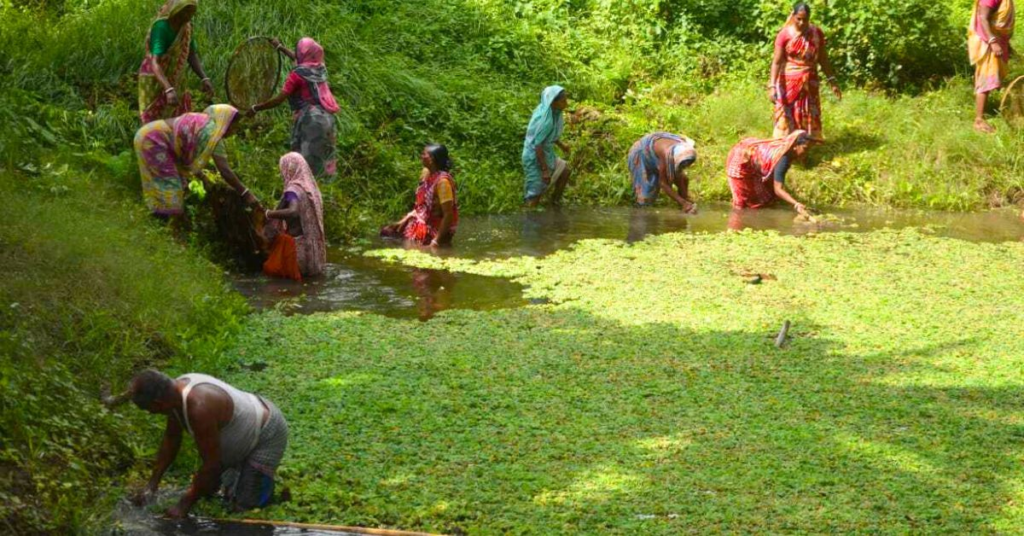
    A state-run initiative successfully revived the Kanampuzha River with the participation of 5,000 local volunteers, enhancing water conservation and ecological restoration in the region.

A Blueprint for a Water-Secure Future

A Map of India’s Most Remarkable Water Conservation Efforts: From Kashmir to Tamil Nadu

From ancient stepwells in the north to pond restorations in the south, these initiatives showcase the power of collective action. Each of these efforts—whether led by citizens, officials, or NGOs—demonstrates that with determination and sustainable practices, India can combat its water crisis and build a more secure future.

The path forward is clear: by scaling such models, investing in community-driven solutions, and integrating traditional wisdom with modern technology, India can turn its water crisis into a movement of resilience and regeneration. If more regions adopt these sustainable practices, a water-secure India is not just a dream—it is an achievable reality.