Home Blog Page 336

Three-Country Border Near Achen, Germany Will Take You to 3 Nation Sojourn Within Three Seconds…This Vlogger Did It…!

0

For those who live to travel, the world is an endless canvas of adventure, rich cultures, and unforgettable experiences. But let’s be honest—navigating the intricate maze of visa applications, paperwork, and long waiting times can sometimes feel like an expedition in itself. But what if we told you that there’s a place where you can visit not one, not two, but three different countries—without a passport— in just three seconds? Yes, you read that right! Welcome to the extraordinary Three-Country Border near Aachen, Germany, where international travel takes on a whole new meaning.

A Hidden Gem in Europe

Nestled in the westernmost part of Germany, the picturesque city of Aachen offers visitors a travel experience unlike any other. A short journey from the city brings you to Vaalserberg hill, the highest point in the Netherlands, where a geographical marvel awaits—the Three-Country Border (Drielandenpunt). This is the magical spot where Germany, the Netherlands, and Belgium seamlessly merge, allowing visitors to step between three nations with nothing but a simple jump.

The Viral Travel Sensation

Recently, a travel vlogger took to Instagram to showcase this mind-blowing experience. The viral reel captured her effortlessly hopping from one country to another in mere seconds, without any border controls or passport checks. As expected, the internet was left in awe. One curious viewer commented, “Where’s the passport control?” while another eagerly asked, “Can we get here by train?” A fellow traveler even chimed in, revealing another tri-border point in Schengen, where Luxembourg, Germany, and Belgium meet.

What to Do at the Three-Country Border

While the thrill of standing at the intersection of three countries is an experience in itself, this unique location has plenty more to offer. Here are some must-do activities to make your visit even more memorable:

1. Climb the Wilhelminatoren:
Located in the Netherlands, this historic observation tower offers an unparalleled panoramic view of the Dutch landscape. Originally built in 1905 and later reconstructed, the tower provides breathtaking vistas of rolling hills, vast fields, and the surrounding lush greenery. On a clear day, you can see far into Belgium and Germany, making it a perfect stop for photography enthusiasts.

2. Marvel at the Belgian Observation Tower:
If you crave even more spectacular views, the 34-meter-high tower in Belgium is an absolute must-visit. This modern architectural wonder provides an unobstructed 360-degree view of the Belgian countryside, including the charming village of Gemmenich. The tower’s glass viewing platforms create an exhilarating experience for those who love heights, offering a unique perspective on the landscape below.

3. Explore the Dutch Town of Vaals:
Step into the Netherlands and immerse yourself in the picturesque charm of Vaals. This quaint town is known for its traditional Dutch architecture, cobblestone streets, and inviting cafes. Take a leisurely stroll through its lively marketplace, where you can sample delicious Dutch treats like stroopwafels and poffertjes (mini pancakes). The town is also home to historical buildings and art galleries that showcase its rich cultural heritage.

4. Lose Yourself in the Labyrint Drielandenpunt:
A visit to the Three-Country Border wouldn’t be complete without navigating the famous Labyrint Drielandenpunt. This massive hedge maze is one of the largest in Europe, featuring tricky paths, hidden passages, and interactive elements that make it a fun challenge for all ages. The thrill of finding your way to the center is both exciting and rewarding, making it a great activity for families and adventure seekers.

5. Savor Local Delicacies:
After all that exploring, indulge in a gastronomic delight at one of the many restaurants dotting the area. Try the famous Belgian fries served with a variety of sauces, savor a hearty German bratwurst, or enjoy a slice of Limburgse vlaai, a traditional Dutch fruit pie. The culinary options reflect the cultural blend of the three countries, offering a taste of their diverse flavors.

6. Embark on a Hiking Expedition:
Nature lovers will be thrilled by the scenic hiking trails that wind through the surrounding forests and hills. Whether you choose a short, relaxing walk or a more challenging trek, you’ll be treated to stunning views, fresh air, and an abundance of wildlife. The trails traverse the borders of Germany, Belgium, and the Netherlands, making it a unique opportunity to hike through three countries in a single trip.

A Must-Visit for Every Travel Enthusiast

In a world where international travel often comes with restrictions and red tape, the Three-Country Border offers a refreshing escape. It’s a place where adventure seekers, history buffs, and culture enthusiasts alike can experience the joy of crossing borders with nothing but a few steps. Whether you’re there for the unique geography, the stunning views, or the charming towns that surround it, one thing is for sure—you’ll leave with an unforgettable story to tell.

So, next time you’re planning a European getaway, add this incredible destination to your itinerary. After all, how often do you get to visit three countries in just three seconds?

Over 300-Year-Old Sindhudurg Fort Standing On An Island with Underwater Escape Is a Testament to Shivaji Maharaj’s Vision…

0

A Fort in sea water! This might surprise you. But then you should visit Maharashtra’ Raigarh district and explore the Sindhudurg Fort situated on an island which was constructed by Chhatrapati Shivaji Maharaj, a brilliant defense strategist and visionary, who recognised the importance of naval power and began building the Maratha Navy between 1657 and 1659. After multiple unsuccessful attempts to conquer Murud Janjira Fort, which was under Siddi control, he decided to construct a new fort that would serve as the Maratha naval headquarters. He identified a strategically positioned uninhabited island, Kurte Bet, as the perfect site for this stronghold.

Thus, Sindhudurg Fort came into existence. Located on a small island in the Arabian Sea near Malvan, the fort sprawls across 48 acres. Designed by Hiroji Indulkar, the chief architect of several Maratha forts, its construction began in 1664 and was completed in 1667. The project required the expertise of 100 architects and a workforce of 3,000. Sindhudurg was envisioned as the headquarters of the Maratha Navy and a stronghold for protecting the coastal region.

A Marvel of Military Engineering

Shivaji Maharaj built forts with a keen understanding of defense strategies. As Sindhudurg was constructed on an isolated island, it was vulnerable to enemy attacks. To fortify its security, he established smaller coastal forts—Padmadurg, Rajkot, and Sarjekot.

Sindhudurg’s defenses are remarkable. It features a four-kilometer-long, zigzagging rampart that is nine meters high and three meters wide, reinforced by 42 bastions. The fort’s irregular shape, with numerous projections and deep indentations, ensures command over all approaches. More than 4,000 pounds of iron were used in its construction, with foundation stones firmly embedded in lead. To simplify logistics, Shivaji Maharaj set up a quarry on the island itself rather than transporting stones from the mainland.

The Ingenious Hidden Entrance

One of Sindhudurg Fort’s most fascinating aspects is its entrance. Designed to be nearly invisible from the outside, it is concealed between two bastions. The passage is so narrow that only four to five people can enter at a time. In the event of an attack, this design would slow down enemy troops, allowing Maratha soldiers positioned atop the bastions to strike them down before they could breach the fort.

The Iconic Nishan Buruj

A distinctive feature of Sindhudurg is the Nishan Buruj (Flag Bastion), also known as Nishan Kathicha Buruj or Jhenda Buruj. Unlike most forts, where the flag is hoisted at the entrance, Sindhudurg’s flag flies from a centrally located bastion, ensuring visibility from all directions. Visitors standing within the fort can witness the awe-inspiring sight of the vast sea, the towering fort walls, and the iconic Bhagwa Dhwaj (the saffron Maratha flag) soaring against the sky.

A 17th-Century Underwater Escape Route

Perhaps the most astonishing feature of Sindhudurg is its hidden underwater passage, an engineering feat of the 17th century. This passage begins from what appears to be a water reservoir inside the fort. It extends underground for three kilometers before surfacing in a village 12 kilometers away. This secret escape route was a safeguard for the Marathas in times of emergency.

The Three Eternal Wells

Sindhudurg Fort also boasts three freshwater wells: Dudh Baav (Milk Well), Sakhar Baav (Sugar Well), and Dahi Baav (Curd Well). Remarkably, these wells never dry up, even when nearby coastal reservoirs evaporate during summer, a testament to the advanced water management practices of the Marathas.

A Shrine to the Great Warrior King

Sindhudurg is home to the only temple dedicated to Chhatrapati Shivaji Maharaj. The temple houses his statue, his original sword, and even domes built over his palm and footprints, which were accidentally embedded in lime during construction. These relics have been preserved by generations of families who continue to reside within the fort premises.

A Living Legacy

Shivaji Maharaj was far more than just a warrior king—his strategic brilliance, foresight, and dedication to his people made him an unparalleled ruler. Even today, he is revered throughout Maharashtra. Sindhudurg stands as a testament to his legacy, drawing lakhs of visitors who come to admire its architectural genius and historical significance.

Visitors can reach the fort via ferries from the mainland, though it remains closed to tourists for three months during the monsoon season. Even today, 15-20 families reside within its walls, preserving its heritage. The Archaeological Survey of India and the Government of Maharashtra oversee its maintenance, ensuring that Sindhudurg remains an unparalleled symbol of Maratha naval supremacy and military ingenuity.

Trump Tariff Levied On Pretty Penguins Land too…

0

A group of barren, uninhabited volcanic islands near Antarctica—covered in glaciers and home to penguins—has unexpectedly become entangled in Donald Trump’s trade war. The former U.S. president has imposed a 10% tariff on goods from these remote lands.

A group of barren, uninhabited volcanic islands near Antarctica—covered in glaciers and home to penguins—has unexpectedly become entangled in Donald Trump’s trade war. The former U.S. president has imposed a 10% tariff on goods from these remote lands.

Heard Island and McDonald Islands, an external territory of Australia, are among the most isolated places on Earth. Accessible only by a two-week boat journey from Perth, they have no permanent inhabitants, with the last recorded human visit believed to have occurred nearly a decade ago.

Despite their remoteness, the islands appeared on a list released by the White House of “countries” subject to new trade tariffs.

Australian Prime Minister Anthony Albanese reacted on Thursday, stating, “Nowhere on Earth is safe.”

Heard Island and McDonald Islands were listed separately from mainland Australia on the tariff announcement, meaning that, like Australia itself, they will be subject to a 10% tariff on their goods.

A group of barren, uninhabited volcanic islands near Antarctica—covered in glaciers and home to penguins—has unexpectedly become entangled in Donald Trump’s trade war. The former U.S. president has imposed a 10% tariff on goods from these remote lands.

Heard Island and McDonald Islands, an external territory of Australia, are among the most isolated places on Earth. Accessible only by a two-week boat journey from Perth, they have no permanent inhabitants, with the last recorded human visit believed to have occurred nearly a decade ago.

Despite their remoteness, the islands appeared on a list released by the White House of “countries” subject to new trade tariffs.

Australian Prime Minister Anthony Albanese reacted on Thursday, stating, “Nowhere on Earth is safe.”

Heard Island and McDonald Islands were listed separately from mainland Australia on the tariff announcement, meaning that, like Australia itself, they will be subject to a 10% tariff on their goods.

Major Space Missions to Watch in 2025: A New Era of Space Exploration

0

The year 2025 is set to be a landmark in human space exploration. From India’s historic astronaut mission to cutting-edge lunar and Martian expeditions, humanity is taking great strides beyond Earth. Space agencies and private companies are making ambitious leaps, pushing the boundaries of technology and discovery. Whether it’s searching for extraterrestrial life, building futuristic space habitats, or unlocking the mysteries of distant worlds, these missions are set to redefine our understanding of the cosmos.

1. Gaganyaan – India’s First Crewed Space Mission

Major Space Missions to Watch in 2025: A New Era of Space Exploration

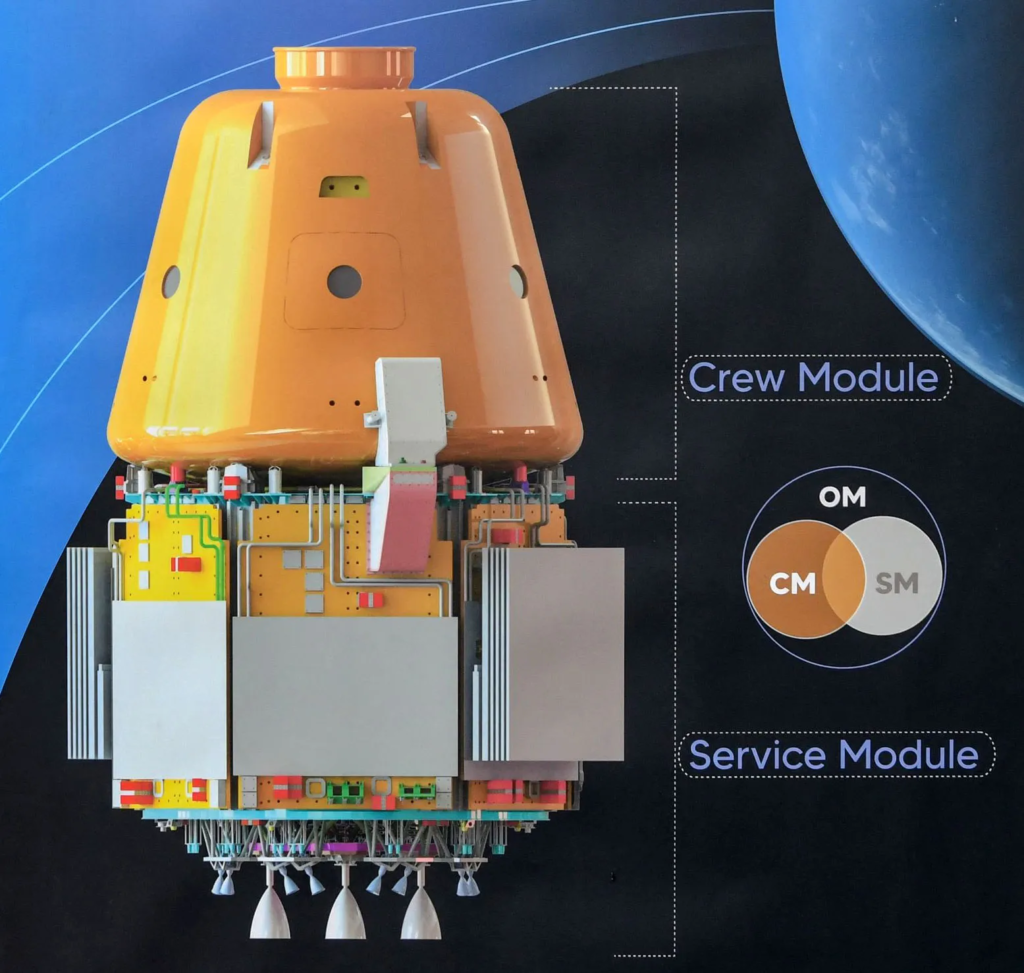
India is preparing to make history with Gaganyaan, its first-ever crewed space mission. The spacecraft will carry Indian astronauts into low Earth orbit, showcasing the nation’s growing expertise in human spaceflight. This milestone mission marks India’s entry into the elite club of nations capable of sending humans to space.

2. SpaceX Starship Test Flights

Major Space Missions to Watch in 2025: A New Era of Space Exploration

SpaceX’s Starship, the most powerful rocket ever built, is gearing up for critical test flights. Among its goals is in-orbit refueling—an essential step toward long-range missions to the Moon and Mars. Designed to be fully reusable, Starship is expected to revolutionize space travel by significantly reducing costs and enabling deep-space colonization.

3. Europa Clipper – NASA’s Search for Life

Major Space Missions to Watch in 2025: A New Era of Space Exploration

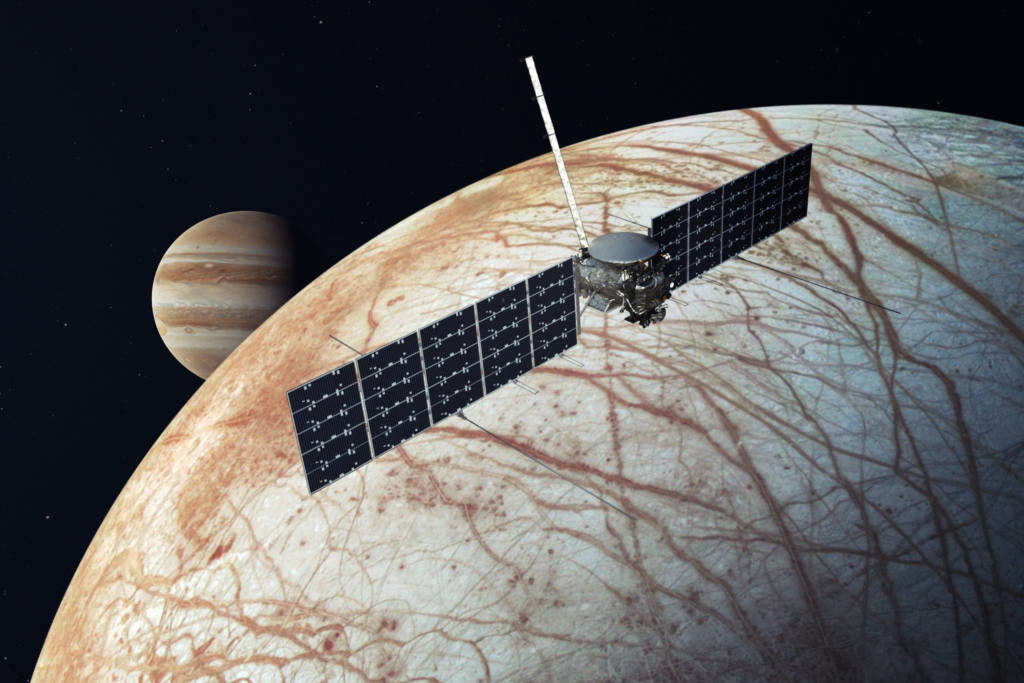
NASA’s Europa Clipper will resume exploration of Jupiter’s moon Europa, believed to harbor a vast ocean beneath its icy surface. The mission’s objective is to assess the potential habitability of this alien world, bringing us closer to answering one of science’s greatest questions: Are we alone in the universe?

4. Space Hotels – A Reality Soon?

Major Space Missions to Watch in 2025: A New Era of Space Exploration

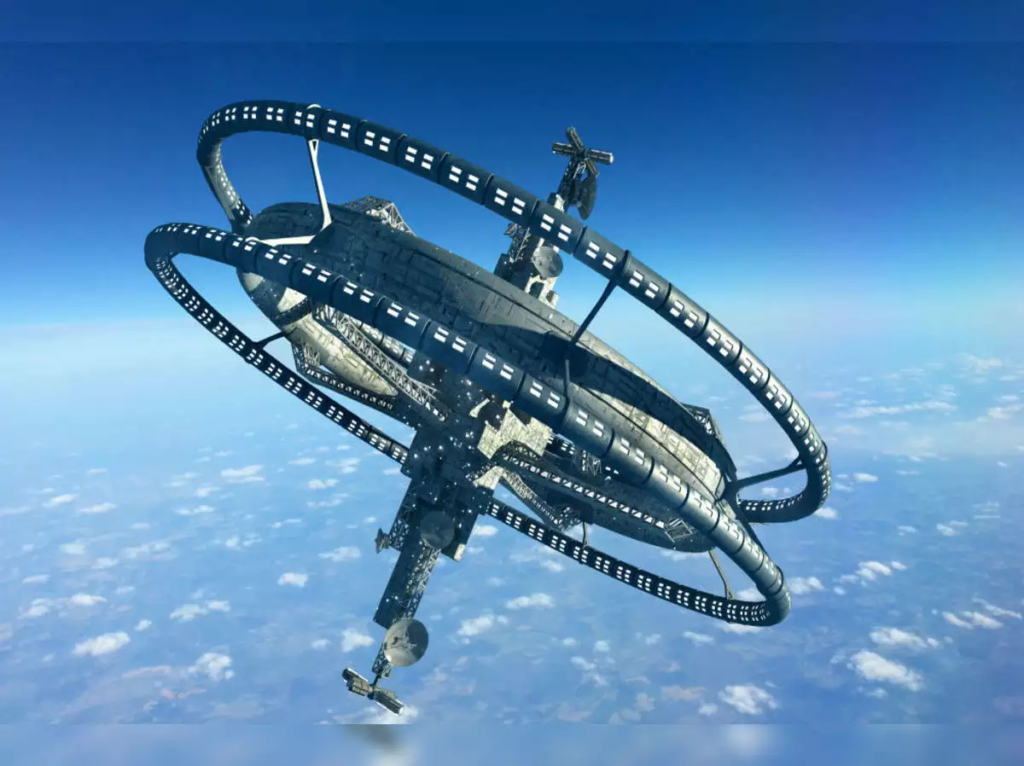
The dream of space tourism is becoming a reality! The first-ever space hotel is set to break ground, offering guests the opportunity to experience zero gravity and witness breathtaking views of Earth. This pioneering step could pave the way for commercial space travel and orbital resorts.

5. ExoMars Rover – Searching for Ancient Life

Major Space Missions to Watch in 2025: A New Era of Space Exploration

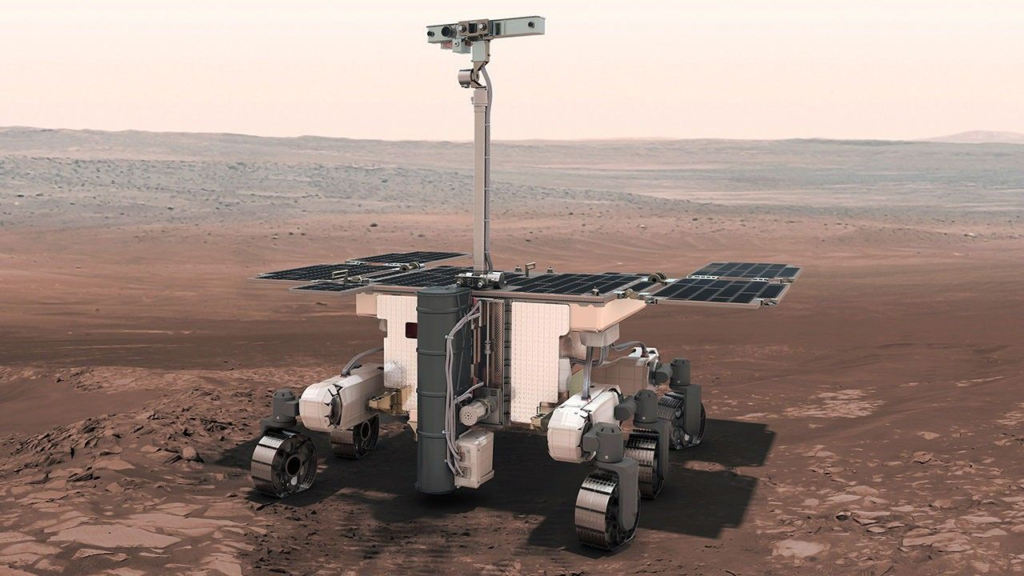
The European Space Agency’s ExoMars rover will continue its journey on Mars, drilling into the planet’s surface in search of signs of past life. This robotic detective aims to uncover evidence of ancient microbial life that may have thrived millions of years ago.

6. Orbital Reef – The Future Space Station

Major Space Missions to Watch in 2025: A New Era of Space Exploration

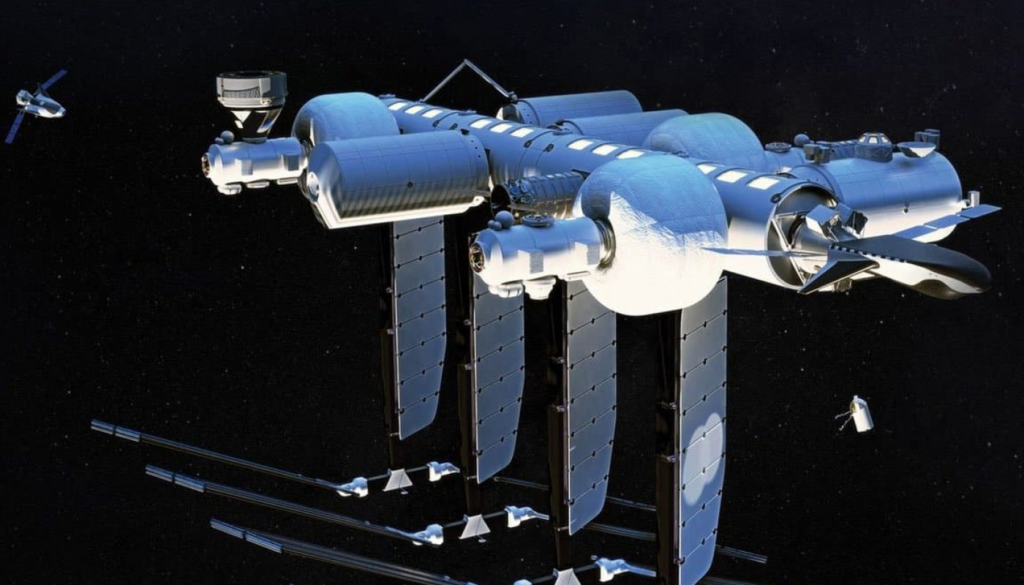
Blue Origin’s ambitious Orbital Reef project is envisioned as a next-generation space station. Designed for research, tourism, and industrial applications, it could become a multi-use hub in low Earth orbit, supporting various commercial and scientific endeavors.

7. China’s Lunar South Pole Mission

Major Space Missions to Watch in 2025: A New Era of Space Exploration

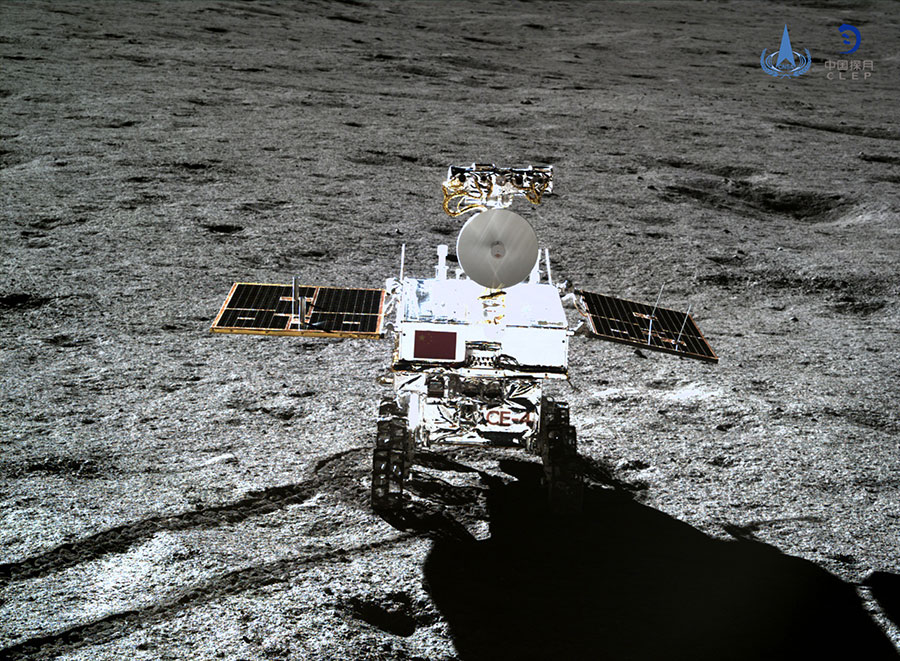
China is taking a significant step toward lunar exploration with a mission to the Moon’s south pole. This mission aims to search for water ice—an essential resource for future lunar bases and long-duration human presence on the Moon. If successful, it will mark a major milestone in China’s expanding space program.

8. NISAR – Observing Earth from Space

Major Space Missions to Watch in 2025: A New Era of Space Exploration

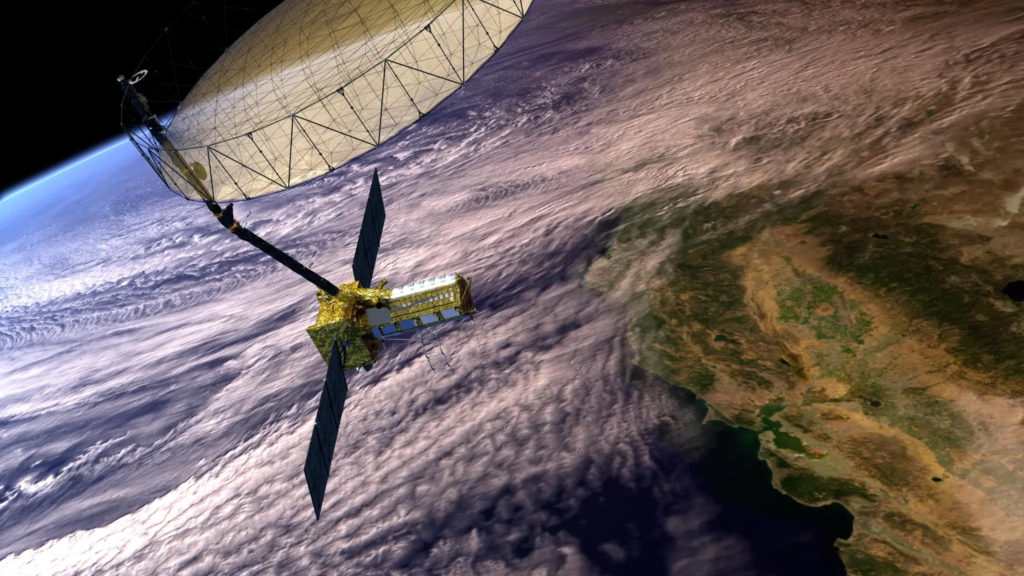
A collaboration between NASA and ISRO, NISAR is an advanced Earth observation satellite that will track environmental changes such as deforestation, agriculture, and seismic activity. With its radar technology, NISAR can penetrate clouds and operate day or night, making it one of the most sophisticated Earth-monitoring satellites ever developed.

9. JUICE – Exploring Jupiter’s Icy Moons

Major Space Missions to Watch in 2025: A New Era of Space Exploration

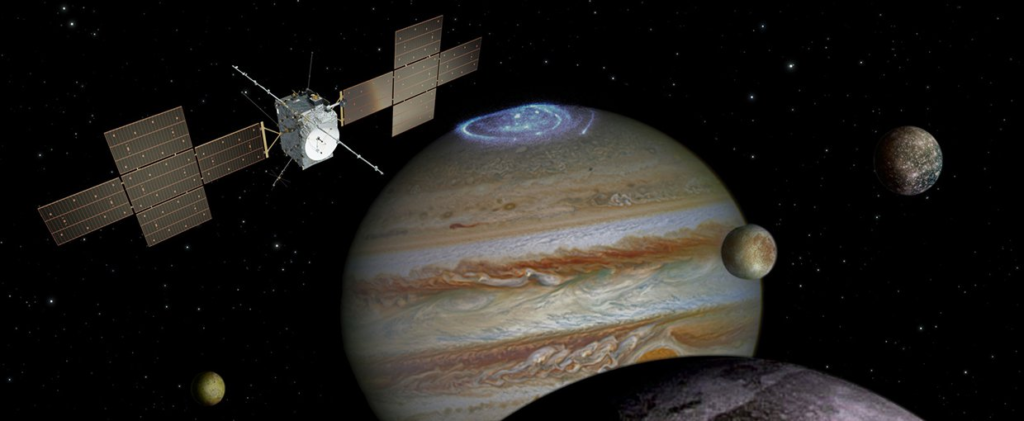
The European Space Agency’s JUICE spacecraft is making its way toward Jupiter, with a planned flyby of Venus in 2025. Once it reaches its destination, JUICE will study Jupiter’s icy moons—potential harbors for extraterrestrial life—providing valuable insights into the gas giant’s complex system.

10. Blue Ghost Lunar Lander

Major Space Missions to Watch in 2025: A New Era of Space Exploration

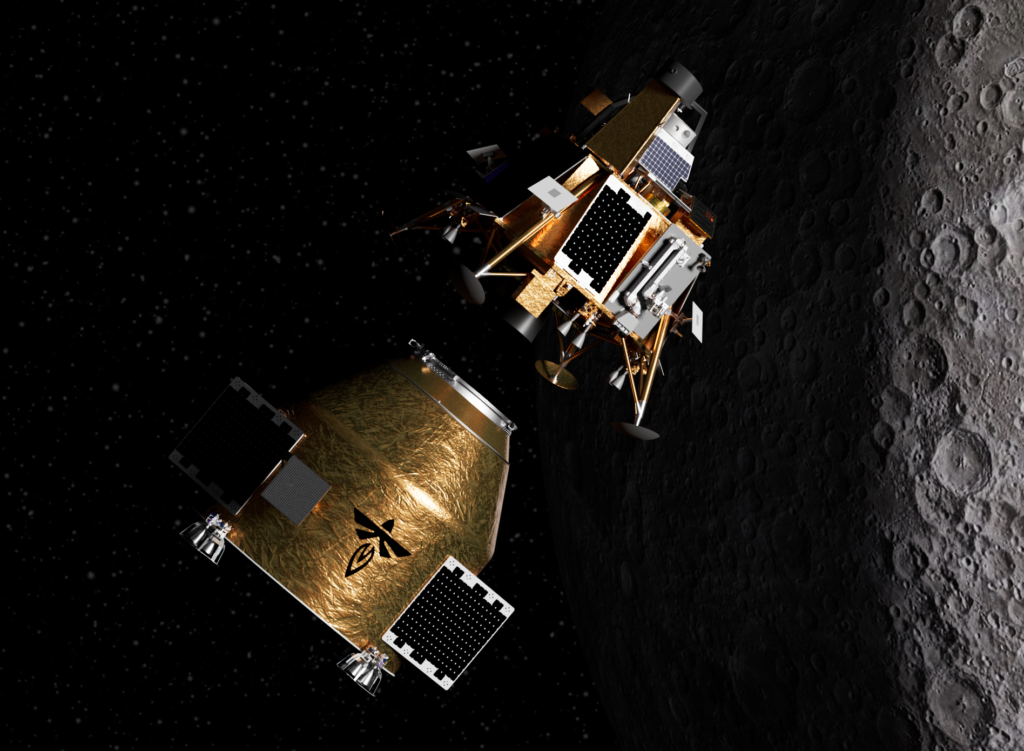
Firefly Aerospace’s Blue Ghost lunar lander is set to deliver scientific instruments to the Moon for NASA. This mission will provide crucial data on the Moon’s surface, furthering our understanding of lunar conditions and aiding future exploration.

Pioneers of Indian Space Exploration

India has a rich legacy of space pioneers who have paved the way for future astronauts. Notable figures include:

  • Rakesh Sharma: The first Indian citizen in space, who flew aboard a Soviet spacecraft in 1984.
  • Kalpana Chawla: The first Indian-born woman to venture into space, who contributed to space shuttle missions.
  • Sunita Williams: An astronaut of Indian origin who holds records for long-duration spaceflights.

A New Dawn in Space Exploration

With groundbreaking missions to the Moon, Mars, and beyond, 2025 is shaping up to be a transformative year for space exploration. These endeavors will not only expand our cosmic knowledge but also pave the way for human habitation beyond Earth.

As space agencies and private enterprises collaborate on ambitious projects, the future of space travel looks more promising than ever. Whether we discover extraterrestrial life, build space colonies, or step onto Mars in the coming decades, one thing is clear: the journey to the stars has only just begun!

Aahana Srishti: The Journey of an IES Topper

0

In a remarkable achievement, Delhi-based economist Aahana Srishti secured All India Rank 3 in the highly competitive Indian Economic Service (IES) Exam 2024 conducted by the Union Public Service Commission (UPSC). Her inspiring journey has captivated many, especially after she shared her experiences in a now-viral LinkedIn post.

The Power of a Backup Plan

Aahana’s journey to success wasn’t one of rigid expectations but rather of smart planning and perseverance. She initially approached the exam as a way to gauge her understanding of the subject. “Clearing the Indian Economic Service Examination (2024) with an All India Rank 3 was truly and wholly beyond my dreams,” she wrote in her post. What set her apart was her ability to maintain a balanced mindset—thanks to her Plan B.

“Having a Plan B is what made this exam less burdensome, and is something I suggest to everybody (It is completely on you to take it or leave it),” she stated. Unlike many aspirants who feel an immense weight of expectation, Aahana had a practical approach: if she didn’t clear the exam, she would attempt it again, and if needed, pursue a PhD in Economics. This mindset helped her tackle the exam with reduced anxiety and greater clarity.

Support, Determination, and Faith

Aahana attributes her success to the unwavering support of her mother, close friends, and what she calls ‘divine intervention’. She strongly believes in the phrase, “God helps those who help themselves.”

Her journey was not just about hard work but also about smart strategies and emotional resilience. With a background as a consultant at ICRIER (Indian Council for Research on International Economic Relations), she had a deep understanding of economic policies and frameworks. Her educational journey includes a degree from Indraprastha College for Women and a Master’s in Economics from the Indian Institute of Foreign Trade (IIFT).

A Peek Into the Interview and Training

Aahana shared glimpses of her UPSC interview day and the beginning of her journey as a probationary officer at the Arun Jaitley National Institute of Financial Management (AJNIFM). These moments, she says, mark the start of a new and challenging phase in her professional life.

Her success resonated with aspirants and professionals across social media, with an outpouring of admiration and praise. A user commented, “Your journey and insights are truly inspiring, especially the emphasis on having a Plan B, which can significantly reduce the pressure and anxiety associated with such competitive exams.”

An Inspiration for Future Aspirants

Aahana Srishti’s story is a testament to the power of perseverance, strategic planning, and a well-thought-out backup plan. Her approach is a beacon of hope for aspirants preparing for competitive exams, reminding them that success is not just about working hard but also about working smart.

Her achievement not only adds another feather to India’s intellectual pool but also serves as a reminder that dreams, when pursued with dedication and a clear mindset, can become reality.

As she embarks on her journey as a civil servant, Aahana Srishti continues to inspire many, proving that with hard work, resilience, and faith, the sky is the limit.

Rakesh Sharma’s Historic Space Journey: India’s First Citizen in Orbit

0

On this day, April 3, 1984, India took a giant leap into space history as Wing Commander Rakesh Sharma soared beyond Earth’s atmosphere, becoming the first Indian citizen to travel to space. His remarkable journey aboard the Soviet Soyuz T-11 spacecraft not only marked a significant milestone in India’s space aspirations but also cemented his place among the stars as a national hero. His mission was a testament to India’s growing ambitions in space exploration and remains a source of immense pride for the nation.

Early Life and Career

Born on January 13, 1949, in Patiala, Punjab, Rakesh Sharma developed an early passion for aviation. He joined the National Defence Academy (NDA) and later became a fighter pilot in the Indian Air Force (IAF) in 1970. Sharma quickly distinguished himself as an exceptional pilot, flying various aircraft such as the MiG-21. His skill and dedication earned him a place in the Indo-Soviet space program, making him the perfect candidate to represent India in space.

A Historic Mission

Rakesh Sharma’s spaceflight was part of the Indo-Soviet Intercosmos program, a collaborative effort between India and the Soviet Union to promote space research. He was selected from among the Indian Air Force’s top pilots and trained extensively at the Yuri Gagarin Cosmonaut Training Center in Star City, Russia. On April 3, 1984, he lifted off from the Baikonur Cosmodrome in Kazakhstan alongside Soviet cosmonauts Commander Yury Malyshev and Flight Engineer Gennady Strekalov. This mission made India the 14th nation to send a human into space.

Seven Days Among the Stars

During his time aboard the Salyut 7 space station, Sharma spent 7 days, 21 hours, and 40 minutes in orbit, conducting a series of scientific experiments. His primary focus was on remote sensing applications, capturing images of the Indian subcontinent to aid in agricultural and geological studies. Additionally, he carried out biomedical research, studying the effects of microgravity on the human body. These experiments provided valuable insights that contributed to future space missions.

In an extraordinary display of discipline and adaptability, Sharma also practiced yoga in zero gravity, demonstrating the potential benefits of the ancient Indian practice for astronauts facing prolonged space travel. This groundbreaking experiment showcased India’s cultural contributions to space science.

The Iconic Conversation with Indira Gandhi

One of the most celebrated moments of Sharma’s mission was his video call with then Prime Minister Indira Gandhi. When asked how India appeared from space, his response resonated with the spirit of patriotism: “Saare Jahan Se Accha” (Better than the rest of the world). This phrase, taken from a famous poem by Muhammad Iqbal, captured the emotion and pride of an entire nation witnessing its first citizen in space. His words continue to inspire generations of Indians to dream big and reach for the stars.

A Hero’s Welcome and Recognition

Upon his return to Earth, Sharma was greeted with national and international accolades. He was awarded the Ashoka Chakra, India’s highest peacetime gallantry award, and was also honored as a Hero of the Soviet Union. His mission was widely celebrated, and he became a national icon, inspiring countless young Indians to pursue careers in science, technology, and space exploration.

Post-Spaceflight Career

Following his historic mission, Sharma continued his service with the Indian Air Force before retiring as a Wing Commander. He later worked with Hindustan Aeronautics Limited (HAL) in Bengaluru, contributing to India’s defense and aerospace sectors. He has also been a strong advocate for India’s human spaceflight programs and has continuously encouraged young minds to engage with science and space research.

A Legacy of Inspiration

Sharma’s journey paved the way for India’s future in human spaceflight. His mission inspired the Indian Space Research Organisation (ISRO) to pursue ambitious projects, including the upcoming Gaganyaan mission, which aims to send Indian astronauts to space independently. His achievements serve as a reminder of what India can accomplish with determination, scientific excellence, and international collaboration.

The Road Ahead

As India continues to make strides in space technology, Rakesh Sharma’s mission remains a testament to the nation’s early foray into human spaceflight. His historic journey reminds us that with courage, vision, and perseverance, even the sky is not the limit.

On this day, we celebrate not just an individual but an entire nation’s dream that touched the stars. Rakesh Sharma’s name will forever shine as a symbol of India’s cosmic aspirations.

Could This Aquatic Fern (Azolla) Be The Low-Cost Solution Indian Farmers Need?

0

Have you ever noticed a small, delicate aquatic plant forming a vibrant green carpet on the surface of freshwater ponds, ditches, or lakes? Meet Azolla, commonly known as the ‘water fern.’ Once overlooked, this humble plant is now gaining recognition as a game-changer in Indian agriculture. With its incredible ability to fix nitrogen, provide highly nutritious livestock feed, and contribute to sustainable farming practices, Azolla is proving to be a cost-effective and eco-friendly boon for farmers across the country.

Why is Azolla a Game-Changer for Indian Farmers?

Natural Nitrogen Fixation: A Sustainable Fertiliser Alternative

One of Azolla’s most remarkable attributes is its natural nitrogen-fixing capability. In a unique symbiotic relationship with a species of blue-green algae, Anabaena, Azolla absorbs nitrogen directly from the atmosphere. This eliminates the need for expensive chemical fertilizers, which not only burden farmers financially but also harm the environment in the long run. By enriching the soil with essential nutrients, Azolla fosters healthier crops and boosts overall agricultural productivity.

A Superfood for Livestock

Azolla is not just a miracle plant for the soil—it’s also an excellent feed supplement for livestock. Packed with protein, essential amino acids, vitamins, and minerals, it serves as an affordable and highly nutritious alternative to traditional animal feed like soy or maize. Studies have shown that incorporating Azolla into the diet of poultry, fish, and cattle enhances their health, increases growth rates, and improves milk production in dairy cows. As farmers face rising feed costs, Azolla offers a sustainable and low-cost solution that significantly reduces dependency on commercial feeds.

A Natural Mosquito Repellent

Beyond its agricultural benefits, Azolla plays a surprising role in pest control. As it spreads across the water surface, it prevents mosquito breeding by obstructing larvae development, earning it the nickname ‘mosquito fern.’ In regions prone to mosquito-borne diseases, cultivating Azolla can serve as a natural and effective method of reducing mosquito populations.

Water Conservation and Environmental Benefits

Unlike conventional crops that require large tracts of land and significant water resources, Azolla thrives in shallow water, making it ideal for regions with poor soil quality or limited arable land. With its rapid growth rate and high biomass production, farmers can harvest Azolla regularly without depleting natural resources. Additionally, its dense mat-like structure helps prevent excessive water evaporation, conserving precious water supplies in drought-prone areas.

How to Cultivate Azolla: A Simple Guide for Farmers

One of the biggest advantages of Azolla farming is its ease of cultivation. With minimal investment and maintenance, even small-scale farmers can successfully integrate it into their farming systems. Follow these simple steps to start growing Azolla:

1. Ensure Proper Water Quality

Azolla thrives in clean, still water with a neutral pH level between 6 and 7. Avoid using polluted water, as it may hinder growth.

2. Set Up a Suitable Growing Area

Shallow, stagnant water bodies such as ponds, ditches, or even tanks make ideal growing environments. If space is limited, Azolla can be grown in containers with a water depth of 30-40 cm.

3. Maintain Optimal Temperature Conditions

Azolla flourishes in warm temperatures ranging from 25-30°C. Avoid growing it in water temperatures below 20°C, as colder conditions can slow its growth.

4. Planting and Nutrient Boosting

Spread a small quantity of Azolla evenly over the water surface. It multiplies rapidly and will soon cover the entire area. To encourage healthy growth, supplement the water with Super Phosphate and cow dung slurry, providing the necessary phosphorus and nutrients.

5. Regular Maintenance for Maximum Yield

Although Azolla requires minimal care, regular harvesting ensures continuous growth. Prevent overcrowding by skimming excess growth off the surface.

6. Harvesting and Usage

Azolla can be harvested every 5 to 7 days. Simply scoop it from the water, then use it fresh or dry it for later use. After two weeks of initial growth, a 2m x 2m pond can yield approximately 1kg of Azolla daily.

The Future of Azolla in Indian Agriculture

As Indian farmers face challenges like rising input costs, soil degradation, and climate change, the need for sustainable, cost-effective agricultural solutions has never been greater. Azolla presents a viable alternative to conventional fertilizers and livestock feed, reducing expenses while promoting eco-friendly farming practices.

With increased awareness and adoption, Azolla has the potential to revolutionize Indian agriculture, offering economic and environmental benefits to farmers nationwide. From small-scale rural farms to large agricultural enterprises, this tiny aquatic fern is proving that big solutions can sometimes come in the smallest forms.

Embracing Azolla is not just a step toward sustainable farming—it’s a leap toward a greener and more prosperous future for Indian agriculture.

Bengaluru Airport’s New Sensory Room Is Making Travel Easier for Everyone

0

As global awareness of neurodivergence grows, public spaces are increasingly adapting to accommodate individuals with unique sensory needs. Airports, often overwhelming with their bright lights, constant noise, and bustling crowds, can pose significant challenges for neurodivergent individuals, including those with autism spectrum disorder (ASD), anxiety, or sensory processing disorders (SPD). Recognizing this, Kempegowda International Airport in Bengaluru has taken a groundbreaking step by introducing India’s first sensory room, designed specifically to create a calm and inclusive environment for neurodivergent passengers.

Addressing a Growing Need

According to the Indian Council of Medical Research (ICMR), approximately 1 in 68 children in India is diagnosed with ASD. Furthermore, a 2018 study by the National Institute of Mental Health and Neurosciences (NIMHANS) estimates that 1 in 10 individuals in India may experience some form of sensory processing disorder. Given the rising number of neurodivergent individuals navigating public spaces, inclusive initiatives like Bengaluru Airport’s sensory room are vital in making travel more accessible.

A Quiet Retreat in a Bustling Airport

Strategically located near the 080 International Lounge on Level 4 of Terminal 2, the sensory room offers a peaceful refuge for neurodivergent passengers before, during, and after their flights. The space is equipped with soft lighting, soothing sounds, and sensory-friendly furniture to help individuals manage sensory overload and reduce anxiety.

Thoughtfully Designed for Comfort

Bengaluru Airport collaborated with Incluzza, a leading organization specializing in disability inclusion, to ensure the sensory room meets the needs of neurodivergent travelers. The design process involved consultations with experts in behavioral science, occupational therapy, and autism support. By incorporating scientifically-backed elements such as ambient lighting, tactile sensory toys, and calming auditory features, the airport has created an environment that fosters relaxation and ease for those who might find traditional airport settings overwhelming.

How the Sensory Room Helps Neurodivergent Passengers

  1. Calming Environment:
    • Adjustable lighting and gentle sounds create a tranquil atmosphere, reducing sensory overload.
    • Sensory toys and soft seating provide comforting engagement.
  2. Safe Retreat:
    • The private space offers neurodivergent individuals a quiet retreat to compose themselves before continuing their journey.
    • This reduces the risk of stress-induced meltdowns and anxiety attacks in an otherwise overwhelming environment.
  3. Support for Families:
    • Families traveling with neurodivergent members can benefit from a stress-free environment where their loved ones can regulate their sensory input.
    • Caregivers and parents can provide support without the added worry of external sensory stimuli triggering distress.
  4. Inclusive Travel Experience:
    • By acknowledging the needs of neurodivergent passengers, Bengaluru Airport sets a precedent for inclusive air travel in India.
    • This initiative ensures that all travelers, regardless of their sensory requirements, feel welcome and supported.
  5. Setting a Global Standard:
    • Bengaluru Airport’s sensory room serves as a model for other airports worldwide, encouraging greater accessibility in air travel.
    • This effort aligns with global best practices in creating travel spaces that cater to diverse needs.

A Parent’s Perspective

Gopika Kapoor, a parent of a child with autism, shares her thoughts on this initiative:

“Any effort to support neurodivergent individuals is a step in the right direction. Airports can be overwhelming, with bright lights, constant noise, beeping machines, large crowds, and fluctuating temperatures. For my son, Vir, sensory overload can trigger intense anxiety. A quiet space where he can retreat, regulate himself, and gather his composure before facing the busy environment again is invaluable. This space is also a lifeline for parents traveling with neurodivergent children, who can often feel overwhelmed during flights. My son loves to travel, but when he was younger, the noise and sensory stimulation would sometimes be too much for him. A room like this will help neurodivergent travelers to destress and approach the journey with much greater ease.”

Leading the Way in Inclusive Air Travel

The introduction of this sensory room at Kempegowda International Airport marks a significant stride toward inclusive air travel in India. By providing a safe, calming space for neurodivergent travelers, especially those with autism or sensory sensitivities, the airport is helping passengers manage the stress of navigating a high-stimulus environment.

Beyond its immediate impact, this initiative serves as an inspiring example for airports across the globe, encouraging them to prioritize accessibility and inclusivity. When public spaces are designed with diverse needs in mind, they become welcoming for all—ensuring a world where every traveler, regardless of their neurodiversity, can navigate their journey with comfort and ease.

Unveiling the Past: Copper Plates from Devaraya I’s Reign Shed Light on Vijayanagara History

0

A recent archaeological discovery has provided a fascinating glimpse into the reign of Devaraya I, a significant ruler of the Vijayanagara Empire. A set of copper plates, issued during his coronation in 1406 CE, has come to light, offering valuable insights into the political, social, and cultural aspects of his time. Inscribed in Sanskrit, Kannada, and Nāgarī characters, these plates bear a unique royal seal featuring Vamana—marking a departure from the traditional Varaha emblem of the Vijayanagara kings.

A Glimpse into History

Devaraya I ascended the throne in 1406 CE following a power struggle after the death of his father, Harihara II. His rule, which lasted until 1422 CE, was marked by military conquests, administrative reforms, and infrastructural advancements. He modernized the army, encouraged agricultural expansion, and made significant contributions to literature and architecture. The discovery of these plates provides a clearer picture of his legacy and governance.

The Significance of the Copper Plates

The newly unearthed copper plates offer crucial details about the genealogy of the Sangama Dynasty. They trace the lineage of Devaraya I and his five sons, shedding light on the continuity of power within the Vijayanagara court. Additionally, they document the grant of Gudipalli village to Brahmins, reinforcing the socio-religious fabric of the time. The confirmation of Devaraya I’s coronation date enhances historical accuracy, validating previously debated timelines.

Details of the Land Grant

The inscriptions meticulously record the allocation of Gudipalli village and its adjoining hamlets to Brahmins of various gotras. This grant underscores the centrality of Vedic scholarship in the empire’s governance. The detailed demarcation of boundaries, inscribed in Kannada, highlights the precision and efficiency of Vijayanagara’s administrative system.

Cultural Patronage and Architectural Marvels

Devaraya I’s reign was not only a period of military expansion but also one of artistic and architectural growth. He was a distinguished patron of Kannada literature and played a key role in fostering intellectual pursuits. His court was home to eminent poets such as Madhura, who contributed to Jain literature. Architecturally, his era saw the construction of the Hazara Rama temple, a magnificent example of Deccan artistry that stands as a testament to his commitment to cultural enrichment.

Transforming Vijayanagara: Irrigation and Urban Development

Understanding the importance of sustainable urban growth, Devaraya I initiated key irrigation projects. He oversaw the construction of a barrage across the Tungabhadra River and an extensive aqueduct system to ensure a steady water supply to the capital. These initiatives helped transform Vijayanagara into one of the largest and most prosperous cities of the 15th century, setting a benchmark for urban planning.

Military Strategies and Diplomacy

Devaraya I navigated a complex political landscape, contending with regional rivals such as the Bahmani Sultanate and the Velamas. His strategic military policies, including the employment of skilled archers and tactical alliances, bolstered the empire’s strength. His victories, particularly against Firoz Shah, facilitated territorial expansion and solidified Vijayanagara’s dominance in southern India.

A Legacy of Inclusive Governance

One of the most remarkable aspects of Devaraya I’s rule was his commitment to inclusive administration. He built facilities for Muslim soldiers and actively worked to resolve religious disputes, fostering a governance style that emphasized unity and stability. His secular policies played a crucial role in maintaining harmony within the diverse population of the empire.

Conclusion

The discovery of these copper plates is a monumental breakthrough in understanding the Vijayanagara Empire’s history. They not only authenticate historical records but also offer a richer narrative of Devaraya I’s contributions. From military triumphs to cultural advancements, his reign stands as a defining chapter in South Indian history. As scholars continue to analyze these inscriptions, they may uncover even deeper insights into the empire’s governance, society, and legacy.

The Future Circular Collider: A Giant Leap in Particle Physics

0

In the realm of cutting-edge science, few projects match the scale and ambition of CERN’s Future Circular Collider (FCC). Unveiled in 2025 as the successor to the renowned Large Hadron Collider (LHC), the FCC promises to push the boundaries of physics, unlocking mysteries of the universe that remain unsolved. With an estimated budget of $17 billion, this colossal initiative stands as one of the most significant scientific undertakings in history.

A Vision for the Future

The FCC will be housed within a 91-kilometre underground circular tunnel beneath the French-Swiss border. This vast infrastructure will support two distinct operational phases. The first phase, expected to launch around 2046, will feature an electron-positron collider. The second phase, scheduled for 2070, will introduce a proton-proton collider capable of reaching unprecedented energy levels.

Pushing the Limits of Physics

At the heart of the FCC’s mission lies a quest to probe the fundamental nature of reality. Scientists hope to explore the enigmatic realms of dark matter and dark energy, phenomena that constitute the majority of the universe but remain largely unexplained. The collider will also investigate the properties of fundamental particles, potentially discovering entities even smaller than electrons. With projected energy levels of 100 trillion electronvolts—seven times the LHC’s maximum capacity—the FCC could pave the way for groundbreaking discoveries in particle physics.

Advancing Scientific Innovation

To achieve such ambitious goals, the FCC will leverage cutting-edge technology, including next-generation superconducting magnets, state-of-the-art cryogenic systems, and ultra-high vacuum environments. These advancements are not only vital for particle physics but could also lead to technological breakthroughs with applications in various industries, from medical imaging to quantum computing.

Environmental and Ethical Considerations

As with any large-scale scientific project, the FCC is subject to scrutiny regarding its environmental and economic impact. CERN has pledged to conduct comprehensive environmental assessments, with independent experts evaluating the project before a final decision is made by CERN’s member states in 2028. However, some critics argue that the immense funding could be better allocated to smaller-scale research projects, sparking debates on the sustainability of such a vast scientific endeavor.

Building on the Legacy of the LHC

Since its inception in 2008, the LHC has revolutionized our understanding of the universe. Perhaps its most famous achievement was the confirmation of the Higgs boson, a cornerstone of the Standard Model of particle physics. The FCC seeks to build on this legacy, potentially uncovering new forces of nature and redefining our grasp of the cosmos.

A Monumental Opportunity for Science

The Future Circular Collider represents more than just a technological marvel—it embodies humanity’s relentless pursuit of knowledge. While its success hinges on securing funding and overcoming engineering challenges, its potential to reshape our understanding of physics is unparalleled. If realized, the FCC could mark the dawn of a new era in scientific discovery, transforming not only the field of particle physics but the future of innovation itself.