Home Blog Page 275

India’s First Bullet Train: Mumbai-Ahmedabad Corridor Nears Historic Launch

0

India is set to revolutionize its railway network with the Mumbai-Ahmedabad High-Speed Rail (MAHSR) Corridor, the country’s first bullet train project. This 508-km corridor will connect Mumbai, the financial capital, with Ahmedabad, Gujarat’s vibrant hub, reducing travel time from over seven hours to just two. Led by the National High-Speed Rail Corporation Limited (NHSRCL) with Japan’s Shinkansen technology and funding from the Japan International Cooperation Agency (JICA), the Rs 1.08 lakh crore project is advancing rapidly, with trials planned for 2026. Here’s a detailed look at its progress, timeline, and significance.

Project Genesis and Vision

Launched in 2017 by Prime Minister Narendra Modi and then-Japanese Prime Minister Shinzo Abe, the MAHSR project aims to transform travel with speeds up to 320 km/h. Funded by a low-interest JICA loan (81%), the Central Government (Rs 10,000 crore), and Maharashtra and Gujarat (Rs 5,000 crore each), it will create an economic corridor linking Mumbai, Thane, Vapi, Surat, Vadodara, Anand, and Ahmedabad.

Construction Milestones

Despite early delays due to land acquisition issues in Maharashtra and the COVID-19 pandemic, the project has made significant strides. By January 2024, 100% of the required 1,396 hectares of land was acquired, thanks to the Shinde-Fadnavis government’s support. As of May 2025, 300 km of viaducts are complete, using the Full Span Launching Method. Additionally, 295.5 km of pier work and 153 km of girder launching were finished by March 2024. A 100-meter steel bridge over NH-48 near Nadiad, Gujarat, was launched in April 2025, showcasing “Make in India” engineering.

Station and Infrastructure Development

The corridor features 12 stations: Mumbai (Bandra Kurla Complex, underground), Thane, Virar, Boisar, Vapi, Bilimora, Surat, Bharuch, Vadodara, Anand, Ahmedabad, and Sabarmati (elevated). Mumbai’s underground station, 76% excavated by May 2025, is a multi-level marvel. A 21-km tunnel, including a 7-km undersea stretch near Mumbai, is under construction, with track laying underway in Gujarat, where 35 km of viaduct is ready for trials.

Trial and Launch Timeline

The 50-km Surat-Bilimora section will host trial runs by July 2026, using Shinkansen E5 series trains. The full corridor is expected to be operational by 2028, with Mumbai connectivity by 2030. The project will offer 70 daily services, including rapid trains (2 hours 7 minutes) and all-stop services (2 hours 58 minutes).

Ministerial Updates

Union Railway Minister Ashwini Vaishnaw has shared progress on X, tweeting on May 20, 2025, about 300 km of viaduct completion and on April 26, 2025, about the Nadiad bridge launch, emphasizing transparency and engineering prowess.

India Returns to Space After Four Decades; Group Captain of IAF Shubhanshu Shukla to Pilot Axiom Mission; Will Carry Mango Pulp, Halwa Along. See Videos How World Celebrates…

0

Group Captain Shubhanshu Shukla of the Indian Air Force is set to become the second Indian to travel to space, 41 years after Rakesh Sharma’s iconic 1984 mission. He will launch aboard the Axiom-4 mission from NASA’s Kennedy Space Center soon.

Shukla isn’t just bringing scientific equipment—he’s also packing a taste of India. His space menu includes aam ras (mango pulp), moong dal halwa, and gajar halwa, offering a cultural and culinary connection to home while aboard the International Space Station.

On April 3, 1984, Wing Commander Rakesh Sharma made history as the first Indian to travel to space, flying aboard the Soviet Soyuz T-11 as part of the Interkosmos programme. Now, more than 40 years later, India marks another historic milestone. On June 9, 2025, Group Captain Shubhanshu Shukla of the Indian Air Force (@IAF_MCC) will pilot the Axiom Mission-4 (@Axiom_Space) to the International Space Station (@Space_Station), representing India on a global stage.

From Rakesh Sharma to Shubhanshu Shukla, India’s journey among the stars continues. This isn’t just a mission—it’s a moment of national pride, international partnership, and scientific progress.

How to Celebrate National Herbs & Spices Day in India

0

Looking to celebrate National Herbs and Spices Day in India in a special way? Here are tips to turn it flavorful day on in your community? Try these ideas:

Cooking Demos & Recipes

  • Share recipes like haldi doodh (turmeric milk), jeera rice, or mint chutney
  • Highlight lesser-known regional spice blends like Goda masala or Panch Phoron

Herb Gardening at Home

  • Encourage readers to grow herbs like tulsi, coriander, mint, or lemongrass
  • Share DIY herb planter guides for balconies or kitchen gardens

Tasting & Aroma Posts

  • Compare fresh vs. dried spices
  • Describe how spices alter flavor profiles—use aromatic storytelling

Wellness & Ayurveda Content

  • Create content around digestive, anti-inflammatory, and immune-boosting properties of spices
  • Connect modern nutrition science with traditional wisdom

Cultural Stories & Rituals

  • Explore spice-related rituals in Indian festivals
  • Share tales from the spice trade era or Ayurvedic texts

Social Media Challenges

  • Launch a “5 Days, 5 Spices” challenge, encouraging users to cook with a new spice each day
  • Use hashtags like #IndianSpiceDay #SpiceUpJune #HerbsAndSpicesIndia

Top Indian Spices & Their Health Benefits

0

As India celebrates National Herbs and Spices Day on June 10, here are 8 powerful Indian spices you can highlight in your blog or daily routine:

1. Black Pepper (Kali Mirch)

  • Known as the King of Spices
  • Rich in piperine, which enhances nutrient absorption
  • Acts as a digestive aid and natural preservative

2. Turmeric (Haldi)

  • Contains curcumin, a strong anti-inflammatory and antioxidant
  • Boosts immunity and supports joint and skin health

3. Red Chillies (Lal Mirch)

  • Contains capsaicin, which promotes metabolism and reduces inflammation
  • Adds bold heat to Indian dishes

4. Cumin (Jeera)

  • Excellent for digestion and detoxification
  • Known to cool the body, especially in summer months

5. Coriander (Dhaniya)

  • Used both as seeds and fresh leaves
  • Acts as a coolant and detoxifier

6. Ginger (Adrak)

  • Relieves nausea, improves digestion, and soothes cough and cold
  • Anti-inflammatory and warming

7. Cinnamon (Dal Chini)

  • Helps lower blood sugar and supports heart health
  • Known for its antibacterial and antifungal properties

8. Mint (Pudina)

  • Contains menthol, which cools the body
  • Helps in digestion, relieves headaches, and freshens breath

Other beneficial spices include clove, asafoetida (hing), fenugreek (methi), tulsi, and cardamom, all of which play vital roles in Ayurveda, puja rituals, and Indian home remedies.

National Herbs & Spices Day in India – Celebrate on 10th June In Land of Spices Emerging as World’s Largest Exporter…

0

Do you know India is no longer just the “land of spices”, it’s emerging as the world’s largest spice exporter! With 60+ varieties, presence in 200+ countries, and exports worth over $4.45 billion, this growth is powered by visionary policies of our leaders.

National Herbs & Spices Day – What Is It?

National Herbs & Spices Day, observed annually on 10 June, is a celebration of the rich flavors, health benefits, and cultural significance of herbs and spices. While it’s an international event, the day holds deep relevance in India, a country widely regarded as the “Land of Spices.” The celebration encourages people to explore traditional Indian spices, their uses in cuisine, wellness, and daily life.

 Historical Roots and Significance in India

India’s history with herbs and spices dates back to the Indus Valley Civilization, more than 5,000 years ago. India has long been the epicenter of the global spice trade, contributing over 75 of the 109 ISO-recognized spices. Spices like black pepper, turmeric, cardamom, cinnamon, and ginger originated here and were sought after by ancient traders from Rome to Arabia.

A defining moment came in 1498 when Vasco da Gama reached India, marking the beginning of a global race for Indian spices. These aromatic treasures were not only prized for flavor but were considered currency and medicine in ancient times.

Why Celebrate on 10 June?

Observed worldwide, June 10 is designated as National Herbs & Spices Day to encourage people to:

  • Reconnect with the power of natural flavoring agents
  • Learn the health benefits of herbs and spices
  • Try out new spice blends and traditional recipes
  • Grow herbs at home and promote sustainability

In India, this is an ideal time to showcase indigenous spices and promote awareness of their cultural and medicinal values.

Environmental Challenges in 2025: Causes, Impact, and the Way Forward

0

As of 2025, the world faces escalating environmental challenges that threaten ecosystems, public health, and sustainable development. The most critical issues include rising carbon emissions, biodiversity loss, and widespread pollution. Despite increasing global awareness over the past decade, these crises have only intensified.

Rising Carbon Emissions: A Global Concern

Carbon emissions remain a major driver of climate change. Global emissions have surged from 34.1 billion metric tonnes in 2015 to 37.4 billion metric tonnes in 2024. India has also witnessed a steep rise in emissions due to its reliance on coal and oil. With coal accounting for nearly 70% of electricity generation, the country is grappling with the dual challenge of energy security and environmental sustainability.

Biodiversity Loss: A Silent Crisis

The world is currently undergoing a sixth mass extinction, driven by habitat destruction, deforestation, and unsustainable agricultural practices. In India, deforestation and monoculture farming are destroying ecologically sensitive zones, threatening endemic species and reducing biodiversity resilience.

Pollution: A Persistent Threat

Air, water, and soil pollution continue to pose serious threats. Cities like Delhi regularly rank among the most polluted in the world, impacting millions. India generates around 62 million tonnes of waste annually, but only 20% is scientifically processed, exacerbating land and water pollution.

Key Causes of Environmental Degradation

  • Fossil Fuel Dependency: Continued reliance on coal, oil, and natural gas is the largest contributor to greenhouse gas emissions.
  • Deforestation and Land-Use Change: Rapid urban expansion and infrastructure projects have led to the loss of forest cover.
  • Unsustainable Agriculture: Monoculture crops, pesticide use, and groundwater depletion are degrading ecosystems.
  • Poor Waste Management: Urbanisation without proper waste systems leads to unmanaged landfills and pollution.

Responsibility of the Global North and Corporations

Historically, the Global North has played a significant role in accelerating environmental degradation through industrialisation and unsustainable consumption. Wealthier nations continue to emit disproportionately, while transnational corporations are among the top global polluters. These companies often lobby against environmental regulations to protect profits.

In India, foreign investment in extractive industries has at times resulted in the exploitation of local communities and degradation of fragile ecosystems.

India’s Role in the Global Climate Crisis

While India’s per capita carbon footprint remains low, its total emissions are rising due to rapid industrialisation. Vulnerable populations suffer the most from the effects of pollution and climate-induced disasters such as heatwaves, floods, and droughts. These are exacerbated by the historical emissions of industrialised countries.

Solutions and the Road Ahead

To combat these intertwined crises, urgent and equitable action is needed:

  • Climate Accountability from Developed Nations: The Global North must commit to deep emission cuts and deliver on climate finance pledges to support adaptation in developing countries.
  • Corporate Regulation and Carbon Taxation: Enforcing strict environmental regulations and implementing carbon taxes on polluting industries can promote accountability.
  • Sustainable Development Policies: Governments must adopt green growth strategies, encourage renewable energy adoption, and support low-carbon livelihoods.
  • Public Awareness and Local Action: Community engagement and grassroots movements are essential for protecting local ecosystems and demanding policy change.

Conclusion

Environmental degradation in 2025 is not just a future threat—it is a present reality. Combating it requires global solidarity, corporate responsibility, and sustainable policies at every level. Only through collaborative and decisive action can we hope to build a resilient, livable planet for future generations.

IIT Mandi Signs MoU with Art of Living Foundation to Advance Research in Consciousness and Mental Well-being

0

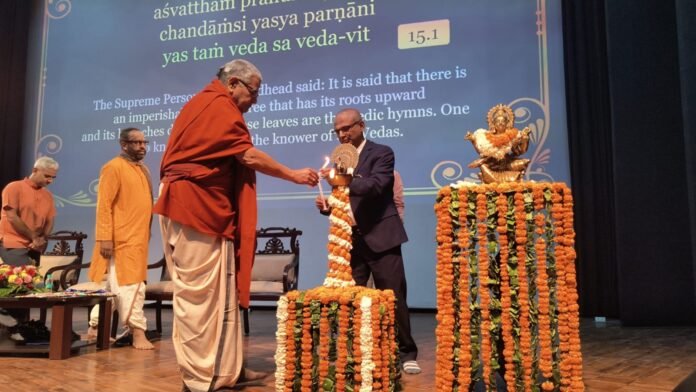
The Indian Institute of Technology (IIT) Mandi has signed a Memorandum of Understanding (MoU) with the Art of Living Foundation to strengthen collaborative research in the fields of consciousness and mental well-being. This significant step was taken during the closing day of the prestigious Mind, Brain, and Consciousness Conference (MBCC 2025), held from June 4–7 at IIT Mandi. Organized by the Indian Knowledge System and Mental Health Applications (IKSMHA) Center, MBCC 2025 brought together a global array of scientists, scholars, spiritual leaders, and thinkers to explore the intersection of neuroscience, Indian philosophy, mental health, and consciousness studies.

The conference featured a keynote address by spiritual leader and founder of the Art of Living Foundation, Sri Sri Ravi Shankar, who joined virtually. He stated, “Science now agrees that spirituality plays a vital role in mind and consciousness. Happiness is a concept of consciousness, nurtured through meditation, sattvic food, and pranayama.”

Prof. Laxmidhar Behera, Director of IIT Mandi and General Chair of MBCC, emphasized that consciousness is at the heart of both scientific discovery and self-realization. “Without consciousness, the body is nothing. MBCC 2025 opens new paths for education, innovation, and interdisciplinary research rooted in India’s ancient wisdom,” he said.

Prof. Arnav Bhavsar, Chair of the IKSMHA Center, shared the center’s achievements, including the development of a sleep research lab and active collaborations with institutions such as DRDO and the Ministry of AYUSH. Renowned Indologist Acharya Shrivatsa Goswami described the event as a “yagya of knowledge,” led by students and powered by the light of consciousness.

Over the four days, MBCC 2025 hosted more than 110 full paper presentations and 60 poster sessions. The conference included 12 thematic sessions on cutting-edge topics such as cognitive biomarkers, neuroimaging and AI, Ayurvedic psychiatry, and reincarnation studies. It featured four keynote speeches and three plenary talks by eminent speakers like Prof. B. N. Gangadhar, Prof. Gautam Desiraju, Prof. Shrinivasa Varakedi, Prof. Nirmalya Chakraborty, and HH Bhakti Rasamrita Swami. Additionally, six invited talks, two expert panels on Indian Knowledge Systems (IKS) and cognition, two immersive workshops on Indian storytelling traditions and sattvic cooking, and three cultural evenings celebrating Indian arts were also held.

The MoU signed with the Art of Living Foundation marks a significant milestone in integrating spiritual practices with scientific research. MBCC 2025 concludes with sessions on yoga and mental health, meditation and neurocognitive therapies, AI and consciousness, and the continuum of consciousness in Indian thought. This landmark event has reinforced India’s position at the forefront of merging ancient philosophical traditions with cutting-edge science.

800-Year-Old Pandya-Era Shiva Temple Unearthed in Tamil Nadu’s Madurai District

0

In a remarkable archaeological find, an 800-year-old Shiva temple dating back to the Later Pandya period (1216–1345 CE) has been discovered in Udampatti village of Melur taluk in Madurai district. This rare discovery adds a significant chapter to Tamil Nadu’s rich temple heritage and the legacy of the Pandya dynasty.

The temple, unearthed in Udampatti, is believed to have been constructed during the golden age of the Pandyas, under powerful monarchs like Maravarman Sundara Pandyan and Jatavarman Sundara Pandyan. These rulers were instrumental in expanding the Pandya empire and fostering temple architecture across southern India.

 Religious and Cultural Significance

Dedicated to Lord Shiva, the temple reflects the Pandyas’ strong allegiance to Shaivism—particularly after the decline of Jainism and Buddhism in the region. It is likely to have been built during the same era when iconic temples like the Meenakshi Amman Temple in Madurai and the Nellaiappar Temple in Tirunelveli were renovated and expanded.

Architectural and Archaeological Importance

Though detailed excavations are yet to be completed, the structure is expected to exhibit hallmarks of Dravidian architecture, with sculpted pillars, intricate carvings, and inscriptions. Experts believe this find could offer valuable insights into medieval Tamil society, temple economy, local governance, and religious rituals of the time.

The Legacy of the Pandya Dynasty

The Pandyas were among the Three Crowned Kings of ancient Tamilakam—alongside the Cholas and Cheras.

  • Early Pandyas (4th century BCE–3rd century CE) ruled from Korkai, a vital port city.
  • After a lull during the Kalabhra period, the dynasty was revived by Kadungon in the 6th century CE.
  • The Later Pandyas (13th–14th century CE) saw the empire reach its zenith, extending influence into Sri Lanka, Kalinga (Odisha), and Telugu territories.

Economic and Cultural Contributions

  • Maritime Trade & Pearls: Pandyas controlled the lucrative pearl fisheries along the Gulf of Mannar and engaged in robust trade with Rome, the Middle East, and Southeast Asia.
  • Literary Patronage: Supported Sangam poets, Tamil scholars, and produced a vast body of Tamil literature.
  • Temple Building: Commissioned grand temples and promoted devotional movements like Shaivism and Vaishnavism, closely tied to saint-poets like the Nayanars and Alvars.

Decline and Legacy

The Pandyas faced frequent conflicts with the Cholas, Pallavas, and later the Delhi Sultanate. The fall of Madurai to the Madurai Sultanate in 1335 CE marked a turning point, though the dynasty continued to rule in Tenkasi until being absorbed by the Vijayanagara Empire and Nayaka rulers in the 16th century.

Why This Discovery Matters

This temple is not just a relic—it is a living testament to the Pandyas’ devotion, craftsmanship, and vision. Archaeologists hope further exploration could uncover:

  • Stone inscriptions revealing royal edicts or donors.
  • Trade links or cultural exchanges.
  • Artworks shedding light on medieval life in Tamil Nadu.

As excavations continue, this discovery has the potential to redefine our understanding of Pandya-era religious life, architecture, and regional influence in South India’s historical tapestry

Sundar Pichai Turns 53 Today: Know All About His Journey from Chennai to the Helm of Google and Alphabet

0

Sundar Pichai, the Indian-American tech visionary who heads both Google and its parent company Alphabet Inc., celebrates his 52nd birthday on June 10, 2025. Born in Chennai (then Madras) in 1972, Pichai’s story is nothing short of extraordinary—from humble beginnings in India to becoming one of the most influential CEOs in Silicon Valley.

Raised in a modest two-room apartment, Sundar’s fascination with technology was sparked early, thanks to his father, Regunatha Pichai, an electrical engineer with GEC, and his mother, Lakshmi, a stenographer. He grew up with limited access to technology—just a landline phone and a transistor radio—but his curiosity was boundless.

His first major brush with Google came on April 1, 2004, the very day Gmail was launched. Interviewed at the Googleplex, he initially thought the free email service was an April Fools’ prank! Little did he know that this was just the beginning of a trailblazing career.

Starting off by working on Google’s Toolbar as a Vice President of Product Management, Pichai soon proved his mettle. One of his early game-changing moves was convincing Google’s co-founders, Larry Page and Sergey Brin, that the company needed its own web browser. This led to the birth of Google Chrome, now one of the most-used browsers worldwide.

The decision came at a critical time—in 2006, Microsoft had made Bing the default search engine on Internet Explorer, threatening Google’s dominance. Chrome wasn’t just a browser; it was a defensive masterstroke. Pichai’s quiet yet impactful leadership earned him a reputation for “substance over style.”

By 2013, he was leading Android, Google’s mobile OS. He also spearheaded efforts like Chrome OS, powering affordable Chromebooks, and played a key role in Google’s $3.2 billion acquisition of Nest in 2014.

His rise through the ranks was rapid. Larry Page trusted him so much that by the end of 2014, Pichai was overseeing Google’s core products—Search, Maps, Ads, Commerce, and Google+. By 2015, he became the CEO of Google. Two years later, he joined Alphabet’s board, and in 2019, when Page and Brin stepped down, Pichai was named CEO of Alphabet Inc., cementing his place at the top of the tech world.

His leadership has not been without challenges—steering a trillion-dollar company through the COVID-19 pandemic, global layoffs, regulatory scrutiny, and now, the AI revolution. Yet, Pichai has remained a steady, thoughtful leader.

Financially, too, his stature reflects his value. In 2022, he earned $226 million, mostly through stock grants—making him one of the highest-paid CEOs in the United States. As of mid-2024, he held around 2.4 million Alphabet shares, of which 180,000 shares were sold through May. Estimates peg his net worth at roughly $390 million, with some figures going as high as $1.3 billion, including unvested stock units and earlier share sales.

From a boy in Chennai with limited resources to one of the tech industry’s most powerful figures, Sundar Pichai’s story continues to inspire millions—especially young dreamers across India. As he steps into another year, his journey stands as a reminder of what resilience, vision, and quiet determination can achieve in the world of technology

Purva Waterfall, Rewa, Being Fed by A Ganges Tributary, is A Hidden Gem of Madhya Pradesh

0

Do you a Ganges tributary is feeding a waterfall in Madhya Pradesh, making it look beautiful and pristine? If not, you should travel to Rewa in the heart of India to look at this water fall located amidst the lush green landscapes of Rewa district in Madhya Pradesh, Purva Waterfall—also spelled Poova Waterfall—is a spectacular natural wonder that offers a peaceful retreat from the bustle of urban life. Cascading from a height of approximately 70 meters (230 feet), this seasonal waterfall is nourished by the Tons River, a tributary of the Ganges. Ideal for nature lovers, photographers, and offbeat travelers, Purva Waterfall is a must-visit spot in Central India that remains relatively unexplored.

One of the primary reasons to visit Purva Waterfall is its unspoiled natural beauty, which is perfect for those seeking solitude and a deep connection with nature. It also offers plenty of opportunities for adventure activities and photography, especially long-exposure landscape shots. The tranquil surroundings enhance the overall experience, and its proximity to other major attractions in Rewa makes it even more appealing.

Best Time to Visit This Waterfall

The best time to witness the waterfall in its full glory is during or shortly after the monsoon season, typically from July to October. During this period, the Tons River flows in abundance, making the waterfall particularly picturesque. It’s best to avoid visiting in peak summer months, as the water flow may reduce drastically or dry up altogether.

Reaching Purva Waterfall is relatively easy. By road, it is located around 30–35 kilometers from Rewa city center. The nearest railway station is Rewa Railway Station, about 35 kilometers away. For air travelers, the closest airports are Khajuraho Airport (approximately 175 kilometers) and Jabalpur Airport (around 200 kilometers). It is recommended to use Google Maps or seek help from local guides, especially since the final stretch to the waterfall may involve navigating rough or unpaved terrain.

To Do Activities

Once there, visitors can enjoy various activities such as trekking around the waterfall, birdwatching, photography, and relaxing picnics. The area is rich in biodiversity, making it ideal for spotting local flora and fauna. However, visitors are advised to wear sturdy footwear as trails can be slippery, and to carry drinking water and snacks since local facilities are limited. It’s also important to avoid visiting late in the evening due to limited lighting and weak mobile connectivity. Responsible tourism is encouraged—visitors should respect the natural environment and refrain from littering.

Places to Visit Nearby

Nearby attractions in Rewa that can complement your visit include Rewa Fort, which showcases the city’s royal heritage; Govindgarh Palace and Lake, linked to the discovery of the first white tiger; Bahuti Waterfall, the tallest in Madhya Pradesh; and Keoti Waterfall, another scenic monsoon-season spot.

In conclusion, Purva Waterfall is a hidden gem that blends natural beauty with adventure and cultural richness. Its serene ambiance and relatively offbeat location make it a perfect getaway for travelers looking to explore Madhya Pradesh beyond the usual tourist circuit.