
Home Blog Page 267

The Gujari Mahal: A Timeless Tribute to Love and Courage

0

Nestled within the formidable walls of Gwalior Fort in Madhya Pradesh, the Gujari Mahal stands as a monument to an extraordinary love story that has echoed through the centuries. Built in the 15th century by Raja Man Singh Tomar for his beloved Gujar queen, Mrignayani, this palace is not just an architectural marvel but a testament to passion, bravery, and defiance of convention. Today, transformed into the Gujari Mahal Archaeological Museum, it preserves the legacy of a remarkable woman and the rich heritage of Gwalior. Let’s unravel the captivating tale behind this historic gem.

A Fateful Encounter in the Wild

The story begins with Raja Man Singh Tomar, a Rajput ruler of Gwalior, renowned for his patronage of arts and valor in battle. During a hunting expedition in the rugged plains of Gwalior, the king witnessed an astonishing sight: a young Gujar woman, named Ninni, fearlessly separating two enraged buffaloes locked in combat, untangling their horns with her bare hands. Her strength, grace, and doe-like eyes—earning her the name Mrignayani (meaning “gazelle-eyed”)—captivated the king instantly. Smitten, he proposed marriage, but Mrignayani was no ordinary woman; she agreed only on her own terms, setting the stage for an unconventional union.

Mrignayani’s Bold Conditions

Mrignayani, a woman of courage and conviction, laid down three non-negotiable conditions for her marriage to the king. First, she demanded equal status, refusing to live in purdah (seclusion) like his other eight queens. Second, she insisted on accompanying Raja Man Singh to the battlefield, showcasing her warrior spirit. Finally, she requested a separate palace, distinct from the royal harem, with a constant supply of water from the Rai River, which she believed endowed her with beauty and strength. The king, bound by his love, agreed to all her demands, and thus began the construction of the Gujari Mahal, a palace that would immortalize their bond.

The Making of a Love Palace

Constructed in the 15th century, the Gujari Mahal was strategically built near the Rai River, with an aqueduct ensuring a steady water supply as per Mrignayani’s wish. The palace, a square two-storeyed structure, boasted intricate Rajput architecture with tiled exteriors in vibrant blue, green, and yellow, adorned with carvings of animals like ducks and tigers, reflecting the king’s love for nature. Located at the eastern gate of Gwalior Fort, the mahal stood apart from the main palace, symbolizing Mrignayani’s desire for independence and dignity despite her humble origins as the daughter of a milkman or a Gujar tribeswoman.

Whispers of Controversy

Local lore suggests another layer to the story: Mrignayani’s lower caste status may have prompted her demand for a separate palace, as the king’s eight Rajput queens and their families disapproved of her inclusion in the royal harem. Whether driven by her caste or her fierce individuality, the Gujari Mahal became a symbol of her refusal to conform, making it a unique emblem of love and resilience.

A Tragic Love Story

Despite the grandeur of their union, the love story of Raja Man Singh and Mrignayani was short-lived. Historical accounts hint at tensions within the royal court, with the other queens’ families feeling disgraced by the king’s marriage to a Gujar woman. Some legends suggest their disapproval led to a tragic end, though details remain shrouded in mystery. Yet, the Gujari Mahal endured, a silent witness to their passion and Mrignayani’s indomitable spirit.

From Palace to Museum: A Cultural Treasure

In 1922, the Archaeological Survey of India transformed the Gujari Mahal into a museum to preserve Gwalior’s rich heritage. Today, the Gujari Mahal Archaeological Museum houses 28 galleries with over 6,000 artifacts, including Hindu and Jain sculptures from the 1st and 2nd centuries BCE, terracotta figurines, coins, weapons, and replicas of Bagh Cave frescoes. Notable exhibits include the miniature statue of Shalabhanjika Yakshi, often compared to India’s Venus de Milo, and a fragment of the Garuda capital from the Heliodorus pillar. The museum also holds evidence of Gwalior’s musical legacy, with claims that 15 of India’s greatest singers, including Tansen, trained in classical music within its walls.

A Glimpse into the Past

Visitors can explore underground rooms revealing remnants of the ancient pipeline from the Rai River, a nod to Mrignayani’s condition. The museum’s collection of 75-year-old photographs of Mandu and Dhar, along with miniature paintings in Mughal and Rajput styles, offers a window into Gwalior’s storied past. With an entry fee of ₹20 for Indians and ₹400 for foreigners, and photography permitted for a nominal charge, the museum invites history enthusiasts to step into a bygone era.

The Legacy of Gujari Mahal

The Gujari Mahal is more than a historical site; it is a narrative of love that defied societal norms, a tribute to a woman whose courage and charisma left an indelible mark. As you wander through its galleries, the palace whispers tales of Mrignayani’s valor, Raja Man Singh’s devotion, and Gwalior’s vibrant heritage. Whether you’re drawn by the romance, the architecture, or the artifacts, a visit to the Gujari Mahal promises an enchanting journey through time.
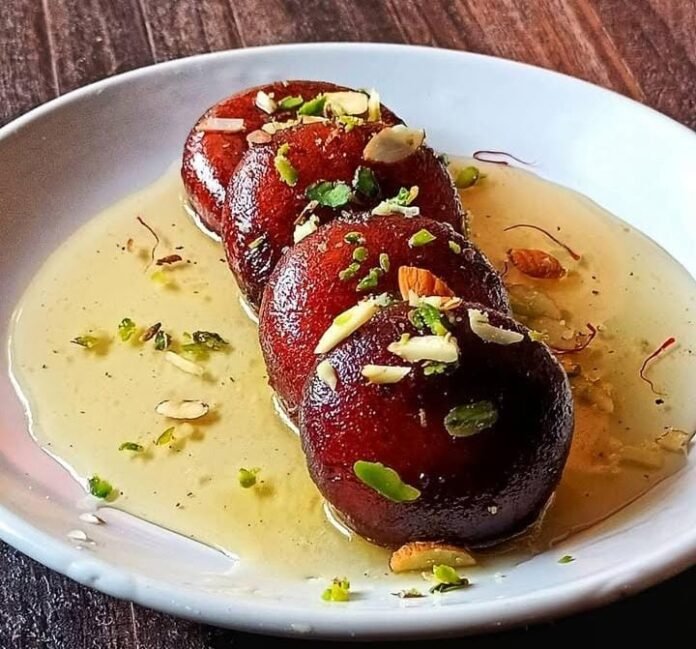

Malwa’s Mawa Bati: A Culinary Gem of Madhya Pradesh Known for Its Signature Sweet Taste…

0

By Nirjala Goud

You’ve likely heard of Madhya Pradesh’s iconic Dal Baati or the vibrant Gond dance, and perhaps you’ve even savored the hearty Dal Bafla. But have you ever tasted the delectable Mawa Bati, a celebrated sweet from the Malwa region? If not, let’s dive into the world of this mouthwatering dessert that melts in your mouth, resembling a gulab jamun but larger in size and richer in flavor.

What is Mawa Bati?

Mawa Bati is a traditional sweet from the Malwa region, crafted from mawa (khoya) and stuffed with a delightful mix of dry fruits. This indulgent treat is deep-fried in ghee and soaked in sugar syrup, often served with creamy rabdi to elevate its taste. While it shares a visual similarity with gulab jamun, Mawa Bati is larger and boasts a unique texture that dissolves instantly, leaving behind a burst of sweetness. Its distinct shape and irresistible flavor make it a standout dessert in Malwa, particularly in Bhopal, where it enjoys widespread popularity.

The Making of Mawa Bati

The preparation of Mawa Bati is an art form. Mawa dough is flattened, shaped into large, round batis, and stuffed with a rich filling of dry fruits. These are then carefully fried on low heat to achieve a golden hue before being immersed in a fragrant sugar syrup. The addition of rabdi enhances its decadence, making every bite a heavenly experience. The larger size and melt-in-the-mouth texture set Mawa Bati apart, embodying the essence of Malwa’s culinary heritage.

Malwa’s Mawa Bati: A Culinary Gem of Madhya Pradesh Known for Its Signature Sweet Taste...


A Sweet Tale of Tradition and Royalty

Mawa Bati is more than just a dessert—it’s a symbol of Malwa’s hospitality and festive spirit, where food represents love, tradition, and community. Legend has it that Mawa Bati was born in the royal kitchens of Malwa. During a grand feast, a king challenged his chefs to create a unique sweet for distinguished guests, something never tasted before. A clever cook innovated by stuffing mawa dough with dry fruits, frying it to perfection, and soaking it in syrup. When served, the dessert enchanted the king, who named it “Rajsi Bati” (Royal Bati). Over time, it became known as Mawa Bati, finding its way into every household, festival, and celebration across Malwa.

The Cultural Significance of Mawa Bati

Bati reflects the soul of Malwa’s vibrant culture, where food is a celebration of life and love. This sweet encapsulates the region’s traditions, weaving stories of royal feasts and culinary creativity into every bite. From humble kitchens to grand festivities, Mawa Bati has become a beloved part of Malwa’s identity, cherished for its rich taste and cultural legacy.

A Taste of Malwa’s Heritage
Mawa Bati is not just a dessert; it’s a journey from the royal courts to the heart of Malwa’s homes. Its unique flavor, paired with the warmth of rabdi, makes it a must-try for anyone exploring Madhya Pradesh’s culinary treasures. So, the next time you’re in Malwa, don’t miss the chance to savor this “Rajsi Bati”—a sweet that carries the original taste of Malwa’s rich heritage.

Hilang Yajik: Arunachal’s Trailblazer Shines on the International Stage, From Remote Kurung Kumey to Global Glory, Hilang Yajik’s Journey of Grit and Triumph

0


In a remarkable tale of resilience and determination, Hilang Yajik, hailing from Arunachal Pradesh’s remote Kurung Kumey district, has etched her name in history by clinching a gold medal at the 15th South Asian Bodybuilding & Physique Sports Championships held in Thimphu, Bhutan, from June 11–15, 2025. Her victory in the Women’s Model Physique (up to 155 cm) category, coupled with a silver in another physique division, marks her as the first female physique athlete from Arunachal Pradesh to achieve such a feat on the international stage. Like the sun that rises despite the harshest storms, Hilang’s journey embodies perseverance, balancing academics and athletics while overcoming economic hardships and limited access to training resources.

A Journey Against All Odds

Kurung Kumey, one of Arunachal Pradesh’s most remote and underdeveloped regions, offers little in terms of sports infrastructure, coaches, or competitive opportunities. Yet, these challenges could not dim Hilang’s spirit. With unwavering determination, she juggled her studies and rigorous training, defying financial constraints and a lack of facilities. Her story is a testament to the human spirit’s ability to rise above adversity and achieve greatness.
Rising Through the Ranks

Hilang’s ascent in the world of physique sports has been nothing short of inspiring. Her career timeline reflects her steady progress:

2022: Hilang made her debut at the Federation Cup in Sikkim, securing fourth place in the Women’s Model Physique (>165 cm) category. Later that year, she claimed a silver medal at the Eastern Zone National Championship in the Model Physique category, signaling her potential.

April 2024: At the 13th Federation Cup in Goa, Hilang won a silver in the Sports Physique category, becoming the first woman from Arunachal Pradesh to medal at this prestigious level.

May 2024: Her talent earned her a spot to represent India at the 56th Asian Bodybuilding Championships and the 15th WBPF World Championships, a significant milestone in her career.

June 2025: Hilang’s crowning achievement came at the South Asian Championships in Bhutan, where she won gold in the Women’s Model Physique (up to 155 cm) category and a silver in another physique division, solidifying her status as a trailblazer.

An Inspiration For Youth

Hilang Yajik’s achievements resonate far beyond the medals. As the first female physique athlete from Arunachal Pradesh to win gold at an international level, she has become a symbol of hope for aspiring athletes from remote regions. Her ability to balance education and sports while overcoming systemic challenges showcases her as a role model for young women across India. Hilang’s triumph proves that with grit and determination, no obstacle is too big, and no dream is too distant.
Her victory in Bhutan is not just a personal milestone but a proud moment for Arunachal Pradesh and India, illuminating the path for others to follow. As Hilang continues to soar, her story reminds us that, like the sun, she was destined to rise—and rise she did.

World Yoga Day Special: Know About The Adiyogi and the Origins of Yoga

0

The word Yoga is derived from the Sanskrit root ‘Yuj’, meaning to unite, to yoke, or to join. Yoga is not just a set of physical exercises—it is a profound spiritual discipline aimed at harmonizing the mind and body. It is both a science and an art of healthy living that has evolved over thousands of years.

The Divine Connection: Lord Shiva and Yoga

At the heart of Yoga lies the divine figure of Lord Shiva, one of the principal deities of Hinduism. He is revered as the Adiyogi—the first yogi—and the fountainhead of Yogic wisdom. According to ancient tradition, all known and unknown asanas (yogic postures) are believed to be inspired by Lord Shiva’s movements. His cosmic dance as Nataraj is itself a symbolic expression of yogic flow and spiritual rhythm.

Often depicted in Padmasana (Lotus Pose), Lord Shiva exemplifies yogic stillness. Surrounded by animals and immersed in deep meditation, he represents the highest state of consciousness. His half-closed eyes reflect inner tranquility, while the third eye on his forehead symbolizes awakened wisdom. The crescent moon denotes mystical insight, and the serpent coiled around his neck represents the dormant Kundalini energy present in every human being. The River Ganga flowing from his matted hair signifies the continuous process of purification and spiritual flow.

The Transmission of Yogic Knowledge

The story of Yoga’s origin traces back to a time nearly 15,000 years ago. It is believed that after attaining 100% enlightenment and using his consciousness to its fullest potential, Lord Shiva ascended to the Himalayas. Overwhelmed by ecstasy, he began to dance wildly—his movements radiating such intense joy and energy that they attracted onlookers. While most left when he didn’t speak, seven seekers stayed, determined to learn the secret of his bliss.

These seven, later known as the Saptarishis, pleaded with Shiva to share his knowledge. Initially, Shiva remained silent—absorbed in a state beyond the physical realm. After 84 years of intense sadhana (spiritual practice), the persistence of the sages moved him. He finally agreed, acknowledging that they had become ready to receive the sacred knowledge.

The Birth of Yogic Science

Lord Shiva imparted the vast Yogic sciences on the serene banks of Kantisarovar, near Kedarnath in the Himalayas. He taught the seven sages seven distinct aspects of Yoga, including Hatha Yoga, Karma Yoga, Bhakti Yoga, Raja Yoga, and others. Upon mastering these disciplines, the Saptarishis were instructed to go in seven different directions to spread the light of Yoga throughout the world.

Thus, the sacred science of Yoga began its journey across civilizations—transcending geography, time, and belief systems.

Yoga: Beyond Exercise

Yogic science is not merely about physical postures. It is a holistic system encompassing the physical, mental, emotional, and spiritual dimensions of the human experience. It is a method to explore the inner self and reach the highest state of consciousness—just as Lord Shiva, the Adiyogi, once did.

Today, millions practice Yoga around the globe, yet its essence remains rooted in the ancient wisdom passed down from Shiva to the Saptarishis. By honoring this lineage, practitioners connect to a timeless tradition that seeks not only health and harmony but the ultimate union with the divine.

Watch Out: Drones Cleaning Trains at Kamakhya Station in Assam…

0

Ministry of Railways has shared a tweet showing drones cleaning train coaches in Kamakhya Station in Assam. It says that Indian Railways has got smarter and has got into a new era of hightech and efficient railway maintenance…

Rajmata Jijabai: Know How She Raised Shivaji Maharaj, and How Her legacy is the Maratha Empire’s enduring strength….

0

On June 17, we solemnly observe the death anniversary, or Punyatithi, of Rajmata Jijabai Shahaji Bhosale, a towering figure in Indian history and the mother of Chhatrapati Shivaji Maharaj, the founder of the Maratha Empire. Known affectionately as Jijau or Rajmata, her life was a testament to courage, wisdom, and unwavering dedication to the cause of Hindavi Swarajya (Hindu self-rule). Jijabai’s contributions as a mother, warrior, administrator, and visionary continue to inspire generations, making her an enduring symbol of strength and patriotism.

Early Life and Background

Born on January 12, 1598, in Deulgaon near Sindkhed, in present-day Buldhana district of Maharashtra, Jijabai was the daughter of Lakhujirao Jadhav, a prominent noble in the Ahmadnagar Sultanate, and Mahalasabai Jadhav. Hailing from the illustrious Yadav lineage of Devgiri, Jijabai was raised with a deep sense of pride in her heritage. At a young age, she was married to Shahaji Bhosale, a distinguished military commander serving under the Nizam Shah. Despite her husband’s allegiance to the Adil Shahi Sultanate, Jijabai harbored a fierce desire for independence, despising subjugation under foreign rule. This conviction became the cornerstone of her life’s mission.

A Guiding Force in Shaping Shivaji Maharaj

Jijabai’s most profound contribution was her role in molding her son, Shivaji, into the visionary leader who established the Maratha Empire. As a single mother after Shahaji’s relocation to Karnataka, Jijabai took on the dual role of nurturing and mentoring Shivaji. She instilled in him values of courage, justice, and devotion to the motherland through stories from the Ramayana and Mahabharata, emphasizing heroic figures like Rama and Bhima who fought for righteousness. These tales ignited in Shivaji a passion for Swaraj (self-rule) and resistance against oppression.

A Warrior and Administrator

Beyond her role as a mother, Jijabai was a formidable warrior and administrator. A skilled horse rider and swordswoman, she embodied strength and resilience. When Shahaji settled in Karnataka and remarried, Jijabai moved to Pune, then a desolate region overrun with jungles. As queen regent, she revitalized the area, transforming it into a thriving administrative center. She founded the Kasbapeth Ganpati Temple and renovated the Tambdi Jogeshwari and Kevareshwar Temples, reflecting her deep spiritual faith in Goddess Bhavani and Lord Mahadev, whom she believed guided her family.

During critical moments, such as when Shivaji was trapped at Panhala Fort for four months or when he traveled to Agra in 1666, Jijabai took charge of the Maratha administration, leading with decisiveness and strategic acumen. Her ability to manage state affairs and rally the Maratha forces during crises underscored her role as a pillar of the empire. Jijabai’s leadership was not confined to the battlefield; she prioritized the welfare of her subjects, earning their love and respect.

A Visionary for Swaraj

Jijabai’s vision for Swaraj was rooted in her belief in self-governance and resistance against foreign oppression. She despised the subjugation of Hindus under Mughal and Adil Shahi rule and worked tirelessly to unite the Marathas against these forces. Her strategic counsel was invaluable to both Shahaji and Shivaji, who sought her advice on major political and military decisions. Jijabai’s resolute spirit inspired Shivaji to seize weaker Bijapur posts and confront formidable enemies like Afzal Khan, avenging the death of her eldest son. Her unwavering support emboldened Shivaji to escape Mughal captivity in Agra in 1666, a turning point in Indian history.

Jijabai’s commitment to Swaraj extended beyond her lifetime. She endured personal tragedies, including the loss of her eldest son and her husband, yet remained steadfast in her mission. Her life exemplified sacrifice, as she prioritized the nation’s welfare over personal comfort, earning her the titles of Rastramata (Mother of the Nation) and Rajmata (Queen Mother).

Final Days and Legacy

Tragically, Jijabai passed away on June 17, 1674, in Pachad village near Raigad Fort, just 12 days after witnessing her son’s historic coronation as Chhatrapati at Raigad. Her death was a profound loss for the Maratha Empire, as she had been its moral and strategic backbone. However, her legacy lived on through Shivaji’s achievements and the enduring Maratha resistance against foreign rule.

World Crocodile Day: Madhya Pradesh Leads From Front in Conserving These Animals. Know Interesting Facts on Crocodile and MP’s Role in its Preservation…

0

Today, as the world celebrates World Crocodile Day, we spotlight the critical role of crocodiles in ecosystems and the remarkable efforts of Madhya Pradesh in preserving these ancient reptiles. This global awareness campaign highlights the plight of endangered crocodiles and alligators, and Madhya Pradesh stands out as a beacon of wildlife conservation, particularly for the critically endangered gharial. Let’s dive into some fascinating facts about crocodiles and explore how Madhya Pradesh’s national parks are safeguarding these species while excelling as a hub for wildlife preservation.

World Crocodile Day: Madhya Pradesh Leads From Front in Conserving These Animals. Know Interesting Facts on Crocodile and MP's Role in its Preservation...

Amazing Facts About Crocodiles

  1. Ancient Survivors: Crocodilians, including alligators, crocodiles, and gharials, have roamed Earth for over 205 million years, coexisting with dinosaurs. Their resilience is a testament to their evolutionary success.
  2. Unique Adaptations: Gharials, one of India’s three crocodilian species, have long, slender snouts designed for catching fish, making them less dangerous to humans compared to their cousins, the saltwater and mugger crocodiles.
  3. Powerful Predators: Saltwater crocodiles, the largest living crocodile species, can grow up to 7 meters (23 feet) and are proficient swimmers, thriving in both freshwater and saltwater habitats.
  4. Thermoregulation Experts: Crocodiles are poikilothermic, meaning they regulate body temperature externally. Mugger crocodiles dig burrows to retreat when temperatures drop below 5°C.
  5. Cultural Significance: In India, crocodiles hold unique cultural roles. For instance, a vegetarian crocodile named Babiya lived in a Kerala temple lake for over seven decades, fed by priests daily, showcasing the harmonious coexistence of wildlife and human culture.

Madhya Pradesh’s Pivotal Role in Crocodile Preservation

Madhya Pradesh, often called the “Tiger State” of India, is also a stronghold for crocodile conservation, particularly for the gharial (Gavialis gangeticus), a critically endangered species. The state’s National Chambal Sanctuary, spanning Madhya Pradesh, Rajasthan, and Uttar Pradesh, is a cornerstone of India’s Crocodile Conservation Project, launched in 1975 with support from the United Nations and the Government of India.

The Chambal River, flowing through the northern slopes of the Vindhya Mountains, is the primary habitat for gharials in India. This sanctuary has been instrumental in reviving gharial populations through captive breeding and habitat protection. A recent survey by the Wildlife Trust of India reported 1,255 gharials in the Chambal River alone, a significant achievement given the species’ critically endangered status on the IUCN Red List.

The Crocodile Conservation Project, initiated under the Wildlife (Protection) Act of 1972, established breeding and rearing centers across 34 locations in India, including Madhya Pradesh. Eggs collected from the Chambal Sanctuary and other sites, such as Nepal’s Narayani and Kali rivers, have been incubated and reared in controlled environments to boost survival rates, which are often low in the wild due to predation. Over 700 gharials raised through captive breeding have been released into rivers like the Mahanadi, with Madhya Pradesh’s efforts contributing significantly to this success.

Madhya Pradesh also supports mugger crocodiles (Crocodylus palustris), found in freshwater habitats like rivers, lakes, and marshes across the state. The Son Gharial Sanctuary, another key conservation area, focuses on protecting gharial habitats, ensuring safe breeding grounds and reducing human-wildlife conflict. These efforts have helped India hold nearly 80% of the global wild gharial population, estimated at 3,000 individuals, with over 400 nests recorded annually across sanctuaries, including those in Madhya Pradesh.

World Crocodile Day: Madhya Pradesh Leads From Front in Conserving These Animals. Know Interesting Facts on Crocodile and MP's Role in its Preservation...

Challenges and Solutions

Despite these successes, gharials and muggers face threats like illegal sand mining, poaching, river pollution, dam construction, and human encroachment, which fuel human-crocodile conflicts. Madhya Pradesh has implemented measures like awareness campaigns and crocodile relocation programs to mitigate these issues. For instance, the state collaborates with local communities to foster coexistence, emphasizing the ecological importance of crocodiles in maintaining aquatic ecosystems.

Why Madhya Pradesh Excels in Wildlife Preservation

Madhya Pradesh’s commitment to wildlife conservation extends beyond crocodiles, making it one of India’s premier destinations for biodiversity preservation. Here’s why the state stands out:

  • Robust Protected Area Network: Madhya Pradesh boasts 12 national parks and 24 wildlife sanctuaries, including Kanha, Bandhavgarh, and Pench, which are globally renowned for their tiger populations. The recent designation of Ratapani Wildlife Sanctuary as the state’s eighth tiger reserve in 2025 underscores its dedication to expanding protected habitats.
  • Biodiversity Hotspots: The state’s diverse ecosystems, from teak forests to wetlands, support a wide range of species, including tigers, leopards, sloth bears, and migratory birds. Wetlands like the Halali Reservoir in Ratapani enhance ecological stability.
  • Community Engagement: Madhya Pradesh integrates local communities into conservation efforts, fostering awareness and participation in projects like the Crocodile Conservation Project. This approach ensures sustainable outcomes.
  • Policy and Research Support: The state’s wildlife wing employs dedicated research personnel, and initiatives like the Madhya Pradesh State Biodiversity Board promote scientific efforts in ecology and habitat management.
  • Global Recognition: Madhya Pradesh’s sanctuaries, such as the National Chambal Sanctuary, are part of India’s Ramsar sites, highlighting their international significance for wetland and species conservation.

Reviving Our Earth: Understanding World Day to Combat Desertification and Drought

0

Every June 17, the world unites to observe the World Day to Combat Desertification and Drought, a day dedicated to protecting our planet’s fertile lands from turning into barren deserts. This global event highlights the importance of healthy soil, sustainable land use, and water conservation to combat climate change and secure a better future for all. Desertification and drought don’t just harm farmers—they affect food security, livelihoods, and ecosystems worldwide. Let’s explore why this day matters, what’s happening globally and in India, and how we can all help save our Earth’s precious lands.

Why This Day Matters

Desertification is when fertile land degrades into dry, barren areas due to factors like deforestation, overgrazing, or climate change. Drought, on the other hand, is a prolonged lack of water that worsens land degradation. Together, they threaten agriculture, biodiversity, and human survival. The World Day to Combat Desertification and Drought raises awareness about these issues and inspires action to restore degraded lands and manage resources wisely.

The History Behind the Day

In 1994, the United Nations created the United Nations Convention to Combat Desertification (UNCCD), based in Bonn, Germany, to tackle land degradation globally. A year later, in 1995, the first World Day to Combat Desertification and Drought was celebrated. The goal? To promote sustainable land practices and ensure fertile soil for future generations.

The Global and Indian Land Crisis

Our planet has about 13.2 billion hectares of land, but only 1.4 billion hectares (10.6%) are suitable for farming. Shockingly, 20-25% of Earth’s land is already degraded or desertified, making it less productive or unusable. In India, the situation is serious too. Out of 328.7 million hectares of total land, 159.7 million hectares are arable, but 96.4 million hectares (29.3%) are degraded or barren, according to 2021 data. This loss of fertile land threatens food production and rural livelihoods.

India’s Efforts to Save Its Land

India is a proud member of the UNCCD and even hosted the UNCCD COP-14 in 2019. The country has committed to restoring 26 million hectares of degraded land by 2030, aiming for Land Degradation Neutrality (LDN)—a balance where no more land is lost than restored. To achieve this, the government has launched several impactful programs:

  • National Green India Mission: Plants trees and restores forests to protect soil.
  • Jal Shakti Abhiyan: Promotes water conservation to prevent drought.
  • Pradhan Mantri Krishi Sinchayee Yojana (PMKSY): Ensures efficient irrigation for sustainable farming.
  • MGNREGA Land Works: Improves soil and water conservation in rural areas.
  • Afforestation Programs: Encourages large-scale tree planting across the country.

Simple Ways to Protect Our Land

Everyone can play a part in combating desertification and drought. Here are practical steps we can take:

  • Plant More Trees: Trees anchor soil, prevent erosion, and cool the planet.
  • Choose Organic Farming: Avoid chemical fertilizers to keep soil healthy and fertile.
  • Conserve Soil: Use techniques like contour bunding or terrace farming to protect soil from washing away.
  • Save Water: Practice rainwater harvesting and use water wisely to prevent drought.
  • Manage Waste: Reduce plastic use and dispose of waste properly to keep land clean.
  • Spread Awareness: Educate friends and family about sustainable practices to inspire collective action.

what to do…

The World Day to Combat Desertification and Drought reminds us that healthy land is the foundation of life. By working together—governments, communities, and individuals—we can restore degraded lands, fight climate change, and ensure fertile soil for future generations. Let’s take small steps today, like planting a tree or conserving water, to make a big difference for our planet’s tomorrow.

What Is Black Box

0

In the aftermath of the tragic Air India Boeing 787 Dreamliner crash in Ahmedabad, authorities have turned to DNA analysis to identify victims. This scientific method is vital in mass fatality incidents, especially when traditional identification methods are no longer viable due to severe trauma or decomposition.

Why DNA Identification Matters in Mass Disasters

DNA profiling is considered the gold standard in forensic science for victim identification. In large-scale disasters like plane crashes, it offers accuracy, reliability, and a way to provide closure to grieving families.

How DNA Samples Are Collected and Preserved

The success of DNA identification depends heavily on timely and proper collection of samples. DNA begins degrading immediately after death, particularly in hot and humid environments. Therefore, cold and dry conditions, or prompt freezing at -20°C, are ideal for preservation.

Hard tissues such as bones and teeth are the most reliable sources for post-mortem DNA extraction, especially when soft tissues have decomposed.

Reference DNA from Relatives Is Crucial

To match DNA profiles, scientists need reference samples from biological relatives. The most accurate results come from parents or children, who share approximately 50% of the same DNA with the deceased. This familial matching improves both the speed and certainty of identification.

Advanced Methods of DNA Analysis

Several forensic techniques are used based on the condition and quality of the collected DNA:

  • Short Tandem Repeat (STR) Analysis: The most common method, STR compares repeating sequences in the DNA. A profile using 15+ STR markers is highly accurate in establishing identity.
  • Mitochondrial DNA (mtDNA) Analysis: Effective for badly degraded remains, mtDNA is passed from mother to child, making it useful for maternal lineage identification.
  • Y Chromosome Analysis: This targets the paternal line, identifying males using DNA passed from father to son. Ideal when close male relatives are available.
  • Single Nucleotide Polymorphisms (SNPs): Used for extremely degraded samples, though less precise than STR. SNP profiles can also be built using personal items like toothbrushes or razors.

Challenges and Emotional Toll of DNA Identification

The process is time-consuming and complex, especially in large-scale tragedies. Following the 9/11 attacks, it took nearly ten months to identify all victims through DNA. The scale of the Air India crash will similarly influence the duration of this process.

Why Timely DNA Identification Matters

Beyond scientific necessity, timely identification plays a vital role in supporting the mental health of families awaiting closure. Speedy, respectful handling of the remains is not only a matter of process but also human dignity.


Key Takeaways

  • DNA analysis remains the most accurate method in mass casualty events.
  • Hard tissues like teeth and bones are preferred for degraded remains.
  • STR, mtDNA, Y chromosome, and SNPs are all part of the forensic toolkit.
  • Prompt collection and reference samples from relatives are essential.
  • Speed and sensitivity in identification help grieving families find peace.

Himachal Pradesh Opens Shipki La Pass for Tourists: A Gateway to Trade, Culture, and Pilgrimage

0

In a significant move to promote border tourism and revive Indo-China trade, the Himachal Pradesh government has opened the Shipki La Pass in Kinnaur district to domestic tourists. Located at a height of 3,930 metres, this high-altitude mountain pass is now accessible to Indian travelers for the first time in decades, following approval from the Ministry of Defence.

Shipki La: A Historic India-Tibet Trade Route

Historically, Shipki La Pass served as a key trade corridor between India and Tibet, facilitating the exchange of goods like agricultural tools, textiles, wool, and herbal medicines. This ancient trade route held immense importance before the 1962 India-China war, which disrupted cross-border commerce. The reopening marks a revival of not just trade but also age-old cultural ties.

Chief Minister Sukhvinder Singh Sukhu Launches the Initiative

The initiative was formally launched by Chief Minister Sukhvinder Singh Sukhu, who became the second chief minister to visit Shipki La since 1968. Speaking on the occasion, CM Sukhu highlighted the significance of the move, stating that it will boost tourism, create jobs, and economically empower border communities.

The state government’s decision to ease access to this strategic location came after securing clearance from the Ministry of Defence, which had long restricted movement in sensitive border areas.

Boost to Border Tourism and Local Economy

Opening Shipki La for tourism is expected to stimulate the regional economy, particularly in remote villages of Kinnaur district. Tourism, trade, and cultural exchange are anticipated to thrive as a result of this strategic move. Local traders have already expressed hope for the resumption of formal India-China trade, which could provide a major boost to livelihoods in the region.

A Potential New Route for Kailash Manasarovar Yatra

The pass also holds spiritual importance, as it is being considered a new potential route for the Kailash Manasarovar Yatra, a sacred pilgrimage for Hindus, Buddhists, Jains, and Bon followers. If developed, Shipki La could offer a safer and more accessible alternative for pilgrims heading to Mount Kailash in Tibet.

Strengthening Cultural Exchange with Tibet

Shipki La has long been a cultural bridge between the people of India and Tibet. The revival of this route will encourage inter-cultural dialogue, strengthen community bonds, and revive historical treaties and relationships that once flourished in this region.

Strategic Significance of Shipki La Pass

Positioned near the Line of Actual Control (LAC), the Shipki La Pass carries strategic military and diplomatic importance. Reopening it not only boosts tourism but also reinforces India’s presence and connectivity in critical border zones.

Future Outlook

With growing support from the local community, traders, and tourism stakeholders, the future of Shipki La looks bright. There are increasing calls for the central government to initiate talks with China to formally resume cross-border trade. The pass is well-positioned to become a hub of economic activity, pilgrimage tourism, and international diplomacy in the coming years.

Key Highlights:

  • Shipki La Pass reopened to Indian tourists for the first time in decades.
  • Aims to boost border tourism, revive Indo-China trade, and support local economies.
  • Holds potential as a route for Kailash Manasarovar Yatra.
  • Cultural and strategic importance strengthens India’s border engagement.
  • Launched under the leadership of CM Sukhvinder Singh Sukhu.