The FICCI FLO Jaipur Chapter, led by the dynamic Chairperson Dr. Rimmi Shekhawat, hosted an engaging and refreshing workshop titled “FLO Saundaryam – Facial Yoga with Vibhuti Arora” at Hotel Clarks Amer. The event brought together an enthusiastic group of FLO members for an afternoon dedicated to wellness, beauty, and inner harmony.
The session began with a warm networking interaction, setting a relaxed and positive tone for the afternoon. This was followed by opening remarks from the Master of Ceremony and an inspiring address by Dr. Rimmi Shekhawat, highlighting the importance of self-care and holistic health.
Renowned facial yoga expert and founder of House of Beauty, Ms. Vibhuti Arora, led the main session. She guided participants through practical facial yoga techniques designed to reduce puffiness, under-eye circles, and lymphatic stagnation with just 10–15 minutes of daily practice. Her live demonstrations, delivered with clarity and energy, enabled participants to learn the exercises hands-on.
Ms. Arora also shared insights on selecting the right facial oils tailored to different skin types and offered accessible skincare tips for naturally radiant, lifted skin. Her emphasis on consistency and mindful beauty routines resonated strongly with the audience.
Dr. Rimmi Shekhawat, Ms. Vrinda Kothari, and IAS Officer Ms. Manisha Arora felicitated Ms. Vibhuti Arora, acknowledging her impactful contribution to holistic skincare and wellness.
A lively Q&A session followed, during which members had the opportunity to seek personalized advice from Ms. Arora. The event concluded with a heartfelt vote of thanks and a delightful hi-tea, leaving everyone refreshed and inspired.
The workshop was more than just a beauty session—it celebrated self-love, wellness, and the powerful bond of the FLO sisterhood.
Southeast Asia is a top destination for travellers planning their adventures, drawing millions with its promise of vibrant culture and stunning landscapes. The thrill of planning flights, stays, and itineraries often takes centre stage.
However, in all this excitement, practical safeguards often slip through our minds. One such essential yet underrated safety net is international travel insurance.
Before we get into why it’s so important, let’s understand what makes Southeast Asia such a popular and evolving destination for Indian travellers.
Why Southeast Asia Tops the Travel List for Indians?
Southeast Asia stands out as a favourite for Indian tourists because of its rich culture, easy connectivity, and travel experiences that feel both exciting and familiar:
Affordable Travel and Strong Cultural Connection
Southeast Asia has always been a top pick for Indian travellers. The food is familiar, the festivals are relatable, and shopping feels like a home away from home.
Street food culture resembles Indian markets
Local languages often have a few Hindi or Tamil influences
Indian rupee stretches further in countries like Vietnam or Cambodia
Visa Ease, Short-haul Flights, and Diverse Experiences
What makes Southeast Asia even better is how accessible it is:
Most flights take just 4–6 hours
Many destinations offer visa-free entry or easy e-visas
Travellers get beaches, temples, nightlife, and nature, all in one trip
Recent years have seen a huge shift in how Indians travel:
More solo travellers seeking meaningful experiences
Small group trips for digital detox and remote working
Wellness getaways for yoga, spa retreats, and eco-lodges
As these trends grow, the need for personal safety and emergency support becomes even more critical.
The Rising Role of International Travel Insurance
With global travel on the rise, international travel insurance is quickly becoming essential for Indian tourists seeking safety and financial protection abroad.
Growing Medical Costs in Asia-Pacific Countries
Medical treatment in Southeast Asia may be cheaper than in the West, but emergency care and hospital stays can still cost lakhs of rupees.
Private hospital charges in Thailand or Malaysia are on the rise
Even a short hospital visit can disturb your entire travel budget
Higher Trip Cancellations, Illness, Theft, and Baggage Loss Instances
Travellers are more mobile, which also means more unpredictable situations:
Weather delays or flight reschedules
Falling sick due to climate change or food change
Luggage misplaced or phones stolen at tourist hotspots
A good international travel insurance plan cushions you against all of these. If you are covered under Digit Insurance, you also get immediate monetary compensation between ₹500 and ₹1000 when your flight is delayed for more than 6 hours, so you are not left waiting without support.
Some Embassies Require Proof of Insurance
Several Southeast Asian nations are making travel insurance an unofficial entry requirement:
Authorities may ask for proof at the airport
Visa applications sometimes require insurance details
Peace of mind for both short vacations and long itineraries
Even if your trip is only for 5 days, accidents do not follow schedules. Travel insurance ensures that your holiday is stress-free from start to finish.
Visa Rules and Insurance Requirements for Southeast Asia Countries
Understanding visa rules and insurance requirements is key for Indian travellers heading to Southeast Asia, as each country has its own entry conditions and coverage norms.
Thailand
Visa-Free Travel and Recommended Insurance
30-day visa-free stay for Indian passport holders (as of 2025)
Insurance is not mandatory, but highly recommended
Vietnam
E-Visa and Insurance as a Mandatory Requirement
30-day single-entry e-visa for Indians
Insurance is often required while applying for a visa
Malaysia
eNTRI/eVisa and Why Insurance Is Still Essential
15 to 30-day eNTRI and eVisa options
Insurance is not compulsory, but strongly advised
What Does International Travel Insurance Actually Cover?
A comprehensive travel insurance plan offers multiple layers of protection while you are travelling. Here is what you can typically expect it to cover:
1. Emergency Medical Care
This includes hospitalisation, ambulance charges, surgery, and even medical evacuation if you need to be shifted to another location or back to India for better treatment.
2. Trip Interruptions
Whether your flight gets delayed, you miss a connection, or your trip needs to be rescheduled due to emergencies, the insurance helps cover those extra expenses.
3. Baggage and Document Loss
Losing your suitcase or having your passport or other travel documents stolen can be stressful. Your insurance helps you manage the cost and process of replacements.
4. Personal Accident and Liability
If you are involved in an accident during the trip or accidentally cause damage to someone else’s property, this part of the policy has you covered..
Having these benefits gives you peace of mind, knowing that even if things go off track, your trip will not come to a halt.
Common Travel Insurance Mistakes Indians Should Avoid
Here are some errors travellers often make while buying insurance:
1. Choosing the Cheapest Plan Only for Visa Approval
Cheap plans often skip crucial features like hospital cover or baggage protection.
2. Ignoring the Exclusions
Incidents related to alcohol, adventure sports, or existing medical issues may not be covered.
3. Relying Only on Credit Card Travel Insurance
These policies often have limited claim limits or lack 24×7 support.
4. Not Saving a Copy of the Policy Offline
Always carry a digital and paper copy and share it with someone back home.
With relaxed visa rules, shorter flights, and unique experiences, Indians are travelling more confidently. And with the right protection in place, they can do so without worry. From solo trips to family holidays, the peace of mind that comes with a reliable insurance plan is worth every rupee.
In a bold leap toward revolutionizing India’s road travel, Union Minister Nitin Gadkari has announced a game-changing ₹3,000 FASTag-based Annual Pass for private vehicles. Effective from August 15, 2025, this visionary move promises to slash toll costs, eliminate bottlenecks, and deliver a smoother, smarter highway experience for millions of commuters. With just one payment, drivers can now cruise through up to 200 trips across the national highway network—no more fumbling for change or dreading toll queues. It’s not just a policy—it’s a passport to freedom on the open road.
Designed exclusively for non-commercial vehicles like cars, jeeps, and vans, the pass can be activated via the Rajmarg Yatra App or official websites of NHAI and MoRTH. It addresses long-standing complaints about toll plazas located too close together and aims to cut down on congestion, disputes, and delays.
The move is part of a broader push toward digital, barrier-free tolling, with future plans including satellite tracking and automatic number plate recognition. While the announcement has been welcomed by many, it has also sparked questions about how trips will be counted—especially on routes with multiple toll booths.
महत्वपूर्ण घोषणा। 📢
एक ऐतिहासिक पहल के तहत, 15 अगस्त 2025 से ₹3,000 की कीमत वाला FASTag आधारित वार्षिक पास शुरू किया जा है। यह पास सक्रिय होने की तिथि से एक वर्ष तक या 200 यात्राओं तक, जो भी पहले हो, वैध रहेगा।
यह पास केवल गैर-व्यावसायिक निजी वाहनों (कार, जीप, वैन आदि) के लिए…
Monsoons transform India into a lush, vibrant tapestry of misty hills, roaring waterfalls, and verdant valleys. Here’s a carefully curated list of five enchanting destinations perfect for monsoon travel.
1. Munnar (Kerala)
Why Visit? Munnar, the “Kashmir of South India,” explodes into greenery during monsoon. Its rolling tea estates, cascading falls like Attukal and Lakkam, and mist-shrouded valleys offer serene, dreamy landscapes.
Highlights:
Tea Gardens & Plantation Walks: Wet terraces glisten under raindrops.
Waterfalls: Attukal and Lakkam flow in full force amid dramatic fog.
Eravikulam National Park: Cool hikes featuring rare Nilgiri Tahr.
Mattupetty Dam & Echo Point: Dramatic views with clouds hovering low.
Insider Tip: Carry waterproofs – light drizzle turns paths into muddy but romantic trails.
2. Coorg (Karnataka)
Why Visit? Often called “Scotland of India,” Coorg’s coffee estates, dense forests, and mist-kissed hills reach peak beauty in monsoon.
Highlights:
Abbey & Iruppu Falls: Thunderous waterfalls perfect for monsoon selfies.
Trekking Trails: Gentle treks through misty hillocks and shaded forests.
Raja’s Seat: Majestic hill viewpoint draped in cloud cover.
Bonus: Lesser crowds than peak season and perfect aroma-soaked walks.
3. Valley of Flowers (Uttarakhand)
Why Visit? A UNESCO World Heritage site, the valley bursts into full bloom during monsoon – floral carpets against Himalayan backdrops.
Highlights:
Trekking Route: Starting from Govindghat, rich with waterfalls and wildflowers.
Biodiversity: Multicoloured alpine blooms, endemic to the Himalayas.
Hemkund Sahib: A serene Sikh shrine beside a glacial lake.
Travel Advice: Become a trekking blogger – start early for fewer crowds and spectacular lighting.
4. Udaipur (Rajasthan)
Why Visit? The “City of Lakes” comes alive – mirrored lakes, misty palaces, and emerald Aravalli hills create romantic vistas.
Highlights:
Lake Pichola Cruise: Rains dapple the lake for scenic reflections.
City Palace & Sajjangarh Monsoon Palace: Hilltop views in striking grey-green contrasts.
Aravalli Tracts: Hills flushed in lush hues.
5. Shillong & Cherrapunji (Meghalaya)
Why Visit? Shillong, the “Scotland of the East,” and nearby Cherrapunji – the wettest place on Earth – are picture-perfect in relentless rain.
Highlights:
Multi-tiered Waterfalls: Elephant Falls, Bishop Falls, and Nohkalikai in full splendour.
Living Root Bridges: Hand-woven aerial roots in lush canopies.
Misty Hills: Evergreen hills veiled in clouds.
Note: Meghalaya’s tourism board ensures safety; public apps and night patrols boost confidence
As the monsoon drizzle softens the harshness of the Indian summer, it brings more than just rain – it breathes life into every corner of the country. From mist-wrapped valleys to the thunderous roar of waterfalls, this season reveals India’s hidden charm in ways no other time can. In Munnar, you’ll wander through emerald tea gardens cloaked in mist; Coorg’s coffee estates will intoxicate your senses; the Valley of Flowers will unveil a riot of alpine blooms; Udaipur’s lakes will mirror dramatic skies; and Shillong and Cherrapunji will make you fall in love with rain again.
So why wait for the “perfect” travel weather? Monsoon is your invitation to experience India on a deeper level – the landscapes wear their freshest colors, the crowds thin, and the rhythm of life slows down. Embrace the season with a spirit of adventure, pack your waterproof essentials, and let every drop of rain inspire a new memory.
Let your monsoon journey be more than a getaway – it’s a soulful exploration of nature’s purest beauty and India’s most enchanting season.
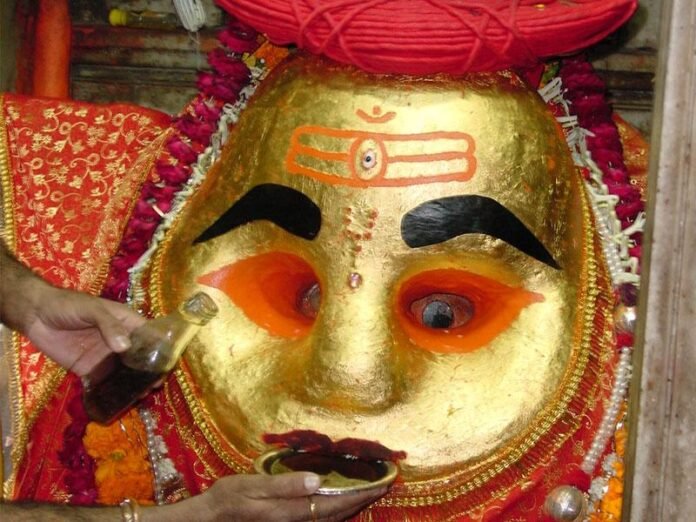
The Kal Bhairav Temple in Ujjain, Madhya Pradesh, is a rare and mystic site that draws spiritual seekers and curious tourists alike. What makes this temple stand out is its unconventional tradition of offering liquor as prasad to Kal Bhairav, a fierce manifestation of Lord Shiva.
Liquor as Prasad: A Unique Ritual
At Kal Bhairav Temple, it is customary for devotees to offer alcoholic beverages – ranging from country-made liquor to top-shelf foreign brands. The offering is handed to the temple priest, who pours it into a plate and presents it to the deity’s lips.
A Divine Sip: Belief Behind the Offering
It is believed that Kal Bhairav consumes a portion of the liquor, a miraculous act that leaves devotees in awe. The remainder is returned as sacred prasad, symbolizing divine acceptance and blessings.
Tantric Roots and Spiritual Symbolism
This practice has deep roots in Tantric rituals, which historically flourished in Ujjain – one of the seven sacred cities in Hinduism. The liquor offering represents total surrender, renunciation of ego, and the desire for spiritual purification.
Cultural and Religious Interpretations
Many regard this ritual as a sacred symbol of transformation. Some interpret the act of offering liquor as transferring personal vices and karmic burdens to the deity, allowing for emotional and spiritual cleansing.
Recent Legal Debates and Government Restrictions
In recent times, the Madhya Pradesh government has proposed a ban on liquor sales in religious zones, prompting discussions about its impact on this age-old tradition. However, no changes have officially affected the temple so far. The conversation continues among devotees, religious authorities, and legal bodies.
Why Visit Kal Bhairav Temple?
Here’s why this temple should be on your spiritual travel bucket list:
Witness a rare spiritual ritual found nowhere else in the world
Explore the tantric history embedded in Ujjain’s sacred heritage
Experience a deeply symbolic tradition that transcends religious norms
Seek spiritual liberation and divine grace in an extraordinary way
Conclusion: Faith Meets Mystery
The tradition of offering liquor to Kal Bhairav is not just about ritual – it’s a complex blend of faith, culture, spirituality, and symbolism. Whether you’re a believer or an observer, visiting this temple is an unforgettable encounter with India’s mystic spiritual traditions.
FAQs About Kal Bhairav Temple, Ujjain
Q1: Is liquor offering still allowed at Kal Bhairav Temple? Yes, the tradition continues as of now, although future legal rulings may impact it.
Q2: Can non-Hindus or tourists participate in the offering? Absolutely. Visitors of all backgrounds are welcome to offer liquor and receive prasad.
Q3: What happens to the liquor after the offering? A portion is believed to be consumed by the deity. The rest is returned as holy prasad.
Plan Your Spiritual Journey
If you’re intrigued by India’s hidden spiritual practices, a visit to the Kal Bhairav Temple in Ujjain is a must. It offers a glimpse into a mystical world where faith defies convention and rituals reveal deeper truths.
Have you experienced this tradition? Share your thoughts and stories in the comments below!
The Narmada River, India’s fifth-largest river and the longest westward-flowing river, is a vital lifeline for Madhya Pradesh and Gujarat. Originating from the Amarkantak Plateau in Madhya Pradesh, it carves a 1,312 km (815.2 miles) path through central India before merging with the Arabian Sea at the Gulf of Khambhat, near Bharuch. Revered as a sacred river, Narmada holds immense cultural, spiritual, and economic significance, often considered the traditional boundary between North and South India.
Origins and Journey of the Narmada
The Narmada River begins its journey at the Amarkantak Plateau in the Anuppur district of Madhya Pradesh, a region known as the heart of India. Flowing westward, an unusual trait for Indian rivers, it traverses diverse landscapes before emptying into the Gulf of Khambhat, approximately 30 km west of Bharuch. Also known as “Rewa,” meaning “the one that produces sound,” the river is said to create the sacred sound “Om” as its waters strike rocks, resonating with spiritual significance.
Mythological Significance: Daughter of Lord Shiva
The Narmada River is steeped in mythology, often revered as the “daughter of Lord Shiva.” According to legend, the river was born from a drop of Lord Shiva’s sweat during his deep meditation. Enchanted by her beauty, even the gods were captivated, but Narmada chose a life of spiritual austerity over worldly attachments, embodying purity and devotion. Another captivating folk tale narrates the story of Narmada’s intended marriage to Sonbhadra, associated with the Son River. When Sonbhadra arrived late to their wedding, Narmada, feeling insulted, vowed never to marry. Choosing independence, she flowed westward, while Sonbhadra flowed eastward. This tale symbolizes self-respect, feminine dignity, and the river’s unique westward course, setting it apart from most Indian rivers.
A Multi-Purpose River: Economic and Social Impact
Beyond its spiritual and cultural importance, the Narmada River is a cornerstone of central India’s development. Its waters are harnessed for electricity generation, drinking water supply, and agricultural irrigation through various schemes. Major projects like the Sardar Sarovar Dam have transformed the region, driving social and economic progress by providing resources for millions of people in Madhya Pradesh and Gujarat. The river’s contributions make it an invaluable asset to the region’s growth and sustainability.
A Symbol of Cultural and Spiritual Heritage
The Narmada River is more than a geographical marvel; it is a profound symbol of India’s cultural, religious, and spiritual identity. Its stories reflect themes of devotion, love, sacrifice, and inner strength. From its sacred origins to its role in shaping the lives of millions, the Narmada continues to inspire awe and reverence, embodying the essence of India’s rich heritage. In essence, the Narmada River flows not just through the heart of India but also through its soul, weaving together mythology, spirituality, and progress in a timeless narrative.
In the Madhya Pradesh’s Malwa region, Patalpani is a breathtaking destination that promises tranquility, adventure, and a deep connection with nature. Just 35 kilometers from the bustling city of Indore, this stunning waterfall and its surrounding lush greenery offer a perfect escape for those seeking peace and natural beauty. While Pachmarhi often steals the spotlight as a nature lover’s paradise, Patalpani is a lesser-known treasure that deserves a spot on every traveler’s itinerary.
A Scenic Retreat Near Indore
Patalpani, located southwest of Indore, is a captivating waterfall cascading from a height of approximately 150 feet. Surrounded by verdant hills and dense forests, it transforms into a mesmerizing spectacle during the monsoon season, when the water flows with vigor, creating a photogenic haven for visitors. The serene ambiance and the soothing sound of cascading water make it an ideal spot for picnics, weekend getaways, and nature photography. Locals and tourists alike flock to Patalpani, especially on holidays, to unwind in the lap of nature.
A Blend of Adventure and Serenity
Patalpani is more than just a waterfall; it’s a destination that offers a perfect blend of adventure and tranquility. Visitors can immerse themselves in the scenic beauty, hike through the surrounding trails, or simply relax by the water’s edge, soaking in the peaceful atmosphere. The lush greenery and rugged hills create a refreshing contrast to the urban chaos of nearby Indore, making it a haven for those looking to reconnect with nature.
Cultural and Spiritual Significance
The region around Patalpani is home to the Bhil and Gond tribes, whose rich cultural heritage adds a unique dimension to the destination. Local folklore tells of forest gods and spirits that protect the area, and in earlier times, visitors would offer small tokens like flowers, rice, or grains as a gesture of respect before approaching the waterfall. These traditions reflect the deep spiritual connection the tribes have with the land, adding a layer of mystique to the Patalpani experience.
Exploring Beyond Patalpani
One of the advantages of visiting Patalpani is its proximity to other culturally and spiritually significant destinations in Madhya Pradesh. The historic town of Maheshwar, known for its stunning riverside temples and handwoven sarees, and Omkareshwar, one of the twelve sacred Jyotirlingas, are both easily accessible from Patalpani. Combining a visit to Patalpani with these nearby sites allows travelers to experience both the natural splendor and spiritual heritage of the region.
Why Patalpani Deserves a Spot on Your Itinerary
While Pachmarhi remains a beloved destination for nature enthusiasts, Patalpani offers a unique and equally enchanting experience in the Malwa region. Its accessibility from Indore, combined with its natural beauty and cultural richness, makes it a must-visit spot for anyone exploring Madhya Pradesh. Whether you’re seeking a peaceful retreat, an adventurous outing, or a glimpse into the region’s tribal traditions, Patalpani has something for everyone.
Whenever we want to thank someone, congratulate them, or express our gratitude, we often give them a gift or treat. But what if, for just one day, we did the same for ourselves? What if we said ‘thank you’ to ourselves—gave ourselves a gift, even a small one—just to be able to say, ‘Today, I did something for me. I bought something for me. I gave myself a gift.’ Why do we wait for others to give us happiness when we have the power to create it ourselves? This day is dedicated to those who love everyone else, but often forget to love themselves.”
In a world that often glorifies hustle, frugality, and relentless self-discipline, National Splurge Day—celebrated every June 18th—offers a refreshing invitation: treat yourself, unapologetically. This lighthearted holiday, created by Adrienne Sioux Koopersmith, an eventologist based in the U.S., encourages people to let go of restraint for just one day and indulge in something that brings them joy. Whether it’s a fancy coffee, a long-desired book, or a spontaneous road trip, the essence of the day lies in honoring your own happiness.
Why Splurging Matters
Splurging doesn’t necessarily mean extravagance. It’s about acknowledging your desires, honoring your hard work, and taking a moment to say, “Yes, I deserve this.” In fact, this kind of conscious indulgence can contribute to emotional wellbeing, reduce stress, and give life a little extra sparkle.
From a psychological standpoint, giving yourself permission to indulge boosts motivation and reinforces a healthy relationship with money and self-worth. After all, life isn’t just about needs—it’s also about joy, spontaneity, and occasionally choosing the dessert because it looks amazing.
Finding Meaning in the Little Luxuries
What makes National Splurge Day special is its flexibility. There’s no pressure to break the bank or spend beyond your means. Instead, the focus is on intentional self-care and celebrating life’s small wins. It’s the perfect excuse to buy that fragrant candle, visit your favorite bakery, or spend the afternoon doing absolutely nothing.
So today, let the inner voice that usually says “Be practical” take a backseat. Replace it with one that says, “You’ve earned this.” Because sometimes, a tiny treat can be a powerful reminder that you’re worth celebrating.
When we hear the word picnic, the image that comes to mind is an open garden, greenery, games, lots of delicious food, music, and so much more. A picnic isn’t just a way to spend a day off—it gives us a chance to spend special moments with our loved ones. In the hustle and bustle of life, taking some time out to go somewhere with our family and friends and turning that day into a cherished memory—that’s what a picnic truly is.
Picnic Day is more than just a day for an outdoor meal; it’s a tribute to a rich historical tradition that brings community and nature together. From its humble beginnings to the vibrant celebrations today, Picnic Day reminds us of the simple joy of shared meals under the open sky.
The Origins of the Picnic
The term “picnic” is derived from the French word “pique-nique”, a term that surfaced in the 17th century. Back then, the concept was straightforward: everyone would bring a small portion of food to share, and the meal was enjoyed outdoors in an informal, relaxed setting. This cultural practice of dining al fresco quickly spread throughout Europe and became a beloved pastime, transcending boundaries of social class and geography.
Who Started It?
Tracing the exact origins of Picnic Day is challenging because communal outdoor dining dates back to ancient times. Early societies, such as those in Rome, often celebrated in natural settings, enjoying meals amid flourishing gardens and landscapes. However, modern Picnic Day celebrations—as a designated holiday—can be credited to community organizers and public parks departments who recognized the power of an open-air meal to build bonds and create memorable experiences. In many regions, local governments and community groups began formalizing the day to encourage people to reconnect with nature and each other.
Picnic Day in Practice
In places like Madhya Pradesh, Picnic Day is embraced as a time to enjoy the state’s breathtaking landscapes, from the serene banks of rivers to the lush expanses of nature reserves. Families and friends gather in local parks or scenic spots, creating a festive atmosphere where every detail counts—from the cozy blanket spread beneath a tree to the basket filled with delicious, easy-to-eat treats. The overall vibe is one of relaxation, appreciation, and connection.
The Modern Appeal
Today, Picnic Day has evolved into a celebration that honors both historical tradition and modern lifestyle. The day underscores the importance of stepping away from everyday hustle and reconnecting with the natural environment—a practice that has significant wellness and community benefits. Whether it’s enjoying a homemade spread or partaking in gourmet picnic baskets, each picnic is a nod to the enduring legacy of communal outdoor dining.
Picnic Day harks back to a centuries-old tradition that began with simple outdoor gatherings and evolved into a festive celebration of community, nature, and shared joy. It reminds us that in a fast-paced world, sometimes the most delightful moments arise from the simple act of coming together under the sky with good food and great company. As we celebrate Picnic Day, we honor a timeless cultural practice—a celebration of life itself.
Every year on June 18, sushi lovers unite to celebrate International Sushi Day—a moment dedicated to indulging in the delicate, flavorful world of Japan’s most famous culinary art. From classic tuna rolls to bold inventions like fried avocado maki, this day is about savoring variety and sharing the joy that sushi brings across cultures.
What Exactly Is Sushi?
At its core, sushi is a deceptively simple dish: vinegared rice paired with seafood, vegetables, or both. Despite popular belief, sushi doesn’t always include raw fish. Cooked options, like shrimp tempura rolls or tamago (sweet egg omelet), are just as traditional. And let’s not forget modern innovations—hello, spicy mayo, cream cheese, and yes, fried avocado!
The Origins: Sushi’s Humble Beginnings
Sushi dates back over 2,000 years to Southeast Asia, where people preserved fish by fermenting it with rice. This method eventually reached Japan and evolved into the more refined and less fermented version we know today. In the Edo period (1603–1868), Tokyo street vendors began selling nigiri sushi, marking the birth of fast and fresh sushi culture.
Styles of Sushi: More Than Just Rolls
Nigiri: Hand-formed rice topped with fish or other ingredients
Maki: Rolled sushi wrapped in seaweed
Temaki: Cone-shaped hand rolls
Sashimi: Thin slices of raw fish (technically not sushi since it lacks rice)
Uramaki: Inside-out rolls with rice on the outside
Each style showcases regional ingredients, creativity, and the chef’s personal touch.
Why the World Can’t Get Enough
Sushi offers the perfect blend of health, artistry, and taste. It can be light yet satisfying, beautifully presented, and endlessly customizable. Whether you’re dining at a high-end omakase spot or grabbing a spicy tuna roll on the go, sushi has become a global sensation thanks to its adaptability.
Celebrating the Right Way
Today is the perfect excuse to treat yourself! Visit a local sushi restaurant, support a small Japanese eatery, or try your hand at rolling maki at home. Feeling adventurous? Experiment with fusion flavors, like kimchi rolls or even dessert sushi with fruits and chocolate.
A Cultural Icon That Continues to Evolve
Though rooted in Japanese tradition, sushi continues to evolve with every bite taken across the world. International Sushi Day isn’t just about eating—it’s about appreciating the history, craftsmanship, and culture behind every roll.