Home Blog Page 235

A Sound Revolution: Tracing the Pulse of Broadcasting in India,“A Voice that Connects the Heart of India”…

0

Have you ever wondered how different life would be if humans had never invented certain things? Imagine a world with no medium to share information or entertainment—a life devoid of stories, news, and voices from distant corners. Among the countless inventions, one stands out: radio broadcasting. Not just a device for amusement, it became a bridge to knowledge.

Through a simple voice travelling via airwaves, we began to hear updates from remote villages, learn about tribal customs, cultural rituals, local festivals, and diverse languages. Broadcasting transformed our ordinary lives, adding depth, excitement, and awareness we never knew we needed. On National Broadcasting Day, we honor the invention that sparked this transformation. From radio crackles to HD screens, our journey has been extraordinary. But what made broadcasting necessary in the first place? It was the need to exchange information—open, inclusive, and far-reaching. It gave India a voice and helped every citizen feel heard.

Every year on 23rd July, National Broadcasting Day is celebrated in India. This day commemorates the historic beginning of radio broadcasting in the country. On this day in 1927, the Indian Broadcasting Company initiated its first radio transmission from Mumbai. That single broadcast marked the start of a new era, becoming a foundational medium for information, culture, and communication.

History and Development

Radio broadcasting in India began unofficially in 1923 by the Radio Club of Bombay. However, the first official broadcast was made on 23rd July 1927, when the Indian Broadcasting Company aired news and music from Mumbai. In 1930, the government took over and renamed the service as the Indian State Broadcasting Service. Later in 1936, it was officially called All India Radio (AIR), and in 1957, it adopted the popular name Akashvani.

As of 2025, this institution has completed 98 years, and its contributions have grown immensely over time.

Why Broadcasting Day Was Needed

In a diverse country like India, a medium was necessary that could unite and deliver information equally to all. Radio rose to this challenge by: Reaching remote areas where newspapers or television couldn’t penetrate, Educating farmers, workers, and rural populations about health, agriculture, and development, Playing a vital role in the freedom movement by broadcasting messages of unity and awareness Serving as a source of entertainment and cultural preservation through music and drama

Importance in Today’s Context

Even in today’s digital age, radio continues to hold relevance: It remains a reliable source during disasters, elections, and public welfare campaigns, Plays a major role in preserving regional languages, folk music, and literary traditions Through mobile apps, podcasts, and online streaming, radio has evolved with modern technology and gained new energy

National Broadcasting Day is not just a historic date—it’s a moment of pride when India first heard its own voice echoing through the airwaves. This day reminds us how powerful communication can be in shaping a nation. Radio has uniquely contributed to India’s thought, identity, and direction, and continues to be a medium that binds the country togethe

India Bolsters Air Power: Army Receives First Batch of 21 Apache Attack Helicopters

0

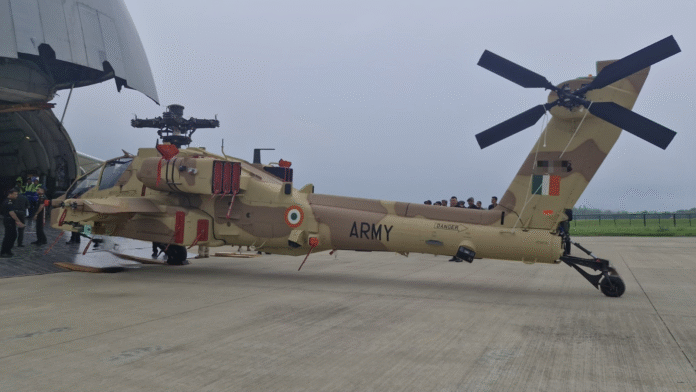
In a major boost to its combat capabilities, the Indian Army has received three AH-64E Apache attack helicopters from the United States. These state-of-the-art machines arrived at Hindon Air Base aboard a massive Antonov transport aircraft and are set to be deployed near Jodhpur, close to India’s western border with Pakistan. This delivery marks the first batch of a six-helicopter deal approved by India’s Defence Ministry in 2017, valued at ₹4,168 crore. The remaining three Apaches are expected to arrive by the end of 2025.

India Bolsters Air Power: Army Receives First Batch of 21 Apache Attack Helicopters

What Makes the Apache Special?

  • All-weather capability: Can operate day and night, in extreme conditions.
  • Advanced weaponry: Equipped with Hellfire missiles, 30mm chain gun, and Hydra rockets.
  • Survivability: Known as a “tank in the air” for its armor and battlefield resilience.
  • High-tech sensors: Includes Longbow radar and night vision systems for precision targeting.
  • Multi-role use: Ideal for anti-armor missions, close air support, and reconnaissance.
India Bolsters Air Power: Army Receives First Batch of 21 Apache Attack Helicopters

The Apache helicopters will be inducted into the 451 Army Aviation Squadron, which was raised in March 2024 specifically to operate these platforms. Their deployment near the western frontier is strategic, enhancing India’s readiness for high-altitude and armored warfare scenarios. This acquisition follows the Indian Air Force’s earlier procurement of 22 Apache helicopters, delivered between 2019 and 2020. With this addition, India now operates 25 Apaches, solidifying its aerial strike capabilities.

India Climbs the Safety Ladder — Surpasses U.S. and U.K. in Global Security Ranking

0

India Surprises on the Global Stage

In a surprising turn, India has emerged stronger in global safety perception, securing the 66th spot among 147 countries in the Numbeo Safety Index 2025. With a safety score of 55.7, India has edged past traditionally safer Western nations like the United Kingdom (ranked 87th, score 51.7) and the United States (ranked 89th) — reflecting a boost in public confidence and perceived law enforcement efficiency.

Andorra: The World’s Safest Nation

At the top of the global list stands Andorra, a small European country nestled in the Pyrenees Mountains between France and Spain. With an impressive safety score of 84.7, Andorra has been declared the world’s safest nation, thanks to its low crime rate and high public security standards.

China Leads the Asian Rankings

In Asia, China leads the pack with a score of 76.0, becoming the safest country in the region. Meanwhile, Middle Eastern countries like UAE, Qatar, and Oman have all landed in the top five, demonstrating their continued focus on public safety infrastructure and governance.

A Mixed Bag in South Asia

Within South Asia, Sri Lanka outperformed regional peers at 59th place, while Pakistan, at 65th, trailed just behind India. On the other hand, Bangladesh lagged significantly, ranking 126th, pointing to concerns about public security.

Beyond Statistics — Perception Matters

The Numbeo Safety Index doesn’t rely solely on statistical crime data—it takes into account public perception, citizen-reported experiences, trust in law enforcement, and the overall feeling of safety within urban environments. Through this lens, the report offers more than just numbers—it reflects how people genuinely experience their surroundings.

India’s Progress Reflects a Changing World

India’s rise in the ranks tells an optimistic story of progress and resilience in managing its complex safety challenges. As global perceptions shift, rankings like these continue to challenge preconceived notions and highlight emerging leaders in public security.

The Rise of Online Casinos: Trends, Tips, and Opportunities in 2025

0

The online casino industry has undergone a dramatic transformation in recent years, emerging as a global entertainment powerhouse. With advancements in technology, shifting consumer preferences, and innovative gaming platforms, online casinos are more accessible and engaging than ever. This article examines key trends shaping the industry, offers practical tips for players, and explains why platforms like those found on ebnw.net are rising the charge. Whether you’re a seasoned player or a curious newcomer, understanding these dynamics can enhance your gaming experience.

Mobile Gaming: The Future of Casino Entertainment

Mobile gaming has revolutionized the way players interact with online casinos. In 2025, over 70% of online casino traffic is generated by mobile devices, driven by the convenience of playing anytime, anywhere. Modern platforms optimize their interfaces for seamless gameplay on smartphones and tablets, offering apps or responsive websites that rival desktop experiences. For instance, games like slots or live poker are now designed with touch-friendly controls and high-quality graphics.

To make the most of mobile gaming, ensure your device is up to date and use a secure Wi-Fi connection to minimize disruptions. Platforms featured on sites like ebnw.net often provide dedicated apps for a smoother experience. For example, accessing games through a streamlined 1xbet login process enables players to quickly and securely dive into their favorite titles.

Live Dealer Games: Bridging the Gap Between Virtual and Real

Live dealer games have surged in popularity, offering an immersive experience that mimics the atmosphere of a physical casino. These games, such as live blackjack, roulette, or baccarat, are streamed in real-time with professional dealers, allowing players to interact via chat. This trend appeals to those seeking authenticity without havingg toleave home. In 2025, platforms are enhancing live games with VR elements and multi-angle streams for a more engaging experience.

For newcomers, start with low-stakes live tables to get comfortable with the platform. Always check the platform’s reputation for fair play—resources like ebnw.net highlight trusted sites with robust live dealer offerings. A quick 1xbet login can connect you to a variety of live games, ensuring a reliable and interactive experience.

Gamification and Player Engagement

Gamification is transforming the way online casinos retain players. Beyond traditional bonuses, platforms now incorporate leaderboards, missions, and reward systems to keep users engaged and motivated. For example, completing a set number of spins might unlock a bonus round or exclusive tournament entry. This approach not only makes gaming more interactive but also fosters a sense of achievement.

To leverage gamification, look for platforms that offer loyalty programs or daily challenges that align with your goals. Check sites like ebnw.net for recommendations on casinos with strong gamification features. Pro tip: Set a budget before engaging in gamified challenges to avoid overspending while chasing rewards.

Cryptocurrency and Secure Transactions

The adoption of cryptocurrency in online casinos has skyrocketed, with Bitcoin, Ethereum, and stablecoins becoming standard payment options in the industry. Crypto transactions offer faster processing, lower fees, and enhanced privacy, making them appealing to tech-savvy individuals. In 2025, many platforms will also integrate blockchain for transparent game outcomes, building trust.

When choosing a crypto-friendly casino, verify its licensing and security protocols. Always store your crypto in a secure wallet and double-check transaction details. Platforms listed on ebnw.net often support crypto payments, making it easier to find reliable options for seamless deposits and withdrawals.

Top Places to Explore in 2025

Here’s a quick overview of popular casino games. It’s ending this year:

GameWhy It’s PopularTips for Players
SlotsVibrant themes, progressive jackpotsStart with low-variance slots for steady wins
Live BlackjackInteractive, strategic gameplayLearn basic strategy charts to improve odds
RouletteSimple rules, multiple betting optionsTry European roulette for better odds
PokerSkill-based, high-stakes tournamentsPractice in free games before betting big

Industry Statistics

  • Market Growth: The global online gambling market is projected to reach $127 billion by 2027, growing at a CAGR of 11.5% (source: industry reports).
  • Mobile Dominance: By 2025, over 70% of casino players are expected to prefer mobile platforms.
  • Crypto Adoption: Approximately 25% of online casino transactions now involve cryptocurrencies.
  • Player Retention: Casinos with gamification features report 30% higher user retention rates. Industry figures highlight the industry’s rapid evolution and the growing importance of mobile and secure platforms.

Conclusion

The online casino landscape in 2025 is dynamic, driven by mobile gaming, live dealer experiences, gamification, and the adoption of cryptocurrencies. Players can maximize their enjoyment by choosing reputable platforms, setting budgets, and exploring trending games. Websites like ebnw.net are invaluable for discovering trusted casinos that align with these trends. Whether you’re spinning slots or joining a live poker table, staying informed and strategic will enhance your experience. Dive in, play responsibly, and explore the exciting world of online casinos today!

The Best Strategies for Playing International Lotteries through TheLotter

0

Indian players no longer need to rely on local games with limited jackpots. TheLotter site – a global lottery provider – is now within reach. Still, it’s hard to make an informed choice with so many options on the table.

This guide breaks down proven strategies to help you play better, with less guesswork and more structure.

Choose Lotteries with Better Odds via TheLotter

TheLotter gives you access to over 50 global lotteries. But bigger isn’t always better. It’s smart to balance jackpot size with winning odds.

LotteryJackpot OddsTypical Jackpot
EuroMillions1 in 139 million€100M+
Powerball (USA)1 in 292 million$500M+
SuperEnalotto (Italy)1 in 622 million€200M+
Australia Saturday Lotto1 in 8 millionAU$5M–AU$20M
Austria Lotto1 in 8 million€1M–€10M
French Loto1 in 19 million€2M–€24M
Polish Mini Lotto1 in 850,000PLN 500K–1M

Tip: Use TheLotter’s filters to sort lotteries by odds, jackpot size, or draw frequency.

Types of Lotteries on TheLotter

TheLotter provides you with a wide range of international lotteries such as:

  • Weekly Jackpots – Classic formats like Powerball and Mega Millions.
  • Daily Lotteries – Fast-paced options such as Mexico Chispazo or Australia Monday Lotto.
  • Raffles & Special Draws – Including Spain’s Lotería Nacional and El Gordo with guaranteed prizes.
  • Multi-National Lotteries – Massive pooled games like EuroMillions and EuroJackpot.
  • National Lotteries – Traditional draws from countries like the USA, UK, Australia, and France.

This variety lets users pick based on jackpot size, draw frequency, or win probability.

Join a Syndicate on TheLotter

A lottery syndicate pools funds from several players to buy more tickets. You get more lines for less money.

Benefits:

  • Much higher odds of winning
  • Small stake, big reach
  • Win shares in multiple prize tiers

TheLotter offers curated syndicates across major lotteries like EuroMillions, Powerball, and Mega Sena. You can even join multiple groups at once for broader coverage.

Use Systematic Forms

Systematic forms on TheLotter let you select more numbers and automatically generate all valid combinations. This expands your odds without manual guesswork.

Available options:

  • 6–12 number systems
  • Key-number strategies
  • Abbreviated wheels for budget play

These forms help you target secondary prize tiers more effectively, not just the jackpot.

Try Bundle Play for a Smart Mix

Bundle Play is a mix of personal entries and syndicate shares.

Why it works:

  • You get the best of both worlds: independence + group power.
  • A diversified strategy reduces total risk.
  • TheLotter’s bundles include top games like EuroMillions and Mega Millions

Ideal for players who want consistent engagement without manually managing everything.

Use Multi-Draws & Subscriptions

TheLotter lets you book entries for multiple draws in advance.

  • Subscriptions: Auto-renew weekly or monthly.
  • Multi-draws: One-time purchase, up to 52 draws.

Why it helps:

  • Never miss a draw.
  • Access loyalty discounts (up to 25%).
  • Set and forget approach for disciplined play.

Stay Updated with Alerts & Notifications

With TheLotter’s mobile app and email system, you’ll always know when:

  • Results are in
  • You’ve won
  • New jackpot boosts or superdraws are coming

Push notifications make it easy to track everything without logging in daily.

Understand Tax Implications for Indian Players

Winnings from TheLotter may be taxed twice:

  • At source (depending on the lottery country).
  • In India (flat 30% rate under Sec. 115BB of the Income Tax Act).

Tips:

  • Always check the local tax rules of the lottery’s origin country.
  • Consider consulting a CA for high-value prizes.
  • TheLotter does not withhold taxes for you — this is your responsibility.

TheLotter Is Safe and Transparent

Operating since 2002, TheLotter provides:

  • Scanned ticket proof in your account.
  • Secure payment systems.
  • Internationally recognized trust from sites like LottoAnalyst and TrustPilot.

It’s one of the few platforms that buy actual tickets (not bets on outcomes).

How to Stay Financially Fit While Taking Care of Your Health?

0

Have you ever thought about how one health emergency could impact your entire savings? Staying fit is not just about daily walks and a balanced diet. It is also about making smart financial choices.

Let us walk you through how you can stay financially fit with the right health insurance plans in India, including coverage, support, security, peace, and planning.

Why Health and Financial Fitness Are Linked?

Your physical and financial well-being are more connected than you think. Taking care of one often strengthens the other, creating a balanced and secure lifestyle. Here’s how they work hand in hand:

● Medical Costs Are Rising Fast

Even routine check-ups and preventive care are becoming more expensive. Without proper financial planning, a sudden illness or hospitalisation can derail your long-term goals.

● Healthy Habits Save Money

Investing in your health through exercise, a balanced diet, and regular screenings reduces the likelihood of expensive treatments later. Preventive care is often cheaper than reactive care.

● Financial Stress Affects Health

Constant money worries can lead to anxiety, poor sleep, and even chronic illnesses. Building an emergency fund and securing health insurance helps reduce this stress.

Why Health Insurance is a Must Today?

Unexpected health issues can sometimes arise without warning. A short hospital visit or a few tests can quickly add up to a large medical bill.

What’s Making Things Tougher?

  • Sedentary jobs
  • Stressful work life
  • Increasing lifestyle diseases

Even young, fit individuals are now at risk for conditions like hypertension, diabetes, or heart-related issues.

What Happens When You are Not Prepared?

  • Disrupt your savings and leave you unprepared for sudden medical expenses
  • Delay your financial goals by shifting funds toward unexpected health costs
  • Leads to borrowing or using credit cards, increasing financial stress quickly

That is why a proactive approach matters.

How Does Health Insurance Act as Your Shield?

  • Reduces out-of-pocket medical expenses
  • Provides access to quality healthcare
  • Protects your financial stability during emergencies

Instead of draining your savings, your policy takes care of most expenses. That’s peace of mind when you need it the most.

How Does Health Insurance Strengthen Your Long-Term Financial Planning?

Think of health insurance as more than a yearly expense; it is a smart investment in your long-term well-being.

Here is how it helps:

● Protects Your Savings

You do not have to break your Fixed Deposits or sell assets in case of a health emergency.

● Reduces Financial Stress

No need to arrange funds in a panic. Insurance handles most expenses.

● Supports Wealth-Building Goals

With medical expenses covered, your investments and SIPs can continue uninterrupted.

Over time, you build a solid financial base without being derailed by unexpected hospital bills.

Understanding Health Insurance Plans in India

Health insurance plans in India are available in multiple forms, with each type catering to a particular set of healthcare needs:

Types of Health Insurance

When it comes to safeguarding your health and finances, understanding the different types of health insurance plans in India is the first step towards making the right choice.

1. Individual Health Insurance

  • Covers one person
    • Best for singles or those with specific health concerns

2. Family Floater Plan

  • Covers your entire family under a single premium.
    • The total sum insured is shared among all members.
    • Ideal for families with dependents like children or elderly parents.
    • If you’re exploring a family health insurance plan, this type of plan offers an affordable and convenient way to protect everyone without needing separate policies.

3. Top-up Plans

  • Extra coverage after a certain limit (deductible)
    • Useful when you already have a base policy

4. Critical Illness Plans

  • Lump sum payment on diagnosis of listed serious illnesses
    • Supports treatment and recovery costs

Key Inclusions to Look For

  1. In-patient hospitalisation
  2. Pre and post-hospitalisation expenses
  3. Daycare procedures
  4. Ambulance charges
  5. Cashless hospitalisation

Watch Out for These Exclusions

  • Pre-existing diseases (during the waiting period)
  • Cosmetic or dental treatments
  • Injuries due to risky activities

Choose a Plan Based On

  1. Age and family size
  2. Past medical history
  3. Lifestyle and profession
  4. Budget and coverage needs

How to Compare and Choose the Right Health Insurance Plan?

Selecting the right health insurance involves more than just looking for the lowest premium. You must balance cost with quality.

Here’s what to focus on:

1. Premium Versus Coverage

Ensure the premium fits your budget and the sum insured is enough for your needs.

2. Hospital Network

Look for insurers with wide hospital tie-ups, especially near your location. For instance, with Digit Insurance, you can choose from 9000+ network hospitals across India for cashless treatment. This gives you quicker access to quality care without the hassle of upfront payments.

3. Claim Settlement Ratio

A higher ratio indicates smoother and faster claim processes.

4. Waiting Period for Pre-existing Conditions

Shorter periods are better, especially if you have prior illnesses.

5. Useful Add-ons

  • Maternity benefits
    • OPD cover
    • Daily hospital cash

Tips to Stay Financially and Physically Healthy

A balanced lifestyle is all about consistent effort, physically and financially. Here’s how you can do both:

1. Go for Regular Health Check-ups

Detect problems early and save big on treatment.

2. Build an Emergency Fund

Combine this with your insurance for extra peace of mind.

3. Review Your Policy Every 1–2 Years

Upgrade coverage as life changes, such as marriage, childbirth, or ageing parents.

4. Avoid Unplanned Expenses

Choose policies that cover regular and emergency needs.

5. Stay Insured, Even When Young

Premiums are lower, and benefits are higher when you start early.

Staying financially fit while taking care of your health is not as complex as it sounds. It is about being proactive, staying insured, and making smart, simple choices.

With the right health insurance plans in India, combined with regular check-ups and smart savings, you can build a future that is secure in both health and wealth. A little planning today leads to peace of mind tomorrow.

Lokmanya Tilak Jayanti: Celebrating the Birth of a Revolutionary (23 July 1856)

0

Born Keshav Gangadhar Tilak on 23 July 1856 in Chikhali, Ratnagiri District (then Bombay Presidency), Tilak hailed from a learned Chitpavan Brahmin family. His father, Gangadhar Tilak, was a Sanskrit scholar and school teacher who passed away when Bal was just 16 years old. Shortly before his father’s death, at the age of 16, Tilak married Tapibai (later known as Satyabhamabai).
He proved academically gifted, earning a first-class Bachelor of Arts in Mathematics and Sanskrit from Deccan College, Pune (1877), followed by an LL.B from Government Law College, Bombay (1879). After law school, he briefly taught mathematics before channeling his passion into journalism and social reform.

Social Service & Educational Contributions

Determined to blend education with nation-building, Tilak co‑founded the New English School in Pune (1880), alongside colleagues like Gopal Ganesh Agarkar and Vishnushastri Chiplunkar. This initiative led to the formation of the Deccan Education Society in 1884, and the establishment of Fergusson College in 1885, where he taught mathematics. Tilak believed in education as a vehicle to develop liberal, democratic, and nationalist minds through strong awareness of Indian culture.

Voice of the People: Journalism & Public Awakening

In 1881, Tilak launched the Marathi newspaper Kesari and later the English weekly Mahratta, which became powerful platforms to expose colonial injustices and stir national consciousness. His bold editorials calling for swaraj (self-government) and medication of British policies earned him fame – and frequent clashes with the colonial regime.

Cultural Festivals as National Tools

Tilak famously turned religious festivals into vehicles of unity and political revival. In 1893, he pioneered public Ganesh Chaturthi celebrations, and in 1895 rejuvenated Shivaji Jayanti, drawing inspiration from Maratha history and Hindu symbolism. These gatherings served as mass political forums, instilling a shared national identity through culture.

Political Strikes & Mass Mobilization

Joining the Indian National Congress in 1890, Tilak championed a more assertive, grassroots brand of nationalism distinct from the moderate wing. Alongside Lala Lajpat Rai and Bipin Chandra Pal, he formed the famed “Lal–Bal–Pal” trio. He inspired a new generation of Indians with his piercing phrase, “Swaraj is my birthright, and I shall have it!”.

In 1907, at the Surat session of the Congress, he led the formation of a separate extremist party. British authorities later arrested him under sedition laws, imprisoning him in Mandalay jail for six years.

Intellectual Legacy & Founding Home Rule

While incarcerated, Tilak authored “Shrimad Bhagvad Gita Rahasya”, an influential treatise on karma yoga, reinforcing his philosophical depth. Earlier, in 1903, he penned “The Arctic Home in the Vedas”, postulating that the Aryan homeland lay in the Arctic – even linking climate change and human migration to mythic history.

In 1916, Tilak co-founded the All India Home Rule League, working with Annie Besant, and forged the famous Lucknow Pact with Mohammed Ali Jinnah, blending Hindu–Muslim unity into the nationalist movement.

Final Years & Enduring Influence

Tilak passed away on 1 August 1920 in Bombay at the age of 64. His leadership earned him enduring titles such as “Lokmanya” (“beloved of the people”), “Father of Indian unrest” in British reports, and “Maker of Modern India” by Mahatma Gandhi.

Bal Gangadhar Tilak’s birthday isn’t just a date – it’s a call to remember how culture, education, and unwavering courage intertwine in the pursuit of freedom. His legacy echoes in our festivals, newspapers, political thought, and the very idea of self-rule in India.

From a Flickering Lamp to Global Recognition: The Inspiring Journey of Pooja Pal…

0

In a quiet village where electricity was once a luxury and dreams flickered beneath the glow of a simple oil lamp, a young girl dared to imagine a brighter future—not just for herself, but for the world. Meet Pooja Pal, an eighth-grade student from Agehra, a small village in the Sirouligauspur Tehsil of India, whose incredible determination and innovative mind have made her a symbol of hope and pride on the international stage.

The Spark of Innovation

Pooja’s journey began with a simple observation. While working on a school science project, she noticed how the thresher machines used by farmers released large amounts of dust, causing discomfort for students and health hazards for the farmers themselves. Rather than ignoring the issue, she saw a challenge—and an opportunity.

With limited resources but boundless creativity, Pooja designed a machine using tin sheets and a fan, which cleverly collects the dust into a separate bag. This eco-friendly solution doesn’t just reduce air pollution—it actively protects farmers from respiratory issues and contributes to a safer working environment. Her creation, simple in design but profound in impact, is now being hailed as a potential game-changer for rural agriculture.

A Moment of Global Pride

Pooja’s model earned her recognition not just in her local community, but all the way in Japan, where she proudly represented India at an international science forum. Her project stood as a testament to the power of youth-led innovation rooted in empathy, observation, and sheer willpower.

Seeds of Inspiration

Pooja’s story is more than an achievement—it’s an invitation. A call to every child reading under dim lights, dreaming beyond textbooks, hoping to change the world. Her journey shows that innovation doesn’t always require high-tech labs—it often begins with curiosity, compassion, and a deep understanding of one’s surroundings.

  • #PoojaPal
  • #FromStruggleToSuccess
  • #GlobalRecognition
  • #WomenEmpowerment

The End of an Era: After 62 Years MiG-21 Bows Out, Tejas Mk1A Takes Flight

0

On September 19 at the Chandigarh The Indian Air Force (IAF) will bid farewell to the legendary MiG-21 fighter jets, retiring the last 36 remaining aircraft from active service. For six decades, the MiG-21 soared across Indian skies, shaping the nation’s air defense narrative with unmatched valor and controversy.

MiG-21: A Story of Glory and Grit

  • Introduced in 1963, the MiG-21 became India’s first supersonic fighter jet.
  • It played crucial roles in the 1965 and 1971 wars and in operations like Kargil and Balakot.
  • However, over 400 crashes and the loss of more than 200 pilots earned it grim nicknames like “Flying Coffin” and “Widow Maker”.

Tejas Mk1A: India’s Indigenous Power Replacing the MiG-21 is the homegrown Tejas Mk1A—an advanced light combat aircraft designed and built in India. Sleek, modern, and technologically superior, Tejas is not just a fighter jet, but a symbol of India’s stride toward self-reliance in defense.

Farewell Ceremony in Chandigarh

  • The final MiG-21 squadron “Panthers” will perform one last flight. Top IAF officials, veterans, and pilots who flew the MiG-21 will gather to honor the aircraft. A grand tribute, including a flypast and static displays, will mark the jet’s ceremonial retirement.
  • A Legacy That Flies On The MiG-21 wasn’t just a machine—it was a guardian of the skies and a silent witness to decades of bravery. As Tejas Mk1A takes its place, it carries forward not just the mission, but the spirit of every pilot who ever called the MiG-21 home.

Ramnagar Fort: A Majestic Blend of History and Culture in Varanasi

0

A Historical Marvel on the Ganges

Nestled on the eastern bank of the Ganges River, opposite Tulsi Ghat in Varanasi, Uttar Pradesh, Ramnagar Fort stands as a testament to the grandeur of Kashi Naresh’s royal legacy. Constructed in 1750 by Kashi Naresh Balwant Singh, this magnificent fort is not only a historical and cultural landmark but also a vibrant symbol of Varanasi’s rich heritage. With its intricate architecture, a museum housing rare artifacts, and its role as the epicenter of the famed Ram Lila, Ramnagar Fort captivates history enthusiasts, art lovers, and tourists alike.

Architectural Splendor: A Fusion of Styles

Ramnagar Fort is a stunning example of Mughal and Rajput architectural styles, with subtle influences of Gothic and Islamic elements. Built using red sandstone, the fort exudes a regal charm with its intricately carved domes, pillars, and balconies. Spanning approximately 20 acres, the fort is fortified by high walls and a moat, enhancing its imposing yet elegant presence. The central courtyard, once a venue for royal ceremonies, remains a focal point for cultural events, most notably the annual Ram Lila—a theatrical enactment of the Ramayana performed during the Dussehra festival.The fort is adorned with several iconic structures, including the Rang Mahal, Sheesh Mahal, Phool Mahal, and Chhota Burj, each adding to its aesthetic allure. Additionally, the fort houses multiple temples dedicated to Hindu deities such as Lord Rama, Sita, Lakshman, Hanuman, Shiva, Parvati, Ganesha, and Durga. Among these, the Ved Vyas Temple and Durga Temple hold particular significance, drawing devotees and visitors seeking spiritual solace.

Ramnagar Fort: A Majestic Blend of History and Culture in Varanasi

The Museum: A Treasure Trove of Royal Artifacts

Managed by the Maharaja Kashi Naresh Vidya Mandir Trust, the Ramnagar Fort Museum, also known as the Maharaja Banaras Vidya Mandir Trust Museum, is a highlight for visitors. The museum features five galleries showcasing an eclectic collection of royal memorabilia. These include vintage cars and palanquins, a textile gallery with royal costumes, an armory displaying swords and antique firearms, personal decorative items, and rare photographs. A standout exhibit is the astronomical clock, crafted by B. Mulchand in 1872, a masterpiece of precision and artistry. These artifacts offer a glimpse into the opulent lifestyle of the Kashi Naresh dynasty.

Ramnagar Fort: A Majestic Blend of History and Culture in Varanasi

Cultural Significance: The Heart of Ram Lila

Ramnagar Fort is synonymous with the centuries-old tradition of Ram Lila, a dramatic reenactment of Lord Rama’s life from the Ramayana. Held annually during Dussehra, this vibrant performance attracts thousands of spectators, blending spirituality, art, and community spirit. The fort’s sprawling courtyard transforms into a stage, bringing alive the epic tale through elaborate costumes, music, and devotion. This cultural event underscores the fort’s enduring relevance in Varanasi’s cultural fabric.