When the sky is wrapped in clouds, the scent of wet earth fills the air, and every corner gleams with lush greenery—you know India’s monsoon is calling. It’s not just a season, it’s a feeling… a time when nature paints the world anew and invites every traveler into its embrace. If you’re seeking the perfect vacation while keeping an eye on your budget, now is the moment to set your sights on some of India’s hidden yet heartwarming destinations. Places where serenity meets beauty, and where every moment becomes a cherished memory. This time, promise yourself a walk alongside the raindrops… and get ready for a monsoon journey you’ll never forget!
Let me now take you to those breathtaking destinations where nature awaits your arrival…
Munnar, Kerala Nestled in the Western Ghats, Munnar’s emerald tea plantations and misty valleys shine in the rains. Waterfalls like Attukal and Lakkam roar with monsoon flow, while Eravikulam National Park offers treks to spot the endangered Nilgiri Tahr amid foggy hills. Visit a tea factory, sip fresh brews, and shop for cardamom and spices at local markets. Monsoon’s off-season means fewer crowds and budget-friendly homestays.
Coorg (Kodagu), Karnataka
Dubbed the “Scotland of India,” Coorg’s coffee estates, dense forests, and rolling hills turn vibrant green. Abbey Falls and Iruppu Falls thunder spectacularly, while guided plantation tours reveal the aroma of wet coffee beans. Spot elephants at Nagarhole National Park (if open). Relish spicy Kodava cuisine like pandi curry and unwind with filter coffee at cozy homestays overlooking misty valleys.
Kodaikanal, Tamil Nadu
This Palani Hills gem exudes colonial charm with cloud-kissed lakes and wildflower-laden trails. Stroll Coaker’s Walk for misty vistas, boat on Kodaikanal Lake, or hike to Pillar Rocks for dramatic cliff views. Silver Cascade Falls gushes fiercely, and local markets brim with homemade chocolates and eucalyptus oil. Monsoon’s cool air makes café-hopping for hot snacks a delight.
Goa (Konkan Coast)
Beyond its beaches, Goa’s monsoon charm lies in its lush hinterlands and quiet shores. Dudhsagar Falls cascades in full glory (check access), while spice plantations in Ponda offer aromatic tours. Old Goa’s churches gleam post-rain, and the Sao Joao festival (late June) brings lively well-jumping celebrations. Savor seafood at shacks and enjoy uncrowded beaches under dramatic rainclouds.
Lonavala & Khandala, Maharashtra
These twin hill stations near Mumbai explode with neon-green hills and waterfalls. Bhushi Dam’s overflow creates splash pools, a local hit. Hike to Tiger’s Leap or Lion’s Point for cloud-filled valley views, and explore ancient Karla and Bhaja Caves, their entrances framed by seasonal falls. Grab Lonavala’s famous chikki and hot vada pav at roadside stalls.
Udaipur, Rajasthan
The City of Lakes sparkles as monsoon fills Lake Pichola and Fateh Sagar. Boat rides offer stunning views of the City Palace under overcast skies, while Sajjangarh Monsoon Palace perched in the Aravalli hills delivers epic sunsets. Stroll Saheliyon-ki-Bari’s glistening gardens and savor dal bati at rooftop cafés, watching rain ripple across the lakes.
Valley of Flowers, Uttarakhand
A UNESCO World Heritage Site in the Garhwal Himalayas, this alpine valley blooms with orchids, poppies, and rare Himalayan blue poppies from mid-July to August. Trek through misty meadows (carry a poncho for slippery trails) and extend to Hemkund Sahib’s sacred lake for waterfall-lined views. Open only during monsoon, it’s a nature lover’s paradise.
Cherrapunji, Meghalaya
One of the world’s wettest places, Cherrapunji (Sohra) stuns with cloud-draped cliffs and roaring waterfalls. Nohkalikai Falls, India’s tallest plunge, is mesmerizing in full flow. Trek to the Double Decker Living Root Bridge in Nongriat (steep but rewarding) and explore Mawsmai Cave’s limestone wonders. Sip local tea while soaking in the rain-soaked gorges’ ethereal beauty.
Darjeeling, West Bengal
At 2,000m in the Eastern Himalayas, Darjeeling’s tea estates and colonial charm glow in monsoon mist. Visit tea gardens for tastings, ride the nostalgic Toy Train (check for closures), or explore the Himalayan Zoological Park. On clear mornings, Tiger Hill offers Kanchenjunga views. Warm up with momos and thukpa at cozy cafés like Glenary’s amid drizzles.
Leh-Ladakh In the Himalayan rain-shadow, Ladakh’s arid deserts and monasteries thrive in monsoon’s clear skies. Explore Thiksey, Hemis, and Diskit monasteries, vibrant with summer festivals. Raft in the Zanskar River’s monsoon-fed rapids or marvel at Pangong Tso and Tso Moriri lakes reflecting moody skies. Bike or drive through rugged terrains for an adventurous escape.
The monsoon transforms India’s landscapes into a vibrant tapestry of greenery, mist, and cascading waterfalls, making it the perfect time to explore these 10 breathtaking destinations. From Munnar’s emerald tea gardens to Goa’s rain-washed beaches, each spot offers a unique blend of nature, adventure, and serenity. Pack your raincoat, embrace the drizzle, and discover the magical charm of India’s monsoon havens!
For centuries, whispers of unimaginable wealth buried beneath sacred soil or sealed behind ancient doors have captivated the minds of explorers, historians, and dreamers alike. These tales—part myth, part mystery—continue to fuel billion-dollar fantasies and global treasure hunts. From the steppes of Mongolia to the jungles of the Philippines and the sanctums of Indian temples, here are three of the most tantalizing treasure legends still unsolved.
Genghis Khan’s Tomb: A Trillion-Dollar Enigma
The final resting place of Genghis Khan, the 13th-century Mongol emperor who forged the largest contiguous empire in history, remains one of archaeology’s greatest mysteries. Despite centuries of speculation, his tomb has never been found.
Legend & Lore: It’s said that the funeral procession killed anyone who witnessed it, and the soldiers who buried him were executed to preserve secrecy.
Possible Location: Most theories point to Burkhan Khaldun mountain in Mongolia, a sacred site sealed off for centuries.
Treasure Estimate: Some believe the tomb could contain trillions in gold, weapons, and artifacts looted during his conquests.
Modern Expeditions: Satellite imagery, drone surveys, and non-invasive scans have identified dozens of potential sites, but none have yielded definitive proof.
Despite technological advances, the tomb remains elusive—guarded by legend, geography, and cultural reverence.
Vault B of Padmanabhaswamy Temple: India’s Sealed Chamber of Secrets
In 2011, five of six underground vaults in Kerala’s Padmanabhaswamy Temple were opened under Supreme Court orders, revealing over ₹1 lakh crore (approx. $20 billion) in gold, jewels, and ancient artifacts. But one vault—Vault B—remains sealed.
Contents of Opened Vaults:
Gold thrones, crowns, and ceremonial attire
800 kg of gold coins dating back to 200 B.C.
Solid gold idols and diamond-studded ornaments
Vault B Mystique:
Believed to house divine relics and even more treasure
Guarded by cobra carvings and layers of iron and wood
Rumored to be protected by a curse
Estimated Value: Some speculate Vault B alone could contain $1 trillion in treasure
Despite court petitions and public intrigue, Vault B remains untouched—its secrets locked away by tradition and fear.
Yamashita’s Gold: WWII’s Vanishing Fortune
Named after Japanese General Tomoyuki Yamashita, this legendary hoard is said to contain gold, jewels, and priceless artifacts looted across Southeast Asia during World War II and hidden in the Philippines.
Origin Story: Allegedly buried in tunnels and caves by Japanese forces before surrendering in 1945
Treasure Hunter Claims:
Filipino locksmith Rogelio Roxas claimed to have found a golden Buddha and crates of gold bars in 1971. He was later arrested and tortured, the treasure was allegedly seized by then-President Ferdinand Marcos
Legal Fallout: Roxas’ estate won a $22 billion judgment against the Marcos family in a Hawaii court
Estimated Value: Believed to be worth over $200 billion, though no official recovery has ever been confirmed The legend persists, inspiring documentaries, lawsuits, and countless expeditions—yet the gold remains hidden, if it exists at all
Why These Legends Endure
Whether real or imagined, these treasure tales endure because they tap into something primal: the allure of discovery, the thrill of mystery, and the hope of rewriting history. They remind us that beneath the surface of our modern world, ancient secrets may still lie waiting.
Nahargarh Fort is a prominent and expansive fort located in Jaipur, Rajasthan, and its breathtaking views are truly beyond description. The image depicts Jaipur’s famous Jal Mahal, situated alongside the city of Jaipur, which is located at the edge of the Aravalli mountains. The area is well-maintained, and during the journey there, I found that the trip was even more beautiful than the destination itself. The scenery along the road gave the impression that you were driving through a lush, green landscape, as if a narrow road was weaving through the edges of a forest. Just imagine! The museum is an incredible attraction that encompasses three distinct parts: the Hall of Icons, the Royal Darbar, and the Sheesh Mahal. Each section is beautifully curated, showcasing an array of gold, silver, and other precious artifacts that tell captivating stories of history and culture.
Hall of Icons
The Hall of Icons is a breathtaking experience, filled with majestic creations that truly transport you to the presence of iconic personalities from India’s rich history. This extraordinary hall features meticulously designed sculptures by the talented artist, Mr. Susanta Ray, who was personally selected by the museum’s director, Mr. Anup Shrivastava.
As you wander through the hall, you’ll encounter representations of revered freedom fighters, modern-day heroes, and celebrated Indian leaders. The carefully crafted installations feature striking depictions of landmarks, such as India Gate, and a lifelike spaceship honoring Kalpana Chawla, each designed to immerse you in the moment and evoke a sense of place. The layout of the hall is thoughtfully organized into separate sections, allowing visitors to feel they have stepped directly into specific historical contexts.
One standout experience is the Buddhist section, where the presence of the current Dalai Lama is so authentically rendered that the ambiance shifts around you, creating an almost spiritual connection. The scents, sounds, and visual elements work in harmony to create a sense of engaging in conversation with this revered figure.
Adding to the uniqueness of the Hall of Icons is an impressive ten-foot-long bullet bike named Giti Gamini, which draws considerable attention and admiration. This striking piece stands out not just as a marvel of engineering but also symbolizes the adventurous spirit of Indian youth.
Overall, the Hall of Icons is an awe-inspiring destination that leaves visitors with a profound sense of connection to India’s past and an appreciation for its rich narrative. Each visit feels like a journey through time, making this museum truly remarkable and unforgettable!
Royal Darbar
This section of the museum showcases the ruling history of Rajasthan. It provides insights into who built the forts, who the most knowledgeable leaders of Rajasthan were, and the famous stories of Jaipur.
What I appreciated most about this section was that each painting features colorful stones attached to it, highlighting how the royals of ancient times adorned themselves with gems to showcase their wealth and vibrancy. I also enjoyed observing the different types of stones on display, each with its own history and unique color. The pictures demonstrate how the kings used specific stones as symbols to represent their identity and significance.
Sheesh Mahal – The Identity of This Place
The Sheesh Mahal is a very unique part of this museum. As soon as you enter this area, the odor, the sounds, and many other elements will make you feel as if you are in the old times of Rajasthan, standing in front of the royals. The floor is handcrafted from pieces of glass that were specially hand-cut and arranged in an orderly manner. This glass floor has a fascinating backstory. When the owner of the museum, Mr. Anup Shrivastava, was searching for flooring for this section, he initially selected a type that was too costly to be used in the museum. However, he was very attracted to it. He then decided to try something unique that had not been used in any Sheesh Mahal around the world, and that idea was to use pieces of glass for the flooring, which created a distinctive effect. The result was so impressive that it outperformed traditional carpet flooring.
Additionally, this glass floor allows you to see what is above your head—a beautiful gold lantern mounted above. This museum is made up of more than 2.5 million glass pieces, all of which are hand-cut, arranged, and painted by hand. The Sheesh Mahal also features a different type of mirror called a Thikri mirror, which allows visitors to see everyone standing with them in that particular area.
Within this area, you can find a bride’s makeup room that has a rich red and old-world color vibe. Here, the queen used to dress up, and her jewelry, such as necklaces and rings, was kept in special boxes designed to attract attention. Gold is used in many of the paintings displayed here, and you can also see an area where silver was hand-cut and safely embedded in a wall. In some instances, Thikri mirrors were placed strategically so that you could see the entire Sheesh Mahal from just a small piece of mirror.
Kings also had a special meditation room and a storage room for their needs. Additionally, a duplicate model of the Kohinoor diamond is displayed here. This section of the museum is truly a soothing experience for your tired eyes.
Conclusion After the visit, the display outside this place was unique. There was a puppet show and a magic show, which attracted many audience members. After the visit, we talked to the head, Mr. Anup Shrivastava. Here are some highlights from our conversation:
He is a remarkable personality who is greatly inspired by Amitabh Bachchan. He mentioned that the first statue he made was of Amitabh Bachchan himself. He answered every question thoughtfully and interactively, and his words truly resonated with me. He began his journey with the help of the film industry and has never looked back since.
While creating this museum, he faced many challenges, including issues with workers, builders, and supplies. However, after overcoming these difficulties, he transformed a once-neglected place into a popular destination that everyone now wants to visit. In the end, I extend a heartfelt salute to this great individual who has dedicated himself to showcasing India’s rich diversity and history.
In an era when Bollywood seemed to have lost its lyrical touch, Saiyaara burst onto the silver screen like a ballad refusing to be ignored. Directed by the ever-emotive Mohit Suri, this romantic musical drama is not merely a movie—it’s a sensory experience. With poetic storytelling, powerhouse performances, and a soundtrack that speaks directly to the soul, Saiyaara has become the biggest surprise hit of 2025, rewriting box office history with every passing day. From its opening scene—a windswept concert stage where Ahaan Panday’s Krish strums heartbreak into the silence—to its final frame where Aneet Padda’s Vaani scribbles faded memories into an abandoned diary, Saiyaara is pure cinematic poetry. It brings together youth and pain, hope and nostalgia, music and emotion, into one unforgettable blend.
Mohit Suri’s Return to Form
Mohit Suri, once known for films like Aashiqui 2 and Ek Villain, returns with a film that feels like a matured version of his romantic obsessions. The screenplay plays with memory, music, and melancholy. Vaani’s diary, containing poems she no longer remembers writing, becomes Krish’s muse—a metaphorical and literal bridge between two souls. Suri’s direction frames every scene with lyrical intent, allowing silence and sound to co-exist meaningfully. It’s storytelling that lingers.
Worldwide Box Office
₹188 crore gross in just 5 days Surpassed lifetime earnings of Game Changer, Sikandar, and Good Bad Ugly Expected to cross ₹200 crore by second weekend
Global Footprint
Beyond domestic shores, Saiyaara has become India’s latest export of emotion. In just five days, the worldwide gross touched ₹188 crore. Overseas markets, including UAE, UK, and North America, responded with equal fervor. Screens in London reported sold-out shows for late-night screenings, while fans in Toronto chanted the title track at public gatherings. Trade analysts now project the film will comfortably cross the ₹200 crore milestone before its second weekend, possibly rivaling even Pathaan and Jawan in longevity.
In a groundbreaking stride for robotics, Chinese tech innovator UBTECH Robotics has unveiled its latest marvel—Walker S2, a humanoid robot capable of autonomously replacing its own battery. This advancement sets a new benchmark in robotic endurance and independence, eliminating the need for human intervention in its power cycles and enabling seamless operation 24/7 for up to seven consecutive days.
A Leap Toward Fully Autonomous Robots
Walker S2 isn’t just another bipedal robot—it represents a bold leap into next-generation autonomy. While most humanoid robots require charging stations or manual battery swaps, Walker S2 has been engineered to detect its own power levels and initiate a self-replacement process. This feature allows it to maintain uninterrupted functionality, especially in environments demanding constant operation such as smart factories, security surveillance, or even elder care.
Robots in Shenzhen, southern China, have mastered self-battery swap, achieving rapid, autonomous power replacement in 3 minutes for 24/7 non-stop operation. World’s first! pic.twitter.com/7NNtNYBiHy
Battery Self-Management: Automatically monitors and swaps batteries when needed
24/7 Operation: Capable of running continuously for up to 168 hours
Humanoid Dexterity: Advanced limb movement, facial recognition, and interaction abilities
AI-Driven Intelligence: Learns and adapts to different tasks and environments
Built for Intelligent Interaction
UBTECH Robotics designed Walker S2 to not just work, but engage. It’s equipped with high-level perception systems including voice recognition, emotion sensing, and obstacle navigation. These attributes make it ideal for roles where both technical precision and human-like interaction are crucial.
Shaping the Future of Robotics
The launch of Walker S2 signals the arrival of robots that can manage their own hardware lifecycles, minimizing downtime and maintenance costs. UBTECH’s achievement could influence how industries design autonomous systems and rethink dependency on human operators. In the long term, such innovation might pave the way toward self-sustaining robotic ecosystems where fleets of machines maintain and manage themselves—creating possibilities in space exploration, remote disaster recovery, and beyond.
Craft tourism, craft cities, craft economies—these terms took center stage during a recent roundtable discussion held at AnanTaya in Jaipur, where prominent designers, educators, and craft advocates came together to express growing concerns about cultural misappropriation and the erasure of Indian artisans’ identities. The discussion was sparked by recent controversies involving global fashion houses like Prada and Dior, which have showcased Indian-inspired designs without giving due credit to their sources.
AnanTaya co-founder Geetanjali Kasliwal voiced deep concern over the growing trend:
“Craft is a living tradition in India. Ours is a collective culture, and our crafts reflect that—often, entire families work together on a single piece. While international brands should be commended for promoting craftsmanship as luxury, misappropriating our culture without acknowledgment is unacceptable. If a Kolhapuri chappal brings prestige to a global brand, the artisan behind it must also benefit.”
Meenakshi Singh, founder faculty at the Indian Institute of Craft and Design (IICD)—Rajasthan’s only government-initiated design institute—and founder of Khatu Design, offered a critical but hopeful perspective:
“At least this conversation is happening now. If brands like Prada are highlighting Indian crafts, it’s a wake-up call. The government must recognize handicrafts as a vital industry, not a sunset sector. We need policy reforms that empower artisans to claim rightful credit. And let’s ask ourselves honestly—how many Indian designers credit their artisans?”
Pavna Mehta Joshi, co-founder of Threads of Identity, emphasised the imbalance in global appreciation:
“Foreign brands treat Indian crafts as exotic muses. They copy designs and sell them at premium prices. If you’re inspired by India, acknowledge the source. Give credit where it’s due—and support the artisan community behind it.”
Designer and educator Swati added a pointed cultural critique:
“I remember someone saying: ‘Everyone wants a piece of India, but no one wants the Indians.’ Crafts are taken out of their cultural context and stripped of their roots in FOREIGN NATIONS. If Prada’s team is truly inspired, they should have collaborated respectfully after proper research.”
Sonal Chitranshi, CEO of FORHEX and a designer working closely with grassroots artisan brands, summed up the sentiment:
“India has always been a giver. Our design philosophy is rooted in sharing. But that doesn’t mean others can take without giving back. True inspiration must lead to collaboration, not exploitation.”
The panel proposed an ambitious cultural initiative—establishing Craft Capitals across India, where each city is celebrated for its signature craft. This, they said, could boost craft tourism and reaffirm India’s identity as a global hub of heritage, creativity, and sustainable luxury.
The debate follows an uproar over Italian luxury house Prada showcasing India’s traditional Kolhapuri chappals in a global fashion show without proper attribution. Dior, too, has been criticized for allegedly replicating Indian crafts without acknowledging their origins.
As India’s craft economy continues to attract global attention, voices from the heart of its creative community are demanding not just admiration—but respect, recognition, and rightful credit.
Consumerism is a socio-cultural and economic phenomenon that primarily characterises industrialised societies. It is defined by the continual acquisition of goods and services in ever-increasing quantities. In modern consumer societies, the processes of purchasing and consuming products have transcended the mere fulfilment of basic human needs, evolving into activities that are not only economic but also cultural, social, and integral to personal identity formation. Despite its prevalence, consumerism has faced criticism from advocates of alternative approaches to economic participation, such as simple living or slow living, as well as from environmentalists concerned about its ecological impacts.
In recent years, particularly between 2020 and 2025, social media usage has proliferated, with user engagement becoming a normative behaviour among various demographics. This surge in social media interaction has significantly contributed to the popularisation of consumerist culture. The accessibility of online browsing platforms and personalised advertisements perpetuates the notion of an insatiable need for goods, influencing consumer behaviour in profound ways.
The Role of Social Media Platforms: How are you getting targeted?
The rise of platforms such as Instagram and TikTok has been instrumental in shaping contemporary consumerist tendencies. These applications utilise sophisticated algorithms to deliver personalised advertisements, thereby providing users with direct access to product information. This immediacy facilitates interaction with brands and other consumers, allowing for a seamless purchasing experience that often occurs without the necessity of navigating away from the app. The mere click of a button, aided by the option to save payment information, has made transactions easier and a bit too convenient, significantly reducing the friction traditionally associated with shopping.
Moreover, social media platforms engage in extensive data collection practices, which serve to enhance the efficacy of targeted advertising. By analysing user behaviour and preferences, these platforms can tailor advertisements to align with individual interests, thereby increasing the likelihood of purchase. This strategic use of data not only reinforces consumerist behaviour but also perpetuates a cycle of consumption that is increasingly difficult for individuals to resist.
In 2024, leading technology firms, including Google, Meta, and ByteDance, captured 54% of the global advertising market, largely due to creator-generated content that rivals traditional media. These platforms utilise hyper-personalised advertising strategies, leveraging extensive behavioural data analytics. TikTok’s Dynamic Showcase Ads, for example, customise product recommendations in real-time based on user interactions, thus converting passive consumption into active purchasing behaviour.
The Influence of Social Media Influencers
Social media influencers have emerged as pivotal figures in the promotion of consumerist culture. With the ability to reach vast audiences, influencers are often compensated by companies to endorse products
through various means, including sponsored posts, reviews, and unboxing videos. Although such content is required to be labelled as advertising, the perceived authenticity of influencers can blur the lines between genuine recommendations and commercial promotion. Recent studies found that 49% to 74% of consumers have bought a product because an influencer recommended it, which showcases how much of an impact an influencer has on the audience.
This dynamic fosters a culture of impulse buying, particularly among followers who may feel compelled to purchase products that are showcased, especially when promotional offers such as discounts are presented. Influencers create an aspirational narrative around products, engendering a sense of exclusivity and desirability that can lead to increased consumer spending. Consequently, this phenomenon contributes significantly to the normalisation of materialism within society.
Psychological Implications
The psychological mechanisms employed by social media platforms further exacerbate consumerist tendencies. The phenomenon of Fear Of Missing Out (FOMO) is prevalent among users, as curated content often presents an idealised version of life that suggests certain products or experiences are essential for happiness and social acceptance. This FOMO can catalyse impulsive purchasing decisions, compelling individuals to acquire items that may not align with their personal needs or financial realities.
Additionally, the addictive nature of social media platforms is worth noting. By employing algorithms designed to maximise user engagement, platforms trigger dopamine releases in the brain, creating a reward-like sensation when users interact with content. This cycle of engagement not only increases exposure to consumerist messages but also fosters a dependency that can lead to further consumption.
The Fast Fashion Phenomenon
Fast fashion exemplifies the detrimental impact of social media on consumer behaviour, thriving on the desire for novelty and immediacy. The aggressive marketing strategies employed by fast fashion brands, coupled with their low pricing structures, facilitate the rapid acquisition and disposal of clothing items, often with little regard for sustainability or ethical considerations. Social media serves as a breeding ground for fast fashion trends, with microtrends being disseminated and consumed at an unprecedented rate, thereby perpetuating a culture of disposability and excess.
Engagement: Does Gender & Age Play a Role?
Social media significantly impacts consumer behaviour, especially among Generation Z and Millennials, influencing their purchasing decisions through trends and influencer marketing. Women are more likely than men to discover products via social media, though both genders increasingly use these channels for shopping. This highlights the complex relationship between demographics and consumer behaviour in social media.
Statistics claim that 50% of users have bought something after TikTok LIVE, 57% seek out purchase info on products seen in TikTok videos, 49% have bought goods/services after seeing them discussed on TikTok, 81% of users research products via Instagram out of which 50% purchase after seeing, while 79% say UGC strongly influences their buying decisions as brands using UGC see 28% more engagement.
Between 2020 and 2025, consumer behaviour across social platforms has revealed not just what people buy, but how and why they buy it. TikTok leads the way with impulsive, content-driven purchases, especially among 18–34-year-olds, where 49% admit to buying something after seeing it on their feed, perhaps a trend largely driven by quick, emotionally deep content. Instagram, also popular among Gen Z and millennials, sees 44% of users shopping weekly, with over 130 million engaging with its shopping features monthly. Facebook, still dominant among users aged 35–65+, leans into trust-based buying through peer recommendations and discovery rather than impulse. Pinterest stands out for its high purchase intent, particularly among women (76%), driven by visually curated, aspiration-led shopping. Meanwhile, Snapchat targets the 18–29 demographic with AR tools shaping beauty and fashion trends. Across platforms, the act of shopping has become embedded into the scroll, not a separate decision, but an emotional, aesthetic, and algorithmically influenced response.
The Business Side
TikTok Shop has transformed digital retail, achieving a Gross Merchandise Volume (GMV) of US$33.2 billion in 2024, surpassing its US$20 billion target, with over US$9 billion generated from the U.S. alone. The platform’s live shopping feature effectively converts 50% of viewers into buyers, with live commerce revenue reaching nearly US$919 million in 2023 and projected to triple by 2031.
The influencer affiliate marketing sector is thriving, with platforms like TikTok rewarding creators with direct sales commissions. For instance, SHEIN generated US$964 million through TikTok Shop in 2024. The return on investment for advertisers is a $2.60 ad spend yielding $88.94 in revenue, representing a 34-fold return.
More than 100,000 creators have monetised through TikTok Shop’s affiliate program, with top affiliates earning over $10,000 monthly, peaking at $15,000 weekly during holidays.
TikTok has established a vibrant virtual economy, where users purchase “coins” that convert into virtual gifts for creators during live streams, generating over US$6 billion in in-app purchases in 2024.
TikTok’s revenue structure comprises diverse streams: advertisements account for 60–70% of revenue, e- commerce via TikTok Shop contributes 15–20%, and virtual gifts/coins make up 10–15%. This diversified model allows TikTok to monetise both content virality and user transactions effectively.
Why It Works: User Behaviour & Platform Design
TikTok’s success is rooted in its understanding of user behaviour and platform design. Approximately 74% of users discover products via TikTok, while 67% make purchases based on creator recommendations. The platform’s seamless scroll-to-shop functionality facilitates impulse buying. Social commerce is projected to reach US$2.9 trillion by 2026, with live commerce expected to drive 20% of this figure. Micro- and nano-influencers, achieving around 10% engagement rates, outperform celebrity endorsements in driving conversions. Instagram’s ad revenues stood at $28.1 billion in 2020, followed by a further increase to approximately $59.6 billion in 2024, which represented a 17.9% growth compared to 2023. Instagram’s US ad revenue is projected to reach $37.13 billion, a 15.9% increase year-over-year.
This overall growth of approximately 2.5 times in five years can largely be attributed to the introduction of shopping features, such as Reels and affiliate tools, highlighting the importance of enhanced shopping functionalities in attracting advertisers. Users prefer user-generated content (UGC) over traditional ads, with 78% of Millennials and 70% of Generation Z relying on peer content before purchasing. UGC is estimated to be 85% more effective than polished brand campaigns in driving sales, highlighting the evolving consumer engagement dynamics.
Voices From Your Feed
Disguised as humour, influencers have adopted a unique method of product promotion by frequently expressing how they are “obsessed with it”, “can’t get enough of it”, and how they might buy 20 more of them. Modern consumer culture, where every day is Black Friday and the only thing more inflated than our shopping carts is our credit card debt.
Promotion of products has now been rebranded under the catchy term “haul”, a shopping term used to show off a product in mass quantity online. TikTok’s latest sensation is the rise of the “consumerism final boss” phenomenon, implying a destination of peak consumerism. This trend is akin to a cult initiation where influencers flaunt their extravagant purchases, in a spirited competition to overshadow the previous viral shopping hauls, PR packages, and unboxing escapades, which fuels the idea that financial well-being is a side quest compared to the main mission of owning the latest trending products.
Users joke, but often truthfully, about their emotional attachment to purchases inspired by a single video: “Not me buying a fifth lip gloss I don’t need because a girl in a robe said it gives ‘main character vibes’.” The phrase “TikTok made me buy it” isn’t just a meme; it’s a digital-age admission of how desire is no longer self-generated but algorithmically installed. Purchases are framed as self-care rituals or identity statements, with posts like “I love romanticising my strawberry matcha, it’s so Pinterest IT girl core.” Emotional spending is now dressed in aesthetics, with users admitting, “I buy things to feel something.
Capitalism wins again.” Even the irony is marketable: “Hot girls have impulse control issues and a saved card on file.” There’s a collective awareness and exhaustion about the endless cycle of buying to belong, seen in laments like “We’re all just trying to fix our lives one overpriced candle at a time”, what the young audience calls retail therapy. In this landscape, the line between content and commerce blurs entirely as shopping is no longer private; it’s a shared, performative habit reinforced by your feed.
Conclusion
In a world where trends evolve faster than we can scroll, distinguishing between wants and needs becomes challenging, especially when products are presented as ‘must-haves’ on our feeds.
In our pursuit of self-expression, we often overlook the consequences of overconsumption. Instead of curating our lives to reflect our identity, we risk subtly selling them out for the sake of aesthetics.
The feed never stops, and our For You Page is essentially for sale.
Therefore, the next time you click ‘Add to Cart’, pause to question yourself whether you require the product or are merely being seduced by the algorithm.
Prachita Kanjolia, writer of this article, is student of DPS, Greater Noida
In a landmark development for Indian medical aspirants, the Commission on Higher Education (CHED) of the Philippines has officially confirmed that its Doctor of Medicine (M.D.) programs are fully compliant with the regulatory requirements set by India’s National Medical Commission (NMC).
This clarification, issued through formal correspondence with the Embassy of India in Manila, ensures that Indian students graduating from CHED-recognised institutions are fully eligible to appear for India’s Foreign Medical Graduate Examination (FMGE) and the upcoming National Exit Test (NExT)—both mandatory for licensure under NMC norms.
Philippine M.D. Programs Now Fully Aligned with NMC Norms
According to CHED’s memo and the advisory issued by the Indian Embassy, the following NMC criteria are now officially met by the Philippine M.D. program:
A 54-month Doctor of Medicine course, exclusive of the pre-medical bachelor’s program.
English-medium instruction throughout the curriculum.
Coverage of all mandatory subjects listed under Schedule I of the NMC Gazette Notification (dated 18 November 2021).
A 12-month clinical internship conducted within the same institution or its affiliated hospital.
A degree eligible for registration and practice in the Philippines.
Industry Reactions: A Major Milestone for Indian Students
Mr. Kadwin Pillai, Managing Director of Transworld Educare and Director of Kings International Medical Academy, welcomed the development:
“This confirmation from CHED puts to rest years of uncertainty for Indian students. It validates that medical education in the Philippines not only adheres to NMC’s stringent requirements but also equips our students for global careers. At Transworld Educare, we have always prioritised regulatory clarity and student success—and this development aligns perfectly with our mission to build future-ready doctors.”
Guidelines for Indian Students Pursuing Medicine in the Philippines
The Indian Embassy has also issued the following advisory for prospective students:
Ensure that the pre-medical (Bachelor’s) degree is CHED-accredited and meets the required academic structure and duration.
Clear the NMAT (National Medical Admission Test) before enrolling in the M.D. program.
Refer to the latest NMC and CHED guidelines before application and admission.
Make payments directly to the medical colleges and insist on official receipts.
Have all degree-related documents apostilled by the Philippine Department of Foreign Affairs for recognition in India.
With over 2,000 Indian students opting for medical studies in the Philippines each year, this formal endorsement is expected to boost confidence and further cement the country’s reputation as a top destination for affordable, English-medium medical education.
As global medical mobility increases in competitiveness, CHED’s alignment with NMC guidelines marks a new era of cooperation between the Philippines and India—benefiting students, institutions, and healthcare systems alike
Imagine just you’re drifting into a blissful sleep, stars glitter outside, and suddenly — eeeeeeeeeeeeee — the infamous whine of a tiny winged menace dive-bombs your eardrum. It’s not just a sound; it’s a declaration of war. You flail, you curse, you wrap yourself like a burrito, and somehow that tiny vampire still finds your pinky toe. Mosquitoes: those persistent, bloodthirsty party crashers of summer, armed with itching welts and diseases in tow.
But what if I told you there’s a magical place—a mosquito-free utopia—where people sleep undisturbed, hike without slapping their necks, and live in peace without citronella candles or electric zappers? Welcome to Iceland, the insect-free sanctuary that’s making the rest of the itchy world jealous.
Iceland: A Land Immune to the Buzz
Iceland stands proudly as the only country in the world where mosquitoes simply cannot survive. Not one. Zero. Zilch. While the rest of the globe battles itchy bites and dengue alerts, Icelanders enjoy a rare freedom—thanks to their country’s unique geography and climatic quirks.
Here’s why these pesky parasites can’t crash the party:
1. Freeze-Thaw Frenzy
Iceland’s erratic spring and autumn temperatures freeze and thaw repeatedly. Mosquito larvae, which need steady warmth to mature, are sabotaged by this constant climate chaos. Their life cycle gets interrupted before it begins—like forgetting your keys halfway through a zombie apocalypse.
2. Unfriendly Soil and Water Chemistry
Iceland’s volcanic soils and mineral-rich water bodies aren’t mosquito-friendly. Larvae require calm, stagnant water with specific nutrients to thrive, but Iceland’s environment is a no-go zone.
3. Geographic Isolation
Surrounded by ocean and distant from mosquito breeding hubs, Iceland is geographically shielded. No standing freshwater swamps, no tropical heat—just glaciers, geysers, and goosebumps.
A Bug-Free Blessing
For Icelanders, the absence of mosquitoes isn’t just convenient—it’s healthier. No dengue, no malaria, no sleepless nights from itchy bites. It’s like nature handed them an evolutionary cheat code. While the rest of us slather on DEET and pray the mosquito coil doesn’t choke us before it repels anything, Iceland quietly thrives without the drama.
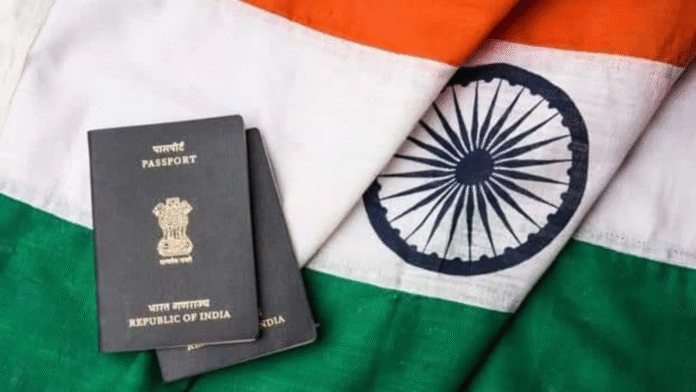
In a remarkable leap on the global mobility scale, the Indian passport has surged eight places to secure the 77th rank on the Henley Passport Index 2025, marking a significant milestone for Indian citizens and international travelers. The latest report reveals that holders of an Indian passport can now enjoy visa-free or visa-on-arrival access to 59 countries—reflecting growing diplomatic strength and global partnerships. The Henley Passport Index, published quarterly by London-based Henley & Partners, is a globally recognized ranking of the world’s most travel-friendly passports. It evaluates passports based on the number of destinations their holders can enter without needing to apply for a visa beforehand.
Strategic Diplomatic Wins
Experts attribute the surge to India’s proactive diplomacy and strategic alliances forged in recent years. Bilateral agreements with countries across Southeast Asia, Africa, and parts of Latin America have opened new doors for leisure and business travel. “This is more than just a numeric rise—it’s a reflection of India’s expanding global footprint,” commented a senior official from the Ministry of External Affairs.
What It Means for Travelers
From serene beaches in Thailand to cultural escapes in Serbia and tech hubs in Kenya, Indian travelers now have more options at their fingertips—with fewer bureaucratic hurdles and quicker travel planning. As global mobility becomes increasingly crucial in today’s interconnected world, the strengthened ranking comes as a boost not only for tourists but also for entrepreneurs, professionals, and students seeking international opportunities. India’s performance on the index continues to improve steadily over the years, signaling a broader trend of progress. While still far from the top-tier passports of countries like Japan or Germany, the momentum is unmistakable—and encouraging.