Home Blog Page 205

Last Lunar Eclipse of the Year Begins, First Visible in Tamil Nadu: Will Last 3 Hours 28 Minutes in India; Watch pics

0

The second and final lunar eclipse of the year has begun, visible from all parts of India. This is a total lunar eclipse (Blood Moon) and the longest such event seen in the country since 2022.

The eclipse started at 9:56 pm and will last for 3 hours 28 minutes, out of which 82 minutes will be a total eclipse. During this phase, the Earth will come between the Sun and the Moon, casting its shadow and giving the Moon a red-orange glow, commonly known as the Blood Moon.

This is the first time since July 27, 2018, that the entire country can witness the phenomenon. It can be viewed safely with the naked eye, though binoculars or telescopes will enhance the experience.

Visible Across the World

The lunar eclipse is visible in many regions, including India, Asia, Western Australia, and Europe. Experts say the best and longest views will be in Asia and Australia, as the Moon will be high in the sky. In Europe and Africa, it will be visible briefly during moonrise.

  • Bangkok: 12:30 am – 1:52 am
  • Beijing & Hong Kong: 1:30 am – 2:52 am
  • Tokyo: 2:30 am – 3:52 am
  • Sydney: 3:30 am – 4:52 am

AI-Powered Graphene Jackets to Warm Soldiers in Himalayan Winters

0

For soldiers braving the unforgiving Himalayan winters, survival often hinges on resilience and reliable gear. Now, a breakthrough in wearable technology promises to make their mission a little less harsh. Engineers Neel Panchal and Khushboo Patel have developed a lightweight, AI-powered jacket made of graphene — a “wonder material” that could redefine winter wear for India’s armed forces.

A Collaboration Born of Vision and Research

The idea took shape in October 2019, when Surat-based engineering graduate Khushboo Patel joined forces with Neel Panchal, co-founder of LHP Nanotechnologies, a startup specializing in graphene production. Neel envisioned a garment that could shield soldiers from extreme cold, and Khushboo’s prior research on smart textiles during her exchange semester in the Netherlands made her an ideal collaborator.

Within weeks, the pair created a preliminary design. Khushboo brought insights from her academic project, while Neel applied his expertise in graphene’s versatile properties. Together, they immersed themselves in research papers, testing concepts that would soon evolve into a potentially life-saving innovation.

Why Graphene? The Game-Changing Material

At the heart of their design lies graphene, a single layer of carbon atoms arranged in a honeycomb lattice. Despite being only one atom thick, graphene is 200 times stronger than steel, yet remarkably light and flexible. Its high thermal conductivity makes it ideal for efficiently trapping and distributing heat — perfect for sub-zero environments.

The jacket doesn’t stop at advanced materials. By integrating artificial intelligence, it adapts to external temperatures and the wearer’s body heat, regulating warmth intelligently while conserving energy. This blend of material science and AI ensures not just durability, but also comfort and efficiency in extreme conditions.

Empowering Soldiers, Inspiring Innovation

For troops stationed in icy Himalayan outposts, mobility and warmth are vital. Traditional heavy gear often restricts movement, but the graphene jacket provides both insulation and flexibility. “It’s more than clothing — it’s a shield designed for resilience,” the engineers note.

Their work underscores the power of interdisciplinary collaboration: merging nanotechnology, wearable design, and artificial intelligence to solve pressing real-world challenges. As the jacket edges closer to deployment, it offers hope of improving not just survival, but also the quality of life for soldiers who stand guard in some of the world’s toughest terrains.

This innovation is more than a milestone for military gear — it’s a glimpse into the future of smart textiles and the transformative potential of graphene in everyday life.

Against Time and Odds: 102-Year-Old Sets Guinness Record on Mount Fuji

0

When most people his age are content with quiet days and gentle routines, Kokichi Akuzawa set his sights on the clouds. At 102, the Japanese mountaineer has etched his name in history as the oldest person ever to summit Mount Fuji, Japan’s sacred 3,776-meter (12,388-foot) peak. His climb on August 5, 2025, not only earned him a Guinness World Record but also reaffirmed his indomitable spirit.

A Grueling Journey with Family by His Side

This was not Akuzawa’s first triumph on Fuji. He had previously captured the record at 96, but this latest ascent tested him like never before. Accompanied by his 70-year-old daughter Motoe, his granddaughter, her husband, and four friends from a local climbing club, the team camped two nights on the trail before pushing to the summit.

The journey was grueling. “I was really tempted to give up halfway through,” Akuzawa admitted. “Reaching the summit was tough, but my friends encouraged me, and it turned out well. I managed to get through it because so many people supported me.”

Despite battling heart problems, shingles, and a prior injury, Akuzawa trained rigorously for three months — rising early for walks and climbing smaller peaks every week. Yet doubts lingered. “I’ve never felt this weak,” he reflected. “I didn’t have pain, but I kept wondering why I was so slow, why I had no stamina.”

More Than a Climb — A Testament to Spirit

For Akuzawa, Fuji is more than a mountain; it’s a canvas for perseverance. “Mount Fuji isn’t a difficult mountain, but this time was harder than six years ago. Harder than any mountain before,” he told the Associated Press. Still, reaching the summit at 102 became a metaphor for resilience and the power of companionship.

A Record with Meaning

Mount Fuji welcomes over 220,000 climbers every year, but few embody the mountain’s spirit as deeply as Akuzawa. “People who climb mountains, people who paint — if they can create something whole on that path, that’s the most fulfilling thing,” he said.

Having surpassed his own record, Akuzawa’s story is now a beacon for dreamers of all ages. “I’d long since passed my physical limit, and it was only thanks to everyone else’s strength that I made it,” he said. His victory reminds us that with grit, preparation, and the support of loved ones, even the steepest paths can be conquered.

Aahan Prajapati: A Teen’s Vision Redefines Inclusive Learning

0

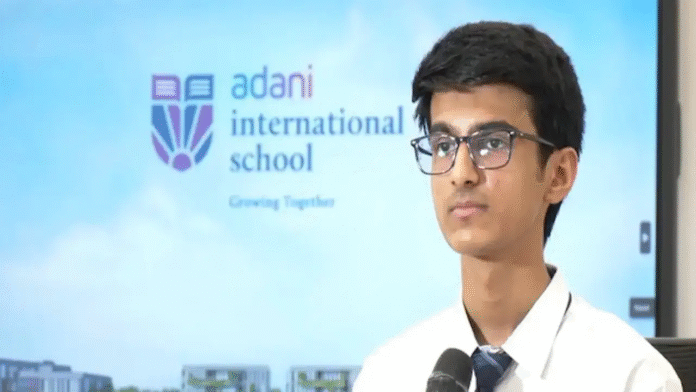
In a remarkable display of resilience and ingenuity, Aahan Prajapati, a 17-year-old student at Adani International School, has transformed his personal challenge with red and green color blindness into a groundbreaking solution for education. His pioneering work earned him the prestigious UK’s Crest Gold Award, a coveted recognition that celebrates exceptional young scientific talent. This achievement, coupled with widespread acclaim on global academic platforms, marks Aahan as a rising star in the field of inclusive education.

A Technological Breakthrough with 99.7% Accuracy

Aahan’s innovation is a sophisticated machine-learning model designed to revolutionize the learning experience for students with color vision deficiency. Diagnosed with color blindness in Grade Four, he identified the struggles of deciphering textbook diagrams and maps—challenges that often go unnoticed. His model adapts these visual materials, rendering them accessible and comprehensible with an astonishing 99.7% accuracy. This technology not only bridges a critical gap in education but also sets a new standard for accessibility, proving that limitations can inspire extraordinary advancements.

Expanding Impact Through Awareness and Action

Aahan’s vision extends far beyond the classroom. Driven by empathy, he has led color blindness screening camps across Gujarat, testing over 10,000 students and uncovering numerous undiagnosed cases. His initiative, enriched with awareness materials and inclusive stationery, aims to empower educators and students alike. With a bold ambition to scale this project nationwide, Aahan is advocating for transformative policy changes, including mandatory health check-ups and revised textbooks tailored for color-blind learners. His work promises to reshape educational equity on a grand scale.

Nurtured by a Supportive Ecosystem

The journey of this young innovator owes much to the nurturing environment at Adani International School. Aahan credits the unwavering support from the school and its promoter, Namrata Adani, who champions the development of “changemakers.” The school’s ethos of turning challenges into opportunities provided Aahan with the platform, resources, and encouragement to refine his project. This collaborative spirit has been instrumental in amplifying his impact, transforming a personal struggle into a collective triumph.

Gaining Global Recognition

Aahan’s contributions have transcended borders, earning him a spotlight at the Indo-French Conference on AI and Healthcare at IIT-Delhi, where his work was showcased to an international audience. His research is also slated for publication in the prestigious International Journal of High School Research, New York, further cementing his status as a global influencer in educational technology. These milestones reflect the profound potential of his innovation to inspire change worldwide.

A Beacon of Hope for the Future

Aahan Prajapati’s story is more than a tale of personal success—it’s a beacon of hope for students facing similar challenges. By converting his color blindness into a force for good, he exemplifies how adversity can fuel innovation. With the continued backing of his school and a clear vision for the future, Aahan is poised to leave a lasting legacy, ensuring that education becomes a truly inclusive space for all. His journey reminds us that the greatest breakthroughs often emerge from the courage to embrace and overcome one’s own limitations.

Whittier, Alaska: The Remarkable Town Thriving in a Single Skyscraper

0

A Unique Vertical Community

Nestled in the rugged wilderness of Alaska, Whittier stands out as a one-of-a-kind town where nearly 90% of its 270 residents call the Begich Towers home. This striking 14-story building, originally a former army barracks transformed into a condominium complex, is more than just an apartment block—it’s the heartbeat of the community. Located in one of the most isolated regions of the state, accessible only via a single-lane tunnel, Whittier’s vertical living arrangement is a testament to human ingenuity in the face of nature’s challenges.

Self-Contained Living at Its Best

Begich Towers is a self-sufficient microcosm, offering an unparalleled all-in-one living experience. Residents enjoy a range of amenities under one roof, including apartments, offices, a school, a post office, a grocery store, a health clinic, and even a heated indoor pool—a rare luxury in Alaska’s frigid climate. This comprehensive setup eliminates the need for extensive travel, providing convenience and comfort year-round. A connecting tunnel links the main complex to the school and gym, ensuring safe and easy access during the long, harsh winter months when temperatures plummet and snow blankets the landscape.

Practicality Born from Isolation

Whittier’s remote location, reachable solely through a one-lane tunnel that doubles as a lifeline to the mainland, has shaped its unique lifestyle. The concentrated living in Begich Towers is a practical adaptation to the town’s isolation and the severe Alaskan weather, where blizzards and icy conditions can render outdoor movement treacherous. This architectural marvel allows residents to access essential services without braving the elements, making it a lifeline for daily life. The remaining residents live in a separate building, but the community remains tightly knit, united by shared circumstances and proximity.

A Close-Knit Community Spirit

Living in such close quarters fosters an extraordinary sense of camaraderie and community spirit. Neighbors become extended family, relying on one another in a town where self-sufficiency is paramount. The shared spaces within Begich Towers— from the school where children learn to the general store where residents shop—create a vibrant social fabric. This close-knit dynamic is a hallmark of Whittier, where isolation has bred resilience and togetherness, turning a practical necessity into a cultural strength.

A Glimpse into an Extraordinary Lifestyle

Whittier’s story is one of adaptation and innovation, offering a rare glimpse into how a small town thrives against the odds. The Begich Towers stand as a symbol of survival and community in one of Alaska’s most extraordinary locales. As the world marvels at this vertical village, Whittier continues to prove that even in the harshest environments, human connection and ingenuity can flourish.In essence, Whittier, Alaska, redefines urban living with its single-skyscraper town, blending practicality, community, and resilience into a lifestyle that is as inspiring as it is unique.

A New Era of Affordable Dining Begins as New GST Reforms Set To Transform Restaurant Dining in India

0

As of September 22, 2025, eating out in India is set to become more wallet-friendly with the introduction of a revamped GST structure. Following the 56th GST Council meeting, Finance Minister Nirmala Sitharaman announced a significant overhaul, reducing the GST on restaurant meals from the previous 12-18% to a flat 5%. This bold move, effective just in time for the festive season starting with Navratri, is poised to revolutionize the dining experience for millions.

Savings That Add Up

For the average family spending ₹3,000-₹4,000 monthly on dining out, this GST reduction translates to savings of approximately ₹200-₹400. This financial relief is expected to encourage more frequent restaurant visits, especially as the festive season approaches, potentially sparking a surge in demand across the restaurant sector. The simplification from a multi-tiered tax system to primarily two slabs—5% and 18%—along with a new 40% slab for luxury and “sin” goods like tobacco and high-end cars, underscores the government’s intent to prioritize affordability for everyday consumers.

Broader Impact on Household Essentials

The GST reforms extend beyond restaurants, offering widespread benefits. Everyday items such as hair oil, toilet soap, shampoos, toothbrushes, toothpaste, bicycles, tableware, and kitchenware now attract a reduced 5% GST. Additionally, essentials like butter, ghee, cornflakes, and medical items such as spectacles have seen their tax rates lowered or exempted entirely. Even aspirational goods like TVs, air conditioners, consumer electronics, and small cars have dropped from 28% to 18%, making them more accessible to the middle class. As Sitharaman noted, “In common man and middle-class items, there is a complete reduction,” reflecting a targeted effort to ease financial burdens.

Boosting the Economy and Consumer Confidence

This restructuring is more than a tax cut—it’s a strategic push to boost consumption and stimulate economic growth. Prime Minister Narendra Modi’s vision for “next-generation GST reforms,” articulated during his Independence Day address, has materialized into a “clear and focused effort for the benefit of the common man.” The timing, aligning with the festive season, could ignite a consumption upcycle, benefiting not just restaurants but also retailers and manufacturers across sectors. The restaurant industry, in particular, stands to gain as lower costs could lead to competitive pricing, innovative menus, and enhanced customer experiences.

A Festive Season to Remember

With the reforms taking effect on September 22, 2025, the stage is set for a festive dining boom. Families and food enthusiasts can look forward to exploring new culinary delights with added savings, while restaurant owners may seize the opportunity to attract crowds with festive promotions. This synergy of policy and season could redefine how Indians celebrate, making every meal a celebration of affordability and community.In summary, the GST reforms mark a transformative moment for restaurant dining in India, promising savings, increased accessibility, and a revitalized sector—all underpinned by a commitment to the common man’s prosperity.


Giorgio Armani Passes Away at 91: 10 Rare Facts About the Fashion Legend

0

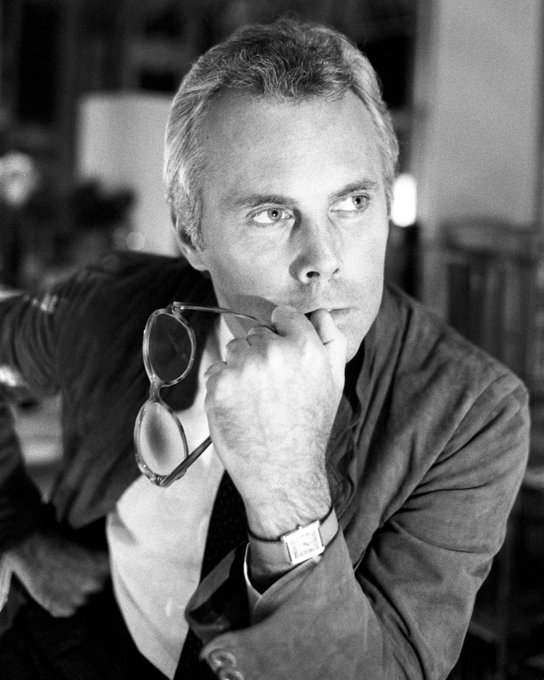
The fashion world is mourning the loss of Giorgio Armani, the visionary Italian designer who redefined elegance and power dressing. Born on 11 July 1934 in Piacenza, Italy, Armani passed away peacefully on 4 September 2025, at the age of 91. For half a century, he remained one of the most influential names in global fashion, transforming men’s and women’s style with his signature minimalist designs.

Starting his company in 1975 with business partner Sergio Galeotti, Armani built an empire that spanned clothing, hotels, perfumes, and even sports. Known as “Re Giorgio” (King Giorgio) in Italy, he kept complete ownership of his brand, a rare feat in the modern fashion industry. At the time of his passing, Forbes valued his net worth at $12.1 billion, making him one of the wealthiest designers in the world.

Beyond wealth and fame, Armani’s true legacy lies in his timeless creations—suits that redefined Hollywood glamour, pantsuits that empowered women in the workplace, and designs that remain iconic in the vintage fashion market even today.

10 Rare Facts About Giorgio Armani

  1. Doctor to Designer – Armani studied medicine for two years before leaving to pursue photography and fashion.
  2. Hollywood Breakthrough – His suits for Richard Gere in American Gigolo (1980) revolutionized men’s fashion worldwide.
  3. Always His Own Boss – He was the sole shareholder of Armani Group, refusing to sell to luxury conglomerates.
  4. Beyond Fashion – Expanded into hotels, restaurants, cosmetics, perfumes, and interior design.
  5. “King Giorgio” – Admired globally, yet maintained a private life with little personal controversy.
  6. Power Dressing Pioneer – Popularized women’s pantsuits, making professional attire both elegant and authoritative.
  7. Basketball Enthusiast – Sponsored and designed uniforms for Italy’s Olimpia Milano basketball team.
  8. 50 Years on Top – Led Armani for five decades, keeping the brand’s value at around €10 billion in 2025.
  9. Timeless Vintage Appeal – Armani suits from the 1980s–90s remain prized in second-hand fashion markets.
  10. Sergio’s Inspiration – After co-founder Sergio Galeotti’s death in 1985, Armani continued alone but credited him as his lifelong inspiration.

Chandra Grahan 2025: Do’s and Don’ts for the Blood Moon on Pitru Paksha Purnima

0

Skywatchers across the globe are eagerly awaiting the last total lunar eclipse of 2025, set to unfold on the night of September 7–8. As Earth aligns perfectly between the Sun and the Moon, the full Moon will slowly take on a deep crimson hue, creating a breathtaking Blood Moon that will remain visible for around 82 minutes.

In Hindu tradition, a Chandra Grahan (lunar eclipse) is more than a celestial event—it carries deep spiritual significance. This year’s eclipse is particularly auspicious as it coincides with Pitru Paksha Purnima, a sacred day dedicated to honoring ancestors. On this occasion, devotees are urged to observe age-old practices to maintain purity and spiritual harmony.


Chandra Grahan 2025: Do’s

  1. Engage in meditation, bhajans, and kirtans to channel positive energy.
  2. Chant Chandra Dev mantras to minimize lunar afflictions during the eclipse and sutak.
  3. Take a ritual bath before and after the eclipse to cleanse body and soul.
  4. Purify idols with Gangajal or plain water if Gangajal is unavailable.
  5. Sprinkle Gangajal around the home after the eclipse to ward off negativity.
  6. Recite the Mahamrityunjaya Mantra, especially for healing or relief from distress.
  7. Read or recite Hanuman Chalisa and Bajrang Baan for protection against negative forces.
  8. Take a holy dip in the Ganga, particularly meaningful on Pitru Paksha Purnima.
  9. Read sacred scriptures during the eclipse for spiritual merit.
  10. Pregnant women may keep a coconut filled with water on their lap during the eclipse, later immersing it in flowing water for the baby’s protection.
  11. Add Kusha seeds or Tulsi Patra to stored food to prevent absorption of negative energies.

Chandra Grahan 2025: Don’ts

  1. Avoid all auspicious activities like weddings, housewarmings, or starting new ventures.
  2. Do not cook or eat during the eclipse.
  3. Refrain from physical intimacy during the eclipse and sutak.
  4. Do not touch idols or sacred objects at this time.
  5. Avoid touching the Tulsi plant or visiting temples.
  6. Stay out of temples until the eclipse concludes.
  7. Avoid using sharp objects such as knives and scissors.

As the Blood Moon rises on September 7, it offers not only an awe-inspiring astronomical sight but also a powerful moment for spiritual reflection. By following these do’s and don’ts, devotees can attune themselves with cosmic energies and experience the eclipse with mindfulness and reverence.

Why is the Global Mental Health Crisis Worsening?

0

The World Health Organisation (WHO) warns that mental health problems are increasing faster than population growth, with suicide remaining one of the top causes of death worldwide. The World Mental Health Today and Mental Health Atlas 2024 reports reveal alarming statistics and underline why the crisis is intensifying.

1. Rising Social and Economic Pressures

  • Job insecurity, financial strain, and widening inequality are fueling stress and depression.
  • Young adults face heightened academic and career competition, leading to burnout.
  • Fact: Over 1 billion people now live with mental health disorders globally.

2. Impact of the Covid-19 Pandemic

  • Lockdowns, loss of loved ones, and disruption in education and jobs triggered widespread anxiety.
  • Post-pandemic stress continues to affect millions.
  • Fact: Between 2011 and 2021, global prevalence of mental disorders rose to 13.6%, up from 12.7% a decade earlier.

3. Stigma and Cultural Barriers

  • Mental illness is often hidden due to social taboos, delaying treatment.
  • Families avoid seeking professional help, worsening long-term outcomes.
  • Fact: Depression peaks between ages 50–69, but often goes untreated due to stigma.

4. Shortage of Mental Health Services

  • Severe lack of psychiatrists, psychologists, and trained professionals, especially in rural areas.
  • Insufficient psychiatric beds and poor hospital infrastructure.
  • Fact: Funding for mental health remains inadequate in most countries, including India.

5. Disruption in Continuity of Care

  • Patients struggle with high treatment costs and limited access to medicines.
  • Care is often interrupted, leading to relapses.
  • Fact: Suicide claimed 727,000 lives in 2021—one death for every 20 attempts.

6. Changing Lifestyles and Technology Stress

  • Excessive screen time, online bullying, and digital addiction increase anxiety and depression.
  • Lack of physical activity and social isolation worsen the problem.

Conclusion

The crisis is worsening because social pressures, stigma, weak health systems, and economic challenges are colliding with rising prevalence and limited care. WHO experts caution that the UN target of cutting suicides by one-third by 2030 is unlikely—current trends show only a 12% reduction. Urgent investments in funding, awareness, and community-based services are essential to reverse the trend.

Boston Brahmins vs. Indian Brahmins: A Tale of Two Worlds

0

The word “Brahmin” has recently stirred debate after a U.S. political figure misused it while commenting on Indian society, sparking criticism for conflating caste with class. This controversy has unexpectedly revived interest in the Boston Brahmins—an elite social group that once dominated New England. While the term borrows from Indian caste vocabulary, its meaning in the American context is strikingly different.

The Rise of the Boston Brahmins
Coined by writer Oliver Wendell Holmes in 1861, the phrase “Boston Brahmin” referred to Boston’s Protestant upper-class families—wealthy, educated descendants of English settlers. These families consolidated power in the 1800s and early 1900s through trade, education, and strategic marriages, establishing themselves as Boston’s cultural and political aristocracy.

Lifestyle and Cultural Identity
Much like English gentry, Boston Brahmins prized refinement. They were patrons of the arts, founders of elite schools like Harvard, and influencers of fashion and etiquette. Their distinctive accent, understated wealth, and preference for exclusivity created a recognizable identity. Marriages were often arranged within their social circle, reinforcing their dominance.

Power and Prejudice
The Brahmins held Boston’s reins tightly, using geography and institutions to maintain social closure. They supported abolitionism but resisted full inclusion of African Americans and immigrants into their ranks. Irish Catholics, in particular, were viewed as outsiders. Thus, while progressive in rhetoric, the group was conservative in guarding its privilege.

Legacies and Contradictions
The Adams family, President Franklin D. Roosevelt, and poet T.S. Eliot all belonged to this circle. Their contributions to politics, literature, and education shaped American culture. Yet their exclusivity also deepened Boston’s class and ethnic divides—a legacy that still echoes in the city’s social fabric.

A Misleading Comparison
Unlike Indian Brahmins, who traditionally held religious and scholarly authority, Boston Brahmins represented a fusion of wealth, culture, and political clout. The American term is metaphorical, evoking elite dominance rather than caste. Confusing the two risks perpetuating stereotypes and distorting history.

Why It Matters Today
The story of the Boston Brahmins is more than a historical curiosity. It shows how elite groups sustain power through cultural capital and networks, and why precision in language matters. Misusing terms like “Brahmin” blurs critical social distinctions and can fuel unnecessary controversy in global politics.