Home Blog Page 206

Alexander Vs Porus in Battle of Hydaspes: The Epic Clash on the Banks of the Jhelum

0

Also known as: Battle of the Jhelum
Date: 326 BCE
Location: Jhelum River (Hydaspes), near Chenab River, modern-day Pakistan
Key Participants: Alexander the Great (Macedonia) vs. King Porus (India)
Notable Figures: Alexander the Great, Porus (Paurava), Craterus, Seleucus I Nicator

The Battle of the Hydaspes (326 BCE) was the last great confrontation of Alexander the Great’s Asian campaign. Fought on the banks of the Jhelum (ancient Hydaspes) in present-day Pakistan, it pitted Alexander’s disciplined Macedonian army against the powerful forces of King Porus, ruler of the region between the Jhelum and Chenab rivers. The battle not only tested Alexander’s tactical brilliance but also highlighted the resilience and valor of Porus, whose defiance earned him the conqueror’s respect.

Background: Alexander’s March to India

By 331 BCE, Alexander had destroyed the Persian Empire and extended his rule across much of Asia. In 327 BCE, he crossed the Hindu Kush into India. Local rulers, including Ambhi of Taxila, allied with him against Porus. Refusing to submit, Porus—believed to be the king of the Purus tribe from ancient Vedic tradition—chose to meet Alexander on the battlefield.

The Battle

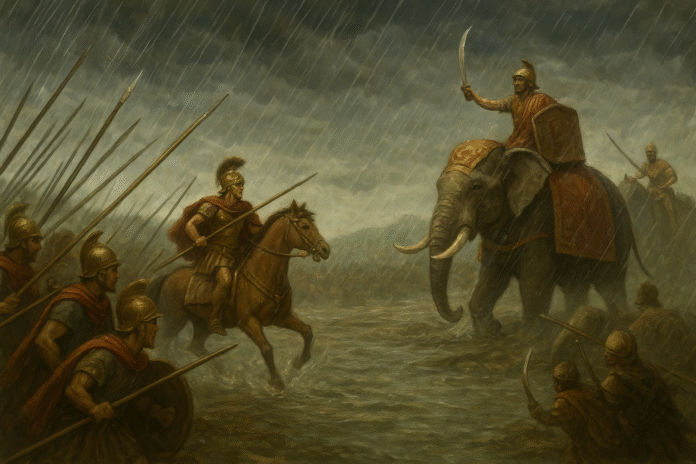
The Hydaspes River, swollen by monsoon rains, separated the two armies. Porus positioned himself on the eastern bank with a formidable force: thousands of infantry, cavalry, chariots, and most notably, war elephants—a weapon unfamiliar to Macedonian troops.

Alexander staged a clever deception, making it seem he would wait for calmer waters. Instead, under cover of a storm, he marched 18 miles upstream and secretly crossed with part of his army. Porus’s son attempted to repel them but was killed in battle.

As Porus advanced to meet Alexander, the remaining Macedonian forces crossed the river and struck from behind. Macedonian pikes (sarissas) neutralized the elephants, while Porus’s chariots bogged down in mud. Attacked on two fronts, Porus’s army was overwhelmed despite fierce resistance.

Aftermath and Respect for Porus

Porus was captured but refused to bow, asking to be “treated as a king.” Impressed by his courage, Alexander restored him as satrap and even granted him additional territory. Two cities were founded nearby: Nicaea (to commemorate victory) and Bucephala (in honor of Bucephalus, Alexander’s horse, who died in the battle).

This was Alexander’s final major battle in India. His troops, exhausted and unwilling to march further into the powerful Nanda Empire beyond the Beas River, mutinied. Alexander turned back, and within three years, he died in Babylon (323 BCE), leaving his empire to be divided among his generals.

Legacy

The Battle of the Hydaspes marked the easternmost expansion of Alexander’s conquests. It showcased his unmatched tactical skill but also his ability to recognize greatness in his adversaries. Some historians suggest that the invasion influenced Chandragupta Maurya, who soon rose to power and founded the Mauryan dynasty, shaping Indian history for centuries.

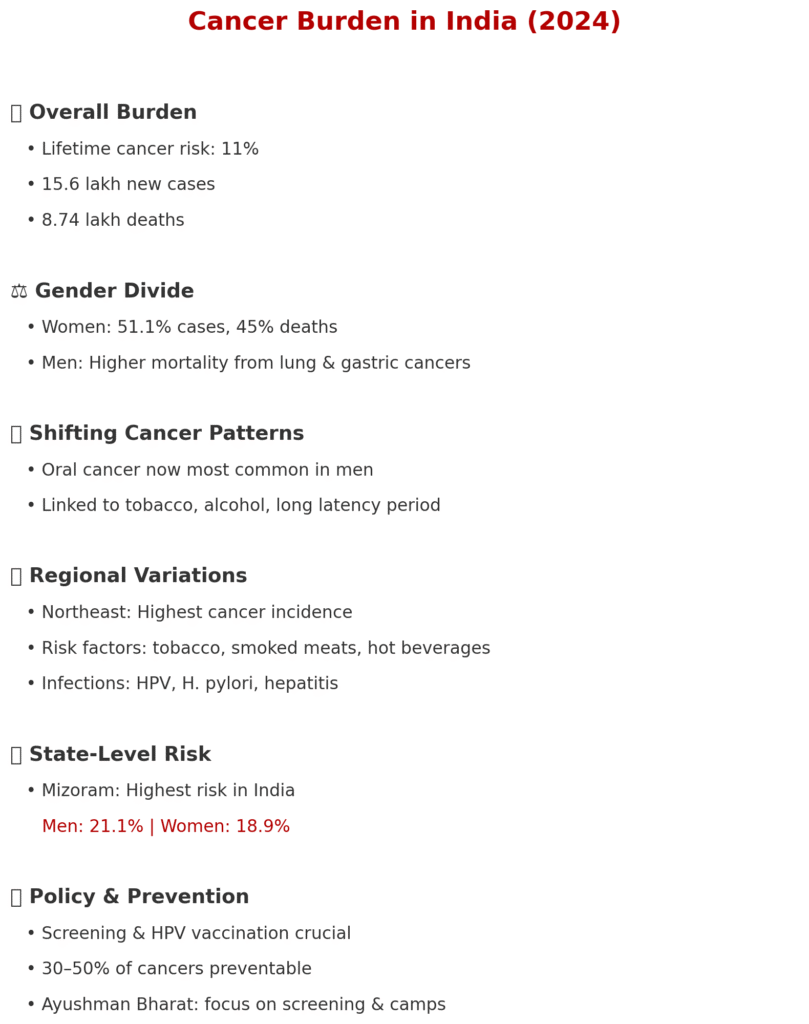
Cancer Burden in India: Rising Risks, Regional Variations, and Policy Challenges

0

Recent data from 43 cancer registries across India reveal a lifetime cancer risk of 11%, with an estimated 15.6 lakh new cases and 8.74 lakh deaths in 2024. The registries cover 10%–18% of the population across 23 states and Union Territories, offering a detailed picture of cancer trends, risk factors, and policy priorities.

Gender Divide in Cancer Burden

Women account for 51.1% of cancer cases but only 45% of deaths, largely because breast and cervical cancers—common among women—are more amenable to early detection and treatment. In contrast, men are more affected by lung and gastric cancers, which are often diagnosed late and carry poorer survival rates.

Changing Cancer Patterns

A striking shift is visible in cancer types: oral cancer has overtaken lung cancer as the most common among men. This rise comes despite a decline in tobacco use (from 34.6% in 2009–10 to 28.6% in 2016–17), highlighting cancer’s long latency and the role of other risk factors such as alcohol consumption. Combined use of tobacco and alcohol further multiplies the risk.

Cancer Burden in India: Rising Risks, Regional Variations, and Policy Challenges

Regional Variations

The Northeast records the highest incidence of cancer, including cervical and oral cancers, and lung cancer in women. High tobacco use, dietary practices like smoked meats and fermented pork fat, consumption of very spicy foods and hot beverages, and infections such as HPV, Helicobacter pylori, hepatitis, and salmonella typhi contribute to these patterns.

State-Level Risk

Mizoram has the highest lifetime cancer risk in India—21.1% for men and 18.9% for women—well above the national average. Other states show distinct trends, with breast, cervical, oral, lung, and prostate cancers dominating depending on local lifestyle and environmental factors.

Policy Implications

The findings are shaping strategies under Ayushman Bharat and national cancer control programmes, focusing on:

  • Strengthening screening at primary health centres
  • Enhancing tertiary cancer care
  • Organising targeted screening camps
  • Building awareness and lifestyle modification campaigns, especially in high-burden regions like the Northeast

The Case for Early Detection

Experts stress that 30%–50% of cancers are preventable through lifestyle changes, vaccination, and risk management. Breast cancer—now nearly 30% of female cancer cases—can be detected early through screening. High cervical cancer rates underline the urgent need for HPV vaccination and routine screening.

As India grapples with its growing cancer burden, the message is clear: prevention, early detection, and stronger healthcare systems are the way forward.

Teachers Day: Powerful Quotes By Famous Personalities

0

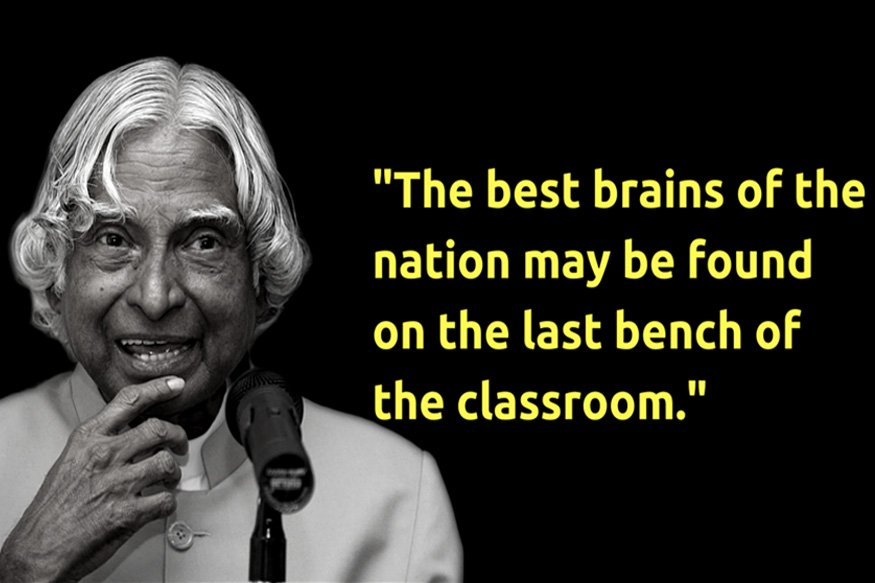
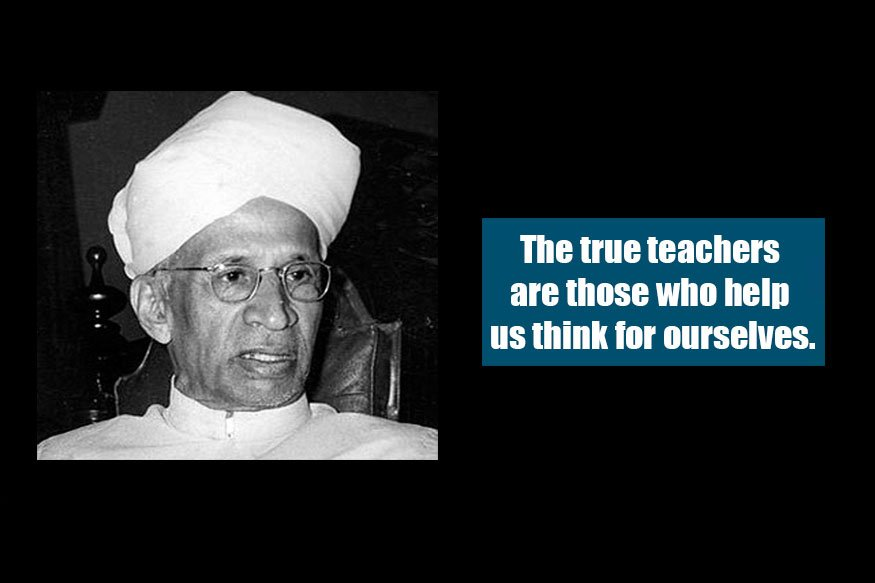
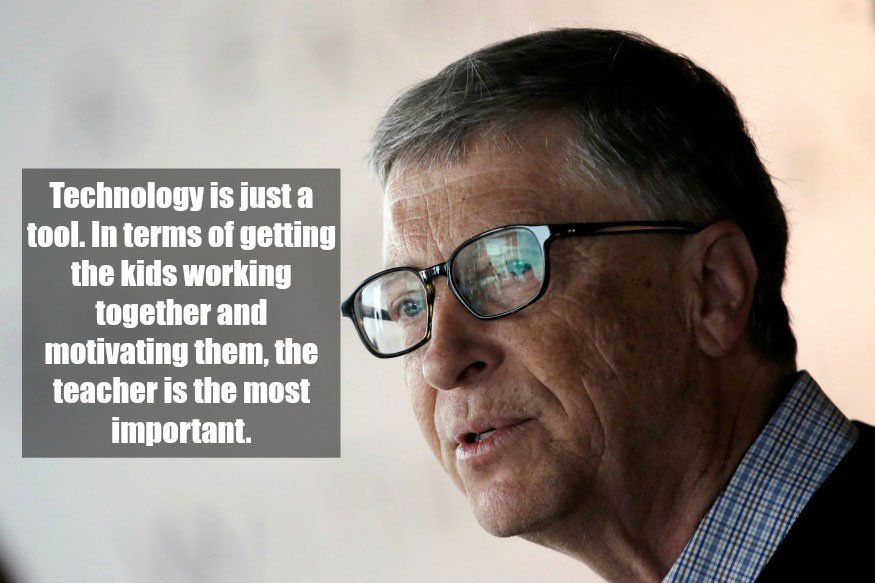
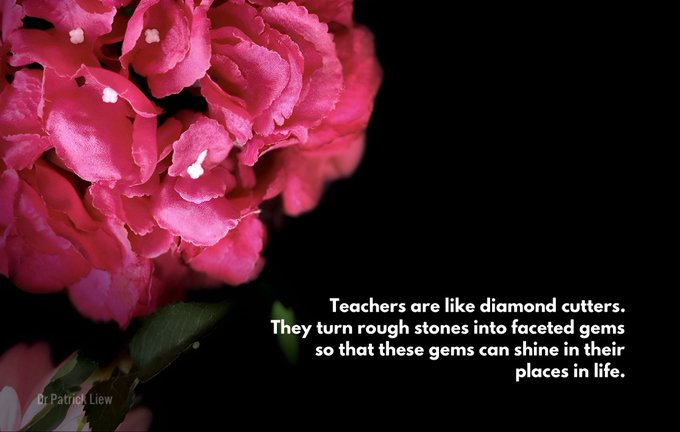
Teachers Day: As we get ourselves ready for Teachers Day to be organised on September 5. here comes powerful quotes by renowned personalities. Hope we share these quotes with families and friends to create an impact-based society…

Teachers Day: Powerful Quotes By Famous Personalities

Happy Teachers’ Day: Wish Those Who Enlightened You Via These Wishes and Posters…

0

100 Unique Teachers’ Day Quotes, Wishes & Messages

Teachers’ Day is the perfect moment to pause and express gratitude to those who shaped our paths. A heartfelt message, thoughtful quote, or warm wish can carry immense meaning—reminding teachers just how valued they are.

Below you’ll find 100 unique Happy Teachers’ Day quotes, wishes, and messages, thoughtfully organised into categories so you can pick the right tone for your mentor. To make the occasion even more memorable, we’ve also added some thoughtful jewellery gift inspirations from CaratLane—a token of appreciation teachers are sure to cherish.

Heartfelt Wishes for Teachers’ Day

Nothing touches a teacher more than genuine words from the heart. These wishes are crafted to express deep appreciation, gratitude, and affection for the mentors who made a lasting difference.

  • Happy Teachers’ Day to the mentor who filled my life with knowledge and kindness.
  • Happy Teachers’ Day to the one who guided me when I lost direction.
  • Your lessons remain etched in my heart forever. Happy Teachers’ Day.
  • Happy Teachers’ Day to the teacher whose patience shaped my confidence.
  • I carry your wisdom wherever I go. Happy Teachers’ Day.
  • Happy Teachers’ Day to the guide who made learning a joy.
  • Your presence has been my greatest blessing. Happy Teachers’ Day.
  • Happy Teachers’ Day to the one who showed me my true potential.
  • You are the light that brightened my path. Happy Teachers’ Day.
  • Happy Teachers’ Day to the teacher who gave me the courage to dream.
Happy Teachers' Day: Wish Those Who Enlightened You Via These Wishes and Posters...

GST Council Meeting: 10 Big Takeaways — What Gets Cheaper, What Changes for You

0

The 56th GST Council meeting, chaired by Union Finance Minister Nirmala Sitharaman, has ushered in the biggest reform since GST’s launch in 2017. With slabs slashed, exemptions added, and prices of essentials reduced, the Council has given a festive season boost to consumers. The changes kick in from 22 September 2025, the first day of Navratri.

10 Key Takeaways

1. Only two GST slabs now
The old 5%, 12%, 18%, and 28% structure is gone. Now, most items will fall under just 5% or 18%, with a 40% ‘sin slab’ for items like luxury cars and certain beverages.

2. Effective date
New rates apply from 22 September, except for pan masala, gutkha, and cigarettes, which retain old rates for now.

3. Everyday goods get cheaper
Soaps, shampoos, hair oils, bicycles, kitchenware, and toothbrushes—all will move to 5%, lowering household expenses.

4. Zero GST on basics
UHT milk, packaged paneer, and all types of Indian breads (chapati, paratha, parotta, etc.) will now attract no GST.

5. Packaged foods relief
Namkeens, bhujia, pasta, noodles, chocolates, coffee, and ghee are down to 5% from 12–18%.

6. Electronics & automobiles cut
GST on small cars, ACs, TVs, motorcycles (≤350cc) reduced from 28% to 18%. Large cars, however, face a new 40% slab.

7. Agriculture & labour-friendly
Tractors, farm machinery, handicrafts, leather goods, marble, and granite now attract 5% GST, making them more affordable.

8. Healthcare boost
GST scrapped on 33 lifesaving drugs, reduced on medical devices like glucometers and bandages—bringing relief to patients.

9. Non-alcoholic beverages costlier
Energy drinks and similar beverages now taxed at 40%, to prevent misclassification.

10. Insurance exemption
Individual life and health insurance policies (including ULIPs, term plans, and senior citizen health covers) will now carry zero GST, making them more affordable.

The Council has gone for simplification, consumer relief, and festive cheer. Essentials, healthcare, and small cars are cheaper, but luxury cars and energy drinks will pinch more

Iceland Tops Global Peace Index 2025, India Ranks 115th

0

The 2025 Global Peace Index (GPI), released by the Institute for Economics & Peace, highlights the world’s calmest and most conflict-prone nations amid ongoing global unrest. The index assesses peace based on governance, security, social trust, and militarisation.

Iceland: The Most Peaceful Nation

Iceland retains its position as the world’s most peaceful country for the 18th consecutive year. Since 2008, the nation has been praised for low crime, minimal militarisation, and deep community trust. Police officers do not carry firearms, symbolising a high level of public safety. Everyday life reflects social harmony, with children often seen playing unattended in public spaces.

Ireland’s Journey to Stability

Ireland secures second place in 2025. Once marked by conflict, the nation has transformed into a beacon of peace through neutral military policies, social welfare measures, and inclusive governance. Reduced inequality and community-driven reforms continue to anchor stability.

New Zealand Rises to Third

New Zealand climbs to third spot, supported by strict gun laws, low terrorism risk, and strong community spirit. Maori cultural influence and a slower pace of life also reinforce its peaceful image.

Other Top 10 Countries

  • Austria (4th): Strong governance and low crime.
  • Switzerland (5th): Neutral stance and robust social policies.
  • Singapore (6th): Asia’s only top 10 entry; efficient governance and strict laws ensure order.
  • Portugal (7th): Friendly culture and low crime rates.
  • Denmark (8th): Comprehensive welfare system and inclusive policies.
  • Slovenia (9th): High social harmony and stability.
  • Finland (10th): Transparent governance and equality-driven policies.

India’s Position

India ranks 115th on the Global Peace Index 2025. Persistent regional disputes, urban crime, and internal socio-political tensions weigh down its score. Despite cultural richness and diversity, challenges in security and harmony remain key obstacles to climbing the rankings.

Kutch’s Matanomadh: Gujarat Village Emerges as India’s ‘Mars on Earth’

0

Matanomadh, a remote village in Gujarat’s Kutch district, has suddenly found itself at the centre of planetary science. Recent research has identified it as a rare terrestrial analogue for Mars, thanks to the discovery of jarosite—a yellow iron-rich sulphate mineral formed some 55 million years ago. This mineral, first spotted on the Red Planet by NASA’s Opportunity rover in 2004, offers a striking geological bridge between Earth’s deep past and Martian conditions.

A Window into Mars from Kutch

Jarosite is uncommon on Earth and usually tied to volcanic activity. In Matanomadh, it formed during the Paleocene period, when volcanic ash mingled with marine waters. The result: a mineral record that mirrors what scientists believe once occurred on Mars, suggesting that parts of ancient Kutch shared environmental and chemical conditions with the Red Planet.

The village’s rugged, sparsely populated terrain enhances its Martian resemblance. Here, clay mixed with jarosite expands when wet, behaving much like Martian regolith. For planetary scientists, this turns Matanomadh into a natural laboratory—ideal for testing rover mobility, drilling technologies, and geochemical instruments long before they travel to Mars.

ISRO’s Expanding Martian Ambitions

India’s space agency is already capitalizing on such Earth-Mars parallels. Alongside Matanomadh, the Himalayan Outpost for Planetary Exploration (HOPE) in Ladakh recreates Mars-like atmospheric and temperature conditions. Earlier this year, two crew members lived for 10 days inside a Mars habitat replica at 4,500 metres altitude, enduring low oxygen and sub-zero nights to prepare for future missions. Together, these sites are shaping ISRO’s upcoming Mangalyaan-2 mission, sharpening both robotic and human exploration strategies.

Why Jarosite Matters

The mineral’s importance goes beyond geology. Jarosite forms only in the presence of water, making it a vital clue in the search for life. It has the capacity to trap organic molecules and essential elements, serving as a time capsule for signs of habitability. Studying jarosite in Kutch may therefore help unravel Mars’ palaeo-environment while guiding strategies for detecting extraterrestrial life.

A Call for Protection

Yet, this invaluable site faces modern-day risks. Waterlogging and coal mining in the region threaten its fragile mineral heritage. Scientists are now urging authorities to declare Matanomadh a planetary geo-heritage site. Preserving this “Mars on Earth” would not only protect India’s scientific treasure but also ensure future missions continue to benefit from its unique lessons.

From a quiet corner of Kutch, Matanomadh is reminding the world that sometimes, the path to Mars begins right here on Earth.

Hyperion: World’s Tallest Tree, Soaring Past Statue of Liberty, Hides in Secret Redwood Haven

0

By Nirjala Goud

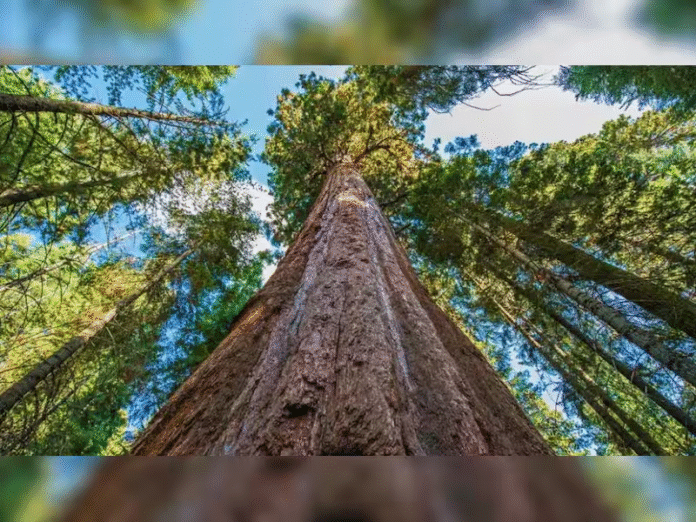
Discover the World’s Tallest Tree, a Centuries-Old Marvel! Hidden in California’s Wilderness hidden deep within the lush expanse of Redwood National Park in California stands Hyperion, the world’s tallest living tree. This majestic coast redwood (Sequoia sempervirens), discovered in 2006, soars to an awe-inspiring height of 379.7 feet (115.9 meters), surpassing iconic landmarks like the Statue of Liberty and Big Ben. Its age, estimated at 600–800 years, and its secret location make it one of nature’s most extraordinary wonders.

A Record-Breaking Redwood

Hyperion’s staggering height sets it apart as the tallest known tree on Earth. Measuring taller than the Statue of Liberty (305 feet) and London’s Big Ben (316 feet), this coast redwood is a testament to nature’s ability to create giants. Discovered in August 2006 by naturalists Chris Atkins and Michael Taylor, Hyperion has since captivated scientists and nature enthusiasts alike. Its towering presence in the dense redwood forest is a reminder of the enduring power of the natural world.

A Mini-Ecosystem in the Sky

Beyond its height, Hyperion is a thriving hub of life. Its lofty branches, stretching far above the forest floor, support a miniature ecosystem teeming with mosses, lichens, insects, and birds. These organisms, some of which rarely touch the ground, have adapted to life in Hyperion’s canopy, creating a vibrant, self-sustaining world high above the earth. This unique ecosystem underscores the ecological significance of coast redwoods, a species known for its resilience and longevity.

A Centuries-Old Survivor

Estimated to be between 600 and 800 years old, Hyperion has endured centuries of storms, wildfires, and droughts. While its age is impressive, scientists note that some coast redwoods have the potential to live for over 2,000 years, making Hyperion a relatively young member of its species. Its ability to thrive through environmental challenges highlights the remarkable durability of these ancient giants.

A Closely Guarded Secret

To protect Hyperion and its fragile surroundings, the U.S. National Park Service has kept its precise location a closely guarded secret. The influx of visitors could damage the tree’s delicate root system and disrupt the surrounding forest ecosystem. By limiting access, park officials ensure that Hyperion continues to thrive, hidden away in the heart of Redwood National Park.

The Legacy of Hyperion

Hyperion is more than just a record-breaking tree; it’s a symbol of nature’s grandeur and resilience. Its discovery in 2006 marked a significant moment in the study of coast redwoods, a species renowned for its towering height and long lifespan. As scientists continue to monitor Hyperion and its environment, this magnificent tree stands as a reminder of the importance of preserving our planet’s natural wonders.In a world of modern marvels, Hyperion’s quiet majesty in the secluded forests of California offers a humbling perspective on the power and beauty of the natural world. While its exact location remains a mystery, its legacy as the world’s tallest tree continues to inspire awe and wonder.

GST Council Meeting Begins Today: 5% and 18% Slabs May Get Approval, Daily-Use Items to Become Cheaper

0

The 56th meeting of the GST Council begins today in New Delhi under the chairmanship of Finance Minister Nirmala Sitharaman. The two-day meeting is expected to finalize major reforms in the Goods and Services Tax (GST) structure.

At present, GST has four slabs – 5%, 12%, 18% and 28%. The government is proposing to simplify it to just two slabs – 5% and 18%, while luxury items may attract 40% tax.

The meeting will conclude on September 4, and decisions are likely to be announced soon after.

New Rates May Apply from September 22

If approved, the revised GST rates may come into effect from September 22, just before the festive season. The government hopes this reform will boost consumer demand and sales during Navratri and Diwali.

According to reports, the Centre has urged the GST Council to approve the changes at the earliest, while also addressing states’ concerns about possible revenue loss.

Approval from Group of Ministers

Last week, the Group of Ministers (GoM) cleared the proposal for a two-slab system. Bihar Deputy CM Samrat Chaudhary confirmed on August 21 that the group had approved the new 5% and 18% GST structure, removing the 12% and 28% slabs.

What Will Get Cheaper?

From 12% → 5%

  • Dry fruits, branded namkeen, toothpaste, soap, hair oil
  • Common antibiotics, painkillers, processed food, snacks
  • Frozen vegetables, condensed milk
  • Some mobiles, computers, sewing machines, geysers, pressure cookers
  • Non-electric water filters, electric irons, vacuum cleaners
  • Readymade clothes (above ₹1,000), shoes (₹500–₹1,000)
  • Most vaccines, HIV/TB diagnostic kits, bicycles, utensils
  • Geometry boxes, maps, globes, glazed tiles, vending machines, solar water heaters, agricultural machinery, public transport vehicles

From 28% → 18%

  • Cement, beauty products, chocolates
  • Ready-mix concrete
  • TVs, refrigerators, washing machines, ACs, dishwashers
  • Private planes
  • Protein concentrate, sugar syrup, coffee concentrate
  • Plastic goods, rubber tyres, aluminium foil, tempered glass
  • Printers, razors, manicure kits, dental floss

PM’s Independence Day Announcement

Prime Minister Narendra Modi, in his Independence Day address, had promised “next-generation GST reforms”, calling it a Diwali gift for the people. He said the changes would reduce taxes on everyday items and make life easier for the common man.

If implemented, the new GST structure will simplify taxation, bring down prices of essentials, and potentially give a strong push to India’s consumption-driven economy during the festive season.

Anant Chaturdashi 2025 Date: 6 or 7 September? Know Importance, Auspicious Yoga, Puja Vidhi & Ganesh Visarjan Muhurat

0

Anant Chaturdashi 2025 Date: The festival of Anant Chaturdashi is observed on the Chaturdashi Tithi of Shukla Paksha in Bhadrapada month. On this day, devotees worship the infinite forms of Lord Vishnu, which is why it is called Anant Chaturdashi. The festival also marks the farewell of Lord Ganesha, as Ganesh Visarjan is performed with devotion and grandeur.

According to scriptures, by observing this fast and worshipping Lord Narayana with rituals, devotees are freed from worldly bondages and attain Baikunth Dham.

Importance of Anant Chaturdashi

  • The fast is dedicated to Lord Vishnu in his infinite form (Anant Roop).
  • As per Vishnu Purana, fasting on this day blesses devotees with wealth, child happiness, prosperity, and liberation from troubles.
  • Since in 2025 it falls on Saturday, it holds even greater significance. Worshipping Lord Vishnu on this day is believed to reduce the malefic effects of Shani (Saturn) including Dhaiyya and Sadesati.

Anant Chaturdashi 2025 Date & Time

  • Chaturdashi Tithi begins: 6 September, 3:14 AM
  • Chaturdashi Tithi ends: 7 September, 1:41 AM
  • As per Udaya Tithi, Anant Chaturdashi will be celebrated on Saturday, 6 September 2025.

Ganesh Visarjan on Anant Chaturdashi

Ganeshotsav, which begins on Ganesh Chaturthi, culminates on Anant Chaturdashi. On this day, devotees bid farewell to Lord Ganesha through Visarjan, immersing the idol in rivers, ponds, or seas with the belief that Bappa returns next year with blessings.

Auspicious Muhurat for Ganesh Visarjan (6 September):

  • Shubh Choghadiya: 7:36 AM – 9:10 AM
  • Laabh Choghadiya: 1:54 PM – 3:28 PM
  • Amrit Choghadiya: 3:29 PM – 5:03 PM
  • Laabh Choghadiya: 6:37 PM – 8:03 PM

Anant Chaturdashi 2025 Shubh Yogas

This year, rare auspicious yogas enhance the importance of the day:

  • Budhaditya Rajyoga (Sun + Mercury)
  • Trigrahi Yoga (Sun + Mercury + Ketu in Leo)
  • Sukarma Yoga
  • Ravi Yoga

Worshipping Lord Vishnu during these yogas brings infinite happiness, prosperity, and peace.

Anant Chaturdashi Puja Vidhi

  1. Take a vow of fasting after an early bath.
  2. Place an idol/picture of Lord Vishnu seated on Sheshnag.
  3. Worship the Anant Sutra (thread with 14 knots) using turmeric and kumkum, then tie it on the right hand (men) or left hand (women).
  4. Recite Vishnu Sahasranama, Anant Chaturdashi Vrat Katha, and chant “Om Anantaya Namah”.
  5. Eat satvik food, perform charity, and light a lamp in the evening for Lord Vishnu.

In 2025, Anant Chaturdashi falling on Saturday makes it especially powerful for Vishnu’s blessings, Shani Shanti, and removal of financial and karmic obstacles.