Home Blog Page 202

India–Japan Special Strategic and Global Partnership, A Pillar of Indo-Pacific Stability and Global Growth

0

(PC:indiatoday.in)

As Prime Minister Narendra Modi prepares for his annual summit with Japanese Prime Minister Shigeru Ishiba, the spotlight returns to one of Asia’s most resilient and forward-looking alliances: the India–Japan Special Strategic and Global Partnership. Celebrating a decade since its elevation in 2014, this partnership has matured into a multifaceted framework that spans defence, trade, technology, and regional diplomacy.

Historical Roots, Modern Vision

Rooted in centuries-old cultural ties and shared democratic values, India and Japan have consistently reaffirmed their commitment to a peaceful, open, and rules-based Indo-Pacific. Their strategic convergence is reflected in the synergy between India’s Act East Policy, SAGAR (Security and Growth for All in the Region), and Indo-Pacific Oceans Initiative (IPOI), and Japan’s Free and Open Indo-Pacific vision.

Economic and Infrastructure Cooperation

Japan’s ¥10 trillion (≈ $68 billion) investment pledge over the next decade marks one of its most ambitious commitments to India. Key areas of collaboration include:

  • High-Speed Rail: The Mumbai–Ahmedabad bullet train project using Japan’s E10 Shinkansen technology.
  • Clean Energy: Joint ventures in solar power, civil nuclear energy, and sustainable manufacturing.
  • Supply Chain Resilience: Cooperation in semiconductors, critical minerals, and pharmaceuticals to diversify global supply chains.
  • Digital Innovation: Expansion into AI, startups, and digital ecosystems to foster next-gen tech collaboration.

Defence and Security Synergy

The two nations have deepened defence ties through:

  • Joint Military Exercises: Japan’s regular participation in the India–US Malabar naval drills.
  • Technology Transfer: Agreements on defence equipment, including potential co-development of amphibious aircraft.
  • Cybersecurity and Maritime Awareness: Enhanced cooperation to safeguard regional waters and digital infrastructure.

Global South and Multilateral Impact

India and Japan are increasingly positioning themselves as champions of inclusive growth across the Global South. Japan’s infrastructure investments in Africa, combined with India’s leadership in regional diplomacy, aim to create a commerce corridor through the Indian Ocean, embedding Africa into critical mineral supply chains.

Cultural and People-to-People Ties

From language exchange programs to tourism initiatives like “Connecting Himalayas with Mount Fuji,” both nations are investing in deeper societal bonds. The renewal of the Japanese Language MoC and educational collaborations reflect a commitment to long-term engagement.

Strategic Expectations

Looking ahead, the partnership is expected to:

  • Anchor Indo-Pacific stability amid shifting global alliances.
  • Serve as a counterbalance to China’s assertiveness while maintaining diplomatic flexibility.
  • Reinforce multilateral platforms like the Quad and the G20 with shared values and strategic clarity.

In an era of geopolitical flux, the India–Japan Special Strategic and Global Partnership stands as a beacon of trust, innovation, and shared purpose. As both nations navigate complex global dynamics, their alliance offers a blueprint for strategic autonomy, sustainable development, and regional peace.
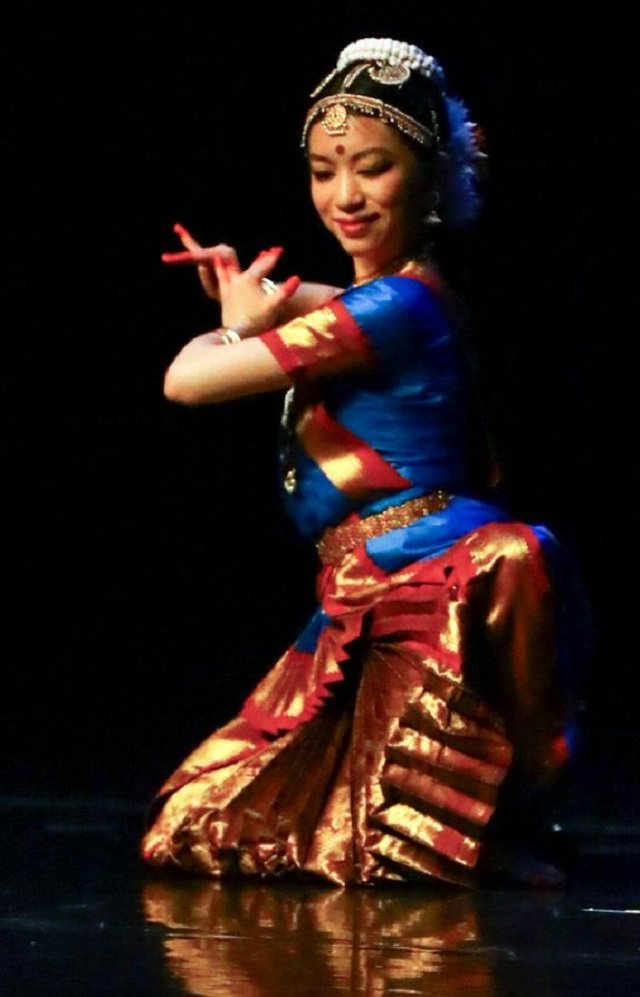
17-Year-Old Chinese Dancer Zhang Jiayuan Stuns Beijing with Bharatanatyam Arangetram After Years of Dedicated Training.

0

At just 17 years old, Chinese dancer Zhang Jiayuan, affectionately known as Riya, captivated audiences in Beijing with her mesmerizing Bharatanatyam Arangetram, becoming only the second Chinese student to achieve this remarkable feat. After years of rigorous training, including five hours of daily practice, Riya’s flawless performance of this ancient South Indian classical dance form showcased not only her extraordinary talent but also the growing embrace of Indian classical dance in China. Her Arangetram, a significant milestone for any Bharatanatyam artist, marks her transition from student to performer, earning her the right to perform solo and train aspiring dancers.

The Significance of Arangetram

In the world of Bharatanatyam, the Arangetram is a pivotal moment—a dancer’s first public performance before an audience, esteemed teachers, and experts. This traditional solo presentation is a testament to years of disciplined training and mastery of intricate footwork, expressive gestures, and rhythmic storytelling. For Riya, this debut was not just a personal achievement but a cultural bridge, showcasing the elegance of Bharatanatyam to a Chinese audience increasingly fascinated by Indian art forms.

17-Year-Old Chinese Dancer Zhang Jiayuan Stuns Beijing with Bharatanatyam Arangetram After Years of Dedicated Training.

Following in Historic Footsteps

Riya’s accomplishment follows the groundbreaking Arangetram of 13-year-old Lei Muzhi, who, in 2024, became the first Chinese student trained in China to perform this revered dance under the guidance of renowned Bharatanatyam maestro Leela Samson. Lei’s training was mentored by Jin Shan Shan, a disciple of the prestigious Kalakshetra Foundation in Chennai, an institution dedicated to preserving Indian classical arts. Riya’s performance further cements this legacy, highlighting the deepening cultural ties between India and China through the universal language of dance.

A Legacy of Passion for Indian Dance

The seeds of Indian classical dance in China were sown by the legendary Chinese dancer Zhang Jun (1933–2012), whose passion for Bharatanatyam, Kathak, and Odissi inspired generations. Zhang Jun’s tireless efforts to learn and popularize these dance forms in China ignited a cultural movement, encouraging young dancers like Riya to embrace and excel in this intricate art. Her Arangetram is a tribute to this enduring legacy, blending Chinese discipline with the expressive storytelling of Bharatanatyam.

A Bright Future for Bharatanatyam in China

Riya’s performance is a beacon of hope for the future of Indian classical dance in China, reflecting its growing popularity and acceptance. Her dedication, coupled with the support of institutions like the Kalakshetra Foundation and mentors like Leela Samson and Jin Shan Shan, underscores the power of cross-cultural exchange. As Riya takes her place among the new generation of Bharatanatyam artists, her Arangetram serves as an inspiration, proving that art transcends borders and unites hearts through its timeless beauty.

La Tomatina: Spain’s Juiciest Festival, Welcome to the War of the Tomatoes — Where Joy Explodes in Red!

0

No flags. No politics. No winners. Just one hour of pure, pulpy chaos. On the last Wednesday of August, the sleepy Spanish town of Buñol transforms into a battlefield of laughter, where over 120 tons of tomatoes become weapons of joy. This isn’t a protest. It’s not a ritual. It’s La Tomatina — the world’s wildest food fight, where strangers become comrades in a tomato-soaked rebellion against boredom. Imagine thousands of people, drenched in red, slipping, sliding, and laughing as tomato juice rains from the sky. It’s messy. It’s mad. It’s magnificent. And it all started with a street scuffle that spiraled into a global celebration of fun, freedom, and fearless festivity.

This is not just a festival. It’s a splash of rebellion, a squeeze of unity, and a splat of pure human joy. Ready to dive into the madness? Let’s paint the town red. Literally.

La Tomatina: Spain’s Juiciest Festival, Welcome to the War of the Tomatoes — Where Joy Explodes in Red!

The Origin Story: From Street Scuffle to Global Sensation

  • 1945: During a local parade, a group of boys tried to join the festivities. A scuffle broke out, a vegetable cart toppled, and tomatoes became weapons of choice.
  • 1950s: Dictator Franco banned the festival, calling it wasteful. Locals protested with mock “tomato funerals” — complete with coffins and funeral marches.
  • 1980s: TV coverage turned La Tomatina into a national obsession.
  • 2002: Officially declared a Fiesta of International Tourist Interest by Spain’s tourism board.

How the Madness Unfolds

The day kicks off with the Palo Jabón — a greasy pole climb for a ham. Then, trucks unload 120 tons of overripe tomatoes, and for one hour, it’s all-out pulp warfare. The only rules? Squash before you throw, wear goggles, and embrace the mess.

Why People Celebrate

La Tomatina isn’t about winning — it’s about letting go, laughing together, and turning chaos into connection. With visitors from over 50 countries, it’s a symbol of joy that transcends language and borders.

Ganesh Utsav: From Family Festival to a Symbol of Unity and Freedom

0

In 1893, Lokmanya Bal Gangadhar Tilak reimagined Ganesh Utsav as a powerful instrument to unite Indians against British colonial rule. What was once a modest family celebration, deeply rooted in Maratha traditions since the time of Chhatrapati Shivaji Maharaj, was transformed into a vibrant public festival. Tilak’s vision gave Ganesh Utsav a national identity, turning it into a platform for rallying people around political and social causes, igniting the spirit of unity and resistance during India’s freedom struggle.

Historical Roots in the Maratha Empire

Ganesh Utsav traces its origins to the Maratha Empire, where Lord Ganesha was revered as the kuldevta (family deity) of the Peshwas. During Shivaji Maharaj’s era, the festival was a cherished tradition, celebrated with devotion within households. However, under British rule, restrictions on Hindu festivals led to a decline in its prominence. Public celebrations were curtailed, and the festival remained confined to private homes, losing its communal vibrancy.

Revival as a National Movement

Tilak’s revival of Ganesh Utsav in the late 19th century was a masterstroke in mobilizing the masses. By transforming the festival into a public event, he created a space for Indians to gather, discuss political issues, and foster a sense of national pride. The festival became a cornerstone of the freedom movement, inspiring people to unite for the cause of Swaraj (self-rule). It provided a platform for intellectual discourse, cultural expression, and collective action, galvanizing communities across Maharashtra and beyond.

Breaking Barriers of Caste and Creed

One of the most significant impacts of Tilak’s reimagined Ganesh Utsav was its role in promoting social reform. The festival became a tool to challenge casteism and untouchability, fostering inclusivity and secularism. By encouraging people from all walks of life to participate, Ganesh Utsav transcended social divisions, creating a shared sense of community and purpose. This emphasis on unity helped transform the festival into a celebration of equality and collective identity.

A Community Celebration of Culture and Devotion

Over time, Ganesh Utsav evolved from a family-centric ritual to a grand communal festival. Today, it is marked by vibrant public celebrations featuring intellectual speeches, poetry recitations, devotional songs, dramas, music concerts, and folk dances. Communities come together weeks in advance to plan and organize these events, ensuring smooth coordination even amidst large crowds. These activities not only honor Lord Ganesha but also strengthen social bonds, making the festival a celebration of faith, culture, and togetherness.

A Lasting Legacy of Unity

From its humble origins to its modern-day grandeur, Ganesh Utsav remains a powerful symbol of unity, resilience, and cultural pride. Lokmanya Tilak’s vision transformed it into more than just a religious festival—it became a movement that empowered communities, challenged social injustices, and fueled India’s fight for freedom. Today, as millions gather to celebrate Ganesh Utsav with fervor, its legacy as a festival of inclusivity and collective spirit continues to inspire generations.

Hostage Grabs Global Spotlight: Netflix’s Political Thriller from Oscar-Nominated Writer Matt Charman Dethrones “Wednesday”

0

Netflix’s latest chart-topper, Hostage, has stormed past Wednesday Season 2 to become the #1 show globally, despite sparking fierce debate among viewers. Created by Oscar-nominated screenwriter Matt Charman (Bridge of Spies), Hostage is a taut, five-episode political thriller that blends diplomacy, betrayal, and high-stakes suspense.

What Hostage Is About

  • Set during a tense Franco-British summit, the story kicks off when British Prime Minister Abigail Dalton’s husband is kidnapped.
  • Simultaneously, French President Vivienne Toussaint is blackmailed, plunging both nations into a covert crisis.
  • The series unfolds as a race-against-time investigation, packed with psychological twists and diplomatic brinkmanship.

Divisive but Addictive

Despite the mixed audience reactions, Hostage has clearly struck a chord—especially with fans of political thrillers like The Diplomat and The Night Agent. Its rise to the top of Netflix’s global charts proves that even divisive storytelling can dominate when the stakes are high and the drama is real.

365-Year-Old Ukala Ganesh Temple in Ratlam: Home to Majestic 11-Foot Brahmachari Ganesh Idol”

0

Nestled in the heart of Ratlam, Madhya Pradesh, the revered Ukala Ganesh Temple stands as a testament to divine grace and architectural heritage. This 365-year-old temple houses an extraordinary 11-foot-tall standing statue of Lord Ganesha, believed to be the only one of its kind in the state. Unlike traditional depictions, this unique idol portrays Lord Ganesha in a rare Brahmachari (celibate) form, standing tall without the customary presence of Riddhi and Siddhi, his divine consorts. Devotees from far and wide flock to this sacred site, drawn by the belief that every wish made in the presence of Ukala Ganesh is fulfilled with divine speed.

The Legend Behind the Name “Ukala Ganesh”

The temple derives its distinctive name from a fascinating historical anecdote. During its construction, a kund (water tank) was dug within the temple premises, from which boiling hot water emerged. This phenomenon led to the temple being named “Ukala Ganesh,” with “Ukala” meaning boiling or bubbling in the local language. This unique characteristic adds to the temple’s mystique, making it a focal point of spiritual reverence.

A Beacon of Faith for Devotees

The Ukala Ganesh Temple is renowned for its ability to grant devotees’ wishes, particularly those related to marriage and childbirth. Young men and women visit the temple to pray for a blissful marital life, while others seek blessings for progeny. Once their wishes are fulfilled, devotees offer a chola (a ceremonial cloth) to Lord Ganesha as a gesture of gratitude. The temple comes alive during Ganesh Chaturthi and Ganesh Utsav, when the deity is adorned with special decorations, attracting throngs of worshippers who come to witness the divine splendor.

A Rare Depiction of Lord Ganesha

The 11-foot standing idol of Lord Ganesha in his ascetic form is a rare and awe-inspiring sight. Unlike most representations of the deity, which include Riddhi and Siddhi, this Brahmachari form symbolizes purity and devotion. The absence of his consorts makes this statue a unique spiritual icon, believed to embody immense divine power. Devotees hold the firm belief that merely visiting the temple and offering prayers before this sacred idol can fulfill their deepest desires.

Taylor Swift and Travis Kelce Announce Engagement—A Power Couple for the Ages

0

In a moment that sent shockwaves through both the music and sports worlds, global pop icon Taylor Swift and NFL superstar Travis Kelce have officially announced their engagement. The couple shared the news via a joint Instagram post captioned, “Your English teacher and your gym teacher are getting married,” accompanied by dreamy garden photos and a dazzling diamond ring.

Taylor Swift: The Billion-Dollar Songstress

  • Born: December 13, 1989, West Reading, Pennsylvania
  • Profession: Singer-songwriter, producer, director
  • Career Highlights:
    • 14-time Grammy winner, including a record 4 Album of the Year awards
    • Creator of the historic Eras Tour, the highest-grossing concert tour of all time
    • Known for genre-defying albums like 1989, Folklore, Midnights, and The Tortured Poets Department
    • Estimated net worth: $1.6 billion, with assets including a $120M real estate portfolio and a $23M private jet

Swift’s career has been defined by reinvention—from country prodigy to pop powerhouse to indie-folk storyteller. Her lyrics, often autobiographical, have become cultural touchstones, and her business acumen has reshaped the music industry.

Travis Kelce: The Tight End Titan

  • Born: October 5, 1989, Westlake, Ohio
  • Profession: NFL tight end, entrepreneur, podcast host
  • Career Highlights:
    • 3× Super Bowl champion with the Kansas City Chiefs
    • Holds multiple NFL records, including most 1,000-yard seasons by a tight end (7)
    • Co-host of the hit podcast New Heights with brother Jason Kelce, reportedly valued at $100M
    • Estimated net worth: $70–90 million, with ventures in real estate, sportswear, and media

Kelce is not just a football legend—he’s a charismatic media personality and savvy businessman. His relationship with Swift has elevated his profile beyond the gridiron, turning him into a household name worldwide.

A Love Story That Bridged Two Worlds

Their romance began in 2023 with a friendship bracelet and a podcast shoutout. From stadium suites to Super Bowl kisses, Swift and Kelce’s relationship has captivated fans across generations. Now, with their engagement, they’ve become one of the most iconic celebrity pairings of the decade.

Shrikanteshwara Temple: The Only Temple in the World Where Ganesha Reigns in 32 Forms

0

(PC: Stylesatlife)

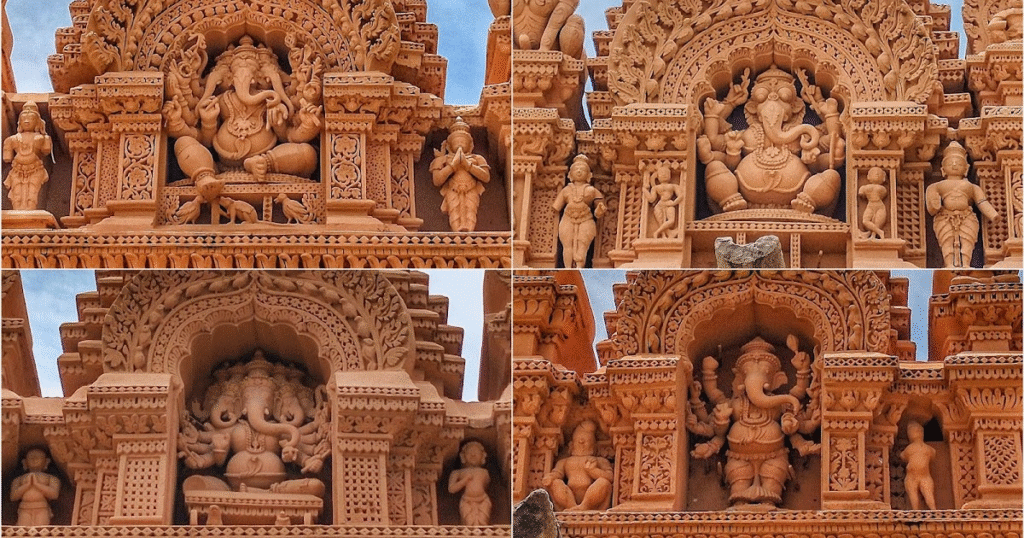
This Ganesh Chaturthi, step into Karnataka’s Mysuru district and discover the awe-inspiring Sri Srikanteshwara Swamy Temple in Nanjangud—a place where Ganesha isn’t worshipped in one form, but thirty-two. Each idol is carved in wheat-hued stone, each radiating a distinct emotion—from joy to valor, serenity to mischief. It’s not just devotion—it’s drama in stone. And it’s the only temple of its kind in the world.

A Corridor of Divinity

Along the shaded outer corridor of the temple—designed to offer comfort even in the scorching summer—devotees encounter Ganesha in forms rarely seen together. From the playful Bal Ganapati to the fierce Veer Ganapati, from the meditative Yoga Ganapati to the triumphant Vijay Ganapati, each sculpture is a masterclass in stone artistry. As you walk the parikrama, Ganesha appears in dance poses, yogic stances, and warrior forms. The corridor itself is a canvas of intricate carvings, where even the arches whisper stories from the Mudgal and Ganesha Purana, which mention these 32 divine manifestations.

Rain-Kissed, Sunlit Splendor

Though Nanjangud had seen days of rain, the moment we arrived, the skies cleared. The temple’s golden domes shimmered under soft sunlight, casting a surreal glow over the sanctum. The 120-foot tall gateway opened into a bustling courtyard, alive with devotion and awe.

Shrikanteshwara Temple: The Only Temple in the World Where Ganesha Reigns in 32 Forms

(PC:blogspot.com)

A Temple of Legends

Built in the 11th century by the Chola kings, the temple spans 50,000 square feet and houses 147 intricately carved pillars. The sanctum sanctorum was constructed to honor Lord Shiva, known here as Nanjundeshwara—the one who drank poison during the Samudra Manthan. In Kannada, “Nanju” means poison, making this the home of the poison-neutralizing deity. It’s no wonder the temple is called Dakshina Kashi—the Southern Varanasi.

Festival of Chariots

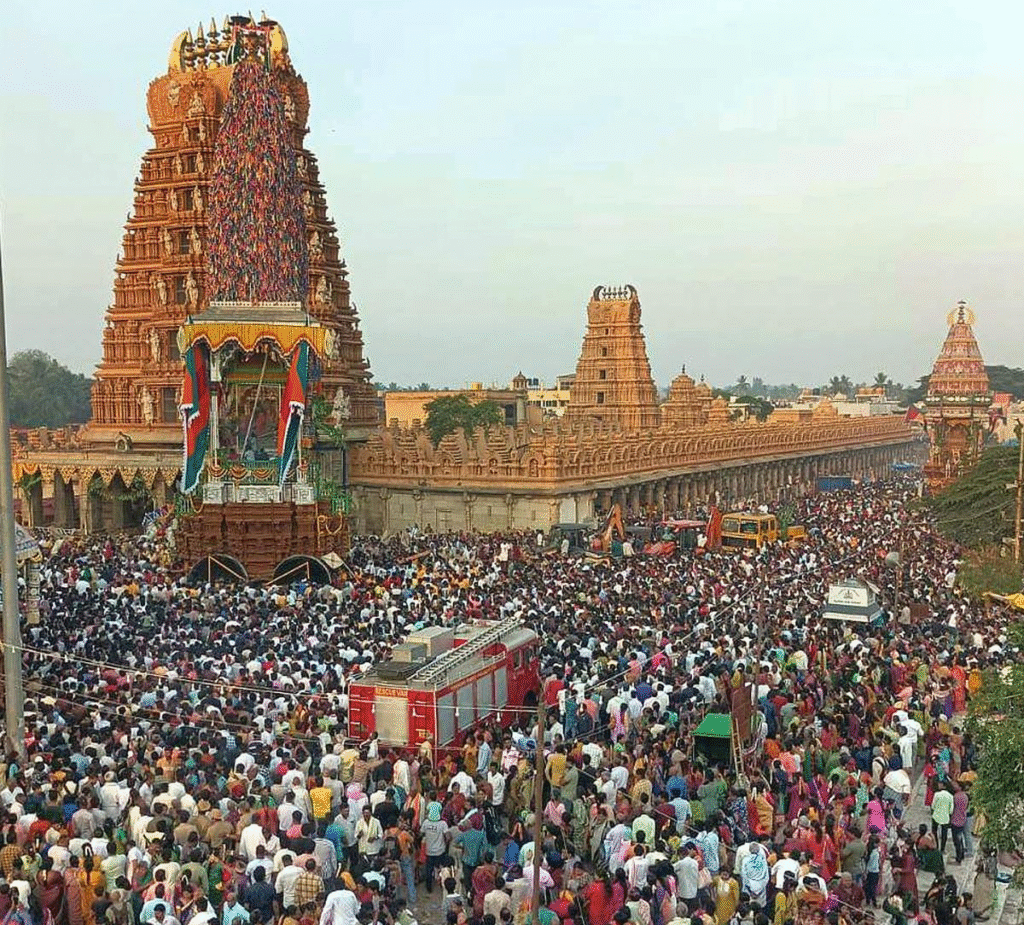
Every year during March-April, the temple hosts the grand Dodda Jathre festival, where deities including Shiva and Ganesha are taken out in majestic chariot processions. The entire town transforms into a spiritual carnival, echoing chants and drumbeats that celebrate divine resilience and grace.

Shrikanteshwara Temple: The Only Temple in the World Where Ganesha Reigns in 32 Forms

(PC:thehindu.com)

Divine Drama in Stone

Temple executive M. Jagadish Kumar shares that each visit reveals something new. “Even though I’ve seen these forms many times,” says devotee Raju Ganesan, “each darshan feels different. The expressions, the postures—they speak to you.” President of the temple trust, Shrikant, confirms that the 32 forms are documented in ancient texts and were sculpted with painstaking detail to preserve their spiritual essence.

Ganesh Chaturthi 2025: Date, Shubh Muhurat, Chaturthi Tithi, Panchang Details and Posters With Wishes to Exchange

0

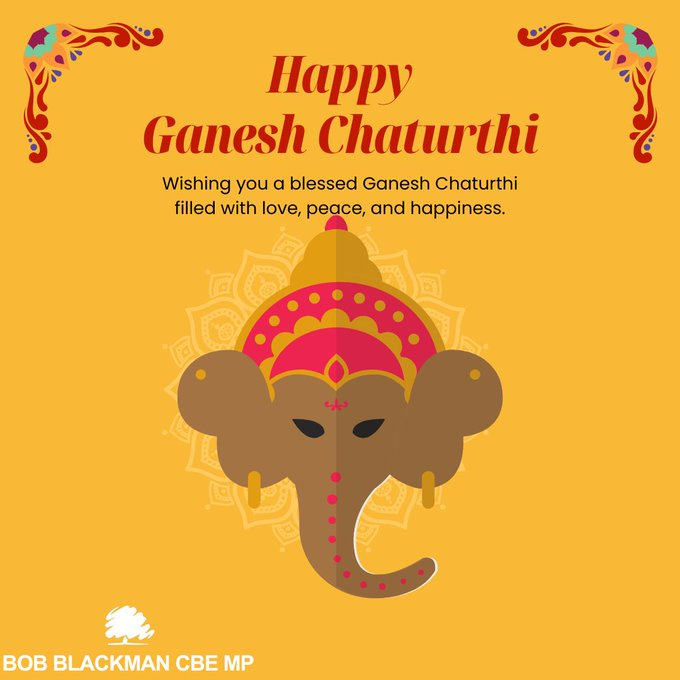
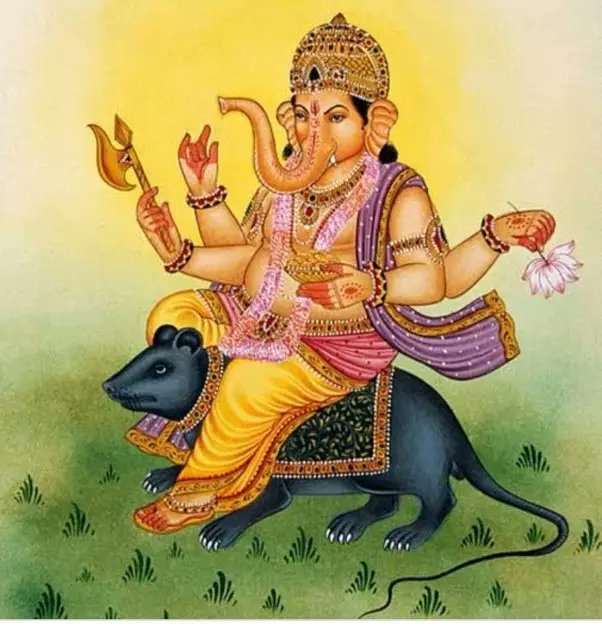
Ganesh Chaturthi, also known as Ganeshotsav, is one of the most revered Hindu festivals, celebrated with immense devotion across India—especially in Mumbai, Pune, and other parts of Maharashtra. The festival marks the birth anniversary of Lord Ganesha, the remover of obstacles and the deity of wisdom, prosperity, and good fortune.

In 2025, Ganesh Chaturthi will be celebrated on Wednesday, August 27. The festival lasts for 10 days, beginning with the installation (Sthapana) of Lord Ganesha’s idol and culminating with Ganesh Visarjan on Anant Chaturdashi, when devotees immerse the idol in rivers, lakes, or the sea with chants of Ganpati Bappa Morya.

Chaturthi Tithi and Panchang

According to Drik Panchang, the timings for Ganesh Chaturthi 2025 are as follows:

  • Chaturthi Tithi Begins: 1:54 PM on August 26, 2025
  • Chaturthi Tithi Ends: (timing to be added once available)

Devotees across the country prepare elaborate pandals, pujas, and cultural celebrations, offering modaks—Lord Ganesha’s favorite sweet—as part of the rituals.

Ganesh Chaturthi 2025: Date, Shubh Muhurat, Chaturthi Tithi, Panchang Details and Posters With Wishes to Exchange

Turmeric: Nature’s Miraculous Healing Spice An Ancient Ayurvedic Treasure Turmeric.

0

(PC: india.com)

A Indian herb from the ginger family, grows 5-6 feet tall and yields its golden treasure in the knotted roots. Revered in Ayurveda for centuries, turmeric is celebrated as a miraculous substance, known by names like Haridra, Kurkuma Longa, Varavarnini, Gauri, Krimighna, Yoshitpriya, Hattavilashini, Hardal, Kumkum, and Turmeric. Beyond adding flavor and color to cuisine, turmeric’s anti-inflammatory and antioxidant properties make it a health powerhouse. It relieves joint pain, boosts heart health, enhances brain function, and strengthens immunity. However, pregnant women and those with certain health conditions should use it cautiously, as its oxalate content may contribute to kidney stones if consumed excessively.

Healing Powers of Turmeric

Turmeric’s active compound, curcumin, is a potent antioxidant that protects the body from free radical damage and reduces inflammation. It contains volatile oils, manganese, iron, potassium, and vitamin A, enhancing its medicinal value. Turmeric aids in managing arthritis, improves digestion, stimulates appetite, and reduces skin blemishes and scars. It supports liver detoxification, boosts immunity, and may inhibit cancer cell growth, though it’s not a cure. These benefits embody universal human values like care and well-being, promoting a healthier life through nature’s gifts.

Precautions and Risks

Despite its benefits, excessive turmeric consumption can pose risks. Its oxalate content may lead to kidney stones by binding with calcium. Turmeric thins the blood, so those on blood-thinning medications or with bleeding issues should limit intake. Pregnant women should avoid excess turmeric, as it may cause bleeding or miscarriage. Individuals with liver issues should use it sparingly, as it could worsen their condition. Some may experience allergies, resulting in itching, hives, or breathing difficulties. Moderation and medical advice are key to safely enjoying turmeric’s benefits.

A Blend of Nature and Culture

Turmeric is a cornerstone of Indian culture and Ayurveda, gracing kitchens and healing traditions alike. Its medicinal properties and precautions make it a vital household staple. Turmeric reflects universal values like respect for nature and health consciousness. With mindful use under medical guidance, it offers a golden path to wellness, connecting us to the wisdom of ancient traditions and the promise of a healthier future.