Home Blog Page 201

Delhi’s Asola Bhatti Turtle Pond: A Beacon of Hope for Endangered Species

0

By Nirjala

In a remarkable stride for wildlife conservation, the turtle pond established in Delhi’s Asola Bhatti Wildlife Sanctuary has emerged as a safe haven for over 250 turtles, including 20 newborns, since its inception in January 2022. This transit camp, designed with smart habitats and natural food sources, is nurturing four rare turtle species, offering a model for successful conservation and breeding efforts in India.A Sanctuary for Survival and Growth


The turtle pond at Asola Bhatti is more than just a refuge—it’s a thriving ecosystem where turtles are flourishing. Over 100 turtles rescued from illegal traffickers have found a new home here, alongside many others born within the facility. The carefully curated habitats, mimicking natural conditions, and a steady supply of natural food have created an ideal environment for these endangered creatures. This initiative underscores the sanctuary’s role as a critical hub for protecting biodiversity and fostering the recovery of vulnerable species.

A Sanctuary for Survival and Growth

The turtle pond at Asola Bhatti is more than just a refuge—it’s a thriving ecosystem where turtles are flourishing. Over 100 turtles rescued from illegal traffickers have found a new home here, alongside many others born within the facility. The carefully curated habitats, mimicking natural conditions, and a steady supply of natural food have created an ideal environment for these endangered creatures. This initiative underscores the sanctuary’s role as a critical hub for protecting biodiversity and fostering the recovery of vulnerable species.

Why Turtle Conservation Matters

Turtles play a vital role in maintaining healthy ecosystems. By grazing on seagrass beds and aiding nutrient cycling, they contribute significantly to ecological balance. However, turtle populations worldwide face severe threats, including habitat loss, pollution, poaching, and illegal trade. In India, the smuggling of turtles for use in medicines, jewelry, and the pet trade remains a pressing challenge. Despite efforts by agencies like the Wildlife Crime Control Bureau (WCCB) and Special Task Force (STF), illegal trafficking continues to endanger these species, making sanctuaries like Asola Bhatti indispensable.

Combating Threats Through Conservation

The decline in turtle populations is largely driven by habitat destruction and the illegal wildlife trade. The Asola Bhatti turtle pond stands as a powerful countermeasure, offering a safe space for rare species to recover and reproduce. The success of this transit camp, with its growing population of rescued and newborn turtles, highlights the potential of targeted conservation efforts to reverse the damage caused by human activities.

A Model for the Future

The Asola Bhatti Wildlife Sanctuary’s turtle pond is setting a benchmark for conservation initiatives across India. By rescuing turtles from smugglers, providing scientifically designed habitats, and enabling successful breeding, the facility demonstrates how dedicated efforts can protect endangered species and preserve biodiversity. As this sanctuary continues to thrive, it serves as a beacon of hope, proving that with commitment and innovation, India can safeguard its natural heritage for future generations.


PV Sindhu Storms into BWF World Championships 2025 Quarterfinals with Dominant Win Over Wang Zhi Yi

0

Indian Badminton Star Shines in Paris, Eyes Record-Equalling Sixth Medal

In a stunning display of skill and determination, PV Sindhu secured her spot in the quarterfinals of the BWF World Championships 2025, defeating world No. 2 Wang Zhi Yi of China in straight sets on Thursday, August 28, in Paris. The Indian badminton ace triumphed with a score of 21-19, 21-15 in the Round of 16, marking her return to the World Championships quarterfinals for the first time since 2021.

A Commanding Performance

Five-time World Championships medalist Sindhu came out firing, launching sharp attacks to clinch the first game 21-19 as Wang struggled with her returns. Maintaining her aggressive momentum, Sindhu dominated the second game, sealing the match with a commanding performance. Her trademark intensity and victorious roars echoed through the arena, underscoring her focus and resilience. With this win, Sindhu not only strengthened her head-to-head record against Wang to 3-2 but also extended her flawless 8-0 record against Chinese shuttlers in World Championships history.

Silencing the Critics

On paper, Sindhu appeared to be the underdog, with her recent form and early-round exits in previous tournaments raising doubts about her ability to challenge top players. However, her performance against Wang was a resounding response to her critics. Displaying relentless aggression and tactical brilliance, Sindhu proved she remains a formidable force on the global stage.

One Step from History

Now just one victory away from a record-equalling sixth World Championships medal, Sindhu’s Paris campaign is a testament to her enduring talent and determination. As she advances in the tournament, the Indian star continues to inspire, carrying the hopes of a nation and reinforcing her legacy as one of badminton’s all-time greats.

The Hidden Health Risks of Wearing a Smartwatch: What You Need to Know

0

By Nirjala

Smartwatches have revolutionized how we track fitness, monitor health, and stay connected. From counting steps to measuring heart rates, these devices offer undeniable benefits. However, prolonged and improper use can lead to health concerns that are often overlooked. This article explores the potential downsides of wearing a smartwatch and provides practical tips to minimize risks while maximizing its benefits.

Physical Health Risks of Smartwatches

  1. Skin Irritation and Circulation Issues

Wearing a smartwatch too tightly or for extended periods can cause skin irritation or disrupt blood circulation. A tight strap may exert pressure on nerves, leading to tingling or numbness in the hands. To avoid this, ensure the watch fits comfortably—neither too tight nor too loose—and give your wrist periodic breaks, especially at night. Removing the watch during sleep is ideal unless you’re tracking sleep data, in which case a proper fit is crucial.

  1. Exposure to Electromagnetic Field (EMF) Radiation.

Smartwatches emit low levels of EMF radiation, which may pose health risks with long-term exposure. Some studies suggest that prolonged EMF exposure could cause headaches or disrupt sleep patterns due to frequent notifications. While conclusive evidence on severe health impacts is limited, it’s wise to limit continuous wear to reduce potential risks.

  1. Harmful Chemicals in Watch Bands

Certain smartwatch bands, particularly those made with synthetic materials, may contain harmful chemicals like PFHxA (perfluorohexanoic acid). These chemicals can be absorbed through the skin, potentially leading to health risks over time. Opt for hypoallergenic or high-quality bands and replace them if signs of wear or irritation appear.

Accuracy Limitations Across Skin

TonesSmartwatches rely on optical sensors to measure heart rate, but their accuracy can vary depending on skin tone. Studies indicate that heart rate monitoring may be less precise for individuals with darker skin compared to those with lighter skin. This discrepancy can lead to unreliable health data, which may affect fitness tracking or medical self-management, potentially causing unnecessary worry or mismanagement of health conditions.

Mental Health and Behavioral Impacts

  1. Increased Anxiety from Constant Monitoring.

The obsession with tracking every step, calorie, or heart rate fluctuation can lead to mental stress and anxiety. Alerts for low step counts or irregular heart rates—especially false positives—can create unnecessary worry, particularly for individuals managing chronic conditions. This hyper-awareness may contribute to a cycle of stress and overthinking about health metrics.

  1. Distraction and Reduced Focus

Frequent notifications from a smartwatch can disrupt focus and productivity, leading to irritability or eye strain from constantly checking the device. The habit of glancing at your wrist for every ping can interfere with work, social interactions, or relaxation, impacting overall well-being.

Tips to Minimize Smartwatch Health Risks

  1. Limit Continuous Wear

Avoid wearing your smartwatch 24/7, especially during sleep, to give your skin and body a break. Removing it at night can prevent skin irritation and reduce EMF exposure, while also promoting better sleep hygiene. If you must wear it for sleep tracking, ensure the strap is not too tight to avoid nerve compression.

  1. Manage Notifications Wisely

Reduce stress by disabling non-essential notifications. Customize your smartwatch settings to prioritize alerts that matter, such as calls or fitness goals, while muting unnecessary app notifications. Establishing a routine for checking your watch can also help maintain focus and reduce eye strain.

  1. Choose Safe Materials

Select smartwatch bands made from skin-friendly materials to minimize the risk of chemical exposure or allergic reactions. Regularly inspect and clean your band to prevent irritation from sweat or debris buildup.

  1. Be Mindful of Data Interpretation

Understand the limitations of smartwatch data, especially for heart rate monitoring across different skin tones. Avoid over-relying on the device for medical decisions, and consult healthcare professionals for accurate diagnoses or health concerns.

Use your smartwatch wisely to stay healthy and connected without compromising your well-being.

While smartwatches are powerful tools for health and fitness tracking, they come with potential health risks that users should not ignore. From physical issues like skin irritation and EMF exposure to mental health challenges like anxiety and distraction, prolonged or improper use can take a toll. By wearing your smartwatch mindfully, limiting notifications, and choosing safe materials, you can enjoy its benefits while safeguarding your health. Balance is key—let your smartwatch enhance your life, not control it.

China’s Sky-High Bridge Crushes Records, Tested By 96 Trucks, And Towering Above The Empire State Building.

0

(PC:constructionweekonline.com)

The Huajiang Grand Canyon Bridge in Guizhou Province, southwest China, is on the verge of rewriting engineering history as it prepares to open in late September 2025. Successfully completing a rigorous five-day load test on Monday, the bridge withstood the weight of 96 trucks totaling over 3,000 tons. Standing an astonishing 625 meters above the Beipan River—656 feet taller than the Empire State Building—it will claim the title of the world’s tallest bridge and the largest-span bridge ever constructed in a mountainous region.

Engineering Marvel in Record Time

Completed in just three years, the Huajiang Bridge is a remarkable feat of modern engineering. Its design and construction overcame the challenges of the rugged Guizhou terrain, characterized by deep canyons and steep mountains. The bridge’s 625-meter height and expansive span make it a structural masterpiece, blending cutting-edge technology with innovative engineering to connect previously inaccessible regions. This achievement underscores China’s growing expertise in building record-breaking infrastructure in some of the world’s most demanding environments.

Transforming Travel and Communities

The Huajiang Grand Canyon Bridge will drastically reduce travel time across the canyon, cutting journeys that once took hours down to mere minutes. This enhanced connectivity is set to boost economic activity in Guizhou Province by linking isolated communities, facilitating trade, and improving access to essential services. The bridge is expected to spur tourism in the region, drawing visitors to witness its awe-inspiring scale and the dramatic beauty of the Huajiang Grand Canyon.

A Global Symbol of Progress

Beyond its functional benefits, the Huajiang Bridge stands as a symbol of ambition and innovation. By setting records for both height and span in a mountainous area, it pushes the boundaries of what’s possible in infrastructure development. As it prepares to open, the bridge not only connects two sides of a canyon but also represents a bridge to a more connected and prosperous future for the region. With its completion, China cements its reputation as a leader in groundbreaking infrastructure, setting a new benchmark for the world.

India Bids to Host 2030 Commonwealth Games in Ahmedabad

0

(PC: AIR-X)

India has officially thrown its hat in the ring to host the 2030 Commonwealth Games, with Ahmedabad selected as the prime candidate. The Union Cabinet, on August 27, 2025, approved the bid, citing Ahmedabad’s “world-class stadiums, cutting-edge training facilities, and passionate sporting culture.” At the heart of the city’s appeal is the Narendra Modi Stadium, the world’s largest cricket stadium, which stands as a testament to its capacity to host major international events.

Host Collaboration and Financial Backing

The Cabinet has greenlit the signing of a Host Collaboration Agreement (HCA) to formalize India’s commitment. Additionally, financial support has been sanctioned for the Gujarat government to ensure the bid’s success and seamless execution if selected. This move underscores India’s determination to position itself as a global sporting hub.

A Catalyst for Growth and Inspiration

Hosting the 2030 Commonwealth Games is expected to bring significant benefits, including a surge in tourism, job creation, and inspiration for young athletes. The event aligns with India’s broader ambitions to host prestigious international sporting events, with Ahmedabad also eyeing a potential bid for the 2036 Olympics.

Global Competition and Timeline

The race to host the 2030 Commonwealth Games is heating up, with nations like Nigeria also in contention. A final decision on the host city is anticipated by mid to late 2026, setting the stage for a highly competitive bidding process.India’s bid reflects its growing stature in global sports and its commitment to fostering a vibrant sporting ecosystem, with Ahmedabad poised to shine on the world stage.

Job Hugging: India’s Workforce Shifts to Stability Over Ambition, A New Era of Job Security

0

(PC:Forbes.com)

In a striking shift from the “job-hopping” culture, India’s workforce is embracing “job hugging,” where employees prioritize staying with one company over chasing career advancement. Driven by economic uncertainty and a tight job market, professionals are choosing job security, reshaping workplace dynamics.

Why Job Hugging Is on the Rise

Economic Fears layoffs in startups and IT, coupled with slowed hiring, have made employees cautious. Many prefer the safety of familiar roles over the uncertainty of new opportunities aarrowing pay gaps Previously, job switches guaranteed salary hikes, but recent data shows diminishing financial incentives for moving. Gen Z’s Shift a deloitte survey highlights that even Gen Z, known for flexibility, now seeks stability and growth within a single organization.

Impact on Employees and Companies

For Workers: Job hugging can lead to career stagnation, “quiet quitting,” and “boreout syndrome,” where lack of challenging work causes stress and disengagement. Staying put without reskilling also risks skill obsolescence in a fast-evolving tech landscape.
For Employers: A complacent workforce may hinder innovation, and pent-up frustration could trigger future attrition. Companies are countering this with strategies like internal mobility, mandatory reskilling, and holistic rewards, including wellness programs and transparent communication.

A Balancing Act Ahead

The job hugging trend reflects a cautious workforce navigating an uncertain economy. While it offers short-term stability, it risks long-term stagnation for employees and innovation for companies. To thrive, both must embrace continuous learning and growth opportunities to ensure resilience in India’s evolving job market.

Sahid SK: India’s AI Art Pioneer Crowned World’s No. 1 by Favikon in 2025

0

In a groundbreaking achievement, Indian AI artist Sahid SK has been named the world’s number one AI artist by Favikon in 2025. This recognition marks a historic moment for India, placing its talent at the forefront of global AI-driven creativity. Hailing from Kolkata, Sahid SK has redefined digital expression by seamlessly blending technology with the vibrant essence of Indian culture, inspiring creators worldwide.

Viral Artistry Rooted in Indian Culture

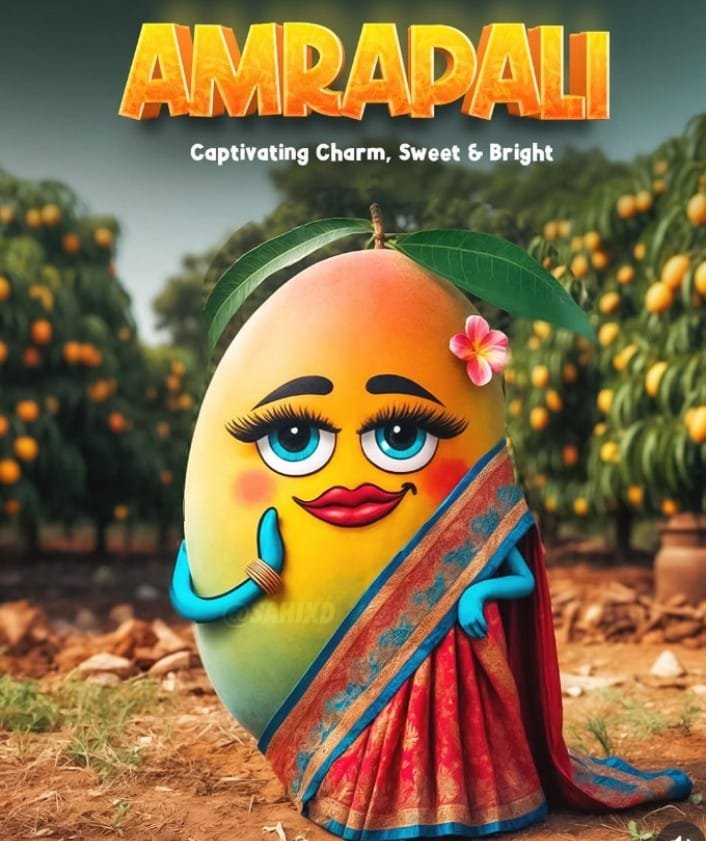
Sahid SK, a designer and entrepreneur, has captivated millions with his viral AI-generated content. His work often reimagines Indian traditions, pop culture, and iconic brands, resonating deeply with audiences across the nation. From humorous social commentary to reimagined depictions of Indian mangoes and beloved film characters, Sahid’s art reflects a unique fusion of technology and cultural storytelling. His innovative use of tools like Midjourney has set a new standard for generative AI artistry.

Leading the Global AI Creative Revolution

Favikon, a Paris-based influencer marketing analytics firm, recognized Sahid’s unparalleled contribution to AI-driven creativity in 2025, cementing his position as a global leader. His ability to connect with audiences through relatable and visually stunning content has made him a household name in the digital art world. This accolade not only celebrates his personal excellence but also highlights India’s growing influence in shaping the future of creative technology.

Sahid SK: India’s AI Art Pioneer Crowned World’s No. 1 by Favikon in 2025

Trailblazing Ventures and Campaigns

Beyond his artistic achievements, Sahid SK is a co-founder of Megalodon, an AI-first marketing company launched in June 2023. As the leader of its design and creative team, he pushes the boundaries of branding and marketing through AI innovation. In 2024, Sahid served as an ambassador for the “MyCityMyArt” campaign, where he used AI to vividly portray Kolkata’s cultural vibrancy, featuring iconic elements like roadside tea stalls set against the backdrop of the Howrah Bridge.

Inspiring a New Generation

Sahid SK’s journey is a testament to the power of creativity and technology in transforming cultural narratives. His work not only entertains but also fosters a deeper appreciation for India’s rich heritage. By bridging tradition and innovation, he inspires young creators to explore the limitless possibilities of AI in art and storytelling. This proud moment for India underscores the nation’s rising prominence in the global creative landscape.Sahid SK’s recognition as the world’s top AI artist is more than a personal triumph—it’s a celebration of India’s creative spirit and its potential to lead the world in the age of AI-driven innovation.

Dolly Chaiwala Brews a Revolution with 6000 Jobs Across India

0

He served chai to Bill Gates. Now he’s serving up a career movement that could change lives across India.

Nagpur’s flamboyant tea sensation, Sunil Patil—better known as Dolly Chaiwala—isn’t just pouring chai anymore. He’s pouring opportunity, style, and swagger into a nationwide franchise plan that’s as bold as his sunglasses and as unforgettable as his hairdo.

Dolly, whose viral videos have captivated millions with his theatrical tea-serving flair, just dropped a bombshell announcement on social media: he’s launching his franchise, “Dolly Ki Tapri,” across India—and with it, he’s creating 6000 jobs for passionate, stylish go-getters.

“It doesn’t matter where you’re from. If you’ve got passion, style, and the hunger to grow—become a Dollyete and join the movement,” he declared.

Dolly Chaiwala Brews a Revolution with 6000 Jobs Across India

But this isn’t just a job—it’s a full-blown career makeover. Dolly promises full training, official certification from his brand, and a chance to be part of a team that’s redefining what it means to be a chaiwala in the 21st century.

“Your new career starts here,” he wrote, inviting dreamers from every corner of the country to step into the spotlight.

From the streets of Nagpur to the global stage, Dolly Chaiwala is turning tea into a ticket to transformation. And if you’ve ever dreamed of mixing hustle with head-turning style—this might just be your moment.

No CIBIL Score? No Problem, Says Finance Ministry — Loans Now More Accessible

0

(PC:yourloanadvisor.com)

In a major step toward financial inclusion, the Ministry of Finance has clarified that banks cannot reject loan applications solely due to the absence of a CIBIL score. This announcement is expected to benefit first-time borrowers, students, and small entrepreneurs who have traditionally struggled to access formal credit.

What Is a CIBIL Score?

The CIBIL score is a three-digit number ranging from 300 to 900, issued by the Credit Information Bureau (India) Limited (CIBIL). It reflects an individual’s creditworthiness based on:

  • Past loan and credit card repayment history
  • Credit utilization
  • Length of credit history
  • Types of credit used
  • Number of recent loan inquiries

A score above 750 is generally considered excellent and can lead to faster loan approvals and lower interest rates.

Why It Matters

For years, banks and financial institutions have relied heavily on CIBIL scores to assess loan eligibility. Applicants with low or no scores were often denied loans or offered unfavorable terms. This created a barrier for millions of Indians—especially youth and rural citizens—who had never taken a loan or used a credit card.

What the Government Said

In a recent statement in Parliament, Minister of State for Finance Pankaj Chaudhary emphasized that:

“Loan applications from first-time borrowers should not be rejected merely due to lack of a credit history.”

He further clarified that the Reserve Bank of India (RBI) has not mandated any minimum credit score for loan eligibility. Banks are expected to evaluate applicants based on income, employment status, repayment capacity, and other financial documents. This move aligns with the government’s broader push for financial inclusion, ensuring that access to credit is not limited to those already within the formal financial system.

What This Means for You

If you’ve never taken a loan or used a credit card, you may not have a CIBIL score—but that no longer means you’re ineligible for a loan. Banks must now consider your overall financial profile, not just your credit history. However, once you begin borrowing, your repayment behavior will start shaping your CIBIL score. Maintaining a good score can help you:

  • Secure better loan terms
  • Access higher credit limits
  • Qualify for premium financial products

The Finance Ministry’s clarification is a welcome relief for millions of aspiring borrowers. It sends a clear message: credit access should be based on potential, not just past records. As India moves toward a more inclusive financial future, this decision could unlock new opportunities for those who’ve long stood outside the gates of formal lending.

India’s 8 Richest Royal Families Still Reigning Over Wealth and Legacy

0

Though the crown was constitutionally dissolved in 1971, India’s royal bloodlines continue to shape the nation’s cultural, economic, and social landscape. These families may no longer rule kingdoms, but they still command vast wealth, influence, and reverence. From palatial hotels to global fashion runways, their legacy lives on—not in thrones, but in thriving empires.

1.The Mewar Dynasty – Udaipur, Rajasthan

India’s 8 Richest Royal Families Still Reigning Over Wealth and Legacy

(PC:GQ)

  • Current Head: Rana Sriji Arvind Singh Mewar
  • Estimated Wealth: ₹10,000+ Crores
  • Legacy: Descendants of Maharana Pratap, they run the HRH Group of Hotels and the Maharana of Mewar Charitable Foundation.
  • Civic Impact: Heritage conservation, education, and healthcare initiatives.

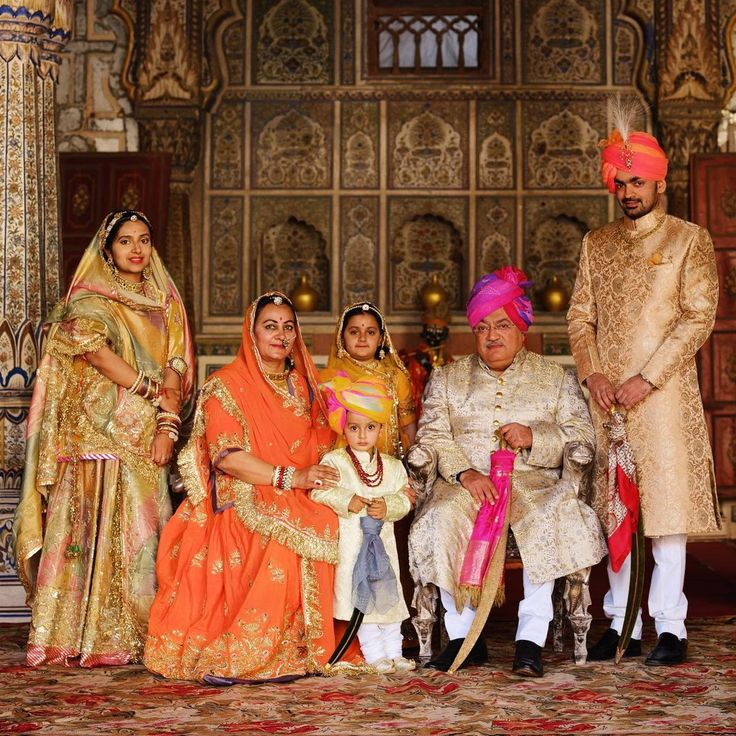
2.The Royal Family of Jaipur

India’s 8 Richest Royal Families Still Reigning Over Wealth and Legacy

(PC:tweeter.com)

  • Current Face: Padmanabh Singh, polo champion and fashion icon
  • Estimated Wealth: ₹20,000+ Crores
  • Assets: City Palace, luxury hotels, and art collections
  • Modern Role: Cultural diplomacy and global branding of Indian royalty.

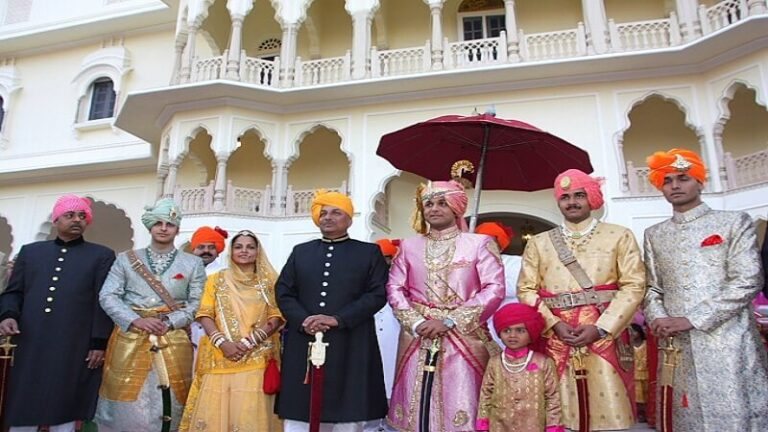
3. The Rathores of Jodhpur

India’s 8 Richest Royal Families Still Reigning Over Wealth and Legacy

(PC: Pintrest.com)

  • Current Head: Maharaj Gaj Singh II
  • Estimated Wealth: ₹22,000+ Crores
  • Crown Jewel: Umaid Bhawan Palace—part residence, part luxury hotel
  • Revenue Streams: Hospitality, tourism, and heritage events.

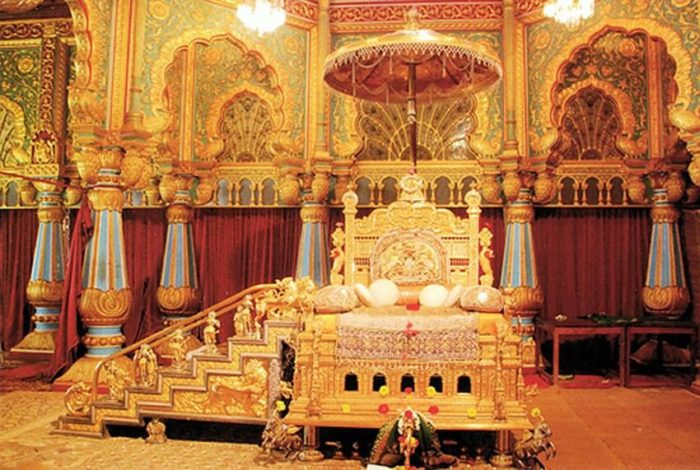
4.The Wadiyar Dynasty – Mysore

India’s 8 Richest Royal Families Still Reigning Over Wealth and Legacy

(PC:indiadeeds.com)

  • Current Head: Yaduveer Krishnadatta Chamaraja Wadiyar
  • Estimated Wealth: ₹10,000+ Crores
  • Cultural Role: Hosts the grand Mysore Dasara festival
  • Business Interests: Real estate, education, and ceremonial duties.

5.The Gaekwads of Baroda

India’s 8 Richest Royal Families Still Reigning Over Wealth and Legacy

(PC:don’tgetserious.com)

  • Current Head: Samarjitsinh Gaekwad
  • Estimated Wealth: ₹20,000+ Crores
  • Properties: Laxmi Vilas Palace (four times the size of Buckingham Palace)
  • Modern Ventures: Cricket stadiums, trusts, and luxury estates.

6.The Alsisar Royal Family – Shekhawati

India’s 8 Richest Royal Families Still Reigning Over Wealth and Legacy

(PC:entertales.com)

  • Current Head: Abhimanyu Singh Alsisar
  • Estimated Wealth: ₹3,000+ Crores
  • Cultural Innovation: Hosts Magnetic Fields Festival at Alsisar Mahal
  • Revenue: Heritage tourism, music festivals, and boutique hospitality.

7.The Bourbons of India – Bhopal

India’s 8 Richest Royal Families Still Reigning Over Wealth and Legacy

(PC:financialexpert.com)

  • Unique Lineage: Descendants of French nobility who settled in India
  • Estimated Wealth: ₹1,900+ Crores
  • Legacy: A blend of Indo-European heritage
  • Current Role: Cultural preservation and private estates.

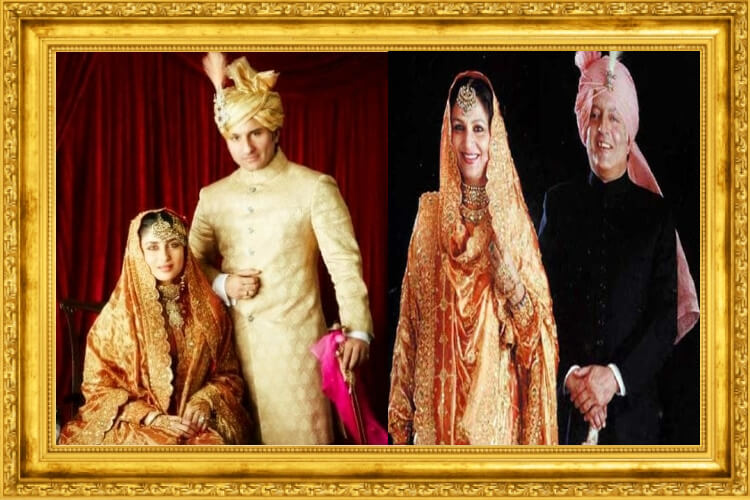
8.The Nawabs of Pataudi

India’s 8 Richest Royal Families Still Reigning Over Wealth and Legacy

(PC:Awazthevoice.in)

  • Famous Descendants: Mansoor Ali Khan Pataudi, Saif Ali Khan
  • Estimated Wealth: ₹800+ Crores
  • Assets: Pataudi Palace, Bollywood influence
  • Modern Identity: Royalty meets celebrity culture.

These families are more than relics of the past—they’re living bridges between India’s regal heritage and its modern aspirations. From civic innovation to cultural preservation, their wealth fuels stories that still inspire pride, drama, and transformation.