Home Blog Page 203

Mirabai Chanu: The Girl Who Lifted a Nation’s Pride

0

In the quiet village of Nongpok Kakching in Manipur, a young girl once carried bundles of firewood with ease—firewood that her older brother struggled to lift. That girl, Saikhom Mirabai Chanu, would go on to hoist the hopes of a billion people on her shoulders and etch her name into India’s sporting legacy.

Humble Beginnings

Born on August 8, 1994, Mirabai grew up in a modest Meitei household where resources were limited but dreams were limitless. Her strength was evident early on, not just in her physical ability but in her resolve. Inspired by Kunjarani Devi, another weightlifting icon from Manipur, Mirabai began training at the Sports Academy in Imphal. Her journey to the training center was often long and uncertain—she would hitch rides with truck drivers, some of whom she later honored publicly after her Olympic win. Her family, though financially constrained, stood firmly behind her. They couldn’t afford the best equipment or diet plans, but they gave her something more powerful: unwavering belief.

The Road to Glory

Mirabai’s rise was not without setbacks. After winning silver at the 2014 Commonwealth Games in Glasgow, she faced a crushing defeat at the 2016 Rio Olympics, where she failed to register a single successful lift. But she didn’t crumble—she rebuilt.

In 2017, she stunned the world by clinching gold at the World Weightlifting Championships in Anaheim, lifting a total of 194 kg in the 48 kg category. Her comeback was complete, but her hunger remained.

At the 2018 Commonwealth Games in Gold Coast, she lifted 196 kg and won gold again. Then came the Tokyo Olympics in 2021, where she earned a historic silver in the 49 kg category—India’s first medal in weightlifting since 2000.

And in 2025, at the Commonwealth Weightlifting Championships in Ahmedabad, Mirabai once again proved her mettle. She lifted a combined total of 193 kg—84 kg in snatch and 109 kg in clean & jerk—securing gold and setting new Commonwealth records.

Beyond Medals

Mirabai’s achievements have earned her the Padma Shri, the Rajiv Gandhi Khel Ratna, and the love of millions. But what sets her apart is her humility. After her Olympic win, she bowed to the truck drivers who once helped her reach her training center, touching their feet in gratitude. Her story is not just about strength—it’s about character. She’s also become a symbol of empowerment for young girls in India’s northeast, showing that greatness can emerge from the most unexpected corners.

Legacy in Motion

Mirabai Chanu is more than a weightlifter. She is a living testament to resilience, a quiet warrior who turned personal struggle into national triumph. Her journey reminds us that true strength lies not just in muscles, but in spirit. In every lift, she carries not just iron plates—but the dreams of a nation.

Clean India, Strong India: Why the Mission Needs a Fresh Push

0

By Vanshika Soni

What is the current status of India’s cleanliness drive? Has the vision of a “Clean India” begun to lose momentum?

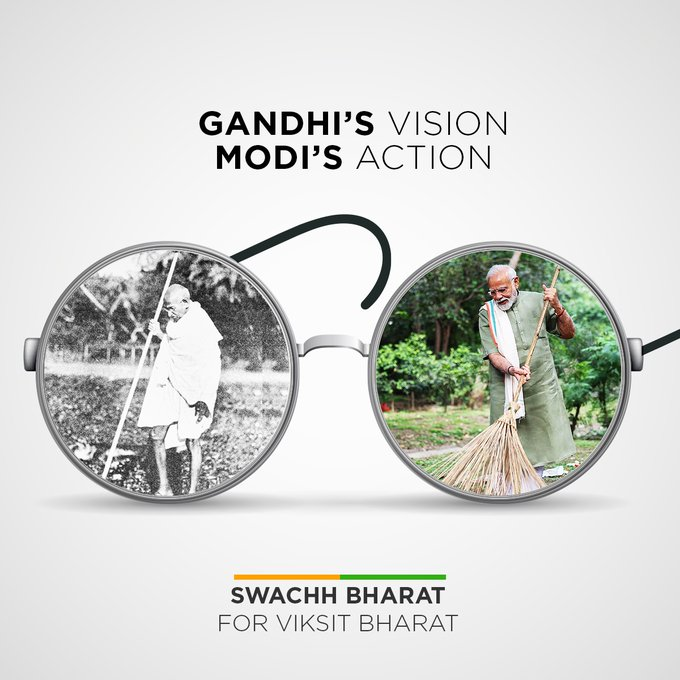
A harsh truth is that while people prioritize cleanliness in their immediate surroundings, the broader issue of nationwide sanitation often gets neglected. The Swachh Bharat Mission (SBM), launched on 2nd October 2014, was envisioned as a mass movement to transform India’s cleanliness standards. It initially ran for five years, and in October 2021, the government introduced SBM-Urban 2.0 to sustain achievements and make urban areas “garbage-free.” However, the enthusiasm that once drove the campaign appears to be fading — both among citizens and government bodies.

People or Government — Who is Responsible?

While it is easy to question government efficiency, the responsibility for cleanliness does not rest with authorities alone. Irregular garbage collection, poor waste management infrastructure, and inadequate monitoring by municipal corporations have indeed slowed progress. Yet, the attitude of citizens is equally concerning. Many people continue to litter streets, ignore dustbins, and treat public spaces with disregard.

Cleanliness is not merely about appearances — it directly impacts public health. Proper waste disposal and hygienic surroundings can reduce disease, improve quality of life, and contribute to national development. Unfortunately, the passion that once fueled Swachh Bharat Abhiyan is now visibly lacking.

Bridging the Urban–Rural Divide

Another pressing question is: why are only developed areas being further developed? Rural regions often lag behind in waste collection and sanitation facilities, widening the development gap. For the mission to succeed, the government must invest in waste management infrastructure across all regions, while also ensuring that local communities take ownership of their role.

A Call to Action

Good governance is inseparable from cleanliness. Citizens must recognize that keeping India clean is not only the government’s duty but a collective responsibility. Every small step — disposing waste properly, reducing plastic use, and spreading awareness — contributes to the nation’s progress.

It is time to reignite the spirit of Swachh Bharat and work hand-in-hand to achieve the vision of a clean, healthy, and developed India.

Clean India, Strong India: Why the Mission Needs a Fresh Push

(The writer of this article is Vanshika Soni, a student of Kanoriya PG Mahila Mahavidhyalaya)

Mobile Addiction in Children: Rising Anxiety, Depression, and Damaged Eyesight

0

By Vanshika Soni

With the increasing availability of smartphones, children have started using them excessively — whether during meals, playtime, or even while socializing. What appears to be convenience is silently turning into a harmful habit that affects not only their physical health but also their mental and social well-being.

Excessive smartphone use among children is leading to eye strain, vision problems, social isolation, decreased physical activity, anxiety, and depression. Instead of bringing positive results, this over-dependence on screens is creating barriers to healthy growth and development. Experts stress that it is essential for parents and caregivers to set boundaries and encourage balanced mobile phone habits in children.

Childhood Before Smartphones

Life for children before the digital age was filled with physical and outdoor activities — riding bicycles, climbing trees, playing hide-and-seek, and exploring nature. Such activities provided essential exercise and physical development. Without screens, children relied on their imagination to invent games and adventures, engaging in creative hobbies like drawing, painting, building, reading, and playing board games.

The Way Forward

To reduce children’s dependence on smartphones, parents must adopt smart strategies:

  • Establish clear screen-time limits and tech-free zones (such as mealtime and bedrooms).
  • Lead by example by reducing their own phone use.
  • Encourage offline engagement through sports, hobbies, and family outings.
  • Use parental controls and maintain open communication about online safety.
  • Promote yoga, exercise, and creative pursuits for a healthier lifestyle.

Children are the future of the nation, and excessive smartphone use at a young age can put that future at risk. By fostering discipline and offering healthier alternatives, parents can help their children build balanced habits and a brighter tomorrow.

Mobile Addiction in Children: Rising Anxiety, Depression, and Damaged Eyesight

(The writer is Vanshika Soni from Kanoria P G Mahila Mahavidyalaya)

Taylor Swift: From Small-Town Dreamer to the World’s Richest Female Musician

0

Taylor Swift’s journey from a Pennsylvania Christmas tree farm to global superstardom is not just a tale of talent—it’s a masterclass in reinvention, resilience, and relentless ambition. As of 2025, she stands as the wealthiest female musician in the world, a title earned through decades of chart-topping hits, record-breaking tours, and a fiercely independent spirit.

Early Life: A Star in the Making

  • Born: December 13, 1989, in West Reading, Pennsylvania
  • Family: Daughter of Scott Swift (a financial advisor) and Andrea Swift (a former marketing executive); she has a younger brother, Austin
  • Childhood: Raised on a Christmas tree farm, Taylor showed early signs of creativity and musical talent. She began performing in local talent shows and writing songs by age 12 Her fascination with country music led her to Nashville, Tennessee—the heart of the genre. At just 14, she convinced her family to relocate so she could chase her dream.
Taylor Swift: From Small-Town Dreamer to the World's Richest Female Musician

Education and Early Career

Taylor was homeschooled during her high school years to accommodate her rising career. She signed with Big Machine Records in 2005 and released her debut album Taylor Swift in 2006 at age 16. Her storytelling style and emotional honesty quickly won hearts, especially with hits like:

  • “Teardrops on My Guitar”
  • “Our Song”
  • “Tim McGraw”

Business Genius and Artist Rights

Taylor’s wealth isn’t just from music sales. She’s a savvy businesswoman:

  • Re-recording her albums (Taylor’s Version) after a dispute over master rights sparked a global conversation on artist ownership
  • Brand partnerships and merchandise empires
  • Taylor Swift Productions, her own creative company

Achievements That Made History

  • 14 Grammy Awards
  • Time Person of the Year (2023)—first artist ever to receive this honor
  • IFPI Global Recording Artist of the Year (5 times)
  • Over 200 million records sold worldwide

Legacy: More Than Just Music

Taylor Swift’s story is one of transformation—from country ingénue to pop powerhouse, from heartbroken teenager to cultural architect. She’s not just the richest female musician; she’s a symbol of what happens when talent meets tenacity. Her lyrics have become generational anthems. Her tours are pilgrimages. And her influence? Unmatched.

Beti Bachao, Beti Padhao: Dr. Ganesh Rakh’s Crusade Against Female Feticide

0

(PC:The logical indian.com)

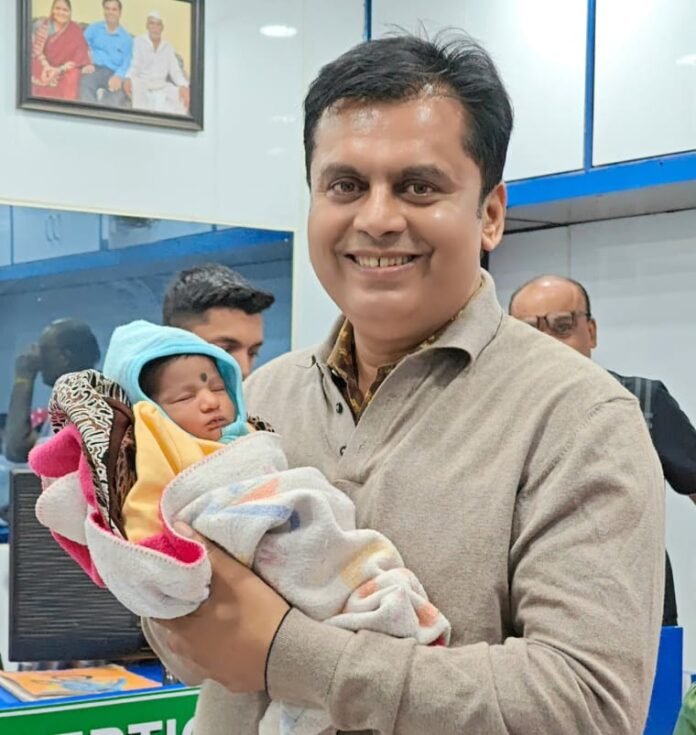
In a powerful stride toward gender equality, Dr. Ganesh Rakh, a visionary doctor from Pune’s Hadapsar-based Maternity Multispecialty Hospital, has spearheaded a transformative movement under the “Beti Bachao, Beti Padhao” campaign. Since 2012, his hospital has delivered over 2,400 baby girls free of cost, waiving all medical expenses for families welcoming daughters. This initiative, part of the broader Mulgi Vachva Abhiyan (Save the Girl Child Campaign), not only supports families but also raises awareness against female feticide. By celebrating the birth of girls, Dr. Rakh is challenging deep-rooted societal biases, fostering universal human values like equality, respect, and compassion, and creating a ripple effect of change in India and beyond.

A Doctor Turned Change-Maker

Dr. Rakh’s journey from a medical professional to a social reformer began in 2012, sparked by the alarming 2011 Census data revealing a skewed sex ratio of 914 girls per 1,000 boys. Witnessing the stark contrast in societal reactions—celebrations for boys and tears or shame for girls—compelled him to act. “We started waiving delivery fees for girls to encourage families to value daughters,” Dr. Rakh explains. His initiative has significantly reduced female feticide in surrounding areas, proving that positive action rooted in values like justice can shift mindsets. His hospital has become a beacon of hope, promoting the idea that every girl deserves to be celebrated.

Global Impact of a Local Vision

Dr. Rakh’s campaign transcends borders, inspiring global change. Over 13,000 organizations and 2.5 million volunteers worldwide, including in Bangladesh, Nepal, Pakistan, China, Canada, and African nations, have joined his mission. By addressing patriarchal norms, the campaign has sparked conversations on gender equality in regions where such biases are deeply entrenched. Dr. Rakh’s efforts align with universal values of fairness and dignity, encouraging communities to embrace daughters as equals. His work not only saves lives but also empowers families to educate and nurture girls, aligning with the “Beti Padhao” ethos of educating daughters.

A Legacy of Equality and Hope

Dr. Ganesh Rakh’s Beti Bachao campaign is a testament to the power of compassion and action in transforming society. By offering free deliveries and raising awareness, he has challenged female feticide head-on, fostering a culture that values girls. His global influence underscores the universal relevance of his mission, proving that one person’s vision can ignite change across continents. As Dr. Rakh continues to advocate for gender equality, his legacy inspires millions to uphold the values of love, respect, and equality, ensuring a brighter future for girls everywhere.

DJ TRYPS Takes Flight: First Female DJ to Perform Live Set While Paragliding at 10,000 Feet.

0

(PC: Free Press Journal)

In an unprecedented blend of music and adventure, Mumbai-based DJ TRYPS, also known as Trishina Kirpalani, has made history as the first female DJ to perform a full live set while paragliding at 10,000 feet. This groundbreaking performance, set against the boundless sky, marks a defining moment for Indian electronic music. With her signature beats pulsating through the serene mountain air, Trishina transformed the heavens into a dancefloor, proving that music has no limits. Her fearless act, celebrated globally, showcases the power of creativity and courage, inspiring artists and fans alike to push boundaries.

A Dance of Beats and Breezes

Suspended mid-air with her DJ equipment, Trishina delivered an electrifying set that merged high-energy basslines with the tranquil whispers of mountain winds. The contrast created a surreal atmosphere, with her grooves echoing through the open sky. Social media erupted with awe, as fans called it “a performance that defies gravity” and “a bold statement for women in music.” The viral footage captured her joy and focus, blending technical skill with the thrill of paragliding. This wasn’t just a DJ set; it was a celebration of freedom, resilience, and universal human values like innovation and self-expression.

Trishina Kirpalani: A Rising Star

Since entering the music scene in 2017, Trishina, aka DJ TRYPS, has become a trailblazer in India’s electronic music landscape. At 20, she became a certified music producer, mastering genres like hip-hop, techno, and Bollywood-infused remixes. Having played over 300 gigs across India, she’s collaborated with labels like Saregama Music, Sony, and Nykaa. Her remixes have earned praise from icons like Karan Johar, Akon, Badshah, and AP Dhillon, cementing her reputation for creating vibrant, genre-blending tracks. Her music, often described as “playful yet psychoactive,” reflects her passion for connecting people through sound.

Breaking Stereotypes with Universal

ValuesTrishina’s sky-high performance is more than a stunt—it’s a testament to universal human values like truth, courage, and inclusivity. As a queer female DJ in a male-dominated industry, she’s faced challenges, including canceled gigs due to stereotypes. Yet, her commitment to authenticity shines through. “Music helped me heal from anxiety and loss,” she shared, referencing her father’s passing. Her paragliding set embodies her mission to inspire others to dream big, using music as a tool for unity and empowerment. By embracing diversity, she’s redefining the DJ world.

A New Stage for Music

DJ TRYPS’ airborne performance has set a new benchmark for creativity in music. By taking her decks to the skies, she’s shown that art can transcend traditional spaces, inspiring a generation of artists to think beyond the stage. Rooted in passion and universal values, her journey reminds us that with resilience and vision, the possibilities are endless. DJ TRYPS isn’t just spinning tracks—she’s soaring to new heights, rewriting the future of Indian electronic music.

India’s Space Revolution: ₹211 Crore Investment to Fuel Private Sector Growth

0

(PC: India Blooms News Service)

Economy In a transformative move to bolster India’s burgeoning space sector, the Union Government has announced a ₹211 crore investment through the Fund of Funds for Startups (FFS) scheme. Unveiled by Union Minister Piyush Goyal, this capital infusion aims to ignite innovation and entrepreneurship, propelling India toward its ambitious goal of expanding its space economy to $44 billion by 2033. This strategic funding underscores the government’s commitment to fostering a vibrant ecosystem for private space enterprises, positioning India as a global leader in space technology and innovation.

Liberalizing the Skies

PlayersThe Indian Space Policy 2023 has been a game-changer, opening the space sector to Non-Government Entities (NGEs) and enabling their participation across the entire value chain—from satellite manufacturing to launch services and data applications. This landmark reform has dismantled barriers, allowing startups and private companies to collaborate with the Indian Space Research Organisation (ISRO). To streamline this transition, the government established the Indian National Space Promotion and Authorization Centre (IN-SPACe) in 2020. Acting as a single-window nodal agency, IN-SPACe bridges ISRO and private players, simplifying approvals and fostering innovation. This policy shift reflects universal human values like collaboration and progress, empowering entrepreneurs to dream big and contribute to India’s space ambitions.

Driving Innovation and Economic Growth

The ₹211 crore investment is more than just financial support—it’s a catalyst for technological and economic transformation. By backing startups, the government aims to harness space technology for diverse sectors like agriculture, disaster management, and digital services. For instance, satellite data can optimize crop yields for farmers or enhance early warning systems for natural disasters, directly impacting lives. This initiative is expected to attract private investment, create high-skill jobs, and boost India’s global competitiveness. The vibrant startup ecosystem, nurtured by this funding, is already showing promise, with companies developing cutting-edge solutions like small satellite constellations and reusable launch vehicles, aligning with the value of innovation.

Vision for the Future

India’s space sector is on a meteoric rise, with private players complementing ISRO’s legacy of excellence. The government’s coordinated efforts—through funding, policy reforms, and IN-SPACe—signal a bold vision to democratize space exploration. By fostering an environment where creativity and enterprise thrive, India is not only aiming for the stars but also grounding space technology in solutions that benefit society. As Minister Goyal emphasized, this investment is a step toward making India a hub for space innovation, embodying values like resilience and inclusivity. With the $44 billion target in sight, India’s space revolution is poised to inspire the world.

Ayodhya to Celebrate Deepotsav 2025 with a Grand Wax Museum, Building on Its Guinness World Record Legacy

0

(PC: The Utterpradesh index)

In a remarkable feat, Ayodhya set a Guinness World Record during Deepavali 2024 by lighting 25,12,585 earthen lamps at Ram Ki Paidi, marking the seventh consecutive year of achieving this milestone. The city is now gearing up to elevate its cultural prominence with the upcoming Deepotsav 2025, which will feature the inauguration of a state-of-the-art wax museum. This ambitious project aims to solidify Ayodhya’s status as a global tourism and spiritual destination.

A Wax Museum Celebrating the Ramayana

The centerpiece of Deepotsav 2025 will be a magnificent wax museum showcasing around 50 life-like wax figures of key Ramayana characters, including Lord Rama, Goddess Sita, Lord Lakshmana, Hanuman, Sugriva, and Jatayu. Each statue is meticulously crafted to reflect intricate expressions, authentic costumes, and historical accuracy, bringing the epic to life. Iconic scenes such as the Rama-Ravana battle, Sita’s abduction, Hanuman’s journey to Lanka, and the construction of the Ram Setu will be recreated using a blend of wax artistry and modern technology. Enhanced with audio-visual effects and interactive displays, the museum promises an immersive experience for visitors.

A Boost to Ayodhya’s Global Tourism Appeal

The wax museum is a cornerstone of the government’s vision to establish Ayodhya as a premier global tourism hub. By showcasing the values of the Ramayana and the richness of Indian culture, the museum aims to attract both devotees and tourists from across the world. Spanning 10,000 square feet along the temple’s parikrama path, the museum will also highlight the architectural grandeur, design, and history of temples worldwide, offering a unique cultural and historical journey.

A Significant Investment in Cultural Heritage

With an investment of approximately ₹7.5 crore, the project underscores Ayodhya’s growing significance as a center of spiritual and cultural heritage. The museum is expected to draw large crowds, boosting tourism and highlighting the city’s historical and spiritual legacy on a global stage.

Blends Ramayana’s Timeless Legacy with Global Tourism Vision

As Ayodhya prepares for Deepotsav 2025, the addition of the wax museum marks a significant step in blending tradition with modernity. This initiative not only celebrates the timeless narrative of the Ramayana but also positions Ayodhya as a must-visit destination for those seeking a deeper connection with India’s cultural and spiritual roots.

Maruti’s first EV Made in India Flagged Off, Will be Exported to 100 Nations Including Europe-Japan

0

With the roar of engines and a vision for green mobility, Prime Minister Narendra Modi flagged off Maruti’s latest car, a machine that blends innovation, style, and sustainability. More than just a car, it’s a statement of India’s technological progress and its ambition to lead the world in smart, eco-friendly automobiles.

✨ Here are 5 standout features that make this launch special:

  1. Made-in-India Marvel: Born and built in India, this car is a proud symbol of self-reliance, designed to compete on global roads.
  2. Green & Clean Drive – Equipped with hybrid technology, it delivers impressive mileage while keeping emissions low, aligning with India’s climate goals.
  3. Safety First – From multiple airbags to electronic stability control, every ride is wrapped in world-class safety.
  4. Smart on the Inside – A futuristic cabin with AI-powered infotainment, wireless smartphone connectivity, and voice command features.
  5. Global Game-Changer – Engineered to international standards, the car is export-ready, showcasing India’s ability to deliver excellence worldwide.

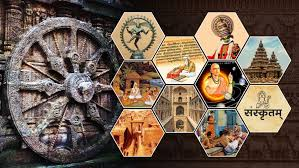
UGC Working on Idea to Integrate Indian Knowledge Systems into Curricular Framework

0

The University Grants Commission (UGC) in 2025 released a draft Learning Outcomes-based Curriculum Framework (LOCF) for multiple disciplines, aiming to integrate Indian Knowledge Systems (IKS) into fields such as anthropology, chemistry, commerce, economics, geography, home science, mathematics, physical education, and political science. While supporters see this as an effort to decolonise education, several states have raised objections, citing concerns of ideological bias.

Redefinition of Discrimination

The draft redefines caste-based discrimination in a narrower sense. According to the new framework, such discrimination applies only when directed against Scheduled Castes (SCs) and Scheduled Tribes (STs). This redefinition could significantly shape how social justice is taught in political science and allied disciplines.

Inclusion of Indian Knowledge Systems

A central feature of the LOCF is the mandatory inclusion of Indian cultural, scientific, and philosophical contributions across subjects. For instance:

  • Chemistry honours courses begin with a salutation to Saraswati, the goddess of knowledge.
  • Commerce incorporates principles from Kautilya’s Arthashastra.
  • Mathematics introduces mandala geometry, yantras, rangoli, and India’s ancient contributions to algebra and calculus.

Subject-Specific Additions

  • Commerce – Promotes Bhartiya philosophy for ethical leadership and sustainability, linking concepts like Ram Rajya to corporate social responsibility and ESG frameworks. It emphasises dharmic wealth, trade ethics, and historical guild systems.
  • Economics – Draws on Indian ideas of wealth, trade, labour ethics, ecological values, and the king’s role in managing the economy.
  • Chemistry – Features modules on traditional Indian fermented beverages such as kanji, mahua, and toddy, while revisiting ancient atomic theories alongside modern science.
  • Anthropology – Incorporates perspectives from Charaka, Sushruta, Buddha, and Mahavira on nature-culture relationships, aligning with the NEP’s vision of decolonisation.

Credit Structure and Multidisciplinarity

Despite the National Education Policy’s emphasis on multidisciplinary learning, the draft LOCF retains a strong single-major focus. For example, a proposed BSc Chemistry honours degree requires 172 credits—96 of them in core courses—leaving little room for general electives. Commerce follows a similar model, limiting cross-disciplinary exposure.

Stakeholder Response and Controversy

The UGC has invited public feedback on the draft framework. However, opposition-ruled states have voiced strong protests, alleging that the push for Indian Knowledge Systems represents the saffronisation of education rather than academic reform.