Home Blog Page 2

Chhatrapati Shivaji Maharaj: Remembering the Founder of Swarajya on His 346th Death Anniversary

0

A legacy of Swarajya, courage, and honour that continues to inspire India even today. On 3 April 1680, at Raigad Fort, Chhatrapati Shivaji Maharaj breathed his last, but his indomitable spirit and vision of self-rule never left the land. Today, as the nation observes his 346th death anniversary, Indians across the country remember the legendary warrior king with pride, gratitude, and heavy hearts.

Born on 19 February 1630 at Shivneri Fort to Shahaji Bhosale and Jijabai, Shivaji was named after the local deity Goddess Shivai. From a young age, he was deeply influenced by his mother’s teachings and the prevailing religious persecution under the Deccan sultanates and the mighty Mughal Empire. By the age of 16-17, he resolved to establish Hindavi Swarajya -a sovereign Hindu self-rule state based on justice, honour, and freedom from foreign oppression.

A Visionary Warrior and Statesman Shivaji Maharaj began his campaign by capturing forts like Torna and Kondana. He pioneered innovative guerrilla warfare tactics known as Ganimi Kava, which allowed smaller forces to outmanoeuvre larger armies. He also built a strong navy, earning him the title “Father of the Indian Navy”, and secured the Konkan coast.

His military brilliance was matched by exceptional administrative skills. He promoted Marathi and Sanskrit in his court, emphasised the protection of women and farmers, and practised religious tolerance while fiercely defending Hindu dharma. One of the most defining moments came on 6 June 1674, when he was crowned Chhatrapati (Paramount Sovereign) at Raigad Fort. This grand coronation formally established the Maratha Empire and symbolised the birth of a new era of Swarajya.

Shivaji’s courage became legendary through several daring feats. In 1659, he outsmarted and defeated Afzal Khan of Bijapur in a historic encounter. He carried out a bold midnight raid on the Mughal viceroy’s camp and even sacked the prosperous port of Surat, challenging Mughal authority directly. When summoned to Aurangzeb’s court in Agra, he and his son were placed under house arrest, but Shivaji’s clever escape further enhanced his reputation as a master strategist. Despite facing vast Mughal armies led by generals like Mirza Raja Jai Singh, Shivaji never wavered from his mission of building a just and independent kingdom.

Chhatrapati Shivaji Maharaj passed away at the age of 50 on 3 April 1680 at Raigad Fort due to health complications. Though his physical presence ended, his ideals of self-rule, courage, justice, and national pride lived on. His successors expanded the Maratha Empire, which later played a crucial role in shaping modern Indian history. Even centuries later, Shivaji Maharaj remains a blueprint for leadership, resilience, and patriotism. His life teaches the importance of standing fearlessly for one’s values, protecting the weak, and building a society rooted in honour and unity. On this solemn day, the nation pays heartfelt tributes to the great Chhatrapati. His message of Swarajya continues to echo in every corner of India, inspiring generations to uphold courage, unity, and pride in their heritage.

Jaipur Named Among World’s 50 Most Beautiful Cities by Condé Nast Traveler -The Only Indian City in the List

0

The historic city of Jaipur has earned global acclaim after being named among the world’s 50 most beautiful cities by the renowned travel magazine Condé Nast Traveler. This recognition celebrates the Pink City’s unique charm, rich cultural heritage, and stunning architecture, making it the only Indian city to feature in the prestigious list.

Often called the Pink City, Jaipur stands out for its distinctive warm orangey-pink buildings that define much of its historic old town. This iconic colour tradition dates back to 1876, when the city’s ruler, Sawai Ram Singh II, ordered buildings to be painted pink to welcome British royalty, including Prince Albert and Queen Victoria. The shade was chosen to symbolise warmth and hospitality-a gesture that continues to define the city’s identity today.

Beyond its signature hue, Jaipur’s beauty lies in its extraordinary architectural heritage and seamless blend of history with vibrant urban life. The city is home to iconic landmarks such as the honeycomb-windowed Hawa Mahal (Palace of Winds), the majestic hilltop Amber Fort with its mirrored halls, and the regal City Palace. These structures reflect the grandeur of Rajasthan’s royal past and continue to captivate visitors from around the world.

Jaipur Named Among World's 50 Most Beautiful Cities by Condé Nast Traveler -The Only Indian City in the List

Adding to its allure, Jaipur’s historic core has been recognised as a UNESCO World Heritage Site. The planned grid-like layout, grand gateways, bustling bazaars, intricately carved façades, colourful doorways, and traditional Rajasthani architecture make it a masterclass in 18th-century urban planning that remains relevant even today.

According to Condé Nast Traveler, the list of the world’s 50 most beautiful cities goes beyond mere aesthetics. It honours destinations that offer distinctive cultural experiences through historic neighbourhoods, architectural brilliance, natural landscapes, and vibrant daily life. In Jaipur’s case, it is the perfect fusion of royal legacy, art, culture, and living traditions that sets it apart.

A stroll through the old city reveals lively street markets selling handicrafts, historic temples, and the aroma of traditional Rajasthani cuisine-all framed by the city’s photogenic pink palette. From exploring centuries-old forts and palaces to immersing in the energy of its bazaars, Jaipur offers experiences that go far beyond its visually striking streets.

This global recognition is a proud moment for Indian tourism. It highlights how Jaipur beautifully blends its royal past with a dynamic present, reinforcing India’s rich cultural heritage on the world travel map.

Cooling Indian Foods & Traditional Dishes to Beat the Summer Heat Naturally

0

As the Indian summer intensifies, our bodies crave foods that are light, hydrating, and naturally cooling. According to Ayurveda, the hot season aggravates the Pitta dosha, making it essential to include foods that reduce internal heat and support digestion. Fortunately, Indian cuisine offers a wide variety of seasonal ingredients and traditional dishes designed specifically to combat the harsh summer.

Here’s a curated list of cooling desi foods and traditional dishes that are both healthy and effective in beating the heat—without relying completely on beverages.

1. Cucumber (Kheera) & Cucumber Raita
Cucumber, with its high water content, is one of the most hydrating summer foods. It cools the body, prevents dehydration, and aids digestion.
When paired with curd to make cucumber raita, it becomes a probiotic-rich dish that soothes the stomach and complements spicy meals perfectly.

2. Watermelon (Tarbooz) Fruit Bowls
Juicy and refreshing, watermelon helps flush out toxins and maintain hydration.
Simple fruit bowls or chaat-style preparations with a pinch of black salt make it both nutritious and delicious during peak summer afternoons.

3. Muskmelon (Kharbuja)
Light on the stomach and rich in fiber, muskmelon supports digestion and prevents heat-related fatigue. It is best consumed fresh as a mid-day snack to instantly cool the body.

4. Curd (Dahi) & Curd Rice
Curd is a staple in Indian summers due to its probiotic and cooling properties.
A classic South Indian dish, curd rice, combines rice with dahi and mild tempering, making it easy to digest and extremely soothing in hot weather.

5. Mint (Pudina) & Pudina Chutney
Mint is a natural coolant known for its refreshing aroma and digestive benefits.
Pudina chutney, often paired with meals, not only enhances flavor but also helps reduce body heat and improve appetite.

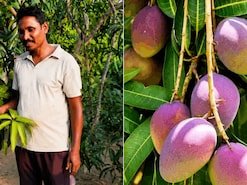
6. Raw Mango (Kaccha Aam) Dishes
Raw mango is widely used in Indian kitchens during summer. It helps prevent excessive fluid loss and supports digestion.
Traditional preparations like raw mango chutney or light salads add tanginess while protecting the body from heat stress.

7. Sattu & Sattu Paratha
Sattu, made from roasted gram flour, is rich in protein and fiber. It keeps the body cool and provides sustained energy.
Sattu paratha, a traditional dish from eastern India, is both filling and ideal for maintaining strength during long, hot days.

8. Jowar (Sorghum) Roti
Jowar is a summer-friendly millet known for its cooling nature and easy digestibility.
Jowar roti is a healthier alternative to wheat and helps regulate body temperature while providing essential nutrients.

9. Coconut (Nariyal) & Coconut-Based Dishes

Fresh coconut is light, cooling, and nourishing. It supports digestion and provides healthy fats.
In coastal cuisines, coconut is used in light curries and vegetable dishes that are easy on the stomach and perfect for summer meals.

10. Bael (Wood Apple) Pulp Preparations
Bael is known for its exceptional cooling and digestive properties.
Its pulp can be consumed directly or mixed into simple preparations that help prevent constipation and protect against heat-related ailments.

Why These Foods and Dishes Matter

These traditional foods and dishes are not random seasonal choices—they are deeply rooted in India’s climatic wisdom. They help:
●Maintain hydration and electrolyte balance
●Improve gut health and digestion
●Prevent heatstroke, acidity, and fatigue
●Provide nourishment without increasing internal heat

Most importantly, they align with the principle of seasonal eating, which is key to long-term health.

Final Thoughts

Indian summers can be intense, but the solution lies within our own culinary traditions. From simple fruits to thoughtfully crafted dishes like curd rice, sattu paratha, and jowar roti, every element of a traditional Indian meal is designed to keep the body cool and balanced.

This summer, embrace these desi cooling foods and dishes—a perfect blend of taste, nutrition, and centuries-old wisdom—to stay refreshed and healthy, naturally.


Chhatrapati Shivaji Maharaj Punyatithi: Remembering the Visionary Who Built Swaraj

0

Observed this year on April 3, the death anniversary of Chhatrapati Shivaji Maharaj —reverently known as Punyatithi—is a moment of deep reflection on the life and legacy of one of India’s greatest warrior-kings. More than three centuries after his passing in 1680 at Raigad Fort, Shivaji Maharaj continues to stand as a timeless symbol of courage, leadership, and nation-building.

Founder of the Maratha Empire, Shivaji Maharaj transformed the idea of Hindavi Swaraj into a powerful political reality. His vision was rooted in self-governance, justice, and cultural pride—principles that challenged the dominance of larger empires of his time. What made his leadership exceptional was not just his military strength, but his ability to build an efficient and inclusive administration that respected all communities and upheld ethical governance.

Renowned for his military brilliance, Shivaji Maharaj revolutionised warfare in India through his mastery of guerrilla tactics. His strategic use of forts, swift mobility, and deep understanding of terrain allowed him to outmaneuver far stronger forces. He also laid the foundation for one of India’s earliest organised naval forces, recognising the importance of securing coastlines in an era of expanding maritime power.

Beyond the battlefield, he was a ruler guided by integrity and foresight. His policies ensured the protection of civilians, respect for women, and religious tolerance—values that continue to resonate strongly in modern India. His governance model was not only effective but also deeply humane.

On his Punyatithi, tributes pour in from across the country. HM Amit Shah described him as an “immortal symbol of Indian pride and protector of national honour,” underlining his enduring influence on India’s identity and values.

Today, Shivaji Maharaj is not just remembered as a historical figure but celebrated as an eternal inspiration. His life story—marked by resilience, strategic genius, and unwavering commitment to Swaraj—continues to ignite a sense of pride and purpose.

In remembering him, India does more than honour the past—it reconnects with the ideals of leadership, courage, and self-rule that define its spirit even today.

From IPL Genius to Global Exile: The Rise and Fall of Lalit Modi

0

Few figures in Indian sport embody ambition, power, controversy, and drama quite like Lalit Modi. A man often described as bold, flamboyant, and unapologetically audacious, Modi’s journey reads less like a corporate biography and more like a gripping saga of rise, dominance, and dramatic downfall.

The Making of a Rebel Entrepreneur

Born into one of India’s most influential business families, Lalit Modi grew up surrounded by wealth and enterprise. His grandfather founded the Modi Group, and business instincts came early. But alongside privilege came rebellion—he was known for disciplinary issues in his youth and a fiercely independent streak. Yet, this same defiance would later fuel one of the most revolutionary ideas in cricket.

The Mastermind Behind the IPL

Modi’s biggest legacy is undoubtedly the creation of the Indian Premier League. Inspired by global sports leagues, he envisioned cricket as entertainment—fast-paced, glamorous, and commercially explosive.

His formula was simple but revolutionary: combine cricket, Bollywood, big money, and television. He bet on the idea that franchises, sponsors, and broadcasters would pour in money—and they did.

Within just a few years, IPL became a billion-dollar brand, transforming cricket into a global spectacle. Modi, as its first commissioner, was at the peak of power—feared, admired, and deeply influential.

Power, Politics, and Rajasthan Connections

Modi’s rise wasn’t just about business—it was also about power networks. His close association with Vasundhara Raje gave him significant influence in Rajasthan. So much so that he was once dubbed a “super chief minister” by critics.

Through strategic moves and political backing, he took control of the Rajasthan Cricket Association (RCA), reshaping its structure and consolidating authority. His aggressive style—decisive, unconventional, and often controversial—helped him rise quickly, but also created enemies.

The Fall: Allegations, Bans, and Exile

At the height of IPL’s success in 2010, everything changed. Modi was suspended by the BCCI on multiple charges including financial irregularities, bid-rigging, nepotism, and bypassing governance norms.

Investigations by the Enforcement Directorate further alleged violations involving foreign exchange laws and questionable financial deals. He was eventually banned for life from the BCCI.

Facing mounting scrutiny, Modi left India for London, where he has remained since—denying all allegations and calling them politically motivated.

A Controversial Personal Life

Modi’s personal life has been as unconventional as his professional one. He married Minal Sagrani—his mother’s friend and significantly older than him—defying family opposition.

Years later, in 2022, he surprised many by announcing a relationship with actress and former Miss Universe Sushmita Sen. The high-profile romance grabbed headlines, only to end in 2025, adding yet another twist to his already dramatic life.

A Story of Genius and Controversy

Lalit Modi remains one of the most polarising figures in Indian cricket. Visionary or villain—opinions remain divided.

What is undeniable, however, is this: he changed the face of cricket forever. The IPL continues to thrive as one of the world’s richest sports leagues, a testament to his daring vision.

But his story is also a cautionary tale—of how ambition, power, and unchecked authority can lead to a spectacular fall.

In the end, Lalit Modi’s life has everything—wealth, innovation, politics, scandal, romance, and exile. A story that still feels unfinished.

Surviving the Indian Summer: 10 Essential Tips for Health and Wellness

0

Staying Healthy When the Heat Rises

Indian summers can be intense, with soaring temperatures, dry winds, and rising humidity levels that can take a toll on the body. From dehydration to fatigue and heat-related illnesses, the season demands extra care and mindful living. The key lies in adapting your daily habits to stay cool, hydrated, and energised.

Here are 10 essential tips to help you stay healthy and refreshed through the Indian summer:

1. Hydration Is Non-Negotiable
Drink plenty of water throughout the day—even if you don’t feel thirsty. In extreme heat, your body loses fluids rapidly through sweat, increasing the risk of dehydration. Include natural drinks like coconut water, lemon water, and buttermilk to replenish electrolytes.

2. Eat Light and Seasonal Foods
Switch to a lighter diet rich in fruits and vegetables such as watermelon, cucumber, muskmelon, and leafy greens. These foods are water-rich and easy to digest, helping your body stay cool from within.

3. Avoid Peak Sun Hours
Try to stay indoors between 12 pm and 4 pm when the sun is at its harshest. If you must step out, wear protective clothing, sunglasses, and a scarf or hat to shield yourself from direct heat exposure.

4. Dress Smart with Breathable Fabrics

Opt for loose, light-coloured cotton clothes that allow your skin to breathe. Avoid synthetic fabrics as they trap heat and can lead to discomfort or skin irritation.

5. Keep Your Body Cool Naturally
Take cool showers, use wet towels, or apply sandalwood or aloe vera gel to soothe your skin. These simple practices help regulate body temperature and prevent overheating.

6. Don’t Ignore Early Signs of Heat Illness

Symptoms like dizziness, headache, excessive sweating, or nausea could indicate heat exhaustion or heatstroke. Immediate rest, hydration, and cooling are essential—seek medical help if symptoms worsen.

7. Stay Active, But Choose the Right Time

Exercise is important, but avoid outdoor workouts during the day. Opt for early morning or late evening routines when temperatures are lower to prevent strain and dehydration.

8. Protect Your Skin
Use sunscreen with adequate SPF before stepping out. Prolonged sun exposure can cause tanning, sunburn, and long-term skin damage. Reapply sunscreen every few hours if you’re outdoors.

9. Prioritise Rest and Sleep

Hot weather can disrupt sleep patterns. Keep your room cool, stay hydrated, and try to maintain a consistent sleep schedule to allow your body to recover and function optimally.

10. Refresh with Traditional Indian Drinks
India’s traditional summer beverages like aam panna, jaljeera, sattu drink, and chaas are not just refreshing—they help cool the body and restore essential nutrients lost due to heat.

Conclusion: Balance Is the Key

Surviving the Indian summer isn’t just about avoiding the heat—it’s about adapting smartly. With the right mix of hydration, nutrition, and lifestyle choices, you can stay healthy, active, and comfortable even during the hottest months. A little care goes a long way in turning a harsh summer into a manageable—and even enjoyable—season.

Floccinaucinihilipilification Goes Viral: How a 29-Letter Word Took Over the Internet

0

In the fast-moving world of trends and hashtags, it’s not every day that a nearly unpronounceable English word grabs national attention. Yet floccinaucinihilipilification—a 29-letter linguistic giant—has suddenly become the talk of the internet, leaving many amused, confused, and curious.

What Does It Even Mean?

At its core, floccinaucinihilipilification simply means the act of considering something worthless or insignificant.
Despite its intimidating length, the meaning is surprisingly straightforward—essentially dismissing something as having no value.

The word itself has Latin roots, combining terms like flocci, nauci, nihili, and pili—all of which mean “of little or no value.”
Ironically, the word is often used more for its novelty than practical communication.

Why Is It Trending Now?

The sudden buzz around the word can be traced back to a recent court ruling involving Nirmala Sitharaman.
A Delhi court, while dismissing a defamation complaint against her, used this rare word to describe the case—essentially calling it “completely worthless.”

The judge noted that the complaint lacked merit and substance, and used floccinaucinihilipilification to emphasise just how insignificant it was.

That one unusual choice of vocabulary was enough to spark widespread curiosity. Almost instantly, social media platforms were flooded with people searching for its meaning, pronunciation, and even trying to use it in sentences.

From Courtroom to Meme Culture

What started as a legal remark quickly turned into a viral moment. The sheer length and complexity of the word made it perfect for memes, jokes, and “word of the day” posts.

For many, the fascination lies not just in its meaning, but in its absurdity—how such a long, complicated word can express something so simple.

Why It Matters

Beyond the humour, this viral moment highlights the power of language. A single, rarely used word—spoken in a formal courtroom—managed to capture national attention overnight.

It also shows how digital culture thrives on the unusual. Whether it’s a quirky phrase, a tongue-twister, or an obscure term, the internet has a way of turning the most unexpected things into trends.

In the end, floccinaucinihilipilification may be difficult to pronounce—but it has certainly proven its value in one way: by becoming unforgettable.

NASA Spots a Potential Ocean World 100 Light-Years Away – Could This Be a New Home

0

PC(The Sun)

In a discovery that has reignited excitement in the search for extraterrestrial life, astronomers have identified TOI-1452 b – a fascinating “super-Earth” exoplanet located roughly 100 light-years away in the constellation Draco. This distant world, first detected in 2022, is emerging as one of the strongest candidates yet for a water world a planet potentially covered entirely by a deep global ocean.

Unlike Earth, where water makes up less than 1% of the planet’s mass, models suggest that up to 30% of TOI-1452 b’s mass could be water. That would mean vast oceans hundreds of kilometers deep, with no continents or dry land in sight a truly alien seascape.

A Super-Earth in the Habitable Zone TOI-1452 b is about 70% larger in diameter and roughly five times more massive than Earth. It orbits a cool red dwarf star in a binary system every 11.1 days, placing it squarely within the star’s habitable zone the sweet spot where temperatures could allow liquid water to exist on the surface.

warm, but Current estimates put the planet’s average temperature at around 53°C (127°F) potentially suitable for liquid oceans beneath a thick atmosphere. Its lower-than-expected density rules out a purely rocky composition and strongly points toward a water-rich world.

Discovered using NASA’s Transiting Exoplanet Survey Satellite (TESS) and confirmed with ground-based telescopes like the Canada-France-Hawaii Telescope’s SPIRou instrument, TOI-1452 b stands out as one of the best ocean planet candidates found to date

While the “global ocean” hypothesis is based on mass, radius, and density modeling rather than direct imaging, the planet has become a prime target for the James Webb Space Telescope (JWST). Astronomers hope JWST’s powerful instruments will analyze its atmosphere for water vapor and potential biosignatures – chemical clues that could indicate the presence of life.

When Flowers Awaken the Mountains: Ladakh’s Magical Apricot Blossom Festival

0

PC(Tripto, Discover Leh Ladakh)

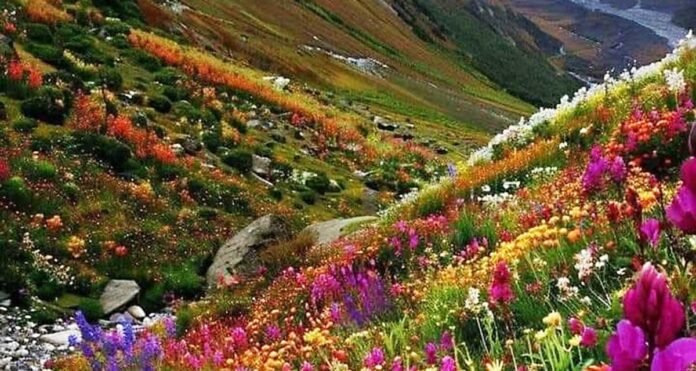
Imagine snow-kissed Himalayan peaks standing guard over a sea of soft pink and white blossoms. For a few precious weeks every spring, the rugged, high-altitude desert of Ladakh transforms into a surreal, pastel dreamscape as if the mountains themselves have awakened in bloom. This is not Japan’s famous cherry blossom season, but something even rarer and more intimate: Ladakh’s Apricot Blossom Festival, locally known as Chuli Mendok or Chuli Namchot.

A Surreal Himalayan Spring while most travellers picture Ladakh as a barren “moonscape” of brown mountains and frozen lakes, early spring reveals its hidden softer side. Between late March and mid-April, apricot orchards in the lower-altitude valleys burst into delicate pink and white flowers. The contrast is breathtaking – tender pastel petals dancing against jagged, snow-dusted peaks under a crisp blue sky. This fleeting “pink spring” turns quiet villages into living canvases. The usual harsh terrain softens, and a peaceful, almost meditative vibe takes over before the busy summer tourist season begins in May-June.

Apricot Blossom Festival 2026: Dates and Moving Celebration. The official Apricot Blossom Festival 2026 will be held from April 8 to April 16. Unlike conventional festivals fixed in one spot, this event travels across different villages in the Leh and Kargil districts, following the peak bloom as it progresses.

When Flowers Awaken the Mountains: Ladakh's Magical Apricot Blossom Festival

Key highlights from the 2026 schedule include: April 8 – Garkone (Kargil), April 9 – Dha Bema (Leh), April 10 – Darchiks (Kargil), April 12 – Karkitchoo (Kargil), April 13 – Turtuk (Leh), April 14 – Tyakshi (Leh), April 15 – Minjee (Kargil), April 16 – Tyger (Leh).

The festival offers far more than just pretty flowers. It’s a deep dive into local life:Cultural Immersion – Traditional Ladakhi folk dances, music, and performances in village courtyards. Local Flavors – Sample fresh apricot juices, jams, dried fruits, and kernel oil. Don’t miss the world-renowned Raktsey Karpo (white-seeded apricot), famous for its exceptional sweetness.
Browse stalls with handmade woollen products, traditional Ladakhi jewellery, and local artisan goods. Photography Paradise – Capture the ephemeral blooms against dramatic mountain backdrops. Early mornings and golden hour provide the most magical light.

Popular blooming villages include Turtuk, Tyakshi, Dah, Hanu (Aryan Valley), Garkone, Darchiks, Alchi, Domkhar, Sumoor, Wanla, and others along the Indus Valley and Nubra region. Apricots (locally called Chuli) are not native to Ladakh. They were introduced centuries ago via the ancient Silk Route by traders from Central Asia, Persia, and China. In this harsh “rain shadow” desert, where little else grows, the apricot became a true “Tree of Hope” resilient to extreme cold and altitude.

Every part of the tree is cherished Fruit for food and trade. Seeds for oil (used in cooking, medicine, and monastery lamps). Wood for fuel and beautiful carvings Ladakh is home to over 30 varieties. The Raktsey Karpo, discovered relatively recently and granted a Geographical Indication (GI) tag in 2022, stands out as one of the sweetest apricots in the world. In the Aryan Valley (Dha-Hanu villages), home to the Dard tribe believed to descend from ancient Aryan lineages or Alexander the Great’s army, the apricot bloom holds special cultural significance.

The Heart of Ladakh: The Apricot Tree apricots (locally called Chuli) are not native to Ladakh. They were introduced centuries ago via the ancient Silk Route by traders from Central Asia, Persia, and China. In this harsh “rain shadow” desert, where little else grows, the apricot became a true “Tree of Hope” resilient to extreme cold and altitude.

Every part of the tree is cherished fruit for food and trade seeds for oil (used in cooking, medicine, and monastery lamps). Wood for fuel and beautiful carvings Ladakh is home to over 30 varieties. The Raktsey Karpo, discovered relatively recently and granted a Geographical Indication (GI) tag in 2022, stands out as one of the sweetest apricots in the world.

In the Aryan Valley (Dha-Hanu villages), home to the Dard tribe believed to descend from ancient Aryan lineages or Alexander the Great’s army, the apricot bloom holds special cultural significance.

Rainbow Day: From Symbolism to Science Behind Nature’s Most Beautiful Arc

0

Observed every year on April 3, Rainbow Day is a light-hearted yet meaningful occasion dedicated to celebrating one of nature’s most captivating phenomena—the rainbow. While it is not an official global holiday, the day has gained popularity through educational initiatives and social media, encouraging people, especially students, to appreciate both the beauty and the science behind rainbows.

Rainbow Day is often used as an opportunity to spark curiosity among children and learners, blending art, mythology, and science. It reminds us to pause and admire the natural world, while also understanding the principles that govern it.

What Is a Rainbow?🌈

A rainbow is an optical and meteorological phenomenon that appears as a multicoloured arc in the sky, typically seen when sunlight shines through raindrops. The classic rainbow displays seven colours—violet, indigo, blue, green, yellow, orange, and red—often remembered by the acronym VIBGYOR.

Though it looks like a solid arc, a rainbow is actually the result of countless tiny water droplets acting like miniature prisms, bending and splitting sunlight into its component colours.

Why and How Is a Rainbow Formed?

Rainbow Day: From Symbolism to Science Behind Nature’s Most Beautiful Arc

The formation of a rainbow is explained by the scientific concept of dispersion of light, combined with refraction and reflection.

When sunlight enters a raindrop, three key processes occur:
●Refraction: The light bends as it enters the water droplet because it slows down.
●Dispersion: Different wavelengths of light bend at slightly different angles, separating into various colours.
●Reflection: The light reflects off the inside surface of the droplet.
●Refraction again: As the light exits the droplet, it bends once more, further spreading out into a spectrum.

This entire process causes the sunlight to split into its constituent colours, creating the arc we see in the sky.

A rainbow is always formed in the part of the sky opposite the Sun, which is why you typically see it when the Sun is behind you and rain is falling in front of you.

More Than Just Beauty

Beyond its scientific explanation, the rainbow has held cultural and symbolic meaning across civilizations—often seen as a bridge between worlds, a sign of hope, or a promise of brighter days.

Rainbow Day is a reminder of how science and beauty coexist in nature. From its modern observance to the fascinating physics behind its formation, the rainbow continues to inspire curiosity and wonder across generations.