Home Blog Page 194

Why Fitch Upgrade Is A Cool Breeze for India Amid Trump’s Tariff Heat

0

Global rating agency Fitch has revised India’s growth outlook for FY26 upward to 6.9%, from its earlier projection of 6.5% in the June Global Economic Outlook (GEO). The move comes as a relief — almost like a cool wind — against the backdrop of mounting global trade tensions triggered by former US President Donald Trump’s renewed tariff measures.

According to Fitch, domestic demand will remain the key driver of growth, supported by strong real income dynamics and looser financial conditions that will encourage investment. The upgrade follows a sharper-than-expected surge in activity between Q1 and Q2 of FY25, underscoring India’s resilience despite external headwinds.

India’s real GDP growth hit 7.8% year-on-year in Q2 FY25, compared to 7.4% in Q1, comfortably beating Fitch’s earlier 6.7% forecast. Much of this momentum was fueled by the services sector, which expanded by a striking 9.3%, alongside solid private and public consumption spending.

However, Fitch cautioned that the economy is currently operating slightly above its potential, meaning growth is likely to moderate in the coming years:

  • FY27: 6.3%
  • FY28: 6.2%

At the same time, external risks loom large. The US has imposed an additional 25% tariff on Indian imports, raising concerns for exporters and investors. While Fitch expects these tariffs to be negotiated down eventually, the uncertainty could dampen business sentiment in the near term.

On the brighter side, inflation is cooling: July headline inflation eased to 1.6%, the lowest since June 2017, aided by lower food prices. Core inflation also dropped below 4% for the first time in six months.

In terms of monetary policy, Fitch forecasts the RBI will cut rates by 25 basis points towards the end of 2025 to support growth, holding them steady until late 2026 before gradual tightening resumes in 2027.

Wanna Buy Apple iPhone 17 Series, Check Out The Price Here…

0

Apple iPhone Series Launch

Apple kicked off its much-anticipated 2025 launch event, where the spotlight is expected to be on the iPhone 17 series, alongside new Apple Watch models, a refreshed AirPods Pro, and possibly the Apple Vision Pro 2. The event begins at 10:30 PM IST, streaming live on Apple’s official channels — and we’ll bring you all the key updates right here in real time.

Ahead of Apple’s official announcements, analyst leaks and insider reports have already revealed what to expect in terms of pricing across the US, UK, UAE, and India.

iPhone 17, iPhone 17 Air, iPhone 17 Pro, and iPhone 17 Pro Max: Expected Prices

  • US & UK:
    • iPhone 17: $799 / £755
    • iPhone 17 Air (replacing the Plus): $949 / £840
    • iPhone 17 Pro: $1,099 / £1,133 (rumored $100 hike due to 256GB base storage)
    • iPhone 17 Pro Max: $1,199 / £1,385
  • India:
    • iPhone 17: ₹79,900
    • iPhone 17 Air: 99,990
    • iPhone 17 Pro: ₹1,29,900
    • iPhone 17 Pro Max: ₹1,59,900
  • UAE:
    • iPhone 17: AED 3,755
    • iPhone 17 Air: AED 4,172
    • iPhone 17 Pro: AED 5,633
    • iPhone 17 Pro Max: AED 6,999

What Else to Expect

Alongside the iPhone 17 lineup, Apple is also expected to refresh its wearables:

  • Apple Watch Series 11, Watch Ultra 3, and Watch SE 3 with faster chips and new health features.
  • AirPods Pro (3rd Gen) with possible health-tracking integration.
  • Apple Vision Pro 2, potentially revealed as a preview.

Meanwhile, new MacBooks and iPads are rumored for later this year.

The Apple event livestream starts at 10:30 PM IST and will be available on Apple’s YouTube channel, Apple TV app, and social media handles. Stay tuned here as we break down every major announcement live.

iPhone Air: The Thinnest iPhone Ever, With Power That Defies Its Size. Read its Eight Most Different USPs…

0

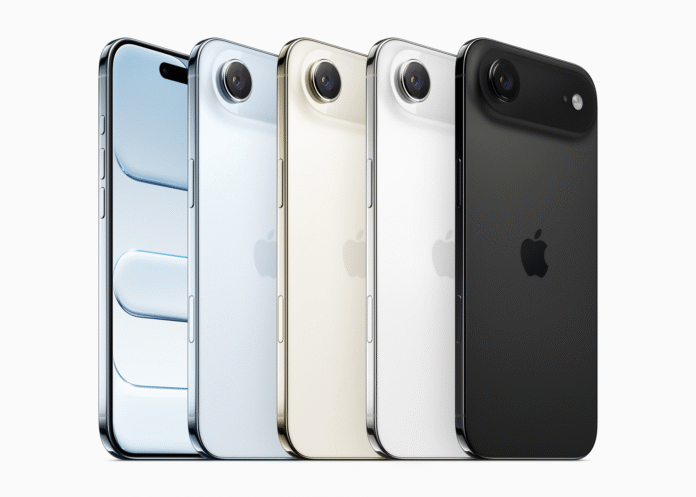
Apple introduced iPhone Air, a groundbreaking addition to the iPhone family that combines impossibly thin design with pro-level performance. Built from lightweight titanium and protected by the next-gen Ceramic Shield 2, iPhone Air is not only the thinnest but also the most durable iPhone ever created. Featuring a brilliant 6.5-inch Super Retina XDR display with ProMotion, the A19 Pro chip with next-gen Apple silicon, and a versatile 48MP Fusion camera system, iPhone Air delivers all-day battery life and pro-grade power in a device that feels like you’re holding the future.

The unique selling points (USP) of the new iPhone Air based on the launch details you shared:

iPhone Air – USP Highlights

Thinnest iPhone Ever – A breakthrough titanium design that makes it impossibly thin, light, yet durable.

Next-Gen Durability – Ceramic Shield on the back and Ceramic Shield 2 on the front, offering 3x better scratch resistance than previous iPhones.

Pro Performance, Ultra-Efficient – Powered by Apple’s most advanced silicon yet (A19 Pro, N1, C1X), delivering pro-grade performance with the most power-efficient iPhone architecture ever.

Stunning Visuals – 6.5-inch Super Retina XDR display with ProMotion (120Hz) for buttery-smooth visuals and cinematic clarity.

Pro-Level Camera System

48MP Fusion Main Camera = versatility of four lenses in one.

18MP Center Stage Front Camera = next-level selfies and video calls.

All-Day Battery Life – Optimized architecture and chips ensure long-lasting use without compromise.

Premium Finishes – Four elegant color options: space black, cloud white, light gold, sky blue.

Futuristic Feel – Ultra-thin design you can hold between two fingers, giving a “holding the future” experience

In short: iPhone Air = Thinnest, most durable, most power-efficient iPhone ever — with pro-level cameras, stunning display, and all-day performance in a futuristic titanium design.

Nourish Your Gut: Dr. Saurabh Sethi Ranks Breakfast Options for Optimal Gut Health

0

A Gastroenterologist’s Guide to Starting Your Day Right
Breakfast may be the most important meal of the day, but for your gut, it can be transformative. Dr. Saurabh Sethi—gastroenterologist trained at AIIMS, Harvard, and Stanford—has ranked popular breakfast foods on a scale of -10 to 10 based on their impact on gut health. His approach emphasizes the “4 Ps”: Protein, Probiotics, Prebiotics, and Polyphenols. By prioritizing whole, nutrient-dense foods, Dr. Sethi highlights ways to nourish the microbiome and avoid the pitfalls of sugary, processed meals.

Top Breakfast Choices for a Healthy Gut

These options score highest for balancing the microbiome, supporting digestion, and providing anti-inflammatory benefits:

  • Greek Yogurt with Berries (10/10): A perfect blend of probiotics, protein, and antioxidants that reduce inflammation and strengthen gut bacteria.
  • Vegetable and Egg Scramble (9/10): Rich in protein, vitamins, and fiber, this nutrient-packed dish supports satiety and gut function.
  • Overnight Oats with Chia or Flax Seeds (8/10): High in fiber and omega-3s, this gut-friendly staple promotes regular digestion and lasting fullness.
  • Smoothie with Unsweetened Kefir, Berries, and Spinach (7/10): Combines probiotics, prebiotics, and antioxidants for a refreshing microbiome boost.

Moderately Healthy Breakfasts

These provide nutrition and some gut benefits but fall short of the top tier:

  • Sprouted Grain Toast with Nut Butter (6/10): More fiber than refined bread, with added protein and healthy fats from nut butter.
  • Upma or Savory Oats with Vegetables (5/10): Nutritious and filling, though lacking the probiotic benefits of fermented foods.
  • Steel-Cut Oatmeal with Banana or Dates (4/10): Fiber-rich but slightly reduced in score due to higher natural sugar content.
  • Whole Wheat Toast with Jam (3/10): Some fiber from the bread, but sugar in jam reduces its gut health value.

Breakfasts to Avoid for Gut Health

Processed and sugary options score low for promoting inflammation and disrupting gut balance:

  • Store-Bought Granola (2/10): Typically high in added sugars and oils, reducing nutritional benefits.
  • White Bread Toast with Butter (1/10): Refined carbs with little fiber, offering minimal digestive support.
  • Sugary Breakfast Cereals (-5/10): Loaded with refined sugar and additives that damage the gut microbiome.
  • Fast-Food Burritos (-10/10): Heavy in preservatives, unhealthy fats, and refined carbs—worst for gut health.

The Power of the 4 Ps

Dr. Sethi’s framework—Protein, Probiotics, Prebiotics, and Polyphenols—serves as a foundation for gut-friendly eating. By selecting whole, unprocessed foods rich in these elements, individuals can foster a thriving microbiome, improve digestion, and reduce inflammation. Steering clear of sugary, processed breakfasts is essential for sustaining long-term gut health and overall wellness.

Swati Balani: Meet This Woman Who Transformed Her House Into Sanctuary for Animals

0

A Unique Sanctuary Where Animals Coexist in Harmony

In the heart of Varanasi, Swati Balani has transformed her home into a sanctuary for over 250 animals from diverse species, including dogs, cats, bulls, eagles, and pigeons. Despite their differences, these animals live together in peace and love, earning the house the affectionate nickname of a “private zoo.” For Swati, this is not just a home but a haven where injured and stray animals find care, compassion, and a sense of belonging.

A Lifelong Passion for Animal Welfare

Swati’s love for animals began in childhood, a trait she inherited from her grandparents, who also kept many animals at home. For the past decade, she has dedicated her life to caring for these creatures, bringing injured animals home, ensuring they receive medical attention, and providing them with a nurturing environment. Her commitment runs so deep that she chose to forgo marriage to focus entirely on her mission of animal care. “Where there is love, everything is possible,” Swati says, attributing the peaceful coexistence of her animals to the power of compassion.

A Home, Not a Zoo

While some call her residence a private zoo, Swati insists it is simply a home filled with love and care. Each animal has a unique name, reflecting the personal bond she shares with them. Her dogs include Sultan, Laddu, Chunni, Gattu, Roxy, Kalu, Ravan, Shera, Sabzi, Machli, Jhumru, Barfi, Lisa, Bulbul, Jimmy, Micro, and Berry. The cats go by Chulbul, Jackie, Piksi, Honey, Suli, Billu, and Jordan, while her eagle is lovingly named Cheelu. Dozens of pigeons and other birds also find refuge on her rooftop, and Swati ensures that stray animals in the neighborhood are fed regularly.

A Family Effort Supported by Friends

Swati’s family plays a crucial role in her mission. Her mother, a retired medical officer, and her father, a retired bank officer, support her endeavors. With the help of friends, Swati manages the expenses of caring for her large animal family. After completing her management education in Mumbai and briefly working there, she returned to Varanasi, where her heart truly lies, to continue her work with animals.

Rescuing and Rehabilitating Strays

Swati’s routine involves rescuing injured animals she encounters on the streets. “Seeing an injured animal pains me,” she shares. After consulting veterinarians, she brings them home, where they often stay, adapting to the loving environment and forming bonds with other animals. Her approach ensures that even species typically at odds, like dogs and cats, coexist harmoniously, playing and living together under one roof.

A Legacy of Love and Care

Swati’s home defies the notion that dogs and cats are natural enemies, proving that with the right upbringing, animals can live in harmony. Her mother, Rita Balani, beams with pride at her daughter’s dedication, noting that Swati’s love for animals has been evident since childhood. By choosing to dedicate her life to these voiceless creatures, Swati has created a unique legacy in Varanasi—a home where love transcends species, fostering peace and unity among animals.

Indra Jatra: Kathmandu’s Vibrant Celebration of Divinity and Tradition

0

Indra Jatra, one of Nepal’s most iconic festivals, is an eight-day celebration held at Basantapur Durbar Square in Kathmandu. Dedicated to Lord Indra, the Hindu god of rain and king of heaven, the festival dates back to the 10th century when it was established by King Gunakamadeva to commemorate the founding of Kathmandu. Marking the end of the monsoon season, it seeks divine blessings for a bountiful harvest. Deeply rooted in the culture of the Newar community, Indra Jatra attracts thousands of devotees and tourists, who gather to witness its ancient rituals, colorful processions, and spiritual traditions.

The Kumari Jatra: Procession of the Living Goddess
At the heart of the celebration is the Kumari Jatra, a spectacular chariot procession of the Kumari, the revered living goddess worshipped by both Hindus and Buddhists. The Kumari, along with human representations of deities such as Ganesh and Bhairav in separate chariots, makes a rare public appearance that captivates onlookers. The event is often attended by Nepal’s highest dignitaries, including the Prime Minister and President, underscoring the festival’s immense cultural and spiritual importance.

Masked Dances and Sacred Symbols
Indra Jatra is renowned for its vibrant masked dances, especially the Lakhe and Pulukisi performances, where masked dancers portray Hindu deities and demons in dramatic displays to the beat of traditional drums. Another highlight is the erection of the Yosin (Indra’s flag pole) in Basantapur Square, marking the official start of the festival. The display of the giant Akash Bhairava mask further adds to the grandeur, embodying the divine energy that defines the celebration.

Honoring Ancestors and Strengthening Community
Beyond its divine tributes, the festival carries deep personal significance for families. Butter lamps are lit to honor deceased relatives, creating moments of remembrance that strengthen bonds within the community. This blend of spiritual devotion, ancestral homage, and cultural pageantry makes Indra Jatra both a sacred and communal experience for locals and visitors alike.

A Grand Finale
After eight days of prayers, processions, and performances, the festival concludes with the ceremonial lowering of the Yosin pole, signaling the end of the festivities. More than just a celebration of Lord Indra, Indra Jatra honors Kathmandu’s founding and showcases the enduring traditions of the Newar community—making it a must-see cultural spectacle in the heart of Nepal’s capital.

India’s First E-Water Taxi to Be Launched from Mumbai’ Gateway to JNPA on September 22

0

Mumbaikars will soon get a faster and eco-friendly travel option as the country’s first e-water taxi service is set to be launched on September 22. The service will operate between the Gateway of India and Jawaharlal Nehru Port Authority (JNPA), reducing travel time between Mumbai and Navi Mumbai to just 40 minutes.

Fast, Green, and Affordable
Currently, the route is serviced by wooden boats, taking over an hour. The new e-water taxis, powered by solar energy and electricity, will cut the journey time by nearly half. Each taxi will accommodate 20 passengers, with fares fixed at an economical ₹100 per trip.

Made in India, Environment-Friendly
The e-water taxis have been indigenously manufactured and are designed to provide a sustainable alternative to conventional transport. With zero emissions and reduced travel time, the service is expected to ease the load on Mumbai’s overcrowded road and rail networks, while also promoting green mobility.

The launch of this service marks a major milestone in India’s push for eco-friendly urban transport solutions and offers commuters a modern, affordable, and environmentally responsible travel option.

Retirement Planning in India: Strategies, Schemes, and Benefits for a Financially Secure Future

0

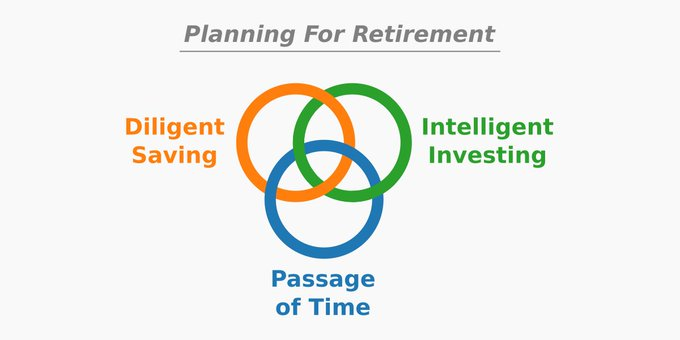
Most retired people will say one of the best things about leaving the job life is that work stress just stops. No deadlines, no bosses, no office drama. Another big plus is time—you suddenly have all the freedom to follow passions, travel, spend time with family, or pick up hobbies you once left behind during your busy working years.

But here’s the thing… while the stress ends, the steady income also stops. That’s where retirement planning really matters. If you don’t plan your money properly, your golden years might feel more like restrictions than freedom. The solution? Simple—investing in retirement plans or even a money back policy that gives financial independence and peace of mind.

Retirement Planning in India: Strategies, Schemes, and Benefits for a Financially Secure Future

What is Retirement Planning?

Retirement planning is basically preparing for life after you stop working for money. It’s not just about saving cash—it’s making sure you can live the life you want when a job becomes optional, not necessary.

Some main parts of retirement planning are:

  • Financial Independence: Building an income stream so you don’t stress about money.
  • Lifestyle Planning: Deciding how you’ll spend your time—travelling, hobbies, or maybe staying closer to family.
  • Healthcare Prep: Keeping aside money for medical expenses (trust me, they go up with age).
  • Security & Legacy: Protecting your assets and leaving something for your loved ones.

It usually starts with looking at your finances, estimating what you’ll need, setting goals, and creating a mix of investments to reach them.

Types of Retirement Plans in India

India has quite a few retirement schemes for different needs. Depending on your income, risk appetite, and goals, you can choose the best retirement plan in India that suits you. Some of the most common ones are:

  1. Employee Provident Fund (EPF)
    • A compulsory saving scheme for salaried employees.
    • Both you and your employer contribute a % of your salary.
    • Money grows over time, and you can take it when you retire.
  2. Public Provident Fund (PPF)
    • A 15-year government-backed scheme can extend in 5-year blocks.
    • Tax-free returns, super safe.
    • Good for people who like guaranteed returns.
  3. National Pension System (NPS)
    • Open for all citizens, a voluntary scheme.
    • Mix of equity, debt, and govt securities.
    • Extra tax benefits, too.
  4. Senior Citizens Savings Scheme (SCSS)
    • Only for people 60+.
    • Higher interest and quarterly payouts.
    • Great for regular post-retirement income.
  5. Atal Pension Yojana (APY)
    • Made for unorganized sector workers.
    • Fixed pension depending on contribution and age.
    • Ensures basic financial backup for those without pensions.

How Do Retirement Plans Work?

Retirement plans are basically long-term money strategies that make sure you’ve got a steady income and some financial safety when you stop working. They usually go through a certain process:

Contributions
Employees, and sometimes even the employer, keep putting money into the plan regularly. Over the years, this money piles up and becomes your retirement fund. How much goes in depends on what type of plan you have and your own choices.

Investments
The money collected doesn’t just sit there—it’s usually put into a mix of stuff like stocks, bonds, mutual funds, or other financial things. The idea is to grow that money over time, and compounding really helps in this part.

Tax Benefits
Lots of retirement plans also give you some tax benefits. Like, contributions can lower your taxable income. Some plans even let your money grow tax-deferred or sometimes tax-free, which means your savings grow quicker.

Accumulation Phase
While you’re still working, you just keep adding to the fund, and with compounding, it grows steadily in the background.

Withdrawal Phase
When you finally retire, you start pulling money out to pay for daily expenses. This stage needs good planning, though, so that the savings don’t finish too early.

Social Security
In some countries, there’s also social security from the government, which adds extra income support for retirees. It kinda works along with your retirement savings.

Employer Involvement
Many times, employers offer retirement benefits, too. Some even match what you put in up to a limit, which really boosts your retirement fund over the long run.

Why is Retirement Planning Important?

It’s not just about having money. It’s about freedom, dignity, and peace of mind. Some reasons:

  • Financial Stability: You won’t have to depend on the government.
  • Lifestyle Maintenance: Keeps your living standards the same.
  • Inflation Protection: Helps your money keep up with rising costs.
  • Healthcare: You’ll be ready for medical bills.
  • Peace of Mind: Just knowing your future is safe reduces stress.

Benefits of Retirement Planning

  1. Emergency Safety Net – For medical or sudden expenses.
  2. Better Returns – Start early, compounding works magic.
  3. Tax Advantages – Save money on taxes now and later.
  4. Cost Discipline – Encourages saving regularly.
  5. Peace of Mind – Secure retirement = less stress.
  6. Beats Inflation – Your savings won’t lose value.
  7. Private Sector Backup – No pensions? This is your pension.
  8. Legacy Building – Leave something for family.
  9. Option for Early Retirement – Stop working sooner if you want.
  10. Safeguards Assets – No need to sell gold or property in hard times.

Conclusion

Retirement should be about joy, freedom, and living life your way—not worrying about bills. With the right retirement plan, you can travel, relax, spend time with family, or just enjoy hobbies in peace.

The earlier you start, the better your future looks. Don’t delay—begin your retirement planning today.

What Are the Advantages of Using Glass Vials for Medical and Pharmaceutical Purposes?

0

The medical and pharmaceutical industries most commonly use glass vials. These are tough, chemically resistant and very good at maintaining the purity of their content. They are indispensable for packaging, storage and transportation. These vials are critical to holding pharmaceutical products, like life-saving medicines, as well as laboratory samples. This guide discusses the advantages of glass vials and their role in ensuring safety, quality, and reliability.

The Material Advantage: Why Glass Vials?

Glass is a versatile material that has stood the test of time in the pharmaceutical industry. It has the following unique properties, making it ideal for sensitive applications:

  • Chemical Stability: Borosilicate glass is chemically inert, meaning it does not interact with the substances it holds. This property is critical for medications, especially injectable drugs.
  • Resistance to contamination: Glass, unlike plastics, does not contaminate products and does not leach unhealthy chemicals into them.
  • Durability: Borosilicate glass vials are strong and can withstand most manipulation and storage conditions without affecting the integrity of their contents.
  • Versatility: It is available in clear or amber variants and is suitable for light-sensitive products.

Laboratory vials are available in a range of volumes, from 1 ml to 100 ml, which meet a wide variety of medical and laboratory needs.

Types of Glass Used in Pharmaceutical Vials

The quality and effectiveness of glass vials largely depend on the type of glass used in their manufacturing. Leading manufacturers like Borosil Scientific use high-quality global tubing sources like Schott glass tubing in their production. Here are the different types of glass used for making vials:

  • USP Type I Glass: This type is borosilicate glass. It has high resistance to thermal shock and chemical reactions. It is ideal for sensitive products such as vaccines, injectable drugs and biologics.
  • USP Type II and III Glass: This type is soda-lime glass. It is suitable for less reactive substances and is mainly used in oral medications. Syrups, tablets and powders.

Picking the right glass type ensures that the glass is compatible with the content and helps extend the shelf life of the product.

Applications of Glass Vials in Pharmaceuticals

Glass vials are used in a variety of pharmaceutical applications where the material is required to have specific properties. Listing some of the common use cases below:

Injectable Drugs

Glass vials are essential containers for injectable drugs, like vaccines, biologics, and antibiotics. To remain effective and safe for use on humans, such substances must remain completely sterile; otherwise, external contaminants may find their way into the chemical compound, threatening medical treatments. The non-reactive nature of glass ensures the stability of these complex compounds, preserving their chemical composition over time. This makes glass vials ideal for use in pharmaceuticals, where dependability and accuracy are of extreme importance.

Sample Storage in Laboratories

The safe storage of analytical samples and solutions in laboratories relies on glass vials. Analytical samples are sensitive to contamination, and the integrity of the sample must be preserved. In this regard, glass vials protect against cross-contamination and can withstand many environmental factors that might otherwise compromise the stored materials. The range of solvents and reagents to which they are compatible adds to their utility. They have, therefore, become a preferred choice for most sampling requirements in the laboratory where accuracy is important.

Chemical and Biochemical Research

The safe transportation and storage of volatile compounds are necessary for chemical and biochemical research. These materials require packaging that is highly resistant to chemicals and durable to stabilise the material while being handled. Amber-coloured glass vials are ideal for this application. The amber tint protects sensitive compounds from UV light, thus preserving their molecular integrity. This characteristic mainly makes amber glass vials especially useful for photodegradable compounds and an asset in highly advanced research applications.

Advantages of Glass Vials

Here’s a quick recap of the several advantages of using glass vials.

  • Good Strength: Glass vials are strong and resistant to mechanical stress and thermal fluctuations. This ensures that the product is safe from damage during transport and storage.
  • Sterility: Their impermeability to air and moisture keeps them sterile, which is vital for sensitive pharmaceuticals.
  • Protection from Light: Amber glass vials provide excellent protection against UV light, extending the shelf life of photosensitive medications.
  • Environmental Benefits: Unlike single-use plastics, glass vials can be recycled and reused, which contributes to sustainability objectives.

Special Treatments for Increased Performance

Some drugs, especially those that are sensitive to changes in pH, require special vials.


  • pH Resistance: Special treatments minimise interactions with acidic or basic contents.
  • Customisation Options: Vials can be equipped with identification bands or ceramic printing for easy traceability.

The use of high-quality treated glass ensures compatibility with various pharmaceutical formulations.

Tips for Easy Maintenance and Handling of Glass Vials

Handling glass vials with care is crucial to maximise their utility and maintain sterility. Follow the tips below to get the most out of your vials.

  • Regular examination for chips or cracks that could breach sterility is a given.
  • Rinse the vials in sterilised water before autoclaving, ensuring no residues remain.
  • Store in designated racks or compartments to prevent breakages during transfer.

Challenges of Using Glass Vials

Some of the challenges of using glass vials are:

  • Fragility: Even though glass is relatively strong, it can break if not handled properly.
  • Higher Costs: Glass vials cost more than plastics initially, but the benefit outweighs the price in the long run.
  • Heavier Weight: Glass is heavier than other materials, which raises transportation costs.

Glass Vials vs Other Packaging Materials

PropertyGlass Laboratory VialsPlastic Vials
Chemical ResistanceHigh, non-reactive with contentsModerate, can leach substances
DurabilityRobust but fragile under impactImpact-resistant but less durable
SterilityExcellent, impermeable to air and moistureLimited, prone to environmental exposure
Recyclability100% recyclable and reusableLimited, often single-use

Conclusion

Glass vials are a vital part of pharmaceutical and laboratory set ups. They provide chemical stability, sterility, and durability. This makes glass vials the best choice for storing and transporting sensitive materials. Their reliability is unparalleled, from injectable medications to laboratory research and chemical storage. Browse the range of tubular glass laboratory vials and other packaging materials that premium distributors such as Borosil Scientific offer before purchasing.

How to Choose the Right Kurta-Bundi Colour for Your Body Type?

0

When it comes to traditional Indian wear, nothing feels as graceful and versatile as a Kurta Bundi Set. The kurta gives comfort, while the bundi (waistcoat) adds an extra layer of style and elegance. But the secret to looking truly impressive lies in choosing the right colour that flatters your body type. Just like western wear, ethnic outfits also follow a few style rules. The right shade can make you look taller, slimmer, or more vibrant. The wrong one can do just the opposite.

If you’ve ever admired how a cream kurta looks on someone else, you can achieve the same charm by picking colours that suit your style and body type. With the right shade, your kurta-bundi can make you stand out effortlessly at any festive or wedding occasion.

Understanding Body Type and Colour

Body type isn’t just about size; it’s about proportion, height, and how you carry yourself. Pairing the right colours with your body type creates balance.

  • Dark shades: Known for their slimming effect. Ideal for broader builds.
  • Light shades: Add freshness and brightness. Great for leaner frames.
  • Contrasts: A light kurta with a dark bundi (or vice versa) can enhance height and structure.
  • Muted tones: Softer colours suit tall or broad men who don’t want to look overpowering.
  • Bright tones: Perfect for lean or average builds to add vibrancy and volume.

Once you grasp these basics, the kurta pajama set for men becomes more than just clothing; it becomes a statement.

Best Kurta-Bundi Colours for Slim Body Types

Men with a lean or slim body often look great in lighter or brighter colours. These tones give a fuller look, balancing the frame.

  • Pastels like mint green, powder blue, or peach add width visually.
  • Bright shades such as mustard yellow, turquoise, or even coral bring energy to the outfit.
  • Contrast bundis in darker hues like navy, maroon, or bottle green create structure, making the frame appear more defined.

Imagine a powder-blue kurta with a navy bundi—it instantly adds presence without being too loud. Slim men can also experiment with printed bundis since patterns make the body look broader.

Best Colours for Broad or Heavier Body Types

For men with broader shoulders or a stocky build, the aim is to create a balanced, sharp silhouette. Darker, deeper colours work best here.

  • Classic dark tones: Black, charcoal grey, deep blue, and maroon naturally slim down the frame.
  • Earthy hues: Olive, rust, or deep brown add richness without highlighting bulk.
  • Monotone sets: Wearing a kurta and bundi in similar shades, like a dark grey kurta with a charcoal bundi, elongates the look.

Avoid very shiny or bright colours, as they may exaggerate body width. Instead, focus on matte or textured fabrics in deeper shades.

Best Colours for Tall Men

If you’re tall, you have the luxury to play with both dark and light colours. The trick is to break the height with contrast so that you don’t look “too tall.”

  • Light kurtas: Light coloured kurtas like ivory, beige, or sky blue paired with bold bundis add balance.
  • Two-toned styling: A pastel kurta with a darker bundi works wonders for tall men, creating visual breaks.
  • Bold bundis: Bundis with embroidery or prints give proportion to a tall frame.

For example, a beige kurta with a deep maroon embroidered bundi is classy yet balanced for tall men.

Best Colours for Short Men

If you’re on the shorter side, choosing the right colours can help you look taller and sharper, making every outfit work in your favour!

  • Single-tone outfits: Wearing the kurta and bundi in similar shades, like navy-on-navy or grey-on-grey, helps create a longer, seamless look.
  • Vertical patterns: Striped or textured bundis add height visually.
  • Medium to dark shades: Colours like deep blue, black, bottle green, or steel grey elongate the frame.

Avoid too much contrast, like a very light kurta with a very dark bundi, as it cuts your height into sections. Instead, try pairing close-toned combinations.

Playing with Seasonal Colours

Festivals and weddings are often tied to seasons, and choosing colours with the season can enhance your appearance.

  • Summer weddings: Light shades like pastel yellow, mint green, peach, or ivory with floral bundis keep things cool and refreshing.
  • Winter events: Rich, darker shades like royal blue, wine, deep green, or black bring warmth and elegance.
  • Festive occasions: Don’t shy away from brighter tones like saffron, fuchsia, or emerald green; they bring vibrancy and stand out in gatherings.

Your Kurta Bundi Set can thus reflect not only your body type but also the festive mood.

Matching Bundi Colours with Skin Tone

Your skin tone can really change how a colour looks on you, so picking the right shades can make your Bundi pop!

  • Fair complexion: Almost all shades work well, but bright tones like turquoise, coral, and royal blue pop beautifully.
  • Wheatish complexion: Earthy shades like beige, rust, olive, and maroon add warmth. Avoid pale pastels that may wash out the skin.
  • Dusky complexion: Deep jewel tones like emerald, navy, and burgundy create a striking effect. Lighter neutrals like cream or ivory also work, especially when paired with a bold bundi.

Styling Tips Beyond Colour

While colour is the focus, styling your kurta pajama set with the right accessories makes a huge difference.

  • Footwear: Mojaris or leather juttis in complementary shades elevate the outfit.
  • Pocket squares: A contrasting pocket square adds a pop of colour.
  • Brooches and buttons: Small metallic accents on bundis make the look more festive.
  • Dupattas: A matching or contrasting dupatta can complete the traditional charm.

These little touches allow you to personalise the outfit even more.

When in Doubt, Go Neutral

Sometimes, simplicity wins. Neutral shades like cream, beige, and white never fail. Pair them with bold bundis in maroon, navy, or emerald to create a timeless look. Neutral kurtas are also highly versatile; you can mix and match them with multiple bundis to create fresh looks every time.

Why Brand Quality Matters?

Choosing the right colour is important, but so is the fabric, tailoring, and finishing of your outfit. Renowned brands like ETHNIX BY RAYMOND bring together heritage craftsmanship and modern designs, ensuring that every kurta and bundi feels as good as it looks at any festival or function. A well-made piece in the right shade not only complements your body type but also stays stylish for years to come.

Conclusion

The beauty of the Kurta Bundi Set lies in its adaptability. By selecting colours that match your body type, whether you’re slim, broad, tall, or short, you can create a look that enhances your natural frame. Slim men glow in lighter pastels, broad men look sharp in dark, earthy hues, tall men balance their height with contrasts, and shorter men benefit from monotone and vertical patterns.

Your kurta pajama outfit isn’t just a festive outfit; it’s a reflection of who you are and how you present yourself. And with the right colour choice, every celebration can be your runway.