Home Blog Page 191

How America Earns from India’s Tech Sector: A Breakdown of the Economic Ties

0

Every time an Indian engineer writes code for a Silicon Valley startup, or a Bengaluru firm troubleshoots a New York bank’s software, money quietly flows westward. India’s tech brilliance may be lighting up the global stage—but behind the scenes, the United States is cashing in. From billion-dollar outsourcing deals to student tuition and software royalties, America earns massively from India’s digital rise. This isn’t just a partnership—it’s a profit engine.

Indian Tech Powers American Business

India’s IT sector is one of the largest in the world, with companies like TCS, Infosys, Wipro, and HCLTech providing services to over 75% of Fortune 500 companies—most of which are headquartered in the United States.

According to a joint report by Nasscom and IHS Markit:

  • Indian tech firms generated $396 billion in U.S. sales in 2021
  • They contributed $198 billion to the U.S. economy, more than the combined GDP of 20 U.S. states
  • They directly employed 207,000 people in the U.S., with an average salary of $106,360 per year

Key Channels of U.S. Earnings from India

Here’s how the U.S. benefits financially:

ChannelDescription
Outsourcing ServicesU.S. companies pay Indian firms for IT services, but often resell them at higher margins domestically.
Corporate TaxesIndian firms operating in the U.S. pay taxes that support American infrastructure and programs.
STEM InvestmentsIndian companies have invested $1.1 billion in U.S. STEM education and workforce development.
Digital PlatformsU.S. tech giants like Google, Microsoft, and Amazon earn billions from Indian users via cloud services, ads, and app sales.
Education & IP RoyaltiesIndian students and businesses pay for U.S. education, software licenses, and intellectual property rights.

The Hidden Surplus

While trade debates often focus on goods, the real story lies in services and digital revenues. A 2025 report by the Global Trade Research Initiative (GTRI) revealed:

  • The U.S. earns $80–85 billion annually from India through services, education, and digital platforms
  • This creates a $35–40 billion surplus, contradicting claims of a trade deficit

Why It Matters

India’s tech sector is not just exporting code—it’s exporting value, jobs, and innovation. But the U.S. earns significantly from this relationship, often in ways that aren’t visible in traditional trade statistics. As India negotiates future trade deals, understanding these hidden flows of money and influence is crucial. It’s not just about exports—it’s about leverage

US HIRE Act 2025: Impact on Indian IT Industry and Students in STEM Fields

0

The United States has recently intensified its protectionist policies targeting global trade and immigration. The proposed Halting International Relocation of Employment (HIRE) Act 2025 aims to discourage outsourcing by imposing heavy taxes on foreign service providers. This legislation could reshape India’s IT exports and restrict opportunities for Indian students in US STEM fields.

What is the HIRE Act 2025?

The HIRE Act, introduced in the US Senate, proposes:

  • A 25% excise tax on payments made to foreign service providers.
  • A ban on tax deductions for such expenses.
  • A possible 50% duty on imported hardware.

These measures could increase the effective cost of offshored IT services by nearly 60% after taxes, making outsourcing to India less attractive for American companies.

Implications for the Indian IT Industry

India’s IT sector generates over 60% of its revenues from exports to the US. The HIRE Act directly threatens this model by making outsourcing costlier.

  • Large firms may absorb some of the impact due to long-term contracts.
  • Small and mid-sized IT companies could face survival challenges.
  • US firms might increase onshore hiring, but this comes with higher costs, expertise gaps, and operational risks.

Outsourcing remains 20–40% cheaper than onshore services, so while immediate disruptions are likely, long-term economic logic still favours hybrid outsourcing models.

Impact on Indian Students in the US

The broad definition of “foreign person” under the Act could affect international students, including F-1 visa holders under the OPT (Optional Practical Training) scheme.

  • Wages paid to foreign students could face higher taxes.
  • This may reduce job opportunities for Indian students in STEM fields.
  • Career prospects in areas like AI, cybersecurity, and semiconductor design could narrow despite high US demand.

US STEM Talent Shortage vs. Protectionism

The US faces a critical shortage of STEM graduates, particularly in emerging fields such as:

  • Artificial Intelligence (AI)
  • Cybersecurity
  • Semiconductor design

Indian graduates from US institutions are a key part of the tech workforce. Restricting them could hurt US innovation while limiting opportunities for Indian talent.

Strategic Response for India

To safeguard its workforce and IT exports, India must:

  • Diversify student destinations to Germany, Canada, Australia, and other countries.
  • Invest in deep technologies such as AI, biotechnology, and advanced R&D.
  • Support IT firms in developing resilient global business models less dependent on US outsourcing.

Future Outlook

Although the HIRE Act 2025 may face resistance from US corporate lobbyists, the current climate of protectionism increases its chances of approval. The potential risks to India’s IT industry and Indian students abroad are significant, demanding proactive strategies from policymakers and industry leaders.

Udaipur Earns Ramsar Wetland City Accreditation

0
Jaisamand Lake
Winter Capital of Udaipur

Udaipur, the famed “City of Lakes,” has been awarded the Ramsar Wetland City Accreditation, recognising its outstanding efforts in conserving urban wetlands and promoting sustainable management. The honour was conferred during the Swachh Vayu Sarvekshan Awards and Wetland Cities Recognition Ceremony organised by the Ministry of Environment. With this, Udaipur joins a select group of global cities committed to balancing urban growth with ecological preservation.

Why Wetlands Matter
Wetlands are often described as the “kidneys of the environment” by the Ramsar Convention. They act as natural filters, regulate floods, absorb pollutants, and provide habitat for diverse biodiversity. Beyond ecology, wetlands also sustain cultural traditions and local economies. However, urban wetlands face severe pressures from rapid city expansion, making their active management essential.

Criteria for Accreditation
The Ramsar Wetland City Accreditation demands strict compliance with conservation norms. Cities must demonstrate strong wetland protection policies, community engagement, integration of wetland zones in urban planning, biodiversity conservation, and sustainable livelihood promotion. Udaipur met these standards through decades of lake conservation efforts, public participation initiatives, and eco-tourism development.

Swachh Vayu Sarvekshan Awards 2025
The ceremony also recognised 130 cities under the National Clean Air Programme (NCAP). Indore topped the rankings with a perfect 200/200 score, while Jabalpur, Agra, Surat, Amravati, and Dewas were among the other high performers. Eleven cities were honoured for achievements in air quality, green transport, pollution control, and waste management.

Financial Push for Clean Air
To back clean air initiatives, ₹1.55 lakh crore has been mobilised across 130 cities—₹20,130 crore under NCAP and additional funds through central and state schemes. The support will strengthen tree plantation, e-vehicle adoption, waste-to-energy projects, and real-time air quality monitoring.

India’s Wetland Progress
India now has 91 Ramsar sites, the highest in Asia and third worldwide, covering 1.36 million hectares. National campaigns like Mission Amrit Sarovar and Ek Ped Maa Ke Naam focus on restoring water bodies and mass afforestation. Udaipur’s global recognition highlights the success of combining community participation, eco-tourism, and modern urban planning with traditional conservation practices.

Do you know Where Is The lord Shiva’s Tallest Statue? Its Not In India, Know All About It…..

0

(PC: indiatoday)


In a historic celebration of faith and cultural heritage, the Bhavani Shankar Mandir in Brampton unveiled a 54-foot-tall statue of Lord Shiva, now officially the tallest Shiva statue in North America. Towering above Nexus Avenue, the statue has instantly become a spiritual landmark and a symbol of the South Asian community’s growing presence in Canada.

Sculpted by a Master, Powered by the People

The statue was designed and sculpted by Naresh Kumar Kumawat, a renowned artist from Rajasthan, India, whose work spans over 80 countries and includes more than 200 monumental sculptures. Kumawat is also the creative force behind:

  • The 55-foot Hanuman statue at Hindu Sabha Mandir, Brampton
  • The 51-foot Ram statue at Hindu Heritage Centre, Mississauga
  • A 75-foot Samudra Manthan mural in India’s new Parliament building
  • The 369-foot Shiva statue in Nathdwara, Rajasthan—one of the tallest in the world

The Brampton Shiva statue was constructed over two years, assembled in multiple pieces, and features Lord Shiva in his meditative pose with blue skin, a trident (trishul), a staff, and a serpent around his neck.

A Community-Led Triumph

The project was made possible through grassroots fundraising, generous donations, and volunteer labor. The unveiling ceremony included a Rath Yatra procession, traditional consecration rites, and collective chanting of “Har Har Mahadev,” drawing thousands of devotees from across the Greater Toronto Area.

More Than a Monument

Visible from multiple vantage points across Brampton, the statue is expected to become a major tourist and spiritual destination, especially during weekend pujas and festivals when the temple plaza comes alive with processions, flower offerings, and devotional music. For Canada’s Indian diaspora, the installation is more than architectural—it’s a living symbol of heritage, resilience, and identity, bridging continents and generations

India Is The World’s Third-Largest Startup Ecosystem Shining with 73 Unicorns in 2025

0

India has solidified its position as the world’s third-largest startup ecosystem, boasting 73 unicorn companies valued at $1 billion or more, according to the Hurun India Unicorn Report 2025. From fintech to quick-commerce, these startups are driving innovation and economic growth, with Bengaluru, Delhi-NCR, and Mumbai emerging as key hubs. Here’s a closer look at India’s vibrant startup landscape and its leading players.

India Is The World’s Third-Largest Startup Ecosystem Shining with 73 Unicorns in 2025

A Thriving Ecosystem of UnicornsIndia’s startup scene continues to flourish, with 73 unicorns collectively shaping industries and creating thousands of jobs.

Top-Valued Unicorns Lead the Charge

Zerodha: Valued at $8.2 billion, this Bengaluru-based stockbroking giant, founded in 2010 by Nithin and Nikhil Kamath, reigns as India’s most valuable startup, revolutionizing wealth creation for millions.

Razorpay and Lenskart: Both valued at $7.5 billion, Razorpay (fintech, founded 2014 by Harshil Mathur and Shashank Kumar) and Lenskart (eyewear, founded 2010 by Peyush Bansal and others) are transforming digital payments and eyewear retail, respectively. Lenskart, headquartered in Gurugram, employs over 17,600 people, making it a significant employer.

Groww: This investment platform, founded in 2016 by Harsh Jain, Ishan Bansal, Lalit Keshre, and Neeraj Singh, reached a $7 billion valuation with an impressive 119% revenue growth, reinforcing fintech’s dominance.

Rising Stars and New Entrants

The report highlights 11 new unicorns in 2025, showcasing the ecosystem’s dynamic growth. Among the standout performers:

Zepto: Founded in 2021 by Aadit Palicha and Kaivalya Vohra, this quick-commerce brand is valued at $5.9 billion, with a remarkable 120% revenue growth, cementing its status as one of India’s fastest-scaling consumer internet companies.

OYO: Founded in 2013 by Ritesh Agarwal, this Gurugram-based hospitality unicorn, valued at $5 billion, has raised $3.7 billion in funding, making it one of India’s most-funded startups.

InMobi: A global leader in mobile advertising, founded in 2007 and valued at $5 billion, this AdTech pioneer continues to innovate in monetization.

OfBusiness: Valued at $5 billion, this Gurugram-based B2B platform, founded in 2015, employs 17,000 people, highlighting its role as a top employer.

Icertis: A SaaS leader in contract lifecycle management, founded in 2009 and valued at $5 billion, competing globally.

Meesho: Founded in 2015 by Sanjeev Barnwal and Vidit Aatrey, this e-commerce platform, valued at $3.9 billion, empowers small sellers and entrepreneurs across India.

Geographic Powerhouses

Bengaluru leads as India’s unicorn capital, hosting the highest number of these high-value startups. Delhi-NCR follows closely, with Gurugram-based companies like Lenskart, OYO, and OfBusiness driving growth. Mumbai also remains a critical hub, fostering innovation in fintech and beyond.

A Bright Future for Indian Startups

India’s 73 unicorns in 2025 reflect a robust and evolving startup ecosystem, fueled by innovation, diverse sectors, and strong geographic hubs. With companies like Zerodha, Razorpay, and Zepto leading the charge, and new unicorns emerging, India continues to assert its global influence, blending entrepreneurial spirit with economic impact.

Kim Jong Un Grooms Daughter Kim Ju Ae as North Korea’s Next Leader: A Shift from Tradition

0

In a significant development for North Korea’s leadership dynamics, recent reports and a September 2025 assessment by South Korea’s National Intelligence Service (NIS) indicate that Kim Jong Un is actively positioning his daughter, Kim Ju Ae, as his most likely successor. At just around 12 years old, Ju Ae’s rapid rise in prominence signals a potential break from the regime’s longstanding tradition of male-only rulers, raising questions about the future of the Kim dynasty in a deeply patriarchal society.

Mounting Evidence of Succession Planning

Kim Ju Ae’s emergence as a potential heir has been marked by a series of calculated public and international exposures, designed to solidify her role within the North Korean elite.

High-Profile Appearances and Growing Visibility

Since her first public appearance in late 2022 at a ballistic missile test site, Kim Ju Ae has become a fixture at key state events. Her presence has expanded beyond military demonstrations to include economic development projects, diplomatic summits, and grand military parades. This deliberate escalation in visibility underscores a grooming process aimed at familiarizing her with the levers of power, from domestic policy to national defense. Analysts note that such frequent outings are unprecedented for a child of her age in North Korean history, suggesting a clear intent to cultivate public familiarity and loyalty.

Landmark International Debut

A pivotal moment came in September 2025 when Ju Ae accompanied her father on his first known overseas trip with her, attending a high-stakes military parade in Beijing. There, Kim Jong Un met with Chinese President Xi Jinping and Russian President Vladimir Putin, showcasing North Korea’s alliances amid global tensions. This debut is widely interpreted by experts as a strategic introduction to international diplomacy, providing Ju Ae with invaluable exposure to world leaders and protocol. Unlike previous generations of Kim heirs, who were shielded until adulthood, this early immersion positions her as a forward-thinking figure ready for the complexities of global relations.

Elevated Portrayal in State Media

North Korean state media has played a crucial role in elevating Ju Ae’s status, employing honorifics typically reserved for the nation’s supreme leaders. Terms like “beloved child,” “respected,” and “great person of guidance” have been used in official broadcasts and publications, signaling her as more than a mere family member. This linguistic elevation mirrors the reverence once afforded to Kim Jong Un himself during his grooming phase, reinforcing perceptions of her as the designated successor.

Official Assessment from South Korean Intelligence

The NIS’s comprehensive analysis, released in September 2025, cements Ju Ae’s position as the “front runner” for leadership. Drawing from intelligence on her activities, protocol treatment, and media coverage, the agency concludes that Kim Jong Un is prioritizing her over other potential heirs. Notably, the NIS has dismissed circulating rumors of an older son being secretly trained for power, labeling them as unsubstantiated and likely propaganda distractions. This assessment highlights the regime’s focus on dynastic stability amid internal and external pressures.

Challenging Patriarchal Norms in North Korea

Ju Ae’s potential ascension represents a profound challenge to North Korea’s entrenched male-dominated leadership structure, potentially reshaping the country’s political landscape.

Breaking from Historical Precedent

For over seven decades, the Kim family has maintained power through a strictly patrilineal line, with leadership passing from grandfather Kim Il Sung to father Kim Jong Il, and then to son Kim Jong Un. Ju Ae’s rise defies this tradition in a society steeped in Confucian values that prioritize male authority. Her prominence at military events—symbols of masculine power—serves as a bold statement, gradually eroding cultural resistance to female leadership and signaling a pragmatic evolution in the regime’s survival strategy.

Strategic Public Image Building

Kim Jong Un’s approach appears meticulously planned, with Ju Ae’s appearances at military and economic sites serving to build her credentials across key sectors. This multifaceted exposure not only humanizes her to the North Korean populace but also counters any perceptions of inexperience due to her youth and gender. By associating her with national pride and strength, the regime is fostering an image of continuity and resilience, essential in a nation facing economic sanctions and isolation.

Early Diplomatic Exposure and Elite Integration

Unlike Kim Jong Un, who inherited power with limited prior international experience, Ju Ae is being integrated into the diplomatic fold from an early age. The Beijing trip, in particular, offered her hands-on “protocol experience,” allowing her to observe high-level negotiations and alliances firsthand. This positions her as a core member of the ruling elite, potentially mitigating risks of power vacuums or rival factions upon her father’s eventual succession.

How Sleep Detoxifies Your Brain: The Power of the Glymphatic System

0

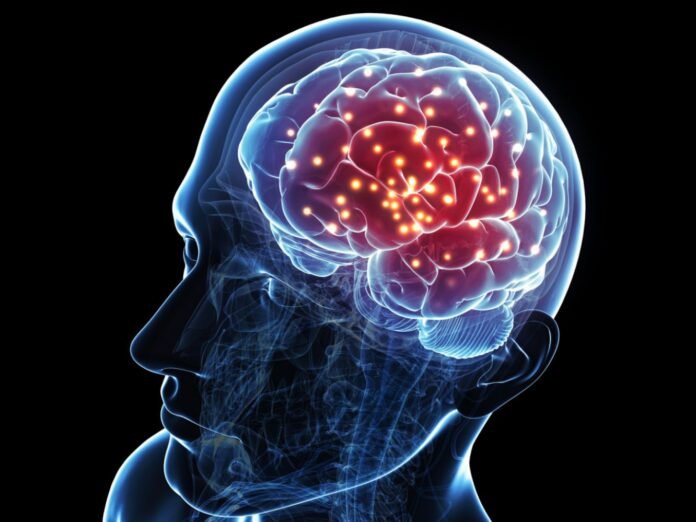
Sleep is often hailed as a cornerstone of health, but its role in detoxifying the brain is a fascinating and critical aspect of its importance. The glymphatic system, a remarkable network in the brain, acts as a waste removal system, clearing out toxins and metabolic byproducts that accumulate during wakefulness. This process, which is most active during sleep, is vital for maintaining brain health and preventing neurodegenerative diseases like Alzheimer’s. Here’s a closer look at how the glymphatic system works and why quality sleep is essential for a healthy brain.

How Sleep Detoxifies Your Brain: The Power of the Glymphatic System

The Glymphatic System: Your Brain’s Waste Removal Network

The glymphatic system serves as the brain’s dedicated “trash collector,” ensuring that harmful metabolic waste is flushed out to keep the brain functioning optimally.

A Fluid-Based Cleaning System: The glymphatic system relies on cerebrospinal fluid (CSF), a clear fluid that circulates through the brain’s tissues. Fresh CSF flows into the brain through channels surrounding arteries, picking up metabolic waste as it moves.

Cellular Changes During Sleep: During sleep, brain cells undergo a temporary reduction in size, creating more space between them. This allows CSF to flow more freely, enhancing the efficiency of waste removal.

Waste Elimination: Once the CSF collects the brain’s metabolic byproducts, it carries this waste out of the brain and into the bloodstream, where it is processed and removed from the body.

This intricate system ensures that the brain remains free of harmful substances that could impair its function over time.

The Crucial Role of Sleep in Brain Detoxification

The glymphatic system is most active during sleep, making rest a non-negotiable part of brain health.Peak Activity During Sleep: The cleansing process is significantly more effective when you’re asleep, as the brain’s cellular environment is optimized for waste clearance.

The Power of Deep Sleep: Deep sleep, a stage of non-rapid eye movement (NREM) sleep, is particularly critical for maximizing the glymphatic system’s efficiency. During this phase, the brain undergoes the most significant cellular changes that facilitate toxin removal.

Consequences of Sleep Deprivation: Without adequate sleep, the glymphatic system struggles to clear toxins effectively. This can lead to the accumulation of harmful proteins like beta-amyloid, a key contributor to Alzheimer’s disease

Why Brain Detoxification Matters

The glymphatic system’s ability to clear toxins during sleep has profound implications for long-term brain health.

Preventing Toxic Buildup: Regular, high-quality sleep ensures that metabolic byproducts, such as beta-amyloid, are efficiently removed. This prevents the buildup of substances that can damage brain cells and impair cognitive function.

Protecting Against Neurodegenerative Diseases: By maintaining a clean brain environment, the glymphatic system helps reduce the risk of neurodegenerative disorders. Poor sleep, on the other hand, disrupts this process and increases vulnerability to conditions like Alzheimer’s.

Prioritize Sleep for a Healthier Brain

The glymphatic system highlights the profound connection between sleep and brain health. By activating this waste removal network during sleep, your brain stays clear of harmful toxins, protecting against cognitive decline and neurodegenerative diseases. To harness the full benefits of this natural detoxification process, prioritize consistent, high-quality sleep—especially deep sleep. A well-rested brain is a healthier brain, ready to tackle the challenges of each new day

EPFO 3.0 Set To Revolutionize PF Withdrawals With UPI And ATM Access Before This Diwali

0

In a landmark move poised to transform the way millions of Indians access their Provident Fund (PF), the Employees’ Provident Fund Organisation (EPFO) is gearing up to launch its much-anticipated Version 3.0—a tech-forward upgrade that promises instant PF withdrawals via UPI and ATM, along with a suite of digital services aimed at simplifying claims and account management. According to recent reports, the rollout is expected to take place before Diwali 2025, bringing festive cheer to over 80 million EPFO subscribers who have long awaited a more seamless and accessible experience.

What’s New in EPFO 3.0?

  • Instant PF Withdrawals via ATM & UPI: Members will receive PF-linked withdrawal cards, enabling them to access funds just like a bank ATM. UPI integration will allow real-time transfers to linked bank accounts.
  • Auto-Claim Settlements: No more waiting weeks for claim approvals—EPFO 3.0 aims to automate the process, reducing delays and paperwork.
  • Digital Corrections & OTP Verification: Subscribers can update account details and mandates using secure OTP-based authentication, eliminating the need for physical visits.
  • Mobile-First Monitoring: Users will be able to check PF balances and pension entitlements directly through UPI platforms.

Timeline & Approval

Union Labour and Employment Minister Mansukh Mandaviya has reportedly chaired meetings to finalize the rollout strategy, with the National Payments Corporation of India (NPCI) already giving its nod to the integration of UPI-based withdrawals. While an official launch date is yet to be announced, sources suggest the rollout will be confirmed in a high-level meeting scheduled for October’s second week.

Why It Matters

This upgrade marks a significant leap in India’s digital social security infrastructure. By eliminating cumbersome form-filling and enabling real-time access to funds, EPFO 3.0 aligns with the government’s broader push for tech-enabled citizen services.

How Sleep Detoxifies Your Brain: The Power of the Glymphatic System

0
How Sleep Detoxifies Your Brain: The Power of the Glymphatic System

(PC:drberg)

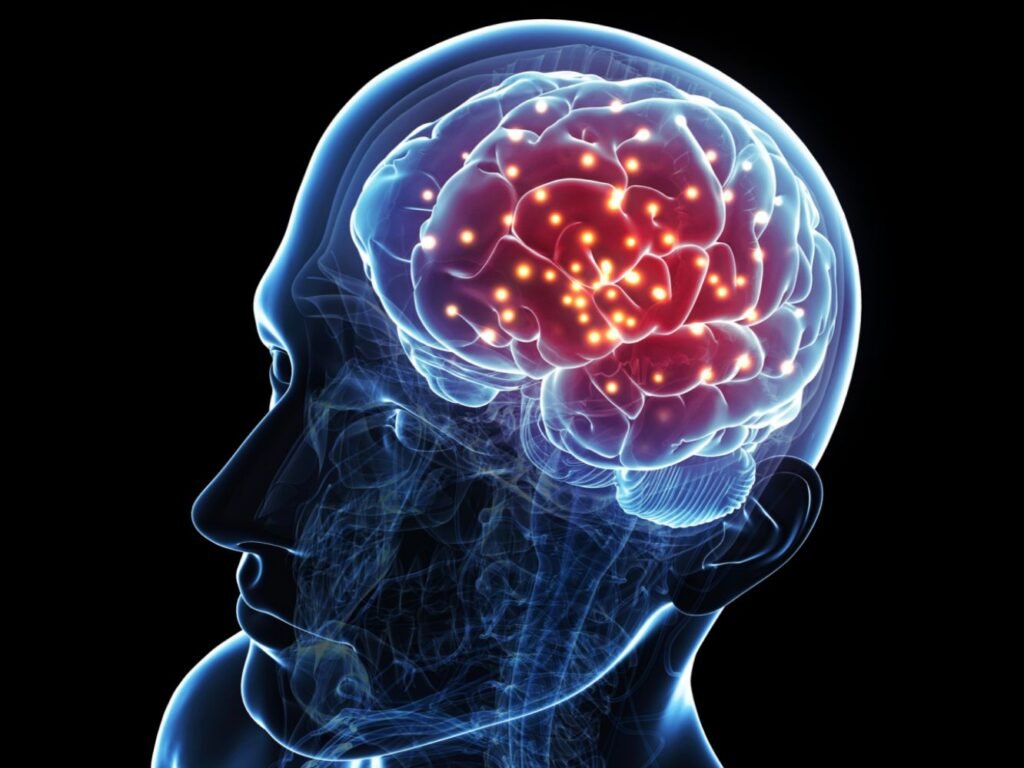
Sleep is often hailed as a cornerstone of health, but its role in detoxifying the brain is a fascinating and critical aspect of its importance. The glymphatic system, a remarkable network in the brain, acts as a waste removal system, clearing out toxins and metabolic byproducts that accumulate during wakefulness. This process, which is most active during sleep, is vital for maintaining brain health and preventing neurodegenerative diseases like Alzheimer’s. Here’s a closer look at how the glymphatic system works and why quality sleep is essential for a healthy brain.

The Glymphatic System: Your Brain’s Waste Removal Network

The glymphatic system serves as the brain’s dedicated “trash collector,” ensuring that harmful metabolic waste is flushed out to keep the brain functioning optimally.

A Fluid-Based Cleaning System: The glymphatic system relies on cerebrospinal fluid (CSF), a clear fluid that circulates through the brain’s tissues. Fresh CSF flows into the brain through channels surrounding arteries, picking up metabolic waste as it moves.

Cellular Changes During Sleep: During sleep, brain cells undergo a temporary reduction in size, creating more space between them. This allows CSF to flow more freely, enhancing the efficiency of waste removal.

Waste Elimination: Once the CSF collects the brain’s metabolic byproducts, it carries this waste out of the brain and into the bloodstream, where it is processed and removed from the body. This intricate system ensures that the brain remains free of harmful substances that could impair its function over time. The Crucial Role of Sleep in Brain Detoxification. The glymphatic system is most active during sleep, making rest a non-negotiable part of brain health. Peak Activity During Sleep: The cleansing process is significantly more effective when you’re asleep, as the brain’s cellular environment is optimized for waste clearance.

The Power of Deep Sleep: Deep sleep, a stage of non-rapid eye movement (NREM) sleep, is particularly critical for maximizing the glymphatic system’s efficiency. During this phase, the brain undergoes the most significant cellular changes that facilitate toxin removal.

Consequences of Sleep Deprivation: Without adequate sleep, the glymphatic system struggles to clear toxins effectively. This can lead to the accumulation of harmful proteins like beta-amyloid, a key contributor to Alzheimer’s disease

Why Brain Detoxification Matters

The glymphatic system’s ability to clear toxins during sleep has profound implications for long-term brain health.

Preventing Toxic Buildup: Regular, high-quality sleep ensures that metabolic byproducts, such as beta-amyloid, are efficiently removed. This prevents the buildup of substances that can damage brain cells and impair cognitive function.

Protecting Against Neurodegenerative Diseases: By maintaining a clean brain environment, the glymphatic system helps reduce the risk of neurodegenerative disorders. Poor sleep, on the other hand, disrupts this process and increases vulnerability to conditions like Alzheimer’s.

Prioritize Sleep for a Healthier Brain

The glymphatic system highlights the profound connection between sleep and brain health. By activating this waste removal network during sleep, your brain stays clear of harmful toxins, protecting against cognitive decline and neurodegenerative diseases. To harness the full benefits of this natural detoxification process, prioritize consistent, high-quality sleep—especially deep sleep. A well-rested brain is a healthier brain, ready to tackle the challenges of each new day

NASA’s Perseverance Rover Uncovers Potential Signs of Ancient Life on Mars

0

In a discovery that could reshape humanity’s understanding of life beyond Earth, NASA’s Perseverance rover has unearthed tantalizing clues of ancient microbial life on Mars. The six-wheeled robotic explorer, currently navigating the Jezero Crater—a once water-rich basin—has collected a reddish mudstone sample that scientists say may contain a “potential biosignature”.

The Rock That Could Rewrite History

Dubbed “Sapphire Canyon,” the sample was drilled from a rock formation named “Cheyava Falls” in July 2024. This fine-grained, rusty-red stone bears unusual ring-shaped features—nicknamed “leopard spots”—and dark specks resembling poppy seeds. These textures, scientists believe, may have formed through chemical reactions involving microbes billions of years ago when the crater was a lakebed.

What Makes This Sample Special?

The rock is rich in organic carbon, sulfur, phosphorus, and oxidized iron—elements that, on Earth, are often associated with biological activity. Two minerals detected in the sample, vivianite and greigite, typically form through microbial metabolism in muddy lake environments. While these minerals can also emerge through nonbiological processes, researchers say the absence of extreme heat or acidity in the Martian environment makes a biological origin more plausible.

NASA’s Verdict: Cautious Optimism

“This very well could be the clearest sign of life that we’ve ever found on Mars,” said Acting NASA Administrator Sean Duffy at a press briefing. However, NASA scientists are careful not to claim definitive proof. “It’s not life itself,” emphasized Nicky Fox, associate administrator for NASA’s Science Mission Directorate. “It’s a potential biosignature—something that could have been formed by life, but also could have formed without it”.

Peer-Reviewed and Published

The findings were published in the journal Nature after a year-long peer review, marking a major milestone in the Mars 2020 mission’s quest to determine whether the Red Planet ever supported life.

What’s Next?

The sample remains sealed inside Perseverance, awaiting a future Mars Sample Return mission that could bring it to Earth for deeper analysis. If confirmed, this discovery could be the first concrete evidence that life once existed beyond our planet.