Home Blog Page 189

The Significance of Shraddha: Honoring Ancestors During Pitru Paksha

0

PC:( Webduniya)

Shraddha, also known as Pitru Paksha, is a significant Hindu ritual dedicated to honoring and appeasing the souls of departed ancestors. Observed from the full moon day (Purnima) of the Bhadrapada month to the new moon day (Amavasya) of the Ashwin month, this 16-day period holds immense spiritual importance in Hindu tradition. During this time, families perform rituals to express gratitude, offer food, water, and other essentials, and seek blessings from their forefathers. The practice is rooted in the belief that ancestors visit the earthly realm during Pitru Paksha, accepting offerings and bestowing blessings on their descendants.

The Meaning and Purpose of Shraddha

The Sanskrit word Shraddha embodies the essence of faith, trust, or devotion, but in its ritualistic context, it refers to the formal act of paying homage to departed ancestors. This significant practice, observed in Hinduism, Buddhism, and Jainism, aims to honor forefathers, seek their blessings, and ensure the peaceful journey of their souls in the afterlife. Shraddha is a deeply spiritual tradition that reflects gratitude and reverence for those who have shaped one’s lineage, fostering a connection between the living and the departed.

Rituals of Pitru Paksha: Nourishing Ancestral Souls

During Pitru Paksha, a 16-day period dedicated to ancestors, Shraddha rituals involve offering food, water, and prayers to appease and nourish the souls of pitaras (ancestors), believed to reside in other realms after death. These rituals, performed with devotion, facilitate the ancestors’ journey toward higher realms or moksha (liberation) while expressing gratitude for their legacy. Practices like tarpan (offering water) and pindadan (offering rice balls) sustain the subtle forms of ancestors, ensuring their peaceful transition and fulfilling the sacred debt owed to those who came before. By seeking blessings for the family’s prosperity and well-being, Shraddha strengthens the eternal bond between generations

The Historical Roots of Shraddha

The tradition of Shraddha finds its origins in ancient texts, particularly the Mahabharata. According to the Anushasana Parva of the Mahabharata, the concept of Shraddha was established during this era. Sage Atri and Maharishi Nimi played pivotal roles in shaping this ritual. Legend has it that Maharishi Nimi, grieving the loss of his son, was the first to perform Shraddha under the guidance of Sage Atri. This act was aimed at invoking and honoring ancestors, ensuring their peace and blessings. The ritual underscores the importance of familial bonds and the sacred duty of descendants to honor their lineage.

The Legend of Karna: A Lesson in Ancestral Reverence

A popular tale associated with Pitru Paksha revolves around Karna, a prominent figure from the Mahabharata. After his death, when Karna’s soul reached heaven, he was offered gold and jewels instead of food. Perplexed, he questioned Lord Indra, who explained that while Karna had generously donated gold during his lifetime, he had never offered food to his ancestors. Unaware of his ancestral lineage, Karna had not performed Shraddha. To rectify this, Indra granted Karna 16 days to return to Earth, during which he performed Shraddha, offering food and water to his ancestors through tarpan (ritual offerings). This period came to be known as Pitru Paksha, symbolizing the importance of honoring one’s forefathers.

The Spiritual Essence of Pitru Paksha

Pitru Paksha is a deeply spiritual practice aimed at ensuring the peace and salvation of departed souls. Hindus believe that during these 16 days, ancestors descend to the earthly plane to receive offerings from their descendants. By performing Shraddha rituals, which include offering food, water, and donations, families express their devotion and gratitude. These acts are believed to satisfy the ancestors, who, in turn, bless their families with prosperity, health, and happiness. The ritual also reinforces the cultural value of filial duty, emphasizing the eternal bond between generations.

A Tradition of Gratitude and Blessings

Shraddha or Pitru Paksha is more than a religious observance; it is a heartfelt expression of respect and gratitude toward one’s ancestors. Through rituals rooted in ancient scriptures and enriched by stories like Karna’s, this tradition highlights the importance of remembering and honoring those who came before us. As families come together to perform these sacred rites, they not only seek the spiritual well-being of their ancestors but also strengthen the bonds of love and duty that connect the past, present, and future.
Haritha Karma Sena: Kerala’s Women-Led Revolution in Waste Management

0

(PC: Open digest )

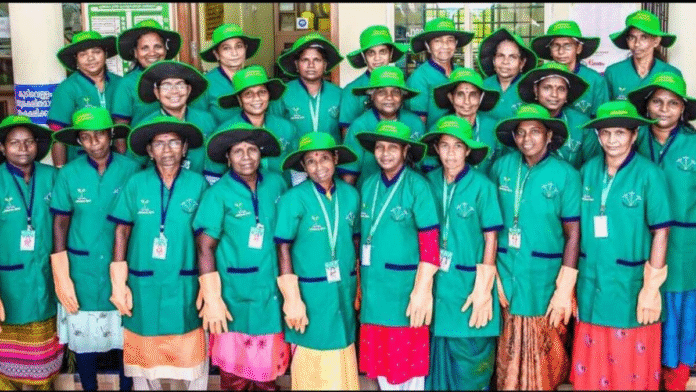
Kerala’s Haritha Karma Sena (HKS), a formidable network of over 37,000 women, has emerged as the backbone of the state’s waste management system, driving sustainability and economic empowerment as of September 2025. With remarkable achievements in waste collection, technological integration, and women’s entrepreneurship, the initiative is reshaping Kerala’s environmental landscape while uplifting thousands of lives. Despite its successes, challenges like public awareness and participation persist, prompting innovative solutions to ensure a cleaner, greener future.

A Milestone in Waste Collection

In the financial year 2024–2025, the Haritha Karma Sena collected an impressive 1.52 lakh tonnes of non-biodegradable waste, covering 95% of households and shops across Kerala. This extensive doorstep collection effort underscores the initiative’s efficiency and reach. A standout achievement comes from Perinthalmanna, the first municipality in Malappuram district to achieve 100% doorstep waste service. Adding to its success, the municipality generates electricity from organic waste through a Bio Shakti plant, setting a model for sustainable waste-to-energy solutions.

Empowering Women, Building Entrepreneurs

At its core, the HKS is more than a waste management program—it’s a movement for women’s economic empowerment. Employing over 37,000 women, the initiative has transformed lives by providing stable incomes ranging from ₹10,000 to ₹25,000 per month for many members. The state government has further bolstered this effort with a new scheme promoting entrepreneurial ventures, such as producing cloth bags and organic fertilizers, enabling HKS members to turn waste into viable income streams. This focus on entrepreneurship is fostering financial independence and creating role models for women across Kerala.

A heartwarming example of the Sena’s integrity came from Kochi’s Kumbalangi, where two HKS workers found and returned diamond jewelry worth over ₹4.5 lakh, earning widespread praise for their honesty and dedication.

Technological and Policy Innovations

The HKS has embraced technology to streamline operations, with the Haritha Mitram app now fully implemented in select areas to enhance waste management and monitoring. This digital tool ensures transparency and efficiency, allowing real-time tracking of collection efforts. On the policy front, the state has cracked down on littering, collecting ₹9.55 crore in fines over the past five months, as confirmed by Minister M.B. Rajesh. These funds are being reinvested to strengthen waste management infrastructure.

Addressing Challenges, Scaling New Heights

While Kerala’s solid waste management system is maturing, challenges remain in managing liquid and sanitary waste. To address this, the state is establishing regional treatment plants to ensure comprehensive waste processing. Additionally, Minister Rajesh has emphasized the need for greater public awareness and participation, which remain low despite the HKS’s widespread success. Campaigns are underway to educate communities and encourage active involvement in waste segregation and disposal.

A Vision for a Sustainable Future

The Haritha Karma Sena stands as a shining example of how environmental goals and social empowerment can converge. By combining waste management with women’s economic upliftment, Kerala is setting a global benchmark for sustainable development. As the state continues to innovate with technology, expand treatment facilities, and engage communities, the HKS is poised to lead Kerala toward a cleaner, more equitable future, proving that waste can indeed be transformed into wealth.

Mizoram Gets First Railway Line: Bairabi–Sairang Rail Project Opens New Era of Connectivity

0

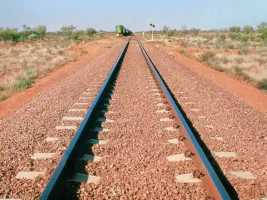
The inauguration of Mizoram’s first railway line marks a historic milestone in the infrastructure development of India’s Northeast. Prime Minister Narendra Modi formally opened the Bairabi–Sairang broad-gauge railway line, a 51.38-km stretch that directly connects the state capital, Aizawl, to the national railway network for the first time. The project is a key enabler of the government’s Act East Policy, enhancing both regional and cross-border connectivity.

Project Overview

Sanctioned in 2008–09 and launched in 2015, the rail line was built at a cost of approximately ₹8,070 crore. The engineering challenges were immense, with the alignment passing through difficult Himalayan terrain. Nearly 54% of the route lies in tunnels and bridges, comprising 45 tunnels, 55 major bridges, and 87 minor bridges.

A highlight of the project is Bridge No. 144 near Sairang, which, at 114 metres, is now the tallest pier railway bridge in India. Engineers also had to overcome complex geological hurdles, including stabilising loose sand formations to ensure tunnel safety.

Strategic Importance

The new line connects Bairabi on the Assam–Mizoram border to Sairang, just 20 km from Aizawl. With this, Mizoram becomes the fourth northeastern state capital after Guwahati, Agartala, and Itanagar to secure direct rail connectivity.

The railway is expected to improve logistics, reduce travel time, and boost tourism. It will also ensure the smoother supply of essentials like food grains, fuel, and fertilisers, which are vital for economic growth and social welfare in the state.

New Train Services

To mark the inauguration, three long-distance train services were flagged off:

  • Sairang–Delhi Rajdhani Express (weekly) – linking Mizoram directly to the national capital.
  • Sairang–Guwahati Express (daily) – improving regional mobility within the Northeast.
  • Sairang–Kolkata Express (thrice weekly) – providing a crucial link to eastern India.

These trains will enhance both passenger convenience and freight movement, bringing Mizoram closer to India’s major urban and economic hubs.

Complementary Infrastructure Projects

Alongside the rail line, PM Modi announced ₹9,000 crore worth of infrastructure projects for Mizoram. These include:

  • The 45-km Aizawl Bypass Road to ease city traffic.
  • Upgraded regional roads such as Thenzawl–Sialsuk and Khankawn–Rongura, strengthening trade corridors.
  • The Chhimtuipui Bridge, designed to improve all-weather access and support cross-border trade under the Kaladan Multimodal Transit framework.

Other projects include a new LPG bottling plant, modern sports facilities, and educational institutions under central government schemes, aimed at improving living standards and creating opportunities for the youth.

Economic and Social Benefits

The Bairabi–Sairang railway line and associated projects are expected to generate jobs, stimulate trade, and boost tourism. Easier transport of agricultural produce and manufactured goods will open new markets for Mizoram’s farmers and entrepreneurs.

Above all, the initiative reflects the government’s broader vision of integrating the Northeast with India’s economic mainstream while strengthening ties with neighbouring Southeast Asian countries. For Mizoram, this marks the beginning of a new chapter of growth, connectivity, and opportunity.

Russia Launches mRNA-Based Cancer Vaccine Enteromix, Free for Patients in 2025

0

Big news for cancer patients! Russia has developed a breakthrough vaccine named Enteromix, designed to fight cancer using mRNA technology—the same method used in COVID-19 vaccines. Initial trials have shown highly promising results, with the vaccine training the body’s own immune system to detect and destroy cancer cells.

Cancer Vaccine Price: How Much Will It Cost?

According to Russian health authorities, one dose of the Enteromix cancer vaccine costs around 300,000 rubles (approx. $2,869 / ₹2.39 lakh). However, the Russian government has announced that the vaccine will be provided completely free of cost to patients within the country.

For people outside Russia, the price per dose could be significantly high once it is rolled out globally. The vaccine is expected to launch for clinical use by early 2025, bringing new hope for millions battling cancer.

What is Enteromix?

Enteromix has been developed jointly by Russia’s National Medical Research Radiology Center and the Engelhardt Institute of Molecular Biology. Unlike traditional cancer treatments such as chemotherapy and radiation—which often come with severe side effects—Enteromix works by stimulating the body’s immune system to target cancer cells.

A unique feature of Enteromix is that it is personalized according to the patient’s RNA profile. This means the vaccine is designed to match the genetic signature of each patient’s tumor, making treatment more precise and effective.

How Does the mRNA Cancer Vaccine Work?

The Enteromix vaccine is built on mRNA technology. Here’s how it works:

  • The vaccine introduces specific genetic instructions into the body.
  • These instructions train the immune system to identify and attack cancer cells.
  • Unlike chemotherapy, which kills healthy cells along with cancer, Enteromix selectively empowers the immune system, reducing harmful side effects.

This approach has shown near 100% efficacy in initial trials, making it one of the most promising cancer therapies to date.

Why is This Discovery Special?

Until now, cancer vaccines were developed using two primary methods—either by targeting a protein commonly found in cancer cells or by designing vaccines specific to each tumor. Enteromix has gone a step further by introducing a third approach—awakening the body’s entire immune system to fight cancer.

This means the vaccine could potentially be useful for treating multiple types of cancer, not just one category. Experts believe this breakthrough may revolutionize cancer treatment worldwide.

Types of Cancer Targeted

Reports suggest that Enteromix will initially be tested for use in at least three types of cancers (details awaited from ongoing trials). Once proven, its application may expand to a wider range of cancers, offering a more universal solution.

Side Effects of the Cancer Vaccine

One of the major advantages of Enteromix over traditional treatment is its minimal side effects. While chemotherapy and radiation often cause hair loss, fatigue, nausea, and long-term organ damage, Enteromix has so far shown only mild and manageable effects, making it safer for patients.

Global Impact of Russia’s Cancer Vaccine

The announcement of Enteromix has generated worldwide interest, with experts comparing it to Moderna’s ongoing mRNA cancer vaccine trials in the U.S. If Russia’s Enteromix proves successful in large-scale clinical trials, it could pave the way for a new era in cancer treatment, offering patients a safer, more effective, and possibly personalized cure.

For now, Russian patients will be the first to benefit, as the government has confirmed free access. Global distribution may begin later, but pricing outside Russia remains uncertain.

Key Highlights:

  • Vaccine Name: Enteromix
  • Technology: mRNA (same as COVID-19 vaccines)
  • Price per Dose: 300,000 rubles (~$2,869)
  • Availability: Free for Russian patients, global rollout expected in 2025
  • Special Feature: Personalized to patient’s RNA profile
  • Benefits: High efficacy, minimal side effects, boosts immune system

Minakshi Hooda Scripts History with World Championship Gold in Women’s 48kg

0

(PC: Dainikbhaskar)

In a moment of immense pride for India, 24-year-old Minakshi Hooda has etched her name in the annals of boxing history by clinching the gold medal in the women’s 48kg category at the World Boxing Championships in Liverpool. Her triumph marks a significant milestone, not only for her burgeoning career but also for Indian boxing, as she becomes the first Indian woman to claim the world title in this non-Olympic weight category. This victory, celebrated widely on social media, including an Instagram post by viralbhayani, underscores India’s growing prowess on the global sporting stage.

A Dominant Performance in Liverpool

Minakshi’s journey to the top was nothing short of spectacular. Competing in the quarterfinals, the lanky pugilist showcased her technical brilliance against England’s U-19 world champion, Alice Pumphrey. Opting for a strategic backfoot approach, Minakshi leveraged her long reach to dominate the bout from the outset. Her precise straight shots and effective counter-attacks left Pumphrey struggling to respond, resulting in a unanimous decision victory for the Indian boxer. This win guaranteed India at least a bronze medal, but Minakshi’s relentless drive propelled her further to the coveted gold.Her tactical acumen and composure under pressure were evident throughout the tournament. By maintaining distance and capitalizing on her reach, Minakshi controlled the pace of her fights, landing clean punches while evading her opponents’ advances. Her performance in the semifinals and final further solidified her reputation as a formidable force in the ring, culminating in her historic world championship title.

India’s Medal Haul Bolstered by Women’s Brigade

Minakshi’s gold medal is part of a remarkable campaign by India’s women boxers at the World Championships. Prior to her victory, Jasmin Lamboria (57kg), Nupur Shyoran (+80kg), and Pooja Rani (80kg) had already secured their spots in the semifinals of their respective weight categories, ensuring at least three additional medals for India. This collective success highlights the depth of talent in Indian women’s boxing and signals a bright future for the sport in the country.However, the men’s campaign at the championships concluded on a disappointing note. For the first time in 12 years, India’s male boxers failed to secure a podium finish, with Jadumani Singh Mandengbam bowing out in the quarterfinals. Despite this setback, Minakshi’s triumph and the women’s stellar performances have kept India’s flag flying high.

A Star on the Rise

Minakshi Hooda’s victory is not just a personal achievement but a testament to the resilience and determination of Indian athletes. Hailing from humble beginnings, the 24-year-old has overcome numerous challenges to reach the pinnacle of her sport. Her journey resonates with millions of aspiring athletes across the country, serving as an inspiration for the next generation of boxers.As India celebrates Minakshi’s historic gold, the nation also looks forward to the continued success of its women boxers. With four medals already assured, including Minakshi’s glittering gold, the World Boxing Championships have reaffirmed India’s growing stature in the sport. The young champion’s triumph is a beacon of hope and a reminder that with talent, hard work, and determination, Indian athletes can shine brightly on the world stage.

World’s First Ceramic Waste Park Unveiled in Bulandshahr’s Khurja

0

Anokhi Duniya’ Showcases Innovative Waste-to-Art Initiative, Boosting Tourism and Sustainability

In a groundbreaking step toward sustainability and innovation, Khurja in Bulandshahr, Uttar Pradesh, has unveiled the world’s first park constructed entirely from ceramic waste. Named Anokhi Duniya (Unique World), this one-of-a-kind park, located in Kalandri Kunj, is a testament to the transformative power of recycling and creativity. Developed under the guidance of Chief Minister Yogi Adityanath as part of the state’s ‘Waste-to-Art’ policy, the park is set to elevate Khurja’s global reputation as a hub for ceramic excellence while promoting tourism and environmental responsibility.

A New Chapter in Waste Management

The Anokhi Duniya park, spearheaded by the Bulandshahr-Khurja Development Authority (BKDA), repurposes ceramic waste—comprising broken tiles, defective pottery, incomplete ceramic items, production scraps, and powder—into stunning artworks and structural elements. Ceramic waste, typically discarded due to breakages, poor quality, or incomplete production, has long been a challenge for the industry. This initiative transforms such waste into an asset, using it to create not only the park but also roads, decorative items, and intricate artworks.

Dr. Ankur Lather, Vice Chairman of BKDA, lauded the initiative, stating, “Khurja has earned global recognition for its superior ceramic products. With this park, we’ve turned ceramic waste into magnificent artworks, showcasing the region’s creativity and commitment to sustainability.” The park stands as a beacon of innovation, blending environmental consciousness with aesthetic appeal, and is expected to draw tourists from across the globe.

World’s First Ceramic Waste Park Unveiled in Bulandshahr’s Khurja

Boosting Tourism and Global Recognition

Beyond its environmental impact, Anokhi Duniya is poised to put Khurja on the global tourism map. The park’s unique concept and artistic installations highlight the region’s ceramic heritage while demonstrating how waste can be reimagined as art. By aligning with the state’s ‘Waste-to-Art’ policy, the initiative not only promotes sustainable practices but also strengthens Khurja’s identity as a ceramic powerhouse, fostering economic growth through tourism and cultural promotion.

A Broader Push for Sustainability

The launch of Anokhi Duniya coincides with the Central Government’s announcement of Special Campaign 5.0, set to run from October 2 to October 31, 2025. This campaign, focused on e-waste management under the E-Waste Management Rules 2022 (Ministry of Environment, Forest and Climate Change), aims to enhance workplace experiences, optimize space management, and ensure responsible disposal of electronic waste. Building on the success of Special Campaign 4.0 (October 2, 2024, to August 31, 2025), which set a high benchmark for cleanliness, waste management, and environmental responsibility, the upcoming campaign underscores India’s commitment to sustainable development.

The Ministry of Coal (MOC) set a stellar example during Special Campaign 4.0, securing first place in the ‘Space Freed’ category and fourth in revenue generation, according to a DARPG report. The ministry resolved 100% of public grievances and PMO references, reviewed 71,632 files, and eliminated 69,227, while leveraging social media with 2,163 tweets, 1,137 press releases, and 61 PIB statements to amplify its achievements.

A Model for the Future

The Anokhi Duniya park is more than a local landmark—it’s a global model for sustainable innovation. By transforming ceramic waste into a vibrant public space, Khurja has set a precedent for how industries can address environmental challenges creatively. Coupled with national initiatives like Special Campaign 5.0, this project reflects a broader vision of a cleaner, greener, and more sustainable India. As visitors flock to this unique park, they will witness not only the beauty of recycled art but also the power of collective action in building a better future

Engineer’s Day 2025: Honouring Sir M. Visvesvaraya and Celebrating Innovation with Latest Theme and Wishes..

0

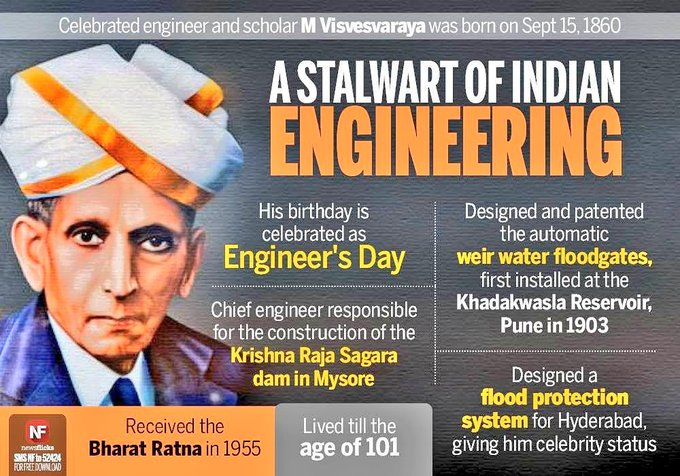
One man, one legacy, countless innovations—engineers quietly shape the world we live in. From the buildings we inhabit to the technology at our fingertips, their skill and creativity influence every aspect of modern life. In India, Engineer’s Day is celebrated on September 15 to honour these problem-solvers, innovators, and visionaries, while paying tribute to one of the country’s greatest engineers, Sir Mokshagundam Visvesvaraya.

Honouring Sir M. Visvesvaraya

Engineer’s Day coincides with the birth anniversary of Sir M. Visvesvaraya, born on September 15, 1861, in Muddenahalli, Karnataka. Widely revered as a pioneer in engineering and infrastructure, his contributions spanned irrigation systems, flood management, and public works.

He also served as the Dewan of Mysore (1912–1918), spearheading reforms in industries, education, and urban planning. His visionary leadership modernized Mysore, earning him widespread respect. For his dedication and brilliance, he was awarded the Bharat Ratna in 1955, India’s highest civilian honour. Today, his life continues to inspire generations of engineers to innovate with purpose and discipline.

A Day to Appreciate Innovation

Engineer’s Day is not just a commemoration—it is an opportunity to recognize the minds that turn ideas into reality. Across schools, colleges, universities, and institutions, the day is marked with:

  • Seminars and lectures celebrating engineering milestones
  • Competitions and projects showcasing student innovations
  • Messages, greetings, and quotes honouring engineers as the silent drivers of progress

Global voices echo this admiration—Elon Musk once called engineering “the closest thing to magic,” while Arthur Mellen Wellington praised engineers as resourceful problem-solvers who balance creativity and logic.

Engineer’s Day 2025 Theme: Deep Tech & Engineering Excellence

The theme for Engineer’s Day 2025 is “Deep Tech & Engineering Excellence: Driving India’s Techade.”

This year’s focus emphasizes the role of AI, robotics, quantum computing, and sustainable technologies in shaping India’s future. It calls upon engineers to embrace cutting-edge innovation, tackle complex challenges, and lead the nation toward becoming a global technology powerhouse.

Engineer’s Day Wishes 2025

  • Happy Engineer’s Day to the brilliant minds who turn ideas into reality!
  • May your designs always inspire progress and innovation.
  • Wishing all engineers a successful, creative, and impactful Engineer’s Day 2025.

Engineer’s Day stands as a reminder that behind every innovation, bridge, skyscraper, and digital breakthrough, there is an engineer whose vision helps build the future.

Antarctica’s Blood Falls: A Crimson Marvel of Nature’s Secrets

0

Nestled in the icy expanse of Antarctica, Blood Falls is a geological wonder that defies expectations with its vivid, blood-red cascade pouring from the Taylor Glacier. This eerie phenomenon, far from being a scene from a horror movie, is a natural marvel driven by ancient water, iron oxidation, and extreme chemistry. Its striking appearance and the secrets it holds about life in extreme conditions make it one of Earth’s most intriguing and scientifically significant sites.

The Science Behind the Crimson Cascade

Ancient Water Trapped for Millennia : Beneath the Taylor Glacier lies a subglacial lake, sealed off from the outside world for over a million years. This ancient reservoir, rich in iron, is the source of Blood Falls’ distinctive flow. As the water escapes the glacier, it encounters the air, triggering a remarkable transformation.

Iron Oxidation: The Red Hue : The iron-rich water, upon meeting oxygen, undergoes oxidation—a process akin to rusting metal. This reaction forms iron oxide, painting the water a deep, blood-red color that starkly contrasts with the surrounding white ice. The result is a visual spectacle that seems almost otherworldly.

Hypersaline Chemistry Defies Freezing : Despite Antarctica’s frigid temperatures, Blood Falls never freezes. The water’s high salt content, or hypersalinity, lowers its freezing point, allowing it to flow continuously. This unique chemistry not only sustains the waterfall but also creates an environment unlike any other on Earth.

A Window into Extreme Life

Thriving in isolation: Blood Falls is more than a visual marvel; it’s a testament to life’s resilience. The subglacial lake harbors microbial communities that thrive without light or oxygen, surviving in one of the planet’s most extreme environments. These tiny organisms offer a glimpse into how life might persist in similarly harsh conditions elsewhere in the universe.

Clues to Extraterrestrial Life: The discovery of microbes in Blood Falls has profound implications for astrobiology. By studying these organisms, scientists gain insights into the potential for life on other planets, such as Mars, where similar iron-rich, saline environments may exist. Blood Falls serves as a natural laboratory for understanding life’s adaptability.

Why Blood Falls Fascinates Scientists

Blood Falls stands out as a geological and biological treasure due to its unique
characteristics:

Unusual Coloration: The iron oxide creates a striking red hue, unlike any typical waterfall.

Ancient Origins: The water originates from a lake untouched for over a million years.

Microbial Ecosystem: Life thrives in conditions that seem inhospitable, pushing the boundaries of biology.

Planetary Insights: Its study informs our understanding of Earth’s ancient climate and potential extraterrestrial habitats.

Hypersaline Chemistry: The high salinity prevents freezing, sustaining the flow in subzero temperatures.

A Geological Wonder with Global Significance

Blood Falls is not just a curiosity; it’s a scientific goldmine. Researchers continue to explore its mysteries to better understand Earth’s ancient environments, microbial evolution, and the chemical processes shaping our planet. Its implications extend beyond Earth, offering clues about the possibility of life in extreme extraterrestrial environments.From its blood-red waters to its thriving microbial life, Blood Falls is a reminder of nature’s ability to create breathtaking and alien-like landscapes. It stands as a symbol of Earth’s hidden wonders, inviting scientists and explorers to unravel the mysteries locked within its crimson flow. Whether you’re captivated by glacial geology, extreme microbiology, or the search for life beyond our planet, Blood Falls remains a testament to the enduring surprises of the natural world.

Bioluminescent Beaches in India: Top 5 Glow-in-the-Dark Destinations That Should Be Visited Once in Lifetime…

0

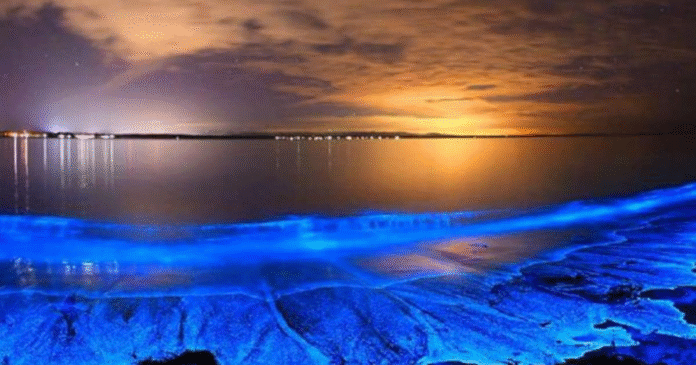
Imagine strolling along a quiet shoreline at night, where the waves glow like scattered stars and every ripple illuminates with a magical blue shimmer. This rare natural wonder, known as bioluminescence, transforms ordinary beaches into breathtaking dreamscapes. Whether you dip your hand into the glowing water or watch luminous waves crash against the shore, it’s an experience that feels nothing short of otherworldly.

Top 5 Bioluminescent Beaches in India

India is home to several glowing beaches where visitors can witness this stunning phenomenon up close. Here are the top five:

  • Havelock Beach, Andaman – Famous for its serene surroundings and glowing shorelines.
  • Bangaram Beach, Lakshadweep – A remote tropical paradise where sparkling waves light up pristine sands.
  • Betalbatim Beach, Goa – Known for its soft sands and gentle glow on moonless nights.
  • Mattu Beach, Karnataka – A hidden gem where the shoreline shimmers beautifully after dark.
  • Kumbalangi Beach, Kerala – A fishing village near Kochi where glowing waters blend with the calm of Kerala’s backwaters.

Best Time to Visit

The ideal season to witness bioluminescent beaches in India is September to November, when the natural glow peaks. Dark, clear nights during a new moon enhance the visibility of this magical phenomenon.

Why Bioluminescence Happens

Bioluminescence is caused by a chemical reaction within living organisms, producing what scientists call a “cold light” — where less than 20% of energy is lost as heat. In the ocean, it’s often created by plankton, jellyfish, or bacteria, while on land, organisms like fireflies and fungi display it. Freshwater systems, however, rarely host bioluminescent life.

Tips for Viewing Bioluminescence

  • Visit during a new moon for maximum darkness.
  • Avoid artificial lights nearby to see the glow clearly.
  • Check local updates as visibility varies with conditions.
  • Try night kayaking or boat rides for a closer, more immersive experience.

India’s glowing beaches offer a chance to experience nature’s magic in its purest form — an unforgettable memory for travelers, photographers, and adventure seekers alike.

World’s Tallest Hotel to Open in Dubai: 377 Meters, Record-Breaking Features & More

0

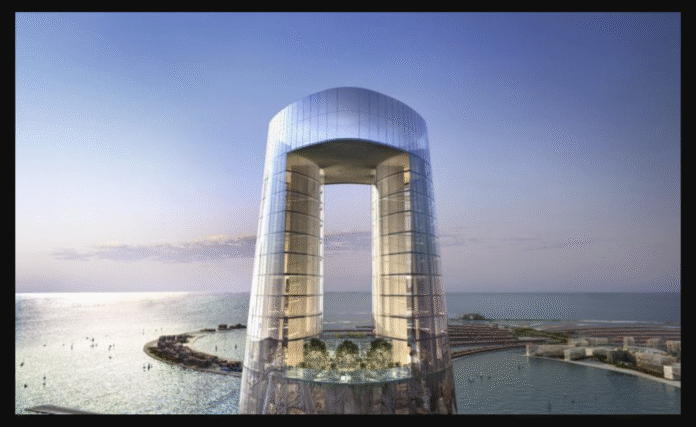
Dubai is set to unveil another architectural marvel this November with the launch of Ciel Dubai Marina — soon to be recognized as the world’s tallest hotel at 377 metres. Part of the Vignette Collection by InterContinental Hotels Group, the landmark property is now accepting bookings beginning November 15.

Breaking Records in Hospitality

Soaring across 82 floors with 1,004 rooms, Ciel Dubai Marina will surpass the 356-metre Gevora Hotel on Sheikh Zayed Road to claim the title of the world’s tallest hotel. Yet, its appeal goes far beyond its record-breaking stature — the tower integrates luxury, innovation, and bold design, setting a new benchmark in global hospitality.

World’s Highest Infinity Pool & Sky Club

The hotel’s most anticipated highlight is the Tattu Sky Pool, which will become the highest infinity pool in the world, overtaking Address Beach Resort’s pool at 294 metres on the 77th floor. Guests will also gain access to the world’s highest sky club, promising panoramic views of Palm Jumeirah, the Arabian Gulf, and Dubai’s glittering skyline.

Luxury Meets Location

Located in the heart of Dubai Marina, the property offers direct access to dining, shopping, and beach attractions. Its central position makes it a perfect gateway to experience both iconic landmarks like Palm Jumeirah and emerging hotspots such as Uptown Dubai.

Redefining Upper-Upscale Hospitality

According to Rob Burns, CEO of The First Group, Ciel Dubai Marina embodies a bold vision that reinforces Dubai’s leadership in tourism and business travel. Alongside breathtaking views, the hotel will feature seven dining venues and a luxury spa on the 61st floor, redefining standards in upper-upscale hospitality, reports Trak.in

A Symbol of Dubai’s Vision

Far more than a hotel, Ciel Dubai Marina represents Dubai’s spirit of ambition. With its record-breaking features and world-class amenities, it is set to redefine luxury travel while cementing the city’s global reputation as a hub of innovation, sophistication, and architectural excellence.