Home Blog Page 183

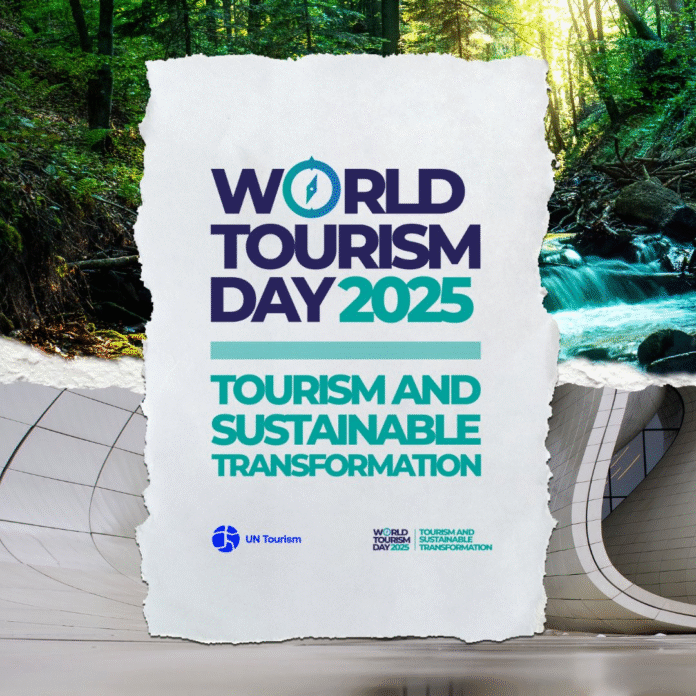
World Tourism Day 2025: Embracing Sustainable Transformation in Travel

0

PC:(www.theceo.in)

On September 27, 2025, the world comes together to celebrate World Tourism Day under the inspiring theme of “Tourism and Sustainable Transformation.” Hosted by the historic city of Melaka, Malaysia, this annual event, observed since 1980, underscores tourism’s power to connect people, cultures, and communities while driving positive change. Travel is more than a journey—it’s a story of discovery, empathy, and shared humanity that shapes lives, economies, and environments.

The Theme: Tourism as a Catalyst for Change

The 2025 theme, “Tourism and Sustainable Transformation,” calls for a reimagined approach to travel, placing sustainability, inclusion, and resilience at its heart. Moving beyond traditional tourism models, this year’s focus emphasizes good governance, strategic planning, and robust monitoring to align with long-term sustainability goals. It’s a global call to action for stakeholders to build a tourism ecosystem that benefits both communities and the planet.

Melaka, Malaysia: A UNESCO Gem Leading the Way

Melaka, a UNESCO World Heritage site, takes center stage as the official host city for World Tourism Day 2025. Known for its rich cultural heritage, Melaka exemplifies how tourism can celebrate history while fostering sustainable practices. The city will host the 7th World Tourism Conference, showcasing innovative approaches to sustainable tourism and inspiring global audiences to embrace mindful travel.

Key Focus Areas: Building a Sustainable Future

World Tourism Day 2025 highlights several critical areas to transform the travel industry:

Investment in Human Capital: Prioritizing education, skill development, and job opportunities, particularly for youth and women, to create a resilient tourism workforce.

Eco-Friendly Initiatives: From eco-tours and heritage walks in India to global conservation projects, regions are embracing sustainable practices to preserve natural and cultural treasures.

Green Investments: Promoting infrastructure and projects that minimize environmental impact, ensuring tourism leaves a positive footprint.

Inclusive Tourism: Expanding accessibility to make travel welcoming for all, including individuals with disabilities.

Mindful Travel: Encouraging tourists to support local businesses, respect cultural sensitivities, and make eco-conscious choices.

A Global Movement for Responsible Tourism

World Tourism Day 2025 is more than a celebration—it’s a movement. Events and initiatives worldwide will inspire travelers to explore responsibly, support sustainable practices, and contribute to the well-being of communities. By fostering social equity, environmental stewardship, and green investments, tourism can become a powerful force for good.

Travel with Purpose

As we mark World Tourism Day on September 27, 2025, the message is clear: tourism has the potential to transform lives and landscapes for the better. By embracing sustainable transformation, we can ensure that every journey leaves a legacy of respect, resilience, and renewal. Let’s travel mindfully, support local communities, and preserve the beauty of our planet for generations to come.
Ladakh Protests: Demands, Government Response and Political Dimension

0

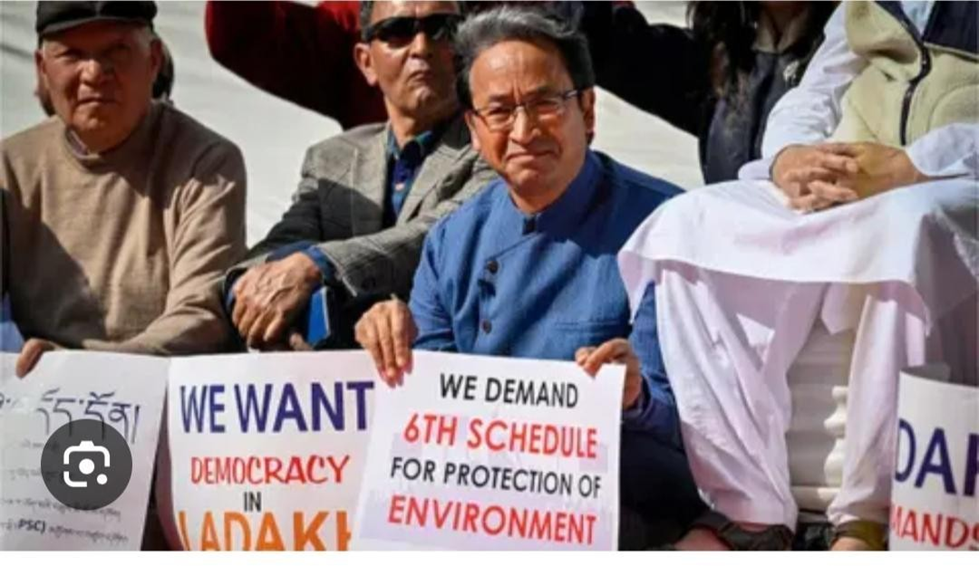
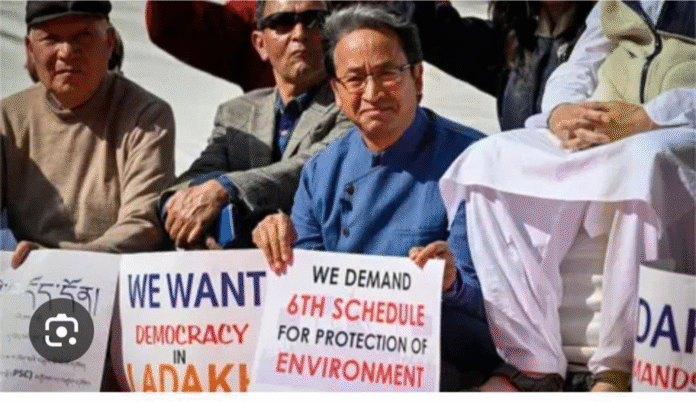
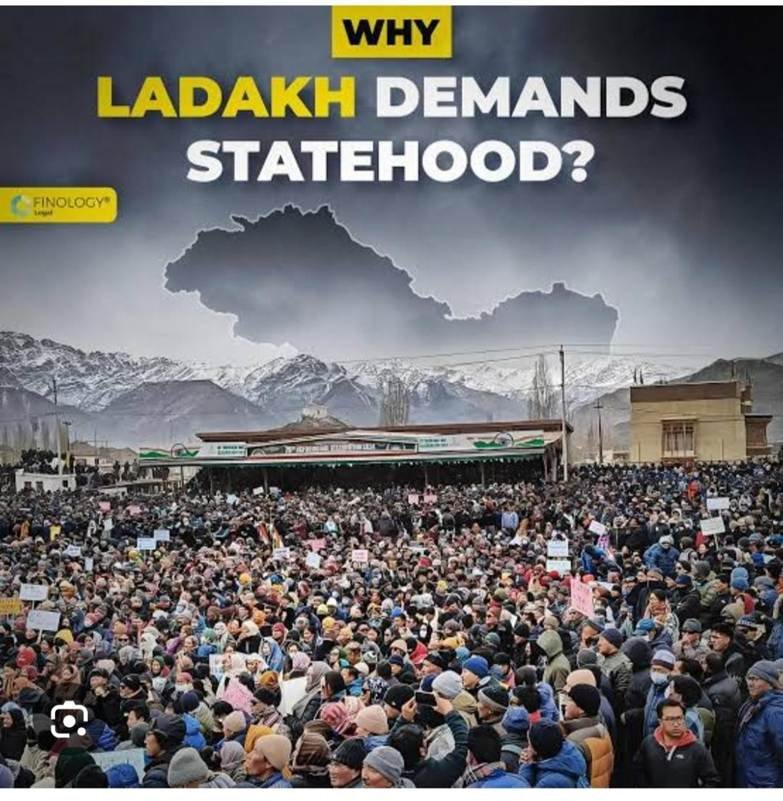
In recent weeks, Ladakh has witnessed a series of protests involving residents of Leh and Kargil districts. The demonstrations are primarily focused on local demands for statehood, constitutional protections under the Sixth Schedule, job reservations, and safeguard for the region’s fragile ecology. These developments have drawn national attention due to both the social issues involved and the government’s response.

Ladakh Protests: Demands, Government Response and Political Dimension

Key Demands from Ladakh

The protests highlight several long-standing concerns of the local population:

Statehood: Residents seek a legislature for Ladakh, arguing that this would provide greater local representation in governance.

Constitutional Safeguards: There is a demand for inclusion under the Sixth Schedule to protect tribal culture, land rights, and ecological balance.

Employment Opportunities: Many young residents face limited job prospects, increasing demand for local employment guarantees.

Environmental Protection: The region’s high-altitude ecosystems face challenges from tourism, infrastructure development, and land-use changes.

Ladakh Protests: Demands, Government Response and Political Dimension

Events Leading to Escalation

Activist and educator Sonam Wangchuk has emerged as a prominent figure, organizing and advocating for these demands. Frustration over perceived delays in addressing local concerns has contributed to the escalation of protests. In some instances, demonstrations turned confrontational, leading to detentions and security restrictions.

Government Response

The central and local administrations have taken multiple steps to maintain order:

Security Measures: Curfews, restrictions on public gatherings, and detentions of certain protest leaders.

Statements on Instigation: Officials have attributed part of the unrest to specific individuals and political groups, emphasizing the need for law and order.

Committees and Dialogue: The government has held discussions with representatives from local bodies such as the Leh Apex Body and the Kargil Democratic Alliance, with meetings of High-Powered Committees scheduled to address demands.

Political Perspectives

Political parties and leaders have expressed a range of positions:

Congress: Highlighted the importance of addressing citizens’ demands and expressed concern over the use of force during protests.

National Conference: Stressed the need for constructive dialogue and questioned narratives focusing solely on instigation rather than underlying issues.

Aam Aadmi Party (AAP): Emphasized democratic engagement and the need to consider local voices in decision-making.

BJP: Focused on law-and-order aspects, while highlighting concerns regarding alleged provocation and involvement of specific individuals.

Analysis

Observers note that the Ladakh protests reflect both local socio-economic and governance issues and broader questions about political communication. While the government has maintained law-and-order measures and engaged in committee-level discussions, some localdemands remain under negotiation. The situation illustrates the complexity of balancing administrative authority, local aspirations, and national political narratives.

Conclusion

The Ladakh protests underscore the importance of dialogue, representation, and sustainable development in remote regions. Moving forward, a combination of continued engagement with local stakeholders and careful attention to socio-economic and ecological concerns may contribute to addressing the issues raised by residents.

Ladakh Protests: Demands, Government Response and Political Dimension

The article has been written by Soniya Yadav, first year student of first year in Kanoriya PG Mahila Mahavidhyala

RSS Turns 100 Today, But Centenary Celebrations To Start on October 2: Former President Ram Nath Kovind to be Chief Guest

0

The Rashtriya Swayamsevak Sangh (RSS) completed 100 years of its founding on Saturday, September 27, according to the English calendar. However, the centenary celebrations will officially begin on October 2, Vijayadashami, in line with the local Vikram Samvat calendar.

The RSS was founded in Nagpur on September 27, 1925—coinciding with Vijayadashami that year—and the Sangh continues to observe its foundation day based on the traditional calendar rather than the English one.

Nationwide Campaign Planned

What began with just two dozen volunteers has now grown into the world’s largest volunteer organization. To mark its centenary, the RSS will launch an ambitious year-long public outreach program aimed at reaching all of India’s 635,000 villages. The resolution passed at the Representative Assembly will be shared with all volunteers, who will hold community-level meetings to explain the Sangh’s vision.

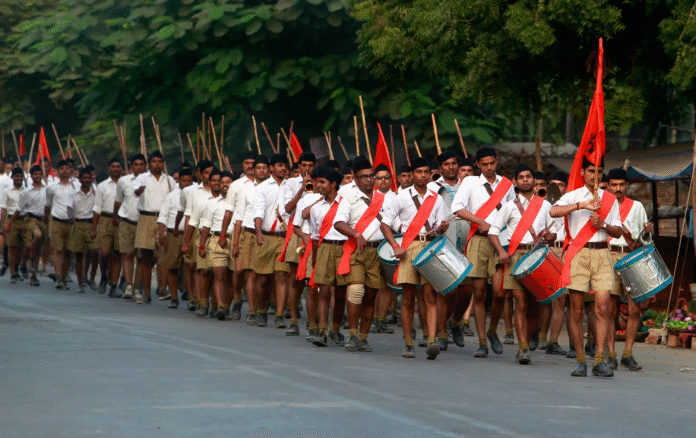
From Vijayadashami onwards, Sangh branches across the country will see maximum participation of volunteers in full uniform. Ward and circle-level conferences, block-level social harmony meetings, and youth awakening programs will be organized. Prominent socially active personalities will also be invited to large public gatherings.

Kovind to Grace Main Event

The central event will take place in Nagpur on Vijayadashami (October 2), with former President Ram Nath Kovind as the chief guest. RSS chief Mohan Bhagwat will also deliver an address. In a first, three path sanchalans (volunteer parades) will be held in the city to mark the occasion.

Centenary Themes

The Sangh has outlined five major themes for its centenary programs:

  • Self-awareness
  • Environmental protection
  • Social harmony
  • Family enlightenment
  • Civic duties

With these initiatives, the RSS aims to spread its vision of social unity and national service across the country.

India Vs Pak in Asia Cup on Sept 28: Head-to-Head 12 Title Clashes, India Wins Only 4

0

Pakistan booked their place in the 2025 Asia Cup final after defeating Bangladesh, while India qualified for the title clash on Wednesday. The arch-rivals will now meet in the Asia Cup final on September 28 in Dubai. Notably, India defeated Pakistan in both the group and Super 4 stages of the tournament.

This will be the 13th time India and Pakistan face off in a final of an international tournament or tri-series. In the previous 12 such encounters, Pakistan has won 8 times, while India has managed just 4 victories. The last time they met in a title clash was the 2017 ICC Champions Trophy final, where Pakistan triumphed. India’s most recent win in a final against Pakistan dates back to the 2007 T20 World Cup under MS Dhoni’s captaincy.

Record in tournament finals

  • 11 ODI finals: Pakistan leads 8–3
  • T20 finals: India leads 1–0 (2007 World T20 final)

A look back at the 12 India–Pakistan finals so far

Final 1 (1985, World Championship of Cricket, Melbourne): India won by 8 wickets, with Krishnamachari Srikkanth and Ravi Shastri scoring fifties. Shastri was named Player of the Tournament.

Final 2 (1986, Austral-Asia Cup, Sharjah): Javed Miandad’s last-ball six off Chetan Sharma gave Pakistan a famous 1-wicket win. Miandad scored 116 and was named Player of the Match.

Final 3 (1991, Wills Trophy, Sharjah): Aaqib Javed’s fiery spell (7/37) bowled India out for 190, handing Pakistan a 72-run victory.

Final 4 (1994, Austral-Asia Cup, Sharjah): Aamir Sohail starred with both bat and ball as Pakistan beat India by 39 runs.

Final 5 (1998, Independence Cup, Dhaka): A unique three-match final saw India clinch the series 2–1, with Sachin Tendulkar named Player of the Series.

Final 6 (1999, Pepsi Cup, Bangalore): Azhar Mahmood’s 5/38 helped Pakistan crush India by 123 runs.

Here’s the translated table in English from your uploaded image:


Asia Cup Titles – India and Pakistan

YearWinnerRunner-up
1984IndiaSri Lanka
1988IndiaSri Lanka
1990IndiaSri Lanka
1995IndiaSri Lanka
2000PakistanSri Lanka
2010IndiaSri Lanka
2012PakistanBangladesh
2016IndiaBangladesh
2018IndiaBangladesh
2023IndiaSri Lanka

Final 6: Azhar Mahmood takes 5 in the Pepsi Cup

The Pepsi Cup final was played in Bangalore on April 4, 1999. Batting first, Pakistan posted 291 runs. In reply, India collapsed to 168, as Azhar Mahmood’s fiery spell (5/38) sealed a comfortable 123-run win.

The Pepsi Cup was a tri-series featuring Sri Lanka. India managed only two wins against Sri Lanka in the group stage, while Pakistan defeated India both in the league phase and in the final. Sourav Ganguly, with 278 runs, was named Player of the Series.

Final 7: Pakistan dominates in the Coca-Cola Cup

Just 12 days later, on April 16, 1999, India and Pakistan met again in the Coca-Cola Cup final in Sharjah. India was bowled out cheaply for 125, with Wasim Akram taking 3/11. Pakistan chased down the target in just 28 overs with eight wickets in hand.

The Coca-Cola Cup also featured England. India and Pakistan won one game each against each other in the group stage, while India beat England twice to qualify. Wasim Akram’s 11 wickets in the tournament earned him the Player of the Series award.

Final 8: India lifts the inaugural T20 World Cup

On September 24, 2007, the two rivals met in the final of the first-ever T20 World Cup in Johannesburg. Batting first, India scored 157/5, thanks to Gautam Gambhir’s brilliant 75. Pakistan fell just short, bowled out for 152 with three balls to spare, handing India a famous 5-run win.

Earlier in the group stage, their match ended in a tie, with India winning via bowl-out. In the semi-finals, India defeated Australia while Pakistan overcame New Zealand. Despite Pakistan’s loss in the final, Shahid Afridi was named Player of the Tournament.

Final 9: Younis Khan’s century powers Pakistan in the Kitply Cup

On June 14, 2008, the Kitply Cup final in Mirpur saw Pakistan outplay India. Batting first, Pakistan posted 315/3, with Salman Butt (129) and Younis Khan (108) scoring centuries. India fought back through MS Dhoni and Yuvraj Singh, who hit fifties, but fell short at 290, giving Pakistan a 25-run win.

Bangladesh was the third team in this tri-series. India had beaten both Pakistan and Bangladesh in the group stage, while Pakistan defeated Bangladesh to make the final. Salman Butt, with 208 runs, was named Player of the Series.

Final 10: Pakistan stuns India in the 2017 Champions Trophy

The ICC Champions Trophy final on June 18, 2017, at The Oval in London, marked Pakistan’s most recent triumph in a final against India. After losing to India by 124 runs in the group stage, Pakistan bounced back strongly in the knockout rounds.

Fakhar Zaman’s scintillating century powered Pakistan to 338/4. In reply, India’s top order collapsed in the powerplay, losing Rohit Sharma, Virat Kohli, and Shikhar Dhawan cheaply. Hardik Pandya fought back with a quickfire 76, but India were bowled out for 158, handing Pakistan a 180-run win. Fakhar was named Player of the Match, while Hasan Ali, who took 13 wickets in the tournament, was named Player of the Tournament.

India–Pakistan and the Asia Cup: A new chapter

Surprisingly, despite their long rivalry, India and Pakistan have never before met in an Asia Cup final. The 2025 edition in the UAE marks the first such occasion.

The Asia Cup, a 41-year-old tournament, has been played 16 times previously. India has been the most successful team, winning 8 titles and finishing runners-up 3 times, missing the final only on 4 occasions. Pakistan, on the other hand, has lifted the trophy only twice — in 2000 (vs Sri Lanka) and 2012 (vs Bangladesh). They have also been runners-up in 1986, 2014, and 2022.

This time, with 8 teams competing, history will be made as India and Pakistan contest the Asia Cup final for the very first time.

Zoho’s Arattai App: Know Why India-Made Messenger is Rising in Popularity…

0

Zoho Corporation’s homegrown messaging app Arattai has witnessed a sudden surge in popularity, climbing to the 18th most downloaded overall and second in the social networking category on India’s App Store. The boost came after Union Education Minister Dharmendra Pradhan endorsed the app on September 24, urging people to adopt India-made digital platforms.

What is Arattai?

Arattai—a Tamil word meaning “chat”—is Zoho’s answer to global messaging giants. Initially launched in beta during the pandemic, the app has been gradually refined and is now entering wider adoption.

According to Zoho’s founder Sridhar Vembu, Arattai is designed with a focus on:

  • Accessibility for low-end devices: Optimized to work smoothly even on budget smartphones.
  • Privacy and security: Strong data-protection measures with a commitment to keeping user data safe.
  • Ease of use: A clean interface for seamless messaging and calls.

Vembu announced on September 26 that Arattai will soon roll out its full feature set and dedicated marketing campaign to compete with established apps like WhatsApp and Telegram.

User Response

Early adopters have praised the app’s interface, performance, and privacy-first approach. However, users also reported minor bugs and feature gaps, prompting calls for faster updates. Discussions on social media also highlight whether the Tamil-derived name “Arattai” will resonate with non-Tamil speakers as the app seeks pan-India adoption.

Why It Matters

The rise of Arattai underscores India’s push for digital self-reliance and alternatives to foreign-owned platforms. With government encouragement, growing concerns over data privacy, and Zoho’s reputation for enterprise software, Arattai could carve out a significant space in India’s messaging landscape.

Read more:

World Tourism Day 2025: Date, History, Theme, and Significance

0

Mark your calendars—September 27, 2025, is World Tourism Day! This year’s theme, “Tourism and Sustainable Transformation,” highlights how travel can be a force for good, inspiring responsible choices that protect cultures, communities, and the planet.

Why We Celebrate

Travel is more than moving from one place to another—it’s a story, an adventure, and a bridge between cultures. It sparks curiosity, fosters empathy, and sustains livelihoods. Every path we walk, festival we witness, or dish we savor shows that tourism shapes not just memories but also economies and communities.

World Tourism Day, observed every year on September 27, celebrates this transformative power. Falling on a Saturday in 2025, the day is the perfect opportunity to embark on meaningful journeys—whether discovering hidden corners of your own city, trekking through nature, or supporting sustainable tourism initiatives.

A Walk Through History

The observance traces back to the United Nations World Tourism Organisation (UNWTO):

  • 1970: UNWTO statutes adopted on September 27
  • 1980: First World Tourism Day celebrated

Since then, the day has evolved into a global movement, with countries worldwide hosting cultural festivals, exhibitions, and initiatives to showcase tourism as a driver of growth and understanding.

Theme 2025: Tourism and Sustainable Transformation

This year’s theme emphasizes mindful and eco-conscious travel. It urges travelers to:

  • Make sustainable choices in transport and accommodation
  • Support local artisans and community-led projects
  • Respect cultural and natural heritage

Sustainable tourism is not just a trend—it’s a transformation that ensures the world remains beautiful and vibrant for future generations.

Why It Matters

Tourism contributes far beyond sightseeing:

  • Cultural Exchange: Deepens understanding of traditions and lifestyles
  • Economic Growth: Fuels local businesses and sustains livelihoods
  • Environmental Care: Encourages eco-friendly practices and conservation
  • Innovation: Promotes digital tools and inclusive travel experiences

How to Celebrate World Tourism Day 2025

Whether you’re traveling abroad or staying local, here are ways to celebrate:

  • Explore hidden gems near your home—villages, landmarks, or trails
  • Choose eco-friendly accommodations and transport
  • Participate in community tourism projects
  • Share sustainable travel stories to inspire others

Final Word

World Tourism Day 2025 is not just a date—it’s a call to action. With the theme “Tourism and Sustainable Transformation,” this year reminds us that every journey can leave behind more than memories. It can leave behind a positive legacy.

Ladakh Protests: What Is Sixth Schedule and Statehood Demand?

0

The Union Territory of Ladakh is witnessing its most intense wave of protests since 2019. Demonstrators in Leh set fire to a Bharatiya Janata Party (BJP) office, prompting police to use teargas. Clashes left four dead and nearly 30 injured. The Leh Apex Body (LAB) called for a complete shutdown, while climate activist Sonam Wangchuk ended a 15-day hunger strike with an appeal for peaceful resistance.

The unrest reflects long-standing demands for greater autonomy and constitutional safeguards to protect Ladakh’s identity, environment, and tribal population.

Why Ladakh is Tense

When Article 370 was revoked in 2019, Jammu and Kashmir lost its special status and the state was split into two Union Territories. While Jammu and Kashmir retained a legislature, Ladakh became a UT directly ruled by the Centre without an elected assembly.

This arrangement sidelined local voices in decision-making. With 90% of its population belonging to Scheduled Tribes, Ladakhis fear that without safeguards, large-scale industrial projects, demographic shifts, and limited political representation could threaten their culture, land, and resources.

What is the Sixth Schedule?

The Sixth Schedule of the Indian Constitution provides special autonomy to tribal areas through Autonomous District Councils (ADCs). These councils hold legislative and administrative powers over land, forests, water, agriculture, health, and policing.

Currently, Sixth Schedule provisions apply in six northeastern states, ensuring tribal communities control their development and safeguard traditional rights.

Ladakh’s demand for Sixth Schedule inclusion is rooted in the need to:

  • Protect land and resources from outside exploitation.
  • Secure tribal culture and traditions.
  • Ensure self-governance in key areas of administration.

Statehood Demand

Beyond Sixth Schedule status, Ladakhis are also pressing for full statehood. Statehood would grant Ladakh an elected assembly and greater say in policymaking, reversing the sense of disempowerment since 2019. The Leh Apex Body (LAB) and Kargil Democratic Alliance (KDA) are united in demanding:

  • Statehood with legislative powers.
  • Sixth Schedule protection.
  • Early recruitment in government jobs and a public service commission.
  • Separate Lok Sabha seats for Leh and Kargil.

Role of Sonam Wangchuk

Sonam Wangchuk, an engineer, innovator, and Ramon Magsaysay Award recipient, has emerged as the moral voice of the movement. Known globally for sustainable innovations, he has consistently warned against Ladakh being turned into a “playground for industrial interests.” His hunger strikes and peaceful campaigns have drawn national and international attention to Ladakh’s cause.

Conclusion

The protests in Leh are not just about a single incident but about the larger struggle for political recognition, cultural preservation, and self-rule. As calls for Sixth Schedule protection and statehood grow louder, the Centre faces mounting pressure to address Ladakh’s aspirations before the unrest deepens further.

India’s Food Industry Serves Up a Plant-Protein Evolution

0

From street staples like Tibbs Frankie to luxury hotels such as Hilton, The Leela, and The Oberoi—and now Mumbai’s icons Cream Centre and Bademiya—plant-protein dishes are becoming smart, affordable options for vegetarians, vegans, and meat-eaters alike.

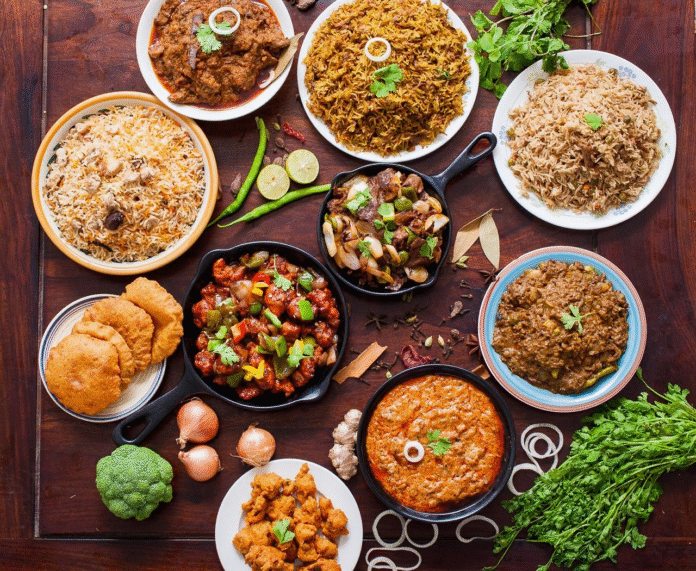
A quiet but powerful transformation is sweeping India’s food landscape. From highway dhabas to cloud kitchens, and from iconic eateries to five-star dining rooms, plant protein is no longer a niche substitute—it’s fast becoming a mainstream menu essential. High-protein biryanis at EatFit, tandoori chaap at Cream Centre, rich curries at Bademiya, and protein-forward frankies at Tibbs all reflect how plant-based alternatives are redefining everyday dining.

At the heart of this evolution is GoodDot, a pioneer in India’s plant-protein space. With ambient-stable, high-protein, easy-to-cook offerings, GoodDot is enabling restaurants and institutional kitchens to serve nutritious, scalable, and cost-effective meals. Its flagship Pro Chaap delivers 64% protein and a year-long shelf life, while its soya- and pea-protein-based formats—granules, chunks, and ready-to-use curries—seamlessly adapt across grills, tandoors, tawas, and gravies.

Cloud kitchen brand Charcoal Eats has rolled out protein-rich biryanis and curries, highlighting growing demand. “In India today, awareness around protein deficiency is rising sharply—73–80% of the population falls short of protein intake, especially in vegetarian households,” says Krishnakant Thakur, Co-founder, Charcoal Eats. “Partnering with GoodDot allows us to deliver the nutrition-forward, delicious alternatives customers want.”

Legacy restaurants are also embracing this shift. Cream Centre, with a 65-year heritage, now offers Tandoori Soya Chaap and Soya Chaap Butter Masala at its Mumbai outlets. CEO Rishi Chona explains, “We sampled many products, but GoodDot’s quality and texture stood out. It gives vegetarians healthy, high-protein options across cuisines.” Similarly, Bademiya, established in 1946, has integrated GoodDot’s chaap into its vegetarian menu. Proprietor Salman Shaikh notes, “Clients appreciate the authentic taste paired with our signature masalas, and feedback has been very positive.”

Meanwhile, Tibbs Frankie has launched ProtiRoti®️, a plant-protein range of rolls delivering 25% of the daily protein requirement. “We wanted a wholesome yet tasty solution for protein deficiency,” says Harpreet Singh Tibb, Promoter, Tibbs Foods. “The response has been encouraging.”

With no cold chain dependency, competitive pricing, and strong nutritional credentials, plant proteins often outperform paneer or chicken in value. Brands from Absolute Barbecues to Compass Group, and hotels like Taj, The Leela, Radisson, JW Marriott, and Raffles, are integrating plant-based dishes to meet evolving consumer and sustainability goals.

GoodDot, ranked #2 in India’s Ready-to-Cook & Eat category by LabelBlind and cited by The Economist as a global best practice for achieving UN SDGs, is also expanding internationally to Canada, Dubai, Singapore, South Africa, and more. In India, it operates across 19 cities and online platforms, while supplying premium properties nationwide.

For a country where up to 80% of people face protein deficiency, this plant-protein evolution is more than a trend—it’s a transformation in how India eats, cooks, and thinks about nutrition.

Smart Venice Airport Transfer: A Quick, Stress-Free Guide for First-Timers

0

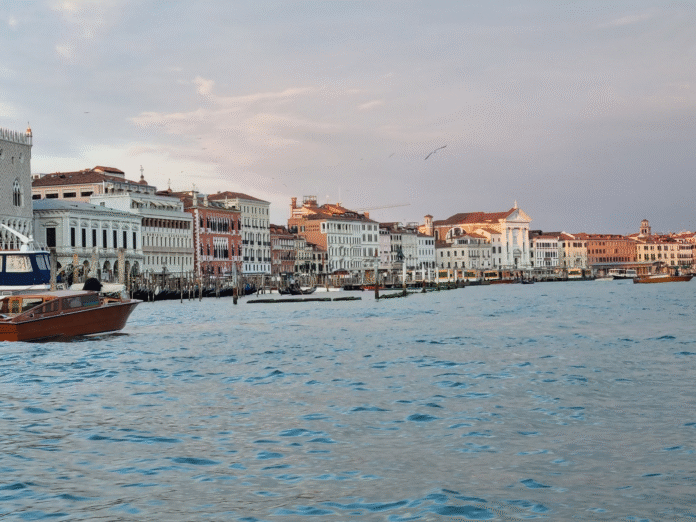
Venice greets you with light on the lagoon, narrow lanes, and boats where you expect buses. The only tough part is the first move after landing. This guide helps you choose a Venice airport transfer that fits your time, budget, and luggage.

First question: where are you staying?

If your hotel is near Piazzale Roma or Santa Lucia station, a land transfer is simple. If you sleep close to Rialto, San Marco, or the islands, the pier matters more than the road. Pick the route that gets you closest with the fewest changes.

All the ways in, without the drama

  • Express bus to Piazzale Roma. Leaves from Marco Polo Airport and runs direct to the city bus terminal. It is fast and wallet friendly.
  • City bus (Line 5). Costs a bit less. Makes more stops. Good if you are not in a rush.
  • Alilaguna waterbus. From the airport pier to key stops like Murano, Rialto area, San Marco, and Lido. It is slower, yet it gives you Venice from minute one.
  • Private car to Tronchetto or Piazzale Roma. Best for families and bulky luggage. From there you finish by vaporetto or on foot.
  • Private water taxi. Door to dock. Pricey, but it drops you near your hotel jetty and saves steps on bridges.

Quick picks by traveler type

  • Short weekend, one bag. Express bus to Piazzale Roma, then vaporetto to your stop.
  • Family with kids and strollers. Prebook a car to a land terminal. Add a short boat hop only at the end.
  • Romance trip or late arrival. Private water taxi. You pay more, you get time and zero hassle.
  • Light on budget, heavy on curiosity. Alilaguna from the airport pier. Sit by the window, the views are worth it.

Why prebook helps in Venice

Queues can be long. Boats fill up fast in peak season. When you prebook, you know the meeting point and the final drop off. You also share your flight number, so the driver tracks delays. It is one less thing to worry about.

A simple way to lock your ride

Use a service that shows total price, clear pickup, and where your suitcases go. With Kiwitaxi you see vehicle classes, fixed fares, and meet-and-greet in arrivals. If your plane is late, the driver waits. Yes you can still stop for a first espresso.

Micro-checklist before you click “Book”

  • Address accuracy: Venice has twin names for many places. Copy the hotel’s full address and nearest vaporetto stop.
  • Bridges vs. bags: Wheels hate stairs. If your room sits across three bridges, a water drop off near the hotel saves energy.
  • Arrival time: Night arrivals mean fewer public options. A prebooked car or water taxi is safer.
  • Kids and seniors: Ask for child seats. Confirm dock access if mobility is limited.

How to read travel times

Land routes reach Piazzale Roma faster and with fewer variables. Water routes add charm and views. If you must choose, choose what cuts one transfer from your door-to-door path. Venice rewards smart timing.

Final thought

Venice is not hard, it is different. Plan the first step, keep the rest open. The lagoon will do the rest.

Where Ravana Is Worshipped, Not Burnt: The Story of Khanpura, Mandsaur

0

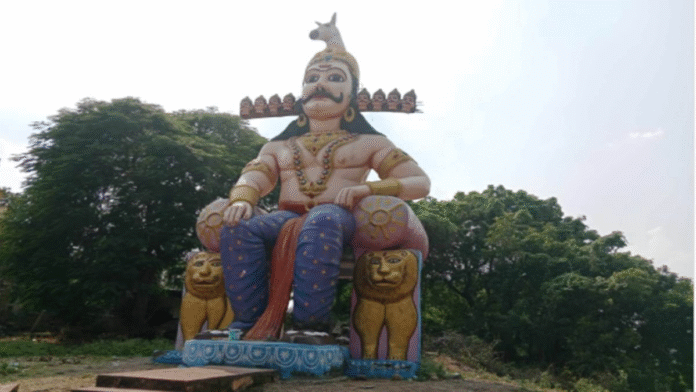
Every year, across India, the skies blaze with fire as effigies of Ravana fall to ash. But in one quiet village of Madhya Pradesh, the story takes a stunning turn. Welcome to Khanpura, nestled in the heart of Mandsaur, where Ravana is not burnt—but worshipped. Here, he’s not the ten-headed villain of Ramayana. He’s Mandodari’s husband, the son-in-law of the soil, and the villagers treat him with reverence, not rage. On Dussehra morning, the streets come alive—not with cries of war, but with bhajans and dhol beats. Women walk past his towering 51-foot statue, heads bowed, faces veiled in ghoonghat—a gesture of respect reserved for family elders. Children tie red threads to his legs, seeking protection. Elders offer dal-baati and laddoos, not fire. The statue, believed to be over 300 years old, stands tall—not as a symbol of defeat, but of intellect, devotion, and ancestral pride.

“Ravana was a great scholar,” say the locals. “A Shiva bhakt. A daamad of our land. Why should we burn him?”

In Khanpura, Dussehra isn’t about destroying evil. It’s about honoring legacy. About remembering that every story has another side

The Legend Behind the Worship

  • Locals believe that Mandodari, Ravana’s wife, was born in Khanpura.
  • That makes Ravana their “daamad” (son-in-law)—and burning his effigy would be a grave insult.
  • Instead of flames, Ravana receives dal-baati and laddoo as offerings, and his towering 51-foot statue, said to be 300 years old, becomes the center of devotion.

Women’s Ritual: Ghoonghat of Respect

  • As a mark of reverence, women cover their heads (do ghoonghat) while passing Ravana’s statue.
  • It’s a gesture of respect for the village’s daamad, blending cultural pride with familial honor.