
Home Blog Page 156

Google Announces $15 Billion AI Hub in Visakhapatnam — Its Largest Investment Outside the U.S.

0

In a move set to redefine India’s position on the global technology map, Google has announced a landmark $15 billion investment to establish a gigawatt-scale AI data center campus in Visakhapatnam, Andhra Pradesh. This marks the company’s largest investment outside the United States and a significant boost to India’s digital and economic ambitions.

Developed in partnership with the Adani Group and the Government of Andhra Pradesh, the new AI hub will serve as a cornerstone for Google’s global compute and connectivity network. The facility will integrate cutting-edge Tensor Processing Units (TPUs), GPU-based AI compute clusters, and state-of-the-art subsea connectivity systems, enabling faster and more secure data flows across Asia and beyond.

The Visakhapatnam campus will also be powered by clean, renewable energy, aligning with Google’s global carbon-free operations target by 2030. With this, Andhra Pradesh will emerge as a model for sustainable tech infrastructure, combining economic growth with environmental responsibility.

“India’s digital momentum is unstoppable. With this investment, we aim to empower the next generation of AI innovation while supporting India’s data sovereignty and sustainability goals,” said a Google spokesperson.

The project will make Visakhapatnam Google’s third global connectivity gateway, after its hubs in the United States and Singapore. It will also play a crucial role in advancing India’s AI computing capacity, cloud infrastructure, and digital inclusion initiatives.

Here’s an interesting, media-friendly table highlighting the unique features and differentiators of Google’s new AI Hub in Visakhapatnam — perfect for inclusion in a press release, article, or infographic:


🌐 Unique Features of Google’s Visakhapatnam AI Hub

FeatureWhat Makes It UniqueImpact / Significance
🧠 Gigawatt-Scale AI Data CenterOne of the world’s largest AI compute campuses, with next-gen Tensor Processing Units (TPUs) and GPU clusters.Supercharges India’s AI research, language models, and digital innovation ecosystem.
Clean Energy InfrastructureFully powered by renewable and hybrid clean energy systems.Sets a new global benchmark for sustainable data centers; aligns with Google’s 2030 carbon-free goal.
🌊 Subsea Connectivity GatewayIndia’s first AI hub with direct subsea cable links to Asia-Pacific and the U.S.Makes Visakhapatnam Google’s 3rd global connectivity hub, boosting India’s global internet capacity.
🤝 Adani–Google–AP Government PartnershipUnique three-way collaboration between global tech, Indian enterprise, and state leadership.Blends innovation, infrastructure, and governance for inclusive digital growth.
🇮🇳 Focus on Data SovereigntyBuilt to store and process data within India’s borders.Strengthens national security and compliance with India’s data protection frameworks.
🌆 Job Creation & Skill DevelopmentThousands of direct and indirect tech jobs; AI and data center training initiatives.Fuels regional employment and builds India’s next-gen digital workforce.
🏗️ 6 GW State Vision AlignmentIntegrates with Andhra Pradesh’s 6 GW data center capacity plan by 2029.Positions the state as India’s digital powerhouse.
🔋 AI-Powered Energy OptimizationUses machine learning for dynamic cooling, load management, and energy reuse.Reduces energy waste and operational costs, boosting green efficiency.
💻 Global R&D Collaboration HubOpen platform for universities and startups to co-develop AI solutions.Drives innovation from India for global markets.

Andhra Pradesh Chief Minister [Name] welcomed the move, calling it a “transformational partnership” that will create thousands of high-skilled jobs, spur local innovation, and significantly boost the state’s GDP. The state government aims to develop 6 gigawatts of data center capacity by 2029, making Andhra Pradesh a national leader in next-generation digital infrastructure.

As India strengthens its role in the global AI ecosystem, Google’s Visakhapatnam hub stands as a testament to the nation’s growing technological prowess — where clean energy, connectivity, and computing power converge to shape the future.
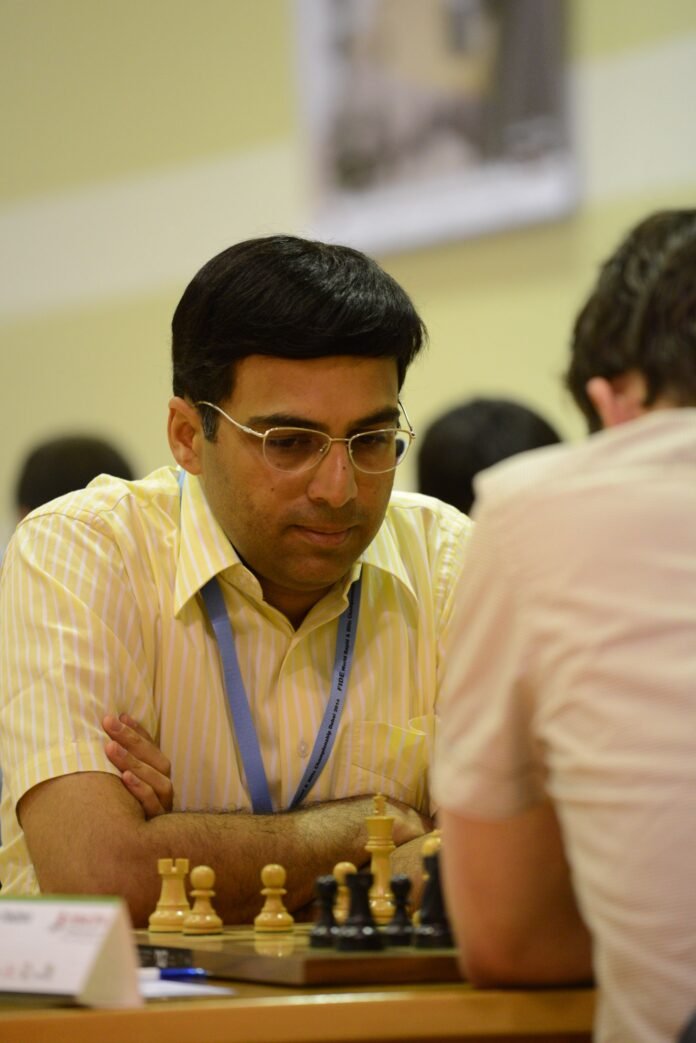
Jaipur Literature Festival: Vishvanathan Anand Among Others Included in First Line-up Speakers

0

The Jaipur Literature Festival (JLF) returns for its 19th edition from 15–19 January 2026 at Hotel Clarks Amer, Jaipur. Widely hailed as the “greatest literary show on Earth,” JLF continues to serve as a vibrant confluence of ideas, stories, and global voices.

Presented by Vedanta and produced by Teamwork Arts, the 2026 edition will bring together over 350 speakers across six venues, offering an expansive programme covering fiction, poetry, history, science, mental health, climate action, cinema, geopolitics, race, identity, and more. The Festival also upholds its core mission: celebrating linguistic diversity and India’s rich literary heritage through inclusive, multilingual discourse.

This year’s first list of announced speakers features an impressive mix of global literary icons, award-winning authors, and thought leaders, including:

  • Olga Tokarczuk (Nobel Laureate),
  • Timothy Berners-Lee (Inventor of the World Wide Web),
  • Stephen Fry (Writer, actor, and broadcaster),
  • Anamika, Anand Neelakantan, Anuradha Roy, Shobhaa Dé,
  • Manu Joseph, Kate Mosse, Jon Lee Anderson, Hallie Rubenhold,
  • Jung Chang, Helen Molesworth, Gopalkrishna Gandhi,
  • Kim Ghattas, Edward Luce, Rashmi Narzary, Salma, and
  • Vishwanathan Anand and others.

Festival Leaders Speak

Namita Gokhale, Festival Co-Director, noted:
“JLF 2026 promises a vintage edition. Our sessions traverse continents and cultures, with a strong focus on the diverse world of Indian languages and emerging global themes – from AI and publishing to shifting geopolitical realities. As always, January is when the world visits Jaipur, and Jaipur visits the world.”

William Dalrymple, Festival Co-Director, added:
“This festival is a celebration of stories—written and oral—and their power to inspire and connect. We’re thrilled to welcome another extraordinary lineup of thinkers, writers, and dreamers to the Pink City.”

Sanjoy K. Roy, Managing Director of Teamwork Arts, said:
“JLF has become a global platform for culture, creativity, and collaboration. In our 19th year, we continue to spotlight storytelling as a force for empathy, innovation, and shared understanding.”

Cultural Extensions

In addition to its core programming, JLF 2026 will host the 13th edition of Jaipur BookMark (JBM), a premier B2B platform for publishers, literary agents, translators, and writers that fosters industry collaboration.

The Festival also celebrates heritage and the arts with signature events:

  • Jaipur Music Stage: Evening performances by leading Indian and international musicians.
  • Amer Fort Evening: A cultural showcase set against the backdrop of the majestic fort.

For nearly two decades, the Jaipur Literature Festival has remained a democratic, inclusive, and non-aligned platform for meaningful dialogue and cultural exchange, uniting readers and writers from around the world.

Save the Dates:

15–19 January 2026
Hotel Clarks Amer, Jaipur

New Begonia Species ‘Chowna Buku Chulu’ Discovered in Arunachal Pradesh

0

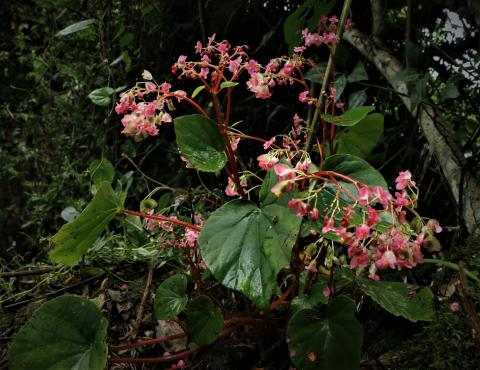
A new species of Begonia, named Chowna Buku Chulu, has been discovered in Basar, Laparada district of Arunachal Pradesh by researchers from the State Horticulture Research and Development Institute (SHRDI). Featuring sparkling red leaves, the plant is a remarkable addition to the state’s rich biodiversity and marks a new record for Arunachal Pradesh’s flora.

Discovery and Identification

The discovery was made by the SHRDI research team and later confirmed by experts from the Botanical Survey of India (BSI) — Dr. Dipoo Dipankar Borah, Dr. Momang Taram, and Dr. Krishna Chowlu. The Begonia’s vivid red foliage makes it both scientifically distinctive and visually striking, enriching the botanical diversity of the Eastern Himalayas.

Scientific and Commercial Potential

With its ornamental appeal and adaptability, the new Begonia species holds significant commercial potential. SHRDI plans to develop it as a commercial crop, which could enhance local horticulture and support farmers’ livelihoods. The initiative aligns with the state’s broader goals of sustainable agriculture and biodiversity conservation.

Cultural Significance and Naming

The species has been named ‘Chowna Buku Chulu’, meaning “noble red” in a local indigenous dialect, and ‘Aryarakta’ in Sanskrit. The name honors Deputy Chief Minister Chowna Mein for his contributions to horticultural development and research in the state. The naming also reflects SHRDI’s commitment to preserving indigenous linguistic heritage alongside scientific documentation.

Role of Deputy Chief Minister Chowna Mein

As the former Minister for Agriculture and Allied Departments, Chowna Mein was instrumental in establishing SHRDI in 2015 and promoting horticultural innovation. Under his leadership, Arunachal Pradesh secured eight Geographical Indication (GI) tags for unique agri-horti products — the highest in Northeast India. The Begonia’s name serves as a tribute to his enduring support for the state’s horticultural advancement.

Boost to Biodiversity and Research

The discovery reinforces Arunachal Pradesh’s position as a biodiversity hotspot and underscores the value of continued botanical research. It also highlights collaborative efforts between state and national institutions to document and conserve indigenous flora, promoting awareness of the region’s ecological and cultural wealth.

Driving Agricultural Innovation

This milestone encourages ongoing support for scientists, researchers, and farmers, strengthening the state’s vision to become a hub for agricultural innovation and sustainability. The discovery of Begonia Chowna Buku Chulu symbolizes both scientific curiosity and the spirit of discovery that drives Arunachal Pradesh’s growing horticultural sector.

Shri Ram Janmabhoomi Mandir: Watch Out Mesmerizing Visuals From First Floor in Pics

0

Shri Ram Janmabhoomi Mandir: As the grand Ram Janmabhoomi Temple in Ayodhya is set to be fully completed by November 25, marking a milestone in the temple’s long-awaited construction, all eyes are now awaiting the moment when they will see the historic event taking shape.

To mark the occasion, Prime Minister Narendra Modi is expected to attend the historic flag hoisting ceremony on the same day.

Shri Ram Janmabhoomi Mandir: Watch Out Mesmerizing Visuals From First Floor in Pics

October 14, 1994, When Nobel Peace Prize Was Awarded Jointly to Two Israelis and a Palestinian

0

At a time when discussions on Noble Peace Prize are doing rounds across the globe, here comes an interesting story.

In 1994, the Nobel Peace Prize was jointly awarded to Israeli Prime Minister Yitzhak Rabin, Foreign Minister Shimon Peres, and Palestinian National Authority Chairman Yasser Arafat on October 14. The trio was recognised for their pivotal roles in the Oslo Accords, a landmark agreement that marked the first official dialogue between Israel and the Palestine Liberation Organization (PLO).

October 14, 1994, When Nobel Peace Prize Was Awarded Jointly to Two Israelis and a Palestinian
Yasser Arafat

The Nobel Peace Prize 1994 was awarded jointly to Yasser Arafat, Shimon Peres and Yitzhak Rabin “for their efforts to create peace in the Middle East, said Nobel Prize officials


The Oslo Accords laid the foundation for mutual recognition between the two parties and led to the establishment of the Palestinian Authority, creating a framework for limited Palestinian self-governance in parts of the West Bank and Gaza. The Nobel Committee praised the leaders for taking bold steps toward peace in one of the world’s most intractable conflicts.

October 14, 1994, When Nobel Peace Prize Was Awarded Jointly to Two Israelis and a Palestinian

Shimon Peres

While the agreement was met with both hope and criticism, the award highlighted the global significance of diplomatic efforts in the Middle East and the courage required to pursue reconciliation.

October 14, 1994, When Nobel Peace Prize Was Awarded Jointly to Two Israelis and a Palestinian
.
Yitzhak Rabin

Trump Signs Gaza Peace Agreement at Egypt Summit; Hostage Releases Mark New Chapter

0

In a major diplomatic breakthrough, former U.S. President Donald Trump signed the Gaza Peace Agreement at a high-level international summit held in Sharm el-Sheikh, Egypt. The agreement, hailed by Trump as “very special,” was concluded during a conference co-chaired by Egyptian President Abdel Fattah al-Sisi and attended by leaders from over 20 countries.

While representatives from Israel and Hamas were notably absent, the summit focused on outlining a path to long-term peace, post-war reconstruction in Gaza, and the exchange of prisoners and hostages.

Trump Applauds Team, Promises Peace Push

Addressing the summit, Trump praised the efforts of his diplomatic team and the support from participating nations. “I thought this would be one of the most difficult tasks of my life. But with this incredible team and the cooperation of so many nations, we made it happen,” he said. Trump is expected to hold closed-door meetings with several leaders following his speech.

Egyptian President al-Sisi welcomed Trump to the “city of peace” and expressed confidence in his ability to “end this war and bring peace.” Al-Sisi emphasized the importance of international collaboration in enforcing a ceasefire and rebuilding Gaza, saying, “Enough of war — peace is needed now.”

Hamas Returns Bodies of Hostages, Israeli Prisoners Freed

In a parallel development, Hamas returned the bodies of four hostages to Israel, including Bipin Joshi, a Nepali student abducted from Kibbutz Alumim on October 7, 2023. Joshi had been in Israel under the “Learn and Earn” programme.

The remains of three other Israeli hostages — Gai Illouz, Yossi Sharabi, and Daniel Peres — were also repatriated.

Earlier the same day, Hamas released 20 living Israeli hostages, handing them over to the Red Cross in two groups of 7 and 13. In return, Israel has released 250 Palestinian prisoners so far. Among them, 154 prisoners were freed on Monday alone.

Emotional Reunions in Tel Aviv and Gaza

Scenes of emotional reunions played out across both regions. In Tel Aviv’s Hostage Square, crowds grew teary-eyed as they watched videos of hostages reuniting with their families. Among them were twin brothers Gali and Ziv Berman, who were held separately in Gaza for two years and reunited for the first time since their abduction.

Israeli hostage Matan Angrest was seen embracing his mother after his release, while Omri Miran was also reunited with his family.

On the other side, in Khan Younis, southern Gaza, released Palestinian prisoners were welcomed with celebrations as they returned home.

Trump Visits Israeli Parliament, Meets Hostages

Following the summit, Donald Trump traveled to Israel, where he addressed the Knesset (Israeli Parliament) in a 65-minute speech. Prime Minister Benjamin Netanyahu lauded Trump as “Israel’s best friend.”

During the session, Trump and Netanyahu met with the released hostages and their families, offering support and solidarity. However, the speech was briefly disrupted when an Israeli lawmaker called out, “Recognize Palestine!”, leading to his removal from the chamber.

North Star of Peace or Political Optics?

While the Gaza Peace Agreement marks a significant diplomatic moment, its long-term effectiveness remains to be seen. The absence of both Israel and Hamas from the negotiating table raises questions about the enforceability of the pact. Still, regional leaders expressed cautious optimism that this summit could signal the beginning of the end of one of the Middle East’s most protracted conflicts.

With international attention now fixed on implementation, reconstruction, and reconciliation, Trump’s role in brokering this deal may become a defining moment in his post-presidency global image.

Zoho CEO Sridhar Vembu Urges Urban Elite to Learn Regional Languages as an Act of Patriotism

0

Zoho Corporation founder and CEO Sridhar Vembu has called on India’s urban elite to learn and use regional languages to demonstrate cultural respect and patriotism. Speaking on Saturday, Vembu emphasized that learning local languages such as Kannada in Karnataka or Marathi in Maharashtra strengthens national unity and preserves India’s diverse identity.

Drawing comparisons with China and South Korea, where citizens prioritize their native languages and local innovation, Vembu said India’s self-reliance efforts must also begin with language and culture. He noted that smaller towns and rural communities retain a stronger sense of belonging compared to the “globally detached mindset” of the hyper-educated urban class.

“Respect for local languages is a mark of national pride. The more we communicate in our mother tongues, the deeper our connection to our roots,” Vembu said, urging Indian companies to adopt regional languages in workplaces alongside English.

Vembu, known for his advocacy of vernacular education and rural innovation, said technology firms should take the lead in creating tools and interfaces in Indian languages to empower grassroots users.

His remarks sparked a lively debate on social media — with many applauding his call for linguistic inclusivity, while others pointed out perceived inconsistencies with his past support for promoting Hindi learning in Tamil Nadu.

Tele MANAS App Adds New Features to Boost Mental Health Services

0

Tele Manas: On the occasion of World Mental Health Day 2025, the Government of India rolled out major updates to the Tele MANAS mobile application, part of the National Tele Mental Health Programme. The new features aim to make mental health support more accessible, inclusive, and responsive, especially for underserved and linguistically diverse communities across the country.

More Languages, More Access

The upgraded app now supports 10 additional regional languages, in addition to English and Hindi. These include Assamese, Bengali, Gujarati, Kannada, Malayalam, Marathi, Tamil, Telugu, Odia, and Punjabi, significantly expanding its reach. The platform also introduced enhanced accessibility features for visually impaired users and other vulnerable groups, ensuring broader digital inclusion in mental health care.

Chatbot and Crisis Response Module

A key highlight of the update is the introduction of ‘Asmi’, a mental health chatbot designed to provide instant information, emotional support, and guidance on common mental health concerns. The app now also includes a dedicated emergency response module, enabling timely intervention during mental health crises. These additions are expected to boost user engagement and provide real-time assistance to those in urgent need.

Deepika Padukone Appointed Mental Health Ambassador

To further amplify awareness, actor and mental health advocate Deepika Padukone has been named the official Mental Health Ambassador for the Tele MANAS initiative. Her involvement is part of a broader campaign to destigmatise mental illness and encourage timely access to professional help. Officials hope her visibility will encourage more people—especially youth—to seek support without fear or shame.

Impact So Far

Since its launch, Tele MANAS has facilitated over 2.8 million calls in more than 20 languages, with nearly 4,000 individuals accessing services daily. The app allows users to connect with mental health professionals anytime, anywhere—bringing essential care to even the most remote corners of India. Interestingly, the near-equal gender ratio among users indicates growing awareness across all sections of society.

Government and Expert Perspectives

Union Health Minister [Name] emphasised that mental health is a critical component of national health priorities, and digital platforms like Tele MANAS are vital to achieving universal health coverage. Experts from NIMHANS and IIT Bangalore, who helped design and refine the app, highlighted its modular architecture, robust data privacy measures, and its capacity to evolve with user needs.

The app complements other ongoing government initiatives such as Ayushman Arogya Mandirs, the District Mental Health Programme, and school and workplace mental health campaigns.

Looking Ahead

The government is actively seeking feedback from users and mental health professionals to guide future updates. The overarching goal remains to build a resilient, inclusive, and technology-enabled mental health ecosystem that can address India’s vast treatment gap. With continuous improvements and stakeholder collaboration, Tele MANAS is poised to become a cornerstone of digital mental health care in India.

What is Hwasong-20, Launched By North Korea at ICBM at Grand Military Parade

0

North Korea showcased its newest intercontinental ballistic missile, the Hwasong-20, during a high-profile military parade held in Pyongyang to commemorate the 80th anniversary of the ruling Workers’ Party. The event, attended by foreign dignitaries from China, Russia, and Vietnam, signaled not only the country’s military ambitions but also a strategic push for closer ties with regional powers amid rising global tensions.

Hwasong-20: North Korea’s Most Powerful ICBM Yet

The centerpiece of the parade was the Hwasong-20, described by North Korean state media as the country’s most advanced and powerful nuclear missile to date. While the missile has yet to undergo a live test, defense analysts suggest it could potentially reach targets in the continental United States. Alongside the ICBM, North Korea also unveiled a range of modern military hardware including drones, advanced tanks, and long-range artillery, reflecting a dual focus on both nuclear and conventional capabilities.

Despite the rain-soaked weather, tens of thousands of citizens gathered to witness the display, with the event broadcast across the country to stir patriotic fervor.

Foreign Dignitaries Signal Diplomatic Messaging

In a rare move, the parade saw the attendance of high-ranking officials including Chinese Premier Li Qiang, Russian Security Council Deputy Head Dmitry Medvedev, and Vietnamese Communist Party General Secretary To Lam. Kim Jong Un stood prominently alongside these leaders, using the occasion to project strength and solidarity against what he described as increasing hostility from the US-led Western bloc.

Analysts say the presence of these officials reflects North Korea’s strategic pivot towards building stronger alliances with countries seen as counterweights to Western influence, especially in the wake of international sanctions and diplomatic isolation.

Strengthening Ties with Russia

A particularly strong emphasis was placed on North Korea’s military cooperation with Russia. Kim Jong Un hailed the contributions of North Korean troops reportedly deployed alongside Russian forces in Ukraine, referring to them as “heroic and ideologically devoted.” Russian official Dmitry Medvedev praised the partnership and proposed expanded military and strategic cooperation, highlighting deepening ties between the two nations amid shared opposition to Western sanctions.

Reports suggest that thousands of North Korean soldiers have participated in operations near Russia’s Kursk border, though such deployments have not been independently verified.

From Isolation to Regional Realignment

Since the collapse of nuclear negotiations with the United States in 2019, North Korea has increasingly distanced itself from Washington and Seoul, instead leaning on Beijing, Moscow, and Hanoi for political and economic support. Kim’s recent diplomatic visits—including meetings with Xi Jinping and Vladimir Putin—mark a deliberate shift in foreign policy towards regional alignment rather than global negotiation.

He recently reiterated his rejection of denuclearization demands as a precondition for talks, emphasizing instead a policy of strength through deterrence.

Military Modernization Remains Central

The October 10 parade underscored North Korea’s ongoing push for military modernization. In addition to nuclear advancements, the display of drones, mechanized artillery, and tactical vehicles suggests an effort to upgrade its conventional warfare capabilities. Kim Jong Un’s messaging remains clear: a stronger military is central to the regime’s survival, and the development of strategic weapons is key to maintaining deterrence against the US, South Korea, and their allies.

As Pyongyang expands its military arsenal and diplomatic reach, the region—and the world—watch closely. The unveiling of the Hwasong-20 may not just represent a technological milestone, but a geopolitical statement of intent.

Premanand Maharaj on Dialysis for 19 Years: Know What His Health Challenge Is

0

Famed spiritual leader Premanand Maharaj has paused his travels since October 2 due to a decline in health. The 66-year-old, revered across India, has been on dialysis for nearly 19 years, requiring the life-saving procedure almost every day in recent weeks.

Diagnosed with polycystic kidney disease (PKD) in 2006, Maharaj has remained a vocal advocate of modern treatment and holistic care. With slight recovery, his dialysis frequency has now returned to five times a week. But what exactly is dialysis — and what does it mean to live with it for nearly two decades?

What Is Polycystic Kidney Disease (PKD)?

PKD is a genetic disorder where fluid-filled cysts develop in the kidneys, causing them to enlarge and eventually lose function. Over time, this puts pressure on surrounding tissues, leading to chronic kidney failure.

People with PKD often face complications such as:

  • High blood pressure
  • Kidney infections
  • Blood in urine
  • Progressive kidney failure

Dialysis: When the Kidneys Can No Longer Cope

Our kidneys filter waste, toxins (like urea and creatinine), and excess fluids from the blood. When they stop functioning properly, dialysis steps in to perform this vital task.

Dialysis is not a cure. It is a form of renal replacement therapy—keeping the body stable while a patient awaits a transplant or manages chronic failure.

Who Needs Dialysis?

Dialysis becomes essential when kidneys reach end-stage renal disease (ESRD) or lose 85–90% of their function. It is often the result of:

  • Diabetes
  • High blood pressure
  • Genetic disorders like PKD
  • Autoimmune diseases

There are two types of kidney failure:

  • Acute (sudden, often temporary)
  • Chronic (gradual, usually irreversible)

Types of Dialysis

Hemodialysis (Most Common)

Blood is pumped out of the body into a machine called a dialyzer, where it’s filtered and returned. This is usually done:

  • 3 times a week at a center
  • Daily or multiple times at home (as in Maharaj’s case)
  • Peritoneal Dialysis

Involves inserting a special fluid into the abdomen to absorb waste, which is later drained. This method is less common in India.


Is Dialysis Painful?

Dialysis itself isn’t painful. Patients may feel a mild prick when the needle is inserted, but most experience no discomfort during the procedure.


Is Dialysis Dangerous?

While generally safe, hemodialysis can sometimes cause:

  • Drop in blood pressure
  • Access site infections
  • Clogged veins or weak blood flow

Dialysis centers are equipped with fail-safe systems, and staff are always present to monitor.

Can the Kidneys Heal After Dialysis Starts?

In chronic kidney disease (CKD), dialysis is usually lifelong unless a transplant becomes possible. In rare acute cases, kidney function may recover enough to stop dialysis.

How Long Can One Live on Dialysis?

Life expectancy on dialysis depends on:

  • Age
  • Overall health
  • Cause of kidney failure

On average, patients live:

  • 5 to 10 years
    But many, like Premanand Maharaj, live:
  • 20+ years with proper care and lifestyle management

Can People Live a Normal Life on Dialysis?

Yes — with discipline and support, dialysis patients can:

  • Continue working
  • Travel
  • Spend time with family
  • Contribute actively to society

Dialysis in Numbers

🌍 2 million+ people globally are currently on dialysis or have received a kidney transplant.


How to Keep Your Kidneys Healthy

Limit salt and sugar
Stay hydrated — drink plenty of water
Eat fresh fruits and green vegetables
Balance protein intake Avoid smoking and excessive painkillers

Monitor blood pressure and sugar regularly

If you’re at risk, consult a nephrologist early. Prevention and early intervention are key.

In Maharaj’s Words

Though unable to travel, Premanand Maharaj continues to inspire followers with his unshakeable faith and commitment to wellness — both spiritual and physical.

His journey is a testament to medical science, discipline, and the power of hope.