Home Blog Page 157

Aajibaichi Shala: Where Wisdom Wears a Pink Sari and Carries a School Bag

0

Every Saturday, in the quiet village of Fangane in Maharashtra’s Murbad district, a most delightful sight unfolds: a group of grandmothers, draped in bright pink nauwaris and clutching red school bags, march cheerfully to class. These women, aged between 60 and 94, are not escorting grandchildren — they are the students. And their school? It’s called Aajibaichi Shala — the Grandmothers’ School.

Launched on Women’s Day in 2016, this one-of-a-kind initiative was the dream-child of local teacher Yogendra Bangar, sparked by a moment of quiet reflection. During a village festival, a few elderly women confided in him about their lifelong regret: never having stepped inside a classroom. That simple conversation sowed the seeds of something extraordinary.

With the support of the Motiram Dalal Charitable Trust, and the generosity of a local farmer who offered a spare room, the school came to life within just a month — complete with blackboards, slates, benches, and even uniforms.

Before the pandemic, the grandmothers attended class five days a week, diligently learning to read, write, and solve basic math — all in Marathi. Now, their sessions have shifted to every Saturday, but the energy remains unchanged.

Their teacher, Sheetal More, beams with pride as she shares,

“Their grasping power is slow, but their enthusiasm is unmatched. They keep trying until they get it right.”

For these women, many of whom once felt invisible in their own homes, signing their names instead of using a thumbprint isn’t just a skill — it’s a declaration of identity and dignity. The ripple effect has been powerful: young people in the village now see their grandmothers as role models, and even elderly men have started joining literacy programs.

The impact of Aajibaichi Shala has gone far beyond Fangane. Media outlets from Germany, Canada, France, and beyond have spotlighted the initiative. It has also earned a place in the Limca Book of Records, celebrating its pioneering spirit.

Student Sunanda Kedar, now 73, puts it best:

“We never thought going to school would bring us so much respect and happiness. I hope schools like ours open across the country.”

In a world obsessed with speed and youth, Aajibaichi Shala is a gentle, joyful reminder that it’s never too late to learn, or to dream again — especially when you’re walking to school in a pink sari with your head held high.

Let me know if you’d like a headline variation, a version in Hindi, or a shortened version for social media or print teaser.

Unified Markets Interface Launched to Tokenise Assets: Know How RBI’ New Initiative Will Bring Digital Asset Innovation

0

The Reserve Bank of India (RBI) has launched the Unified Markets Interface (UMI) — a landmark financial market infrastructure designed to enable asset tokenisation. Announced by RBI Governor Sanjay Malhotra, the initiative leverages blockchain technology and wholesale Central Bank Digital Currency (CBDC) to digitise real-world assets, enhancing efficiency, transparency, and market accessibility.

Unified Markets Interface (UMI) and Asset Tokenisation

UMI facilitates the conversion of physical assets into digital tokens on a blockchain network. This tokenisation process allows fractional ownership, enabling investors to trade smaller portions of assets globally.
The use of smart contracts ensures faster settlements and automated compliance, while the pilot phase has already demonstrated improvements in market efficiency and liquidity.

Integration of Wholesale CBDC

The UMI integrates wholesale CBDC for asset settlement — a digital form of central bank money accessible to financial institutions. Its integration ensures secure, rapid, and transparent transactions, reducing the need for traditional intermediaries and significantly lowering transaction costs.

Account Aggregator (AA) Framework and Financial Inclusion

To complement this digital infrastructure, the RBI is strengthening its Account Aggregator (AA) ecosystem, aimed at deepening financial inclusion and data-driven lending.
The AA framework allows individuals to securely share financial data with regulated entities through Financial Information Providers (FIPs) and Financial Information Users (FIUs).

Currently, 17 licensed AAs serve over 160 million accounts, handling billions of consent-based data requests annually. RBI plans to enhance the system with improved onboarding processes, user interfaces, data security measures, and greater transparency in consent management.

A Vision for India’s Digital Financial Future

Through initiatives like UMI and the AA Framework, the RBI is accelerating India’s transition toward a digitally integrated, transparent, and efficient financial ecosystem, aligning with the government’s broader vision of “Digital India” and innovative capital markets.

Billions of Bacteria Lurk in Your Shower — Should You Be Worried?

0

Your shower head and the pipes leading into it are a haven for bacteria and fungi — but a few simple habits can help flush them down the drain.

When we step into the shower, we expect to emerge clean. Hot water, steam, and soap should equal freshness — not a spray of microbes. Yet that’s exactly what happens when you first turn on the tap.

Inside the final metre of your plumbing lives a tiny, unseen ecosystem. Overnight, a biofilm of bacteria builds up inside the hose and showerhead. When water rushes through in the morning, fragments of this microbial “city” hitch a ride on the droplets that hit your face. Most of these microbes are harmless, but the exact mix can vary based on the material of your hose and how often you shower — and that’s where things get interesting.

A Hidden Microbial City

After you’ve finished showering, warm and damp conditions inside the hose make it the perfect breeding ground. Over time, bacteria feed on trace nutrients and carbon that leach from plastic hoses, forming sticky biofilms — microscopic colonies that cling to surfaces from ship hulls to your teeth. When disturbed, they can easily be released into the air with the next spray of water.

Tests show that shower hoses can harbor millions to hundreds of millions of bacteria per square centimetre. While most are benign, some samples have revealed mycobacteria — relatives of the microbes that cause tuberculosis and leprosy — and fungal DNA from genera like Exophiala, Fusarium, and Malassezia, which occasionally cause skin or respiratory infections.

Biofilms That Come and Go

In one lab study, researchers found that biofilms in shower pipes peak after about four weeks of regular use, decline, and then rebound after 22 weeks — especially if the system sits unused. Worryingly, Legionella pneumophila, the bacterium that causes Legionnaires’ disease, can appear after just a month of use and during stagnant periods.

Who’s Most at Risk?

For most people, the risk is low — frequent use actually helps flush out bacteria.

“Only showers contaminated with Legionella and other opportunistic pathogens pose a risk,” says Frederik Hammes, a microbiologist at the Swiss Federal Institute of Aquatic Science and Technology. “The data suggests the danger is highest for clinically vulnerable people.”

Hospitals, for that reason, follow stricter disinfection and replacement routines. Geographic factors matter, too: U.S. regions like Hawaii, Florida, Southern California, and the Northeast have shown higher levels of pathogenic mycobacteria in showerheads, correlated with more cases of NTM (non-tuberculous mycobacteria) lung infections.

Interestingly, homes with chlorinated water tend to host more of these microbes than those using well water or non-chlorinated systems — because mycobacteria are more resistant to chlorine than most other bacteria.

How to Keep Your Shower Safer

Fortunately, a few small choices can dramatically reduce microbial buildup:

  • Material matters: Metal-bodied showerheads (stainless steel or chrome-plated brass) and hoses lined with PE-X or PTFE are less hospitable to bacteria than flexible PVC-P hoses, which can harbor up to 100 times more microbes.
  • Flush before you wash: Run hot water for 30–60 seconds before stepping in, especially after long gaps between showers.
  • Clean and replace: Regularly soak the showerhead in vinegar or mild disinfectant, and replace hoses every 6–12 months.
  • Avoid complex designs: Multi-chamber or “extra-flex” showerheads can trap stagnant water, encouraging microbial growth.

Bottom line: For most healthy people, your morning shower is safe. But understanding what’s lurking in that first misty spray might make you think twice before stepping straight in — and motivate you to give your showerhead a good clean.

Diwali 2025: Dates, Traditions, and Recipes

0

What Is Diwali?

Diwali, also known as Deepavali, is India’s iconic festival of lights — a celebration of the triumph of light over darkness and good over evil. The word Deepavali comes from Sanskrit, meaning “row of lights.”

In 2025, Diwali begins on Monday, October 20, with festivities continuing into Tuesday, October 21. Across India and the world, homes and streets are illuminated with lamps (diyas), candles, and fireworks to symbolize inner light and renewal.

When Is Diwali Celebrated?

Diwali follows the Hindu lunar calendar, falling on the new moon (Amavasya) of the month of Kartik, typically between mid-October and mid-November.

Upcoming Dates of Diwali (Main Day):

  • 2025: Monday, October 20
  • 2026: Sunday, November 8
  • 2027: Friday, October 29
  • 2028: Tuesday, October 17

The Five Days of Diwali (2025 Calendar)

  1. Dhanteras (Oct 18): Welcoming wealth and prosperity; homes decorated with lights and rangoli.
  2. Kali Chaudas (Oct 19): A day to cleanse negativity and honor Goddess Kali.
  3. Lakshmi Puja – Main Diwali Day (Oct 20–21): Worship of Goddess Lakshmi, lighting of diyas, fireworks, sweets, and family feasts.
  4. Govardhan Puja / Bali Pratipada (Oct 22): Devotion to Lord Krishna and gratitude to nature.
  5. Bhai Dooj (Oct 23): Celebrating the bond between brothers and sisters.

Who Celebrates Diwali?

Diwali is celebrated by Hindus, Sikhs, and Jains across India and globally.

  • Hindus honor Lord Rama’s return to Ayodhya after defeating Ravana.
  • Sikhs commemorate the release of Guru Hargobind from captivity.
  • Jains celebrate Lord Mahavira’s attainment of nirvana.

Countries like India, Singapore, the UK, the US, and Australia host grand Diwali festivities, uniting communities through light, prayer, and togetherness.

How Diwali Is Celebrated

Diwali is marked by lighting lamps, decorating homes, exchanging sweets, and setting off fireworks believed to drive away negativity. Families wear new clothes, perform prayers (puja), and enjoy festive meals together.

Popular Diwali Recipes

Celebrate Diwali with these festive favorites:

  • Coconut Ladoos – a sweet classic.
  • Palak Paneer (Spinach & Tofu) – a savory delight.
  • Raita Cucumber Yogurt Salad – a cooling side.
  • Sweet Potato Lentil Coconut Curry – hearty and flavorful.

Why Mappls Is Now Called as Swadeshi Alternative to Google Maps

0

Union Minister Ashwini Vaishnav has endorsed Mappls, the indigenous navigation app developed by MapmyIndia, calling it a strong “Swadeshi alternative to Google Maps.”

During a recent drive, Vaishnav personally tested the app and praised its advanced features such as 3D junction views, voice-guided navigation, and real-time traffic updates optimized for Indian road conditions.

He highlighted that Mappls is pre-installed in several leading Indian automobile brands and integrates seamlessly with government data systems, ensuring data privacy and security within India’s digital framework.

Supporting the Atmanirbhar Bharat initiative, the minister also announced that a Memorandum of Understanding (MoU) will soon be signed between MapmyIndia and Indian Railways to leverage GIS-based technology for improving passenger services and route management.

Vaishnaw’s endorsement marks a significant boost to India’s growing ecosystem of indigenous digital platforms, emphasizing innovation, self-reliance, and technological sovereignty.

Filmfare Awards 2025: Here Comes Complete List of Winners…Laapataa Ladies’ Dominates with 13 Wins, SRK, Alia Bhatt Shine

0

The glittering 70th edition of the Filmfare Awards 2025 unfolded at EKA Arena, Kankaria Lake, Ahmedabad, on Saturday night, celebrating the finest talent in Indian cinema.

Hosted by Shah Rukh Khan, along with Karan Johar and Maniesh Paul, the evening was packed with dazzling performances by Shah Rukh, Kriti Sanon, and Kajol, adding star power to Bollywood’s biggest night.

The spotlight of the night was on ‘Laapataa Ladies’, which emerged as the biggest winner, bagging 13 trophies, including Best Film, equalling the record previously held by Gully Boy.

In acting honours, Abhishek Bachchan and Kartik Aaryan shared the Best Actor (Male) award, while Alia Bhatt clinched the Best Actress (Female) trophy for her powerful performance.

The event celebrated cinematic excellence across categories, reaffirming Filmfare’s legacy as one of the most prestigious awards in Indian film history.

Here’s the full winners list:

Best Actor in Leading Role Male--Abhishek Bachchan (I Want To Talk) and Kartik Aaryan (Chandu Champion)

Best Actor in Leading Role Female–Alia Bhatt (Jigra)

Critics’ Awards for Best Actor Male–Rajkummar Rao (Srikanth)

Critics’ Awards for Best Actor Female–Pratibha Rannta (Laapataa Ladies)

Best Supporting Actor Female–Chhaya Kadam (Laapataa Ladies)

Best Supporting Actor Male--Ravi Kishan (Laapataa Ladies)

Critics’ Award for Best Film–Shoojit Sircar (I Want To Talk)

Best Debut Actor Female–Nitanshi Goel (Laapataa Ladies)

Best Debut Actor Male–Lakshya (Kill)

Best Debut Director--Kunal Kemmu (Madgaon Express), Aditya Suhas Jambhale (Article 370)

Best Action--Seayoung Oh and Parvez Shaikh (Kill)

Best Screenplay–Sneha Desai (Laapataa Ladies)

Best Story–Aditya Dhar and Monal Thakkar (Article 370)

Best Dialogue–Sneha Desai (Laapataa Ladies)

Best Music Album–Ram Sampath (Laapataa Ladies)

Best Lyrics–Prashant Pandey (Laapataa Ladies)

Best Playback Singer Male–Arijit Singh (Laapataa Ladies)

Best Playback Singer Female–Madhubanti Bagchi (Stree 2)

Best Adapted Screenplay–Ritesh Shah and Tushar Sheetal Jain (I Want To Talk)

Best Film--Laapataa Ladies

Best Director–Kiran Rao (Laapataa Ladies)

Critics’ award for best film–I Want to Talk (Shoojit Sircar)

Best sound design–Subash Sahoo (Kill)

Best Background Score–Ram Sampath (Laapataa Ladies)

Best VFX–Redefine (Munjya)

Best Choreography— Bosco-Caesar (Tauba Tauba from Bad Newz)

Best editing-Shivkumar V. Panicker (Kill)

Best costume–Darshan Jalan (Laapataa Ladies)

India’s Sacred Buddha Relics Reach Russia for Historic Exposition

0

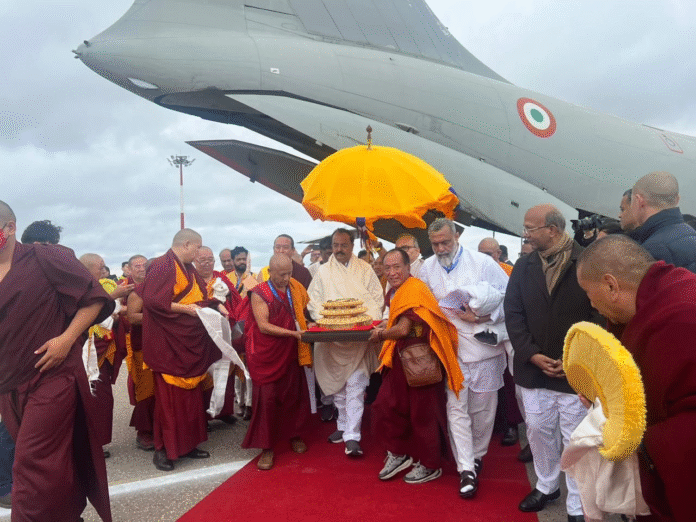
In a momentous cultural and spiritual event, sacred relics of Gautama Buddha arrived in Elista, the capital of Russia’s Kalmykia Republic, on Saturday. The holy relics were flown in by an Indian Air Force aircraft and ceremonially enshrined at the Geden Shedrup Choikorling Monastery.

The Indian delegation was led by Uttar Pradesh Deputy Chief Minister Keshav Prasad Maurya, accompanied by 11 senior monks, including the 43rd Sakya Trizin, Gyana Vajra Rinpoche.

The week-long exposition, taking place from October 11 to 18, marks a significant milestone in India–Russia cultural diplomacy, highlighting the nations’ shared Buddhist heritage.

Kalmykia — known as Europe’s only Buddhist-majority region — will host a series of religious ceremonies, cultural programs, and interfaith dialogues centered around the relics. The event aims to deepen people-to-people ties while celebrating the universal message of peace and compassion propagated by Lord Buddha.

Columbus Day: History, Meaning, and the Debate That Redefined It

0

Columbus Day, observed on the second Monday of October, marks Christopher Columbus’s arrival in the Americas on October 12, 1492 — an event long celebrated as the beginning of the New World. But over time, the day has evolved from a symbol of exploration to a focal point of historical debate.

Though his voyage was financed by Spain’s King Ferdinand and Queen Isabella, Columbus himself hailed from Genoa, Italy. Italian Americans, proud of his heritage, became key advocates for honoring his legacy. The first major celebration took place in 1792 in New York City, organized by the Society of St. Tammany (also called the Columbian Order).

However, the national recognition of the holiday came under tragic circumstances. In 1891, the lynching of 11 Italian Americans in New Orleans — one of the largest mass lynchings in U.S. history — shocked the world and strained U.S.–Italy relations. To ease tensions, President Benjamin Harrison declared October 12, 1892, a one-time national holiday marking the 400th anniversary of Columbus’s voyage.

By 1937, Columbus Day had become a federal holiday, thanks to the efforts of Italian American groups and Congressman Peter Rodino. Across the U.S., it was celebrated with grand parades, patriotic speeches, and school events, often portraying Columbus’s ships — the Niña, Pinta, and Santa María.

Yet by the late 20th century, the holiday faced growing criticism. Many began to question the glorification of Columbus, linking his arrival to the colonization and suffering of Indigenous peoples. The 1992 quincentennial especially intensified this debate, leading to the rise of Indigenous Peoples’ Day — a reimagining of the holiday that honors Native American history, resilience, and culture.

Outside the U.S., the legacy of Columbus is marked differently. In Spain and Italy, it remains a day of commemoration. In much of Latin America, it’s known as Día de la Raza (“Day of the Race” or “Day of the People”), celebrating the blend of Indigenous and European cultures that shaped the region’s identity.

Today, Columbus Day continues to provoke reflection — not just about one explorer’s voyage, but about how history is remembered, retold, and reconciled.

Amitabh Bachchan Birthday Celebrations Trend on Social Media. Watch Videos and Pics Here

0

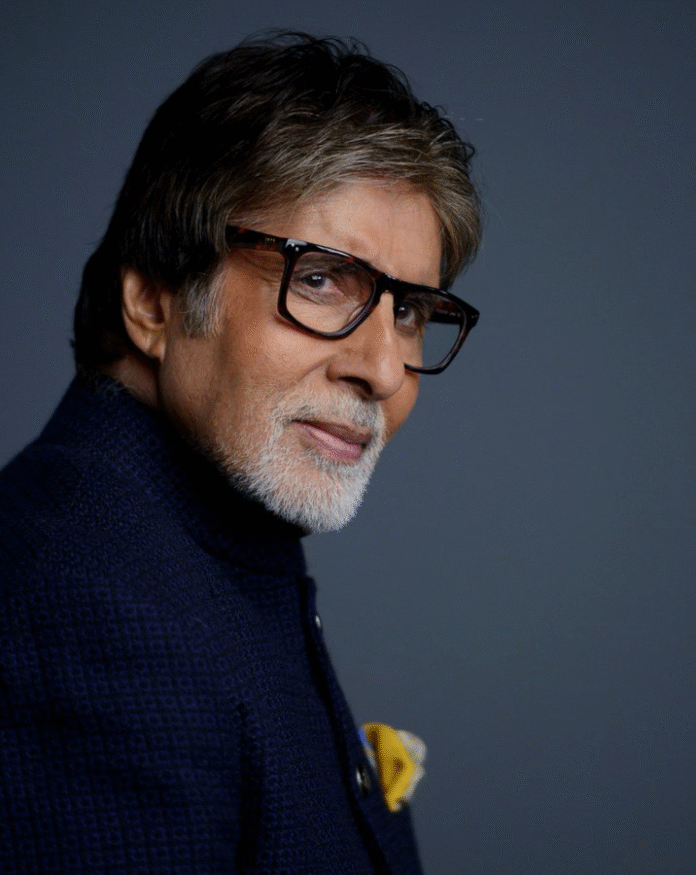
A day before he turned 83, Amitabh Bachchan left fans intrigued with an enigmatic post on X (formerly Twitter) in the early hours of dawn. “It took two years to learn to speak; and 80 years to learn to stay silent,” read the post, tagged T 5527.

For the actor whose deep baritone once redefined Indian cinema’s idea of heroism and power, the post carries a subtle irony. After all, it was speech — his commanding voice and powerful dialogues — that helped shape his legendary on-screen persona in classics like Deewar, Zanjeer, and Sholay.

Yet, beyond its apparent paradox, the message seems to hold a quiet depth — perhaps a reflection of wisdom gathered over a lifetime in the public eye. Is it an amused assertion from a man who has truly seen it all — fame, failure, resurgence, and reverence? Or should it simply be read at face value — a philosophical reminder that while it takes only a few years to learn to speak, it can take a lifetime to master the art of knowing when not to?

Maybe, in his characteristically understated style, Big B’s words serve as a birthday reflection — a piece of hard-earned wisdom for his fans and followers. And that’s why his fans celebrated his birthday with fanfare and zeal. Watch it here…

Amitabh Bachchan Turns 83: The Fitness Secrets That Keep Bollywood’s Big B Going Strong

0

Bollywood’s legendary superstar Amitabh Bachchan turns 83 on October 11, and his dedication to fitness continues to inspire generations. With over five decades in Indian cinema, Bachchan has delivered countless iconic performances in films like Zanjeer, Deewar, Sholay, Don, Paa, Pink, Badla, and Kalki 2898 AD. Yet beyond his cinematic achievements, it’s his unwavering discipline and fitness mindset that make him a true role model.

Fitness Mindset and Routine

Despite a packed schedule, Amitabh Bachchan never misses his workout. His wellness trainer Vrindaa Mehta shared in an interview with Humans of Bombay that it’s his mindset that sets him apart. “If Amitabh Bachchan can make time to exercise, normal people can too,” she said. “It’s not about comfort or excuses — when you know something is good for you, you just do it.”

The actor’s commitment is a reminder that fitness isn’t about trends or temporary motivation. Vrindaa emphasized that Bachchan’s sessions often focus on breathwork and yoga-based stretches. “My sessions with Amit ji are more about pranayama and controlled breathing. He understands that the mind drives the body — he’s the father of mindset,” she added.

Bachchan’s approach underlines that consistency is the real secret to longevity. For him, exercise isn’t a seasonal goal but a lifelong habit rooted in discipline and awareness.

Diet and Morning Routine

Amitabh Bachchan often shares glimpses of his health habits on his Tumblr blog. His mornings begin with tulsi leaves, followed by gooseberry (amla) juice and dates. His breakfast typically includes protein shakes, almonds, porridge, or coconut water — simple, nourishing choices that keep him energized through long working hours.

Ageless Inspiration

Even at 83, the megastar continues to film, host Kaun Banega Crorepati, and inspire millions. His fitness philosophy — rooted in mindfulness, moderation, and discipline — shows that age is no barrier when one prioritizes well-being. For Amitabh Bachchan, health truly remains the ultimate form of wealth.