Home Blog Page 14

Unplug to Reconnect: Why a Digital Detox Matters More Than Ever

0

What is a Digital Detox?

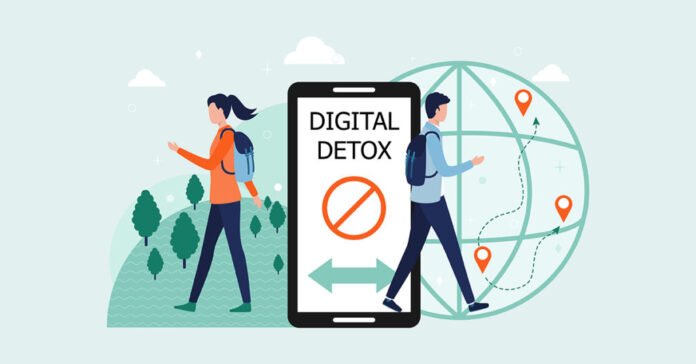
In today’s screen-driven lifestyle, a digital detox has become more than just a trend—it is a conscious lifestyle choice. It refers to taking a deliberate break from digital devices such as smartphones, laptops, and social media platforms to reduce mental clutter and restore balance. Rather than abandoning technology, it encourages mindful and controlled usage.

Why is it Important Today?

We live in an era of constant notifications, endless scrolling, and the pressure to remain perpetually connected. This digital overload often leads to stress, anxiety, poor sleep, and reduced attention span. The human brain, not designed for continuous stimulation, begins to feel overwhelmed. A digital detox offers a much-needed pause, allowing the mind to reset and regain clarity.

Benefits of Unplugging

The advantages of a digital detox are both immediate and transformative. Mentally, it reduces stress and improves focus, helping individuals become more productive. Emotionally, it fosters mindfulness and a deeper sense of presence in everyday life. Physically, limiting screen time—especially before bed—enhances sleep quality by reducing exposure to blue light. Socially, it encourages meaningful, face-to-face interactions, strengthening relationships that often suffer in the virtual world.

A Necessity for Everyone

From students glued to online classes to professionals navigating remote work, digital dependence affects all age groups. Even children are increasingly exposed to screens at an early age. Therefore, adopting digital detox habits is not optional—it is essential for maintaining overall well-being and preventing long-term health concerns.

How to Practice a Digital Detox

A digital detox does not require extreme measures. Small, consistent steps can make a significant difference. Start by setting screen-free hours, especially in the morning and before bedtime. Turn off unnecessary notifications and create “no-phone zones” such as dining areas. Replace screen time with offline activities like reading, exercising, journaling, or spending time in nature. Even short breaks from devices can have a powerful impact.

Conclusion: Disconnect to Reconnect

Ultimately, a digital detox is about reclaiming control over our lives. Technology is a powerful tool, but it should not dictate our time, attention, or well-being. By consciously unplugging, we create space to recharge, reflect, and reconnect—with ourselves, our surroundings, and the people who truly matter.


Lab-Grown “Bodyoids”: Breakthrough in Biotechnology or an Ethical Dilemma?

0

A controversial new idea emerging from the world of biotechnology is pushing the boundaries of science—and ethics. Reports suggest that a US-based startup, R3 Bio , is exploring the possibility of developing lab-grown human biological systems, sometimes referred to in media as “bodyoids.” While the term itself is not scientific, it broadly describes experimental concepts involving human-derived biological structures that could one day transform medical research.

At its foundation, this idea builds upon advances in organoids and regenerative medicine. Scientists today can already grow miniature versions of organs—such as liver, kidney, or brain tissues—from stem cells in controlled lab environments. However, the concept of creating integrated, full-body biological systems without a brain or consciousness remains far beyond current scientific capability and is largely theoretical at this stage.

Despite this, the potential applications being explored are significant. One of the major limitations in modern medicine is the reliance on animal testing, which often fails to accurately replicate human biological responses. More advanced human-based models could improve drug testing by offering better insights into how treatments affect complex biological systems. In the long term, such research could also contribute to developments in organ science, potentially helping address shortages in transplantable organs.

Yet, the ethical concerns surrounding such possibilities are profound. Even if these biological systems are designed to be non-sentient, the idea of creating human-like structures for experimentation raises difficult moral questions. Scholars in bioethics argue that society must carefully consider where to draw the line between innovation and exploitation. Concerns range from the commodification of human biological material to the broader psychological and societal impact of such technologies.

It is also important to approach such developments with caution. Much of the discussion remains speculative, and there is limited publicly verified scientific data supporting the creation of full-body systems as described. Experts emphasise that current biotechnology is still far from achieving such capabilities, and significant scientific, regulatory, and ethical challenges remain.

In conclusion, the idea of lab-grown “bodyoids” represents both an intriguing scientific frontier and a complex ethical crossroads. As biotechnology continues to evolve, the challenge will not only be what science can achieve, but also what society is willing to accept.

Richa Kar and the Rise of Zivame: Redefining Comfort, Confidence, and Choice

0

In a society where conversations around lingerie were once hushed and often uncomfortable, Richa Kar emerged as a bold changemaker. By challenging deep-rooted social taboos and identifying a critical gap in the market, she built Zivame into one of India’s most recognised intimate wear platforms. Her journey is not just about entrepreneurship—it is about empowerment, cultural change, and redefining consumer experiences for millions of Indian women.

Early Life and Professional Roots

Born in Jamshedpur, Jharkhand, Richa Kar grew up in a middle-class family that valued education and ambition. She pursued engineering from BITS Pilani and later earned her MBA from Narsee Monjee Institute of Management Studies (NMIMS), Mumbai.

Before venturing into entrepreneurship, she gained corporate experience working with companies like Spencer’s retail and SAP . It was during her time at SAP, while working on global retail projects, that she noticed a stark contrast between the structured lingerie retail industry abroad and the fragmented, often uncomfortable experience in India.

The Birth of Zivame: Breaking a Taboo

The idea for Zivame was rooted in a simple yet powerful observation—Indian women lacked privacy, choice, and proper guidance while purchasing lingerie. Social stigma, limited size availability, and untrained retail staff made the experience inconvenient and often embarrassing.

In 2011, Richa Kar launched Zivame as an online platform to address these issues. By offering a discreet shopping experience, detailed size guides, and a wide variety of products, she aimed to make lingerie shopping both accessible and empowering. At a time when e-commerce itself was still evolving in India, choosing such a sensitive category required immense courage and conviction.

Building a Brand That Stands for More

Zivame quickly grew beyond being just an online store. It became a brand that stood for body positivity, comfort, and confidence. The platform introduced Indian consumers to the importance of proper fit and personal choice, something that had long been overlooked.

Over time, Zivame expanded into offline retail, adopting an omnichannel approach that blended digital convenience with physical store experiences. The brand offered everything from everyday essentials to premium collections, catering to a wide range of body types and preferences.

Challenges Along the Way

Richa Kar’s journey was far from smooth. Operating in a category considered “taboo” brought its own set of challenges. From scepticism among investors to hesitation from landlords unwilling to lease office space for a lingerie business, she faced resistance at multiple levels.

However, her clarity of vision and belief in solving a genuine problem kept her going. Instead of being deterred, she used these challenges as stepping stones to build a stronger and more inclusive brand.

Growth, Investments, and Milestones

Under her leadership, Zivame became one of India’s leading lingerie platforms, attracting significant investor interest. Notably, it received backing from prominent investors including Ratan Tata and venture capital firm Kalaari Capital.

A major milestone came in 2020, when Reliance Retail acquired a majority stake in Zivame, marking the brand’s transition into a larger retail ecosystem. By this time, Zivame had already established itself as a household name in the intimate wear segment.

Richa Kar stepped away from day-to-day operations in 2017, but her role in shaping the brand’s identity and direction remains foundational.

Recognition and Awards

Richa Kar’s contribution to entrepreneurship and women’s empowerment has been widely recognised. She was featured in The Economic Times 40 Under 40 list in 2014 and has received accolades such as the Femina Women Award and the NDTV Unicorn Start-up Award. She has also been recognised among India’s most influential women in business, reflecting her impact not just as a founder but as a thought leader.

A Lasting Impact

What sets Richa Kar apart is not just the success of Zivame, but the cultural shift she helped initiate. She played a key role in normalising conversations around lingerie in India, encouraging women to prioritise comfort, fit, and self-confidence over societal judgment.

Her journey highlights how entrepreneurship can go beyond profits to create meaningful social change. By addressing an overlooked yet essential need, she empowered millions of women to make informed choices about their bodies and personal comfort.

Final Thoughts

Richa Kar’s story is a powerful reminder that true innovation often lies in solving problems that others hesitate to address. From breaking taboos to building a successful brand, her journey reflects courage, resilience, and vision.

Today, Zivame stands not just as a business success, but as a symbol of changing mindsets in modern India—an enduring legacy of a woman who dared to think differently and act boldly.


India: The Land of Spices That Flavoured the World

0

For centuries, India has been celebrated as the “Land of Spices”—a title rooted in its extraordinary diversity, quality, and historical influence. From ancient trade routes to modern global markets, Indian spices have not only shaped cuisines but also influenced economies, cultures, and even the course of world history.

A Land Blessed with Unmatched Spice Diversity

India is the largest producer, consumer, and exporter of spices in the world, cultivating a remarkable variety thanks to its diverse climates—from tropical coasts to arid plains.
Today, the country grows over 60 varieties of spices commercially, making it one of the richest spice-producing regions globally.

From the cardamom hills of Kerala to the dry landscapes of Rajasthan and Gujarat, each region contributes uniquely to India’s spice basket, creating a vibrant tapestry of flavors and aromas.

Spices India Popularised Across the World

India has long been at the heart of the global spice trade, introducing and popularising numerous spices across continents. Some of the most iconic include:

●Black Pepper – Known as the “King of Spices”, once so valuable it was used as currency
●Cardamom – The “Queen of Spices”, prized for its rich aroma
●Turmeric (Haldi) – A golden spice revered for its culinary and medicinal uses
●Cumin (Jeera) – A staple in cuisines across Asia, the Middle East, and beyond
●Coriander (Dhania) – Widely used in spice blends worldwide
●Ginger (Adrak) – Valued for both flavor and therapeutic benefits
●Fenugreek (Methi) and Fennel (Saunf) – Essential in Indian and global cooking
●Cloves, Nutmeg, and Mace – Key spices in historical trade networks

While some spices like chilli were introduced to India from the Americas, India played a crucial role in cultivating, adapting, and exporting them globally, making them integral to international cuisines.

India remains the largest producer of turmeric, contributing a significant share of global production and supply.

Uses of Indian Spices: Beyond Taste

Indian spices are far more than flavor enhancers—they are multi-functional ingredients with wide-ranging applications:

Culinary Uses
Spices form the backbone of Indian cuisine and are essential to global dishes. From curries to seasoning blends like garam masala, they add depth, aroma, and color.

Medicinal & Ayurvedic Uses
In Ayurveda , spices like turmeric, ginger, and black pepper have been used for centuries to:
●Boost immunity
●Improve digestion
●Reduce inflammation

Industrial & Commercial Uses
Spices are also used in:
●Pharmaceuticals (extracts and essential oils)
●Cosmetics and skincare products
●Food preservation and processing
●Perfumes and aromatherapy

India’s Spice Trade: A Global Powerhouse

India’s spice legacy continues to thrive in the modern economy.

●The country exports spices to over 200 countries worldwide
●Annual spice exports are valued at over USD 4 billion
●Major export destinations include the USA, China, UAE, Bangladesh, UK, and Germany

Leading Spice Exports:

●Chilli – India’s largest exported spice by value
●Cumin – Highly demanded in global markets
●Turmeric – Growing demand due to health benefits
●Mint products and spice oils – Key value-added exports

This thriving trade not only strengthens India’s global presence but also supports millions of farmers and workers across the country.

The Spice Route: A Legacy That Changed History

The global demand for Indian spices once drove explorers and traders to seek new routes to the East. The search for these precious commodities led to the discovery of sea routes by European powers, fundamentally reshaping global trade and geopolitics.

Spices were once worth their weight in gold—and India stood at the center of this lucrative exchange.

Final Thoughts

India’s richness in spices is not merely agricultural—it is historical, cultural, and scientific. From ancient Ayurvedic traditions to modern kitchens across the world, Indian spices continue to define flavors, heal bodies, and connect cultures.

Whether it is the warmth of turmeric, the fragrance of cardamom, or the sharpness of pepper, these spices are more than ingredients—they are a timeless legacy that continues to flavour the world.

FSSAI Urgent Warning: Never Eat Fruit Stickers! Hidden Health Risks in Adhesive Glue Revealed

0

PC(Times Now, Amau Ujala)

The Food Safety and Standards Authority of India (FSSAI) has issued a strong advisory urging all consumers to immediately remove stickers from fruits and vegetables before eating them. The warning highlights that the adhesives used on these Price Look-Up (PLU) labels can leave behind harmful chemical residues that are not safe for consumption.

While these small stickers help supermarkets with tracking, pricing, and identifying whether produce is organic or conventionally grown, experts warn that the glue behind them poses potential health risks especially with repeated exposure. Why FSSAI Wants You to Remove Fruit Stickers the adhesives on fruit and vegetable stickers often contain chemicals, including surfactants, that are not food-grade and are not meant to be ingested. These residues can:

Trap bacteria, dirt, and pesticides underneath the sticker, making them harder to wash away with normal rinsing. Migrate into the produce through the porous skin of fruits and vegetables, especially when exposed to heat or sunlight. Cause digestive issues such as throat irritation, stomach discomfort, or nausea. Pose higher risks to children and the elderly, who may accidentally swallow small pieces or be more sensitive to chemical exposure. FSSAI emphasizes that even if the sticker itself is labeled “food-grade,” the adhesive is not intended for eating. Regular consumption of these residues over time could lead to long-term health concerns.

FSSAI’s Key Safety Recommendations to protect your family’s health, the food regulator advises the following simple but important steps: Remove stickers immediately – Take them off as soon as you bring the produce home. Wash thoroughly Rinse fruits and vegetables under clean running water for at least 5 minutes. Peel when possible Remove the skin or cut away the area where the sticker was attached. Avoid soaps and disinfectants.Never use detergent, soap, or chemical cleaners directly on fresh produce. Check for quality – Don’t assume produce with stickers is premium; stickers are sometimes used to hide defects or decay. For extra cleaning, you can use a mild solution of 50ppm chlorine in warm water, but plain running water remains the primary recommendation.

FSSAI Urgent Warning: Never Eat Fruit Stickers! Hidden Health Risks in Adhesive Glue Revealed

PLU (Price Look-Up) stickers are common in supermarkets and mandis. A 4-digit code (starting with 3 or 4) usually indicates conventionally grown produce, while a 5-digit code starting with 9 means it is organic. However, these convenience labels come with a hidden hygiene cost that many people overlook. In a country where fresh fruits and vegetables are part of daily meals, small changes can make a big difference Always peel or cut the sticker area before eating apples, pears, mangoes, or cucumbers.

Use a clean vegetable brush for firm-skinned produce. Store washed produce properly in the refrigerator. Never leave fruits and vegetables in hot cars or outside where they can attract pests or spoil faster. FSSAI’s timely alert serves as an important reminder that food safety starts at home with basic hygiene practices. While occasional accidental ingestion may not cause immediate harm, being mindful of sticker residues can help reduce unnecessary chemical exposure – especially for children.

Hundreds of Perfectly Preserved Dinosaur Eggs Uncovered in France – A 72-Million-Year-Old Nesting Ground Revealed!

0

PC(Daily Ausaf, Mini Museum)

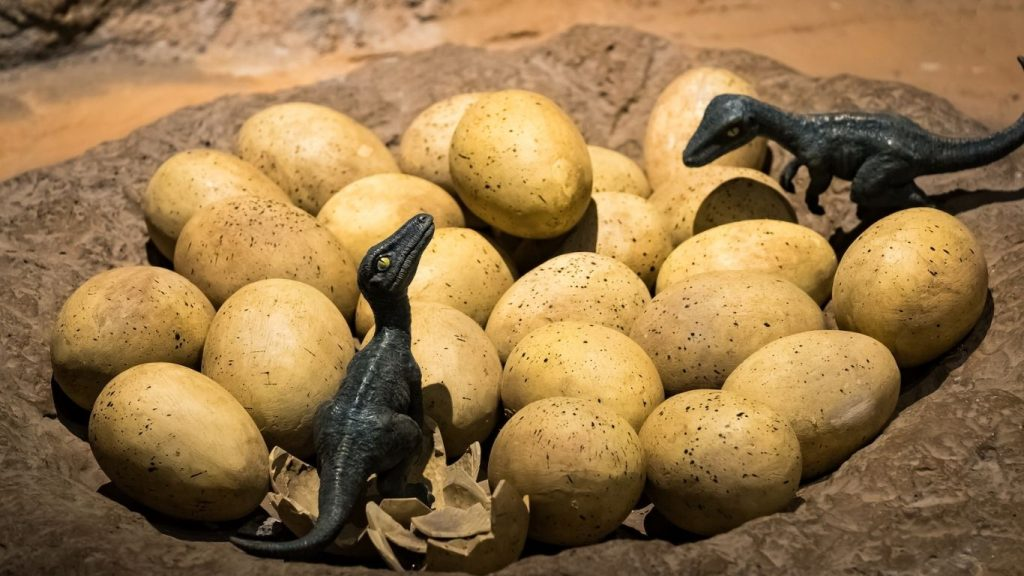
In a groundbreaking paleontological discovery, archaeologists in southern France have unearthed hundreds of exceptionally well-preserved dinosaur eggs, some still intact after 72 million years. The find has turned the Mèze fossil site into what is now considered Europe’s largest dinosaur egg deposit and one of the most significant nesting grounds in the world. The exciting discovery was announced on Facebook by the Musée-Parc des Dinosaures de Mèze in the Hérault region. Museum director-curator Alain Cabot described the find as an “exceptional concentration of eggs” following months of careful excavation work.

A Rare Glimpse into Dinosaur Life teams at the site uncovered several hundred remarkably preserved fossilized eggs embedded in sediment. Some eggs even retain intact internal structures, offering scientists a rare window into the reproductive behavior, environment, and species that roamed the region during the late Cretaceous period.

The Mèze site now ranks alongside famous nesting sites in Argentina, China, and Mongolia. Cabot, who has been working at the location for nearly three decades, explained that the team first spots eggshell fragments on the surface before digging deeper – a patient method that led to the initial discoveries 28 years ago. “Today we found a hundred more,” Cabot said, emphasizing how rare such dense concentrations are. Most dinosaur egg sites typically yield only a handful of specimens.

A Vast “Fossilized Reproductive Ecosystem”. what The unusually high number of nests in one area suggests a massive, shared nesting ground researchers are calling a genuine fossilized reproductive ecosystem. Early analysis indicates the eggs were laid by different herbivorous dinosaurs, including titanosaurs (known for their round eggs) and Rhabdodon priscus, between 72 and 70 million years ago. The ancient environment played a key role in their preservation. The region was once a river-laced floodplain where dinosaurs likely nested in shallow pits covered with vegetation. Periodic flooding rapidly buried the nests under sediment, perfectly sealing the delicate eggshells for tens of millions of years.

Hundreds of Perfectly Preserved Dinosaur Eggs Uncovered in France - A 72-Million-Year-Old Nesting Ground Revealed!

Museum officials believe this is just the beginning. Reports suggest that more than 100 eggs became visible within weeks once the team reached a fossil-rich horizontal layer – and the egg-bearing layer extends well beyond the current excavation trench. Researchers anticipate several more years of work at the site. The announcement has already sparked huge excitement online, with the museum’s Facebook post receiving over 1,500 reactions and hundreds of shares. Many commenters expressed awe at the incredible scale and age of the discovery, while others called for wider media attention. This remarkable find not only adds a thrilling new chapter to our understanding of dinosaurs but also brings us closer to imagining the living, breathing world of these ancient giants.

Artemis II Update: A Historic Journey and Stunning New Views of Earth

0

NASA’s Artemis II has entered a landmark phase, marking humanity’s first crewed journey beyond Earth’s orbit since the Apollo Program. Launched on April 1, 2026, aboard the Orion spacecraft, the four-member crew is currently travelling toward the Moon on a carefully planned free-return trajectory—ensuring a safe loop around the Moon before heading back to Earth.

Where has Artemis II reached?

Following a successful launch and initial Earth-orbit tests, Orion executed a critical translunar injection burn, propelling it into deep space at speeds exceeding 35,000 km/h. The spacecraft is now more than halfway to the Moon, steadily advancing toward its upcoming lunar flyby.

During this journey, Artemis II is expected to travel roughly 4,000 miles beyond the Moon before beginning its return path—pushing the boundaries of human spaceflight farther than ever since the Apollo era.

Breathtaking images of Earth

One of the most captivating highlights of the mission so far has been the stunning images of Earth shared by NASA. Captured from tens of thousands of miles away, these visuals show our planet as a radiant blue sphere suspended in the vast darkness of space.

Artemis II Update: A Historic Journey and Stunning New Views of Earth

The images reveal intricate details—swirling cloud systems, the glowing edge of the atmosphere, and even the faint shimmer of auroras. Echoing the iconic “Earthrise” moment from Apollo 8, these photographs offer a humbling reminder of Earth’s fragility and beauty, reigniting global fascination with space exploration.

Mission significance

Artemis II is a crucial step in NASA’s long-term vision to return humans to the Moon and eventually reach Mars. The mission is also historic for its diverse crew, reflecting a new era of inclusivity in space exploration.

Beyond its symbolic importance, the mission is testing vital systems—from life support to navigation—that will be essential for future missions, especially Artemis III , which aims to land astronauts on the lunar surface later this decade.

What lies ahead?

In the coming days, the spacecraft will perform its close lunar flyby before beginning the journey back to Earth, completing a mission of around 10 days. So far, the mission has proceeded smoothly, with only minor and manageable technical issues reported.

As Artemis II continues its voyage, it not only advances scientific and technological frontiers but also rekindles a timeless human spirit—the desire to explore the unknown, while reminding us of the singular beauty of our home planet.

Veerangana Jhalkari Bai Punyatithi: Remembering the Unsung Warrior of 1857

0

On this day, India remembers the courage and sacrifice of Jhalkari Bai—a fearless warrior of the 1857 Revolt whose story, though often overlooked, remains one of the most powerful tales of bravery in Indian history. Celebrated as her Punyatithi or martyrdom day, it is a moment to honour a woman who defied both colonial power and social barriers of her time.

Who Was Jhalkari Bai?

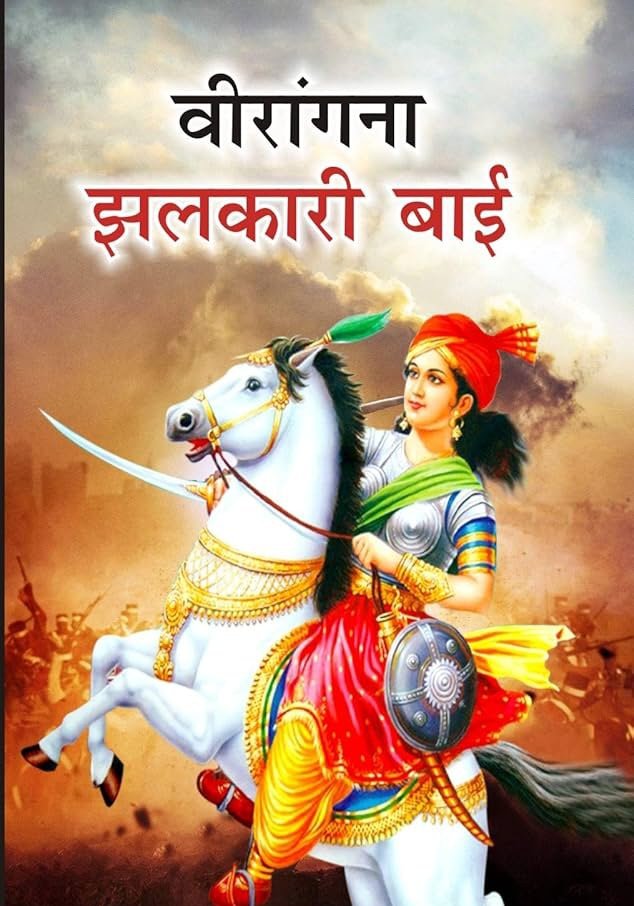
Born on November 22, 1830, in Bhojla village near Jhansi, Jhalkari Bai came from a humble Kori (Dalit) family. Despite limited resources, she grew up displaying extraordinary courage. From a young age, she was trained in horse riding, weaponry, and combat skills—traits rare for women of her social background during that era.

Legends of her childhood bravery are still narrated in Bundelkhand, including stories of her fearlessly confronting wild animals. These early signs of strength shaped her into a formidable warrior.

The Warrior of Jhansi

Jhalkari Bai became a key member of the army of Rani Lakshmibai during the Revolt of 1857. She rose through the ranks to become part of the Durga Dal, the women’s regiment, and eventually one of the queen’s most trusted aides.

What made her truly remarkable was not just her skill, but her striking resemblance to Rani Lakshmibai—something that would later change the course of history.

An Act of Unmatched Bravery

During the siege of Jhansi by British forces, Jhalkari Bai performed one of the most daring acts in India’s freedom struggle. She disguised herself as the queen and entered the battlefield, deliberately misleading the British army.

This bold move created confusion among the enemy and allowed the real Rani Lakshmibai to escape safely and continue the resistance. Jhalkari Bai fought fiercely, fully aware that she was risking her life.

Accounts of her death vary—some say she was martyred in battle, while others suggest she survived and lived later—but her courage remains undisputed.

A Legacy Beyond History Books

Jhalkari Bai’s story holds immense significance, especially as a symbol of Dalit resistance and women’s empowerment. For years, her contributions were largely absent from mainstream historical narratives, but they survived through folklore, songs, and oral traditions in regions like Bundelkhand.

Today, she is remembered as a veerangana—a brave heroine—whose life challenges traditional notions of heroism dominated by royalty and privilege. Her legacy has inspired literature, cultural movements, and a renewed effort to recognise forgotten heroes of India’s past.

Why Her Punyatithi Matters

Jhalkari Bai’s Punyatithi is not just about remembering a warrior—it is about reclaiming a story that history nearly erased. It reminds us that India’s freedom struggle was shaped not only by kings and queens but also by ordinary individuals with extraordinary courage.

Her life stands as a powerful message: bravery knows no caste, no gender, and no boundaries.
In remembering Jhalkari Bai, we honour not just a forgotten hero—but a legacy of resilience, sacrifice, and fearless patriotism that continues to inspire generations.

Chhatrapati Shivaji Maharaj: Remembering the Founder of Swarajya on His 346th Death Anniversary

0

A legacy of Swarajya, courage, and honour that continues to inspire India even today. On 3 April 1680, at Raigad Fort, Chhatrapati Shivaji Maharaj breathed his last, but his indomitable spirit and vision of self-rule never left the land. Today, as the nation observes his 346th death anniversary, Indians across the country remember the legendary warrior king with pride, gratitude, and heavy hearts.

Born on 19 February 1630 at Shivneri Fort to Shahaji Bhosale and Jijabai, Shivaji was named after the local deity Goddess Shivai. From a young age, he was deeply influenced by his mother’s teachings and the prevailing religious persecution under the Deccan sultanates and the mighty Mughal Empire. By the age of 16-17, he resolved to establish Hindavi Swarajya -a sovereign Hindu self-rule state based on justice, honour, and freedom from foreign oppression.

A Visionary Warrior and Statesman Shivaji Maharaj began his campaign by capturing forts like Torna and Kondana. He pioneered innovative guerrilla warfare tactics known as Ganimi Kava, which allowed smaller forces to outmanoeuvre larger armies. He also built a strong navy, earning him the title “Father of the Indian Navy”, and secured the Konkan coast.

His military brilliance was matched by exceptional administrative skills. He promoted Marathi and Sanskrit in his court, emphasised the protection of women and farmers, and practised religious tolerance while fiercely defending Hindu dharma. One of the most defining moments came on 6 June 1674, when he was crowned Chhatrapati (Paramount Sovereign) at Raigad Fort. This grand coronation formally established the Maratha Empire and symbolised the birth of a new era of Swarajya.

Shivaji’s courage became legendary through several daring feats. In 1659, he outsmarted and defeated Afzal Khan of Bijapur in a historic encounter. He carried out a bold midnight raid on the Mughal viceroy’s camp and even sacked the prosperous port of Surat, challenging Mughal authority directly. When summoned to Aurangzeb’s court in Agra, he and his son were placed under house arrest, but Shivaji’s clever escape further enhanced his reputation as a master strategist. Despite facing vast Mughal armies led by generals like Mirza Raja Jai Singh, Shivaji never wavered from his mission of building a just and independent kingdom.

Chhatrapati Shivaji Maharaj passed away at the age of 50 on 3 April 1680 at Raigad Fort due to health complications. Though his physical presence ended, his ideals of self-rule, courage, justice, and national pride lived on. His successors expanded the Maratha Empire, which later played a crucial role in shaping modern Indian history. Even centuries later, Shivaji Maharaj remains a blueprint for leadership, resilience, and patriotism. His life teaches the importance of standing fearlessly for one’s values, protecting the weak, and building a society rooted in honour and unity. On this solemn day, the nation pays heartfelt tributes to the great Chhatrapati. His message of Swarajya continues to echo in every corner of India, inspiring generations to uphold courage, unity, and pride in their heritage.

Jaipur Named Among World’s 50 Most Beautiful Cities by Condé Nast Traveler -The Only Indian City in the List

0

The historic city of Jaipur has earned global acclaim after being named among the world’s 50 most beautiful cities by the renowned travel magazine Condé Nast Traveler. This recognition celebrates the Pink City’s unique charm, rich cultural heritage, and stunning architecture, making it the only Indian city to feature in the prestigious list.

Often called the Pink City, Jaipur stands out for its distinctive warm orangey-pink buildings that define much of its historic old town. This iconic colour tradition dates back to 1876, when the city’s ruler, Sawai Ram Singh II, ordered buildings to be painted pink to welcome British royalty, including Prince Albert and Queen Victoria. The shade was chosen to symbolise warmth and hospitality-a gesture that continues to define the city’s identity today.

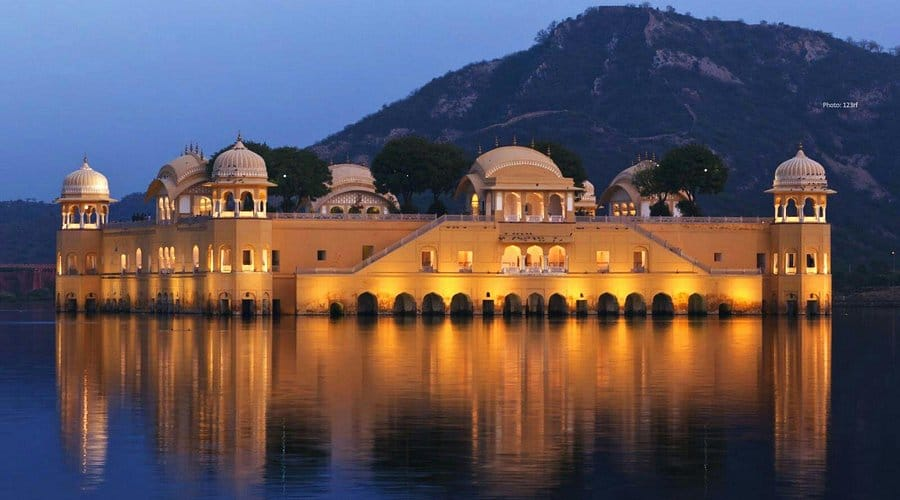
Beyond its signature hue, Jaipur’s beauty lies in its extraordinary architectural heritage and seamless blend of history with vibrant urban life. The city is home to iconic landmarks such as the honeycomb-windowed Hawa Mahal (Palace of Winds), the majestic hilltop Amber Fort with its mirrored halls, and the regal City Palace. These structures reflect the grandeur of Rajasthan’s royal past and continue to captivate visitors from around the world.

Jaipur Named Among World's 50 Most Beautiful Cities by Condé Nast Traveler -The Only Indian City in the List

Adding to its allure, Jaipur’s historic core has been recognised as a UNESCO World Heritage Site. The planned grid-like layout, grand gateways, bustling bazaars, intricately carved façades, colourful doorways, and traditional Rajasthani architecture make it a masterclass in 18th-century urban planning that remains relevant even today.

According to Condé Nast Traveler, the list of the world’s 50 most beautiful cities goes beyond mere aesthetics. It honours destinations that offer distinctive cultural experiences through historic neighbourhoods, architectural brilliance, natural landscapes, and vibrant daily life. In Jaipur’s case, it is the perfect fusion of royal legacy, art, culture, and living traditions that sets it apart.

A stroll through the old city reveals lively street markets selling handicrafts, historic temples, and the aroma of traditional Rajasthani cuisine-all framed by the city’s photogenic pink palette. From exploring centuries-old forts and palaces to immersing in the energy of its bazaars, Jaipur offers experiences that go far beyond its visually striking streets.

This global recognition is a proud moment for Indian tourism. It highlights how Jaipur beautifully blends its royal past with a dynamic present, reinforcing India’s rich cultural heritage on the world travel map.