Home Blog Page 117

Amazon, Microsoft & US Giants Pouring Billions Into the India. Know the Story Why Tech Giants Rushing to India

0

India is no longer just the world’s IT outsourcing capital it has become the global epicenter for next-generation technology, cloud infrastructure, and AI innovation. In the past few years, US tech giants including Microsoft, Amazon, Google, Apple, and several Nvidia-backed companies have accelerated their investments, triggering what analysts are calling “The Great Indian Tech Gold Rush.”

With the world’s largest population, a digitally empowered market, and one of the strongest engineering talent pools anywhere, India has emerged as Silicon Valley’s most valuable long-term strategic partner.

Amazon’s Record-Shattering $35 Billion Expansion in India

Amazon has unveiled a massive $35 billion investment plan for India by 2030, reinforcing its long-term commitment to the country. This comes in addition to the $40 billion Amazon has already invested over the last 15 years.

The tech giant’s India roadmap focuses on:

  • AI-driven digitisation for small and medium businesses
  • Scaling e-commerce exports to $80 billion
  • Expanding AWS data centres to support India’s booming cloud adoption
  • Creating millions of direct and indirect jobs
  • Digitally empowering 15 million MSMEs by the end of the decade

At the Amazon Smbhav Summit, the company stressed that India is becoming a central hub for its global AI ambitions, both in research and deployment.

Microsoft’s $17.5 Billion Push to Power India’s AI Future

Microsoft’s vision for India is equally aggressive and transformative. Its $17.5 billion investment aims to scale hyperscale data centres, strengthen AI infrastructure, and collaborate with Indian IT giants to deploy Copilot and agentic AI systems nationwide.

CEO Satya Nadella emphasised India’s rapidly rising demand for secure and sovereign cloud ecosystems, noting that Microsoft aims to act as the digital backbone for this new AI-first era. A major thrust of the investment also focuses on upskilling millions of Indian workers to prepare them for an AI-driven job market.

Why India Has Become the Global Technology Epicenter

Several factors are driving this unprecedented capital inflow:

  • World’s largest internet user base, growing at a record pace
  • Unmatched engineering and developer ecosystem
  • Strong government focus on AI, cloud, semiconductors, and digital public infrastructure
  • Massive market potential for AI-powered services, fintech, e-commerce, and enterprise tech

Industry estimates now place US tech commitments to India at over $67 billion, with more investment expected as AI adoption accelerates.

Where the Future of Global Tech Is Being Built

With Amazon and Microsoft leading the charge, India has positioned itself as the frontline of global AI and cloud expansion. The continuous flow of mega-investments signals one undeniable reality:

The future of global technology is being built not just in Silicon Valley — but in India.
Can The 2030 Commonwealth Games Become India’s Stepping Stone to the 2036 Olympics

0

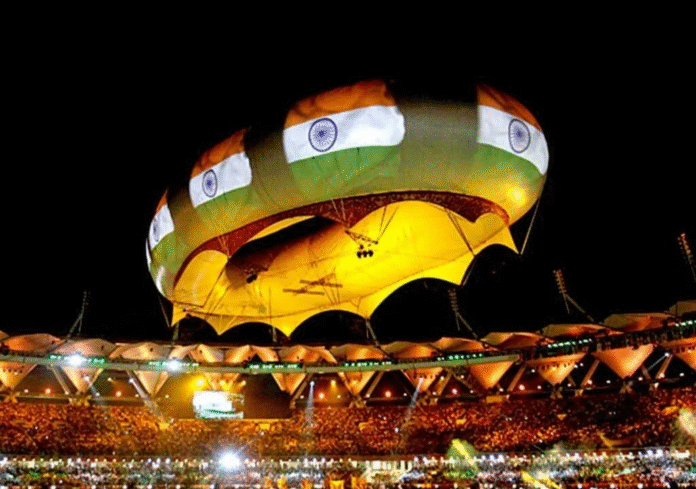
As India positions itself as a rising global sports hub, the potential bid to host the 2030 Commonwealth Games (CWG) has sparked widespread excitement. Beyond the prestige of hosting a major international sporting event, many experts believe that the 2030 CWG could serve as a powerful launchpad for an even bigger ambition — bringing the 2036 Olympic Games to India.

A Strategic Milestone on the Global Sports Map

Hosting the 2030 Commonwealth Games would offer India the ideal opportunity to showcase its rapidly growing sports infrastructure, organisational capability, and hospitality. With several world-class stadiums across New Delhi, Ahmedabad, Mumbai, Bhubaneswar, Bengaluru, and Hyderabad, India is better placed than ever to handle a multi-nation event of this scale.

The Commonwealth Games, though smaller than the Olympics, mirror similar operational challenges — athlete villages, transport coordination, volunteer management, media handling, and security frameworks. Successfully delivering the 2030 CWG would significantly boost India’s international credibility as a future Olympic host.

Building Infrastructure That Aligns With Olympic Standards

For the Olympics, infrastructure is a key deciding factor. The proposed Sardar Vallabhbhai Patel Sports Enclave in Ahmedabad, already pitched as a potential centerpiece for the 2036 Games, would gain crucial real-world testing if used during the 2030 CWG.
Similarly, upgrades in urban mobility, green energy adoption, and digital connectivity prompted by a 2030 hosting responsibility would naturally align with the requirements of the International Olympic Committee (IOC).

Economic and Tourism Boost

Mega-sporting events generate substantial economic activity through construction, employment, hospitality, and tourism. The 2030 CWG could:

  • Boost India’s sports economy
  • Strengthen the brand image of cities like Ahmedabad and Delhi
  • Attract global investments in sports tech and infrastructure
  • Inspire a surge in domestic sports participation

These ripple effects would create a more compelling case for the Olympic bid, proving India’s readiness for global tourism and large-scale event management.

Strengthening India’s Global Sporting Reputation

India’s recent performance in the Olympics and Commonwealth Games has improved significantly, with rising medal counts and stronger systems for training athletes. Hosting the CWG would also fuel nationwide enthusiasm for sports, expand grassroots programs, and enhance elite athlete development — all of which the IOC evaluates closely during the bidding process.

A Catalyst for the 2036 Olympic Dream

While hosting the Olympics requires years of planning, international endorsements, and demonstrable competence, the 2030 CWG could become the critical catalyst. It would allow India to:

  • Demonstrate its operational excellence
  • Build confidence among IOC members
  • Show public support and national commitment
  • Prove sustainable and cost-efficient hosting models

Conclusion: A Golden Opportunity

The 2030 Commonwealth Games would not just be another sporting event for India — it could be the stepping stone that propels the nation toward fulfilling its long-cherished dream of hosting the 2036 Olympic Games. With the right planning, investment, and global engagement, India can transform the 2030 CWG into a defining moment in its sporting journey.

Jaipur Tiger Festival: Where Art, Wilderness and Culture Roar Together

0

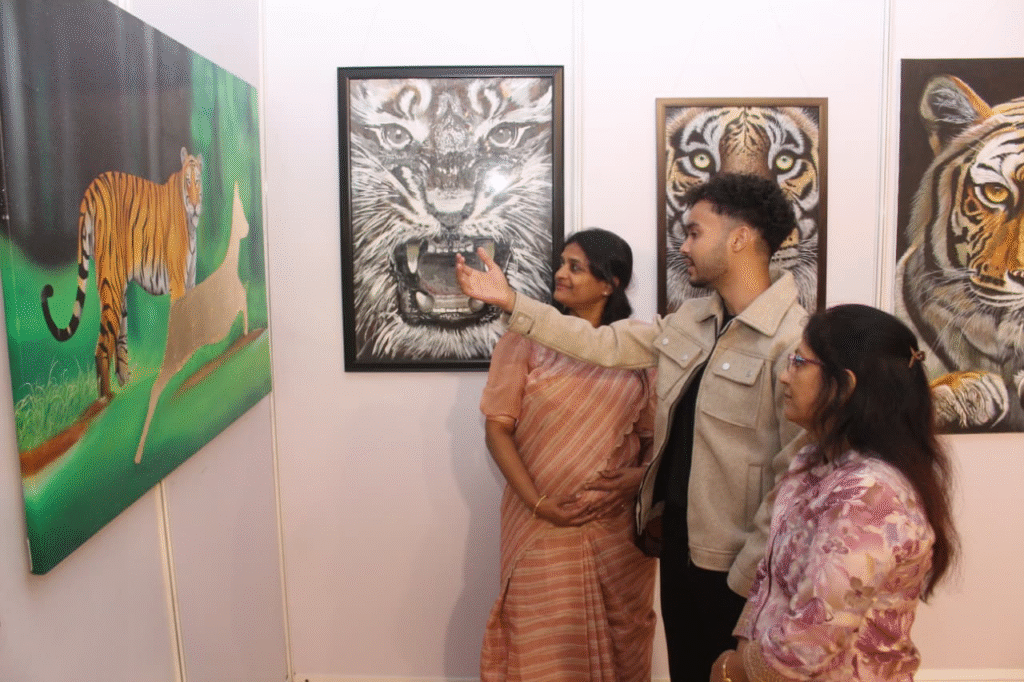
At Shilpgram, the heartbeat of Jaipur’s cultural landscape, the spirit of the wild has taken centre stage. The Jaipur Tiger Festival has transformed Jawahar Kala Kendra into a lively jungle of ideas, art and activism—where tiger roars echo not from forests, but from photographs, paintings, stories and performances. From conservation heroes to young storytellers, from virtual safaris to folk rhythms, the festival is a vibrant celebration of India’s most iconic predator and the ecosystems it protects.

Here are the top highlights that make the festival unmissable:

Top 10 Highlights of the Jaipur Tiger Festival

1. Inauguration by the Hon’ble Governor of Rajasthan

Governor Shri Haribhau Kisanrao Bagde opened the festival, emphasising Rajasthan’s legacy of courage and conservation—and the tiger’s crucial role in sustaining wildlife ecosystems.

2. A Grand Four-Day Cultural & Wildlife Extravaganza

Running from 11 to 14 December, the festival blends conservation awareness with art, culture and storytelling.

Jaipur Tiger Festival: Where Art, Wilderness and Culture Roar Together

3. 53 Eye-Catching Stalls

From tiger reserves to conservation groups and wildlife creators, the stalls showcase rare insights into India’s big cats and their habitats.

4. A Visual Feast: 150+ Photographs & 63 Artworks

Striking tiger portraits, dramatic forest moments and evocative paintings create an immersive experience for visitors.

Jaipur Tiger Festival: Where Art, Wilderness and Culture Roar Together

5. Rajasthan’s Tiger Reserves Under One Roof

All five major tiger reserves of the state are represented, offering visitors a one-stop exploration of Rajasthan’s wild heritage.

6. Eleven Wildlife Heroes Felicitated

From forest officers to conservationists, the Governor honoured 11 individuals for their remarkable service to wildlife protection.

7. Cultural Spark: Rekha Parihar’s Electrifying Performance

Internationally acclaimed folk artist Rekha Parihar lit up the opening day with a stirring dance performance celebrating nature and culture.

8. Interactive Experiences: Virtual Shows & Live Sketching

Visitors can enjoy virtual safaris, live art demonstrations, stamp collections by India Post, and hands-on creative sessions.

9. Storytelling, Panchatantra & Literary Dialogues

From ethical safari tales to ancient animal fables, the festival brings stories to life with dynamic narrators and writers.

10. The Big Friday Draw: Raahgir Live & RPS Siddhant Sharma

Day 2 features a powerful storytelling session by RPS Siddhant Sharma and a musical-poetic evening by youth sensation Raahgir, from 5:00–7:30 PM.

Shah Rukh Khan to Meet Legendary Footballer Lionel Messi, Actor Makes Announcement on X Handle

0

Bollywood superstar Shah Rukh Khan is set to meet football legend Lionel Messi in Kolkata on December 13. The actor confirmed the news himself through a post on X on Thursday, revealing that he will share the stage with the global football icon at an event at Kolkata’s Salt Lake Stadium.

Shah Rukh wrote on X, “This time I’m not in the Kolkata Knight Riders mood, and hoping this day will be a truly ‘Messi’ affair. See you on the 13th at Salt Lake Stadium.”

Following the announcement, fans erupted with excitement about the meeting of two world superstars. One fan commented, “Sir, just come. The people of Bengal will truly make that day a ‘Messi’ day.” Another wrote, “The meeting of two of the biggest superstars in their respective fields.” Many fans even requested Shah Rukh to make Messi strike his iconic arms-open pose.

The meeting is part of Messi’s ‘GOAT India Tour 2025’, a three-day visit covering multiple cities. Messi will first arrive in Kolkata, where he is scheduled to meet former Indian cricket captain Sourav Ganguly and West Bengal Chief Minister Mamata Banerjee.

After Kolkata, Messi will head to Hyderabad, where he will participate in a 7v7 football match at the Rajiv Gandhi International Stadium. Telangana Chief Minister Revanth Reddy will also take part in the match. A musical evening has also been planned in honor of Messi.

Winter Treks in Uttarakhand: The 5 Perfect Beginner’s Escape Into Snow & Serenity

0

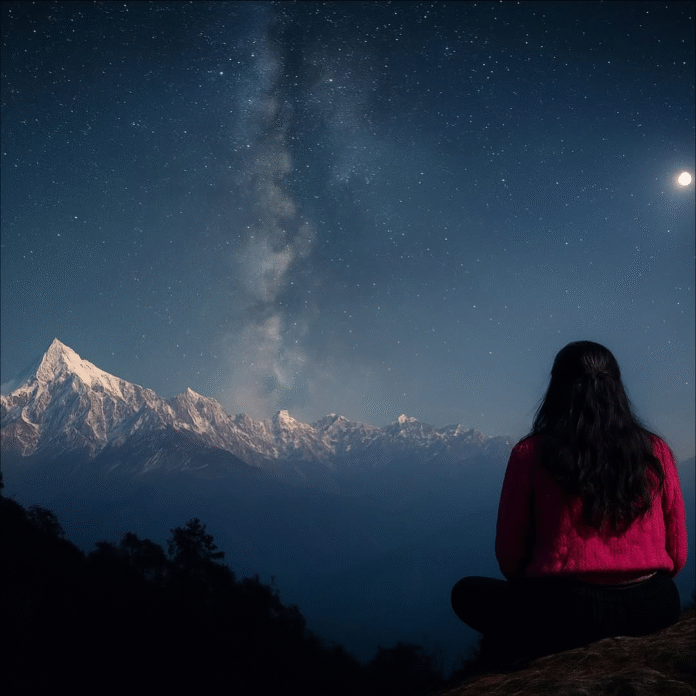
Uttarakhand in winter turns into a quiet, white-washed wonderland pine forests dusted with snow, frozen lakes reflecting golden sunsets, and tiny mountain villages glowing under warm lamps. For beginners looking to experience trekking for the first time, the state offers some of India’s most accessible and scenic winter trails. These routes blend adventure with comfort, making them ideal for first-timers who want a taste of the Himalayas without pushing their limits.

The charm of Uttarakhand’s winter trails

What makes Uttarakhand special for new trekkers is its balance: gentle climbs, well-marked paths, and professional local support. Routes stay accessible even in December and January, offering picture-perfect landscapes snow-capped peaks like Trishul, Nanda Ghunti and Bandarpoonch rising behind dense forests and meadows. Unlike high-altitude expeditions, these beginner-friendly trails usually stay under 12,000 ft, making altitude sickness less common while still delivering the magic of Himalayan winter.

Kedarkantha: A classic snow trek

Kedarkantha remains the most popular winter trek in India for a reason. The trail passes through rich pine forests, charming wooden villages, and wide snowfields before opening into a 360-degree summit view. For beginners, the trek offers the perfect mix of challenge and reward: manageable climbs through the day and star-studded skies at night. Locals say winters here bring “silent snow,” where every step feels therapeutic. With organised groups, clear routes, and reliable camping setups, Kedarkantha makes the Himalayas feel welcoming even to first-timers.

Dayara Bugyal: Meadows turned winter blankets

If rolling meadows and soft landscapes appeal more than steep climbs, Dayara Bugyal is ideal. In winter, the vast grassland transforms into an endless white carpet. The trail is gentle, making it perfect for families, beginners, or anyone seeking a slow, immersive experience. Beginners find it especially comforting because there are plenty of flat stretches, and the trek offers stunning views of peaks without demanding too much stamina. It’s peaceful, photogenic, and a great introduction to winter trekking culture.

Nag Tibba: The weekend snow escape

For those unable to commit to a longer trek, Nag Tibba provides a short but memorable Himalayan experience. Just an overnight trek from Dehradun, it gives beginners the joy of snow trekking without taking more than a weekend. The summit offers a spectacular view of the Swargarohini and Bandarpoonch ranges, and the trail stays accessible even when other routes get buried in deep snow. Its simplicity makes it a favourite for college students, first-timers, and spontaneous travellers.

Safety, preparation & the beginner advantage

Winter trekking may sound intimidating, but beginners often enjoy it the most because they go in with curiosity rather than expectations. With proper winter jackets, good shoes, and guidance from certified trek leaders, these treks remain safe and beginner-friendly. Hot meals at camps, easy acclimatisation, and well-organised itineraries help ensure that even first-time trekkers feel confident throughout.

In Uttarakhand, winter trekking isn’t just about reaching a summit it’s about slowing down, breathing crisp mountain air, and discovering a quieter version of yourself. For beginners, these trails offer the perfect start: beauty without fear, adventure without overwhelm, and memories that last well beyond the melting snow.

Diwali (Deepavali) Added to UNESCO Intangible Heritage List, A Global Honour for India’s Festival of Lights

0

In a landmark decision on 10 December 2025, UNESCO officially inscribed Deepavali popularly known as Diwali on its Representative List of the Intangible Cultural Heritage of Humanity. This makes Diwali the 16th Indian tradition to earn global recognition, joining celebrated practices like Yoga, Durga Puja, and more on the prestigious list.

The decision was announced during UNESCO’s 20th session of the Intergovernmental Committee for Safeguarding Intangible Cultural Heritage, hosted at Delhi’s historic Red Fort marking a symbolic moment of pride for India’s cultural legacy.

Why UNESCO chose diwali

UNESCO’s inscription recognises Diwali not simply as a festival, but as a living cultural tradition: a rich tapestry of rituals, shared memories, community participation, spiritual symbolism and intergenerational transmission. The festival’s themes of light triumphing over darkness, good over evil, and unity across diverse communities resonated with heritage experts.

More than just lights and fireworks, Diwali embodies social cohesion, traditional crafts, spiritual values, and a sense of renewal a festival that brings families, neighbours and communities together across India and beyond. UNESCO emphasised this inclusive, community-based spirit in its decision.

India’s cultural legacy is even brighter now

With this addition, India’s count of UNESCO-recognised intangible cultural heritages rises to 16, reinforcing the country’s status as one of the world’s most culturally rich nations.
The recognition comes after another landmark inclusion only last year Durga Puja highlighting India’s continuing efforts to bring its diverse cultural practices to global attention.

According to UNESCO’s official description, Diwali is celebrated annually across India and in Indian communities worldwide. Based on the lunar calendar, the festival usually falls in October or November, and spans several days. During this time, homes and public spaces are cleaned and decorated, lamps and candles are lit, prayers offered, and joyous celebrations held to mark the triumph of light over darkness.

Political and social resonance: Reactions and its significance

The Indian government welcomed the UNESCO decision with pride. Narendra Modi described the recognition as a momentous occasion for India and the global Indian diaspora calling Diwali the “soul of our civilisation.” He said the inclusion would further enhance the festival’s global popularity and help share India’s cultural values worldwide.

The inclusion also arrives at a time when India is hosting the UNESCO heritage panel bringing global attention to the country’s heritage diplomacy and cultural richness.

What this means

For Indians at home and abroad this UNESCO tag ensures Diwali’s heritage is formally recognized for its cultural, social and spiritual importance. It also helps safeguard the festival’s living traditions for future generations, promoting cultural continuity in a rapidly globalizing world.

For the world, it offers a chance to appreciate, understand, and even participate in one of humanity’s most evocative celebrations a festival that transcends religion and geography, and stands for hope, unity and renewal.

When Antibiotics Start Failing: A Global Warning and India’s Tough Spot

0

Antibiotics: According to a new WHO report released in October 2025, one in every six lab-confirmed bacterial infections worldwide in 2023 was resistant to standard antibiotic treatments a dramatic wake-up call for global health. (World Health Organization) Between 2018 and 2023, antibiotic resistance increased in over 40% of pathogen-antibiotic combinations monitored, with many common infections now growing harder to treat.

For India, the timing couldn’t be worse. The country already carries a high burden of bacterial diseases. Now, with overuse and misuse of antibiotics from over-the-counter sales to widespread self-medication resistant “superbugs” are quietly spreading across communities and hospitals alike.

What’s going wrong: Why antibiotics are losing their power

Antibiotic resistance also referred to as antimicrobial resistance (AMR) happens when bacteria adapt so they are no longer killed by medicines that once cured them. Overuse, misuse, inappropriate dosing, and unnecessary prescriptions accelerate this process.
In India, the problem is compounded by a fragile health-system setup: many regions lack robust diagnostics, infection-control protocols are weak, and antibiotics remain easy to obtain without proper prescriptions. Even basic viral illnesses often get treated with antibiotics a misuse that fuels resistance.
Compounding the problem, drug-resistant bacteria are thriving not just in hospitals, but in environments too. Contaminated water, waste from pharmaceutical plants, hospital effluents, and agricultural runoff all contribute to spreading resistance genes in soil and water meaning the “superbug threat” is no longer confined to patients, but affects entire communities.

India’s numbers are alarming and getting worse

Recent studies paint a grim picture. In one survey across Indian hospitals, 83% of patients were found carrying drug-resistant bacteria far higher than in countries like Italy (31.5%) or the United States (20.1%). (India Today) Many pathogens common in India such as Escherichia coli, Klebsiella pneumoniae, and Acinetobacter baumannii now resist widely used antibiotics, including third-generation cephalosporins, fluoroquinolones, and even last-resort drugs like carbapenems.
In many cases, this means ordinary infections urinary tract infections, gastrointestinal infections, even common fevers can turn dangerous, treatment-resistant, expensive, and sometimes fatal.

Why India is especially vulnerable more than just medicine

Several factors make India a hotspot for AMR:
High disease burden: more infections mean more antibiotic use, which accelerates resistance.
Unregulated antibiotic access: many people self-medicate, stop treatment midway, or use antibiotics even for viral illnesses.
Healthcare & environmental gaps: poor hygiene in hospitals, lack of strict infection control, and antibiotic pollution from manufacturing and agriculture.
Weak surveillance & data gaps: limited lab capacity and inconsistent reporting makes it difficult to track and control the spread.
Put together, these factors create a perfect storm, where resistant bacteria multiply silently often before anyone even knows.

What this means and what needs to be done now

The stakes are high: if antibiotic resistance continues rising unchecked, many routine medical procedures such as surgeries, childbirth, cancer treatment and even minor infections will become unpredictable and risk-laden.

Experts stress urgent action: strengthening regulation of antibiotic prescriptions; enforcing strict hygiene and infection control protocols in hospitals; expanding surveillance networks; promoting public awareness; and perhaps most crucially, reducing misuse of antibiotics in health care, livestock and agriculture.

The recent expansion of data-sharing under WHO’s surveillance programme is a step forward. Now, countries (including India) must act with policy, resources, and public cooperation before the “superbug” crisis overturns decades of medical progress.

In short: the rise of antibiotic resistance is no longer a distant threat it’s here, and hitting hard. For India, this could spell a public health disaster unless we treat antibiotics with the respect they deserve. The world can and must still use these powerful medicines. But only if we use them wisely.

Why Mizoram Is Now the ‘Ginger Capital of India’ And What That Means

0

Mizoram has just added another feather to its cap: the state has been officially declared the “Ginger Capital of India” by NITI Aayog, recognising its rising quality and volume in ginger production. This move has triggered a full-scale push to ramp up cultivation, processing, and marketing with far-reaching implications for farmers, investors and India’s spice supply chain.

From hillside farms to national spotlight

Once a modest horticultural crop in the northeastern hills, ginger in Mizoram has now transformed into a major agricultural success story. The state government, under its “Bana Kaih” hand-holding initiative, has systematically supported farmers with assured procurement prices and a structured marketing network. As of 2025, the state has already procured over 3.38 crore kg of ginger, disbursing more than ₹137 crore in support payments to growers a massive boost to rural incomes and agrarian stability.

The transformation gained momentum after a high-profile stakeholders’ consultation in New Delhi in November 2025, co-hosted by NITI Aayog and the Mizoram government. More than 60 investors domestic and international participated, signalling serious interest in expanding ginger cultivation, processing, and export from the region.

What’s changing, processing, market access & farmer welfare

With the national recognition, the state has finalised plans to strengthen its supply chain. A dedicated ginger-processing unit at Sairang is scheduled to start operations in early 2026, aimed at converting raw ginger into value-added products like dried or sliced-ginger making produce more export-ready and shelf-stable.

Moreover, the agricultural board has organised a “Ginger Buyer-Seller Meet” to facilitate direct linkages between farmers and buyers across India reducing middlemen, ensuring fair prices, and giving Mizo farmers a better cut of the profits. This shift towards value-chain integration is expected to strengthen rural livelihoods, stabilize crop prices, and attract long-term investment in the state’s agribusiness.

What “Ginger Capital” means for India (and for you)

For the country at large, Mizoram’s rise as the ginger hub could diversify and secure India’s spice supply, reducing dependency on a few traditional growing regions. The state’s ginger already praised for its quality and organic cultivation may soon dominate national markets and even reach export shelves.
For farmers and youth in Mizoram, the transformation offers a model of sustainable agriculture backed by government support, assured markets, and growing investor interest.

As procurement scales up and processing infrastructure improves, many could find stable income reducing migration and strengthening rural economies.

Ginger isn’t just a spice, it’s a lifeline

Mizoram’s elevation to “Ginger Capital of India” is more than a title it’s a promise. A promise of opportunity for small farmers, of growth for agribusiness, and of supply-chain resilience for the nation. With smart policies, investor interest, and hard work from its people, Mizoram might well rewrite India’s spice map one ginger rhizome at a time.

Anant Ambani makes history, becomes first Asian to win Global Humane Society Award

0

In a powerful moment for wildlife conservation and India’s environmental legacy, Anant Ambani founder of Vantara has been honored with the Global Humanitarian Award for Animal Welfare. The recognition, bestowed by the Global Humane Society in Washington, D.C makes him the youngest ever and the first Asian recipient of one of the most prestigious global awards in animal welfare.

Why the award matters

The Global Humane Society recognized Anant Ambani for his vision in creating Vantara, a wildlife-conservation center that aims not just to rescue injured or endangered animals, but to set a new global standard in large-scale rescue, rehabilitation, and species preservation. The initiative combines careful veterinary care, scientific research, and long-term welfare practices a holistic, modern approach to wildlife conservation.

In the words of the Society’s president, the award recognizes individuals whose work “creates transformative, global impact for both animals and people.” In that sense, Vantara’s efforts under Anant Ambani’s leadership already stand alongside world-class conservation endeavours, shining international spotlight on India’s potential in this domain.

A landmark for India & Asia representation on the global stage

This award is more than a personal achievement: it’s a milestone for India and Asia on the global conservation map. Historically, the Global Humane Award has gone to a small, select group of icons from Hollywood stars to global political leaders. By becoming the first Asian honouree, Anant Ambani is breaking barriers and proving that commitment and vision from this part of the world can earn global recognition.

Experts now expect this to inspire similar conservation efforts across the region encouraging more large-scale, science-backed wildlife initiatives and drawing global attention (and possibly funding) to endangered species rescue and rehabilitation in India.

Anant Ambani speaks a message of compassion, duty & dharma

Accepting the award, Anant Ambani said the honour reaffirmed his faith in “sarva bhuta hita” the principle of wellbeing of all living beings. He emphasized that animals teach us humility, balance and trust. Through Vantara, his purpose has been to give dignity, care and hope to every life. He called conservation “not for tomorrow, but a shared dharma we must uphold today.”

What this could mean for wildlife, for India, for the world

With this award, Vantara and Anant Ambani bring renewed global attention to India’s wildlife conservation efforts. The recognition could push for more support from public policy to private funding for animal welfare, endangered species protection, habitat restoration and scientific conservation projects.

It also sends a message: that vision, compassion, and responsible action even in a world overwhelmed by climate crisis and habitat loss can make real difference.

And perhaps most importantly: that India is no longer just a participant in global conservation conversations it is emerging as a leader.

Soothe and Recover: Natural Approaches to Post-Activity Wellness

0

Via Pexels

Working out makes you feel good until it doesn’t. Your muscles are sore; your joints ache; you don’t have enough energy to get up off the couch. If you are not making recovery a priority, then you are going to hinder your progress. To the active individual, and the athlete in particular, this means that post-activity wellness is not optional. It’s something that you do.

There are many people looking at alternative ways to recover after working out. In addition to their use of prescription medications, there are several alternatives available. Some of the most popular of these include methods to relax your muscles, increase your energy levels, and control the level of inflammation in your body. Below are some examples of the way to promote post-workout relief using simple, yet effective, natural methods.

The Benefits of Foam Rolling

The reason foam rolling is so effective is because of its ability to provide self-myofascial release, which promotes increased blood flow, decreases muscle tightness, and increases the range of motion of your joints. There are several ways to utilize foam rolling to benefit your workout recovery. One way to use foam rolling is to take 10 minutes to roll the entire length of your major muscle groups, the front of your legs, the back of your legs, and your lower back. You want to apply pressure to each area of your body that has become inflamed due to the stress placed upon it during exercise.

Dehydration Is More Than Just Drinking Water

While dehydration is often viewed as a lack of water, it involves a lot more than that. Water allows the transport of nutrients throughout your body and the removal of cellular waste. After a long workout, especially in hot conditions, you lose more than just water; you lose essential electrolytes that must be replenished in order to avoid dehydration and allow your body to properly recover.

If you find yourself in a situation where you require additional electrolytes beyond what you are getting from plain water, consider taking an electrolyte supplement. Another option is coconut water, which is a natural source of electrolytes. Additionally, herbal teas that contain anti-inflammatory properties, such as ginger and turmeric, can not only aid in your hydration but can also support the healing process of your body.

Nutritional Support for Healing and Building

Your post-workout meal is designed to assist your body in repairing itself and replenishing your glycogen stores. Consuming a mix of protein and carbs within 30 to 60 minutes of completing a workout will greatly enhance your recovery.

Opt for whole foods when selecting ingredients for your post-workout meal. A smoothie made with berries, Greek yogurt, chia seeds, and a drizzle of honey contains protein, healthy fats, and antioxidants. Lean meats, sweet potatoes, quinoa, and colorful vegetables all work together to support the recovery of your muscles and provide your body with anti-inflammatory compounds.

Some athletes also turn to natural compounds to support their recovery. Products like CBD oil have grown in popularity for their potential to help the body manage inflammation and discomfort after intense training. These cannabinoid-based solutions are integrated into post-activity wellness routines by many who seek plant-based recovery options.

Don’t Limit Your Recovery to Only When You Are Sore

Recovery is a cumulative process. Consistent support of your body will help create a strong foundation for resilience and injury prevention. Daily stretching, quality rest, and listening to your body will play a similar role to any supplement or tool that you use.

By incorporating these natural recovery techniques into your daily routine, you will not only experience improved performance and less pain but also develop a healthier and more sustainable relationship with physical activity. Recovery isn’t the pause. It’s part of the momentum.