Home Blog Page 118

Anant Ambani makes history, becomes first Asian to win Global Humane Society Award

0

In a powerful moment for wildlife conservation and India’s environmental legacy, Anant Ambani founder of Vantara has been honored with the Global Humanitarian Award for Animal Welfare. The recognition, bestowed by the Global Humane Society in Washington, D.C makes him the youngest ever and the first Asian recipient of one of the most prestigious global awards in animal welfare.

Why the award matters

The Global Humane Society recognized Anant Ambani for his vision in creating Vantara, a wildlife-conservation center that aims not just to rescue injured or endangered animals, but to set a new global standard in large-scale rescue, rehabilitation, and species preservation. The initiative combines careful veterinary care, scientific research, and long-term welfare practices a holistic, modern approach to wildlife conservation.

In the words of the Society’s president, the award recognizes individuals whose work “creates transformative, global impact for both animals and people.” In that sense, Vantara’s efforts under Anant Ambani’s leadership already stand alongside world-class conservation endeavours, shining international spotlight on India’s potential in this domain.

A landmark for India & Asia representation on the global stage

This award is more than a personal achievement: it’s a milestone for India and Asia on the global conservation map. Historically, the Global Humane Award has gone to a small, select group of icons from Hollywood stars to global political leaders. By becoming the first Asian honouree, Anant Ambani is breaking barriers and proving that commitment and vision from this part of the world can earn global recognition.

Experts now expect this to inspire similar conservation efforts across the region encouraging more large-scale, science-backed wildlife initiatives and drawing global attention (and possibly funding) to endangered species rescue and rehabilitation in India.

Anant Ambani speaks a message of compassion, duty & dharma

Accepting the award, Anant Ambani said the honour reaffirmed his faith in “sarva bhuta hita” the principle of wellbeing of all living beings. He emphasized that animals teach us humility, balance and trust. Through Vantara, his purpose has been to give dignity, care and hope to every life. He called conservation “not for tomorrow, but a shared dharma we must uphold today.”

What this could mean for wildlife, for India, for the world

With this award, Vantara and Anant Ambani bring renewed global attention to India’s wildlife conservation efforts. The recognition could push for more support from public policy to private funding for animal welfare, endangered species protection, habitat restoration and scientific conservation projects.

It also sends a message: that vision, compassion, and responsible action even in a world overwhelmed by climate crisis and habitat loss can make real difference.

And perhaps most importantly: that India is no longer just a participant in global conservation conversations it is emerging as a leader.


Soothe and Recover: Natural Approaches to Post-Activity Wellness

0

Via Pexels

Working out makes you feel good until it doesn’t. Your muscles are sore; your joints ache; you don’t have enough energy to get up off the couch. If you are not making recovery a priority, then you are going to hinder your progress. To the active individual, and the athlete in particular, this means that post-activity wellness is not optional. It’s something that you do.

There are many people looking at alternative ways to recover after working out. In addition to their use of prescription medications, there are several alternatives available. Some of the most popular of these include methods to relax your muscles, increase your energy levels, and control the level of inflammation in your body. Below are some examples of the way to promote post-workout relief using simple, yet effective, natural methods.

The Benefits of Foam Rolling

The reason foam rolling is so effective is because of its ability to provide self-myofascial release, which promotes increased blood flow, decreases muscle tightness, and increases the range of motion of your joints. There are several ways to utilize foam rolling to benefit your workout recovery. One way to use foam rolling is to take 10 minutes to roll the entire length of your major muscle groups, the front of your legs, the back of your legs, and your lower back. You want to apply pressure to each area of your body that has become inflamed due to the stress placed upon it during exercise.

Dehydration Is More Than Just Drinking Water

While dehydration is often viewed as a lack of water, it involves a lot more than that. Water allows the transport of nutrients throughout your body and the removal of cellular waste. After a long workout, especially in hot conditions, you lose more than just water; you lose essential electrolytes that must be replenished in order to avoid dehydration and allow your body to properly recover.

If you find yourself in a situation where you require additional electrolytes beyond what you are getting from plain water, consider taking an electrolyte supplement. Another option is coconut water, which is a natural source of electrolytes. Additionally, herbal teas that contain anti-inflammatory properties, such as ginger and turmeric, can not only aid in your hydration but can also support the healing process of your body.

Nutritional Support for Healing and Building

Your post-workout meal is designed to assist your body in repairing itself and replenishing your glycogen stores. Consuming a mix of protein and carbs within 30 to 60 minutes of completing a workout will greatly enhance your recovery.

Opt for whole foods when selecting ingredients for your post-workout meal. A smoothie made with berries, Greek yogurt, chia seeds, and a drizzle of honey contains protein, healthy fats, and antioxidants. Lean meats, sweet potatoes, quinoa, and colorful vegetables all work together to support the recovery of your muscles and provide your body with anti-inflammatory compounds.

Some athletes also turn to natural compounds to support their recovery. Products like CBD oil have grown in popularity for their potential to help the body manage inflammation and discomfort after intense training. These cannabinoid-based solutions are integrated into post-activity wellness routines by many who seek plant-based recovery options.

Don’t Limit Your Recovery to Only When You Are Sore

Recovery is a cumulative process. Consistent support of your body will help create a strong foundation for resilience and injury prevention. Daily stretching, quality rest, and listening to your body will play a similar role to any supplement or tool that you use.

By incorporating these natural recovery techniques into your daily routine, you will not only experience improved performance and less pain but also develop a healthier and more sustainable relationship with physical activity. Recovery isn’t the pause. It’s part of the momentum.

Health Insurance Benefits: A Complete Guide to Understanding Your Health Insurance Policy

0

Medical bills can drain your savings in days. One hospital visit and years of savings disappear. This happens to families every single day.Health insurance protects you from this nightmare. But most people do not understand what their policy actually covers. They find out only when stuck in a hospital. Let us fix that today. We will talk about health insurance benefits in the simplest way possible. By the end, you will know exactly what your policy does for you.

Why Health Insurance Matters Now More Than Ever

Hospital costs keep rising. A simple surgery that cost 50,000 rupees five years ago might cost 1.5 lakhs today. ICU charges can run into thousands per day. Medicines are expensive. Tests add up quickly. Without insurance, a serious illness can destroy your finances. Health insurance shifts this burden. You pay a small premium yearly. The company pays your medical bills. Simple exchange that saves you from disaster.

Basic Health Insurance Benefits Everyone Should Know

Every health insurance policy covers certain standard things. Let us go through them one by one.

Hospital Room Charges

When you get admitted, you need a room. Hospitals charge daily rent for rooms. It could be 2,000 rupees per day or 10,000 rupees per day, depending on the room type. Your health insurance covers this. Most policies have limits, though. They might cover AC rooms but not deluxe suites. Read your policy to know the room category covered.

Doctor Fees and Consultant Charges

Doctors charge fees for treating you. Specialists charge even more. Surgeons charge for operations. All these professional fees get covered under health insurance benefits. The company pays the doctors directly in most cases.

Medicines and Medical Supplies

Hospitals give you medicines during your stay. They use bandages, syringes, and other supplies. These costs add up fast. Your policy covers medicines given during hospitalisation. Some policies also cover medicines you buy after discharge for continued treatment.

Diagnostic Tests

Blood tests, X-rays, CT scans, and MRI scans. These tests are expensive. A single MRI can cost 8,000 to 15,000 rupees. Health insurance covers diagnostic tests done during hospitalisation. Many policies also cover pre-hospitalisation tests done before admission.

Surgical Procedures

Operations and surgeries cost lakhs of rupees. Heart surgery, kidney stone removal, and appendix operation. All covered under your health insurance. Your insurance takes care of operating theatre costs, the anaesthesia they give you, all the equipment doctors use during surgery, and what the surgeon charges. 

Additional Health Insurance Benefits Worth Knowing

Extra benefits that actually help most policies cover the basics. But some give you more than that. These extras can save you a lot of money and trouble.

Pre-Hospitalization Coverage

You need tests before getting admitted. You visit the doctor for consultation. You buy prescribed medicines. Good health insurance covers these expenses for 30 to 60 days before hospitalisation. Keep all bills. Submit them along with your claim.

Post-Hospitalization Coverage

Treatment does not end when you leave the hospital. You need follow-up visits. You need medicines for weeks or months. Policies typically cover post-hospitalisation expenses for 60 to 90 days. This includes doctor consultations, medicines, and required tests.

Health Check-ups

Prevention is better than a cure. Many policies now offer free annual health check-ups. You and your family can get tests done for free once a year. This helps catch problems early. Diabetes, blood pressure, and cholesterol. Early detection saves bigger problems later.

No Claim Bonus

Did not make any claim this year? Some companies reward you. They increase your coverage amount without increasing the premium. This is called a no-claim bonus. Your 5 lakh policy might become 5.5 lakh next year if you stay healthy. Keeps increasing every claim-free year.

Understanding Policy Limits and Sub-Limits

Health insurance is not unlimited free money. There are limits. Understanding these prevents surprises.

Sum Insured

This is your total coverage amount. Could be 3 lakhs, 5 lakhs, 10 lakhs, or more. All your claims in a year cannot exceed this amount. Choose an adequate sum insured. Medical costs are high. Five lakhs minimum is recommended. Ten lakhs is better for families.

Room Rent Limits

Some policies limit room rent to a percentage of the sum insured. Maybe 1 percent per day. On a 5 lakh policy, that is 5,000 rupees per day. If you take a room costing 8,000 per day, you pay 3,000 from your pocket. Not just for the room. All other expenses get reduced proportionally. Look for policies without room rent limits. They give you more flexibility.

Disease-Specific Caps

Some policies cap payouts for certain diseases. Maybe cataract surgery is covered up to 40,000 rupees only. Hernia surgery costs up to 30,000 rupees. These sub-limits restrict your health insurance benefits. Prefer policies with fewer sub-limits or higher caps.

Final Thoughts

When you are sick or injured, money problems are the last thing you need. Health insurance makes sure you can focus on getting better instead of worrying about bills. Think of your premium as buying peace of mind, not just spending money. Ask anyone who has paid a hospital bill without insurance. They will tell you how badly it hurt. Learn from their experience, not your own. Get yourself covered today

Alfred Nobel Biography: Know The Story of Early Life of Man Behind Nobel; His Education, Inventions, Quotes, and More Facts…

0

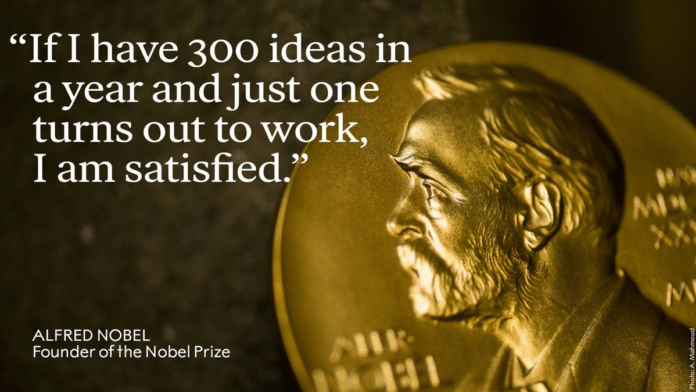
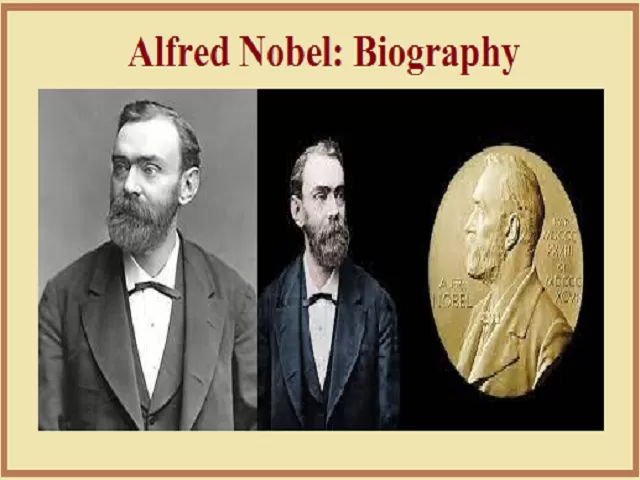
Alfred Bernhard Nobel, a chemist, engineer, inventor, industrialist, and founder of the world’s most prestigious awards, was born on October 21, 1833, in Stockholm, Sweden, and died on December 10, 1896, in San Remo, Italy. Best known for inventing dynamite, he earned immense wealth during his lifetime—only to devote it all, unexpectedly, to the creation of the Nobel Prizes. His life is a remarkable journey of innovation, introspection, and a final act that transformed his legacy forever.

Early Life and Education: A Childhood of Curiosity and Movement

Alfred Nobel was born into a family of engineers and builders. His father, Immanuel Nobel, was an innovator who constructed bridges and experimented with new blasting techniques. Young Alfred was often sick but possessed a restless intellect and a strong attachment to his mother, Andriette Ahlsell Nobel.

Financial difficulties forced Immanuel to move to St. Petersburg, Russia, where he revived his fortunes manufacturing explosive mines and machinery. The family joined him in 1842. Growing up in Russia, Alfred flourished academically—by age 17, he was fluent in Swedish, Russian, French, English, and German.

A budding scientist, Alfred left Russia in 1850 to study chemistry in Paris, later working in the United States under renowned engineer John Ericsson. He returned to St. Petersburg in 1852 to help in the family’s factory during the Crimean War.

But when the war ended in 1856, business collapsed. By 1859, the factory went bankrupt, forcing the Nobels to return to Sweden—an event that would shape Alfred’s future in explosives research.

Inventions: The Explosive Legacy

Back in Sweden, Alfred’s fascination with explosives deepened. Nitroglycerin—powerful but dangerously unstable—became the center of his experiments.

Major Breakthroughs

  • 1863: Invented the first practical detonator.
  • 1865: Improved it with the blasting cap, revolutionizing modern explosives use.
  • 1867: Invented dynamite, earning him worldwide fame and enormous wealth.
  • 1875: Created blasting gelatin, a more powerful and stable explosive.
  • 1887: Developed ballistite, an early smokeless powder and precursor to cordite.

Over his lifetime, Nobel built a network of factories across Europe and registered more than 350 patents, ranging from explosives to artificial silk and leather. Despite his financial success, he never married and often lived a solitary, introspective life.

A Literary Soul Behind the Scientist

Nobel’s interests extended beyond science. He wrote plays, poems, and novels, though most remained unpublished. His love for literature later influenced one of the Nobel Prize categories.

How Alfred Nobel Created the Nobel Prize: The Story Behind the Will

The turning point came in 1888, when a French newspaper mistakenly published his obituary titled “The Merchant of Death is Dead.” It condemned Nobel for profiting from explosives. Shaken by how history might remember him, Alfred became determined to redefine his legacy.

His close friendship with Bertha von Suttner, a leading Austrian pacifist, further influenced him. Her ideas on peace profoundly affected Nobel and ultimately inspired the creation of the Nobel Peace Prize.

The Final Will That Shocked the World

In 1895, suffering from angina, Nobel drafted his will—one of the most consequential documents in modern history. When he died in 1896 from a cerebral hemorrhage, the world was stunned.

Nobel had left virtually his entire fortune to establish five international prizes in:

  • Physics
  • Chemistry
  • Physiology or Medicine
  • Literature
  • Peace

His vast industrial empire—over 90 factories—was placed into a trust to fund these awards. Despite legal challenges and family objections, the Nobel Foundation was formally established in 1900.

Today, the Nobel Prizes are celebrated annually on 10 December, the anniversary of Alfred Nobel’s death.

Why the Nobel Prizes Endure

The awards reflect Nobel’s belief in:

  • The power of scientific advancement
  • The importance of humanistic literature
  • The need for global peace

More than a century later, the Nobel Prizes remain the world’s highest honor in science, literature, and peace—born from the introspection of a man determined to leave humanity better than he found it.

How Alfred Nobel Created the Nobel Prize: The Story Behind the Will

0

The origin of the Nobel Prize is not just a tale of wealth and invention—it is a story of self-reflection, regret, and a determined effort to reshape one’s legacy.

The decisive moment arrived in 1888, when a French newspaper mistakenly published Alfred Nobel’s obituary instead of his late brother Ludvig’s. The headline read: “The Merchant of Death is Dead.” The article condemned Nobel for inventing dynamite and profiting from explosives used in warfare.


The misidentification shook him deeply. Nobel realised that if he died then, the world would remember him not as an innovator or humanist, but as a man who enabled destruction. This painful revelation became a defining catalyst for change.

Another key influence in Nobel’s transformation was his close friendship with Bertha von Suttner, the renowned Austrian writer and pacifist. Her writings on peace—and their personal conversations—left a lasting impression on him. Although she worked with him only briefly, her influence was profound enough to inspire what would later become the Nobel Peace Prize.

The Will That Changed the World

By 1895, as Nobel battled angina and reflected on his life’s work, he decided to take an extraordinary step. On 27 November 1895, he drafted a will that would reshape how the world viewed him—and how it would reward humanity’s greatest achievements for generations to come.

When Alfred Nobel died a year later, on 10 December 1896, the opening of his will shocked his family, close associates, and much of Europe. Instead of leaving his enormous wealth to relatives or business partners, Nobel devoted the vast majority of his fortune to establishing five annual international prizes:

  • Physics
  • Chemistry
  • Physiology or Medicine
  • Literature
  • Peace

His global industrial network—over 90 factories producing explosives and weapons—was directed into a trust that would finance these awards indefinitely. Legal disputes followed, and some family members contested the will, but Nobel’s vision ultimately prevailed. In 1900, the Nobel Foundation was formally established to manage the prizes.

A Legacy Rewritten

Today, the Nobel Prizes stand as some of the world’s most prestigious honours, awarded each year on 10 December, the anniversary of Alfred Nobel’s death. What began as a moment of personal reckoning has evolved into an enduring symbol of human progress—celebrating discovery, creativity, and peace.

Through his will, Alfred Nobel ensured that he would not be remembered as the “merchant of death,” but as a patron of excellence and a believer in humanity’s potential to improve the world.

Amazon Announces $35 Billion India Investment Plan by 2030

0

Amazon has unveiled a major expansion strategy for India, committing USD 35 billion by 2030 to accelerate AI-driven digitalisation, export growth and large-scale job creation. The announcement signals the company’s intent to deepen its long-term presence in one of its fastest-growing global markets.

Massive Investment to Boost Digital Infrastructure

The new commitment builds on Amazon’s cumulative USD 40 billion investment in India since 2010. The planned funding will support infrastructure development across fulfilment, data centres, payments systems and logistics networks. The company aims to strengthen its cloud and AI capabilities through previously outlined investments in Telangana and Maharashtra.

Focus on AI-Led Digitisation and Export Growth

Senior leadership emphasised that the next phase of growth will centre on artificial intelligence. The company plans to expand tools that empower sellers, enhance customer experience and modernise supply chains. Amazon has also set a target to quadruple India-led exports to USD 80 billion, reinforcing the nation’s role as a global sourcing hub for small and medium enterprises.

Positioning as India’s Largest Foreign Investor

The latest investment outpaces those of other global technology firms, surpassing planned commitments by Microsoft and Google. Independent assessments indicate that Amazon is on course to become the largest foreign investor in India. Its substantial investment footprint reflects confidence in the country’s digital economy, regulatory ecosystem and innovation potential.

Facts

  • Amazon will invest USD 35 billion in India by 2030 across multiple business lines.
  • The company has already invested USD 40 billion in India since 2010.
  • India-led exports are targeted to reach USD 80 billion, up from USD 20 billion.
  • Amazon has digitised over 12 million small businesses nationwide.

Economic Impact Through Jobs and SME Support

Amazon’s investments have contributed to millions of direct and indirect jobs across technology, logistics and retail sectors. Expanded infrastructure and digital tools are expected to further boost employment and enhance opportunities for micro and small enterprises. With ongoing cloud and AI expansion, India remains a pivotal market for the company’s long-term global strategy.

How Gaurav Khanna Outsmarted the House and Won Bigg Boss 19 – Calm Strategy, Big Reward

0

When the dust settled on the grand finale of Bigg Boss 19, it wasn’t the loudest or the flashiest who walked away victorious it was the quiet, composed strategist from Kanpur. Gaurav Khanna lifted the trophy and pocketed ₹50 lakh (plus a car won in a task), proving that sometimes, dignity and patience outlast drama and chaos.

Calm before the storm: A different kind of strategy

Unlike many contestants who leaned into confrontation and high drama to grab attention, Gaurav played the long game. Throughout the season, he stayed away from the shouting matches and tantrums instead opting for a calm, observant stance.
This “back-foot” approach often dismissed early on as passivity quietly won hearts. While chaos reigned around him, Gaurav’s composure stood out. He formed genuine bonds, avoided unnecessary conflicts, and let his actions speak louder than his words.

Consistency, connection & the comeback

Gaurav entered as a known television actor (prominent for shows like Anupamaa), but inside the house, he reintroduced himself not as “the star,” but as “one of them.”
Over 15 weeks of unpredictable tasks, shifting alliances, and emotional turbulence, Gaurav didn’t just survive ue built a steady rapport with co-contestants and viewers alike. His authenticity resonated. When viewers voted, that quiet relatability turned into overwhelming support.
In his own words, as shared after victory “it wasn’t about playing loud, but about understanding when and how to be present.” That mindset helped him endure, and eventually win.

Crowned: The winner who did It differently

When host Salman Khan raised his hand on 7 December 2025, it sent a clear message: reality TV doesn’t always reward the loudest sometimes it rewards the real. With Gaurav winning over fellow finalists Farrhana Bhatt, Tanya Mittal, Pranit More and Amaal Mallik, his calm, composed style was validated.
The cash prize of ₹50 lakh and the car were just the immediate perks but more importantly, Gaurav proved that personality, restraint, and authenticity win hearts. Many critics called his victory “un-Bigg-Bossip” and that’s precisely why it stood out.

What Gaurav’s win teaches about winning (On TV or in Life)

You don’t need to be loud to be heard. Strategic calm can win over chaos.
Consistency matters. Over weeks of ups and downs, staying true to oneself builds trust among peers and viewers.
Authenticity resonates. In a game built on drama, sincerity can be the biggest differentiator.
Patience pays off. Sometimes, waiting and watching is smarter than reacting impulsively.
Gaurav Khanna’s Bigg Boss 19 journey wasn’t flashy it was real. And that’s why it struck a chord. In a season full of noise, he chose silence and that’s what made him unforgettable.

John Cena to Stay With WWE Yes, Even After Retirement

0

As Saturday Night’s Main Event XLII on 13 December 2025 draws near what will mark the final in-ring match of John Cena’s storied 23-year career, the legendary 17-time world champion has revealed that he’s not saying goodbye to WWE entirely. Instead, Cena has signed a five-year ambassador deal with WWE, ensuring his continued involvement behind the scenes and cementing his legacy beyond just the ring.

From icon to ambassador, what that means ?

In a recent interview with Tom Rinaldi on WWE’s official YouTube channel, Cena opened up about his future role. He made it clear that while he’s done competing in matches citing the physical demands of the ring he still wants to contribute significantly to WWE. “I will be an ambassador to WWE,” Cena said. “I’m already signed on for another five years. I would like to be in this family as an employee, as a contributing part for as long as I can.”

He added that this new second mountain of his WWE journey will likely involve mentoring up-and-coming talent, helping them unlock potential, and leveraging his star power to draw more eyes toward WWE programming:

“Maybe ambassadorship comes with letting more people know to watch this maybe mentorship to talent that I wouldn’t have time to spend time with.”

What fans can expect beyond the final bell

Mentorship & Character Development: Cena aims to take budding WWE stars under his wing fostering talent and maybe even helping discover the next big breakout superstar.

Global Promotion & Brand Building: With his Hollywood fame and global appeal, Cena can help WWE expand its reach worldwide acting as the face of the company when needed.

Appearances & Special Segments: While he won’t wrestle anymore, don’t be surprised if Cena turns up at major WWE events, promotional segments, interviews, or maybe even storyline roles albeit outside of pure in-ring competition.

Why fans are ecstatic and why this move matters

For many fans, Cena’s official exit from active wrestling was bittersweet. But this ambassador deal offers a compromise: He retires from the physical grind but remains part of the WWE world. That means all the respect, legacy, and charisma stays alive.

It also offers a sense of continuity. Rather than disappearing after the final bell, Cena now becomes a bridge connecting WWE’s legendary past with its developing future. With him backing younger talent and representing WWE globally, the brand retains a major asset.

John Cena’s retirement match might close one chapter but thanks to this five-year ambassador deal, it ensures the story is far from over. From mentoring rookies to elevating WWE’s global presence, Cena aims to stay deeply woven into the fabric of the company.

For fans, that means: Don’t say “goodbye,” say “see you backstage.”

Right to Disconnect Bill: No calls after 6 PM; How2025 aims to redraw workplace boundaries

0

In a landmark move that could reshape work-life balance in India, the Lok Sabha saw the introduction of the Right to Disconnect Bill, 2025, by MP Supriya Sule. The bill seeks to give employees the legal right to switch off meaning they won’t be required to respond to work calls, emails or messages outside official working hours or on holidays.

What exactly does the bill propose?

According to the bill, once your official workday ends, you’re free to ignore work-related communication whether it’s a late evening email, a text after midnight, or a call on a Sunday. No pressure, no guilt. Under the proposed law:
Refusing after-hours calls, emails or messages will not attract disciplinary action. If an employee chooses to respond voluntarily after hours, that extra time should count as overtime and paid accordingly. To ensure enforcement, the bill envisions an “Employees’ Welfare Authority” that would monitor company compliance, collect data on digital workloads, and help set fair after-hours communication norms.
In short “When you log off, you stay off.”

Why now? The problem of always-on work culture

With remote work, hybrid jobs, and 24/7 connectivity becoming the norm, many workers especially in IT and corporate jobs increasingly report burnout, stress, sleep problems, and blurred boundaries between work and personal life.
Advocates of the bill argue that such unceasing connectivity isn’t a sign of productivity, it’s a mental health hazard. The Bill aims to restore a buffer between professional demands and personal time.

What’s the catch and why passage isn’t guaranteed

It’s worth noting that the Right to Disconnect Bill is currently a private member’s bill. That means it’s introduced by an MP not the government and historically, such bills rarely become law.
Still, even if it fails to pass, the Bill will have served its purpose: sparking public debate on a serious issue, pushing companies and policymakers to rethink how we treat “off time.”

What it could mean for employees and Indian work culture

If enacted, this Bill could:
Give millions of workers peace of mind no more mid-night calls or weekend pings. Bring accountability and fairness: extra work = extra pay. Encourage companies to plan better, respect boundaries, and value employee well-being.

For many workers, especially in high-stress jobs, that kind of clarity could mean the difference between mental exhaustion and real rest.
From midnight-email marathons to guilt-free logout this Bill could be the first real step toward a healthier, more balanced future for work in India.

Why Greece Shines as a Dream Retirement Spot, Especially If You’re Looking for Peace, Comfort and Beauty

0

Imagine the golden years of your life under bright Mediterranean sun, by tranquil seas, amid ancient wonders all without draining your savings. Greece has recently been ranked the world’s No. 1 retirement destination for 2026, and for retirees around the world, it checks almost all the boxes: affordability, healthcare, lifestyle, climate, and cultural charm.

A lifestyle that respects time: “Siga-Siga” (Slow-ly, Slowly)

One of Greece’s biggest draws for retirees is its relaxed, unhurried pace of life. Locals often call it “siga-siga” meaning slowly, slowly and that ethos fits perfectly when work is behind you and you want to savour your days.

Here you’ll find charming seaside towns, centuries-old villages, small islands, coastal walks or sunny cafes whether in lively urban settings or peaceful countryside. The climate helps a lot: mild winters, long warm summers, and plenty of sunshine make everyday walks, beach visits or simple errands a pleasure.

Comfortable living without financial stress

Retirement often means fixed income and Greece recognises that. Compared to many Western nations, day-to-day living costs in Greece are significantly lower. Many expats and retirees report that they can live comfortably on modest income.

Whether it’s a cozy apartment in a quiet town or a seaside cottage on a tranquil island, housing tends to be much more affordable than in major EU or American cities. Alongside that, groceries, local transport, utilities and leisure don’t burden the wallet letting you enjoy life without constant budgeting worries.

Accessible & reasonable healthcare, a big plus for seniors

A major concern when retiring and visiting another country is reliable healthcare. Greece addresses this well: it offers both public and private medical services, and private coverage tends to remain affordable compared to many developed nations.

For retirees, that peace of mind knowing health needs are properly met can make a big difference in quality of life. Add to that a gentle climate and overall calm surroundings, and daily living becomes both easier and more enjoyable.

Beauty, culture & variety, from islands to mountains

Greece isn’t just affordable and comfortable it’s also stunningly beautiful and steeped in history. Whether you prefer sun-bleached islands, ancient ruins, olive-grove villages, or scenic coastlines, there’s a little something for every retiree.

You can spend mornings walking through ancient monuments, afternoons sipping coffee by the sea, and evenings enjoying local music or simple dinners under the stars. There’s a richness to everyday living here not in luxuries, but in ease, beauty, and calm.

For retirees who want life, not just years

If you’re imagining your retirement as a time to slow down, breathe deep, enjoy simple pleasures, and perhaps rediscover joy in everyday moments Greece offers that and more. From affordable living and reliable healthcare to sun-drenched landscapes and warm, welcoming culture it stands out as a place where retirement isn’t just about winding down, but truly living.

Maybe it’s time to trade in the rush for olive groves, sea breezes and easy mornings and see retirement as the beginning of another beautiful chapter.