A recent International Monetary Fund assessment has recognised India’s Unified Payments Interface as the world’s largest retail fast-payment system by transaction volume. The finding highlights India’s rise as a global leader in digital payments, driven by strong policy support and rapid merchant adoption nationwide.
Global Recognition for UPI’s Scale
The IMF’s June 2025 report on retail digital payments identified UPI as the biggest real-time payments platform globally. Complementing this, ACI Worldwide’s 2024 analysis estimated that UPI accounts for nearly 49% of total global real-time payment transactions, far surpassing systems in Brazil, Thailand, China and South Korea.
Government and Regulatory Push
UPI’s expansion is supported by coordinated initiatives from the Government, RBI and NPCI. Programmes promoting low-value BHIM-UPI transactions and infrastructure grants through the Payments Infrastructure Development Fund have accelerated digital penetration across smaller cities. By October 2025, over 5.45 crore digital touchpoints were deployed across tier-3 to tier-6 centres.
Merchant Integration and Ecosystem Growth
A large network of QR codes—nearly 57 crore as of FY 2024–25—has helped onboard around 6.5 crore merchants. UPI is now embedded across public services, e-commerce, transport systems and small retail businesses. This extensive acceptance has contributed to India recording 129.3 billion real-time transactions, representing nearly half of the global total.
Facts
IMF recognised UPI as the world’s largest fast-payment system in 2025.
UPI holds about 49% of global real-time payment volumes.
India recorded 129.3 billion transactions, ahead of Brazil and Thailand.
Over 5.45 crore digital payment touchpoints were deployed via PIDF.
UPI’s Position in the Global Payments Landscape
India’s share in global transactions reflects both domestic adoption and the interoperability-driven design of UPI. With other nations studying India’s model for replication, UPI continues to strengthen its profile as a benchmark for inclusive, scalable and real-time digital payments worldwide.
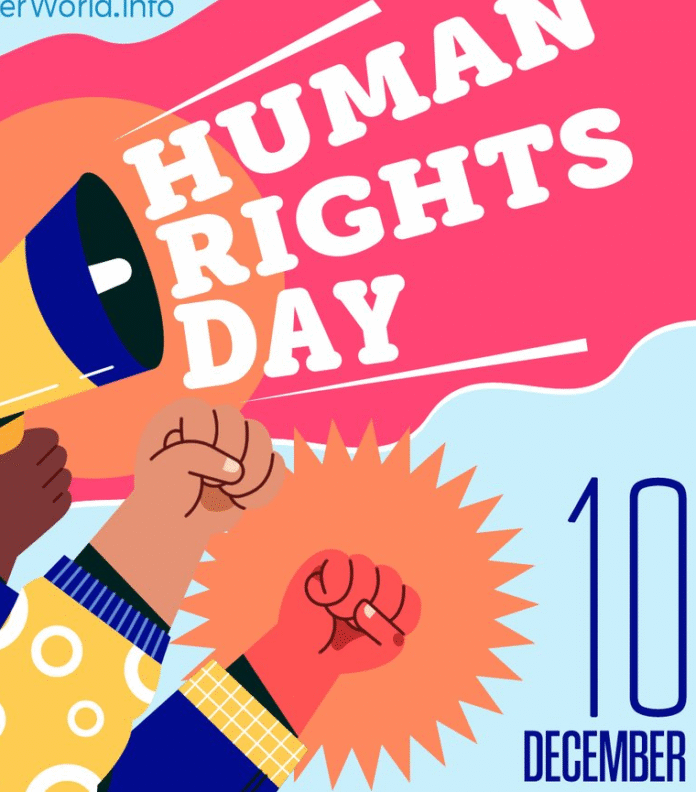
Human Rights Day is just around the corner — a meaningful reminder to reflect on, celebrate, and defend the fundamental rights that belong to every individual. The day was formally established on December 10, 1950, marking the anniversary of the United Nations’ adoption of the Universal Declaration of Human Rights just two years earlier.
Since then, December 10 has become a global moment of advocacy, awareness, and accountability. It serves as a call to action, urging governments, institutions, and individuals to uphold the principles of freedom, equality, and dignity enshrined in that historic document.
To honour the occasion and inspire meaningful reflection, we’ve put together a collection of 12 powerful Human Rights Day quotes from some of history’s most influential voices — leaders, thinkers, and activists whose words continue to guide the global struggle for justice and equality.
1. “To deny people their human rights is to challenge their very humanity.” — Nelson Mandela
From 1948 to the early 1990s, South Africa was governed under apartheid — a brutal system of racial segregation. Nelson Mandela, a leader of the African National Congress, fought tirelessly against this injustice and spent nearly three decades in prison for his activism. After his release, he led efforts to dismantle apartheid and become South Africa’s first Black president. Today, Mandela remains a global symbol of justice, equality, and the human rights movement.
2. “A right delayed is a right denied.” — Martin Luther King Jr.
Dr. Martin Luther King Jr., a Baptist minister and key figure in the American Civil Rights Movement, championed equality for African Americans through non-violent protest and civil disobedience. His leadership inspired millions worldwide to stand against injustice. King received the Nobel Peace Prize in 1964 and was posthumously honored with the Presidential Medal of Freedom after his assassination in 1968.
3. “Neutrality helps the oppressor, never the victim… When human lives are endangered, national borders become irrelevant.” — Elie Wiesel
Elie Wiesel, a Holocaust survivor, spent his life advocating for human dignity and remembering the victims of genocide. Author of more than 50 books, including his memoir Night, he won the Nobel Peace Prize in 1986. This quote from his acceptance speech stresses the moral responsibility to speak out wherever human rights are threatened.
4. “Activism works… no one is too small to make a difference.” — Greta Thunberg
Greta Thunberg, one of the most prominent young activists of the modern era, challenges world leaders to take urgent climate action. Her voice has inspired global youth movements and highlighted that the climate crisis is also a human rights issue — affecting displacement, food security, and survival.
5. “It means a great deal to those who are oppressed to know that they are not alone.” — Desmond Tutu
South African theologian and human rights advocate Desmond Tutu played a key role in ending apartheid. As Archbishop of Cape Town, he supported gender equality and LGBTQ+ rights. His words remind us that solidarity is a powerful act of resistance.
6. “My silence has not protected me. Your silence will not protect you.” — Audre Lorde
Audre Lorde, a poet and activist, dedicated her life to confronting injustice. Describing herself as a “Black, lesbian, mother, warrior, poet,” she addressed racism, sexism, homophobia, and inequality — inspiring others to speak their truth and resist oppression.
7. “One book, one pen, one child, and one teacher can change the world.” — Malala Yousafzai
Malala Yousafzai survived a Taliban assassination attempt after speaking out for girls’ right to education in Pakistan. She continued her activism globally and became the youngest Nobel Peace Prize laureate in history. Today, she remains a powerful advocate for education and women’s rights.
8. “Universal human rights begin… in small places, close to home.” — Eleanor Roosevelt
As First Lady and later a U.S. delegate to the United Nations, Eleanor Roosevelt played a crucial role in drafting the Universal Declaration of Human Rights — the foundation of international human rights law. Her message underscores that equality must begin in everyday life to have meaning anywhere.
9. “Another world is not only possible… on a quiet day, I can hear her breathing.” — Arundhati Roy
Indian author and activist Arundhati Roy uses her voice to challenge inequality, war, and environmental exploitation. This hopeful reflection from War Talk reminds us that justice, peace, and equality are achievable futures worth fighting for.
10. “Most evil is done by people who never make up their minds to be either good or evil.” — Hannah Arendt
German philosopher Hannah Arendt examined systems of totalitarianism and the nature of evil. Her work on the trial of Nazi officer Adolf Eichmann introduced the term “the banality of evil,” warning that injustice often thrives through indifference — a call to vigilance and moral responsibility.
11. “Nothing can be changed until it is faced.” — James Baldwin
James Baldwin, an influential American writer, explored race, identity, and injustice in essays, speeches, and novels. As a prominent voice in the civil rights movement, he urged society to confront uncomfortable truths to move toward equality — a message still urgently relevant today.
12. “I recognise no rights but human rights.” — Angelina Grimké
Angelina Grimké, a lesser-known yet pioneering 19th-century American activist, fought for women’s suffrage and was one of the only white Southern women publicly advocating for the abolition of slavery at the time. Her legacy continues to inspire modern human rights advocacy.
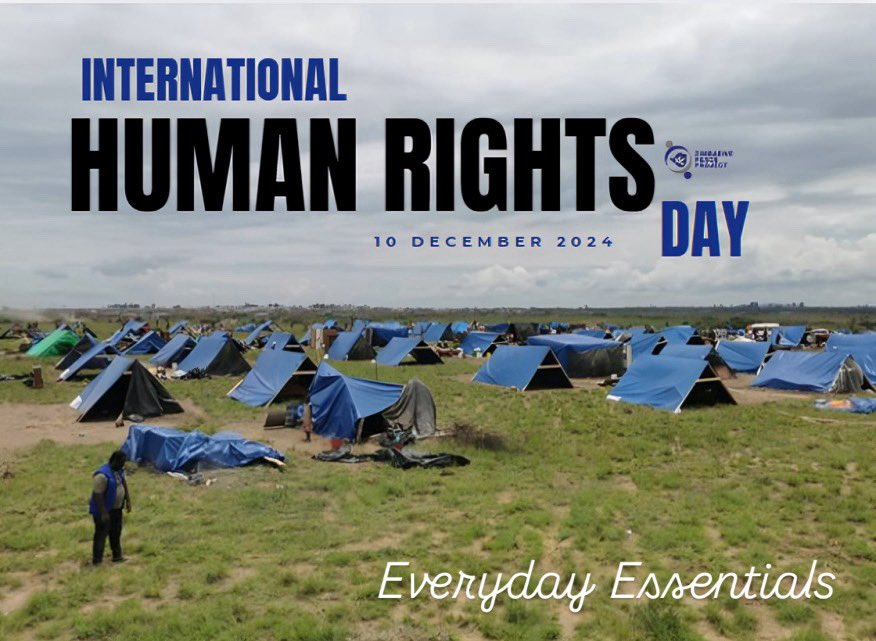
Human Rights Day, observed annually on 10 December, marks a global commitment to protecting the fundamental rights and freedoms of every individual. The day commemorates the adoption of the Universal Declaration of Human Rights (UDHR) by the United Nations in 1948 and serves as a reminder for governments and citizens alike to uphold equality, justice, and dignity for all.
Human Rights Day 2025 Theme
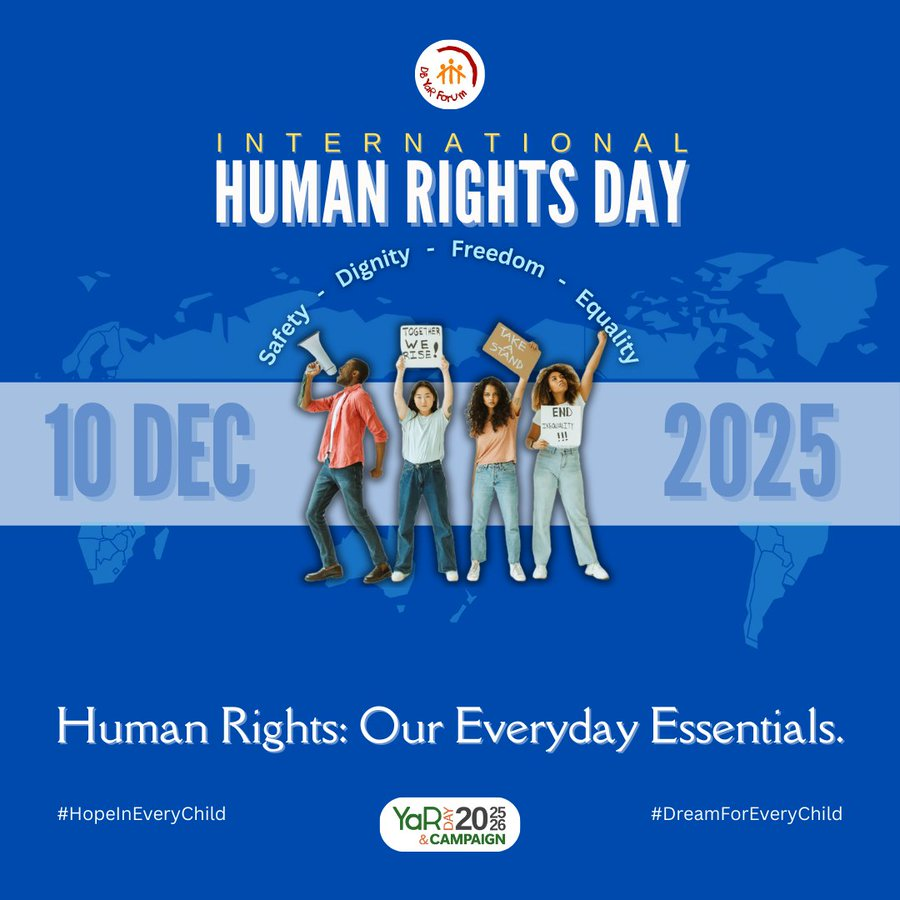
The theme for Human Rights Day 2025 is:
“Human Rights, Our Everyday Essentials.”
This theme underscores that human rights are not abstract principles but the foundation of everyday life—shaping access to safety, education, healthcare, livelihood, and freedom. It calls on individuals, communities, and nations to recognize and protect these rights consistently.
History of Human Rights Day
Human Rights Day has a significant historical legacy:
1948 – The Universal Declaration of Human Rights (UDHR) was adopted by the UN General Assembly.
1950 – The UN officially declared 10 December as Human Rights Day.
Since then, the day has been observed globally through educational activities, awareness campaigns, cultural programs, and discussions focused on human rights issues.
The observance reinforces the global commitment to protecting individual freedoms and promoting equality, justice, and human dignity.
Universal Declaration of Human Rights (UDHR)
Adopted on 10 December 1948, the UDHR is a milestone document that outlines essential rights and freedoms guaranteed to every person, regardless of nationality, religion, gender, or background.
Key rights under the UDHR include:
Right to equality and freedom from discrimination
Right to life, liberty, and personal security
Freedom of thought, expression, and religion
Right to education, employment, and an adequate standard of living
Right to participate in government and seek justice
The UDHR forms the foundation of international human rights law and has inspired over 70 human rights treaties.
Human Rights in India: Constitutional Provisions
India’s Constitution provides a robust framework to safeguard human rights and ensure equality, justice, and liberty for all. Key constitutional provisions include:
Constitutional Provision
Description
Preamble
Declares India a Sovereign, Socialist, Secular, Democratic Republic and ensures Justice, Liberty, Equality, and Fraternity.
Fundamental Rights (Articles 12–35)
Guarantee equality before law, freedom of speech, protection against discrimination, and right to life and personal liberty.
Directive Principles of State Policy (Part IV, Arts. 38–51)
Lay down guidelines for promoting social and economic justice, equal pay, right to work, and decent standard of living.
Universal Adult Franchise (Arts. 325, 326)
Ensures the democratic right of all adult citizens to vote.
Safeguards for Minorities (Arts. 244, 244A)
Protect linguistic, religious, and tribal minority communities.
Role of the National Human Rights Commission (NHRC)
The NHRC serves as India’s apex institution for protecting and promoting human rights.
Its key functions include:
Investigating complaints of human rights violations by public authorities
Monitoring prisons, juvenile homes, and other institutions
Recommending legal and policy reforms to strengthen human rights protection
Conducting awareness programs, workshops, and public campaigns
Advising the government on national and international human rights issues
The NHRC plays a critical role in ensuring accountability and promoting rights-based governance.
Significance of Human Rights Awareness
1. Empowers Individuals
Awareness helps people safeguard themselves from injustice, discrimination, and exploitation.
2. Protects Vulnerable Groups
Improves protection for women, children, minorities, and marginalized communities.
3. Promotes Social Harmony
Understanding human rights fosters respect, reduces conflict, and strengthens peace.
4. Strengthens Democracy
Informed citizens can participate more actively in governance and demand accountability.
5. Encourages Responsible Citizenship
Promotes respect for the rights of others and nurtures an ethical society.
6. Supports Legal Protection
Helps individuals seek justice and access legal remedies when rights are violated.
A payment processor connects merchants, banks, and card networks so that card payments move fast, safely, and under clear rules. A strong partner keeps transaction processing stable for a small business in any channel.
After reading this article, the reader will understand how a processor works, what drives transaction fees, and how to compare providers.
What Is a Payment Processor?
A payment processor is a company that routes payment information between the merchant, the acquiring bank, and the issuing bank to facilitate the transfer of funds to the merchant account. The main task is to move funds to the merchant’s business account in the right currency.
In a sale, a merchant accepts card payments through a POS system or point-of-sale terminal in a shop, or through a payment gateway and hosted checkout in e-commerce. The issuing bank issues the payment card to the cardholder, the acquiring bank provides acquiring services and the merchant account, and a card network such as Visa, Mastercard, or American Express carries messages between parties.
A payment processing service usually also acts as a payment service provider and a technical hub. It connects payment systems, handles authorization, settlement, and funding, and protects cardholder data through PCI DSS compliance, tokenization, and other controls.
A good payment processor offers support for cards, ACH transfers, digital wallets, recurring payments, and peer-to-peer payment schemes. In this payment ecosystem, payment processors facilitate online payment and in-person flows and help merchants start accepting payments.
How Payment Processors Work
Payment processors work in three main stages: capture of payment information, authorization, and final funds settlement. Each stage affects risk, cost, and speed of payouts.
When a small business begins accepting card payments, it needs to think about online transaction risk, typical settlement times in each currency, and what happens when an issue appears during a busy day. Clear rules help business owners compare providers and make informed choices and avoid surprise costs.
The processor receives payment data
The cycle starts when the cardholder taps, inserts, or types data. A merchant may use a POS system, mobile POS, card reader, or other POS hardware for in-person sales, or a virtual terminal and web form.
The device collects payment information such as card number, expiry date, CVV, amount, and currency. A payment gateway sends it to the processor and uses tools that encrypt the data in transit. Many processors offer tokenization so that store systems never store raw cardholder data.
Some reports from banks group payments into one aggregated “payment A” line on the statement. This entry simply marks a set of payments that the processor passes on to the acquiring bank during settlement.
Authorization and transaction approval
Authorization is the decision step where the issuing bank accepts or declines the transaction. The processor sends an authorization request through the card network, and the bank checks balance, limits, type of card, and chargeback ratio.
If checks pass, the bank sends an approval code through the network back to the processor, and the POS or web page confirms the sale. If there is an issue such as low balance, wrong CVV, or suspected fraud, the bank declines the payment and the merchant sees a failed card. Risk management tools at the processor side lower fraud and future chargeback fees.
ACH payments follow a similar logic, but settlement typically takes one to three business days, depending on bank cut-off times and whether same-day processing is used. The fee for each transaction is often lower than for cards. Many merchants mix ACH and card payments so that different methods suit different ticket sizes and peer-to-peer flows.
Funds settlement
Funds settlement starts after authorization. The processor groups approved payments into batches and sends them for clearing and settlement. During this stage, the network calculates interchange and the processor margin sits on top of interchange rates.
The acquiring bank credits the merchant account and later the processor moves funds to the merchant’s main business account. Some contracts say that merchants pay the interchange rate plus a markup, others use flat-rate pricing or interchange++. Some setups add a subscription.
If settings are wrong, the merchant can face a missing payout, wrong currency conversion, double debit, or late funding. In these moments, strong customer support from the payment processing service matters more than any small fee discount.
Card Transactions and Payment Fees
Card transactions carry several types of cost that together form the real effective rate. Each sale splits into interchange, card network fees, processor margin, and extras such as chargeback fees, PCI tools, or special reports.
When a business online or offline compares offers, it needs to see how transaction fees work across credit card and debit cards, online payment and in-person channels. Many contracts also mention recurring billing tools, termination fees, subscription items, and prices.
Interchange & processor fees
Interchange depends on region, card network, and type of card. The processor margin sits on top, and processors offer basic models to present this cost.
Now compare the most common pricing models in the table below, which highlights their structures and typical use cases.
Pricing model
Basic structure
Transparency
Typical use case
Flat-rate pricing
Single blended percentage rate plus fixed fee
5/5
New small business
Interchange++
Interchange plus markup plus fixed fee
5/5
Larger merchants
Tiered
Tiers by risk and card type
2/5
Traditional payment contracts
Subscription membership
Interchange pass-through plus subscription fee
4/5
High volume merchants
Custom blended
Mix of percentage rate and fixed fees per group
3/5
Special sectors
Flat-rate pricing keeps planning simple, but merchants often overpay at high turnover. Interchange++ gives a clear view of fees on top of interchange rates, yet finance teams must read detailed reports. Subscription and membership plans lower the fee for each transaction at high volume, while monthly fees bite during slow periods.
In real contracts, pricing can also depend on digital wallets, ACH, and local schemes in each currency zone. Some providers add extra cost for PCI DSS compliance tools, risk products, rare currency pairs, or complex API integration. A clear offer explains how every line links to rules and concrete services.
Chargebacks
Chargebacks arise when a cardholder asks the issuing bank to reverse a transaction. Main reasons are non-delivery, damaged goods, service disputes, fraud, and confusion over the merchant name in the statement.
To control risk, merchants use tools from the processor. Typical actions are alerts, evidence flows, limits on recurring payments, and reports on transactions between customers in peer-to-peer scenarios. Some sectors prefer quick refunds, others fight more cases and change policies that create repeated complaints.
How to Choose a Payment Processor
Choosing a payment processor is a long-term choice that shapes cost, risk, and daily work. A strong partner supports growth and helps merchants acquire new clients.
Pricing & fee model
The pricing model shapes total cost and reporting effort. A checklist helps compare offers in a structured way.
Before signing a contract, many finance teams map these points:
Percentage fee for each transaction on card payments
Fixed fee per sale in POS
Monthly fees and any extra subscription lines
Costs for PCI DSS compliance and risk tools
Termination fees, setup costs
Chargeback fees and cross-border surcharges
This list keeps attention on the full bill, not only one rate in percent. It also shows where a payment processor offers a clear model and where hidden items appear.
Supported payment methods
Supported payment methods decide how easily different clients can pay and how wide the merchant reach can grow. More methods usually mean more conversions and more work for finance and support teams.
Now look at a typical set of methods that many merchants request:
Credit card and debit cards in POS, mobile POS, and online channels
Digital wallets with tokenization on web and apps
ACH transfers and other bank or card account schemes
Local alternative payment methods and QR code flows
Recurring payments and recurring billing
Many merchants reduce the set to methods that really bring value. A processor that connects in-person, virtual terminal, and online channels in one setup often gives a good balance between reach and complexity.
Reliability & integrations
Reliability means stable uptime, clean incident handling, and fast help from customer support. Teams usually check uptime targets, incident history, funding times, and clarity of reports. They also look at hosted checkout options, SDKs, and API integration with POS hardware and software. Modern PCI DSS compliance rules push processors to improve tokenization and control of cardholder data.
A processor that invests in documentation and ready links to existing POS hardware helps prevent the same issue from repeating. This support makes it easier to process payments and keep risk at a safe level.
Top Payment Processing Companies
The market has a few global brands and many regional providers.
A merchant that compares big names with regional partners gains a better view of trade-offs. A second table helps to see basic differences.
Company
Main strength
Typical focus
Notable compromise
Stripe
Strong API integration
Online tech-first
Flat pricing at the start
PayPal
Brand trust in commerce
Small and mid-size
Often higher transaction fees
Square
All-in-one POS and mobile
Local in-person
Less flexible, mostly flat-rate pricing
Adyen
Global acquiring services
Mid and large scale
Deeper, longer integration
Paykassma
SMBs and high-risk online merchants in emerging markets
Mixed channels
Narrower global footprint
Stripe
This company is known for strong API integration, many SDKs, and wide currency support. Many tech-led merchants use it for business online.
The platform processes credit and debit cards, digital wallets, ACH, recurring billing, and alternative payment methods. Default pricing often starts as a simple flat rate and later may shift to more complex structures for high volume.
PayPal
This company grew from peer-to-peer and marketplace flows and still has strong trust from cardholders. Many merchants add the PayPal brand to checkout pages in e-commerce.
The platform lets a merchant accept payments online using cards, account balance, debit cards, and digital wallets. Strong risk control protects bank or card partners, but can lead to sudden holds when patterns change.
Square
This provider focuses on in-person sales in retail and services. Merchants get POS hardware, mobile POS, software, and processing in one pack.
The offer helps a small business start card payments quickly in a shop or cafe. The main compromise is less flexible, mostly flat-rate pricing and limited access to true interchange++ models for smaller merchants.
Adyen
This provider targets mid-size and large merchants that sell across many countries. The platform joins gateway, acquiring services, and risk management into one stack. The system supports many payment options, local schemes, and many currencies.
Paykassma
This provider works mainly with merchants in e-commerce, high-risk verticals, and retail across emerging markets. The focus lies on practical tools instead of maximum global reach.
Paykassma Payments joins online card payments, POS terminals, and mobile POS flows into one payment processing service. Finance teams often find it easier to read statements and plan cash flow when reports stay compact.
Why Your Business Needs a Payment Processor
A reliable payment processor is now basic infrastructure. A modern platform lets a merchant process payments in-person and online through POS, mobile POS, virtual terminal, hosted checkout, and a web gateway. It supports transaction processing for credit and debit card payments and helps acquire new clients. It also protects cardholder data, supports PCI DSS compliance, and helps manage risk across regions and card network rules.
Hidden work on disputes and fraud can in some cases add around one to two percent of total sales on top of headline transaction fees. Too many providers raise accounting effort and chargeback ratio. A smarter mix of card types, currencies, and channels can change margin more than a small discount on one rate.
Conclusion
A strong processor helps merchants see the real cost of payments. Clear reports on payments made, funding, settlement, and risk give better control over cash and growth planning.
A provider offers fair pricing, stable tools, and real support. Physical stores and business online then get a calmer and more predictable way to use card payments, digital wallets, and other modern methods.
In the high-speed environment of TikTok and Instagram Reels, your audience’s attention span is in seconds. With each scroll, visibility is a fight , and in that fight, creators are always looking for innovative methods to cut through. That’s where Pippit, driven by an AI video generator, enters into the picture. It converts plain scripts or concepts into emotive, lip-synced avatars that come alive on the screen. These avatars can mimic human movements, say with emotion, and move naturally enough to halt thumbs mid-scroll. And the best news? You don’t require a studio setup or pricey camera equipment , just creativity and a decent prompt.
The magic of micro-expressions
The secret to a viral video is not what you say , it’s how you say it. Consider how frequently you pause scrolling when a face smiles, nods, or responds precisely on cue with the sound. Those little micro-expressions resonate more with humanity than gaudy transitions ever will.
Facial sync technology closes the gap between digital and emotional reality in avatar videos. Each blink, smirk, and lip curl infuses personality, even making product demonstrations or instructional videos feel human. When content makers animate avatars to mirror actual speech, they bring two-dimensional images to life, turning them into narratives that resonate.
The personality factor: creating characters from avatars
Every creator has a different voice, and avatars should reflect that voice. It doesn’t matter if that voice is funny, dramatic or informational, your avatar can express that same type of feeling. It’s all about combining face sync, vocal tones, and gestures into one cohesive performance.
Pippit lets creators manage all these aspects within a single workspace so that every avatar resembles an extension of your own brand. When you create consistency , same character, same tone, same visual look and feel , watchers begin to see your “digital twin.” Eventually, this recognition creates connection, trust, and loyalty , the building blocks of viral expansion.
Adding realism with voice and sync
An avatar is only as captivating as its sync. When lip synch is flawless and gestures catch the timing, it’s almost movie-like. That’s what turns mindless scrollers into fans.
Pippit’s system recognizes speech signals and integrates the timing of avatar animations, so the timing appears natural. What the person watching might see as a small laugh during a joke, or a small pause between thoughts, creates a better sense of believability into the expression and avatar. You’re not just viewing a digital clone but are getting a performance.
Spotlight feature: the power of the AI avatar
Let’s discuss the actual star, the AI avatar. It’s not merely a visual stand-in for a human performer; it’s an adaptable tool that can take on various personalities, languages, and emotions. For brands, it means consistency , the same avatar can speak for your brand in every campaign. For influencers, it’s a creative companion that never requires a retake or a day of rest.
Pippit avatars are more than just pretty faces. You can alter facial expressions, tone, and even merge background settings that evoke your niche , game rig, cafes, offices, or classrooms. Every avatar has a story to tell, and you’re the director holding the reins.
From script to screen: designing your digital performer
Here’s how to bring your virtual star into the world using Pippit in three easy, creative steps.
Lights, camera, personality: 3 steps to making avatar videos with Pippit
Step 1: Select your AI avatar
Once you’ve signed into Pippit, navigate to the ‘Video Generator’ section in the left-hand menu. When you are in the popular tools panel and have selected the ‘Avatars’ options, scroll through to see the existing options. You can filter by scene type, gender, and age, which can help you with the perfect selection. You can also bring in avatars from product links or upload media directly to the video. You can edit your voice, tone, and background, or at a later time once your video is ready.
Step 2: Add narration
After you pick your avatar, click “Edit Script” so that your text syncs with the personality you’ve selected. You can adjust the language, captions, and tone to accurately represent your delivery. In the Pippit audio library, pick from different voices to match the styles established in your video. You can adjust the gestures, mouth movements, and camera framing until your avatar looks fluid and expressive.
Step 3: Save and share
If you are happy with the work you’ve done, select “Export” in the top right corner. You can select your resolution preference of 1080p or 4K and select the aspect ratio for your platform. Depending on your platform, you can select 9:16 for TikTok or 1:1 for Instagram, and your avatar will be well represented. You can also share or export to social channels, websites, or a campaign, and watch your digital creation deliver!
Beyond real faces: the rise of digital expression
Some content creators are reluctant to show up on camera , either out of privacy issues, bashfulness, or marketing strategy. Avatars fix that neatly. They enable small businesses and individuals to have a presence without physical exposure. It makes content creation more accessible and flexible, particularly for remote workers or trying out new forms.
That’s where image to video tech comes in. By converting static images into dynamic, conversing avatars, creators are able to create infinite versions of their content , from tutorials and explainers to music mashups and product pitches. The on-screen movement keeps the stream lively and liberates creators from shooting restrictions.
The future of engagement is digital performance
As short-form platforms mature, the distinction between creator and character becomes increasingly indistinct. Realistic avatars are no longer tricks , they’re marketing devices, storytelling co-conspirators, and brand representatives. With Pippit, you have the authority to craft not only content but identity itself. So go ahead, put down the scroll and pick up the reins on the new era of digital storytelling. Open Pippit, select your avatar, and get your personality in gear , one lip-sync at a time.
Ruma Devi: The Aak plant, commonly found in the deserts of Rajasthan, is set to pave the way for a new era in rural livelihoods and sustainable fashion. Once considered a wild shrub or unwanted weed, Aak is now being transformed into a valuable natural resource. The North India Textile Research Association (NITRA), under the Ministry of Textiles, has successfully developed methods to convert Aak fibers into winter wear, gloves, socks, and even snow-resistant tents.
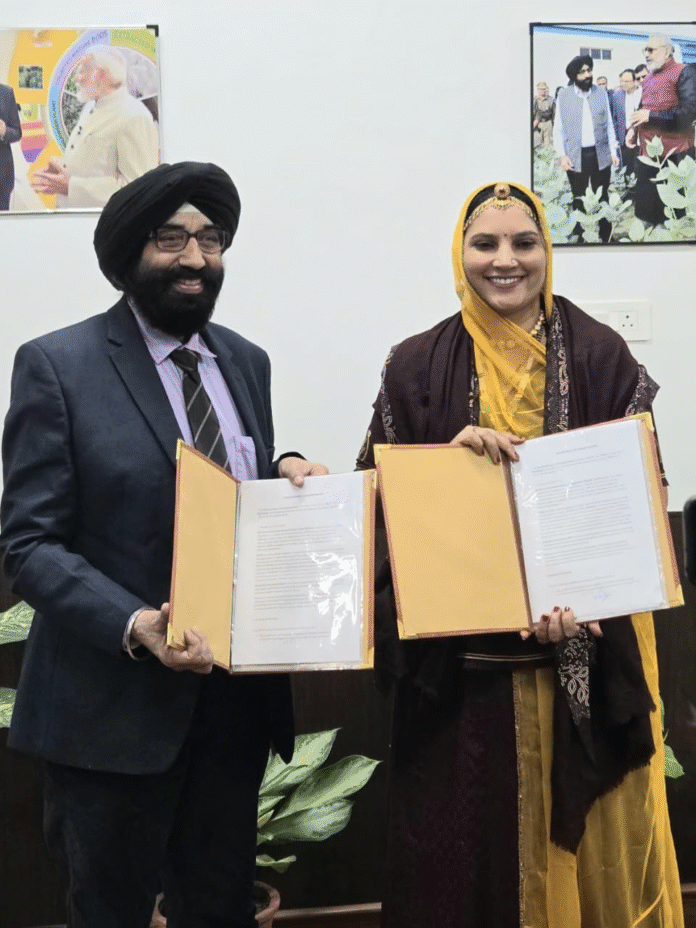
The project received a major push in November 2025 when Union Textiles Minister Giriraj Singh inspected Aak cultivation and fiber development at NITRA. Marking a significant milestone, an MoU was signed at NITRA’s Textile Research Center in Ghaziabad by Director General MS Parmar and globally acclaimed fashion designer and social activist Dr. Ruma Devi, representing the Ruma Devi Foundation.
The partnership aims to produce high-quality Aak fiber, enhance research and technology for Aak cultivation, and promote Aak-based products across India and global markets—ultimately boosting employment, income generation, and sustainable development in rural regions.
Why Aak Is Special
Fiber extracted from Aak fruit—previously seen as waste—is warmer than wool and as soft as silk. Fiber can also be extracted from its stem, while the fruit’s outer skin holds additional value. The plant is rich in medicinal properties, and its seeds produce oil used in skincare products such as facial creams.
Aak requires minimal water and thrives even in harsh, arid conditions. A single acre can yield 200–300 kg of raw material. Currently, demand for Aak fiber is significantly higher than its supply. Under the Ministry’s guidance, NITRA laboratories are working to further improve fiber strength, processing, and textile quality.
Dr. Ruma Devi expressed pride in showcasing the commercial potential of Aak, traditionally revered for its cultural and medicinal relevance. She shared that dozens of products—including jackets, gloves, blankets, and fabric—are already being produced, and the material is poised to gain global recognition. She emphasized that this initiative will support the ‘Vocal for Local’ movement while promoting cruelty-free, eco-friendly fashion worldwide.
Collection of 2,000 kg Aak Pods Completed in Pilot Phase
Earlier this year, under the guidance of Textiles Minister Giriraj Singh, the Ruma Devi Foundation led a successful effort to collect 2,000 kg of Aak pods from Barmer, Jodhpur, Jaisalmer, Bikaner, and Nagaur. The initiative created home-based income opportunities for rural families, who gathered pods from local farmlands.
With this successful start, the focus will now shift to widespread awareness and skill training. Since Aak fiber begins maturing around the Holi festival, training programs will be scheduled accordingly, informed Ruma Devi.
The MoU signing ceremony was attended by NITRA Director General Dr. MS Parmar, Dr. Ruma Devi, Foundation spokesperson Harshita Singh, Vikram Singh, and Dr. Preeti along with the NITRA research team.
On December 9, 2025, Sonia Gandhi, one of India’s most influential yet enigmatic political figures, turns 79. Her journey reads less like a political biography and more like a dramatic novel: a young woman from a small Italian town who never imagined stepping into politics becomes the longest-serving president of India’s oldest political party.
But behind the public persona lies a story filled with unexpected turns, private struggles, and little-known facts. Here’s the fascinating story.
From a Quiet Italian Village to the Global Stage
Born as Edvige Antonia Albina Maino in Lusiana, Veneto, Sonia grew up far from the noise of rallies or parliament houses. Nobody then could have imagined that this shy girl would one day become one of India’s most powerful political leaders. As a student, she moved to Cambridge, England, to study English — a decision that would change her life forever.
The Love Story That Changed Indian Politics
It wasn’t politics that brought Sonia into the limelight — it was love. While in Cambridge, she met a young Indian student: Rajiv Gandhi. He wasn’t a politician then — not even planning to be. He loved flying aircraft. But destiny had other plans. Their love blossomed quietly, and in 1968, she arrived in India as his bride — unaware she had just married into a political dynasty.
Becoming Indian — Not Just by Passport, But by Life
She received Indian citizenship in 1983, adapting completely to her new home — the culture, the language, and the expectations.
Few know that Sonia struggled with Hindi but worked tirelessly to learn it. She adopted sari as her everyday attire — not as a symbol, but as comfort.
A Reluctant Leader Thrust Into History
After the assassination of Prime Minister Indira Gandhi in 1984, Sonia stayed away from politics. She avoided cameras, avoided speeches, and avoided power. Then came 1991 — Rajiv Gandhi’s assassination. The tragedy pushed her back into public life. It took six years before she finally said yes to politics. In 1998, she became the President of the Indian National Congress — a position she held longer than anyone else in the party’s history.
A Private Personality With Surprising Interests
Even at the height of political pressure, Sonia remained deeply personal and quiet.
Unknown facts many don’t know:
She once worked as a waitress in a Greek restaurant during her student years.
She is an avid reader — with Munshi Premchand among her favourite writers.
She authored the book “Two Alone, Two Together,” showcasing personal letters between her and Rajiv.
Despite power, she never held a formal government post.
Her Legacy Power Without a Throne
From negotiating political alliances to steering UPA to two national victories, Sonia shaped an entire era of Indian politics — often without stepping into the seat of Prime Minister. Some call her the most powerful unelected leader India has ever seen. Others call her one of the most misunderstood. But nearly everyone agrees — her life is unlike any other.
As She Turns 79…
Sonia Gandhi’s story remains one of resilience — of a woman who never asked for a role in politics yet became central to its modern history. Her journey wasn’t chosen — it was shaped by love, loss, duty, and history. And even today, she remains a figure of fascination — quiet, powerful, and unforgettable.
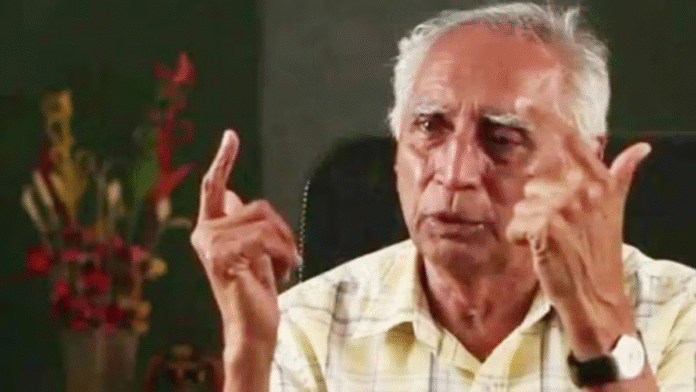
Veteran labour rights champion and noted social reformer Dr. Baba Adhav passed away in Pune on Tuesday at the age of 95. He had been undergoing treatment at Poona Hospital. His death marks the end of an era in Maharashtra’s grassroots social movements, with leaders across the country expressing condolences.
Prime Minister Narendra Modi paid tribute, describing Adhav as a relentless advocate for the marginalised and a lifelong voice for the working class. State leaders and activists also hailed his contributions, calling his legacy “historic and irreplaceable”.
A Lifelong Commitment to Informal Workers
For more than six decades, Baba Adhav dedicated his life to improving the conditions of workers in the informal sector — including hamals (head-loaders), rickshaw drivers, construction labourers, and street vendors. His sustained campaigns ensured that the concerns of unprotected labourers entered the mainstream policy discourse.
Key Reforms and Movements
One of his most influential initiatives was the Hamal Panchayat, established as a collective platform to organise and secure rights for manual labourers. He also led the widely recognised One Village, One Water Source movement, advocating equitable access to basic resources and dignity in rural life.
These efforts not only mobilised thousands of workers but also helped shape forward-looking legislation and welfare mechanisms for unorganised labour.
Tributes and National Recognition
Political leaders, labour unions, civil society groups, and citizens paid homage to the late activist. Maharashtra’s leadership described Adhav as a “pillar of reform” whose work fundamentally transformed labour movements in the state.
Exam-Oriented Key Facts
Dr. Baba Adhav was a leading figure in Maharashtra’s labour rights and social justice movements.
Founder of Hamal Panchayat, an organisation working for unorganised labourers.
Led campaigns such as One Village – One Water Source.
Passed away at the age of 95 in Pune while undergoing treatment.
Ideology and Legacy
Deeply influenced by Shiv, Phule, Shahu, and B.R. Ambedkar, Baba Adhav grounded his activism in the principles of equality, dignity, and justice. Even in his final years, he remained active in raising awareness about the struggles of informal workers.
His passing leaves a vast legacy of grassroots mobilisation, policy advocacy, and a continued call for equitable labour rights — a legacy future movements will continue to draw strength from.
Kilauea, one of the world’s most active volcanoes, produced new lava fountains as part of its ongoing eruptive phase, marking another intense episode within Hawaii Volcanoes National Park. The latest activity was captured through summit webcam livestreams that showed rapid escalation soon after the eruption began.
Intensifying Activity During Episode 38
The eruption episode, recorded as Episode 38, started at 8:45 am HST on December 6. Within minutes, lava fountains surged in height and intensity. A specialised camera placed in a restricted area was damaged after being buried by tephra during a strong burst around 9:55–9:57 am, according to the US Geological Survey.
Sustained Lava Fountains At The North Vent
Officials reported continuous lava fountains reaching heights of 50–100 feet. These sustained emissions came from the volcano’s north vent, with fountain heights increasing as the episode progressed. Such short-lived eruptive bursts are consistent with the intermittent pattern observed since the current phase began in December 2024.
Limited Impact Beyond Halemaʻumaʻu Crater
Authorities confirmed that the eruptive activity remains confined to the Halemaʻumaʻu crater. No disruptions to aviation are expected, as volcanic gas and ash are not forecast to affect local airports.
Facts
Kilauea’s current eruptive phase began on December 23, 2024.
Episode 38 featured lava fountains reaching 50–100 feet.
The eruption is confined to Halemaʻumaʻu crater within the national park.
Pele’s hair can travel over 10 miles during lava fountaining events.
Monitoring Volcanic Hazards And Gas Levels
Scientists are tracking elevated volcanic gas output and the possible spread of Pele’s hair, thin volcanic glass strands formed during fountaining. These sharp fragments may fall within one to two miles of the vent. Kilauea, active since 1983, continues to draw global attention for its frequent eruptions and dramatic lava displays.
India’s National Intelligence Grid (NATGRID), designed to provide secure real-time access to multiple government and private datasets, is witnessing a significant rise in usage with around 45,000 requests being logged each month. The system, operational since last year, is increasingly turning into a key investigative tool for policing and intelligence agencies.
Expanding Access For Law Enforcement
Initially restricted to select central agencies, NATGRID access has now been extended to State-level officers holding the rank of Superintendent of Police. This broadened access follows directives issued during the recent DGP conference, where agencies were instructed to rely more extensively on the platform for investigations.
Integrated Database For Faster Intelligence
NATGRID aggregates datasets such as Aadhaar details, airline records, bank information, driving licences, and relevant social media activity. By centralising data, it aims to eliminate the need for agencies to coordinate with multiple departments, thus improving the speed and accuracy of intelligence gathering during critical operations.
Operational Challenges And User Feedback
Despite its growing use, some State police officials report delays while accessing the portal. Issues include slow login processes and longer-than-expected waits for retrieving information, contrary to its intended real-time capability. These concerns have been conveyed to authorities for system-level improvements.
Facts
NATGRID was conceptualised in 2009 after the 26/11 attacks.
The platform logs about 45,000 requests a month.
Access is available to SP-rank officers and several central agencies.
NATGRID is linked to the CCTNS database covering around 14,000 police stations.
Strengthening Cybersecurity And Data Integration
The platform received renewed momentum in 2019, enabling smoother coordination among national security bodies and extending benefits to State police. Its development aligns with the government’s broader focus on cybersecurity, especially after over 20 lakh cyber incidents were reported in 2024. By integrating with databases like CCTNS, NATGRID continues to evolve as a central pillar in India’s intelligence and investigation framework.