Home Blog Page 10

National Anti-Terrorism Day 2026: Remembering Rajiv Gandhi and India’s Resolve Against Terrorism

0

Every year on May 21, India observes National Anti-Terrorism Day to raise awareness about the dangers of terrorism and violence while reaffirming the country’s commitment to peace, unity and national security. The day is observed in memory of former Prime Minister Rajiv Gandhi, who was assassinated on May 21, 1991, during an election campaign in Sriperumbudur, Tamil Nadu.

Rajiv Gandhi, India’s youngest Prime Minister, was killed in a suicide bombing carried out by a member of the Liberation Tigers of Tamil Eelam (LTTE). The attack shocked the nation and became one of the darkest chapters in India’s political history. In response, the Government of India later declared May 21 as National Anti-Terrorism Day to spread awareness about the destructive impact of terrorism on society and to discourage violence, extremism and radicalisation.

The observance is marked across schools, colleges, government offices and public institutions through pledge-taking ceremonies, seminars, discussions and awareness campaigns. The official anti-terrorism pledge emphasises India’s long-standing traditions of non-violence, tolerance and humanity while encouraging citizens to oppose all forms of terrorism and violence.

Over the decades, India has witnessed several devastating terror attacks — from the 1993 Mumbai blasts and the 2001 Parliament attack to the 26/11 Mumbai attacks and more recent incidents targeting civilians and security forces. These attacks have deeply shaped India’s internal security policies and strengthened its resolve against terrorism in all forms.

In recent years, “New India” has projected a far more assertive and technologically advanced response to terrorism. The country has strengthened intelligence coordination, border surveillance, cyber-monitoring and counter-terrorism operations. Security forces today use advanced technology, drones, satellite monitoring and real-time intelligence systems to combat terror networks and infiltration attempts.

India has also intensified international cooperation against terrorism, consistently urging global institutions to adopt a zero-tolerance approach toward terror financing, cross-border terrorism and extremist organisations. At international forums such as the United Nations and G20, India has repeatedly stressed that terrorism remains one of the greatest threats to global peace and human rights.

At the same time, experts emphasise that the fight against terrorism is not only about military strength or security operations. It also involves protecting democratic values, promoting social harmony and preventing the spread of hatred and radicalisation among youth. National Anti-Terrorism Day therefore serves both as a tribute to victims of terror and as a reminder of the importance of peace, vigilance and unity.

More than three decades after Rajiv Gandhi’s assassination, the day continues to carry deep national significance. It reminds Indians that terrorism seeks to divide societies through fear and violence — but unity, resilience and collective resolve remain the country’s strongest response.
World Day for Cultural Diversity 2026: Celebrating the Many Cultures That Unite Humanity

0

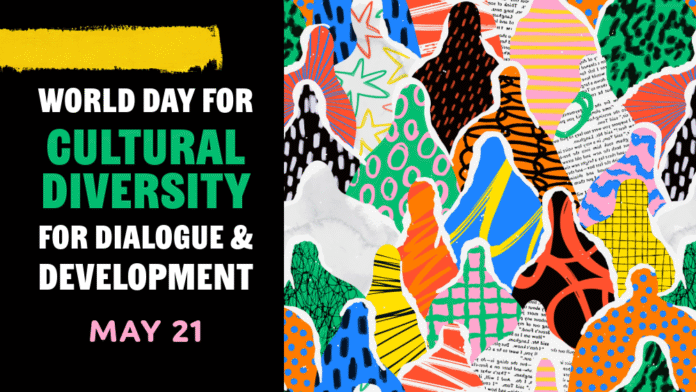
In a world shaped by countless languages, traditions, beliefs and artistic expressions, cultural diversity remains one of humanity’s greatest strengths. Every year on May 21, the world observes the World Day for Cultural Diversity for Dialogue and Development, a United Nations-recognised day that celebrates the richness of global cultures while promoting peace, understanding and mutual respect among people.

The observance was established by the United Nations General Assembly in 2002 following UNESCO’s adoption of the Universal Declaration on Cultural Diversity in 2001. The declaration recognised culture not merely as heritage or tradition, but as a powerful force for sustainable development, peaceful coexistence and human progress.

The day serves as a reminder that cultural diversity is far more than differences in food, clothing or festivals. It includes languages, music, literature, values, indigenous traditions, art forms and ways of life that shape communities across the globe. UNESCO believes that dialogue between cultures is essential in combating prejudice, intolerance and conflict. In an increasingly interconnected world, understanding one another’s cultures has become more important than ever.

According to the United Nations, nearly 89% of current global conflicts occur in countries with low levels of intercultural dialogue, highlighting the urgent need for greater cultural understanding and cooperation. At the same time, the cultural and creative industries contribute significantly to the global economy, supporting millions of jobs worldwide and empowering communities socially and economically.

India stands as one of the strongest examples of cultural diversity in the world. With hundreds of languages, diverse religions, regional traditions, classical art forms and festivals celebrated across states, the country reflects the idea of “unity in diversity.” From Rajasthan’s folk traditions and Kerala’s classical dance forms to the cuisines, music and crafts of the Northeast, India’s cultural landscape showcases how diversity can coexist harmoniously.

The World Day for Cultural Diversity is often marked through cultural festivals, exhibitions, educational programmes, dialogues, performances and community activities that encourage people to learn about cultures different from their own. Schools, universities, museums and cultural institutions across the world organise events promoting inclusion, tolerance and intercultural exchange.

In an age where societies are becoming increasingly polarised, this day carries a deeper message: diversity should not divide humanity but enrich it. Cultural exchange fosters empathy, creativity and innovation, helping societies become more peaceful and resilient.

Ultimately, the World Day for Cultural Diversity is not only about celebrating differences — it is about recognising the shared human values that connect people across borders. In understanding another culture, we often discover not how different we are, but how deeply connected humanity truly is.

134-Year-Old Vishnu Temple in Iran: Amitabh Bachchan’s Viral Post Speaks The Story And Touches Millions Online…

0

For millions of Indians scrolling through social media, it began as just another post by Bollywood legend Amitabh Bachchan. But within moments, the video turned into an emotional journey through history, faith, and a forgotten bond between India and Iran.

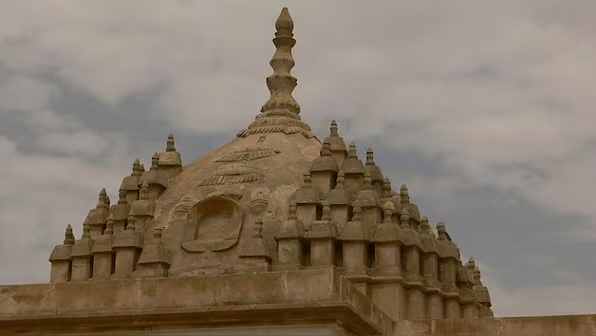
The actor shared a glimpse of a 134-year-old Vishnu temple located in Bandar Abbas, Iran, a temple many Indians never knew existed. Built in 1892 during the Qajar era, the ancient shrine stands quietly on Iranian soil as a symbol of the deep cultural and trade ties once shared between the two nations.

What made the video even more moving was its music. In the background, a Persian song praises Lord Vishnu, a rare and beautiful fusion of two civilisations, languages, and spiritual traditions. The emotional contrast left social media users stunned.

In the caption, Big B explained that the temple was built by Hindu traders from India who lived and worked in Bandar Abbas more than a century ago. His post instantly went viral, with thousands thanking him for bringing attention to a forgotten chapter of history.

For many viewers, the video was more than just architecture or nostalgia. It was a reminder that long before politics and borders hardened identities, people carried their faith, culture, and memories across oceans, building homes, communities, and even temples in distant lands.

Comments flooded social media with people calling the discovery “heart-touching,” “unbelievable,” and “a proud moment for Indian heritage.” Several users wrote that they had never imagined a Hindu temple of such historical significance existed in Iran.

At 83, Amitabh Bachchan continues to connect generations, sometimes not through films, but through stories that awaken emotion and curiosity. This time, with one quiet video, he reminded millions that history often survives in silence, waiting for someone to rediscover it.

India and Italy Strengthen Strategic Partnership as PM Modi Meets Giorgia Meloni in Rome

0

Prime Minister Narendra Modi’s visit to Italy marked the final and one of the most significant legs of his five-nation diplomatic tour, with New Delhi and Rome moving toward a deeper “Special Strategic Partnership” focused on trade, defence, connectivity, technology and global cooperation. The visit highlighted the growing importance of India-Italy relations amid changing geopolitical and economic realities across Europe and the Indo-Pacific.

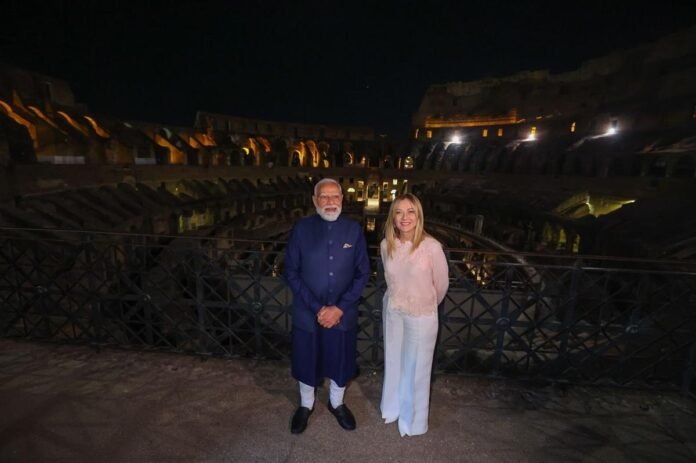
PM Modi arrived in Rome on Tuesday and was warmly welcomed by Italian Prime Minister Giorgia Meloni. In a gesture that drew global attention, the two leaders shared a car ride, had dinner together and visited the iconic Colosseum ahead of formal bilateral talks. Pictures and videos from the visit quickly went viral on social media, symbolising the increasingly warm personal and diplomatic chemistry between the two leaders.

During the visit, PM Modi is scheduled to hold formal discussions with Prime Minister Meloni as well as meet Italian President Sergio Mattarella. The talks are centred around expanding cooperation under the India-Italy Joint Strategic Action Plan 2025–2029, which covers sectors such as defence manufacturing, clean energy, artificial intelligence, semiconductors, space cooperation, mobility, higher education and cultural exchanges.

One of the major strategic priorities of the visit is the India-Middle East-Europe Economic Corridor (IMEC), the ambitious connectivity initiative linking India with Europe through the Middle East. Both countries view the corridor as a transformative economic and geopolitical project that could strengthen supply chains, trade routes and energy connectivity between Asia and Europe.

Trade and investment are expected to dominate the discussions. Italy is among India’s important European economic partners, and both nations are reportedly aiming to raise bilateral trade significantly over the coming years. Agreements in maritime transport, agriculture, critical minerals, research cooperation, museum partnerships and financial crime prevention are also likely to be signed during the visit.

Technology and industrial cooperation have emerged as another key pillar of the India-Italy partnership. Italy is increasingly looking at India as a trusted partner in manufacturing, digital innovation and energy transition, especially as Europe seeks to diversify supply chains and reduce strategic dependencies. Cooperation in artificial intelligence, renewable energy and advanced industrial technologies is expected to expand further after the visit.

PM Modi’s visit also carries diplomatic significance because it reflects India’s strengthening engagement with Europe beyond traditional partnerships. Analysts believe Italy under Prime Minister Giorgia Meloni is seeking a stronger role for India in Europe’s strategic and economic framework, particularly in the Indo-Pacific and Mediterranean regions.

Apart from bilateral meetings, PM Modi is also expected to visit the headquarters of the Food and Agriculture Organization (FAO) in Rome, underlining India’s commitment to global food security and multilateral cooperation.

The visit concluded PM Modi’s broader diplomatic tour covering the UAE, the Netherlands, Sweden, Norway and Italy — a tour widely viewed as an effort to strengthen India’s global partnerships in energy, technology, innovation, trade and strategic cooperation.

Prajakta Mali Brings Maharashtrian Elegance to Cannes in Traditional Nauvari Saree

0

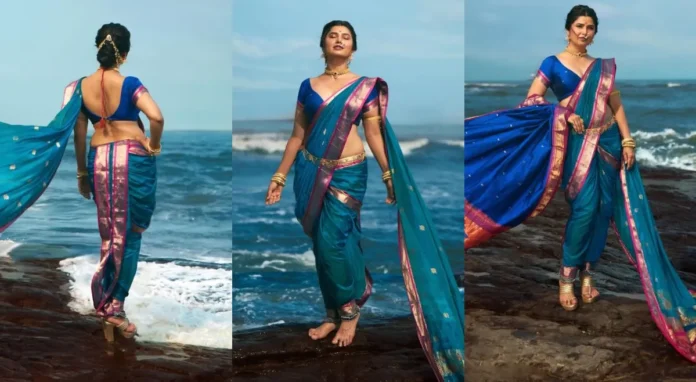
Marathi actress Prajakta Mali turned heads at the 79th Cannes Film Festival by bringing the elegance of Maharashtra’s traditional culture to one of the world’s biggest cinematic stages. Dressed in a striking blue Nauvari saree paired with a classic Marathi nath, kamarbandh, gold jewellery and a traditional bindi, the actress chose heritage over conventional red-carpet couture, creating a moment that resonated strongly with audiences across India and beyond.

At a festival known for dramatic gowns and international fashion statements, Prajakta Mali’s appearance stood out for its rooted simplicity and cultural authenticity. Her royal blue and purple Nauvari saree, a traditional nine-yard drape associated with Maharashtrian identity and strength, became symbolic of regional pride on a global platform. She completed the ensemble with layered gold jewellery, traditional hair accessories and folded-hand greetings that added warmth and grace to her red-carpet debut.

Prajakta attended Cannes as part of a delegation promoting Marathi cinema and the launch of the OTT platform “Abhijaat Marathi.” Her participation reflected the growing visibility of regional Indian cinema at international forums. Alongside her, veteran actors Ashok Saraf and Nivedita Saraf, creator Ankita Walawalkar and filmmaker Kedar Joshi also represented Maharashtra at the festival and events linked to the Indian Pavilion.

The appearance quickly gained attention online, with many social media users praising the actress for proudly representing Marathi culture instead of opting for western fashion trends. Several Reddit users described the moment as a “proud moment for the Marathi industry,” appreciating the global visibility being given to regional traditions and cinema.

At the same time, the discussion also highlighted how audiences today engage deeply with fashion and cultural representation. While many admired the look and confidence, some online users debated the styling and draping of the Nauvari saree, reflecting how traditional attire carries emotional and cultural significance for communities.

Prajakta Mali’s Cannes appearance ultimately became more than a fashion statement. It represented the increasing confidence of regional Indian cinema in claiming space on global platforms without losing its cultural roots. In an environment often dominated by international luxury labels, her decision to celebrate Marathi heritage through traditional attire demonstrated that cultural identity itself can become the most powerful style statement.

At Cannes 2026, Ruchi Gujjar Turns Rajasthani Tradition Into a Statement on Women’s Rights

0

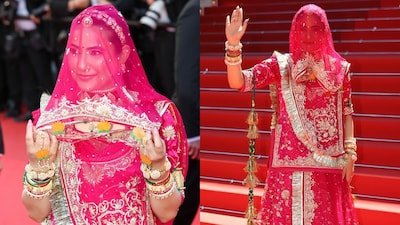
At the 79th edition of the Cannes Film Festival, Indian actress and model Ruchi Gujjar made a striking appearance that went beyond glamour and fashion. Draped in a vibrant pink Rajasthani poshak with a translucent ghunghat, Gujjar used one of the world’s most prestigious red carpets to spark a conversation about women’s freedom, identity, and the social realities surrounding the veil tradition in parts of India.

Her ensemble featured intricate silver embroidery, traditional jewellery, bangles, and a dramatic veil partially covering her face. While the attire celebrated the richness of Rajasthan’s cultural heritage, the symbolism behind the ghunghat became the centre of attention. According to multiple reports, Gujjar clarified that her veil was not meant to represent submission, but resistance against forced customs that continue to restrict women in some communities.

Speaking about her appearance, Gujjar reportedly said that culture should empower women rather than silence them. Her statement highlighted the difference between wearing traditional attire by choice and being compelled to follow practices that limit personal freedom.

The Cannes appearance quickly generated debate across social media and fashion circles. Many praised her for proudly showcasing Rajasthani culture on an international stage, while others appreciated the deeper social message woven into the look. Fashion commentators noted that at an event often dominated by luxury couture and celebrity glamour, Gujjar managed to transform fashion into social commentary.

Her appearance also brought attention to the evolving role of fashion in activism. Increasingly, celebrities are using global platforms such as Cannes not merely for visibility, but to raise discussions around gender, equality, sustainability, and identity. In Gujjar’s case, the ghunghat became both a celebration of heritage and a critique of patriarchal traditions when imposed without choice.

Coming from Rajasthan herself, Ruchi Gujjar’s statement carried personal significance. By combining Rajputana-inspired aesthetics with a message of women’s dignity and freedom, she turned her Cannes debut into one of the most talked-about Indian appearances at the festival this year.

From Political Outsider to Global Powerhouse: 10 Facts That Make Giorgia Meloni Different From Other Leaders

0

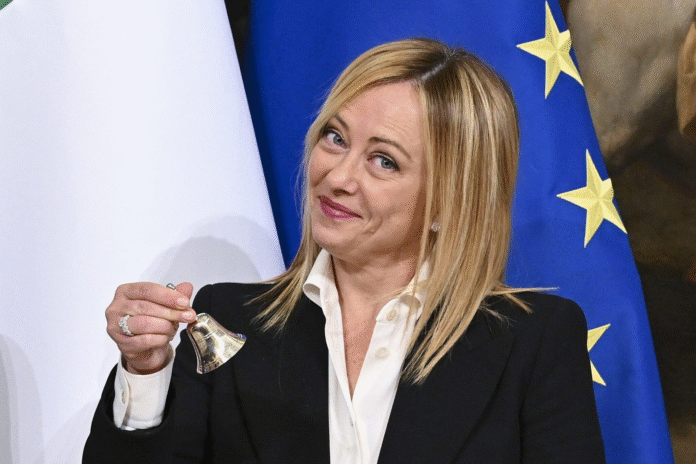
In a world dominated by carefully scripted politicians and fragile coalition governments, Italy’s Prime Minister Giorgia Meloni has emerged as one of the most unconventional and talked-about leaders of the modern era. From becoming Italy’s first-ever female Prime Minister to surviving the country’s notoriously unstable political system, Meloni has built a political identity that blends nationalism, charisma, tradition, and mass appeal. Her outspoken speeches, lively public image, and ability to connect with ordinary citizens have made her one of Europe’s most influential figures. Here are 10 facts that set Giorgia Meloni apart from other global leaders.

1. Italy’s First Female Prime Minister

In Italy’s 161-year electoral history, no woman had ever occupied the country’s top political office until Meloni broke the barrier and became Prime Minister.

2. One of the World’s Most Powerful Women

In 2024, Forbes ranked Meloni as the third most powerful woman in the world, placing her among the most influential global leaders.

3. The Only Woman at the Gaza Peace Summit

At the 2025 Gaza Peace Summit in Egypt attended by leaders from 30 major nations, Meloni was the sole female head of government present.

4. She Defied Italy’s “Government Collapse” Curse

Italy has witnessed 68 governments in 77 years, with administrations lasting an average of just 16 months. Meloni, however, crossed 1,300 days in office, becoming the country’s second longest-serving PM within a single term.

5. She Keeps Rival Allies United

Political experts credit Meloni for successfully balancing powerful coalition partners like Matteo Salvini while preventing internal political rebellions from destabilizing her government.

6. She Speaks Like an Ordinary Citizen

Unlike many European leaders known for formal speeches, Meloni communicates in a direct, emotional, and relatable style that resonates strongly with common voters.

7. Her “I Am Giorgia” Speech Became Iconic

Meloni’s 2019 declaration — “I am Giorgia, I am a woman, I am a mother, I am a Christian” — became one of the defining political slogans of modern Italy.

8. She Rejects the Feminist Label

Despite becoming Italy’s first female PM, Meloni does not describe herself as a feminist and openly opposes “pink quota” reservations for women in politics.

9. She Brought Folk Dance to Global Diplomacy

During the 2024 G7 Summit hosted by Italy, Meloni surprised world leaders by enthusiastically performing the traditional Italian folk dance “Pizzica,” earning widespread praise online.

10. Her Viral Personality Keeps Her in Headlines

Whether joking with world leaders, sharing spontaneous reactions, or engaging warmly with supporters, Meloni’s candid moments frequently go viral on social media, making her one of the most recognizable political personalities in Europe.

Vaibhav Sooryavanshi: Know Other Records of This Boy Who Created IPL History with 93-Run Blitz and 53rd Six

0

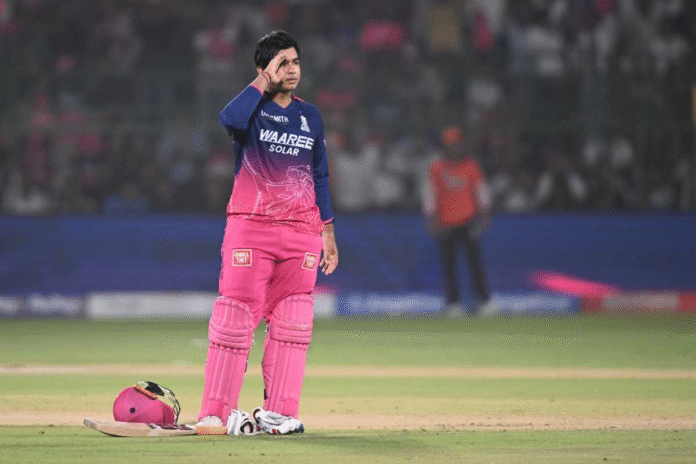
Rajasthan Royals’ teenage batting sensation Vaibhav Sooryavanshi continued his extraordinary Indian Premier League (IPL) 2026 campaign with a blistering 93 off just 38 balls against Lucknow Super Giants in Jaipur on Tuesday, rewriting multiple records during RR’s successful chase of 221.

The young opener smashed 10 sixes and seven boundaries in another explosive innings, guiding Rajasthan Royals to a convincing seven-wicket victory and helping the franchise climb to fourth place in the points table with 14 points.

Youngest Player to Reach 500 IPL Runs

Sooryavanshi became the youngest player in IPL history to score 500 runs in a single season, surpassing the previous record held by Rishabh Pant, who achieved the feat at the age of 20 while representing Delhi Daredevils in 2018.

Highest Strike Rate in IPL History for 500+ Run Season

The RR batter also registered the highest strike rate ever recorded in an IPL season by a player scoring 500 or more runs. Sooryavanshi currently boasts a staggering strike rate of 236.3 in IPL 2026.

He moved ahead of:

  • Andre Russell — 204.8 in 2019
  • Abhishek Sharma — 202.0 in 2026
  • Nicholas Pooran — 196.2 in 2025
  • Travis Head — 191.5 in 2024
  • Glenn Maxwell — 187.7 in 2014
  • Chris Gayle — 183.1 in 2011

First Indian Batter to Smash 50 Sixes in an IPL Season

During the innings, Sooryavanshi also became the first Indian batter to hit 50 sixes in a single IPL edition. He now has 53 sixes in IPL 2026.

Only Chris Gayle has hit more sixes in a season, with 59 in 2012.

Most Sixes in an IPL Season

  • Chris Gayle — 59 (2012)
  • Vaibhav Sooryavanshi — 53* (2026)
  • Andre Russell — 52 (2019)
  • Chris Gayle — 51 (2013)
  • Jos Buttler — 45 (2022)
  • Chris Gayle — 44 (2011)
  • Abhishek Sharma — 42 (2024)

Rare Six-Hitting Milestone

Sooryavanshi also became only the third batter in IPL history after Chris Gayle and Abhishek Sharma to smash 10 or more sixes in an innings on multiple occasions.

He is also only the second batter after Finn Allen this season to record two innings featuring 10-plus sixes in a single IPL campaign.

RR Create Powerplay Sixes Record

According to CricViz data, Rajasthan Royals have now registered the highest number of powerplay sixes in a single IPL season, smashing 60 sixes during the first six overs in IPL 2026.

Sooryavanshi alone accounts for 37 of those sixes, while Yashasvi Jaiswal has contributed 12. The remaining RR batters combined for 11.

The previous record belonged to Sunrisers Hyderabad, who hit 59 powerplay sixes in 2024.

How the Match Unfolded

Earlier in the match, Lucknow Super Giants posted a formidable 220/5 after being put in to bat first. Josh Inglis scored 60, while Mitchell Marsh blasted 96 off 57 balls as LSG raced to 83/0 in the powerplay.

Captain Rishabh Pant also chipped in with a late cameo before both he and Marsh were run out in the final over.

For Rajasthan Royals, Yash Raj Punja picked up 2/35, while Jofra Archer claimed one wicket.

In reply, Sooryavanshi’s explosive knock and Dhruv Jurel’s rapid 53 powered RR to a memorable chase and another crucial win in IPL 2026.

Thailand Cuts Visa-Free Stay Period for More Than 90 Countries Including UK

0

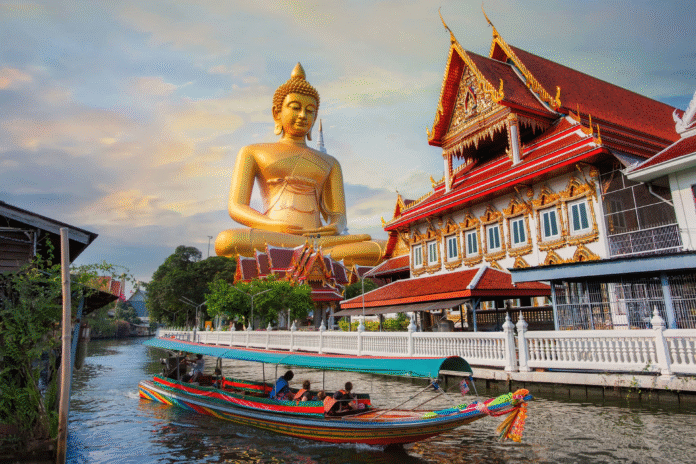
Thailand is tightening its visa-free entry rules, with UK travellers and visitors from dozens of other countries soon needing a visa for stays longer than 30 days.

Since July 2024, tourists from 93 countries — including the UK, Australia, India, the US and much of Europe — have been allowed to stay visa-free for up to 60 days to help revive tourism after the pandemic.

But Thai authorities have now approved plans to scale the exemption back, citing security concerns and confusion around overlapping visa schemes. Under the revised system, visa-free stay limits will vary by country, though many travellers will now be capped at 30 days without a visa.

The new rules will take effect 15 days after they are officially published in Thailand’s Royal Gazette.

Thailand remains one of Asia’s most popular holiday destinations, welcoming nearly 12 million visitors so far this year.

Haji Syed Salman Chishty Brings 800 Years of Sufi Wisdom to Canada Literature Festival 2026

0

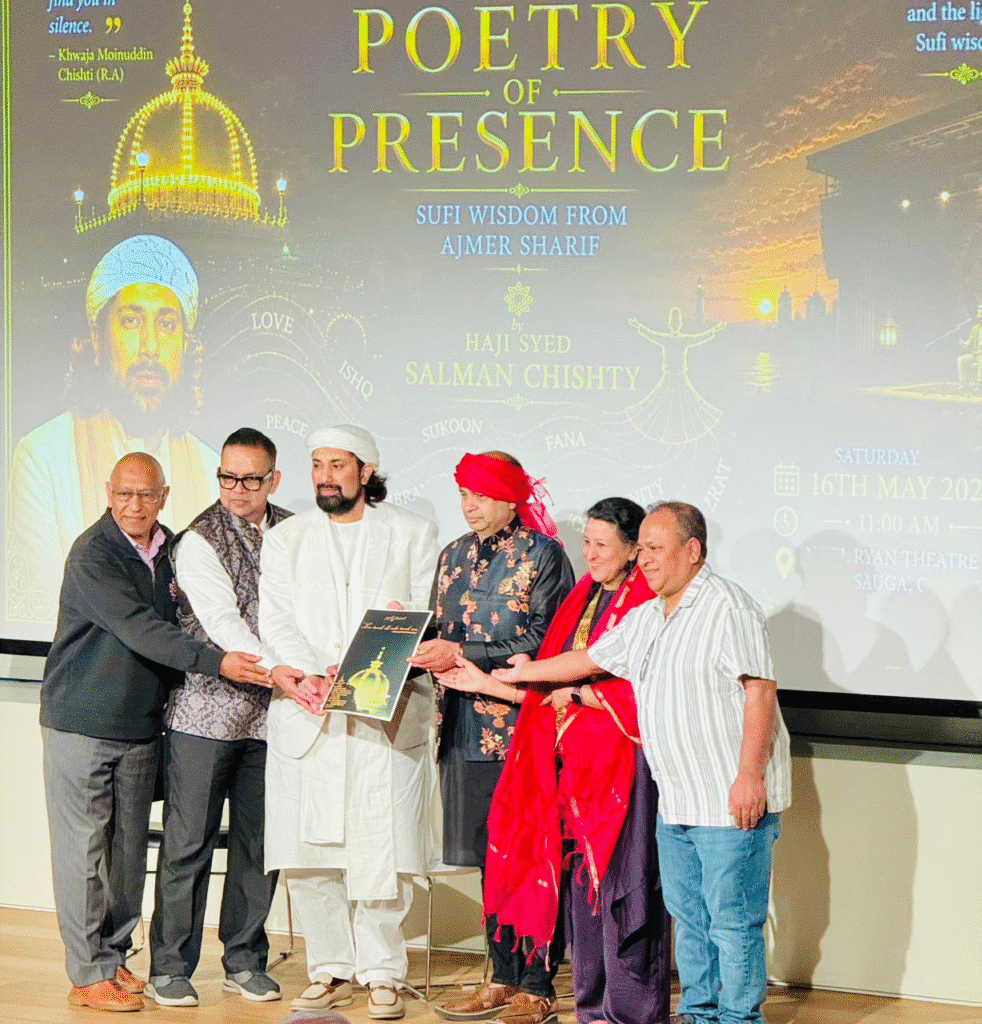
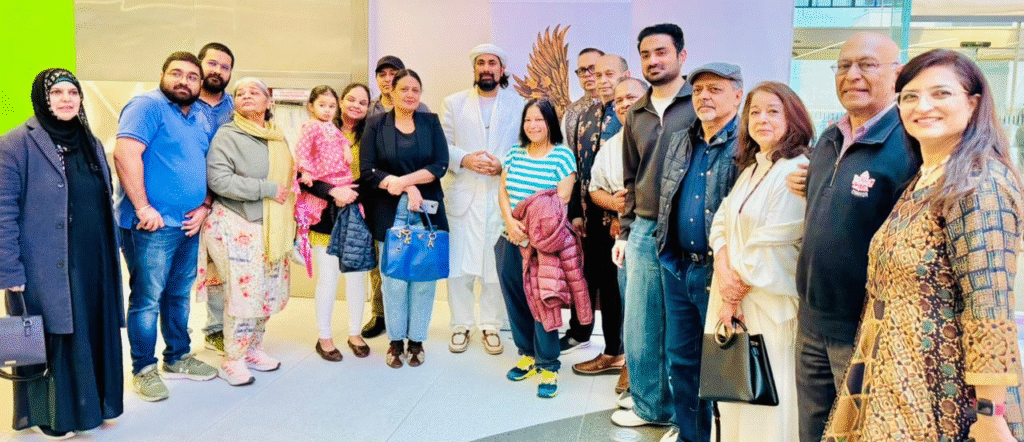
Haji Syed Salman Chishty, the 26th-generation Gaddi Nashin of the revered Dargah of Hazrat Khwaja Moinuddin Chishty (R.A.) in Ajmer Sharif, India, and Chairman of the Chishty Foundation, made a significant appearance at the Canada Literature Festival (CLF) 2026, held from May 13 to May 18 across Mississauga and Toronto, Ontario.

Haji Syed Salman Chishty Brings 800 Years of Sufi Wisdom to Canada Literature Festival 2026

Through a series of interfaith discussions, the Canadian release of the acclaimed book “Seeking the Infinite” by Yakub Mathew, and a special evening dedicated to Sufi poetry and spiritual dialogue, Haji Syed Salman Chishty brought India’s centuries-old Sufi legacy to a global audience while reinforcing the shared values of peace, unity, and interfaith harmony.

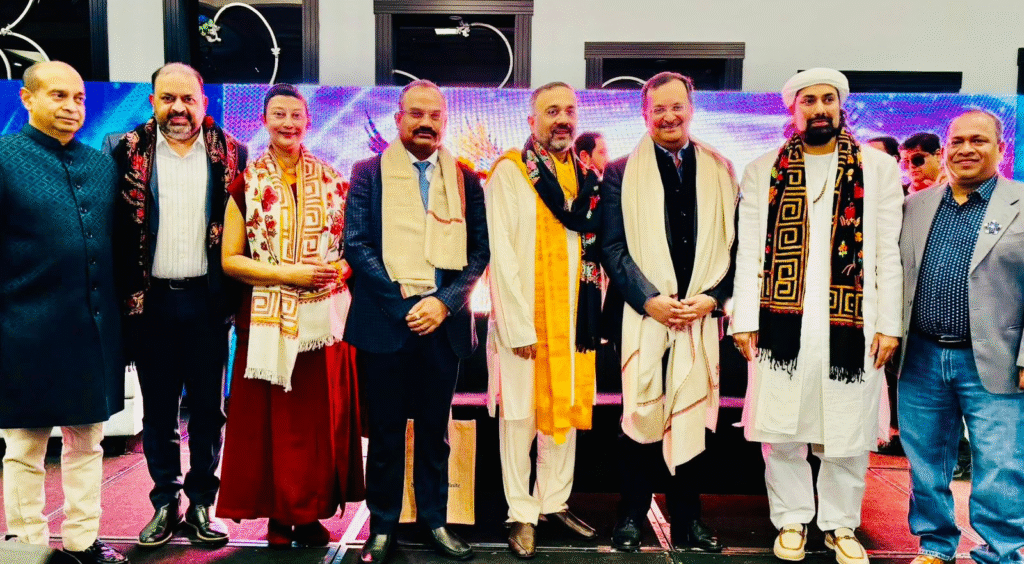
The events were attended by H.E. Dinesh K. Patnaik, High Commissioner of India to Canada, and Mahaveer Singhvi, Consul General of India in Toronto, highlighting the growing role of cultural diplomacy in strengthening India-Canada relations.

Haji Syed Salman Chishty Brings 800 Years of Sufi Wisdom to Canada Literature Festival 2026

A major highlight of the festival was the Canadian launch of “Seeking the Infinite: Maha Kumbh 2025”, a multi-faith coffee-table book authored by Yakub Mathew and featuring contributions from more than 50 global thought leaders. The accompanying panel discussion focused on interfaith dialogue, spiritual unity, and humanity’s universal search for meaning before a distinguished gathering of members of the Indian diaspora and international guests in Toronto.

Haji Syed Salman Chishty participated as a featured speaker at the interfaith session titled “A Confluence of Faiths: Seeking the Infinite” held at the Apollo Convention Centre in Mississauga. The session also featured Yakub Mathew, Lama Aria Drolma, Rakesh Kaul, and Harry Mann, with noted Cambridge University scholar Prof. Prabhu Guptara moderating the discussion.

Haji Syed Salman Chishty Brings 800 Years of Sufi Wisdom to Canada Literature Festival 2026

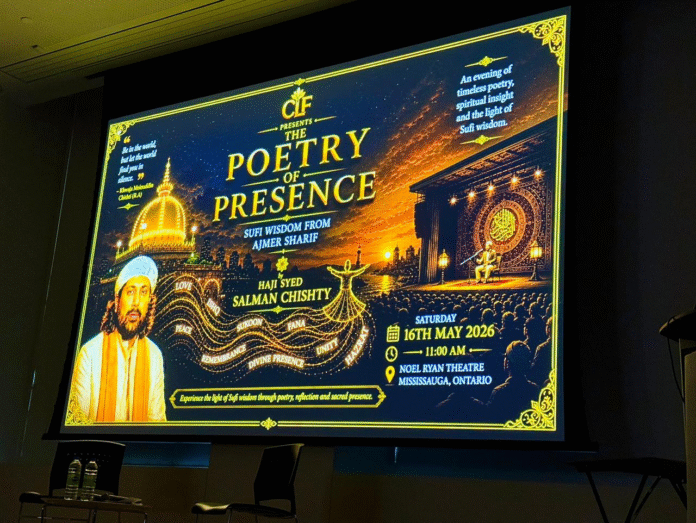
At another key CLF 2026 venue, the prestigious Noel Ryan Theatre in Mississauga, Haji Syed Salman Chishty presented an evening of timeless Sufi poetry and spiritual reflections, offering Canadian audiences a direct experience of the living traditions of the Chishty Sufi Order and its mystical teachings.

Speaking at the event, Haji Syed Salman Chishty said, “The Chishty Sufi tradition has taught for 800 years that unconditional love and service towards creation is the path leading humanity towards the Creator. From the blessed Dargah of Khwaja Gharib Nawaz in Ajmer Sharif to the shores of Lake Ontario, the message remains the same — ‘Love Towards All, Malice Towards None.’”

Author Yakub Mathew remarked, “The Infinite is not a place to reach, but a truth to remember — that within every individual lies a horizon without end. This gathering in Toronto proves that the quest for the Infinite transcends every border.”

H.E. Dinesh K. Patnaik, High Commissioner of India to Canada, stated that platforms such as the Canada Literature Festival demonstrate how interfaith peace and harmony can strengthen bilateral relations. He noted that India’s spiritual and cultural traditions reflect the shared values of pluralism and mutual respect cherished by both India and Canada.

Mahaveer Singhvi, Consul General of India in Toronto, said that interfaith dialogue and spiritual harmony serve as vital pillars of people-to-people diplomacy. He added that the unity witnessed during CLF 2026 reflected the essence of what India-Canada relations aspire to achieve.

Ajaay Modi, Organiser of Canada Literature Festival 2026, said the festival was created to celebrate dialogue and knowledge beyond barriers of race, religion, language, and culture. He noted that CLF 2026 reaffirmed how literature and cultural exchange can become powerful instruments for interfaith peace and global understanding.