

Cyclospora is a microscopic parasite that causes cyclosporiasis, a foodborne intestinal infection linked to contaminated fresh produce. As of 15 July 2026, the Centres for Disease Control and Prevention has confirmed 1,645 domestically acquired cases across 34 states and is reviewing more than 5,100 additional cases for confirmation.
Cyclospora and Cyclosporiasis
Cyclospora cayetanensis is a protozoan parasite that infects the small intestine and spreads through ingestion of oocysts in contaminated food or water. Cyclosporiasis commonly causes watery diarrhoea, loss of appetite, weight loss, stomach cramps, nausea, and fatigue, and the illness can last for several days to weeks without treatment.
Outbreak Pattern in 2026
The 2026 outbreak includes a multi-state cluster of more than 400 cases in Michigan, Ohio, West Virginia, and Kentucky, with symptom onset generally reported on or after 22 June 2026. The median illness onset date for confirmed domestically acquired cases is 22 June 2026, and the age range of patients is 2 to 95 years. Michigan has reported 3,309 cases and 44 hospitalisations as of 14 July 2026, while north-western Ohio has reported 1,119 cases and 46 hospitalisations. Among the 1,645 confirmed cases, 141 patients, or 9%, required hospitalisation, and no deaths have been reported as of 13-15 July 2026.
Food Sources and Surveillance
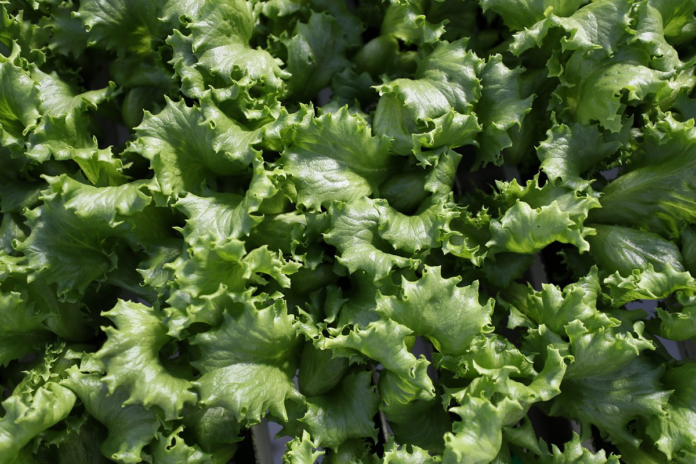
Investigations have centred on fresh produce, especially bagged salad and lettuce, because Cyclospora outbreaks in the United States often involve raw vegetables eaten without cooking. Michigan health officials have identified salad and lettuce as the likely source for their state cases, while no single food source has been officially confirmed for the national outbreak. Taco Bell removed fresh produce from its restaurants in July 2026 as a precautionary step, although no definitive link to its products has been established. On 1 July 2025, the FoodNet surveillance network made Cyclospora tracking optional, a change that affects national case monitoring and comparison with state-level reports.
Important Facts
- Cyclospora cayetanensis is a protozoan parasite and not a bacterium or virus.
- Cyclosporiasis is a foodborne disease that often spreads through contaminated fresh produce.
- The Centres for Disease Control and Prevention is the main federal public health agency for outbreak monitoring in the United States.
- FoodNet is a surveillance network used for tracking foodborne infections in the United States.