

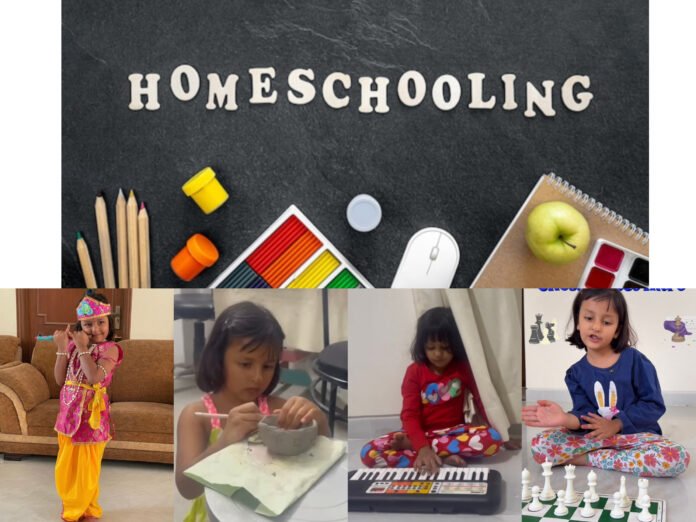
As conversations around alternative education continue to grow in India, homeschooling is emerging as a path chosen by a small but steadily increasing number of families. While often misunderstood as simply “schooling at home,” homeschooling can take many forms, from structured curricula to child-led learning and experiential education.
For a related practical reference on planning a project document, see How Google Docs.
Video workflow note: for creator workflow, this Lightworks tutorials can help creators plan the edit.
For one family, homeschooling has become an opportunity to build a learning environment shaped by curiosity, flexibility, and real-world experiences. In this interview, the parents (Vaishali Singhal and Prasoon Gupta) of a five-year-old homeschooled child, Pravanya Gupta, share their journey, while an educator (Neetu Rathore) offers insights into the opportunities and challenges of homeschooling in India.
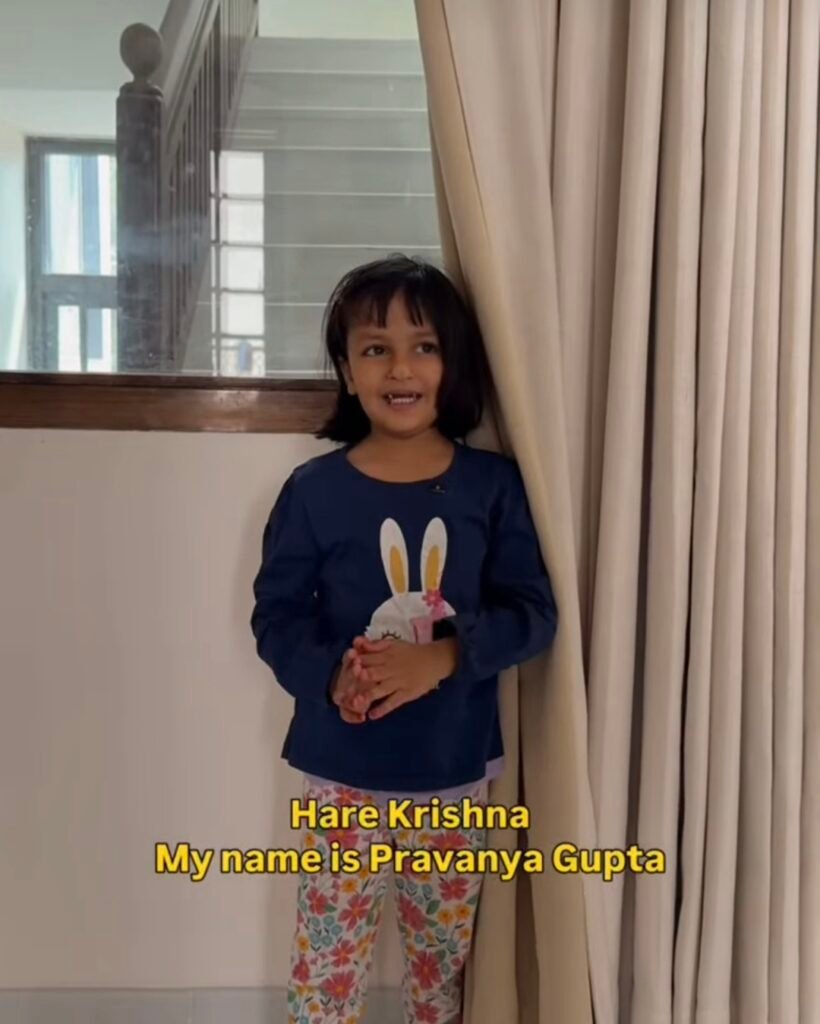
Parents’ Perspective
Q1. What first made you consider homeschooling, and what ultimately convinced you to take this route?
There were several reasons behind our decision. One thing we always like to clarify is that homeschooling does not mean keeping a child at home. For us, it means creating a personalized learning journey tailored to a child’s interests, pace, and natural curiosity.
We wanted our daughter to have the freedom to spend more time on activities that genuinely excite her. If she is deeply engaged in painting, she can continue exploring it. If she is interested in swimming, she can spend more time in the pool. We wanted learning to be driven by curiosity rather than by a rigid timetable.
We also believe meaningful learning happens across age groups. In life, we learn from people who are older, younger, and from diverse backgrounds. Through homeschooling, she has opportunities to interact with people of different ages and experiences.
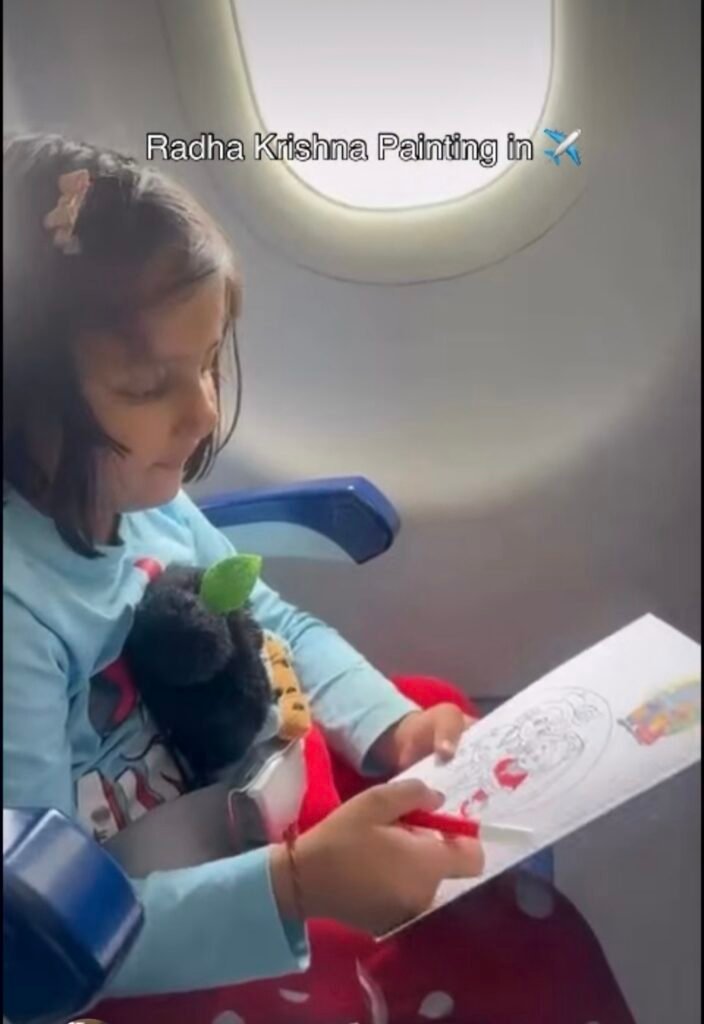
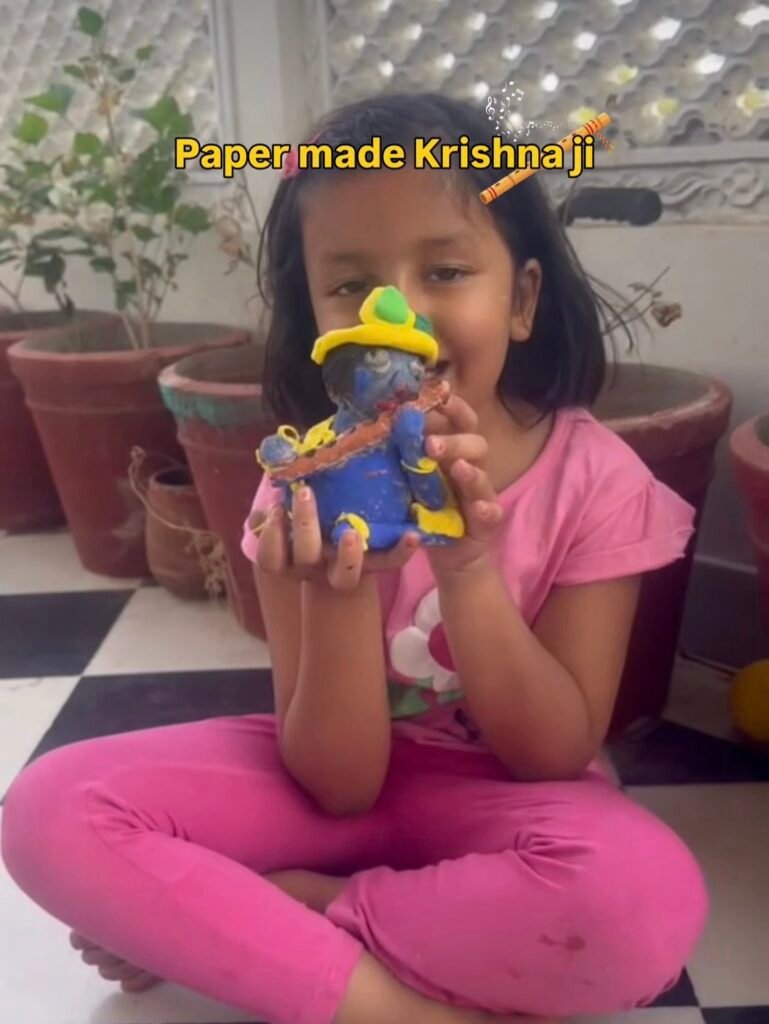
Learning for her extends beyond textbooks. It includes art, music, sports, practical activities, travel, and everyday experiences. Homeschooling has also allowed us greater flexibility to travel as a family, exposing her to different cultures and ways of life.
Most importantly, we wanted her early years to focus on developing confidence, emotional resilience, strong values, and a genuine love for learning. In a rapidly changing world, we believe the ability to think critically, adapt, and solve problems may become more valuable than simply memorizing information.
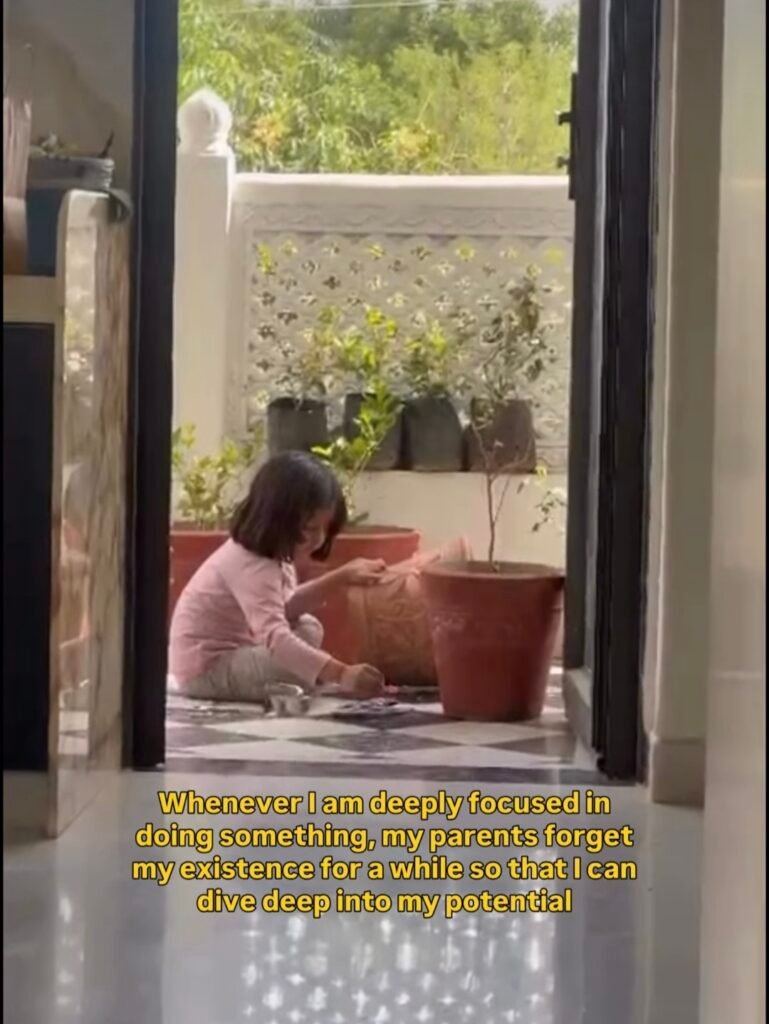
Q2. For readers unfamiliar with the concept, how would you explain homeschooling and your approach to it?
Homeschooling is often misunderstood as simply teaching a child at home. In reality, it is an educational approach where learning is tailored to a child’s needs, interests, pace, and goals rather than following a standardized model designed for a large group of students.
Our approach combines structure and flexibility. We value guided learning and work with tutors, mentors, classes, and workshops where needed. At the same time, we make space for exploration, creativity, play, and self-directed learning.
For us, homeschooling is not about recreating school at home. It is about making learning a natural and enjoyable part of everyday life.
Q3. What does a typical day of learning look like for your child?
Our days have a rhythm rather than a rigid timetable. Mornings usually include yoga, kirtan, and spiritual practices, which are part of our family culture.
The rest of the day is planned around learning goals while remaining responsive to her interests and energy levels. Some days may involve classes, projects, reading, creative activities, outdoor play, or skill-based learning.
Rather than expecting her to fit into a fixed schedule, we try to create an environment where discipline and freedom coexist. The goal is to make learning meaningful, engaging, and sustainable.
Q4. How do you ensure that academic, creative, and life-skill development remain balanced?
Homeschooling requires active involvement from parents. We aim to create a balanced blend of academics, creativity, physical activity, life skills, and personal development.
Our daughter is exposed to mathematics, science, art, music, sports, travel, and practical life experiences. At the same time, we pay close attention to what naturally interests her and try to provide opportunities for deeper exploration in those areas.
One of the biggest lessons we have learned through homeschooling is that academics, creativity, and life skills are deeply interconnected. Travel can teach geography and communication. Art can develop concentration and creativity. Sports can build discipline and resilience.
We are inspired by the traditional Indian idea of holistic education, where learning extends beyond academics and contributes to the overall development of the individual.
Q5. Many parents worry about socialization. How do you address that?
Socialization is probably one of the most common questions people ask about homeschooling. In our experience, it has not been a challenge.
Through classes, workshops, community activities, travel, and everyday interactions, our daughter regularly engages with children and adults of different ages and backgrounds.
For us, socialization is not simply about being surrounded by the same group of children every day. It is about learning how to communicate, collaborate, and connect meaningfully with people in different situations.
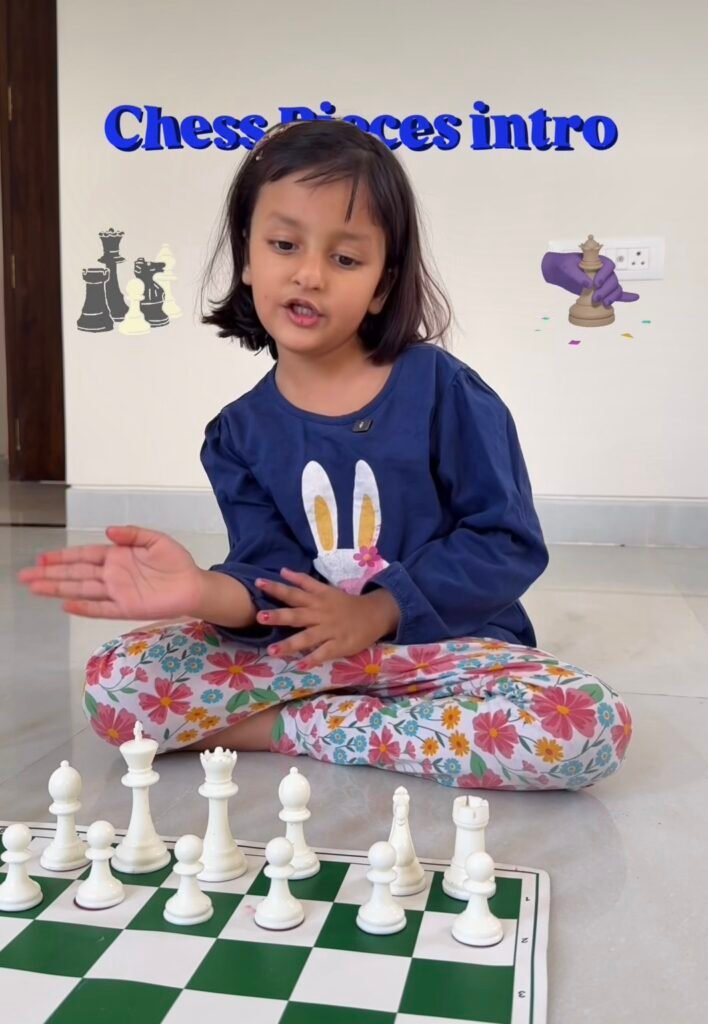
Q6. What have been the most rewarding moments in your homeschooling journey so far?
One of the greatest joys of homeschooling is witnessing your child’s growth firsthand.
A recent example was when her grandmother, a retired teacher who plays an important role in her learning, challenged her with a series of riddles. Watching her think independently, reason through the questions, and arrive at the answers was incredibly rewarding.
Moments like these, along with encouraging feedback from mentors and teachers, reassure us that learning is happening in a meaningful way.
Q7. What are some of the biggest challenges you have faced?
The biggest challenge is the level of involvement homeschooling requires from parents. It is not something that can be completely outsourced.
It demands time, planning, and constant reflection on whether a child is receiving the right exposure, opportunities, and support. As working parents and entrepreneurs, balancing professional responsibilities with homeschooling is an ongoing process.
Another challenge is societal perception. Homeschooling is still not widely understood, so there can sometimes be skepticism from people unfamiliar with the concept. Over time, we have learned to respect different viewpoints while staying focused on what works best for our child.
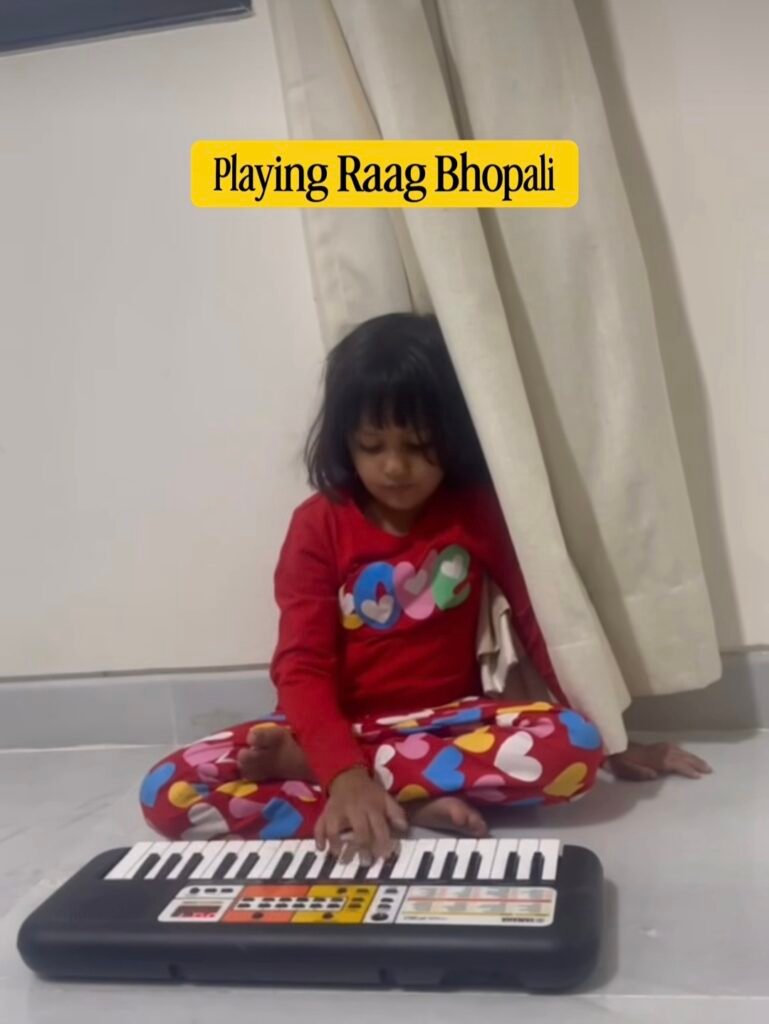
Q8. How do people generally react when they learn your child is homeschooled?
The reactions are mixed, which is understandable.
Some people are genuinely curious and excited to learn more about homeschooling. Others worry that a child may miss out on opportunities offered by traditional schools.
We respect both perspectives because most people are coming from a place of concern and want what they believe is best for children.
Ultimately, we view education as a deeply personal journey. Every family must choose the path that best aligns with their circumstances, values, and the needs of their child.
Q9. Looking ahead, do you see homeschooling as a long-term choice?
We do not see this as a fixed decision for life. Homeschooling is what works for our daughter at this stage, but we remain open-minded about the future.
As she grows older, her interests, goals, and preferences may evolve. If at any point she feels that a conventional school environment would better support her aspirations, we would be open to exploring that option.
The decision will ultimately be guided by what best serves her growth, happiness, and development.
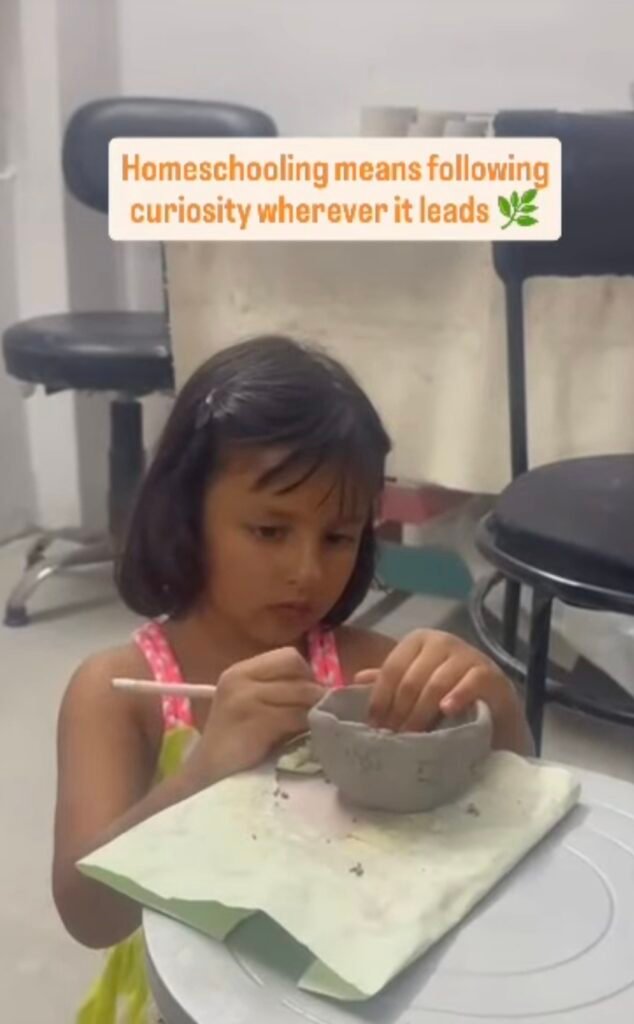
Q10. What would you like more people in India to understand about homeschooling?
Rather than convincing people to homeschool, we simply hope there is greater awareness and understanding of the choice.
Every family has unique circumstances, values, and priorities. What works wonderfully for one family may not work for another. Most parents are trying to make the best possible decisions for their children based on their own realities.
Homeschooling is not necessarily better or worse than conventional schooling. It is simply one of many valid educational paths.
Q11. Can you share a moment when you felt homeschooling was truly working?
For us, the success of homeschooling is not defined by a single achievement. It is reflected in the person our daughter is becoming.
When we see curiosity, confidence, empathy, responsibility, and a genuine enthusiasm for learning, we feel encouraged. Those qualities matter more to us than any particular milestone and reassure us that the journey is moving in the right direction.
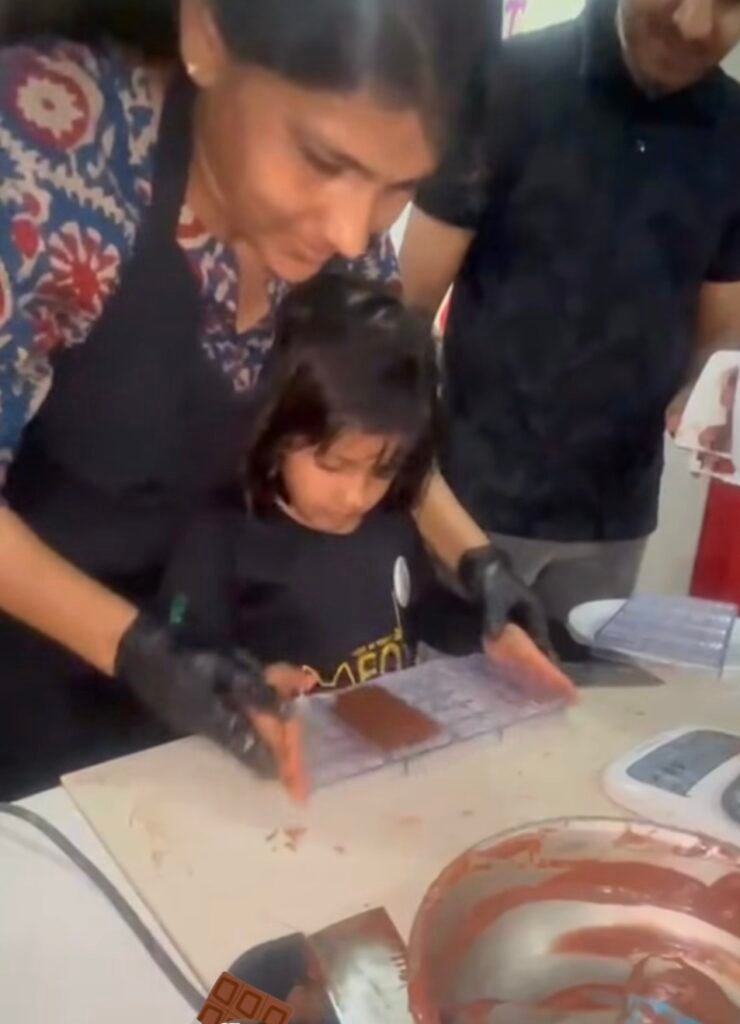
An Educator’s Perspective
Q1. As someone who teaches a homeschooled child, how does the learning experience differ from teaching in a conventional classroom?
In a conventional classroom, teaching is guided by a fixed syllabus, academic calendar, and standardized pace designed for a large group of students. The focus often remains on completing the curriculum and preparing students for assessments.
Homeschooling offers far greater flexibility. Learning can be adapted to a child’s pace, interests, strengths, and areas that require additional support. There is more freedom to explore concepts in depth rather than moving on simply because the syllabus demands it.
As an educator, it allows me to understand the learner more holistically and create a more personalized and meaningful learning experience.
Q2. What strengths have you observed in homeschooled learners?
One of the most noticeable qualities is their ability to learn without the constraints of time-bound instruction.
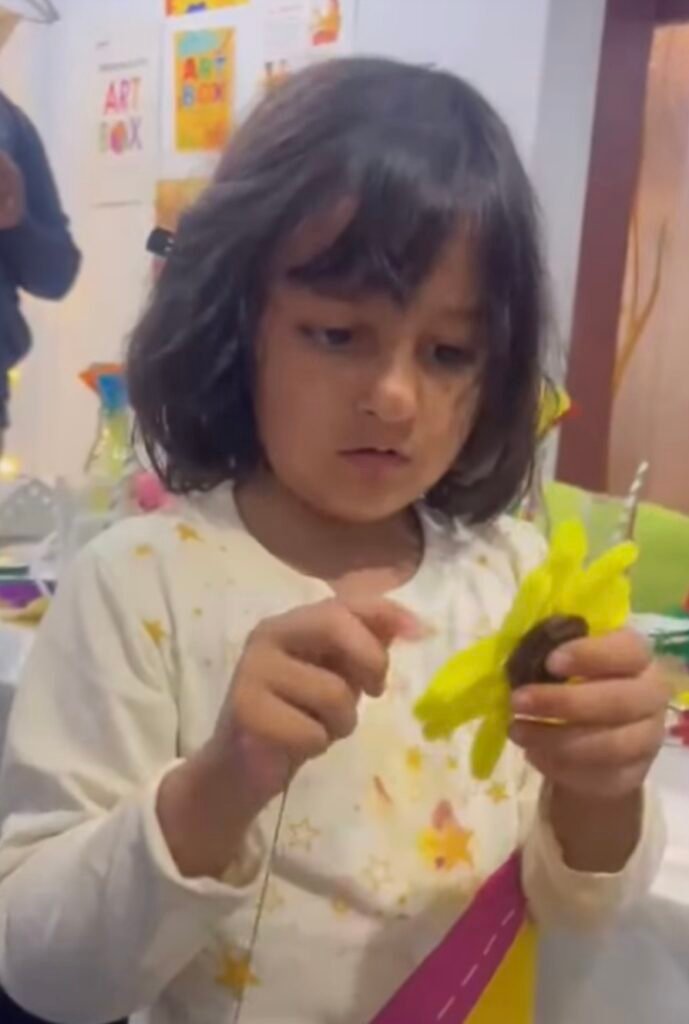
Homeschooled learners often have the freedom to spend more time researching, experimenting, asking questions, and engaging in hands-on activities. Learning is frequently driven by curiosity rather than obligation.
Many also develop strong independent learning habits because they are encouraged to seek answers, explore ideas, and take ownership of their educational journey.
Q3. From an educator’s perspective, what are the biggest opportunities and challenges of homeschooling in India?
One of the greatest opportunities homeschooling offers is genuine personalization. Every child learns differently, and homeschooling creates space for true differentiation rather than a one-size-fits-all approach.
It allows educators to focus on mastery of concepts rather than simply completing a syllabus. Learning can move forward when understanding is achieved, leading to stronger foundations.
The mentor-student relationship is often deeper and more meaningful, echoing aspects of the traditional Indian guru-shishya parampara. It also becomes easier to integrate life skills, values, creativity, and real-world experiences into education.
At the same time, homeschooling comes with challenges. There is no built-in system, so parents and educators must create structure, learning pathways, and opportunities themselves. Parents effectively become co-educators, making collaboration essential.
Socialization also requires conscious effort and planning. While homeschooling can be highly rewarding, it demands commitment, intentionality, and active participation from everyone involved.
Conclusion
Homeschooling remains a niche choice in India, but it is prompting important conversations about personalized learning, flexibility, and holistic development. For this family, homeschooling is not about rejecting schools; it is about embracing a different way of learning, one built around curiosity, mentorship, lived experiences, and the freedom to learn beyond the classroom.
Whether it becomes more mainstream or remains an alternative path, homeschooling highlights an important reality: education is not one-size-fits-all, and families today are increasingly exploring diverse ways to help children learn, grow, and thrive.